2027 Biomedical Sciences Degree vs Bootcamp vs Certificate: Which Path Leads to Better Career Outcomes?

Co-Founder and Chief Data Scientist
Choosing between a biomedical sciences degree, bootcamp, or certificate often leaves prospective learners uncertain about which path yields better career outcomes-especially when factors like salary, employer preferences, job placement rates, and long-term growth are at stake. For example, data from the National Center for Education Statistics shows that bachelor's degree holders in biomedical sciences earn on average 25% more than those with certifications alone.
This gap highlights the complex trade-offs between investment and returns depending on one's background and goals. This article will analyze these pathways across key criteria, guiding readers toward informed decisions aligned with their career aspirations.
Key Things to Know About Which Path Leads to Better Career Outcomes: Biomedical Sciences Degree, Bootcamp, or Certificate
- A Biomedical Sciences degree typically yields higher average salaries-around 20% more than bootcamp graduates-reflecting employer preference for formal credentials in research and clinical roles.
- Bootcamps offer faster job placement rates-up to 70% within six months-but often lack the broad networking access and academic depth required for long-term growth.
- Certificates provide cost-effective skill augmentation ideal for working professionals but generally deliver limited return on investment and are best suited for niche career shifts rather than foundational roles.
How Does Biomedical Sciences Degree Compare to Bootcamps and Certificates in Total Program Cost and Time to Completion?
Prospective biomedical sciences students today must choose between a multi-year degree investment and faster, lower-cost alternatives like bootcamps or certificates-each pathway meeting different needs and goals. A traditional biomedical sciences degree, such as a bachelor's requiring four years or an associate's around two years, offers a comprehensive foundation in science, research, and interdisciplinary study. According to the National Center for Education Statistics (NCES) and Integrated Postsecondary Education Data System (IPEDS), the average cost for such degrees ranges from $40,000 to over $100,000, varying by institution type and residency status. Part-time study options do exist but may double the time to completion, reflecting a significant financial and time commitment notable in any biomedical sciences degree program cost and duration analysis.
Bootcamps-intensive programs lasting 8 to 26 weeks-focus on practical, job-ready skills related to biomedical fields or life sciences technology. These programs typically cost between $7,000 and $15,000, as aggregators like SwitchUp and Course Report report, offering faster completion than degree programs with less emphasis on foundational theory. While many bootcamps operate full-time, some offer flexible or part-time schedules suitable for working adults. The time and financial investment for biomedical sciences bootcamps and certificates often appeals to learners seeking efficient, targeted entry points into the workforce.
Professional certificates, commonly available through online platforms such as Coursera or industry bodies, vary from a few weeks to months of self-paced or instructor-led study, with costs ranging from several hundred to a few thousand dollars. Certificates deliver focused expertise on specific biotech tools or methods without the broad scope of degrees, often serving as supplementary credentials or rapid skill updaters.
Summarizing key comparison points:
- Time to Completion: Degree programs require multiple years; bootcamps take weeks to months; certificates vary widely but usually less than a year.
- Total Cost: Degrees are the most expensive; bootcamps fall in the mid-range; certificates are the most affordable.
- Structure: Degrees follow a formal academic calendar; bootcamps are intensive and cohort-based; certificates offer flexible pacing.
- Depth vs. Breadth: Degrees offer comprehensive foundational knowledge; bootcamps build practical skills quickly; certificates focus narrowly on specific competencies.
Cost and duration are necessary but incomplete metrics for deciding among educational options. Factors like employer perceptions, job placement rates, salary outcomes, long-term career growth, networking access, and overall return on investment play pivotal roles. This guide further explores these dimensions to help learners-whether recent high school graduates, working professionals, or current students-make informed choices aligned with their career ambitions. For those considering options with varied admissions standards, exploring high acceptance rate nursing schools might offer additional insights into accessible pathways in related health sciences fields.
What Career Outcomes Can Biomedical Sciences Degree Graduates Expect Compared to Bootcamp and Certificate Completers?
Labor market data comparing career outcomes for biomedical sciences degree holders versus bootcamp and professional certificate completers reveals important distinctions. According to the Bureau of Labor Statistics (BLS) and the NACE Early Career Salary Survey, graduates with degrees generally achieve employment rates above 85% within six months, earning median starting salaries between $50,000 and $65,000 depending on their specialization. Common entry-level roles include research assistant, laboratory technician, or clinical specialist-positions that reflect structured pathways into the field.
Bootcamp and certificate completers exhibit more varied outcomes. Data from Course Report's annual bootcamp surveys show employment rates ranging from 70% to 80% shortly after finishing, with median salaries between $40,000 and $55,000. Initial roles often focus on technical support, data analysis, or quality control that emphasize practical skills over foundational scientific training. This reflects an emerging trend in biomedical sciences degree career outcomes versus bootcamp and certificate completers in the United States, where non-degree paths gain traction in applied technical domains.
Employment Rate: Degree graduates maintain higher early placement rates, though bootcamp completers are closing gaps as employers value verified skills more.Starting Salary: Median salaries favor degree holders, but bootcamp completers narrow the gap in biomedical tech-adjacent fields.Job Titles: Degree holders typically enter research and clinical roles, while non-degree graduates often fill technician or analyst positions with narrower scopes.Data Reliability: Bootcamp outcomes are often self-reported and may involve survivorship bias; independently audited data or CIRR membership improve transparency.Employer Preferences: Degrees hold competitive advantage for research-heavy roles, but skills-based hiring expands opportunities for certified candidates in tech and regulatory sectors.Contextual Factors: Portfolio strength, professional networking, and geographic location significantly influence career prospects beyond credential type.Industry segment and personal career goals should guide pathway decisions rather than salary or placement statistics alone. For those researching options, resources on an online nursing degree illustrate how program affordability and modality also shape career trajectories.
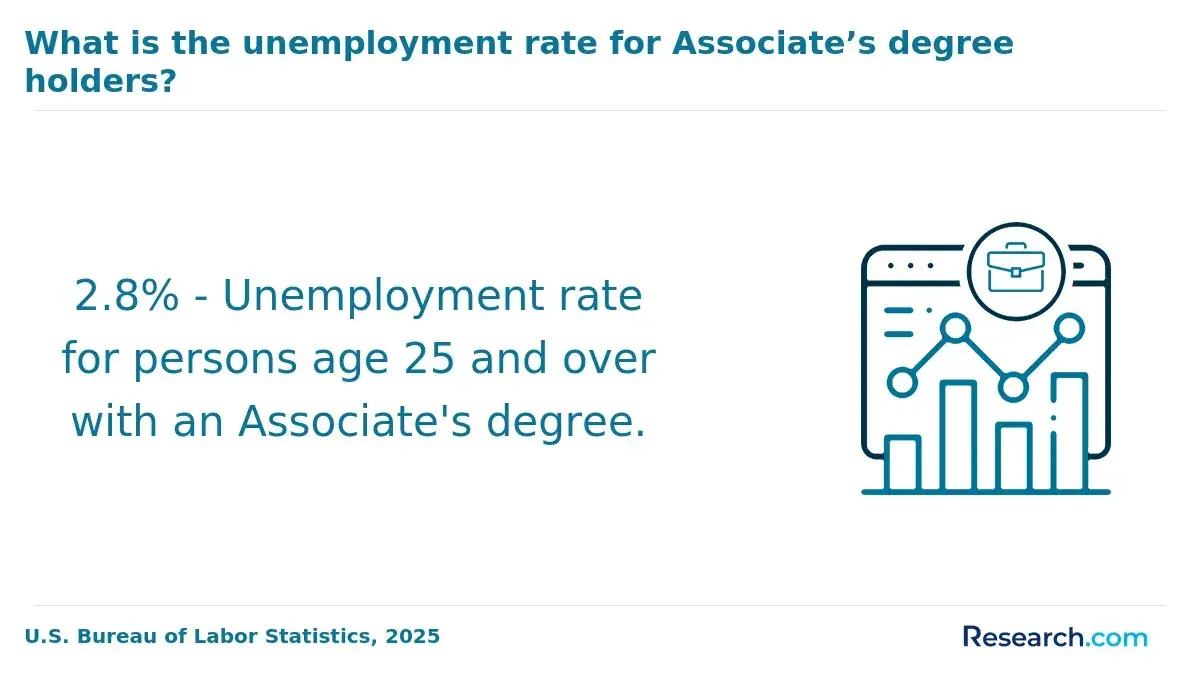
Which Biomedical Sciences Pathway - Degree, Bootcamp, or Certificate - Offers the Highest Starting Salary for Graduates?
Data from the Bureau of Labor Statistics, NACE, LinkedIn Salary Insights, and Glassdoor highlight clear salary distinctions for entry-level biomedical sciences roles based on educational credentials. Graduates holding degrees-generally bachelor's or higher-start with median salaries between $55,000 and $65,000, covering positions like research assistants, clinical laboratory technologists, and quality control analysts. Those who completed bootcamps typically earn 10-15% less, around $45,000 to $55,000, reflecting the influence of bootcamp reputation and technical focus. Certificates usually supplement existing qualifications and result in similar starting pay to bootcamp completers, though outcomes vary by employer and industry segment.
- Employer Type: Large enterprises such as pharmaceutical corporations tend to favor degree holders, offering higher initial salaries. Startups often have more flexible credential preferences but demonstrate greater variance in pay.
- Industry Sector: Jobs in clinical research, regulatory affairs, or biomanufacturing frequently demand formal degrees and provide superior compensation compared to solely technical or software-focused roles.
- Job Title Specificity: More specialized roles-like clinical trial coordinators-command better salary benchmarks, linked with advanced education requirements.
- Geographic Market: Urban biotech hotspots typically offer increased salaries, amplifying credential-based wage differences.
Salary trajectories also diverge over time. Degree holders often experience faster progression into management and specialized tracks due to formal education prerequisites in biomedical sciences fields. Bootcamp and certification paths, while providing initial access, may limit upward mobility without further academic credentials.
Salary figures represent median values, not guarantees. Individual outcomes depend heavily on experience, area of specialization, geographic willingness to relocate, and program quality. For a detailed cost-adjusted salary comparison, reviewing the ROI section is recommended.
A biomedical sciences graduate shared that balancing coursework with part-time work was challenging but rewarding, enabling steady salary growth post-graduation. He reflected, "The degree opened doors not just at entry level but also made promotions and specialized roles achievable-things I hadn't initially anticipated." His experience underscores how formal credentials can influence both immediate compensation and career advancement opportunities.
In the US biomedical sciences sector, employers-especially large corporations, government bodies, and regulated fields like pharmaceuticals-often require formal degrees as essential filters during hiring. These credentials underline a deep grasp of biological sciences and research skills that align with safety, compliance, and innovation demands.
Meanwhile, technology firms, startups, and consultancies increasingly emphasize practical experience, portfolios, and certifications. This trend supports workforce diversity and speeds recruitment, generating competition with degree holders in less regulated environments. However, according to LinkedIn Talent Insights, hiring rates favoring non-degree candidates persist mostly in niche or emerging segments, highlighting limited movement toward skills-only hiring in traditional biomedical sciences roles.
Startups and biotech consulting often value bootcamp graduates and certificate holders who demonstrate current lab techniques and data analysis abilities. Meanwhile, employers in established institutions tend to maintain degree requirements due to regulatory and quality assurance concerns.
While several public and corporate initiatives advocate for skills-based recruitment, actual employer behavior remains cautious about replacing degrees in sensitive research or compliance-heavy positions. Candidates should weigh industry targets carefully: formal degrees are crucial for regulated biomedical sciences jobs, whereas bootcamps or certificates with robust portfolios may offer viable entry points in startups. For those considering advanced study, reviewing best online nursing PhD programs could also inform long-term education planning.
Admission into accredited biomedical sciences degree programs typically requires meeting several strict criteria designed to ensure strong academic preparation. Common requirements include:
- GPA Minimums: Competitive programs generally expect a high school GPA above 3.0, emphasizing science and math coursework.
- Prerequisite Coursework: Completion of specific classes in biology, chemistry, physics, and sometimes math is usually mandatory before acceptance.
- Standardized Tests: SAT or ACT scores are often requested, although some programs are shifting toward test-optional policies.
- Letters of Recommendation: Many programs seek endorsements from teachers or academic mentors to gauge an applicant's potential.
- Application Timelines and Processes: Fixed deadlines with supplemental essays or interviews are common, requiring careful planning.
By contrast, biomedical sciences bootcamps and certificate programs generally impose far fewer entry barriers. They typically feature:
- Open Enrollment: Most do not require minimum GPAs or standardized test scores.
- Minimal Prerequisites: Basic knowledge or introductory courses may be expected but are often flexible or offered alongside the program.
- Rolling Admissions: These programs allow enrollment at multiple points throughout the year, accommodating working adults and career changers.
While selective admissions in degree programs act as a quality filter valued by employers, bootcamps and certificates rely on proven outcomes, curriculum rigor, instructor expertise, and accreditation for credibility. Lower barriers in bootcamps and certificates expand access for non-traditional learners-such as adults balancing jobs, caregiving duties, or financial challenges-who face obstacles enrolling in traditional degrees.
One professional who established her career after graduating from a biomedical sciences certificate recalled the process as approachable yet demanding. She valued the option to start without the pressure of rigid prerequisites or standardized tests, which had been a concern earlier in her academic journey. Although the certificate lacked the selective admission prestige of a degree, she felt the program's hands-on training and expert instructors prepared her well for the job market. Reflecting on her experience, she noted, "The accessibility made a huge difference, and the quality of instruction gave me the confidence to advance in my career."
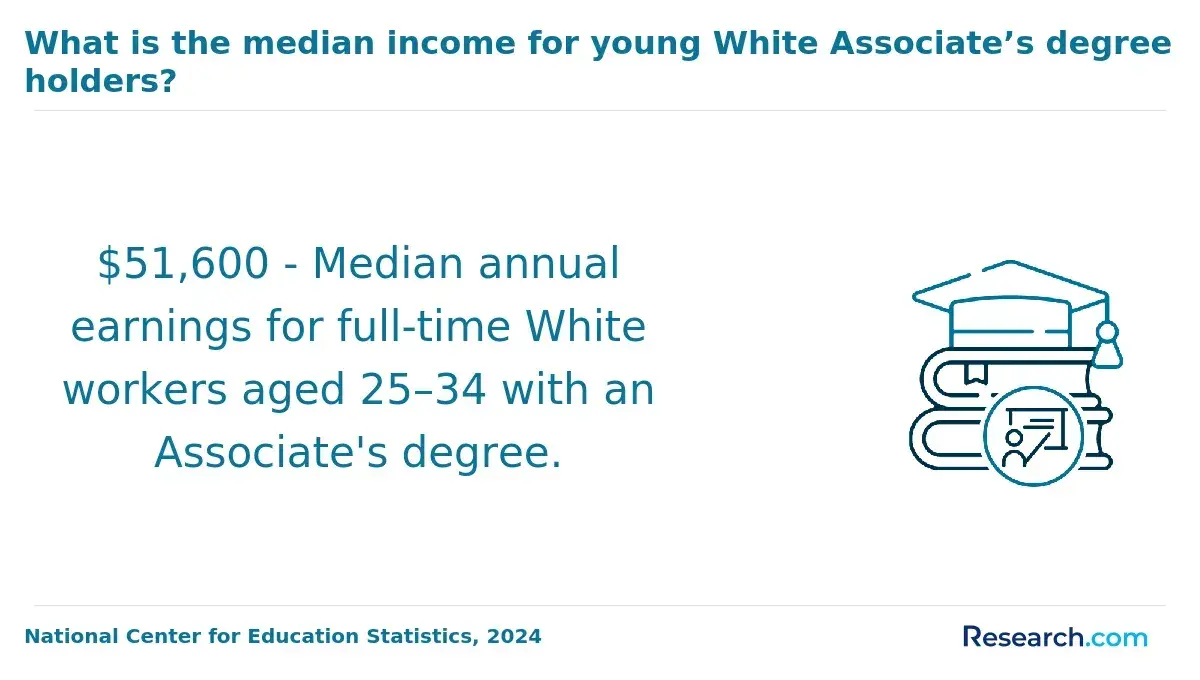
The curriculum for biomedical sciences varies significantly across degrees, bootcamps, and certificate programs-each shaped by distinct educational aims and time investments.
- Degree Programs: These offer broad, structured learning beginning with general education that enhances skills like critical thinking, communication, and quantitative analysis. Core coursework covers extensive topics including biology, chemistry, physiology, and molecular sciences, supported by laboratory work and advanced electives. Many degrees include a research thesis or capstone project, promoting independent investigation and scientific problem-solving. This wide-ranging foundation cultivates versatile knowledge aimed at long-term career growth, though it usually means longer preparation before entering the workforce.
- Bootcamps: Designed to be intensive and hands-on, bootcamps prioritize real-world projects and rapid skill acquisition in specific technical areas of biomedical sciences. They streamline essential practical techniques within a brief period, focusing on immediate job readiness rather than deep theoretical understanding. While effective for quickly building competencies in areas such as data analysis or lab technology, bootcamps omit the broader academic exploration and research typically found in degree programs, making them more suitable for learners targeting swift entry into technical roles.
- Certificate Programs: Certificates span a wide range-from entry-level credentials offered by platforms like Google or Coursera to advanced professional certifications granted by industry organizations.
The degree pathway favors broad theoretical and research-based learning for diverse career options; bootcamps emphasize swift mastery of practical skills for immediate employment; and certificates offer flexible, role-specific credentials whose value depends on the level and prior experience of the learner.
Opportunity cost-the income forgone while pursuing education-is crucial when calculating return on investment (ROI) for biomedical sciences pathways such as degree programs, bootcamps, or certificates. Degree tracks often span two to four years, meaning students not only pay tuition, fees, and material costs but also relinquish potential earnings during that time. Shorter alternatives like bootcamps or certificate programs, typically lasting weeks or months, minimize this hidden cost, which significantly impacts the timing and magnitude of ROI.
Representative learner profiles highlight how ROI varies:
- Recent High School Graduate: With minimal or no prior income lost, a four-year degree entails upfront education costs but low opportunity cost. Over five to ten years, degree holders usually enjoy larger cumulative salary premiums compared to bootcamp or certificate completers, producing strong long-term ROI despite higher initial spending.
- Mid-Career Professional: Leaving a salaried role earning $50,000 annually to retrain leads to high opportunity costs in degree programs. Bootcamps or certificates rapidly reduce time out of work, often delivering faster positive ROI, even though their salary premiums may be lower. For degree seekers, breakeven may take beyond five years due to lost wages.
- Part-Time Learner: Studying while employed significantly lowers opportunity costs across all pathways. The ROI calculus then centers on tuition and salary gains. Degrees tend to offer greater lifetime earnings, but certificates and bootcamps provide swift, accessible credentialing with competitive short-term returns.
These ROI insights derive from standardized models incorporating total program costs-including tuition, fees, materials, and opportunity cost-offset by cumulative salary premiums from authoritative sources such as NCES cost data, NACE salary benchmarks, and bootcamp outcome reports. While ROI serves as an important financial metric, learners should also weigh employer credential preferences, job placement rates, networking opportunities, long-term career growth, and personal circumstances. A lower five-year ROI may still justify pursuing a degree, especially for those seeking specialized training or credentials valued by employers in biomedical sciences careers.
Job placement rates for biomedical sciences degree programs, bootcamps, and certificate programs differ significantly due to variations in data sources and definitions. Degree programs typically provide independently collected statistics drawn from IPEDS graduate outcome surveys or institutional career services reports. These focus narrowly on employment directly related to the biomedical sciences major or continued education, offering a verified perspective on graduates' career success. In contrast, biomedical sciences bootcamp job placement rates versus degree programs often rely on self-reported data, which can be less standardized and sometimes include any employment adjacent to biomedical sciences-such as healthcare support roles-thereby producing inflated placement figures.
When evaluating certificate programs in biomedical sciences job placement comparisons, consider that many bootcamps do not undergo rigorous audits like CIRR, although a few reputable programs do, providing more transparent data. Prospective students should scrutinize what "placement" means within each pathway:
- Reporting Methodology: Degree data usually originates from third-party audited sources with consistent criteria, unlike self-reported bootcamp outcomes, complicating direct comparisons.
- Definition of Placement: Degrees emphasize full-time roles directly connected to biomedical sciences; bootcamps may count part-time, short-term, or broadly related jobs.
- Career Services Impact: Effective career support-including resume coaching, interview preparation, and employer networks-boosts placement rates across all pathways, making the quality of these resources a critical factor.
- Critical Evaluation: Ask programs for detailed placement data by job type, salary, and time-to-placement to avoid misleading aggregate statistics and better understand probable outcomes.
Additionally, working professionals or adult learners exploring options might also consider specialized advanced study, such as an online PhD in healthcare management, which can influence long-term career growth beyond initial placement data.
Networking and alumni access are pivotal drivers of long-term career success across biomedical sciences degree programs, bootcamps, and certificate pathways. Developing a strong professional network often becomes a more enduring asset than formal instruction alone, especially for senior career growth.
- Degree Programs: Biomedical sciences degree programs generally provide robust networking infrastructures that include active alumni associations, career fairs, and faculty advisors who serve as mentors. Greek life and professional organizations offer additional avenues for relationship-building. The prestige and geographic reach of the institution significantly enhance the network's breadth, allowing graduates from well-known universities to leverage contacts across regions. This extensive network often aligns with employer credential preferences, boosting job placement rates and return on investment.
- Bootcamps: Bootcamps typically operate within close-knit cohort models, fostering strong peer bonds through intensive collaboration. Though their alumni networks are smaller and newer compared to degree programs, some leading bootcamps have cultivated active communities focused on peer referrals and employer partnerships, particularly in technology-adjacent biomedical sciences roles. These networks provide specialized job placement support but may have limited geographic influence. Bootcamp pathways suit learners seeking agile, focused training and quicker returns.
- Certificate Programs: Certificate providers-such as those linked to industry associations or major tech companies-often maintain online forums and mentorship opportunities that enable some community access. However, these networks tend to be less formal and less expansive, offering fewer direct connections to hiring managers or long-term professional mentorship. Consequently, networking benefits in certificate programs may be limited compared to degree programs or bootcamps, affecting long-term career growth and salary outcomes.
For learners evaluating their options, understanding the biomedical sciences degree program networking benefits versus alumni access differences between bootcamps and certificate programs can inform decisions about which pathway aligns best with their career ambitions and lifestyle. Additionally, some education seekers may enhance their credentials and networks by exploring specialized offerings such as direct entry MSN programs for non-nurses online that integrate professional connections into their curricula.
Geographic differences heavily influence career outcomes for biomedical sciences candidates pursuing degrees, bootcamps, or certificates. Large metro areas like San Francisco, Boston, and New York host numerous employers and specialized training programs, creating a dense network that benefits bootcamp and certificate graduates the most. These graduates typically find stronger job placement when staying local-moving away from these hubs often reduces their chances due to weaker employer ties.
In mid-sized regional markets, the fewer bootcamp options and employer connections make degree credentials more advantageous, as traditional qualifications remain better understood and valued. Meanwhile, rural or smaller markets show limited awareness of bootcamp credentials, with employer density often too low for consistent biomedical-specific roles, leading to steadier demand primarily for degree holders.
The rise of remote work has somewhat bridged these geographic gaps by broadening access to high-paying positions set to metropolitan salary levels across all credential types. However, it has also increased competition by opening the candidate pool nationwide, impacting all pathways.
- Employer Density: Metropolitan hubs favor bootcamp and certificate placement due to concentrated employer partnerships.
- Credential Recognition: Degrees retain stronger value in markets where bootcamps are less prevalent.
- Remote Work: Expands opportunity but intensifies national competition.
- Relocation Impact: Success drops for graduates moving away from bootcamp-heavy regions.
According to Course Report's 2023 survey, over 70% of bootcamp graduates in major tech hubs secure jobs related to their training within six months, underscoring how pivotal geographic considerations remain for biomedical sciences pathways.
Large corporations and government bodies often use bachelor's degrees in Biomedical Sciences or related fields as basic filters. These entities rely heavily on formal academic credentials to verify foundational knowledge and structured training.
Skills-First Approach: Smaller firms, startups, and agencies typically focus more on demonstrable skills than academic qualifications. They assess candidates based on portfolios, technical tests, and proven project results-frequently valuing bootcamp and certificate holders on par with traditional degree earners when capabilities align.
Changes Since 2020: Although many top employers have publicly dropped strict degree mandates, data indicates that degree holders still dominate formal hires in Biomedical Sciences enterprise roles. Non-degree pathway candidates are increasing but remain a smaller fraction of new recruits.
Research-Based Trends: LinkedIn Talent Insights and SHRM survey results highlight a gradual industry-wide openness to diverse educational backgrounds. Nonetheless, hiring managers consistently prioritize practical experience and ongoing skill development as crucial factors alongside credentials.
Advisory Recommendations: Candidates should not rely solely on employer-stated preferences. Instead, gathering insights through informational interviews with current hiring managers and reviewing recently hired employees' LinkedIn profiles offers a clearer and more nuanced view of accepted credentials and hiring realities within target companies and roles.
What Graduates Say About Which Path Leads to Better Career Outcomes: Biomedical Sciences Degree, Bootcamp, or Certificate
- Stephanie: "Choosing the biomedical sciences degree was a game-changer for me-while bootcamps often offer quicker entry points, the degree provided far superior long-term career growth and networking opportunities through alumni connections and research projects. Employers in this field consistently value the comprehensive credential that a degree represents, leading to higher salary outcomes compared to certificates or bootcamps. Reflecting back, the return on investment was clear-the time and effort invested continue to pay dividends in my evolving career path."
- Alexis: "After completing a certificate program in biomedical sciences, I appreciated how accessible it was for learners balancing work and personal commitments-making it an ideal fit for many. However, I noticed that employers often prefer candidates with a degree for more advanced roles, and the job placement rates for bootcamp graduates seem to be higher when looking for immediate employment. For those seeking swift entry, a certificate or bootcamp can be effective, but for sustained salary growth and credential recognition, pursuing a degree remains advantageous."
- Eli: "My bootcamp experience in biomedical sciences was intense but focused, offering practical skills that employers actively seek-this directly enhanced my job placement prospects. While the salary outcomes initially trailed behind degree holders, the return on investment was impressive due to the shorter duration and lower cost. It's clear that bootcamps suit professionals looking for fast, targeted career switches, whereas the degree supports expansive long-term growth and deeper academic networking."
Other Things You Should Know About Biomedical Sciences Degrees
Clinical research coordinator, laboratory technologist, and regulatory affairs roles often require a biomedical sciences degree plus documented coursework in human biology, chemistry, and statistics. Many employers also prefer 1–2 years of lab or clinical experience, and some positions require state licensure or certification.
During recessions or tight labor markets, biomedical sciences degree holders often have a competitive edge because their credentials represent comprehensive education valued for complex problem-solving and research capabilities. Bootcamps and certificates can offer quicker job entry but may experience higher employment volatility as employers prioritize candidates with proven academic backgrounds. However, certificates focusing on in-demand technical skills may still provide resilience in specific niche roles.
Biomedical sciences degrees are accredited by recognized educational institutions and government bodies, ensuring standardized curriculum and quality. Bootcamps and certificates often lack formal accreditation and vary widely in rigor and recognition, which can affect employer perceptions. While some reputable programs partner with established universities or industry organizations, prospective learners should verify the accreditation status and employer acceptance of bootcamp and certificate credentials before enrolling.
- What Can You Do With a Biomedical Sciences Degree? | CourseCompare.ca https://www.coursecompare.ca/what-can-you-do-with-a-biomedical-sciences-degree/
- Biomedical Science vs Other Degrees Comparison https://pathologylabtraining.co.uk/biomedical-sciences/degree-comparison
- Do Degrees and Credentials Actually Prove Competence at Work? — Minding The Campus https://mindingthecampus.org/2025/02/24/do-degrees-and-credentials-actually-prove-competence-at-work/
- Highest Paying Biomedical Science Careers and Salary | SRG Talent https://www.srgtalent.com/blog/top-10-highest-paying-careers-in-biomed
- Using a Biomedical Research Pathway to Diversify STEM Fields - AASCU: Telling Our Story https://www.aascutellingourstory.org/promising-practice/using-a-biomedical-research-pathway-to-diversify-stem-fields/
- What hiring managers really want to see on clinical development resumes https://www.seclifesciences.com/blog/what-hiring-managers-really-want-to-see-on-clinical-development-resumes/
- Global Standard for Professional Assessment | GSPA https://gspa.io/compare/professional-certification-vs-degree
- Bootcamp Certification vs. Degree: The Importance of Accreditation in Education https://www.qahe.org/article/bootcamp-certification-vs-degree-the-importance-of-accreditation-in-education/
- Coding Bootcamp vs. College Degree: Which is Better? https://www.nobledesktop.com/blog/coding-bootcamp-vs-college-degree
- Breaking barriers | Biomedical Scientist https://thebiomedicalscientist.net/2025/07/31/breaking-barriers