2027 Is a Biomedical Sciences Degree Better Than Experience Alone? Salary, Hiring, and Career Growth Compared

Co-Founder and Chief Data Scientist
Entering the biomedical sciences industry without a degree presents significant obstacles-most employers require formal education due to the field's technical and regulatory demands. Degree holders often start at higher salary levels, with 2025 data showing biomedical sciences graduates earn on average 30% more than those relying solely on experience and self-teaching.
Employment opportunities also skew strongly toward candidates with relevant credentials, as practical knowledge alone rarely replaces academic qualifications in research, development, or clinical roles. Career growth is typically faster and more predictable with a degree.
This article compares salary, hiring trends, and career trajectories to help readers decide if pursuing a biomedical sciences degree aligns with their professional goals.
Key Points About Having Biomedical Sciences Degrees vs Experience Alone
- Biomedical Sciences degree holders earn on average 25% higher salaries than experienced non-degree workers, reflecting the premium employers place on formal education credentials in this sector.
- Employment rates for degree holders are significantly higher, with 85% securing relevant roles within six months of graduation, compared to 60% of those relying solely on experience.
- Career advancement and leadership opportunities favor degree holders, who are 40% more likely to obtain supervisory roles due to recognized academic expertise and technical knowledge.
What technical proficiencies can you gain from having Biomedical Sciences degrees vs self-teaching?
Professionals can acquire foundational principles and practical applications more systematically through biomedical sciences degrees than by relying solely on work experience.
Degree programs offer structured environments where both theoretical knowledge and hands-on skills develop in tandem, which can be challenging to replicate through self-teaching.
Below are five key technical proficiencies illustrating this difference:
- Molecular Biology Techniques: Degree programs teach techniques like PCR, gel electrophoresis, and gene cloning within controlled lab settings, providing supervised practice essential for mastery. In contrast, self-learning or on-the-job experience often lacks the necessary environment and guidance to fully understand these complex procedures.
- Bioinformatics: Formal education introduces both theoretical foundations and computational tools for genetic data analysis, ensuring a well-rounded proficiency. Professionals who learn bioinformatics solely through experience might miss critical scientific contexts and algorithmic principles behind the software.
- Cell Culture and Histology: Systematic training in sterile techniques and tissue analysis is standard in degree programs, reducing risks and improving results. Learning these methods informally can lead to errors due to lack of sterile protocols and limited access to specialized equipment.
- Experimental Design and Statistical Analysis: Degree curricula emphasize designing valid experiments and interpreting data critically, skills often overlooked or superficially covered in practical work settings. This educational focus equips graduates to evaluate research findings rigorously.
- Regulatory Standards and Ethics: Programs cover essential medical research compliance and ethical considerations, knowledge rarely accessible through tutorials or bootcamps alone. Understanding these aspects is critical for advancing biomedical careers responsibly.
The contrast between degree-based learning and self-taught proficiencies in biomedical sciences is significant. The survey by the National Biomedical Workforce Institute found most employers prefer candidates with formal education due to these advanced skills.
For students seeking an online pharmacist degree or other biomedical-related careers, pursuing a formal degree offers clear advantages in both technical competencies and career advancement opportunities.
Self-taught vs degree biomedical sciences proficiencies show that structured academic programs provide a deeper integration of essential skills that holistic professional development depends on.
Are there certifications or licenses that only Biomedical Sciences degree holders can obtain?
Continuing education and professional credentials remain valuable assets, especially as more employers prioritize skills-based hiring. Certain certifications and licenses are specifically designed for biomedical sciences degree holders, ensuring formal recognition of expertise and qualifications.
Below are examples of such credentials typically reserved for those with a biomedical sciences degree or a closely related field:
- Certified Clinical Research Professional (CCRP): This certification validates proficiency in designing, conducting, and monitoring clinical trials. Candidates usually need a biomedical sciences degree or a related qualification alongside relevant work experience.
- Diplomate of the American Board of Clinical Chemistry (DABCC): Often attainable only with an advanced degree in biomedical sciences or clinical chemistry, this board certification is crucial for those seeking roles as clinical chemists. It indicates high technical knowledge and supports advancement into senior laboratory and leadership positions.
- American Board of Medical Genetics and Genomics (ABMGG): Focused on genetics, this certification requires a biomedical sciences background plus specialized graduate training and clinical experience. It demonstrates expertise valued in clinical and research genetics careers.
- Registered Biological Safety Professional (RBSP): This credential typically requires a relevant degree and proves competence in biosafety standards, which is essential for careers in laboratory safety and regulatory compliance.
Data from industry surveys show that 68% of biomedical sciences professionals with formal certifications reported faster promotions within five years compared to those relying on experience and self-teaching.
This highlights the growing preference for credentials that combine verified skills with a biomedical sciences degree. Students weighing their options should note that having such certifications can significantly impact salary, hiring, and career growth.
For those considering further education, exploring options like the cheapest online FNP programs may provide additional pathways to strengthen qualifications alongside biomedical sciences degree required certifications.
Will a degree in Biomedical Sciences make you more employable?
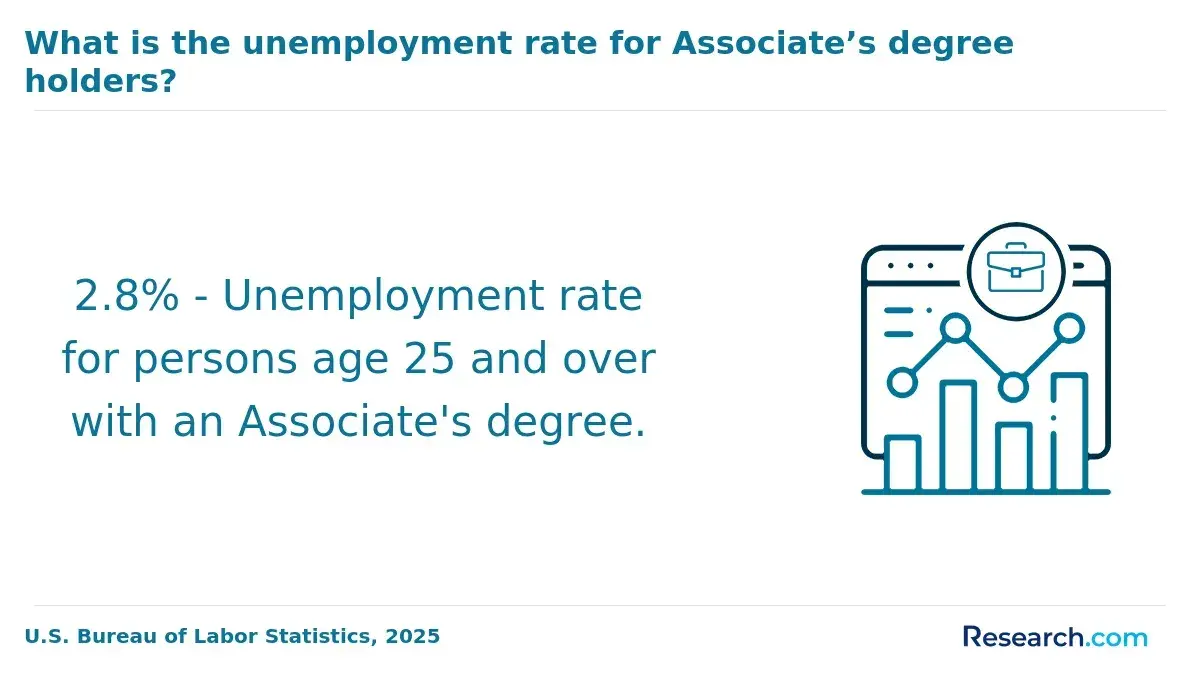
Holding a degree in biomedical sciences generally improves employability compared to relying solely on practical experience. Employers frequently favor candidates with formal education because it demonstrates a verified grasp of complex scientific concepts and lab techniques.
While experience remains valuable, many hiring managers prioritize academic credentials for roles requiring baseline knowledge in areas like molecular biology and biochemistry.
This preference reflects how degree programs provide structured training in both theoretical foundations and technical skills, which are difficult to replicate through on-the-job learning alone.
Additionally, candidates who supplement their education with internships or research projects often gain a distinct advantage. However, if a professional aims for positions focused on applied research or specialized technical tasks, experience can sometimes compensate for the absence of formal qualifications.
Ultimately, whether to pursue a biomedical sciences degree depends on individual career objectives, industry expectations, and personal circumstances.
Some sectors, especially those with stringent regulatory standards, strongly favor degree holders, while others value demonstrated skills and practical expertise more heavily. Balancing credentials with hands-on experience often yields the best prospects.
I spoke with a professional who completed his biomedical sciences bachelor's online to get his perspective on employability. He shared that initially, he worried that an online degree might not carry the same weight as traditional programs.
"I felt uncertain if hiring managers would take my credentials seriously or if I'd be overlooked for internships," he said. Navigating job applications required persistence and confidence, especially when highlighting lab skills gained through virtual simulations and local volunteer work.
Over time, he noticed that employers respected his degree because it showed commitment and discipline, even if the delivery was nontraditional. His experience demonstrated that, beyond credentials, showing initiative and adaptability plays a critical role in securing opportunities.
Certain jobs in biomedical sciences require candidates to hold a formal degree, while others prioritize skills and job readiness, allowing experienced individuals to enter without one. The difference in job opportunities often hinges on the level of technical knowledge and regulatory oversight involved.
Below are some common careers illustrating this distinction:
- Clinical Research Coordinator: This role involves managing clinical trials for new drugs or treatments, ensuring compliance with strict regulatory standards. A biomedical sciences degree is typically required due to the complex scientific understanding and ethical considerations necessary for overseeing such studies.
- Biomedical Scientist: Biomedical scientists perform laboratory research focused on disease diagnosis and treatment development. Their work demands expertise in experimental techniques and human biology, generally requiring degree holders, though some technician roles may accept vocational qualifications or experience.
- Regulatory Affairs Specialist: These specialists ensure medical products adhere to legal and regulatory requirements. A scientific background from a biomedical sciences degree supports effective communication with regulatory bodies, although some individuals with legal or pharmaceutical experience may enter this field with additional certifications.
- Medical Laboratory Technologist: Technologists conduct tests critical to diagnosing and monitoring diseases. Licensing and certification often mandate a biomedical sciences degree or related qualification, but technician positions with fewer responsibilities can sometimes be filled by experienced personnel without a degree.
- Pharmaceutical Sales Representative: They promote medical products to healthcare professionals. While many employers prefer degree holders for their medical terminology familiarity, some hire skilled salespeople with strong communication abilities regardless of formal education.
Those exploring biomedical sciences degree careers in healthcare and research need to weigh the stability a degree offers against hands-on experience. A recent study found that 78% of hiring managers in biomedical fields prioritize candidates with a formal degree, underscoring its importance for long-term career growth.
For those interested in related healthcare roles combining technical skills and science, exploring online ultrasound tech programs can provide additional pathways into specialized healthcare sectors.
Biomedical sciences degree holders benefit from structured networking opportunities that are less accessible to those without formal education.
Degree programs often connect students to faculty mentors, alumni networks, and industry professionals, creating reliable channels for job referrals and collaborations. In contrast, professionals relying solely on experience or self-teaching tend to build connections through workplace relationships or informal contacts, which may be narrower in scope.
Students and graduates of biomedical sciences programs typically gain access to resources such as specialized internships, research projects, and membership in academic organizations, all of which expand their professional networks.
Conversely, non-degree holders often depend on their immediate work environment or attendance at industry events to develop contacts. Both groups utilize platforms like LinkedIn and professional forums, but degree holders' access to university-affiliated portals offers a distinct advantage in sustaining long-term relationships.
The biomedical sciences sector strongly values trusted referrals due to its complex regulatory and knowledge-based nature. Hiring managers frequently prefer candidates introduced through credible networks, which reduces risk in recruitment.
While success without a degree is possible, having formal academic connections tends to provide a more consistent foundation for career growth and job acquisition in this field.
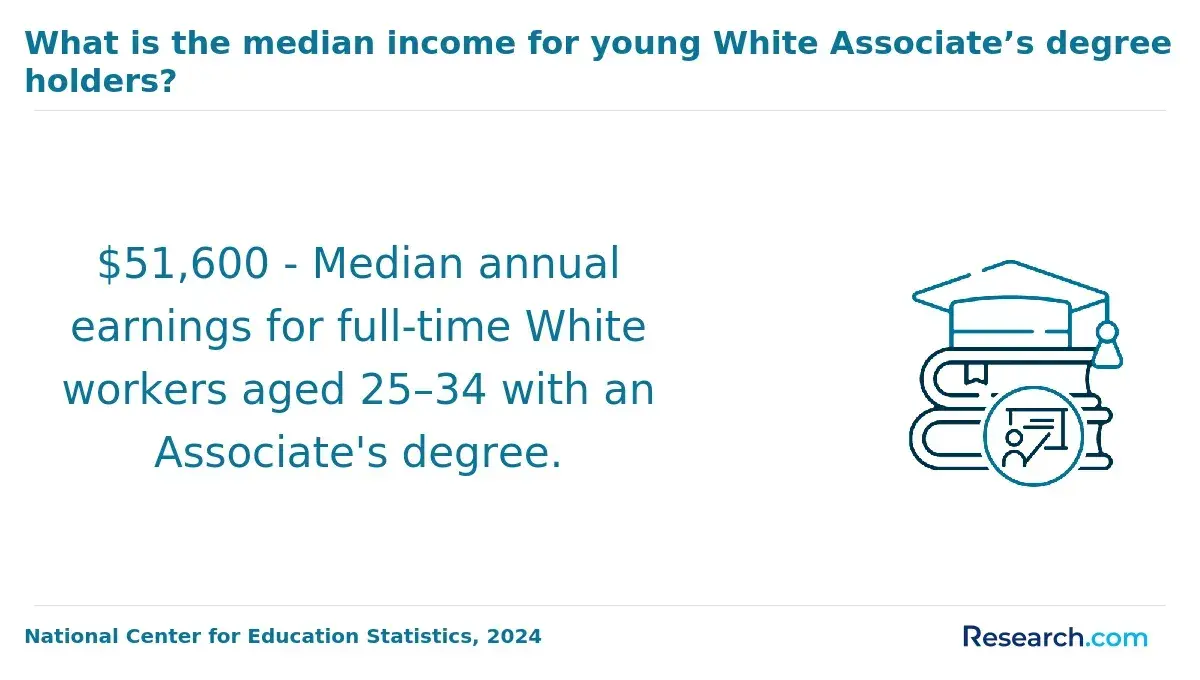
Holding a biomedical sciences degree often makes professionals more eligible for leadership and advanced roles within the industry. This credential signals to employers a solid foundation in both theoretical knowledge and practical skills, which can enhance promotion prospects.
Below are key reasons why such degrees influence career growth:
- Validated Expertise: A degree demonstrates mastery of complex biological concepts and laboratory techniques, reassuring employers about the candidate's capability to handle higher responsibilities.
- Competitive Advantage: Graduates are often prioritized for leadership development programs and specialized training, providing a pathway to faster career progression.
- Professional Recognition: Employers value formal education as evidence of critical thinking and standardized skills, which are essential for managing teams or projects effectively.
While practical experience remains valuable, those without degrees may face slower advancement or limited access to certain leadership tracks. A biomedical sciences degree usually equips professionals with qualifications needed for certifications, further increasing promotion opportunities.
Professionals holding a biomedical sciences degree generally earn about 25% more in entry-level research and clinical positions compared to those relying solely on experience. Over time, this wage gap often broadens as degree holders move into specialized roles such as clinical research coordinators, laboratory managers, or regulatory affairs specialists, which usually require formal education.
In contrast, individuals without degrees may find their income growth stagnating earlier, limited largely to technician or assistant positions without clear pathways to higher salaries.
Those without formal degrees can still enhance their income outlook by pursuing relevant certifications, advanced degrees, or gaining experience in industries like pharmaceuticals and biotechnology.
While these efforts may improve their earning potential, matching the consistent upward trajectory of degree holders remains challenging. Choosing a biomedical sciences degree offers not only foundational knowledge but also stronger long-term hiring advantages and salary progression.
For students interested in accelerating their career, exploring fast degree programs can provide a swift path to gaining the credentials employers value in biomedical sciences.
The average tuition for a biomedical sciences degree in the United States ranges between $30,000 and $50,000 annually, based on the institution. Graduates typically recoup these costs within 7 to 10 years thanks to increased earning potential compared to those relying solely on experience or self-teaching.
Data indicates that degree holders earn around 20% more over their careers than non-degree professionals in related biomedical fields, making the investment worthwhile for many.
Financial aid, scholarships, and accelerated programs can significantly reduce upfront expenses, helping students minimize debt and shorten the time to enter the workforce.
Maximizing return on investment involves strategies such as applying for need-based or merit scholarships early, selecting programs with co-op or internship opportunities to gain paid experience, and considering accelerated bachelor's programs that reduce total time in school.
These approaches not only lower costs but also build relevant skills, enhancing hiring prospects and salary growth after graduation.
The biomedical sciences job market is increasingly influenced by automation and artificial intelligence, especially in routine laboratory and data-processing tasks.
While some roles may be at risk, professionals with degrees in biomedical sciences tend to hold positions requiring advanced analytical skills, bioinformatics knowledge, and regulatory expertise that automation cannot easily replicate.
This specialization often shields them from rapid displacement compared to those relying solely on experience or self-teaching.
Economic downturns frequently impact entry-level or technician roles more harshly, where formal credentials carry less weight. In contrast, degree holders usually work in areas like clinical research, pharmaceutical development, and compliance, which are more resilient during budget cuts and industry shifts. Their training fosters adaptability and critical thinking, providing a buffer against layoffs and technological disruption.
When asked about job security amid automation and recessions, a professional who earned an online bachelor's degree in biomedical sciences shared that "having a formal degree opened doors to projects requiring complex problem-solving, which wouldn't be offered otherwise."
He recalled moments of uncertainty during economic slowdowns but emphasized that his credential gave him "confidence and credibility" with employers.
He noted the rigorous coursework and remote interactions helped build a network and skills that proved valuable during challenging times, reinforcing his belief that the degree made his career more stable than relying only on practical experience.
What Graduates Say About Their Biomedical Sciences Degrees
- Topher: "Graduating with a degree in Biomedical sciences truly gave me an edge in a highly competitive job market. The comprehensive curriculum equipped me with both theoretical knowledge and practical skills, making me job-ready from day one. I've noticed that my degree has also played a significant role in my career advancement and salary negotiations."
- Greta: "Looking back, earning a degree in Biomedical sciences was one of the best decisions for my professional growth. It provided a solid foundation that made adapting to industry demands much easier, and I felt confident competing with candidates from other disciplines. The degree definitely impacted my ability to secure promotions and increased earning potential along the way."
- Jonas: "My Biomedical sciences degree prepared me well for the realities of the industry, especially in terms of critical thinking and research skills. It made me competitive in the job market and opened doors that might have otherwise been closed. I appreciate how this degree has positively influenced my job prospects and career stability."
Other Things You Should Know About Biomedical Sciences Degrees
ASCP and AMT certifications can improve hiring prospects for roles such as phlebotomy, medical laboratory assistant, and some technician jobs. Eligibility usually requires specific coursework or documented work experience, and many employers prefer certification plus 6–12 months of clinical or laboratory experience.
Yes, a biomedical sciences degree can improve geographical job mobility because many regions require formal credentials for biomedical roles. Without a degree, professionals may face limitations when seeking employment in hospitals, research institutions, or regulatory agencies outside their immediate area. Degree credentials are often recognized internationally, making it easier for graduates to relocate for work.
While experience is crucial, leadership roles in scientific teams typically favor individuals with biomedical sciences degrees because of their comprehensive understanding of scientific principles and methodologies. Degrees provide credibility that supports managing complex projects and teams, which can be essential for gaining trust from stakeholders and securing funding. Therefore, degrees often serve as important credentials for advancing into supervisory positions.
- IBMS Accredited degrees https://www.ibms.org/ibms-accredited-university-courses.html
- College Students Weigh AI's Impact on Majors and Careers https://news.gallup.com/poll/704087/college-students-weigh-impact-majors-careers.aspx
- Biomedical science career prospects https://www.thestudentroom.co.uk/showthread.php
- Masters in Biomedical Science Job, Career & Salary Outlook https://mphprogramslist.com/careers/biomedical-scientist-career-salary-outlook/
- Biomedical Science Degree: Careers, Salaries & Oxbridge Insight https://oxbridgemind.co.uk/ucas/what-to-do-with-biomedical-science-degree/
- Why study biomedical science? Careers, salary and next steps | University of East London https://www.uel.ac.uk/blog/why-study-biomedical-science-careers-salary-next-steps
- The rise of artificial intelligence can make college degrees 'out of date': Upskill in AI or fall behind, says expert https://www.cnbc.com/2025/06/11/report-the-rise-of-ai-can-make-college-degrees-out-of-date.html
- Highest Paying Biomedical Science Careers and Salary | SRG Talent https://www.srgtalent.com/blog/top-10-highest-paying-careers-in-biomed
- What Can You Do With a Biomedical Science Degree? https://pathologylabtraining.co.uk/biomedical-sciences/what-to-do-with-degree
- Careers you can take if you study Biomedical Science https://www.bcu.ac.uk/blog/sport-and-life-sciences/careers-you-can-take-if-you-study-biomedical-science