2027 Most Affordable Bachelor's Degrees

Co-Founder and Chief Data Scientist
Choosing a bachelor's degree is partly an academic decision and partly a financial one. College Board data for 2024-25 shows average published tuition and fees of $11,610 at public four-year in-state colleges versus $43,350 at private nonprofit colleges, so the same credential can carry very different costs.
This guide is for students, working adults, transfer students, and families comparing affordable bachelor's degrees. You'll learn which majors are often lower-cost, what trade-offs to check, and how to choose a program that fits your budget, timeline, and career goals.
Key Things You Should Know
- Public in-state and transfer-friendly online completion programs usually offer the lowest total bachelor's degree cost, especially when prior credits reduce the number of courses you must pay for.
- Affordability is not just tuition: fees, books, technology charges, clinical placements, commuting, lost work hours, and whether credits transfer can change the real price.
- Career value varies by field; BLS May 2024 wage data shows bachelor's-level career paths can range from modest public-service salaries to six-figure technical roles, so compare cost against realistic outcomes.
Top 10 Most Affordable Bachelor's Degrees
Business Degrees
Business is one of the most flexible affordable bachelor's options because many schools offer it online, on campus, and as a degree-completion pathway. Lower-cost programs often include accounting, management, marketing, finance, operations, and analytics courses. It fits students who want broad private-sector options rather than a single licensed profession. BLS reported a May 2024 median wage of $81,680 for accountants and auditors, but outcomes depend on concentration, internships, location, and whether you later pursue CPA eligibility or specialized credentials.
Healthcare Degrees
Affordable healthcare bachelor's degrees often include health sciences, healthcare administration, public health, and health information management. They suit students who want healthcare careers without necessarily becoming clinicians. Costs can rise if the program requires labs, background checks, immunizations, or field placements. BLS listed medical and health services managers at a May 2024 median wage of $117,960, but that role often requires experience. For lower upfront risk, compare internship access, transfer credit, and whether the curriculum supports certifications or graduate study.
Information Technology Degrees
Information technology degrees focus on applied systems: networking, databases, cloud platforms, help desk operations, systems administration, and security fundamentals. They can be affordable when offered fully online with virtual labs instead of expensive campus equipment fees. IT is a good fit for students who like troubleshooting and business technology, but not necessarily advanced programming theory. Employers often value certifications alongside the degree, so compare programs that build toward recognized credentials without adding excessive exam-prep costs.
Computer Science Degrees
Computer science can deliver strong long-term value, but it is not always the easiest low-cost choice because math, programming, and project work are demanding. Affordable options are often available through public universities and online programs with asynchronous coursework. BLS reported a May 2024 median wage of $133,080 for software developers, but entry-level hiring can be competitive. Choose this path if you will build a portfolio, complete internships, and practice coding beyond class requirements.
Cybersecurity Degrees
Cybersecurity degrees combine networking, risk management, systems defense, digital forensics, policy, and incident response. They can be worth considering when a program includes hands-on labs, security tools, and preparation for entry-level certifications. BLS projected information security analyst employment to grow 33% from 2023 to 2033, reflecting strong demand, but many jobs still require IT experience. Avoid programs that market cybersecurity as a shortcut without teaching networking, operating systems, and scripting fundamentals.
Psychology Degrees
Psychology is widely available and often affordable because it rarely requires costly labs or equipment at the undergraduate level. It fits students interested in human behavior, research, social services, HR, education, or graduate study. The main caution is career expectations: a bachelor's degree alone does not qualify someone to become a licensed psychologist. Students seeking clinical practice should budget for graduate school, while students entering the workforce should build data, writing, case management, or organizational skills.
Nursing Degrees
Nursing can be one of the highest-value bachelor's options, but it is not always the cheapest because clinical placements, lab fees, uniforms, testing, and licensure costs add up. BLS reported a May 2024 median wage of $93,600 for registered nurses. Affordable BSN pathways often include public universities, RN-to-BSN programs, and employer-supported tuition benefits. Confirm state board approval, NCLEX preparation, clinical placement arrangements, and whether online coursework still requires in-person clinical hours near you.
Education Degrees
Education degrees are commonly available at public colleges and can be affordable for students who plan carefully around student teaching. The key issue is licensure: requirements vary by state, grade level, and subject area. BLS reported a May 2024 median wage of $63,670 for elementary school teachers, except special education. This degree is best for students committed to teaching or education services; others may prefer a broader major with alternative certification options later.
Criminal Justice Degrees
Criminal justice degrees cover courts, policing, corrections, criminology, ethics, law, and public safety administration. They are often affordable online because they do not usually require labs, though internships may matter. BLS reported a May 2024 median wage of $77,270 for police and detectives, but many roles require academy training, background checks, physical standards, or civil service exams. Students should compare whether the degree supports their target path: law enforcement, probation, federal service, compliance, or graduate legal study.
Engineering Degrees
Engineering degrees can lead to strong earnings, but affordability depends heavily on lab access, course sequencing, and accreditation. Public universities are often the best value because engineering requires specialized faculty and facilities. BLS reported a May 2024 median wage of $102,320 for mechanical engineers. Students should prioritize ABET-accredited programs when relevant to licensure or employer expectations. This path fits strong math and science students who can commit to a structured, less flexible curriculum.
Which bachelor's degrees cost the least overall?
The bachelor's degrees that cost the least overall are usually not defined by major alone. They are typically programs that let you pay in-state tuition, transfer a large number of credits, avoid heavy lab or clinical fees, and finish without unnecessary electives. A lower-cost major at an expensive school can still cost more than a higher-earning major at a public university.
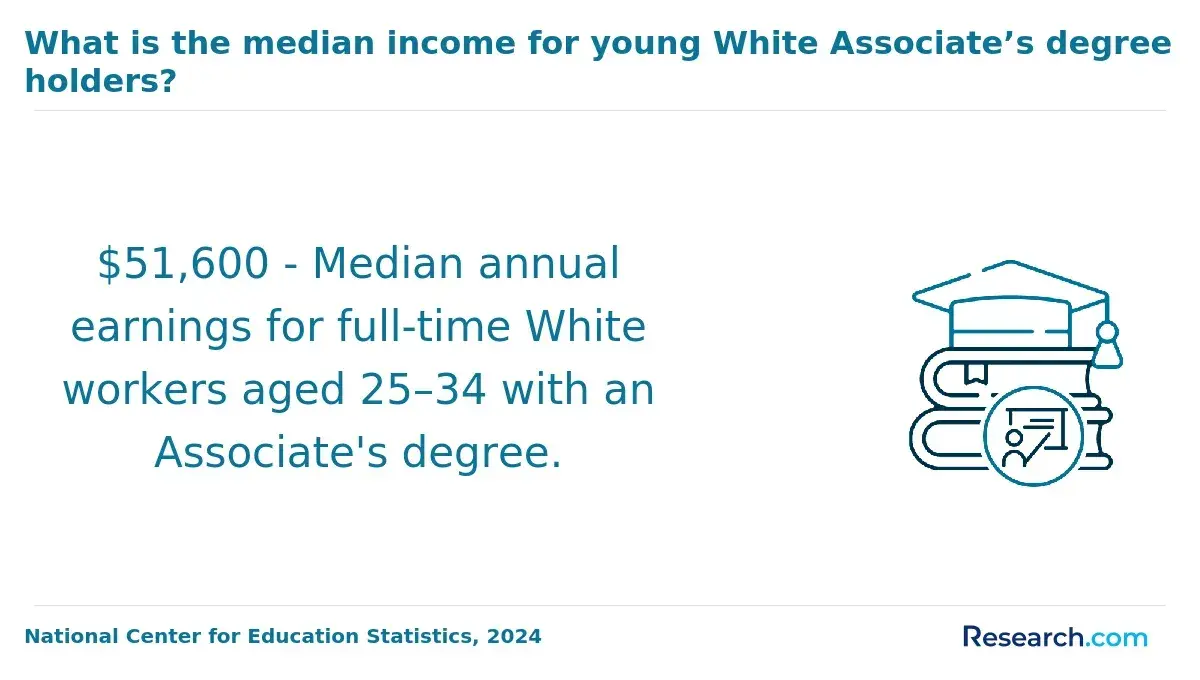
Many students reduce the total cost by starting with community college credits and then transferring into a bachelor's program. If that strategy fits your situation, comparing an associates degree pathway before enrolling in a four-year school can help you avoid paying university tuition for lower-division general education courses.
The table below summarizes common affordability patterns by field. Use it to identify where costs usually come from, not as a guarantee that every program in a field will be cheap or expensive.
| Degree area | Typical cost pressure | Why it may be affordable | Main caution |
| Business | Low to moderate | Widely offered online and transfer-friendly | Career outcomes depend heavily on concentration and experience |
| Psychology | Low | Few equipment or clinical requirements at the bachelor's level | Licensed clinical roles require graduate education |
| Criminal justice | Low to moderate | Often available online with limited lab costs | Many public safety jobs require separate academy or exam steps |
| Information technology | Moderate | Virtual labs can reduce campus equipment costs | Certifications may add extra costs |
| Nursing | Moderate to high | RN-to-BSN and employer tuition benefits can lower net cost | Clinical and licensure requirements are not optional |
| Engineering | High | Public universities can offer strong value | Lab-heavy sequencing can make transferring harder |
The least expensive degree for you is the one that minimizes repeated credits and out-of-pocket fees while still meeting employer, licensure, or graduate school requirements in your target field.
How do you find accredited affordable bachelor's degrees?
Accreditation is the quality-control step you should check before comparing prices. An affordable bachelor's degree is only useful if employers, graduate schools, licensing boards, and financial aid systems recognize the institution and, when required, the program.
Start with institutional accreditation, then check whether your field has programmatic accreditation or state approval requirements. This is especially important in nursing, education, engineering, social work, and some healthcare fields.
Use the following steps before you apply or pay an enrollment deposit:
- Confirm the school is accredited by an accreditor recognized by the U.S. Department of Education or the Council for Higher Education Accreditation.
- Check programmatic accreditation when your field expects it, such as ABET for many engineering programs or state board approval for nursing programs.
- Ask whether transfer credits will be accepted in writing, including how many credits apply to your major rather than only free electives.
- Verify that the program meets licensure rules in the state where you plan to work, not just the state where the school is located.
- Review graduation rates, student loan default context, career services, internship access, and required fees before comparing the final price.
The table below shows the main accreditation checks and why each matters when choosing a low-cost bachelor's degree.
| Accreditation or approval type | Where it matters most | Why it affects value |
| Institutional accreditation | All bachelor's degrees | Supports federal financial aid eligibility, credit transfer, and graduate school recognition |
| Programmatic accreditation | Engineering, business, nursing, social work, education, healthcare | May be expected by employers, graduate programs, or licensing boards |
| State authorization or approval | Online programs and licensed professions | Determines whether a school can serve students in a state or meet state-specific career rules |
| Clinical or field placement approval | Nursing, teaching, counseling-related fields, healthcare | Confirms that required supervised experience can be completed properly |
Are online affordable bachelor's degrees cheaper than campus programs?
Online affordable bachelor's degrees can be cheaper than campus programs, but they are not automatically the lowest-cost option. The biggest savings usually come from avoiding relocation, commuting, parking, meal plans, and lost work time, while tuition may be the same or even higher depending on the school.
Online formats tend to work best for self-directed students, working adults, military learners, parents, and transfer students who already have general education credits. Campus programs may be better for students who need labs, studios, clinical placements, in-person tutoring, residential support, or local recruiting pipelines.
The table below compares the cost and fit factors that most often separate online and campus bachelor's programs.
| Factor | Online affordable degree | Campus affordable degree |
| Tuition | May be lower, equal, or higher depending on school policy | Often lowest for in-state public students |
| Living costs | Can be lower if you stay at home and keep working | Can rise with housing, meals, commuting, and parking |
| Flexibility | Usually stronger for working adults | Often stronger for structured daily support |
| Hands-on requirements | May require local placements or occasional campus visits | Easier access to labs, studios, clinics, and campus facilities |
| Networking | Depends on virtual engagement and career services | Often stronger for local internships and campus recruiting |
A common mistake is assuming "online" means "self-paced" or "less rigorous." Before enrolling, ask about course schedules, exam proctoring, group projects, required login times, and whether online students receive the same advising and career support as campus students.
What are the easiest affordable bachelor's degrees to complete?
The easiest affordable bachelor's degree is usually the one that matches your strengths, transfer credits, schedule, and career goal. A program can look easy on paper but become difficult if it requires advanced math, unpaid fieldwork, rigid course sequencing, or in-person requirements you cannot meet.
For many students, the most manageable low-cost degrees share a few traits: broad availability, flexible electives, limited lab requirements, and generous transfer policies. These areas are often considered more completion-friendly, depending on the school:
- Business administration, especially general management or organizational leadership tracks
- Psychology, sociology, or human services when the goal is broad people-focused work rather than licensure
- Criminal justice for students interested in public safety, courts, corrections, or compliance
- Liberal studies or interdisciplinary studies for adults with many transfer credits
- Communication or professional studies for students building writing, workplace, and leadership skills
Do not choose a degree only because it seems easy. The better question is whether you can finish it affordably and use it for a realistic next step, such as employment, promotion, licensure preparation, or graduate study.
What classes do affordable bachelor's degree programs require?
Affordable bachelor's degree programs usually require about the same academic building blocks as more expensive programs. The cost difference comes from tuition, fees, delivery format, transfer credit, and time to completion, not from skipping core requirements.
The table below shows the major course categories most bachelor's programs include. Reviewing these categories helps you understand which credits may transfer and which courses you must complete at the degree-granting school.
| Requirement category | Typical courses | Why it matters |
| General education | Writing, math, science, humanities, social science | Often the easiest credits to transfer from community college |
| Major core | Required courses in the chosen field | Builds the knowledge employers or graduate programs expect |
| Concentration or electives | Specialized courses such as analytics, public health, cybersecurity, or leadership | Lets you tailor the degree to a career path |
| Experiential learning | Internship, practicum, clinical, student teaching, lab, or project | May add scheduling complexity and extra costs |
| Capstone | Final project, portfolio, research paper, or applied case study | Shows integrated learning and may support job applications |
Before choosing a program, ask for a degree audit showing exactly which courses remain. This is especially important for transfer students because a school may accept credits toward the total credit count but not apply them to major requirements.
How long does an affordable bachelor's degree take?
A bachelor's degree typically takes four years of full-time study, but affordable pathways often shorten the timeline through transfer credits, summer courses, credit for prior learning, dual enrollment, or degree-completion formats. Part-time students may take longer, while adults with substantial credits may finish much faster.
Time matters because every extra term can add tuition, fees, books, and opportunity cost. A cheap per-credit price is less helpful if poor advising or course sequencing delays graduation.
Use this sequence to estimate your realistic timeline before enrolling:
- Request an unofficial transfer review before applying, then a formal degree audit after admission.
- Identify courses offered only once per year, because missing one can delay graduation.
- Ask whether required courses are available online, at night, or during summer if you work full time.
- Confirm whether internships, clinicals, labs, or student teaching require weekday daytime availability.
- Build a term-by-term plan that includes financial aid limits, work hours, family responsibilities, and prerequisite chains.
If you may continue after graduation, check whether the bachelor's program includes prerequisites for future online master's programs, since missing foundation courses can add time and cost later.
What jobs can you get with an affordable bachelor's degree?
An affordable bachelor's degree can lead to entry-level professional roles, advancement in a current field, graduate school eligibility, or preparation for licensure. The best job options depend less on the word "affordable" and more on the major, internships, portfolio, local labor market, and skills you build while enrolled.
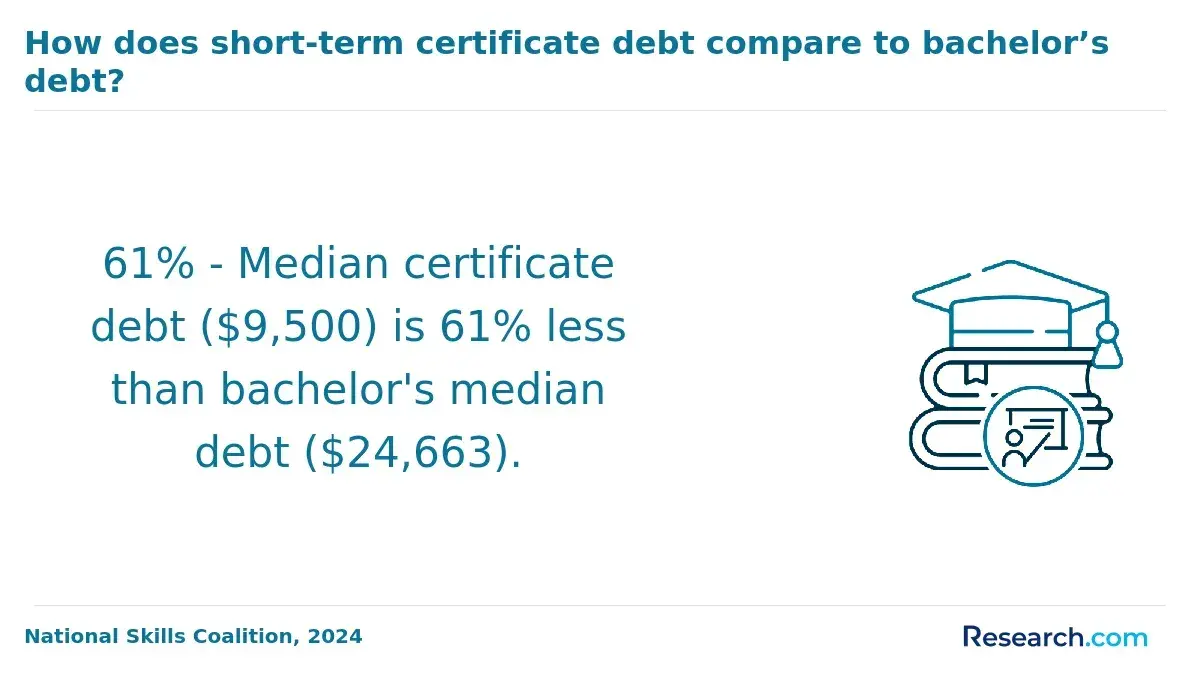
Some students should compare a bachelor's degree with shorter credentials first. If your goal is quick entry into a skilled role, researching certificate jobs that pay well can help you decide whether to start working sooner and pursue a bachelor's degree later.
The table below connects common affordable bachelor's degree areas with realistic job directions. Exact requirements vary by employer and state, especially for licensed or public-sector roles.
| Degree area | Possible job paths | What improves employability |
| Business | Operations coordinator, analyst, sales manager trainee, accounting assistant | Internships, Excel, analytics, accounting coursework, industry experience |
| Healthcare | Health services coordinator, patient access supervisor, public health assistant | Healthcare systems knowledge, data skills, compliance awareness |
| Information technology | Systems support, junior network administrator, IT analyst | Certifications, labs, help desk experience, cloud fundamentals |
| Computer science | Software developer, QA analyst, junior data engineer | Portfolio, internships, GitHub projects, algorithms, teamwork |
| Cybersecurity | Security operations analyst, risk analyst, junior incident response support | Networking foundation, labs, certifications, scripting |
| Psychology | Case management assistant, HR assistant, research assistant, behavioral support roles | Research methods, writing, statistics, supervised experience |
| Education | Teacher, instructional assistant lead, education coordinator | State licensure, student teaching, classroom management |
| Criminal justice | Probation support, corrections, compliance assistant, law enforcement candidate | Background readiness, writing, ethics, public-sector exam preparation |
| Engineering | Design engineer, manufacturing engineer, field engineer | ABET-aligned coursework, CAD, labs, internships, FE exam planning |
How much can graduates earn with affordable bachelor's degrees?
Graduates' earnings vary widely because "affordable bachelor's degree" describes the cost of education, not a single occupation. Major, region, experience, internships, licensure, employer type, and economic conditions all affect salary. Use salary data as a planning tool, not a promise.
The table below uses BLS May 2024 median wage data for selected occupations related to common bachelor's degree paths. Some roles may require licensure, experience, graduate education, or additional credentials beyond the bachelor's degree.
| Career example | Related degree path | May 2024 median wage | Important limitation |
| Accountants and auditors | Business or accounting | $81,680 | CPA-track roles may require additional credits and exams |
| Registered nurses | Nursing | $93,600 | Requires nursing program approval and RN licensure |
| Software developers | Computer science | $133,080 | Entry-level hiring often depends on portfolio and experience |
| Information security analysts | Cybersecurity or IT | $124,910 | Many roles prefer prior IT or security experience |
| Elementary school teachers, except special education | Education | $63,670 | Requires state-specific teacher certification |
| Mechanical engineers | Engineering | $102,320 | ABET accreditation may matter for licensure and hiring |
A practical affordability test is to compare your expected debt at graduation with entry-level pay in your target field, not only the median wage for experienced workers. If a program requires heavy borrowing for a modest-paying career, look for transfer pathways, employer tuition assistance, scholarships, or lower-cost public options.
What should you compare before choosing an affordable degree?
Before choosing an affordable degree, compare total cost, academic fit, career alignment, and completion risk. The lowest tuition is not always the best deal if the program has weak advising, limited course availability, poor credit transfer, or does not meet licensure requirements.
If you are unsure about committing to four years, compare bachelor's programs with short term certificate programs that could help you test a field, earn income, or build credits before pursuing a full degree.
Use these questions to compare programs before enrolling:
- What is the full cost after tuition, fees, books, technology charges, travel, housing, and required supplies?
- How many of my credits apply directly to the degree, and which requirements remain?
- Is the institution accredited, and does the program meet state or professional requirements for my goal?
- Are required courses available often enough for me to graduate on time?
- What support do online, transfer, part-time, and working students receive?
- What internships, clinicals, labs, portfolios, or capstones are required, and when do they occur?
- What are the realistic entry-level roles after graduation, and what additional credentials might I need?
The table below highlights common red flags and better alternatives. It can help you avoid choices that look affordable upfront but become expensive later.
| Red flag | Why it can cost you | Better alternative |
| Choosing based only on tuition per credit | Fees, repeated credits, and delayed graduation can raise total cost | Compare full program cost and time to completion |
| Ignoring accreditation | Credits, aid, licensure, or employer recognition may be limited | Verify institutional and programmatic accreditation before applying |
| Assuming all credits transfer | Accepted credits may not satisfy major requirements | Request a written degree audit |
| Overlooking licensure rules | You may graduate without meeting state requirements | Check the licensing board in the state where you plan to work |
| Borrowing heavily for an uncertain goal | Debt can limit choices after graduation | Use scholarships, transfer pathways, public options, and employer aid |
Other Things You Should Know About
The most affordable route is often starting with low-cost transferable credits, then completing the bachelor's degree at an in-state public university or transfer-friendly online program. Always confirm how credits apply before enrolling.
Yes, if the school is properly accredited and the program builds relevant skills. Employers usually care more about accreditation, experience, projects, internships, licenses, and job-ready abilities than whether a program was expensive.
It can, depending on eligibility, school cost, enrollment status, and aid availability. Federal grants, state grants, scholarships, work-study, employer tuition assistance, and loans may apply, but loan amounts should be compared carefully against career goals.
Not automatically. Choose the lowest-cost accredited program that fits your career goal, schedule, learning style, transfer credits, and licensing needs. A slightly higher-cost program may be a better value if it helps you graduate faster or qualify for your target role.
References
- Colleges That Offer Complete Financial Aid https://www.collegeessayguy.com/blog/colleges-that-offer-complete-financial-aid
- Basics of In-State vs. Out-of-State Tuition – Nationwide https://www.nationwide.com/lc/resources/personal-finance/articles/in-state-out-state-tuition
- 2025 Most Affordable Online Bachelor's Degrees https://www.onlineu.com/most-affordable-colleges/bachelors-degrees
- Schools Ranked by Graduation Rate | OEDB https://www.oedb.org/rankings/graduation-rate/
- Financial Aid Options 2025 | Your College Funding Guide https://www.educationconnection.com/financial-aid/
- Financial Aid for Adults: Tips to Make a Bachelor’s Degree a Reality https://learn.neumann.edu/neuperspectives/6-financial-aid-options-for-adult-learners-in-degree-completion-programs
- Return on Education for Bachelor’s Degrees | SoFi https://www.sofi.com/learn/content/roi-by-bachelor-degree/
- 25 Most Affordable Private Nonprofit Colleges Offering Online Bachelor's Degrees - Affordable Schools https://www.affordableschools.net/affordable-private-nonprofit-online-bachelors/
- Is College Worth It? - Public Policy Institute of California https://www.ppic.org/publication/is-college-worth-it/
- Is College Worth It? A Comprehensive Return on Investment Analysis - FREOPP https://freopp.org/whitepapers/is-college-worth-it-a-comprehensive-return-on-investment-analysis/