2027 LPN-to-BSN Pathways for Nurses in Maine: Direct Bridges and RN-to-BSN Alternatives
Audited and Verified:
Our Editorial and Data Verification Process
Research.com uses government datasets, official education statistics and primary institutional information to support its career and degree guides. Our review process checks factual accuracy, occupational definitions, source dates and the requirements associated with the credentials discussed.
How This Article Was Fact-Checked
Our editorial team verifies salary estimates, employment projections, education requirements and program information against original data providers and official organizations. Salary figures are checked against the relevant occupational definitions and reporting periods. Information about licensure, accreditation and required in-person training is reviewed separately.
Fact-checked and verified on:

Co-Founder and Chief Data Scientist
If you are a Maine licensed practical nurse (LPN) seeking a Bachelor of Science in Nursing (BSN), your first decision is whether to pursue a direct prelicensure bridge or become a registered nurse (RN) through an associate-degree program before completing an RN-to-BSN. That distinction matters because an RN-to-BSN assumes you already hold an RN license; it cannot replace initial RN preparation.
This guide compares the routes, explains what must be verified with Maine schools and the nursing board, and helps you choose a sequence that fits your credits, clinical schedule, and budget.
Key Things You Should Know
- A direct LPN-to-BSN route, if available to you, must include initial RN preparation; an RN-to-BSN requires RN licensure before its nursing coursework or completion requirements can be met.
- The two-step alternative is LPN-to-RN education followed by RN-to-BSN completion. Compare both stages together rather than judging the associate-degree program by its shorter initial timeline.
- Ask each school for a written review of LPN credit, remaining nursing and clinical requirements, total charges, and eligibility for the NCLEX-RN and Maine RN licensure.
What LPN-to-BSN pathways are available for nurses in Maine?
Maine LPNs have three educational routes worth comparing: a direct LPN-to-BSN bridge where one is currently accepting students, a prelicensure BSN that awards usable credit for prior LPN study, and an LPN-to-RN associate-degree bridge followed by an RN-to-BSN. The first two must prepare students for initial RN licensure. The third separates RN preparation from bachelor's-degree completion.
Use the following distinctions when asking schools which track they actually offer. A school's general BSN listing is not evidence that it has a separate LPN bridge or awards advanced standing.
| Route | Starting credential | Immediate educational outcome | Best fit |
| Direct LPN-to-BSN or advanced-standing BSN | LPN license and school-specific prerequisites | BSN and preparation to seek initial RN licensure | LPNs who can complete the full prelicensure sequence and want one degree program |
| LPN-to-RN, then RN-to-BSN | LPN license; later, RN license | RN-qualifying associate degree first; BSN later | LPNs who need an earlier route to RN employment or more flexible BSN completion |
| Standard prelicensure BSN | Program prerequisites; LPN credit varies | BSN and preparation to seek initial RN licensure | LPNs without access to a suitable bridge |
These routes start from an existing practical-nursing credential. Someone who has not yet qualified as an LPN should compare entry-level options instead; online coursework formats in practical nursing programs do not remove required hands-on preparation or create an RN bridge by themselves.
Can Maine LPNs earn a BSN through a direct bridge program?
Potentially, but do not assume that every Maine BSN program offers a designated LPN-to-BSN track or that a track advertised elsewhere enrolls Maine residents. A direct bridge is a prelicensure RN program that recognizes some prior LPN preparation while retaining the coursework and supervised clinical experiences required for its RN curriculum. An LPN license alone does not guarantee admission, a particular credit award, or a reduced number of semesters.
Ask the nursing department for its current LPN entry policy, a sample degree audit based on your transcripts, the first available clinical cohort, and confirmation that the specific track meets Maine's requirements for graduates seeking RN examination eligibility.
Verify institutional accreditation, any applicable nursing program accreditation, and the program's status with the Maine State Board of Nursing separately: these answer different questions. If a school admits you to the university but not yet to the nursing major, determine when competitive selection occurs.
A conventional prelicensure BSN may still be the better direct-to-bachelor's option if it applies more of your previous coursework or has an earlier clinical seat. Readers comparing routes from outside nursing should use entry-level nursing degree comparisons rather than assume an LPN bridge accepts applicants without an LPN credential.
How does an RN-to-BSN alternative compare with an LPN-to-BSN pathway?
An RN-to-BSN is a postlicensure degree-completion program. For an LPN, the alternative is therefore a sequence: complete an RN-qualifying program, meet the requirements for an RN license, and then enter the RN-to-BSN. It is not a shortcut around prelicensure clinical training or the NCLEX-RN.
The two-step route may let you seek RN work before finishing a bachelor's degree, potentially spreading tuition over a longer period. Its drawback is that credits do not automatically transfer or apply to BSN graduation requirements. A direct bridge may avoid a second admission process, but its fixed clinical sequence may make continued full-time LPN work difficult. Neither route is inherently faster or cheaper without a school-specific audit and schedule.
Compare the total remaining credits, clinical semesters, fees, and expected time to the BSN - not just time to the RN license. If your longer-term goal is graduate study, graduate nursing routes for associate-degree nurses are another later option, but they do not substitute for completing initial RN preparation and licensure.
An active LPN license authorizes practical nursing within its applicable scope; enrolling in an RN program does not expand that scope. To practice as an RN in Maine, a graduate must satisfy the Maine State Board of Nursing's requirements for RN licensure, including the applicable education, application, examination, and background-review requirements. Passing the NCLEX-RN and receiving an RN license are distinct steps.
Before enrolling in a direct bridge or an out-of-state or online prelicensure program, obtain written confirmation from the program about whether its graduates can seek Maine RN licensure and how required clinical experiences will be arranged.
For an RN-to-BSN, check the school's RN-license rule, including whether it requires an active, unrestricted license at admission or by a later deadline. Already holding an RN license does not make another NCLEX-RN attempt necessary merely because you pursue a BSN.
Graduate programs have separate entry and licensing implications. For example, comparing online MSN entry options for non-nurses serve a different starting population; the degree label alone does not establish Maine RN eligibility.
For an LPN who is not yet an RN, online lectures may reduce commuting, but prelicensure labs, simulation, assessments, and supervised patient-care placements still impose location and scheduling requirements. An RN-to-BSN can often place more coursework online because it builds on RN licensure, although some programs retain in-person activities or practice-based assignments.
Before choosing a format, request the actual term schedule: required campus visits, clinical days and locations, synchronous class meetings, and who secures placements. This is especially important if you need to retain LPN shifts or arrange caregiving. An asynchronous lecture does not make a Tuesday clinical rotation flexible.
Descriptions of RN-to-BSN programs without traditional clinical rotations may be useful once you are an RN, but confirm what those programs require instead - such as community or practice-based projects. They are not substitutes for the supervised clinical preparation needed to qualify initially as an RN.
Prelicensure BSN study typically builds on sciences and nursing foundations to develop RN-level assessment, clinical judgment, medication safety, care coordination, and care across patient populations. Schools determine which LPN coursework satisfies their curriculum; experience administering care as an LPN does not automatically waive RN-level clinical competencies. Simulation can support learning but should not be assumed to replace every supervised placement.
Postlicensure RN-to-BSN study generally emphasizes areas such as population health, evidence-based practice, leadership, and quality improvement. Assignments may draw on an RN's workplace, but a school must approve how any practice-based requirement is completed. This differs from the supervised direct-care requirements of advanced practice programs: preceptor-provided FNP program comparisons concern a later nurse practitioner pathway, not initial RN preparation.
Ask a prelicensure program which clinical sites it uses, whether travel outside your home area is possible, and how placements interact with fixed course sequencing. Those answers may matter more to completion than the proportion of lectures delivered online.
Requirements vary by school and by whether the applicant seeks direct bridge entry, advanced standing in a conventional BSN, or admission to an LPN-to-RN program. Schools commonly review an LPN license, transcripts, prerequisite sciences with any required labs, grades, and clinical-placement eligibility. A university acceptance letter may not mean a place in the nursing cohort.
Request a written evaluation covering prerequisite equivalencies, science-course age limits, prior nursing credit, and any competency testing. Also ask whether background checks, immunization documentation, or other placement conditions must be met before clinical courses. If you previously attended another nursing program, disclose that history and ask about its effect on eligibility and repeat-course rules.
Published acceptance information can provide context for comparing nursing school acceptance requirements, but it cannot predict admission to a particular LPN cohort or establish that prior coursework will count toward graduation.
There is no dependable statewide completion time. A direct bridge's length depends on awarded LPN credit, unfinished general-education courses, when nursing courses are offered, and access to the next clinical cohort. For the two-step route, add the time required for LPN-to-RN study, RN licensure, and RN-to-BSN completion; check whether the BSN program permits any coursework before the RN license is issued.
Ask each school for a term-by-term plan at the enrollment intensity you can sustain. A plan based on full-time enrollment may be misleading if clinical days prevent you from working your usual LPN schedule. Also ask what happens if a required nursing course is offered only once a year or a clinical placement is delayed.
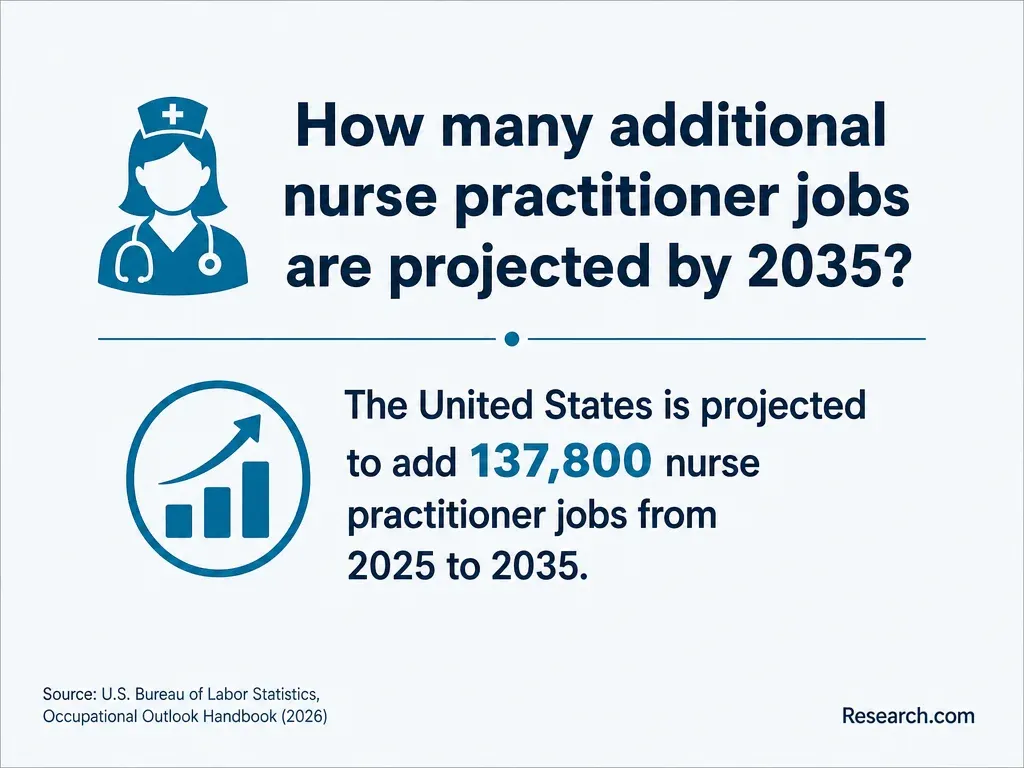
Shorter advertised timelines for advanced credentials, including comparing shorter family NP training pathways, should not be added to an LPN-to-BSN plan as though they were immediate next steps. Nurse practitioner preparation has separate RN, graduate admission, and supervised clinical requirements.
Compare the cost to reach the same endpoint: an RN license and BSN. Published tuition alone can obscure differences in transferred credits, mandatory fees, repeat courses, and the number of terms you must remain enrolled. Without a current school-specific degree audit and charge schedule, a reliable direct-bridge-versus-two-step price cannot be stated.
Build an estimate using each school's current charges and your expected schedule. The following costs are easy to miss when comparing pathways:
- Remaining credits at the applicable tuition rate, mandatory fees, books, and technology charges
- Clinical travel, equipment, health requirements, background checks, and examination and licensure costs
- Income lost if clinical scheduling reduces paid LPN hours, plus any added term caused by course sequencing
Ask financial aid offices about federal aid eligibility, institutional scholarships, and whether an employer offers tuition assistance with service or repayment conditions. Compare the net amount you would pay at each stage; aid for an associate degree does not automatically carry over unchanged to a later BSN.
If graduate education is a future goal, affordable master's progression for bachelor's-prepared RNs is a separate financial decision, not a reason to overpay for the initial RN-to-BSN route.
What careers, salaries, and job outlook can Maine BSN graduates expect?
The immediate career change for an LPN occurs when they qualify for and obtain an RN license - not when a BSN diploma is awarded by itself.
RNs may seek positions in hospitals, outpatient care, long-term care, home health, and community settings, subject to employer requirements and role-specific orientation. A BSN may meet an employer's educational preference or support later advancement, but it does not guarantee a specialty job, promotion, or higher pay than every associate-degree-prepared RN receives.
For salary planning, use the U.S. Bureau of Labor Statistics' most recently published registered nurse wage and employment projections alongside current Maine job postings and actual offers. National occupation-wide figures include RNs with different degrees, experience levels, specialties, and locations; they are not a starting salary for a Maine BSN graduate. Compare likely RN earnings with your present LPN pay and the full education cost, including reduced work hours.
Specialty goals may require substantial experience and further education. For instance, accelerated mental health NP certificate study concerns a later advanced-practice transition for appropriately qualified nurses, not a role available immediately upon completing a BSN.
Other Things You Should Know About Nursing
Often, yes, if your license remains active and your work fits around school. Obtain the clinical schedule before committing to shifts; clinical attendance may be less flexible than lecture attendance.
Not automatically. A school may award credit under its own advanced-standing or competency policy, but it decides which requirements that credit actually fulfills.
Potentially. Confirm that the program enrolls Maine residents, accepts your RN license and prior credits, and can accommodate any location-dependent assignments.
Request a written degree audit from each nursing program. Compare credits applied to graduation - not merely credits accepted by the institution - along with remaining clinical courses and the first term you can enter them.
- Reported Data - Department of Education https://nces.ed.gov/ipeds/reported-data/html/161253
- RN Nursing Programs | maine.gov https://www.maine.gov/boardofnursing/education/rn-nursing-programs
- BSN (Prelicensure) | Online Bachelor's Degree | Capella University https://www.capella.edu/online-nursing-degrees/bachelors-bsn-prelicensure/
- Holistic Nursing - RN to BSN Completion | University of Maine at Augusta https://www.uma.edu/academics/programs/nursing/rn-bsn/
- How Long Does It Take to Complete an RN to BSN Degree Online? https://onlinenursing.uic.edu/news-stories/how-long-does-it-take-to-complete-an-rn-to-bsn-degree-online/
- Nursing BSN - Program Details - University of Maine at Fort Kent https://catalog.umfk.edu/preview_program.php
- Bachelor of Science in Nursing | University of New England in Maine https://www.une.edu/wchp/bs-nursing
- Policy Manual - Tuition and Fees | Students https://www.maine.edu/board-of-trustees/policy-manual/section-703/
- Nursing - Central Maine Community College https://www.cmcc.edu/programs-training/nursing/
- Costs - Student Financial Services - University of Maine | Credit for Prior Learning https://umaine.edu/sfs/costs/