2027 Job Placement Rates for Communication Master's Graduates: Employment Outcomes

Co-Founder and Chief Data Scientist
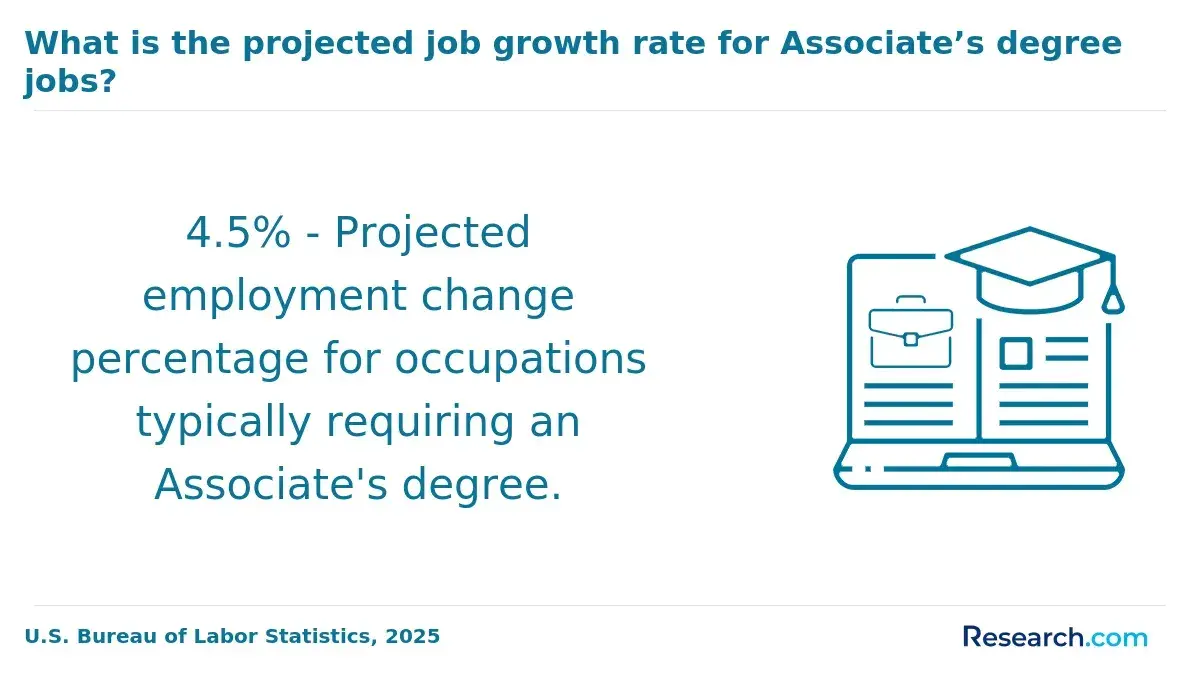
Graduates of communication master's programs often face a complex job market where industry sector and geographic location markedly influence placement speed and long-term career stability. For example, STEM-related sectors tend to value technical communication concentrations, while metropolitan areas may offer broader employer networks but higher competition. Data from the U. S. Bureau of Labor Statistics highlights a 12% growth in communication-related roles by 2026, emphasizing workforce demand. Yet, pragmatic factors like accredited internship experience and employer perception of online versus traditional programs critically shape job prospects. Understanding these variables helps prospective students align education choices with realistic employment outcomes.
Key Things to Know About the Job Placement Rates for Communication Master's Graduates
- Graduates concentrated in digital media often face quicker job placements due to industry demand, but this specialization narrows career flexibility if market trends shift away from tech-centric roles.
- Employer perception heavily favors candidates with internship experience; those lacking practical exposure risk delayed employment, illustrating the workforce's preference for job-ready skills over theoretical knowledge.
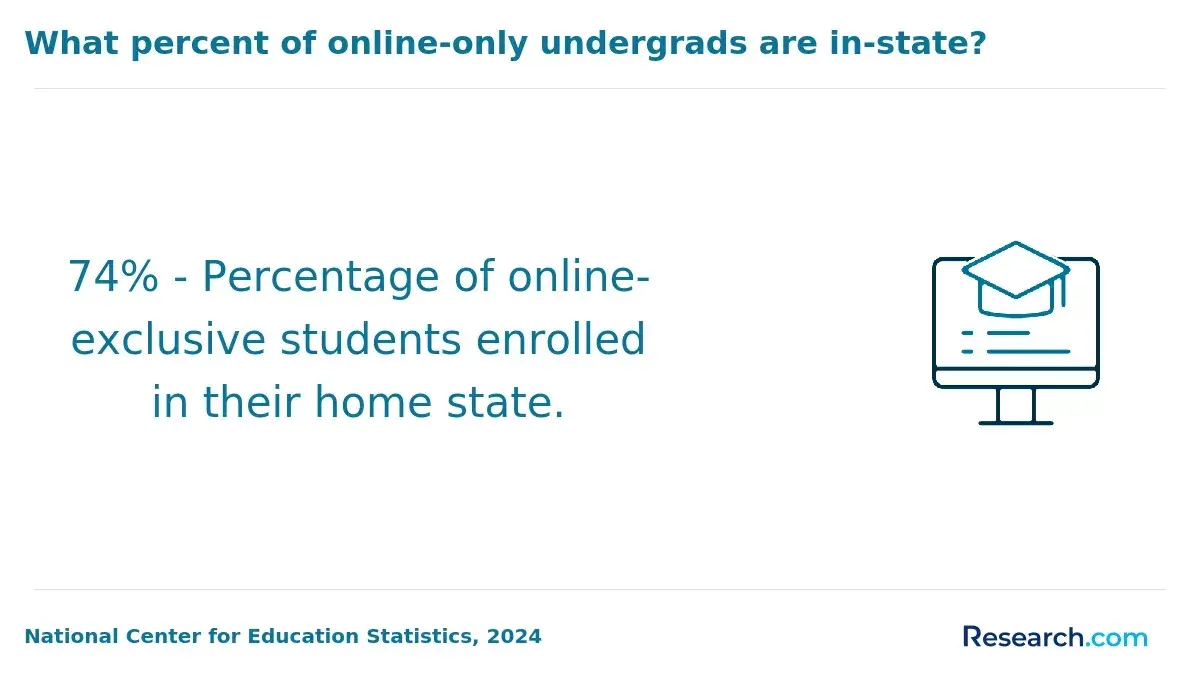
- Geographic location influences access to positions, with urban hubs offering more openings; however, remote program growth reported by the National Center for Education Statistics in 2024 expands timing flexibility for adult learners balancing study and work.
What Are the Typical Job Placement Rates for Communication Master's Graduates?
Job placement rates for communication master's graduates hinge critically on the underlying definitions and measurement approaches programs use, shaping the narrative on employment success. Some institutions count only full-time positions directly tied to communication fields, which reflects a narrower but more meaningful measure of workforce integration. Others broaden their scope to include any form of employment, thus inflating figures without guaranteeing field relevance. Additionally, graduates pursuing continued education-whether doctoral programs or professional certificates-are at times combined into placement statistics, further complicating interpretation. For a recent bachelor's graduate exploring advanced credentials, clarity about these distinctions is vital since the choice of program and its outcomes data can directly influence strategic career moves in competitive sectors.
Typical job placement rates drawn from program-published outcomes, NCES, and U.S. Bureau of Labor Statistics data show full-time, field-related employment for communication master's degree holders generally falls between 60% and 80% within the first year post-graduation. These rates fluctuate widely depending on geographic labor markets and program features such as internships or industry partnerships. Considering all employment types-regardless of relevance-often pushes reported placement beyond 85%, but this broad lens risks obscuring challenges in securing field-specific roles, a frequent hurdle in evolving communication industries. This dynamic underscores why working professionals or adult learners returning to graduate study should analyze program-reported methodology carefully to gauge realistic employment prospects and long-term value.
- Definition Scope: Programs differ in counting only full-time communication-related roles versus all employment or ongoing education, each yielding divergent placement rates and altering perceived graduate success.
- Data Sources: Benchmarks sourced from NCES, BLS, and transparent graduate outcomes reports provide the most reliable insights, emphasizing the importance of data collection timing and clear employment criteria.
- Methodological Variance: Response rates, alumni tracking rigor, and employment categorization vary hugely across programs, making direct comparisons difficult unless these details are disclosed.
- Program Influence: Students benefit from programs with robust internship components and employer networks, which improve realistic hiring chances compared to research-heavy or generalist tracks.
- Regional and Sector Factors: Local economic conditions and industry demand critically shape placement success, requiring context-aware interpretation rather than one-size-fits-all assumptions.
Exploring Communication master's degree programs in relation to their job placement rates offers a nuanced decision-making advantage for prospective students, especially those balancing professional growth and academic investment. The degree's value often hinges less on aggregate percentages and more on how graduates align with specific market demands, geographic realities, and employer expectations. For bachelor's graduates evaluating graduate options, comparing placement statistics alongside practical experience opportunities and program transparency is key to translating educational credentials into meaningful career trajectories. This strategic approach parallels choosing from among college degrees that pay well, emphasizing the necessity of weighing both compensation potential and employability metrics in tandem.
How Does Communication Master's Graduate Employment Compare to the National Average?
Graduates with a master's degree in communication frequently navigate a labor market that mirrors national employment averages for advanced degrees but requires strategic positioning due to field-specific nuances. Although their overall employment rates often align with the broader graduate population, the timing and quality of job placement can vary markedly depending on employer expectations and regional economic factors.
Compared to national benchmarks drawn from the Bureau of Labor Statistics Occupational Outlook Handbook and National Center for Education Statistics data, communication master's degree holders tend to achieve employment rates similar to or slightly above the approximate 85% to 90% one-year post-graduation standard observed across all master's graduates. However, early employment results measured at six months may fall behind this average, reflecting the time required to secure specialized roles in competitive communication sectors.
- Field Demand: Steady growth in sectors like public relations, digital media, and corporate communications supports favorable job prospects. Yet, the absence of strict licensure or credentialing requirements increases competition and can slow job acquisition for some graduates.
- Credential Specificity: Unlike professions with rigid certification, communication degrees rely heavily on demonstrated practical skills, portfolio quality, and relevant internships to impact hiring speed and salary progression.
- Regional Labor Market: Metropolitan hubs with concentrated media, tech, or corporate headquarters offer stronger employment opportunities, while rural or economically limited areas pose greater challenges.
- Data Interpretation: Comparing employment outcomes demands scrutiny of varying definitions of "employment" across sources-ranging from any paid work to full-time roles matching education-and attentiveness to differences among degree types and program tracks.
- Employer Expectations: Practical experience and digital literacy increasingly shape hiring decisions, often outweighing degree title alone and influencing communication graduates' career trajectories.
Which Industries and Sectors Hire the Most Communication Master's Graduates?
Graduates with a communication master's degree often find employment spread across a variety of sectors rather than confined to a handful of dominant industries. This broad dispersion offers flexibility but also necessitates strategic decision-making about specialization to align with market demands. According to IPEDS graduate outcome surveys, professional association employment studies, and BLS occupational data, key hiring sectors vary widely, reflecting the degree's versatility and contextual relevance to specific organizational needs.
- Healthcare: Increasing demand across healthcare systems drives employment of communication graduates in roles managing patient engagement, health promotion campaigns, and internal messaging, where clarity and empathy are critical.
- Technology: Tech companies seek communication professionals adept at crafting user experience content, managing stakeholder relations, and developing digital media strategies that translate complex technical concepts into accessible information.
- Finance: Financial institutions value graduates for investor relations, regulatory communication, and corporate messaging, requiring precision and understanding of sector-specific regulatory environments.
- Government: Public agencies employ these graduates in public affairs and crisis communication, emphasizing ethical framing and policy translation crucial for effective citizen engagement.
- Education: Universities and nonprofits use communication experts for enrollment marketing, alumni relations, and instructional design, blending messaging skills with sectorial knowledge.
- Nonprofit: Advocacy groups rely on storytelling and donor communication to promote social impact, making communication graduates essential to campaign development and relational outreach.
- Private Consulting: Consulting firms engage communication graduates in change management, corporate training, and strategic advisory functions demanding both analytical insight and interpersonal adaptability.
Whether a graduate's portfolio leans toward strategic communication, health communication, or other concentrations, industry distribution shifts in response to geographic job markets and program structures like thesis versus non-thesis pathways. Internship experience routinely emerges as a critical factor influencing employer perceptions, consequently affecting hiring speed and salary potential. For recent bachelor's holders weighing their options, including the selection of programs aligned with their desired sector, understanding these distributions informs both immediate employability and long-term career sustainability. Those interested in balancing affordability with program quality may also consider options such as an EDD program as part of their graduate study planning.
The range of job titles reported by graduates holding a master's in communication often reflects distinct stages within professional trajectories, which in turn influences their job search strategies and salary expectations. For those entering the labor market immediately after earning the degree, titles typically emphasize foundational skill sets and practical responsibilities. Conversely, mid-level and senior titles indicate use of the degree as a lever for progression, where strategic oversight and leadership become vital. Recognizing this differentiation helps clarify data from program outcomes, where entry-level roles and advancement positions appear alongside one another, potentially skewing perceptions of initial employability or role seniority.
- Communication Specialist: Commonly an entry-level designation, this position centers on crafting organized messaging and managing communication channels, often within corporate or nonprofit entities. It serves as a building block for broader communication practice experience.
- Public Relations Coordinator: Situated between entry and mid-level, this role requires handling media engagements, drafting press releases, and supporting brand reputation initiatives-typically found in agencies or organizations emphasizing public image.
- Marketing Communications Manager: Usually mid-level, this title implies responsibility for integrated messaging strategies and execution across multiple platforms, reflecting increased leadership within marketing or communication teams.
- Content Strategist: Occupied frequently by mid-career graduates, this role combines editorial insight with data analysis to align content development with organizational objectives, especially within digitally focused industries.
- Corporate Communication Manager: This senior-level position involves directing corporate messaging strategies, crisis communication, and stakeholder relations, illustrating a pathway toward leadership roles post-degree completion.
These titles collectively illustrate that the master's degree in communication functions both as an entry point for new professionals and a catalyst for advancement among experienced practitioners. Geographic market conditions, sector-specific demand, and practical experiences such as internships also substantially modulate how swiftly graduates secure roles and the scale of their responsibilities. Therefore, targeted searches under these specific job titles can offer candidates clearer insight into current market needs and help calibrate expectations accordingly.
A recent graduate recalled applying to programs amid a rolling admissions cycle, experiencing uncertainty over when an acceptance might arrive. Their decision to wait rather than rush a less-preferred offer stemmed from awareness that the master's degree could unlock a wider range of mid-level communication roles. The timing allowed them to better target programs that emphasized internships aligned with their geographic and sector-specific goals. The applicant's hesitation highlighted the intricate balance between acting with urgency and making a strategic choice in an unpredictable selection environment, reflecting the nuanced decision-making communicators often face in pursuit of relevant employment.
Graduates of communication master's programs often face a nuanced timeline before beginning full employment, shaped by sector-specific hiring practices and program structures. The interval from degree completion to job acceptance-known as time-to-offer-typically spans three to six months, according to reports from program outcomes and data curated by the Association of American Colleges and Universities (AAC&U). This period can be shorter for those who secure offers based on prior internships or relevant work experience obtained during the program.
Time-to-start frequently extends beyond acceptance, influenced by employer notice periods, relocation requirements, or seasonal hiring that delays an actual job commencement by several months-especially in government, nonprofit, or education sectors.
Pre-graduation job search strategies, common in many programs, factor hires who accept offers before degree conferral into placement rates. This can inflate reported success figures compared to typical post-graduate timelines.
Measurement window is vital to interpret placement data accurately. Some programs report employment rates at three months post-graduation, others at six months or even a year-each significantly altering the perceived speed of employment and potentially masking longer-term career development.
Prospective students should critically assess how programs define and measure these metrics to understand realistic expectations for entering the communication workforce, balancing immediate opportunity against the practical timelines employers require.
Starting salaries for communication master's graduates vary significantly based on multiple intersecting factors that shape early career trajectories. Rather than relying on program-published median salaries-which often represent only a subset of graduates who disclose pay-prospective students should consult broad data sources such as the BLS Occupational Employment and Wage Statistics (OEWS), NACE salary surveys, and specialized compensation benchmarks within the communication field. These aggregated data reveal that the communication master's graduate average starting salary depends on industry sector, geography, academic pedigree, and graduate background.
For example, a recent bachelor's degree holder entering public relations in a major metropolitan area typically earns substantially more than someone starting in nonprofit advocacy in a rural setting. The latter's salary may reflect both lower local wage standards and sector-specific budget constraints. Similarly, career changers entering communication often face a salary tradeoff as they accumulate relevant experience, while those pursuing the degree for advancement usually see increments aligned with prior expertise. These patterns underscore the practical need to tailor salary expectations according to individual circumstances rather than relying on uniform benchmarks.
- Industry Sector: Fields such as marketing, corporate communications, and public relations tend to offer higher starting salaries compared to education or nonprofit sectors.
- Geographic Region: Graduates working in metropolitan and high-cost areas generally earn above-average salaries, while those in less expensive regions may see lower compensation.
- Program Selectivity: Graduates from highly regarded or specialized communication programs often benefit from stronger employer networks, which can translate into better salary prospects.
- Career Background: Career changers usually accept lower initial salaries as they build relevant skills; practitioners advancing within communication often realize salary gains reflecting their existing experience.
- Data Interpretation: Relying solely on median salaries published by programs can be misleading due to non-disclosure bias and limited employment spectrum coverage.
- Salary Benchmarks: Cross-referencing multiple authoritative data sources provides a more accurate and comprehensive picture of employer expectations across different segments.
Prospective students assessing first job salary outcomes for communication master's holders should weigh these variables carefully to set realistic expectations. Additionally, exploring related credentials such as affordability and return can help inform choices; for example, individuals balancing cost concerns might consider options highlighted in the cheapest AACSB online MBA listings as part of broader career planning.
Program rankings in communication master's degrees offer some indication of institutional prestige but often fall short as reliable measures of graduate employment success. Employers frequently prioritize graduates' demonstrated skills and relevant experience over alma mater reputation alone. For example, a graduate from a highly ranked program located far from major industry hubs may face longer job searches than a peer from a less visible school embedded in a metropolitan area with strong employer ties. This tradeoff highlights the need to go beyond rankings when evaluating career prospects.
Key determinants of employment outcomes include:
- Location: Proximity to urban centers and industry clusters boosts job access, internships, and networking, which significantly affect placement rates.
- Alumni Network Strength: Programs with engaged alumni provide vital mentorship and job referrals that often outweigh formal ranking prestige.
- Employer Partnerships: Active collaborations that integrate internships or project work offer practical experience critical for immediate employability.
- Program Concentrations: Specializations in areas like digital media or health communication typically command higher demand and smoother transitions into the workforce.
- Ranking as a Predictor: While prestige signals can influence perceptions, outcome-specific data such as placement rates and median salaries deliver a clearer picture of graduate success.
A communication master's graduate recalled applying late in a rolling admissions cycle, hesitant to commit before clarity on career services and employer connections became evident. Despite a program's strong ranking, uncertainty about internship opportunities led to a near miss on timely applications elsewhere. This experience underscored how real-world factors like location and practical partnerships can outweigh rankings when shaping employment outcomes.
Job placement rates for communication master's graduates vary sharply based on geographic location, with proximity to metropolitan employment hubs providing a measurable advantage in securing positions quickly and achieving higher salary outcomes. Graduates who earn degrees near large urban centers benefit from established employer networks embedded in campus recruiting cycles, which tends to accelerate job offers relative to those relocating to new regions post-graduation. State-level BLS data confirm that wage levels for communication roles are consistently elevated in major cities, reflecting both higher living costs and concentrated demand. This pattern reinforces the strategic importance of selecting a program aligned with one's intended job market, as many employers use region-specific alumni referrals and internship pipelines to fill positions efficiently.
- Access: Programs located near metropolitan areas provide direct on-campus recruiting by local employers, facilitating faster hiring compared to graduates pursuing employment remotely.
- Internships: Urban-based programs maintain partnerships offering internships that regularly convert into job offers, granting critical hands-on experience valued in competitive markets.
- Alumni Networks: Alumni from city-centric programs often build strong local connections, resulting in mentorship opportunities and referrals that increase placement rates beyond those moving into unfamiliar labor markets.
- Relocation Challenges: Relocating graduates face longer job searches and often lower starting salaries due to weaker regional ties despite equivalent qualifications.
- Salary Variation: Communication roles in large employment hubs typically command higher wages than less populated areas, as indicated by recent BLS data.
- Strategic Alignment: Flexible candidates should carefully match program location to preferred job markets, while those fixed geographically must target programs with proven employer relationships and local placement success to maximize returns on their degree investment.
Understanding these dynamics is crucial for prospective students evaluating the tradeoff between affordability and geographic advantage; for example, those considering online options might weigh tuition savings against the potential impact on job placement. Among graduate programs, timing also matters: enrollment spikes often align with employer recruiting cycles, underscoring the need to factor regional hiring patterns into admissions decisions.
For learners comparing credential costs in STEM and related fields, resources like those highlighting the cheapest online physics degree provide useful tuition benchmarks, though they do not substitute for assessing the localized job landscape crucial to communication master's graduate employment by region.
Internship and practicum experiences in communication master's programs function as critical determinants of employment success by offering tangible professional exposure that purely academic routes lack. Graduates who engage in these applied learning components often benefit from direct links to employers and the opportunity to develop practical skills that align with real-world demands. For example, a graduate completing an internship at a public relations firm not only hones industry-specific communication practices but can also leverage that placement to access job referrals or gain insider knowledge unavailable through classroom study alone. This dynamic underscores why evaluating the structure and employer connections of experiential elements is more consequential than merely confirming their existence in a program's curriculum.
Programs with a professional track or hybrid format tend to embed internships or practicums systematically, providing supervised placements directly connected to targeted sectors such as corporate communication or digital marketing. This embeddedness enhances a graduate's readiness for employment, particularly in competitive metropolitan job markets where employers prioritize demonstrated initiative and technical proficiency. The impact on internship impact on communication master's job placement rates is tangible: candidates with verified experience typically secure positions faster and report higher starting salaries compared to peers without such exposure.
When selecting a communication master's program, students should also consider specialized concentrations that align with their career objectives, as sector-specific placements reinforce networking advantages and skill application. Research supports that practicum experience employment outcomes for communication graduates improve with placements offering meaningful responsibility and professional references, which translate into a differentiating factor in hiring decisions.
- Industry Alignment: Internship placement within targeted sectors correlates with faster job placement due to immediate familiarity with field-specific terminology and workflows.
- Networking Advantage: Relationships formed during internships frequently lead to job referrals and insider knowledge of unposted positions.
- Skill Application: Practical experience improves competence in communication tools and platforms, meeting employer demands for technical proficiency.
- Resume Differentiation: Candidates with documented internships stand out in competitive job markets, particularly in metropolitan regions where competition is intense.
In assessing program options, prospective students working to balance time and resources may also find value in exploring parallel credentials offering accelerated pathways, such as 12 month MBA programs, which similarly emphasize experiential learning and direct employer engagement but from a broader managerial perspective.
The effectiveness of career services within communication master's programs significantly shapes graduate employment prospects, particularly for those transitioning industries or entering crowded job markets. Programs offering robust support infrastructures frequently reduce time-to-hire and expand employer access, a crucial advantage given the nuanced demands of communication roles across sectors. For example, a recent graduate shifting from marketing to public relations often depends heavily on specialized advising and targeted networking to navigate role expectations and employer cultures efficiently.
Core elements of comprehensive career support include:
- Career Advising: Advisors with domain expertise help students pinpoint viable career paths, refine search techniques, and align academic projects with employer priorities.
- Employer Recruiting Events: Organized on-campus or virtual sessions connect students directly with firms hiring for internships or entry-level positions, enhancing visibility and opportunity.
- Alumni Mentorship Networks: Active alumni platforms facilitate insider perspectives and hidden job market access, often critical when employer expectations prioritize real-world communication experience.
- Resume and Interview Coaching: Personalized critique and practice focus on communication-specific narratives that influence hiring decisions more effectively than generic templates.
- On-Campus Recruiting Partnerships: Collaboration with established companies in media, corporate communication, or public relations often results in streamlined recruitment and sometimes direct placement.
Because less experienced candidates face longer placement windows, especially outside major metro labor markets, the depth of career services substantially affects outcomes. Prospective students should request detailed metrics on service usage rates and job placement through program channels rather than accept generic claims. These data reveal how effectively a program leverages employer perceptions and regional network strength, both crucial for navigating variable salary prospects commonly ranging between $50,000 and $75,000 early in professional communication careers.
What Graduates Say About the Job Placement Rates for Communication Master's Graduates
- Armando: "Balancing a full-time job while pursuing my master's in communication was demanding, but I chose the program for its flexible evening classes. The workload was intense, especially juggling projects and part-time work, but securing an internship through the program helped me build a portfolio that caught the eye of a digital marketing agency. Despite not getting licensed early on, the practical experience positioned me well to transition into a remote communications coordinator role within six months of graduating."
- Damien: "With limited funds, I opted for an affordable communication master's focused on strategic media, hoping to pivot from sales to PR. The decision meant missing out on some industry networking events, which was tough when competing for roles that emphasize connections. However, the program's project-based curriculum helped refine my skills, leading to a solid internship, although I noticed salary progression is slower without professional certification in the field. It was a cautious but pragmatic step into the sector."
- Aiden: "I entered the master's communication program knowing I wanted to switch careers swiftly but had concerns about workload and relevancy. Choosing a program with a hybrid format allowed me to integrate learning with hands-on freelance gigs, which employers valued more than my degree alone. Post-graduation, I found the hiring process competitive, with many employers placing greater weight on portfolios and real-world experience than on just academic credentials, steering me to continue building practical skills alongside formal education."
Other Things You Should Know About Communication Degrees
Employment outcomes in communication master's programs can differ significantly based on the specialization chosen. For example, graduates focusing on strategic communication or corporate communication generally see higher placement rates in business sectors, while those in media studies or journalism concentrations may face more competitive job markets with slower hiring timelines. Prospective students should prioritize programs offering industry-aligned specializations with access to strong internship networks, as practical experience within the chosen concentration often directly affects speed and quality of employment.
Many employers recognize a master's in communication as valuable but often prioritize candidates' practical skills and relevant experience over the degree alone. Employers in marketing, public relations, and corporate sectors tend to look for graduates who combine theoretical knowledge with hands-on expertise, such as data analytics or digital media proficiency. Candidates without experience or a clear demonstration of applied competencies may face challenges translating the degree into immediate employment, suggesting that active engagement in internships or portfolio development during study is crucial.
Graduate internships in public relations, corporate communications, media relations, and digital content are the strongest predictors of faster placement. Employers often expect 3 to 6 months of supervised experience, a portfolio of writing or campaign work, and evidence of analytics or audience research before hiring.
- Careers you didn’t know a Masters in Geography could lead to https://www.postgrad.com/blog/careers-masters-in-geography/
- What can you do with a master's in communication? | edX https://www.edx.org/resources/what-can-you-do-with-a-masters-in-communication
- Master's in Communication Salaries by Career and Position (2025 Update) https://www.mastersincommunications.com/faqs/masters-in-communication-salary
- Making sure you're not a bot! https://www.econstor.eu/bitstream/10419/326470/1/10.1080_23311975.2024.2386465.pdf
- Labor Market | ELA https://ela.nauka.gov.pl/en/labor-market/who_earns_more_after_studies
- Graduate Employment Outcomes: ACG vs Government Data https://iei.asiacareersgroup.com/blogs/articles/graduate-employment-outcomes-acg-vs-government-data
- Measuring the Effectiveness of Internship Programs in Aligning Education with Industry: A Comprehensive Analysis of Internship Outcomes in the College of Communication and Media During COVID-19 https://www.qeios.com/read/8DVZS8
- Why Study Communication? Jobs for Master’s in Communication Graduates https://www.snhu.edu/about-us/newsroom/liberal-arts/jobs-for-masters-in-communication-graduates
- The Effect of Internships on Graduates’ Employability, Soft Skills, and Digital Competence https://www.edupij.com/index/arsiv/78/677/the-effect-of-internships-on-graduates-employability-soft-skills-and-digital-competence