2027 Career Paths with a Communication Master's Degree Explained

Co-Founder and Chief Data Scientist
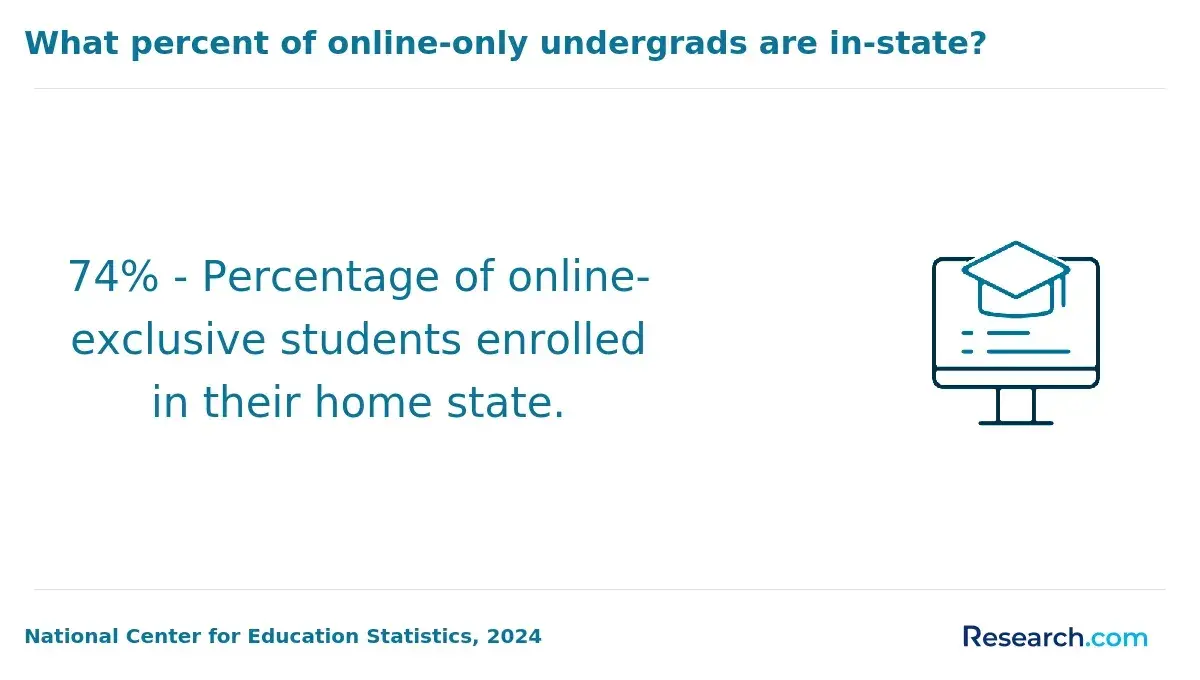
The career landscape for professionals holding a communication master's degree increasingly demands specialized expertise beyond foundational skills. Employers prioritize advanced analytical problem-solving, leadership acumen, and proficiency with sector-specific technologies such as digital analytics platforms, media production tools, and stakeholder engagement software. Programs focus on preparing graduates to manage cross-functional teams, navigate regulatory compliance like data privacy standards, and execute strategic communication campaigns in diverse industries. According to the National Center for Education Statistics, a significant increase in part-time and online enrollments among adult learners reflects a shift toward flexible learning models that accommodate working professionals seeking career mobility without pausing employment.
This article examines various career paths available to communication master's graduates and offers insight to help readers assess alignment with their professional objectives.
Key Things to Know About Career Paths With a Communication Master's Degree
- The specialization breadth in communication degrees offers roles from media strategy to corporate leadership, but this diversity requires targeted skill development to avoid generic qualifications that limit advancement.
- Employers increasingly expect digital fluency alongside traditional communication skills, signaling that graduates who integrate analytics and multimedia command stronger positioning in competitive job markets.
- Recent data from the National Center for Education Statistics indicate rapid growth in online communication master's enrollments, reflecting crucial access for working adults but also intensifying peer competition and cost considerations over time.
What Can You Do With a Communication Master's Degree?
Holding a master's degree in communication positions professionals at the nexus of strategic messaging and organizational influence, but the practical application and career outcomes vary widely depending on industry context and role specificity. For example, a graduate moving into public relations will often face ongoing pressure to balance brand narrative control with real-time crisis management, a dynamic less prevalent in internal communication-focused roles. Understanding these nuances is crucial because the decision to pursue a certain career pathway with a communication master's degree impacts not only immediate employability but also long-term professional mobility and leadership opportunities.
- Public Relations and Corporate Communication: These roles require graduates to operate at the intersection of media, stakeholder engagement, and reputation management. The degree's emphasis on strategic communication theory equips professionals to navigate fluctuating public sentiments and organizational crises, increasing their value in competitive corporate settings.
- Marketing Communication Specialization: Graduates with a communication master's degree often leverage their skills to focus on digital marketing strategies, content development, and consumer analytics. This pathway capitalizes on growing industry demand for data-informed creativity but may require continuous technical skill updates to stay aligned with evolving digital platforms.
- Organizational Leadership and Human Resources: Communication expertise enhances a professional's ability to facilitate change management and employee engagement. Here, the degree serves as a bridge to leadership roles where interpersonal dynamics and conflict resolution are central, although such positions may require complementary HR certifications to maximize advancement potential.
- Media and Digital Production: Graduates pursuing careers in journalism, broadcasting, or digital storytelling face industry volatility but benefit from advanced training in ethical communication and audience analysis. This specialization demands adaptability to shifting media consumption habits and often requires building a diverse portfolio to sustain employability.
- Salary and Career Flexibility: While median starting salaries for communication master's graduates hover around $65,000, real-world compensation varies considerably by sector and geographic location. Professionals who strategically align their degree focus with high-demand industries-such as healthcare communication or tech-can access better financial outcomes but should weigh this against the relative stability and culture fit of traditional communication roles.
For professionals evaluating communication master's degree career options, understanding these dimensions helps frame realistic expectations around job functions, sector growth, and necessary skill maintenance. Such informed perspectives contribute to more deliberate career decision-making rather than reliance on generalized degree promises or unfiltered job market trends. Additionally, prospective students should consider the cost-benefit aspect of enrollment choices, possibly exploring pathways through cheap online colleges that accept FAFSA to mitigate financial risk while pursuing their communication master's degree.
What Are the Highest-Paying Careers With a Communication Master's Degree?
Compensation within communication careers is heavily influenced by specialization, leadership roles, and the complexity of organizational impact. Graduates who secure positions involving strategic decision-making, regulatory navigation, or integrated technical expertise tend to see significantly higher salaries. However, advancing into these top-tier roles often requires balancing long hours and high-pressure environments against greater financial rewards and career influence.
- Public Relations Manager: This role commands a high salary due to its responsibility in managing organizational reputation and stakeholder relations, often earning upwards of $125,000 annually according to 2024 labor data. Effective PR managers must navigate crises and align messaging with corporate strategy, making their strategic influence crucial.
- Chief Communications Officer (CCO): As an executive-level position, the CCO oversees all communication efforts, including brand strategy and crisis management, justifying compensation often well above six figures. Their impact on organizational trust and market positioning directly affects financial outcomes, reflecting the importance of their multifaceted leadership.
- Marketing Communication Manager: Professionals in this role bridge analytics and creative strategy, commanding competitive salaries typically between $90,000 and $130,000. Their ability to drive consumer engagement and revenue through integrated digital strategies positions them as valued assets in technologically driven industries.
- Speechwriter and Political Communication Specialist: This career often includes contract or consulting work for high-level officials, with earnings that can exceed $100,000. Though these roles come with intensified pressure and demanding schedules, their specialized strategic communication supports influential political agendas and campaigns.
- Corporate Communication Director: Acting as a senior liaison between executive leadership and broader organizational units, this role requires expertise in brand and crisis messaging with salaries reflecting the responsibility to sustain company reputation during volatile market or regulatory conditions.
Decisions to pursue these high-paying careers typically involve tradeoffs between work-life balance and the breadth of strategic accountability. Candidates should weigh how specialization, industry sector, and leadership readiness align with their professional goals to optimize the return on their master's degree investment.
Which Industries Hire Graduates With a Communication Master's Degree?
Industries that hire graduates with a communication master's degree leverage their expertise in tailored ways tied to sector-specific challenges and priorities. For example, media and public relations demand skills in message framing, crisis response, and audience analytics, requiring graduates to combine creativity with rapid decision-making under public scrutiny. Conversely, corporate roles emphasize strategic alignment of communication with organizational goals, often necessitating proficiency in internal engagement, compliance communication, and brand integrity management. Advancement in these settings typically hinges on demonstrated leadership in high-stakes messaging and cross-departmental collaboration rather than solely on academic credentials. By contrast, government and nonprofit agencies prioritize cultural competence and policy translation, translating complex regulations into accessible language-a task less common in fast-paced commercial media but critical for community impact and public accountability.
Specialization shapes not only day-to-day responsibilities but also compensation trajectories and work environments. Healthcare and education sectors, increasingly reliant on communication professionals amid shifting public health landscapes, emphasize evidence-based messaging and interdisciplinary cooperation with scientific teams, which may require additional certifications or domain knowledge. Digital communications roles within technology firms, meanwhile, demand agility with emerging platforms and data analytics to inform targeted messaging strategies, reflecting faster innovation cycles but also higher volatility in job stability. Choosing an industry path thus involves tradeoffs between mission-driven work with potentially flatter hierarchies and operational roles with structured promotion ladders yet tighter performance metrics. Graduates who bring interdisciplinary skills such as multilingual ability or data visualization can navigate these contexts more fluidly, but must weigh how sector-specific norms and expectations align with their career aspirations and adaptability.
A recent graduate shared how she grappled with deciding between a public relations agency known for creative storytelling and a federal public affairs office focused on policy communication. While the agency role promised exposure to diverse industries and faster professional recognition, it demanded constant output with irregular hours and client-driven pressures. The government position offered stability and the chance to influence community-focused messaging, but advancement required navigating bureaucratic structures and extensive compliance training. Ultimately, she chose the public sector for its alignment with her values, accepting slower career progression in exchange for meaningful impact and specialized expertise development-an illustration of the nuanced considerations graduates face beyond initial job offerings.
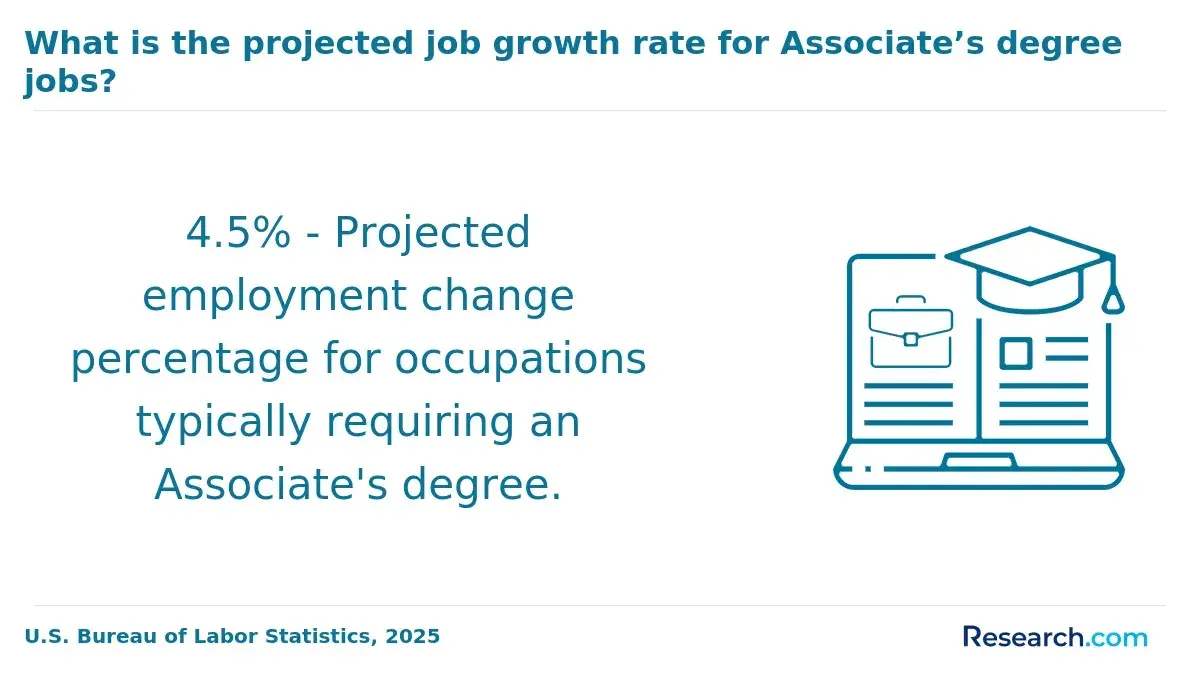
Employment prospects for roles requiring a communication master's degree show notable variability based on industry, specialization, and experience. While the overall job outlook for communication master's degree graduates across the United States reflects steady demand, certain sectors-such as digital marketing, corporate communication, and public relations-are expanding due to digital transformation and increased brand management needs. The U.S. Bureau of Labor Statistics projects a roughly 7% growth through 2034 in these areas, aligning with average occupational growth but highlighting the advantage of candidates who pair strategic communication skills with data analytics expertise. Conversely, traditional journalism and broadcast roles face contraction, emphasizing that graduates should carefully consider how industry disruption affects long-term stability in their chosen communication niche.
Understanding these market dynamics is critical for career planning, as competition intensifies for senior or specialized positions that often require more than just a master's credential-work experience and demonstrated digital proficiency are increasingly prerequisites. For professionals weighing a communication master's degree, realistic expectations include using the degree as leverage for advancement rather than assured entry-level jobs, especially in competitive metropolitan markets. Those prioritizing salary potential and career stability may find stronger opportunities in strategic and digital communication functions. To navigate these complexities successfully, candidates should explore programs like the best online MSW programs for comparison in professional pathways and to understand how advanced degrees interplay with evolving employer demands for measurable impact and adaptability.
Holding a master's degree in communication can position graduates for a range of entry-level roles, but career trajectory often hinges on prior experience and sector-specific demands. Typical starting positions-such as communication specialist or social media manager-tend to emphasize operational skills like content creation and digital channel management rather than strategic leadership. While these roles provide a foundation in messaging and brand support, they often require additional on-the-job learning before graduates can move directly into management. Employers in highly specialized industries, such as healthcare or political consulting, may expect intermediate experience or further certifications before recognizing the degree as sufficient for advanced responsibilities.
Progression into senior communication roles usually demands demonstrated strategic insight and leadership capacity, with positions like communications manager or public relations director involving oversight of organizational messaging and stakeholder engagement. Compensation reflects this shift; for example, data from the National Communication Association (2024) indicates senior communication managers earn nearly double the average salary of entry-level practitioners. Graduates aiming for these roles must often develop specialization-such as crisis communication or digital strategy-and navigate variable valuation of their credentials across sectors. Consequently, the degree provides valuable mobility and role flexibility over time but rarely substitutes entirely for experiential growth or targeted expertise in competitive markets.
A master's degree in communication can serve as a strategic asset for career changers, though its impact is contingent on how effectively prior expertise aligns with the new field's demands. For professionals with relevant transferable skills-such as content development or client engagement-the degree often legitimizes readiness for leadership or specialized roles within marketing, public relations, or corporate communications. Conversely, individuals from unrelated sectors may face tangible barriers, requiring additional internships or hands-on practicums offered by many communication master's programs to gain practical knowledge and sector-specific competencies. Notably, graduates often benefit from programs with rolling admissions that typically cost between $10,000 and $30,000, a price range that reflects both accessibility and the investment needed to pivot successfully while balancing work commitments. Such programs may provide the flexibility necessary for working adults aiming to reposition without full career interruptions.
Career transitions using a communication master's degree vary widely depending on specialization and industry licensing requirements, with some sectors like healthcare communication demanding extra credentials beyond graduate study. Employers frequently view the degree as validation of a mature grasp of media strategy and audience engagement, yet skepticism remains toward candidates with nontraditional backgrounds, especially where direct experience is critical. Programs integrating networking, internships, and applied learning help mitigate this by connecting students to hiring pipelines and providing real-world exposure. Job seekers should also anticipate realistic tradeoffs including potential salary resets and the time required to establish authority. For those interested in healthcare or management roles, related fields with growing demand may warrant exploring options like an online hospitality management degree, which can complement communication skills and expand professional mobility.
Graduates with a master's degree in Communication often assume leadership roles that demand a nuanced blend of strategic oversight and operational accountability, tailored to distinct industry contexts. In corporate environments, these leaders may manage communications teams focused on brand strategy and crisis response, requiring integration of cross-functional priorities. Conversely, regulated sectors such as healthcare or finance impose additional expectations, including a firm grasp of compliance frameworks and stakeholder risk communication. Navigating these complexities often means balancing advanced interpersonal skills with an understanding of organizational dynamics, as employers prioritize candidates with both leadership experience and sector-specific knowledge. The path to leadership varies significantly, with promotional trajectories influenced by the scope of team coordination responsibilities and the need for cross-departmental collaboration.
Communication graduates pursuing management roles must weigh tradeoffs between maintaining technical specialization and expanding business acumen. Leadership positions commonly entail increased supervisory demands, budgetary oversight, and accountability for decision-making that affects multiple units, which may delay or restrict advancement for those focused narrowly on technical expertise. Compensation growth and promotion eligibility frequently correlate with proven skills in managing diverse teams and aligning messaging with strategic goals. Employers increasingly value applicants with documented leadership in complex projects and demonstrated capacity for organizational change management, reflecting a shift toward integrated management functions rather than siloed communication tasks. This variation in role expectations means career advancement is not uniform but dependent on industry and organizational structure.
One graduate recalled applying during a rolling admissions cycle while deliberating between programs with differing start dates. "The uncertainty about when offers would come meant she had to balance applying early with waiting for stronger application materials," they noted. This careful timing reflected an acute awareness of how delays in acceptance impacted her ability to secure leadership roles post-graduation. Her eventual choice emphasized readiness to engage with leadership opportunities immediately, underscoring how admissions strategy and timing can influence transition into management positions in Communication fields.
Employers recruiting graduates with a master's degree in communication typically prioritize a blend of technical savvy, analytical acuity, and leadership capability that align with evolving organizational needs. Technical skills often encompass proficiency in digital content management systems, data analytics platforms, and multimedia production-tools essential for developing and measuring effective communication strategies. For example, in tech companies, a communication specialist must not only craft messaging but also use analytics to assess audience engagement and refine campaigns, directly impacting product adoption. Analytical competencies such as audience research and discourse analysis enable these professionals to customize communication approaches strategically, influencing hiring potential and opening pathways to roles that demand evidence-based decision-making. According to recent workforce data, professionals who integrate data analytics into their communication practice can command salaries up to 25% higher than those focused solely on traditional messaging, highlighting the tangible financial incentive tied to these skills.
Leadership and operational skills further distinguish communication graduates in competitive job markets, especially when managing cross-functional teams or navigating compliance within regulated industries like healthcare. Master's programs that incorporate real-world case studies foster these abilities, enabling students to handle complex workflows and ethical considerations effectively. Graduates who demonstrate cultural competence, negotiation skills, and strategic narrative development tend to advance faster, particularly in senior roles requiring organizational change leadership. However, the emphasis on specific skills varies significantly across industries: while healthcare communication demands strict adherence to legal frameworks and stakeholder empathy, technology sectors prioritize analytical fluency and digital tool mastery. Consequently, graduates must adapt to these differing expectations, balancing specialized expertise with broader business outcomes to maximize employability and long-term career progression.
Remote and flexible careers in communication are unevenly distributed across roles, industries, and regulatory environments, making it critical for graduates to assess job function carefully. Positions emphasizing digital content strategy, corporate communications, or digital media often allow fully remote or hybrid work, relying heavily on writing, editing, and virtual collaboration. In contrast, publics relations specialists and communication consultants engaged in client-facing or compliance-sensitive sectors typically require more consistent on-site presence. Regulated fields like healthcare communication impose strict data security protocols that constrain remote options, while operational roles in crisis communication demand physical availability to coordinate cross-functional teams effectively.
For those pursuing remote jobs for communication master's graduates, understanding employer expectations around productivity and oversight is vital. Employers often prefer candidates demonstrating strong self-management and reliability, especially as competition for flexible roles intensifies. Career stage influences flexibility too: entry-level positions frequently involve in-person supervision, whereas mid-career professionals gain autonomy facilitating hybrid or remote options. According to recent enrollment data, many graduate programs now accommodate flexible formats recognizing this demand, including pathways for an online masters degree in history-suggesting broader acceptance of distance learning but signaling a need to weigh geographic salary variability and networking tradeoffs carefully. Overall, flexibility in communication careers requires navigating industry-specific constraints alongside personal priorities for work-life integration and long-term advancement.
For graduates holding a communication master's degree, obtaining specific certifications or professional licenses can decisively influence career trajectories by aligning qualifications with employer expectations and legal requirements. Certain roles, such as speech-language pathologists or clinical communication specialists, mandate state licensure, reflecting regulatory compliance and client safety priorities. In contrast, professions within corporate communications or public relations typically do not require formal licensure but often favor certifications like the Accredited in Public Relations (APR) or Certified Communication Professional (CCP), which serve as practical endorsements of expertise and professionalism. These credentials support a stronger candidacy for leadership roles, especially where technical specialization or strategic communication proficiency is valued, reinforcing how professional licenses enhancing communication master's graduate opportunities vary by sector and impact advancement potential.
Industry-preferred certifications also function as targeted skill validations that differentiate candidates in competitive markets, particularly amid varying regional credential standards and workforce demands. Entry-level graduates might pursue foundational certifications to supplement limited experience, whereas seasoned professionals leverage advanced credentials to transition into executive functions or pivot careers. Career changers often use certifications as a cost- and time-efficient alternative to additional degrees, establishing credibility in new communication domains. Failure to pursue appropriate credentialing can narrow job eligibility, limit salary growth, or exclude candidates from consultative and leadership tracks. For working professionals investigating such options, resources detailing roles like a child life specialist salary with bachelor degree illustrate how certifications complement academic degrees in shaping market value and career mobility.
What Graduates Say About Career Opportunities With a Communication Master's Degree
- Armando: "Balancing a full-time job while pursuing my master's in communication was challenging, so I opted for a part-time program that allowed evening classes. This decision meant a longer time to graduate, but it gave me the flexibility to apply the skills immediately at work. Ultimately, my portfolio, built through course projects and an internship, proved more valuable in landing a mid-level marketing role than any license or exclusive certification."
- Damien: "After switching careers from finance, I had limited time and funds to invest in further education. Choosing a communication master's with a focus on digital media seemed practical. Although the program was intense, it helped me secure a remote internship that strengthened my resume. However, I found that many employers weighted professional experience over academic credentials, which meant I had to actively network beyond graduation to get my foot in the door."
- Aiden: "I had hoped the master's in Communication would lead quickly to upward mobility, but the reality was more nuanced. The workload was heavier than expected, and I realized that without licensure or specialized certifications, my salary growth was somewhat capped. Still, the program was invaluable for honing my strategic thinking and storytelling skills, which landed me a role at a nonprofit; I just had to accept that certain leadership positions would require additional credentials down the line."
Other Things You Should Know About Communication Degrees
The balance between theoretical frameworks and practical skills varies widely across programs and significantly affects career readiness. Employers often prioritize candidates who demonstrate applied communication abilities, such as campaign design, media relations, or digital strategy, beyond academic research. Prospective students should assess programs for experiential learning components like internships, projects, or simulations, as purely theory-heavy curricula may delay skill acquisition critical for immediate workforce entry.
Choosing between specialization and generalist programs depends on career goals and industry expectations. Specialized tracks (e.g., health communication, organizational communication) can enhance employability in niche sectors but may limit flexibility if career pivots are desired. A broader program fosters adaptability but may require additional self-directed learning or experience to stand out in targeted roles. For most working professionals, prioritizing specialization aligns better with employer demands for domain-specific expertise.
In 2027, top career paths for graduates with a Master’s in Communication include digital marketing director, corporate communications manager, public relations strategist, and content marketing specialist. Skills acquired in strategic communication, media relations, and digital analytics are essential for these roles.
Many communication master’s programs are test-optional in 2027, and some do not require the GRE or GMAT at all. When scores are requested, schools often set no fixed cutoff, but competitive applicants usually submit results only if the program lists them as recommended or required.
- Master Programs with Lucrative Career Opportunities https://www.snycosmos.com/master-programs-with-lucrative-career-opportunities/
- Master's in Communication Salaries by Career and Position (2025 Update) https://www.mastersincommunications.com/faqs/masters-in-communication-salary
- Is an Online Master’s Degree Respected and Worthwhile? https://www.usfhealthonline.com/resources/career/is-an-online-masters-degree-worth-your-time/
- Loan Enquiry https://www.jagannathuniversity.org/blogs/top-ma-journalism-mass-communication-specializations
- High-Paid Certifications That Employers Value in 2026 https://www.sprintzeal.com/blog/high-paid-certifications
- Top 10 Highest Paying Jobs in Mass Communication 2025 | Nexford University https://www.nexford.edu/insights/highest-paying-jobs-in-mass-communication
- Is a master's in communication worth it | edX https://www.edx.org/resources/is-a-masters-in-communication-worth-it
- Online Master’s Degrees That Pay: Top Fields for Solid Salaries https://www.onlinemastersdegrees.org/features/top-earning-masters-degrees/
- Long-Term Career Goals: 20 SMART Goal Examples and How to Set Them https://www.qooper.io/blog/long-term-career-goals
- Choosing the Right Degree: How to Find the Path That Fits Your Goals - CIS University https://www.cis-spain.com/en/blog/choosing-the-right-degree-how-to-find-the-path-that-fits-your-goals/