
2027 Is an Online Public Relations Bachelor's Degree Worth It?

Co-Founder and Chief Data Scientist
Many career changers wonder if pursuing an online public relations bachelor's degree is a practical investment-especially when balancing work and life commitments. As demand for PR specialists is projected to grow by 12% through 2032, according to the U. S. Bureau of Labor Statistics, understanding whether an online degree can open doors is crucial. Online programs promise flexibility but vary in reputation and outcomes. This article examines the value of online public relations bachelor's degrees by analyzing accreditation, curriculum quality, career prospects, and return on investment to help readers make an informed decision about their educational paths.
Key Things to Know About the Value of an Online Public Relations Bachelor's Degree
- Online public relations degrees offer flexible scheduling and military-friendly credit policies, empowering diverse students to meet personal and professional life goals without compromising income or family commitments.
- Graduates typically see a favorable return on investment-median entry salaries exceed $55,000 annually-with accredited programs enhancing employability and eligibility for employer tuition assistance.
- The degree provides essential skills recognized by employers and graduate schools, fostering career advancement in communications, media relations, and crisis management within competitive job markets.
What Are the Real Costs of Earning an Online Public Relations Bachelor's Degree, and How Do They Compare to On-Campus Programs?
According to IPEDS and the College Board's Trends in College Pricing report, online public relations bachelor's degree programs typically cost less per credit hour than traditional on-campus programs, offering a more affordable path for many students navigating the cost comparison of online and on-campus public relations degrees.
- Tuition: Online programs generally range between $300 and $500 per credit hour, compared to $400 to $700 for on-campus programs.
- Fees: Additional mandatory fees for technology, course materials, or virtual labs usually add $200 to $600 per semester.
- Required Technology: Investments in a reliable computer, high-speed internet, and sometimes specialized software are necessary expenses.
- Indirect Costs: These include utilities, study space, and occasional commuting costs, though online students often save on housing and transportation.
Several accredited online programs maintain costs below the national average, including Southern New Hampshire University, Liberty University, the University of Florida, and Arizona State University. These institutions offer competitive tuition rates that appeal to working parents, military veterans, and mid-career professionals weighing their financial investment for earning an online public relations bachelor's degree.
It is critical to distinguish the sticker price, which includes published tuition and fees, from the net price-the true cost after factoring in financial aid, scholarships, and grants. Many students benefit from substantial aid that lowers out-of-pocket expenses by thousands annually. Collaborating with a school's financial aid office is essential to understand funding opportunities that make an online public relations degree more affordable and accessible to diverse populations.
Prospective students should also explore transfer credit policies, employer perceptions, and graduate school compatibility to maximize the long-term return on investment. For those considering alternate pathways, reviewing online certification programs can supplement skills and boost career advancement.
What Is the Return on Investment (ROI) of an Online Public Relations Bachelor's Degree Over a Career Lifetime?
Return on investment (ROI) in higher education measures the financial benefits graduates gain compared to the total cost of earning their degree. For an online public relations bachelor's degree, this means balancing tuition, fees, and related expenses against projected lifetime earnings in public relations and allied fields. Authoritative sources like the Georgetown University Center on Education and the Workforce and the PayScale College ROI Report provide trustworthy benchmarks for this evaluation.
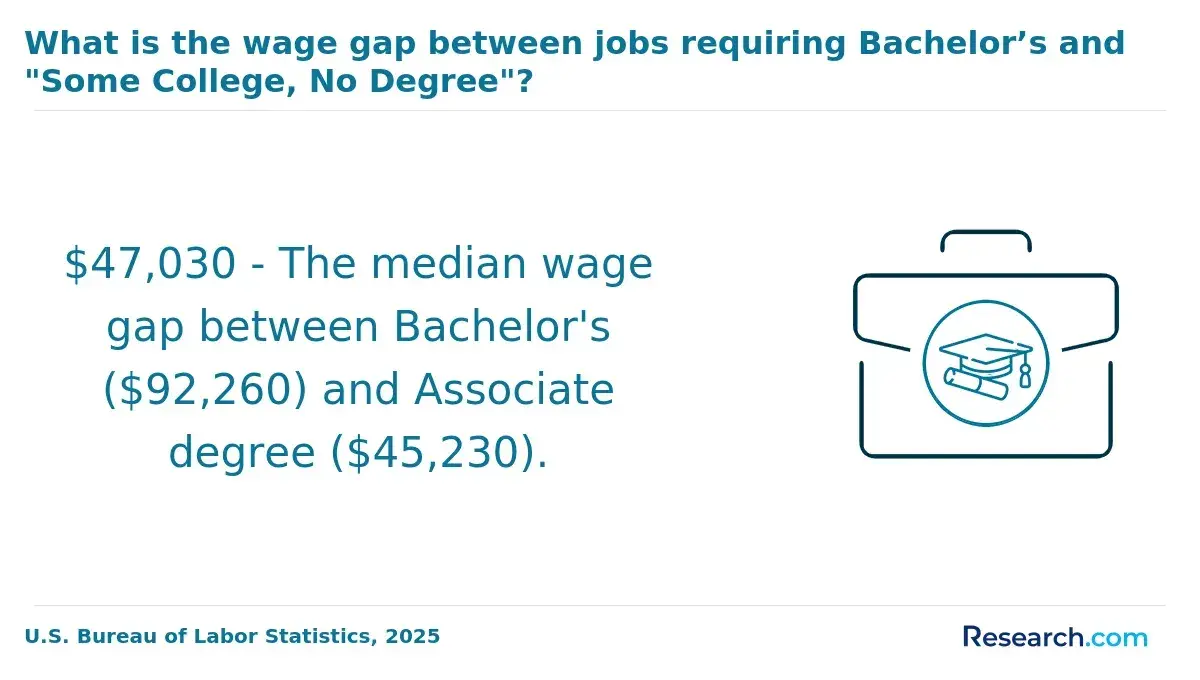
The Georgetown Center demonstrates that bachelor's degree holders typically earn significantly more over their careers than individuals with only a high school diploma. Careers in public relations often offer median salaries above the national average for all bachelor's graduates-highlighting the degree's strong earning potential. The PayScale report adds that affordable online programs can boost ROI by lowering upfront costs while maintaining accredited, quality education aligned with industry expectations. Considering career earnings and salary growth with an online public relations degree is key to making an informed decision.
- 10-Year ROI: Affordable online public relations programs frequently show positive returns within the first ten years, due to early career salary increases and reduced debt.
- 20-Year ROI: Graduates usually experience significantly higher returns over two decades as salary and career advancement opportunities in communications grow.
- Cost Efficiency: Low-cost online options diminish student loan burdens, improving net income during early professional years compared to traditional studies.
- National Average Comparison: While all bachelor's degree holders earn considerably over a lifetime, public relations graduates often benefit from consistent demand and diverse job markets, enhancing ROI prospects.
Non-monetary returns also matter. Public relations professionals frequently report high job satisfaction due to creative work and relationship-building. The degree's transferable skills enhance career mobility across industries. Professional credibility from an accredited bachelor's supports networking, leadership roles, and eligibility for graduate studies, such as programs like the online PhD in organizational leadership. These factors contribute crucially to the lifelong value beyond financial metrics.
How Do the Salary Outcomes for Online Public Relations Bachelor's Graduates Compare to Those With Traditional Degrees?
- Median Starting Salary: Data from PayScale, LinkedIn Salary Insights, and the Bureau of Labor Statistics reveal that graduates with a bachelor's degree in public relations-whether earned online or on campus-start with median salaries between $42,000 and $48,000 annually. Employer perceptions tend to prioritize skills and experience over delivery mode.
- Mid-Career Earnings: Approximately ten years post-graduation, salaries commonly rise to ranges of $65,000 to $75,000. Specializing in areas like digital communications or crisis management often enhances earning potential significantly.
- Institutional Outcomes: Some universities offer detailed graduate earnings reports through IPEDS or institutional transparency disclosures, highlighting slightly elevated starting salaries from well-known schools. Yet, many accredited online programs produce competitive financial outcomes, especially when complemented by relevant internships and professional experience.
- Influencing Factors: Geographic regions with a higher concentration of corporate headquarters or media centers tend to have higher average salaries. Advancement into management or strategic communication roles typically leads to increased compensation.
One professional who completed an online public relations bachelor's shared that balancing coursework with a full-time job was demanding but rewarding. "At first, I worried employers would undervalue my online degree," he recalled, "but gaining hands-on experience through internships and networking helped me prove my capabilities." His confidence grew as he navigated career opportunities, emphasizing that persistence and practical skills mattered more than how the degree was delivered.
Breakdown of All 4-Year Online Title IV Institutions

Graduates with a bachelor's degree in public relations often find diverse job opportunities in communications, marketing, and media sectors. Common entry-level positions include
- Public Relations Specialist: professionals responsible for crafting press releases, maintaining media relations, and coordinating events. The Bureau of Labor Statistics forecasts this role to grow 12% between 2022 and 2032, exceeding average occupational growth rates.
- Marketing Coordinator: these individuals assist with marketing campaigns by generating content, managing social media accounts, and analyzing data to reach target audiences effectively.
- Social Media Manager: tasked with overseeing brand messaging and audience engagement across digital platforms, a role that benefits from digital media expertise gained in many programs.
- Corporate Communications Specialist: this position manages internal and external communications such as newsletters, executive messages, and crisis responses, reflecting similar growth patterns to other public relations roles.
More advanced careers like Public Relations Manager or Communications Director typically require further work experience, certifications, or graduate education. Credentials such as the Accreditation in Public Relations (APR) can enhance career progression. Selecting specialized concentrations-such as digital communications, nonprofit engagement, or crisis management-within an online public relations degree can sharpen your skill set and tailor job prospects to specific industries. Aligning your focus with growing sectors ensures better economic returns and competitive advantage in the job market for online public relations degree career options.
For those comparing programs, transfer credit policies, financial aid strategies, and accreditation standards all play vital roles. Exploring online MFT programs accredited may provide insights into navigating these factors for related fields.
- Academic Advising: Personalized guidance helps students navigate course choices, degree milestones, and credit transfers. Advisors often adjust plans to fit schedules for working parents or translate military experience into academic credit.
- Tutoring Centers: Online tutoring assists with pr theory, writing, and research, often through virtual writing labs that provide critical feedback on assignments to sharpen communication skills.
- Mental Health Counseling: Access to telehealth counseling addresses stress and anxiety, supporting students' emotional well-being, which is linked to stronger academic persistence and retention.
- Career Services: Top programs coordinate internships and job searches tailored to pr fields, leveraging alumni mentors and employer collaborations to enhance graduates' employment prospects.
Student Engagement Tools: Digital platforms encourage peer interaction and active learning, fostering a supportive community that motivates ongoing participation and completion.
Evidence from the National Survey of Student Engagement (NSSE) confirms that programs investing in comprehensive support systems enjoy notably higher rates of on-time graduation and retention. Consistent access to advising and career resources emerges as a key factor predicting student success in online bachelor's degrees in pr.
A professional who built her career after completing an online public relations bachelor's reflected that balancing coursework with family and work demands initially felt overwhelming. She found that regular advising meetings were crucial for staying on track, and tutoring helped clarify complex topics she encountered. The availability of telehealth counseling provided an essential outlet during stressful periods. She also credits career services for connecting her with internships that led directly to job opportunities. "Having those tailored resources felt like having a support team," she shared, "which made the difference between floundering alone and actually finishing strong."
Research from the Society for Human Resource Management (SHRM) and Gallup reveals a growing employer acceptance of accredited online degrees, particularly in fields where practical abilities and communication skills are essential. In public relations, many employers value experience, internships, and portfolios over whether a degree was obtained online or on campus.
Online public relations degrees are generally regarded as equivalent to traditional degrees within sectors such as marketing, corporate communications, and digital media. Major firms including Edelman, Weber Shandwick, and FleishmanHillard have publicly recognized that they recruit graduates from well-established online programs, focusing more on candidates' competencies and results than on how their education was delivered.
Nevertheless, some specialized areas of public relations, such as government communication roles or niche agencies, may still lean toward traditional degrees, influenced by long-standing hiring conventions. This preference is diminishing as more online programs secure regional accreditation and hybrid learning becomes mainstream.
Students should evaluate how employers within their intended career sector view online credentials. This can be done by reviewing job postings, connecting with alumni, and examining graduate outcomes. Ultimately, the acceptance of an online public relations degree varies depending on the program's accreditation, curriculum relevance, and alignment with employer expectations.
- Employer Acceptance: Surveys by SHRM and Gallup indicate a rising trust in accredited online degrees, especially when candidates show strong practical skills and relevant experience.
- Industry Equivalence: Marketing and corporate communications industries treat online public relations degrees as comparable to traditional campus degrees, focusing on candidates' abilities.
- Specialized Preferences: Certain government and niche agencies may prefer traditional degrees, though this bias is fading with expanding accreditation and evolving hiring practices.
- Accreditation Significance: The legitimacy of an online degree hinges largely on institutional accreditation and a curriculum that meets industry standards.
- Research and Networking: Prospective students should assess employer perceptions in their field and seek insights from alumni to better understand program reputation.
Accreditation profoundly impacts the value and recognition of an online public relations bachelor's degree. Regional accreditation generally offers greater transferability of credits, broader employer acceptance, and better eligibility for graduate programs than national accreditation. This is because regional accrediting agencies oversee nonprofit, academically rigorous institutions with well-established standards. Meanwhile, national accreditors usually focus on vocational or for-profit schools, which may have limited recognition and fewer credit transfer options.
The six regional accrediting bodies recognized by the U.S. Department of Education are:
- HLC: Higher Learning Commission, covering central U.S. states
- SACSCOC: Southern Association of Colleges and Schools Commission on Colleges
- NECHE: New England Commission of Higher Education
- MSCHE: Middle States Commission on Higher Education
- NWCCU: Northwest Commission on Colleges and Universities
- WSCUC: WASC Senior College and University Commission
To verify accreditation status, prospective students should consult databases maintained by the Council for Higher Education Accreditation (CHEA) and the U.S. Department of Education (ED). These resources confirm which accrediting bodies and institutions are currently recognized, helping avoid unaccredited or lapsed programs. Attending unaccredited schools risks loss of federal financial aid eligibility and non-transferable credits.
While public relations lacks a specialized accreditation comparable to business or engineering fields, some programs enhance credibility by affiliating with professional organizations like the Public Relations Society of America (PRSA). According to a report by the National Center for Education Statistics, students enrolled in regionally accredited schools have a 25% higher chance of gaining graduate school admission within three years than those from nationally accredited institutions.
Completing an online public relations bachelor's degree typically involves about 120 credit hours, which traditionally takes four years of full-time study to finish. This timeline is based on students taking roughly 15 credits per semester under a standard academic calendar. However, several factors can accelerate or extend the time needed for degree completion, especially for online students balancing other responsibilities. Understanding these variables helps working parents, recent high school graduates, military veterans, and mid-career professionals plan their educational journey effectively.
Accelerated course formats, such as eight-week classes, allow students to complete courses faster than the traditional 16-week semester. Competency-based education (CBE) pathways enable learners to progress by demonstrating mastery of skills at their own pace, which is particularly advantageous for veterans or professionals who bring prior knowledge. Year-round enrollment options, without long breaks like summer vacations, facilitate continuous credit accumulation. For example, Southern New Hampshire University's online public relations programs and Western Governors University's competency-based bachelor's in strategic communication often see students finish in less than three years.
Faster degree completion not only reduces tuition expenses by minimizing the total number of academic terms but also decreases the opportunity cost of delayed entry into full-time employment. Graduates can enter the workforce sooner, potentially leading to higher lifetime earnings. Additionally, prospective students should consider how transfer credit policies and employer perceptions impact their choices and long-term returns on investment.
When exploring degree options, some may also assess related options like an online MBA in operations management programs for career advancement.
- Credit Requirements: Most programs require about 120 credits, usually taken over four years of full-time study.
- Accelerated Courses: Eight-week sessions allow faster coursework completion, shortening the overall timeline.
- Competency-Based Pathways: Demonstrating skills at one's own pace helps speed up degree progress, beneficial for learners with prior experience.
- Year-Round Enrollment: Continuous course intake without traditional breaks supports quicker credit accumulation and earlier graduation.
- Cost and Opportunity Benefits: Finishing sooner reduces tuition costs and allows earlier entry into full-time employment, enhancing lifetime earnings potential.
Students seeking an online public relations bachelor's degree can access several financial aid options to help manage tuition and expenses. The Free Application for Federal Student Aid (FAFSA) is essential and should be submitted early, as many state and institutional funds operate on a first-come, first-served basis.
- Federal Pell Grants: Need-based and requiring no repayment, these grants are awarded based on financial need and can substantially reduce tuition costs for eligible students.
- Direct Subsidized and Unsubsidized Loans: Subsidized loans do not accrue interest while students are enrolled at least half time, whereas unsubsidized loans accrue interest from disbursement. Both offer flexible repayment options but should be used cautiously to avoid excessive debt.
- Institution-Specific Scholarships: Many colleges offering online public relations degrees provide scholarships based on merit, financial need, leadership, or community service. These awards vary widely in amount and eligibility criteria.
- State Grant Programs: Depending on residency, online public relations students may qualify for state-funded grants or tuition waivers often contingent on maintaining certain academic standards.
Scholarships targeting online public relations students include the Public Relations Society of America Foundation Scholarships, which offer awards from $2,500 to $5,000 based on academic achievement and dedication to the field. The National Hispanic Media Coalition supports Hispanic students pursuing communications-related degrees, including public relations. Additionally, the Women's Public Relations Group Scholarship offers variable awards for female students entering this industry.
Prospective students should consider layering multiple financial aid sources-priority to grants and scholarships that do not require repayment-along with employer tuition reimbursement when available. Federal work-study programs also provide paid roles on campus or in the community, helping offset costs while gaining valuable experience.
Applicants evaluating program costs and transfer policies in conjunction with these aid options can make informed decisions about an online public relations bachelor's degree. For those interested in related fields, exploring options such as a bachelor of science in physics online may also offer competitive financial aid opportunities.
Admission standards for online public relations bachelor's programs differ based on a school's selectivity and enrollment policies. Competitive programs generally expect a minimum high school GPA around 3.0 to ensure readiness for challenging coursework. Almost all require a high school diploma or GED as a foundation.
Many selective schools still consider SAT or ACT scores, although an increasing number have adopted test-optional policies that waive these requirements, making the application process more accessible for nontraditional students or those who struggled with standardized tests.
Prerequisite classes in English, communication, and social sciences often strengthen an application-especially for more demanding programs. In contrast, open-access institutions typically admit students with just a diploma or GED, regardless of GPA, facilitating wider access to education.
Rolling or continuous admissions are common across many online public relations programs. This flexible approach eliminates strict deadlines, benefiting working adults, veterans applying military credits, and career changers balancing various responsibilities.
- Minimum GPA: Usually between 2.5 and 3.0 for competitive programs; often no minimum for open-access schools.
- High School Diploma or GED: Required universally.
- Standardized Tests: Increasingly optional; some selective schools still request SAT or ACT.
- Prerequisite Coursework: Emphasizes English, communication, and social sciences in rigorous programs.
- Application Flexibility: Rolling admissions reduce time pressures for applicants.
- Strengthening Applications: Community college credits, professional certificates, and recommendation letters help offset weaker academic records.
- Accreditation: Verify that the program has regional accreditation to ensure academic quality and wider acceptance. Additional specialized accreditation from bodies like the Accrediting Council on Education in Journalism and Mass Communications (ACEJMC) adds credibility.
- Cost and ROI: Look beyond the sticker tuition price by factoring in technology fees, proctored exam costs, textbooks, and any mandatory campus residencies. Use net price calculators and compare graduate salary data to estimate the return on your investment.
- Program Format and Flexibility: Choose a delivery style-whether asynchronous, synchronous, or hybrid-that fits your lifestyle, especially if you're balancing work, family, or military commitments. Part-time options and flexible pacing matter for many students.
- Career Outcomes Data: Research employment rates, employer reputation, and graduate school acceptance statistics. The U.S. Department of Education's College Scorecard and IPEDS Data Center are valuable tools for comparing these metrics across programs.
- Student Support Services: Confirm availability of academic advising, career counseling, technical help, and veteran-specific resources to support your academic journey.
- Transfer Credit Policies: Examine how prior college, military, or professional credits will be credited to avoid repeating coursework and shorten your time to degree completion.
Next Steps: Schedule informational interviews with admissions staff to clarify program details. Request precise net price estimates reflecting all fees. Monitor financial aid deadlines to maximize funding options. Audit your existing transfer credits well in advance. Set a firm enrollment target date to stay on track.
What Graduates Say About the Value of Their Online Public Relations Bachelor's Degree
- Azai: "I chose the online public relations bachelor's degree program because it offered the flexibility I needed while working full-time. The affordable tuition made it a smart investment in my future-now, the skills and knowledge I gained have opened doors to exciting career opportunities that I never thought possible. This program truly delivers a great return on investment."
- Russell: "Reflecting on my time in the online public relations bachelor's degree program, I appreciate how it challenged me to think critically about media strategies and audience engagement. The coursework was rigorous, yet accessible, allowing me to balance study with personal commitments. This degree has significantly enhanced my professional credibility and helped me build a meaningful network in the industry."
- Christian: "The impact of pursuing the online public relations bachelor's degree on my career has been profound-it equipped me with real-world skills and strategic insights that employers highly value. What stood out most was the program's emphasis on current industry trends, which kept my learning relevant and practical. Plus, earning this degree online fit perfectly with my busy schedule and budget."
Other Things You Should Know About Public Relations Degrees
Online public relations bachelor's programs typically use learning management systems to deliver course materials, including video lectures, readings, and discussion boards. Students can access content on their own schedules, allowing flexibility for working adults or parents. Interaction with instructors and peers often happens through virtual meetings, forums, and group projects to foster engagement despite the remote setting.
Many online public relations programs offer specializations such as digital media, corporate communications, crisis management, or social media strategies. These concentrations help students tailor their education to specific career goals and industry demands. Choosing a relevant specialization can enhance job prospects by demonstrating focused expertise to employers.
It should come from a regionally accredited college or university, and the communication program may also be reviewed by ACEJMC, the Accrediting Council on Education in Journalism and Mass Communications. Regionally accredited credits usually transfer more easily, and employers often check institutional accreditation first.
- Fast-Track B.A. or B.F.A. to M.A. in Public Relations, Advertising and Social Media https://www.pointpark.edu/academics/schools/schoolofcommunication/programs/fast-track-communication-ma-pradvertisingsocialmedia
- Public Relations, Advertising, and Applied Communication https://www.fastweb.com/directory/scholarships-for-public-relations-advertising-and-applied-communication-majors
- Choose a College or Course in PR: List for Students | PRLab https://prlab.co/blog/choose-a-college-or-course-in-public-relations-list-for-students/
- Is College Worth it? | Return on Investment Analysis of College Degree https://educationdata.org/college-degree-roi
- Scholarships & Grants 2026 https://www.prsafoundation.org/scholarships-awards/
- ROI Undergraduate - FREOPP https://freopp.org/roi-in-higher-education/roi-undergraduate/
- Scholarships & Grants to Reduce Your Degree Cost https://www.umassglobal.edu/tuition-and-aid/financing-your-education/scholarship-and-grants
- Accreditation, Curriculum, and Ethics: Exploring the Public Relations Education Landscape - Journal of Public Relations Education https://journalofpreducation.com/2020/12/22/accreditation-curriculum-and-ethics-exploring-the-public-relations-education-landscape/
- How Long Does it Take to Earn a Communications Degree Online? - Best Communications Degrees https://www.bestcommunicationsdegrees.com/faq/how-long-does-it-take-to-earn-a-communications-degree-online/
- Is Communication & Public Relations the Right Degree for Me? | EU Business School https://www.euruni.edu/blog/is-communication-public-relations-the-right-degree-for-me/


