Is an Online MBA in Sustainability Worth It for Military Veterans?

Co-Founder and Chief Data Scientist
Military leadership can translate well to sustainability work, but an online MBA is a substantial use of time, money, and potentially limited education benefits. For veterans considering civilian management, the decision depends on the job they want, the experience they already have, and what a program will cost after benefits.
This guide explains where a sustainability-focused MBA may help, where it may fall short, and how to compare programs against more direct alternatives.
Key Things You Should Know
- An online sustainability MBA is most likely to pay off when a veteran can build on existing operations or leadership experience to pursue a defined civilian management role; it is less direct preparation for technical environmental work.
- Compare the full program cost after your verified GI Bill entitlement, housing allowance, fees, and any Yellow Ribbon funding - not the advertised tuition alone.
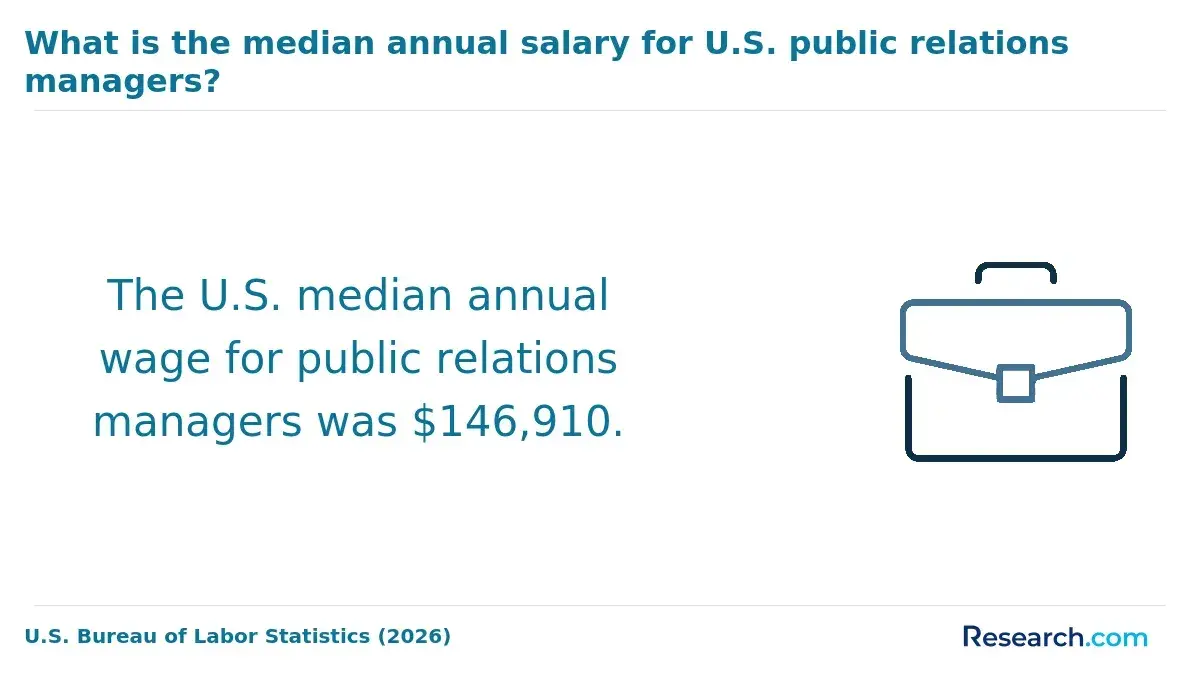
- The U.S. median annual wage for management occupations was $126,520 in May 2025, but that figure covers many occupations and is not an expected salary for sustainability MBA graduates.
Is an online MBA in sustainability worth it for military veterans?
It can be, particularly for a veteran moving from logistics, facilities, procurement, engineering leadership, or program management into a civilian role where business decisions and environmental goals intersect. An MBA teaches broad management skills; a sustainability concentration, when formally offered, adds focused coursework. Neither replaces environmental expertise or guarantees a management job.
The strongest case is a specific career move: for example, an installation logistics leader seeking corporate supply-chain management with responsibility for waste, sourcing, or emissions. That person can show employers both relevant operating experience and new business training. The case is weaker when the target role requires environmental science, engineering, or specialized reporting experience the MBA does not provide.
Consider the opportunity cost as well as tuition. Part-time online study may let you keep earning, but it still competes with work, family, and transition activities. GI Bill funding can lower your cash cost, yet using entitlement on this degree means it is unavailable for another eligible education goal. Veterans with nonbusiness degrees who mainly need a management foundation can also compare online study options for online MBA programs for nonbusiness majors before paying extra for a sustainability focus.
Bottom line: Choose the MBA if its curriculum, employer access, and net cost support an identified role. If you primarily need a technical skill or an entry point into an unfamiliar field, targeted coursework, a specialized master's, or relevant work experience may be the better first investment.
What careers can veterans pursue with an online MBA in sustainability?
Veterans are often best positioned for adjacent moves, not an immediate jump into a senior sustainability title. Employers will look for evidence that military responsibilities translate into civilian budgets, teams, vendors, regulations, and measurable results. The distinctions below can help you identify where an MBA adds value and where another qualification may be needed.
| Potential path | Relevant military experience | Likely gap to address |
| Sustainable supply-chain or procurement manager | Logistics, contracting, inventory, vendor oversight | Civilian sourcing systems and supplier sustainability measures |
| Facilities or energy program manager | Installation operations, maintenance, resource planning | Commercial building practices, energy data, or sector-specific requirements |
| Sustainability program manager | Cross-functional leadership, implementation, reporting | Environmental accounting, business reporting, and a record of relevant projects |
| Environmental or climate strategy consultant | Planning, stakeholder coordination, analytical briefings | Client-facing experience and credible subject-matter expertise |
For each target job, compare actual postings with your record. Translate military accomplishments into civilian terms - such as the size of a budget managed or the outcome of a process improvement - without implying that a military title maps directly to a corporate one. A project with a utility, manufacturer, public agency, or employer can provide more persuasive evidence than the concentration name alone.
How much does an online sustainability MBA cost after veterans' benefits?
There is no reliable universal net price. It depends on the school's charges, whether its online MBA is approved for your benefit, your eligibility tier and remaining entitlement, and your enrollment pattern. Compare programs using the same cost components rather than treating a published per-credit tuition rate as the total bill.
Request a written, term-by-term estimate that separates tuition, mandatory fees, books and software, and any required travel or residency. Ask the school's certifying official which charges it can report to VA and whether scholarships or employer funding change the amount billed. Housing payments, if available, support living costs; they are not a tuition discount.
A useful personal comparison is total required charges minus confirmed benefits and other non-loan funding, plus uncovered materials, travel, and any financing costs. Then weigh that net cost against likely earnings above what you could earn without the MBA, rather than against a broad post-MBA salary figure. If the benefit-adjusted price remains high, compare budget-conscious MBA program choices 10 000; verify that any low-cost alternative offers the sustainability coursework and support you need.
Start by confirming your own VA education-benefit eligibility and the specific MBA's approval. Veteran status alone does not establish which benefit you can use, your payment tier, or how much entitlement remains. The Post-9/11 GI Bill is one possible benefit, but its payments depend on the individual and the program.
These checks help prevent a gap between the school's estimate and what VA actually pays:
- Review your VA eligibility information and remaining entitlement, and confirm the program's approval with the school's veterans' certifying official before committing.
- Ask how tuition and mandatory fees will be certified for your enrollment, including any difference between public and private school coverage.
- Confirm whether every course is online or whether any required in-person instruction affects the applicable housing allowance; entirely online enrollment follows different housing-payment rules from qualifying in-person enrollment.
- Ask whether the school participates in Yellow Ribbon for this MBA, whether your eligibility qualifies, and whether a place and funding are available; participation alone does not ensure an award.
- Recheck certification when your course load or schedule changes, since enrollment changes can affect payments and may create a debt.
Public-school in-state tuition coverage, private-school payment limits, book support, and housing payments are governed by different rules. Obtain a current school-specific estimate rather than assuming that "GI Bill eligible" means the MBA will have no out-of-pocket cost.
First, verify that the institution holds recognized institutional accreditation. That is distinct from business-school accreditation, which may be held by the school or program through AACSB, ACBSP, or IACBE. Business accreditation can be a useful quality signal, but it does not by itself establish VA benefit eligibility or prove the depth of sustainability coursework.
Check the institution and business accreditor in their official directories, then confirm the particular MBA's VA approval with the school. Finally, inspect the degree requirements: a sustainability elective is not necessarily a formally designated concentration, and an online student may not have access to every course advertised for campus students. For this decision, verified course availability and relevant career support matter more than a label alone.
An online MBA can let a veteran keep working or live far from campus. That flexibility is valuable during a civilian career transition, but it does not mean every course is self-paced. Live classes, group projects, exams, or short residencies can still constrain a work schedule.
A campus MBA may offer more frequent face-to-face contact and easier access to some recruiting events or projects; an online MBA may offer a cohort of employed professionals and broader geographic reach. Neither format inherently provides better career outcomes. Ask whether online students can use the same career coaching, employer events, alumni network, and experiential opportunities as campus students.
Compare required attendance and forgone income alongside tuition. Veterans who are already established in a target industry may benefit more from staying employed while studying. Those making a substantial industry change may place greater value on a campus program with verified recruiting access. Experienced managers comparing formats can also examine MBA programs with affordable tuition affordable online executive MBA programs, while checking whether an executive program actually offers relevant sustainability study.
The MBA core typically covers managerial finance, accounting, strategy, operations, and organizational leadership. Sustainability-focused study may apply those tools to supply chains, energy and resource decisions, environmental risk, reporting, or the business case for operational change. The exact mix varies: one school may offer a named concentration, another a few electives.
That distinction matters for career goals. A management-level course on climate-related business risk does not necessarily teach technical emissions measurement or environmental engineering. Look for an applied project that lets you connect prior service experience to a civilian organization's problem, and confirm that the relevant courses run online often enough to fit your completion plan.
Team assignments can be useful practice for cross-functional sustainability work but difficult around shifts or family obligations. If scheduling is decisive, review online MBA programs with limited group work education pathways and ask schools how much collaboration their specific courses require.
Requirements differ by school. Applicants commonly encounter a bachelor's degree requirement and requests for transcripts, a résumé, and written statements; test policies, recommendations, interviews, prerequisites, and experience expectations vary. A sustainability concentration does not universally require an environmental science or business undergraduate degree.
Use your application to make military experience legible: describe decisions made, people led, resources managed, and outcomes achieved. If accounting or quantitative work is unfamiliar, an introductory course may help you prepare, whether or not the school requires one. Applicants concerned about an uneven academic record can compare MBA application options for experienced professionals, then confirm each program's current policy rather than assuming experience waives a stated requirement.
Before applying, ask whether the sustainability option is formally available to online students, whether it changes the number of credits required, and whether your military experience meets any professional-experience expectation.
There is no single defensible salary for "sustainability MBA graduates." Pay depends on occupation, location, industry, seniority, and experience before the degree. The U.S. Bureau of Labor Statistics reports a $126,520 median annual wage for management occupations in May 2025, compared with $50,980 for all occupations. That broad management median is context for evaluating possible roles - not a forecast for a new graduate or a measure of the MBA's effect.
The same BLS outlook projects management employment to grow faster than the average for all occupations from 2025 to 2035, with about 1.1 million openings annually on average from growth and replacement needs. Those openings span management generally, not sustainability positions specifically. For a realistic pay estimate, compare local postings for your target role and experience level with your current compensation, then ask programs for outcomes that identify online students and relevant job functions.
Which certifications complement an MBA in sustainability?
Choose a credential only after identifying the work an employer expects you to perform. An MBA develops management judgment; a certification can demonstrate more specific knowledge, but neither substitutes for relevant projects or experience.
For a facilities or buildings path, a recognized green-building credential may be useful. For supply-chain work, a procurement or supply-chain credential may be more directly relevant. For sustainability reporting, training in the reporting frameworks used by your target employers may close a more important gap than another broad management qualification. Check each credential's eligibility rules, fees, renewal requirements, and recognition in job postings before enrolling.
If your goal is a technical environmental role rather than managing teams and business decisions, a specialized graduate program or technical training may be a better primary qualification than an MBA-plus-certification combination.
Other Things You Should Know About MBA
Possibly. Ask about military leave, withdrawal and reentry rules before enrolling, and contact the school promptly if orders interrupt a term. The academic and benefit consequences depend on your circumstances.
Do not assume it will. Graduate transfer and prior-learning policies vary, and schools may limit credit toward MBA requirements. Request an evaluation before planning a shorter degree timeline.
An MBA alone does not confer or remove a clearance. If clearance requirements matter to your career plans, address those requirements separately with the relevant employer or security office.
Eligible students can request accommodations through a school's disability-services process. Contact the office early to discuss online assessments, live sessions, and documentation rather than assuming a course format will meet your needs automatically.
- About GI Bill Education Benefits | militaryonesource.mil https://www.militaryonesource.mil/benefits/gi-bill-education-benefits/
- Post-9/11 GI Bill | The Official Army Benefits Website https://myarmybenefits.us.army.mil/Benefit-Library/Federal-Benefits/Post-9/11-GI-Bill
- Yellow Ribbon Program | Veterans Affairs https://www.va.gov/education/about-gi-bill-benefits/post-9-11/yellow-ribbon-program/
- Post-9/11 GI Bill®/Yellow Ribbon | nyu.edu https://www.nyu.edu/students/communities-and-groups/military-students-and-veterans/military-connected-student-benefits/post-9-11-gi-bill-yellow-ribbon-montgomery-gi-bill.html
- Tuition | Master of Sustainability Management Program | USC Dornsife https://dornsife.online.usc.edu/sm/admissions/tuition-financial-aid/
- MBA in Sustainability | bard.edu https://gps.bard.edu/academics/mba-in-sustainability
- Online MBA in Environmental Social Governance | WP | WPUNJ https://online.wpunj.edu/degrees/business/mba/esg/
- The Benefits of Getting an Online MBA for Veterans | Gary W. Rollins College of Business https://blog.utc.edu/business/2023/11/09/benefits-of-an-mba-for-veterans/
- Online MBA in Corporate Sustainability - SOU https://online.sou.edu/degrees/business/mba/corporate-sustainability/
- Best Online MBA in Sustainability Programs | bestcolleges.com https://www.bestcolleges.com/business/mba/sustainability/