Is an Online MBA in Strategy Worth It for Career Changers?

Co-Founder and Chief Data Scientist
An online MBA in strategy can help you change careers, but the degree alone will not make you a competitive candidate for every strategy role. What matters is how your existing experience connects to the work you want next - and whether the program helps you close the remaining gaps.
This guide is for working professionals considering a move into strategy, consulting, or broader management. It explains the likely career paths, financial trade-offs, and program features to check so you can decide whether an MBA is the right investment or a more direct route would serve you better.
Key Things You Should Know
- An online MBA in strategy is most compelling when you can connect prior industry or functional experience to a specific target role and use the program to build evidence of strategy work.
- Compare the full cost with a realistic career-switching plan; online study may let you keep earning, but it does not necessarily provide the internship recruiting available in a full-time campus MBA.
- The $126,520 median annual wage for US management occupations in May 2025 is an occupational benchmark, not an expected salary for new strategy MBA graduates.
Is an online MBA in strategy worth it for career changers?
It can be worth it if the MBA bridges a defined gap between your current experience and a reachable next role. Strategy work involves choosing where an organization should compete, how it should allocate resources, and how it can execute those choices. An MBA adds broad management training; a strategy concentration, when formally offered, typically adds focused coursework. Neither replaces a record of solving relevant business problems.
For an operations manager seeking corporate strategy work in the same industry, operational knowledge may be a strong starting point. A professional trying to change industry, function, and seniority at once faces a harder transition. They may need intermediate experience, substantial recruiting support, or a role closer to their current expertise before the MBA pays off.
The degree is more attractive when you need both cross-functional business skills and a network that reaches your target employers. Its value is less certain if a program offers little relevant recruiting access or you cannot identify roles that fit your background. If the gap is mainly financial modeling, market research, or industry knowledge, targeted courses and applied projects may be a cheaper first step.
What careers can an online MBA in strategy help career changers pursue?
"Strategy" appears in many job titles, but the entry point depends on your prior work. The comparison below separates plausible adjacent moves from transitions that commonly require additional functional experience.
| Potential path | Relevant prior experience | Important gap to check |
| Corporate strategy or strategic planning | Industry knowledge, finance, operations, or market analysis | Evidence of evaluating options and presenting recommendations to leaders |
| Business operations or growth strategy | Process improvement, product, sales, or commercial operations | Ownership of measurable initiatives across teams |
| Management consulting | Client work, analytical problem-solving, or specialist expertise | Access to target firms' recruiting channels and interview preparation |
| Internal strategy role in a new industry | Transferable analytical or management experience | Credible knowledge of the new industry and its economics |
These roles can involve market assessment, financial analysis, recommendations, and implementation planning. For a first move, examine actual postings: some seek an MBA, while others prioritize consulting experience, industry expertise, or specific analytical tools. A project that demonstrates those abilities may matter more than the concentration name.
How much does an online MBA in strategy cost, and what is the potential ROI?
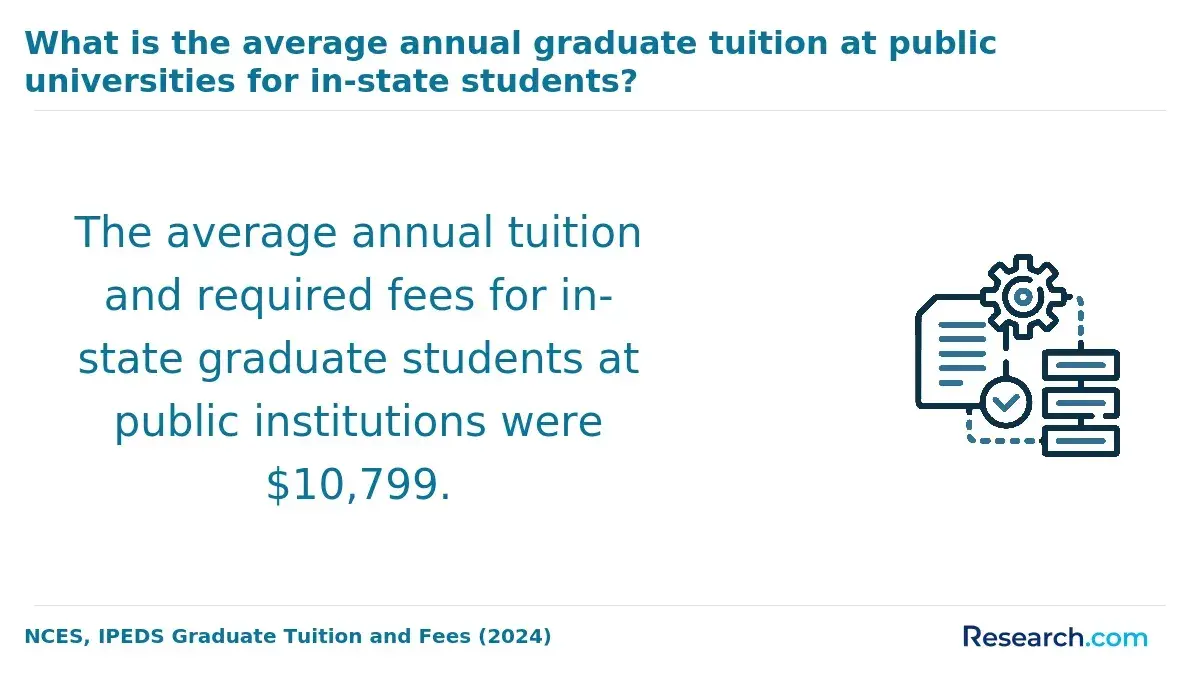
Costs vary by school and enrollment pattern. Published tuition is only one part of the decision: add mandatory fees, materials, technology, any required travel, and borrowing costs. An online format may reduce time away from work, but study and recruiting still compete with paid work and personal commitments.
To compare programs, calculate the amount you would personally pay after confirmed employer support, scholarships, or other funding. A search for online MBA programs under $30,000 can help you identify lower-tuition options, but verify whether each quoted amount covers the full degree and its required fees.
For a simple payback test, divide your net education cost by a plausible annual increase in compensation attributable to the career move. Treat the result as a scenario, not a forecast: the raise may not happen, may arrive years later, or may have been achievable without the MBA. Also consider benefits that are harder to price, such as a stronger network or the ability to move across business functions. If the plan depends on landing one highly competitive job immediately after graduation, the financial case is fragile.
The MBA core generally develops management-level understanding of accounting, finance, marketing, operations, organizational behavior, and decision-making. Strategy-focused courses may then examine competitive positioning, industry analysis, corporate growth, innovation, and execution. Schools differ: "strategy" might be a formal concentration, an elective group, or simply a course within a general MBA.
For a career changer, the most useful learning often produces work you can discuss with employers: a market-entry analysis, a recommendation supported by financial assumptions, or a consulting project. Check whether such projects involve real organizations and whether you may share the results in a job search. Coursework in strategy is not the same as hands-on training in every technical function a strategy team uses.
If you have not studied business before, review the core-course sequence and any foundation requirements rather than assuming you are ineligible. Online MBA programs that don't require business prerequisites may be worth comparing, particularly if you can show transferable professional experience.
The decisive difference may be recruiting access, not classroom location. Full-time campus MBAs can offer a clearer break from work for internships and structured employer recruiting. Online MBAs can let you retain income and apply lessons immediately, but career services, internships, employer events, and alumni access vary by program.
Ask each school which employers recruit online MBA students specifically, whether career coaching supports career changers, and whether internships or applied projects fit a working student's schedule. Also confirm live-class times, group-work expectations, and campus visits. Programs described as online MBA programs with asynchronous classes may offer more scheduling freedom, but asynchronous lectures do not necessarily mean asynchronous team projects.
Choose the online route when keeping your job and building a transition alongside it are central to your plan. Consider a full-time campus program when access to internship-based recruiting is essential and you can absorb the lost earnings and time away from work.
Requirements differ by institution. Applicants commonly encounter a bachelor's-degree requirement and requests for a résumé, academic transcripts, essays, or recommendations; policies on professional experience and GMAT or GRE scores vary. Admission to an MBA does not always require prior business coursework, and choosing a strategy concentration may not involve a separate application.
As a career changer, use the application to explain a coherent progression: what you have already done, the strategy-related skills you lack, and why this program's coursework and career resources match your intended role. If timing matters, online MBA programs with rolling admission may provide another application option; confirm the program's current deadlines and when enrollment actually begins.
Completion time depends on required credits, course sequencing, and whether you enroll part time or at an accelerated pace. A strategy concentration may fit within the MBA's elective requirements, or its course sequence may constrain when you can finish. Verify the published time range for the online program rather than relying on a campus MBA timeline.
For a career switch, the shortest path is not automatically the best one. Leave room to complete substantive projects, meet potential employers, and pursue an internal assignment or adjacent role while enrolled. Ask how often strategy courses run, whether you can pause enrollment, and whether delaying a course affects graduation.
First verify that the institution holds recognized institutional accreditation. Then check whether the business school also holds specialized business accreditation, such as AACSB, ACBSP, or IACBE; institutional and business-school accreditation are different checks. Confirm a school's current status directly with the relevant accreditor or official accreditation records.
Quality for your purposes also means career-switching support. Request online-student-specific information about coaching, employer engagement, alumni access, applied projects, and any reported career outcomes. Ask whether outcomes distinguish career changers from students promoted by their existing employers. When comparing online MBA programs with accessible admissions acceptance rates, treat admission accessibility as a fit consideration - not proof of stronger or weaker teaching, networks, or job prospects.
There is no single salary or job-growth figure for "strategy MBA graduate." In the US Bureau of Labor Statistics' management-occupations outlook, approximately 1.1 million openings per year are projected, on average, from 2025 to 2035, including openings created when workers leave occupations. That broad demand does not measure openings for strategy roles or the likelihood that a new MBA graduate will secure one.
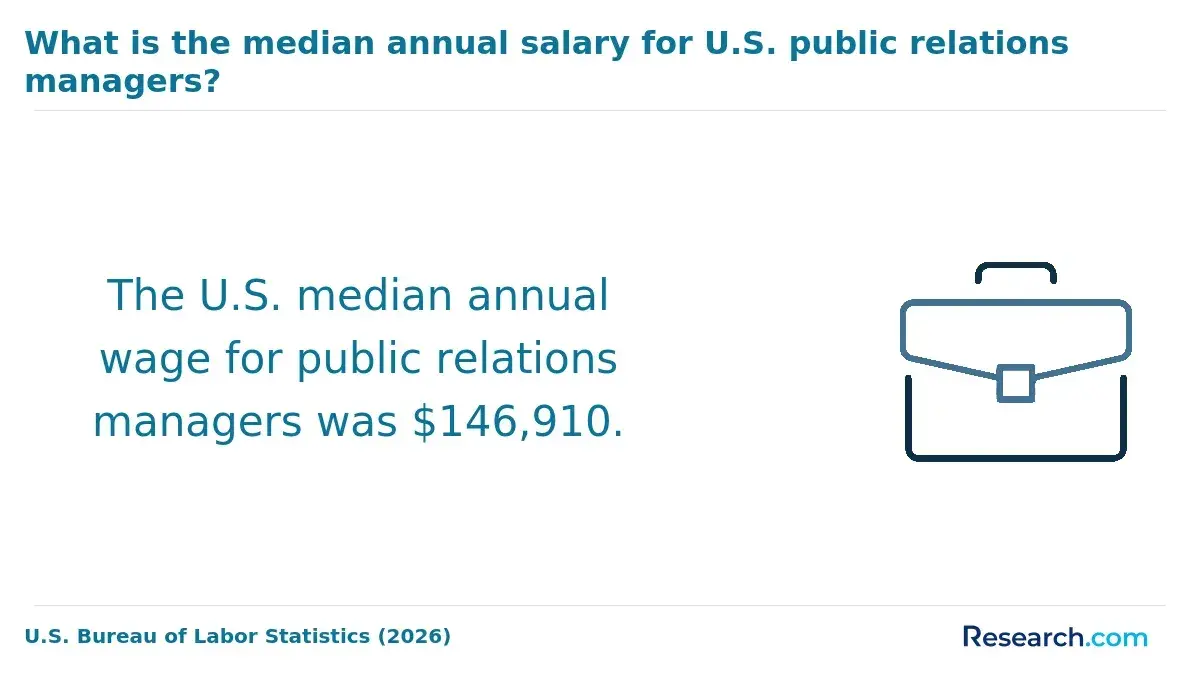
Pay depends on the occupation, location, employer, and your experience before the MBA. The management-occupation median cited earlier covers workers across many roles and career stages, not people newly switching into strategy. For a useful personal benchmark, compare compensation in postings for the exact roles and locations you could realistically pursue, then check whether you meet their experience requirements.
Do career changers need certifications or licenses after an MBA in strategy?
Corporate strategy and general management roles do not ordinarily require a professional license simply because the work involves strategy. An MBA concentration is an academic credential, not a license or a substitute for experience. Employers may value particular analytical, project-management, or industry credentials, but their relevance depends on the job.
Before paying for another qualification, inspect target postings and identify the capability they repeatedly request. If employers want evidence of financial modeling or project delivery, an applied project and relevant experience may be more persuasive than collecting certificates. Regulated work in a separate profession can have its own licensing rules; an MBA does not waive them.
Other Things You Should Know About MBA
Yes. Seek projects, internal assignments, and conversations with people in your target function while enrolled. They can test your interest and build relevant evidence before graduation.
Describe the problem, your approach, and the type of result without disclosing protected figures or plans. You can also create a public-data case study and label it clearly as independent work.
It depends on your relationship and your goal. If an internal move is possible, a manager may help you find relevant assignments. If you plan to leave, first consider workplace norms and any conditions attached to employer-funded study.
Volunteer for a planning or market-analysis project, speak with people in the roles you want, and examine a current business decision using public information. These steps can clarify whether you want the work itself - not just the title.
- Part-time MBA Career Services - NYU Stern https://www.stern.nyu.edu/programs-admissions/mba-programs/part-time-mba-manhattan/career
- Is an MBA Worth It? ROI, Pros, Cons and Who Should Enroll | CSP Global Concordia University, ST. Paul https://online.csp.edu/resources/article/is-an-mba-worth-it/
- Career Changers' Guide to an Online MBA: What Transfers, What Doesn't, What Pays | IWU https://www.indwes.edu/articles/2026/03/career-changers-guide-to-online-mba
- How to Plan for Online MBA Costs | Colorado Technical University https://www.coloradotech.edu/degrees/studies/business/articles/online-mba-cost-planning-guide
- Evaluating Online MBA Program Rankings and Accreditation | William & Mary Mason https://online.mason.wm.edu/blog/evaluating-online-mba-program-rankings-and-accreditation
- How An Online MBA Can Lead to Career Change | Tulane University Freeman School of Business https://online-business.tulane.edu/online-mba/articles/online-mba-career-change/
- How Much Does an Online MBA Cost? | University of Bridgeport https://www.bridgeport.edu/news/cost-of-online-mba/
- An Inside Look at Navigating Pre-MBA Programs and Early Recruiting at Wharton - The Wharton School https://www.wharton.upenn.edu/story/an-inside-look-at-early-recruiting/
- Online MBA vs Full-Time MBA: ROI, Cost and Career Outcomes | Jenkins MBA https://mba.ncsu.edu/2026/04/27/choosing-between-an-online-mba-and-full-time-mba/
- What careers can an MBA lead to? | gmac https://www.gmac.com/resources/learners/business-careers/career-planning/what-careers-can-mba-lead-to