University of Phoenix Online MBA Concentrations: Courses and Career Paths

Co-Founder and Chief Data Scientist
Choosing a University of Phoenix online MBA concentration means deciding whether its focused coursework supports the work you want to do - not just whether the subject sounds appealing. That distinction matters if you are seeking a promotion, moving into a new business function, or weighing an MBA against a shorter credential. This guide explains the concentration pathways, how they differ from the MBA core, and what to check about courses, cost, and career requirements before enrolling. Program catalogs can change, so use the current catalog and an advisor's written degree plan to confirm the option you intend to pursue.
Key Things You Should Know
- The MBA core teaches broad business management; a concentration adds focused coursework but does not replace experience or a profession-specific credential.
- University of Phoenix has described pathways in human resource management, health care management, marketing, and project management. Confirm each option's current name, online availability, and required courses before applying.
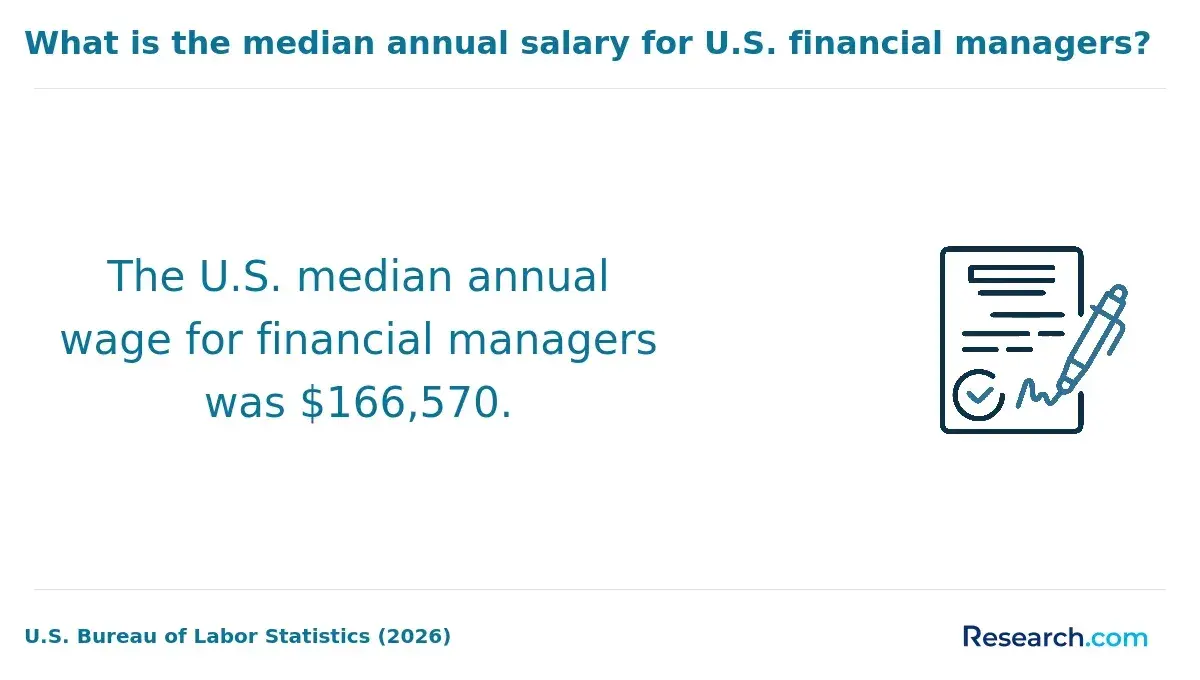
- For salary context, the US median wage across management occupations was $126,520 in May 2025; that is not a University of Phoenix MBA graduate salary or an expected starting wage.
What concentrations does the University of Phoenix online MBA offer?
University of Phoenix has described MBA pathways focused on human resource management, health care management, marketing, and project management. Do not assume every pathway is open for every start date. Ask for the current online MBA catalog entry and degree plan: those documents should establish the official concentration name, required courses, and whether the designation appears on the academic record.
The table separates the management focus of these pathways from the deeper training a specialized qualification might provide. It is a guide to choosing a direction, not a substitute for the university's current course requirements.
| Pathway to verify | Useful focus | Important limit |
| Human resource management | Workforce planning, employee relations, and people strategy | Not a substitute for substantial HR experience or an HR certification |
| Health care management | Managing health care organizations, teams, and operations | Does not qualify a graduate for clinical practice |
| Marketing | Customer strategy, markets, and marketing decisions | Does not itself establish a portfolio or campaign experience |
| Project management | Planning, coordinating, and delivering organizational projects | Not the same credential as a professional project-management certification |
Is the University of Phoenix online MBA accredited?
University of Phoenix is institutionally accredited by the Higher Learning Commission. Institutional accreditation applies to the university; it should not be confused with specialized accreditation of a business school or individual program. University of Phoenix also identifies business-program accreditation through the Accreditation Council for Business Schools and Programs (ACBSP). Check the current ACBSP listing for the specific MBA you plan to enter rather than assuming every business credential has identical coverage.
Accreditation is an important screening factor for educational quality and recognition, but it does not guarantee that an employer will prefer a concentration, accept credits from another institution, or treat the MBA as a professional license.
What courses are included in the University of Phoenix online MBA?
The MBA core is intended to build broad management capability in areas such as accounting and financial decisions, marketing, organizational leadership, operations, and strategy. Concentration courses add a narrower perspective: an HR pathway emphasizes people-related decisions, for example, while project management applies business judgment to project delivery.
Course titles, sequences, electives, and project requirements depend on the current catalog and degree plan. Before choosing a pathway, request the complete course list and compare its assignments with your goal. Someone moving into marketing needs evidence of customer and campaign work; someone targeting health care operations should look for coursework relevant to the organizations where they intend to work. Neither should infer technical depth from a concentration label alone.
Applicants should expect to document a qualifying bachelor's degree and meet the university's current graduate admission standards. Do not assume a business undergraduate major is required: a nonbusiness graduate may bring valuable industry knowledge, while still needing preparation in accounting, finance, or quantitative reasoning. Confirm the current policy on GPA, work experience, standardized tests, and any additional documents directly with admissions; requirements can change.
If you are comparing entry routes, online MBA programs with accessible admissions for working professionals online MBA programs with accessible admissions can provide context. An accessible application, however, should not outweigh curriculum fit. Ask an advisor whether choosing a concentration changes admission conditions or requires preparation beyond the general MBA.
Completion time depends on the required courses, their availability, and how many a student takes at once. An advertised fastest-possible timeline may not reflect a workable pace for someone employed full time. Request a term-by-term plan for your chosen concentration, including when its courses are offered and whether changing pace delays graduation.
Online delivery also does not, by itself, establish that every activity is asynchronous. If your schedule is tight, confirm live-session expectations, group-work deadlines, and any campus attendance requirements before committing.
A reliable personal estimate needs the current tuition schedule and a concentration-specific degree plan. Without those documents, a quoted per-credit rate - or a total for a different MBA pathway - could understate what you would pay. Ask the university for a written breakdown of the following charges:
- Tuition for every required MBA and concentration course
- Mandatory fees and any separately charged materials or software
- Charges that could result from repeating a course or changing pace
Then subtract only funding you have confirmed, such as an employer benefit or an awarded scholarship. If you borrow, interest adds to the cost. An experienced manager seeking an employer-sponsored option may also compare budget-conscious executive MBA program choices, but an executive MBA may have different experience expectations and scheduling demands.
The University of Phoenix online format may be easier to fit around an existing job than a campus schedule, particularly for someone applying assignments at work. Campus-based programs can offer different opportunities for face-to-face recruiting, peer contact, and experiential projects. Neither format automatically provides stronger networking: compare the actual cohort activities, career services, employer access, and required meeting times.
For a broader comparison of graduate business choices: online MBA programs online MBA programs, apply the same criteria to each school: total cost, concentration depth, schedule, and access to the employers you hope to reach. A program that is convenient for advancement in your current organization may be less suitable if you need intensive recruiting support to change industries.
The most realistic path usually builds on work you already know. A concentration can strengthen a case for broader responsibility within a function; moving into an unfamiliar function generally requires additional projects, experience, or an entry point below the management level.
Human resource management can support HR generalists or specialists seeking people-management or HR leadership responsibilities. Health care management may fit professionals in health care administration or operations who want to manage teams and resources. Employers in either field may still expect sector-specific experience.
Marketing can support a move from campaign execution toward marketing strategy or team leadership, especially when paired with measurable work samples. Prospective marketing managers can compare MBA programs for marketing managers for differences in curriculum and career fit. Project management may help project coordinators or leads prepare for larger budgets and cross-functional teams, but employers will also look for a record of delivering projects.
There is no single defensible salary expectation for University of Phoenix MBA graduates across these concentrations. Pay depends on occupation, location, industry, prior experience, and the responsibility of the role. The Bureau of Labor Statistics reports a $126,520 median annual wage for US management occupations in May 2025. That figure describes people employed in a broad occupational group - not MBA graduates, new managers, or the earnings caused by this degree.
For a useful personal estimate, compare pay for the specific job and market you could realistically enter before and after study. A promotion within your existing field is a different financial proposition from starting over in a new one; neither should be evaluated using an all-management median alone.
Do MBA graduates need professional certifications or licenses?
An MBA is a management degree, not a universal professional license. HR employers may value an HR certification; project-management roles may call for a recognized project credential. Requirements depend on the job and employer, so check postings for your target roles before paying for another qualification.
The distinction is especially important in health care: management study does not authorize clinical practice, and a clinically licensed role remains subject to its own licensing rules. Choose a concentration for the management work you want to perform, then evaluate any separate credential against that role's actual requirements.
Other Things You Should Know About MBA
Ask an advisor before making the change. A different concentration may require additional courses or alter your completion schedule.
Possibly, but only the university can determine whether particular credits meet its current transfer and degree requirements. Obtain a written evaluation before budgeting for fewer courses.
Confirm the university's current diploma and transcript wording directly if that distinction matters to you; do not infer it from the program's delivery format.
That depends on the course and instructor. Ask about project rules first, and protect your employer's confidential information if workplace examples are permitted.
- Graduates Earn Degrees Through Competency-Based Programs | University of Phoenix https://www.phoenix.edu/press-release/graduates-earn-degrees-through-competency-based-programs.html
- Online MBA | Rice University https://bursar.rice.edu/tuition_fee_rates/graduate-programs/business/business-mbarice-online
- Required Courses - Business Administration MBA | Temple University https://www.temple.edu/academics/degree-programs/business-administration-mba-bu-ba-mba/required-courses
- Tuition & Financial Aid - MBA Programs Chicago | UIC Business https://businessgraddegrees.uic.edu/admission/tuition-financial-aid/
- Master of Business Administration (MBA) Online | Penn State World Campus https://www.worldcampus.psu.edu/degrees-and-certificates/penn-state-online-mba-business-administration-masters-degree
- Tuition and Financial Aid | MIA-BUS https://onlinemba.miami.edu/admissions/tuition/
- Online MBA | MBA Programs | School of Business | University of Connecticut https://mba.business.uconn.edu/mba-programs/online-mba/