
Best Online MBA in Entrepreneurship Programs for Nonbusiness Bachelor's Graduates

Co-Founder and Chief Data Scientist
A degree in engineering, the arts, health sciences, or another nonbusiness field can be a strong starting point for entrepreneurship. The harder decision is whether an online MBA will supply the business skills, practical feedback, and connections you need without costing more time and money than your goals justify.
This guide compares identifiable online MBA entrepreneurship options and explains how to check their curriculum, admissions rules, accreditation, format, and total cost. It is designed to help nonbusiness graduates choose a program - or decide that a shorter alternative is the better next step.
Key Things You Should Know
- A nonbusiness bachelor's degree does not automatically exclude you from an online MBA; compare each school's experience requirements and any accounting or quantitative preparation it expects.
- Start with fit, not a universal ranking: Syracuse, the University of Louisiana at Lafayette, and Southern New Hampshire University provide distinct online entrepreneurship MBA options, but their current coursework, delivery, and costs need direct comparison.
- For salary context, the U.S. Bureau of Labor Statistics reports a $126,520 median annual wage for management occupations in May 2025, not a projected salary for entrepreneurs or MBA graduates.
What is an online MBA in entrepreneurship for nonbusiness graduates?
It is a graduate management degree delivered primarily online that combines an MBA core, typically accounting, finance, marketing, operations, and leadership, with entrepreneurship-focused study. Depending on the school, that focus may be an officially named concentration, a specialization, or a set of electives. Those labels do not promise the same number or depth of courses.
For a nonbusiness graduate, the appeal is integration: you can apply knowledge from your original discipline to pricing, customer discovery, cash flow, and growth decisions.
A designer developing a product, for example, may need financial and operational judgment more than another course in design. If you only need help validating one idea, a targeted course or mentor may be more efficient than a full MBA.
Can you earn an online MBA in entrepreneurship without a business degree?
Yes. A business bachelor's degree is not a universal MBA admission requirement. Schools assess applicants under their own policies, and some accommodate students from other disciplines through introductory material, foundation courses, or independent preparation. Do not assume those options are free, credit-bearing, or available at every school.
Your actual preparation gap matters more than your degree title. An engineer may be comfortable with quantitative work but new to marketing; a communications graduate may bring customer insight but need practice reading financial statements. Before applying, review sample assignments and ask how the program supports students entering managerial accounting and finance for the first time.
Which online MBA entrepreneurship programs are properly accredited?
Begin with two separate checks: whether the institution holds recognized institutional accreditation and whether its business program or school holds specialized accreditation, such as AACSB or ACBSP.
Specialized accreditation can be useful evidence of external business-program review, but it is not a substitute for checking institutional status. Confirm the specific university, campus, and business school in the accreditor's current directory before paying a deposit.
The following is a fit-based shortlist, not a nationwide ranking. These schools have identifiable online MBA offerings with entrepreneurship-focused options; the labels and accrediting organizations shown should be confirmed against current school and accreditor listings, as programs can change:
| Online MBA option | Entrepreneurship offering | Business accreditation to verify | Most useful comparison question |
| Syracuse University | Entrepreneurship specialization | AACSB | Which venture activities and networking opportunities can online students actually use? |
| University of Louisiana at Lafayette | Entrepreneurship concentration | AACSB | How many entrepreneurship courses are required, and what is the full current tuition and fee total? |
| Southern New Hampshire University | Entrepreneurship-focused online MBA option | ACBSP | How is the focus recorded on the academic record, and how much applied venture feedback is available? |
None is automatically the best choice because accreditation alone cannot establish venture support, schedule fit, or value. Confirm the current catalog's exact credential label and online availability before treating an entrepreneurship option as an official concentration.
The MBA core supplies the management foundation; entrepreneurship coursework applies it to uncertain, early-stage decisions. Relevant subjects may include identifying customers, evaluating a market, testing a business model, forecasting cash needs, financing a venture, and planning growth.
Schools vary in whether students develop a venture proposal, consult for an existing business, or mainly complete case-based coursework.
For a nonbusiness graduate, course sequencing is especially important. Ask whether accounting and finance come before a venture-planning project and whether instructors teach the underlying concepts or expect prior fluency.
Compare the actual required courses rather than choosing by concentration name: one elective on innovation does not provide the same preparation as several courses with iterative customer and financial feedback.
If you already have graduate coursework, examine transfer-friendly online MBA programs only after asking whether transferred credits can satisfy entrepreneurship requirements; credits accepted as electives may not shorten the concentration.
Expect to document a completed bachelor's degree and academic history; schools may also request a résumé, statement, recommendations, or an interview. Work-experience expectations, test policies, minimum grades, and prerequisite rules differ by program. Neither a GMAT waiver nor a lack of formal business prerequisites should be assumed from the words "online MBA."
Make your application explain the link between your existing expertise and a credible venture or management goal. If financial analysis is unfamiliar, an introductory accounting course can strengthen your readiness even when it is not required.
The resource on MBA programs for applicants without test scores online can help you begin comparing access policies, but confirm test requirements and business prerequisites separately with each admissions office.
Duration depends on required credits, term structure, course load, and whether foundation work adds time. A working applicant should compare a realistic part-time schedule with any advertised fastest-completion path.
For cost, request a written estimate based on the credits you must complete: tuition alone may omit mandatory fees, course materials, required travel, or the price of preparatory courses.
Current, comparable total prices for the shortlisted options are not established here, so no school should be labeled cheapest. Ask each school for the same tuition-and-fee calculation and whether employer assistance, scholarships, or eligible prior graduate credits would change your bill. You can compare affordable MBA schools to establish a broader price benchmark, then verify the offer for your concentration.
Online study may be a better fit if you want to keep earning income or apply assignments immediately to a job or business. A campus MBA may be more useful when access to local founders, investors, incubators, internships, and in-person recruiting is central to your plan. Neither format guarantees those opportunities; access can differ between online and campus students at the same university.
Ask for the live-session schedule, group-project expectations, any required travel, and a list of venture events open to online learners. Compare those details with your working hours and the market where you intend to build your business.
For a wider format comparison, review graduate business choices: online MBA programs without assuming that a general online MBA ranking measures entrepreneurship support.
Possible paths include founding or operating a business, developing a new product within an established organization, managing a small company, or moving toward innovation and business-development work.
The most plausible next step depends on your prior experience: a laboratory scientist may have a credible route into a science-based venture, while a move into an unrelated industry may require substantial additional contacts and experience.
An entrepreneurship MBA teaches management decisions; it does not supply a customer base, startup funding, or automatic eligibility for a senior role.
If your existing background is in healthcare and you intend to manage a provider organization rather than launch a venture, the guide to online MBA for healthcare administrators healthcare administration may point to a more directly relevant curriculum.
There is no reliable single salary for "entrepreneurship MBA graduates." Founders' earnings depend on a business's revenue, expenses, ownership, and survival; employees' pay depends on their occupation, location, and experience.
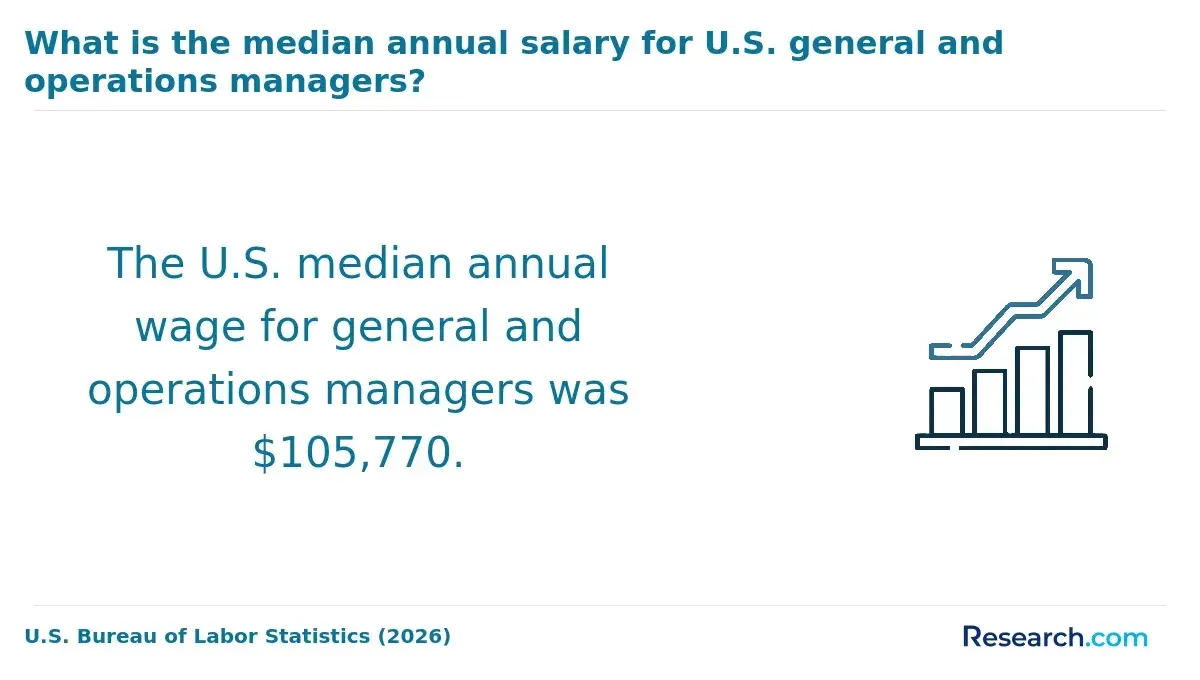
As a broad U.S. benchmark, the Bureau of Labor Statistics reports a $126,520 median annual wage for management occupations in May 2025. That figure covers management workers generally, not MBA holders or startup founders, so it should not be used as your expected post-degree pay.
For a personal value estimate, compare your likely earnings without the MBA with a conservative career scenario with it, then account for the full program cost and time spent studying. If the degree is mainly for your own venture, improved decisions and avoided mistakes may matter more than an immediate salary increase - but they are harder to predict.
What should you look for in a reputable online MBA program?
Use the same evidence standard for every school. The strongest choice is the one that closes your business-skills gaps while giving you accessible practice, a workable schedule, and a defensible total cost - not simply the most recognizable name.
Before enrolling, request answers to these decision-critical questions:
- What exact entrepreneurship credential appears in the catalog or on the transcript, and which courses are required online?
- What support can online students use to test a venture idea, receive feedback, and meet relevant alumni or founders?
- What is my complete tuition-and-fee estimate after any foundation courses or accepted transfer credits?
- What live meetings, team projects, travel, and work-experience requirements apply to my intended enrollment path?
Syracuse may merit closer consideration if access to an established university entrepreneurship community is your priority; verify that its specific opportunities extend to online students. Compare Louisiana at Lafayette if you want a formally named concentration and need to evaluate its total cost.
Compare SNHU if accessibility and online delivery are priorities, while checking the current credential label and depth of venture work. If none offers the feedback or flexibility you need at an acceptable price, a short course, accelerator, or experienced mentor may be the better investment.
Other Things You Should Know About MBA
Not necessarily. Some coursework lets students explore ideas or analyze existing ventures. Ask whether the program requires you to bring a venture concept to a particular course.
Eligibility varies by event. Confirm the rules, presentation format, and any travel requirement with the event organizer rather than assuming all university activities include online MBA students.
Ownership depends on university policies, project agreements, and whether an employer or collaborators contributed intellectual property. Review those terms before sharing confidential work.
Enrollment itself does not provide funding. Some schools offer competitions or other opportunities, but eligibility and awards vary; request the current rules if funding is important to your decision.
- Accreditation in the U.S. | ed.gov http://www.ed.gov/laws-and-policy/higher-education-laws-and-policy/college-accreditation/accreditation-in-the-us
- The Basics of School Accreditation | Study in the States https://studyinthestates.dhs.gov/schools/apply/the-basics-of-school-accreditation
- Cost of Attendance (Budget) | 2025-2026 Federal Student Aid Handbook https://fsapartners.ed.gov/knowledge-center/fsa-handbook/2025-2026/vol3/ch2-cost-attendance-budget
- How Online Courses Work & Resources - ASU Online https://asuonline.asu.edu/students/courses/
- Tuition and Costs | Point Park University | Pittsburgh, PA https://www.pointpark.edu/admissions/tuitioncosts/tuition/index
- Entrepreneurship & Innovation Portfolio of Programs | Emory University Goizueta Business School https://goizueta.emory.edu/faculty/entrepreneurship-innovation/programs
- Professional MBA Admission & Application Process | FAU Business https://business.fau.edu/masters-phd/mba-program/professional-mba/application-process/
- Online M.B.A. | Winthrop University https://online.winthrop.edu/online-programs/masters-business-administration/
- Application Checklist | University of Cincinnati https://www.business.uc.edu/future-students/admissions-requirements/graduate/application-checklist.html


