2027 Is a Patient Safety & Quality Degree Better Than Experience Alone? Salary, Hiring, and Career Growth Compared

Co-Founder and Chief Data Scientist
Companies in the patient safety & quality field face a dilemma: hire candidates with formal degrees or prioritize hands-on experience. Entry without a degree is often restricted, as many employers require specialized credentials for compliance and risk management roles.
Data from 2025 shows degree holders in patient safety & quality earn up to 18% more annually than those relying solely on experience and self-teaching. Career progression is also faster with a degree, opening doors to leadership and consultancy positions that experience alone rarely secures.
This article explores salary differences, hiring preferences, and growth opportunities to clarify the value of a patient safety & quality degree versus experience.
Key Points About Having Patient Safety & Quality Degrees vs Experience Alone
- Degree holders in patient safety & quality earn on average 18% more than those relying solely on experience, according to 2025 industry salary data.
- Employers increasingly prioritize candidates with formal degrees for entry and mid-level roles, expanding job opportunities beyond what experience alone offers.
- Career advancement into leadership is more rapid for degree holders, who access specialized training and credentials linked to promotion pathways in patient safety & quality.
What technical proficiencies can you gain from having Patient Safety & Quality degrees vs self-teaching?
Professionals pursuing a patient safety & quality degree gain foundational principles alongside practical applications that are often missed or only partially acquired through on-the-job experience and self-teaching.
The structured curriculum ensures a deeper, comprehensive grasp of technical skills essential for healthcare quality improvement.
Below are key proficiencies where formal education typically offers significant advantages over learning solely from experience:
- Risk Management Methodologies: Degree programs thoroughly teach systematic approaches like Failure Mode and Effects Analysis (FMEA) and Root Cause Analysis (RCA), which require formal instruction to understand their full application. Experience alone often leads to piecemeal knowledge without mastery of these complex frameworks.
- Statistical Process Control (SPC): While on-the-job learning may introduce control charts and data trends, academic training provides comprehensive context on interpreting and applying SPC tools effectively in complex clinical settings.
- Regulatory Compliance: Patient safety & quality degree programs offer up-to-date education on healthcare laws and standards such as HIPAA and Joint Commission guidelines. Self-taught professionals might only grasp partial or outdated compliance requirements, risking gaps in legal and safety adherence.
- Health Informatics: Hands-on training with electronic health record (EHR) systems and health IT platforms is a critical component of degree curricula, providing real-world experience often inaccessible to those relying solely on work experience.
- Quality Improvement Methodologies: Techniques like Lean and Six Sigma require both theoretical instruction and practical implementation strategies consistently integrated within degree programs, unlike bootcamps or self-directed study which may offer only introductory exposure.
Acquiring these technical skills gained from patient safety and quality degree programs prepares professionals more effectively than self-teaching, supporting stronger competency in applying complex tools for patient care optimization.
According to a 2025 study, 68% of healthcare employers prefer candidates with formal patient safety & quality education over those relying solely on experience, emphasizing sharper proficiency in vital frameworks.
For those considering advancing their education, exploring short DNP programs can complement a foundation in patient safety & quality and accelerate career growth opportunities.
Are there certifications or licenses that only Patient Safety & Quality degree holders can obtain?
Continuing education and professional credentials remain valuable assets, particularly as more employers emphasize skills-based hiring. Those exploring patient safety and quality degree certification requirements should note that certain certifications and licenses are typically reserved for degree holders.
Here are key credentials that often require a formal degree in this specialized field:
- Certified Professional in Patient Safety (CPPS): Offered by the Certification Board for Professionals in Patient Safety, this certification verifies expertise in patient safety science and leadership. Candidates usually must have a healthcare background and a Patient Safety & Quality degree is strongly preferred alongside relevant clinical or administrative experience.
- Certified Professional in Healthcare Quality (CPHQ): Administered by the National Association for Healthcare Quality, CPHQ certification signifies proficiency in quality management and regulatory compliance. While experience is valuable, holding a Patient Safety & Quality degree greatly increases the likelihood of passing the exam and excelling in quality roles.
- Lean Six Sigma Black Belt Certification: Focused on process improvement within healthcare, this certification highlights skills in reducing errors and waste. Formal education in Patient Safety & Quality often provides the necessary coursework and foundation to qualify for this credential.
- Healthcare Risk Management Certification (HRMC): This advanced licensure balances clinical, legal, and operational risk skills essential in healthcare settings. Candidates with graduate-level education in Patient Safety & Quality are generally favored for this certification due to the program's comprehensive curriculum.
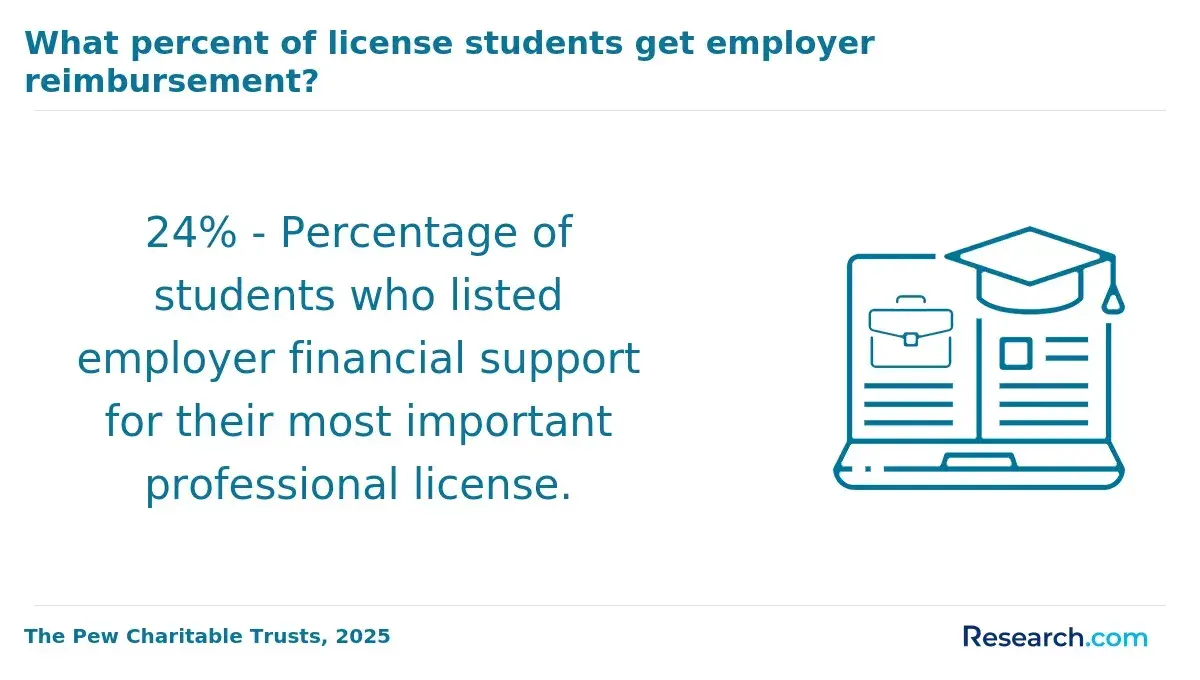
Employers increasingly value formal education combined with credentials, as supported by recent data: 67% of employers prefer candidates with accredited Patient Safety & Quality education over those relying solely on work experience.
For students weighing degree options, reviewing best online nursing programs can be a useful step in advancing credentials and career readiness in this competitive sector.
Licenses exclusive to patient safety and quality graduates open doors to advanced roles that often offer better salary growth and hiring advantages, confirming that a degree in this area is more than just theoretical-it is a practical asset for professional development.
Will a degree in Patient Safety & Quality make you more employable?
Job prospects in patient safety & quality tend to favor candidates with formal degrees over those relying solely on experience. Employers are increasingly valuing educational credentials, especially for mid- to senior-level roles where advanced knowledge of regulations and quality improvement is critical.
Candidates without degrees may find that opportunities for advancement become limited as organizations emphasize formal qualifications alongside practical skills.
This preference is driven by the growing complexity of healthcare compliance, data analysis, and risk management protocols, which structured degree programs integrate into their curricula.
Hands-on experience remains important, but many employers view a degree as evidence of comprehensive training in evolving standards and system-wide approaches that informal learning might miss.
Hiring managers often expect degree holders to be better prepared for accreditation and certification processes required by healthcare organizations.
Ultimately, whether a degree is necessary depends on individual career ambitions. For entry-level roles or positions focused on practical skills, experience might suffice. However, for those targeting specialist or leadership roles with broader responsibilities in patient safety & quality, pursuing formal education can provide a significant advantage.
When asked about his journey, a professional who completed an online patient safety & quality bachelor's program shared that balancing work and studies was challenging but rewarding. He noted, "Learning to apply quality frameworks in real-time while studying was intense." He also mentioned the confidence gained from understanding regulatory details and how that helped during job interviews.
He described feeling more equipped to contribute strategically and said, "Having a degree opened doors that I hadn't anticipated, especially in roles that require a deeper grasp of compliance and data-driven improvement."
Some careers in patient safety and quality require candidates to hold a formal degree to meet regulatory, analytical, or managerial demands, while other roles often prioritize practical skills and job readiness acquired through experience.
Below are key positions illustrating this distinction:
- Patient Safety Officer: These professionals create and enforce safety protocols to reduce risks in healthcare environments. Typically, this role necessitates a degree because of its reliance on deep knowledge of healthcare operations, risk management, and quality improvement methods.
- Quality Improvement Coordinator: Coordinators examine healthcare processes and recommend changes to enhance patient outcomes. A formal patient safety and quality degree is usually essential to understand data analysis and regulations, although some facilities may accept candidates with extensive nursing or management experience.
- Health Services Manager: Overseeing healthcare operations, enforcing quality standards, and managing interdepartmental coordination, these managers generally need a degree due to the complexity of regulatory and financial tasks involved. However, seasoned healthcare managers sometimes advance without the specific degree.
- Risk Management Specialist: Focusing on legal and safety risks within healthcare organizations, these specialists typically require a degree in patient safety and quality or a related field. Occasionally, professionals holding healthcare risk certifications with substantial experience are also considered.
The difference in opportunities underlines the advantage of a patient safety and quality degree, especially for high-paying jobs for patient safety and quality graduates. According to a recent industry report, 78% of hiring managers prefer candidates with formal degrees rather than those relying solely on experience or self-teaching.
For those uncertain about committing to a formal degree, exploring an exercise science online degree or related programs might be a complementary pathway, offering a foundation in healthcare principles relevant to patient safety and quality career opportunities in the US.
This broad educational background can enhance both career growth and job stability in competitive healthcare fields.
Those with a degree in Patient Safety & Quality often access more targeted and structured networking options than those relying solely on experience or self-directed learning.
Degree programs provide connections to alumni networks, faculty, and industry partners, which create pathways for direct introductions to key professionals and employers. These connections can lead to valuable referrals, an important factor in a field where credibility and trust play major roles in hiring.
Professionals without formal degrees tend to depend more on broader networking platforms like LinkedIn, company contacts, or membership in open professional groups.
While experience is highly regarded, it usually lacks the formal endorsement and focused network that a degree program offers, which many employers in Patient Safety & Quality find important when evaluating candidates.
Networking in the Patient Safety & Quality sector significantly influences career progress, with many hiring managers preferring candidates whose education brings certified connections and referrals.
This suggests that building strong professional networks is often essential for advancing within the industry, making formal education a valuable asset beyond knowledge alone.
A degree in patient safety & quality can increase eligibility for leadership and supervisory positions within healthcare organizations. It signals a formal grasp of essential concepts and methods, often making candidates more competitive for roles with greater responsibility.
Below are key reasons why such degrees influence promotion opportunities:
- Recognized Expertise: Holding a degree validates a professional's knowledge, reassuring employers of their competency in managing safety standards and quality practices, which is often preferred over purely experiential backgrounds.
- Leadership Preparation: Academic programs provide targeted training on compliance, risk management, and quality improvement strategies, equipping graduates with skills that align with management and executive responsibilities.
- Professional Networking: Degree programs offer connections with peers, faculty, and industry leaders, creating valuable relationships that can support career advancement and access to exclusive leadership roles.
Professionals with a patient safety & quality degree often start with average salaries near $55,000, while those relying solely on experience and self-teaching usually earn about $45,000. As careers develop, degree holders frequently advance to mid-management or specialized quality analyst roles with incomes between $75,000 and $95,000.
In contrast, professionals without formal education may encounter slower growth and a lower salary ceiling, limiting long-term income potential.
This income gap highlights that patient safety & quality degrees do impact salary potential significantly, especially for those aiming for leadership positions where formal credentials provide a noticeable advantage.
Non-degree professionals can improve their prospects by earning certifications like Certified Professional in Healthcare Quality (CPHQ) or pursuing additional education. These steps can help bridge the gap, but typically the full income outlook remains more favorable for degree holders.
Those interested in exploring further educational options may consider the best medical billing and coding schools online for complementary training in healthcare compliance and billing systems.
On average, earning a patient safety & quality degree costs between $20,000 and $60,000 for a bachelor's program, varying by institution and location. Graduates typically experience a salary increase of 15-25% compared to peers who rely solely on experience and self-teaching, making the investment financially worthwhile.
Recent data shows that the average return on investment (ROI) period for this degree ranges from 3 to 5 years after entering the workforce.
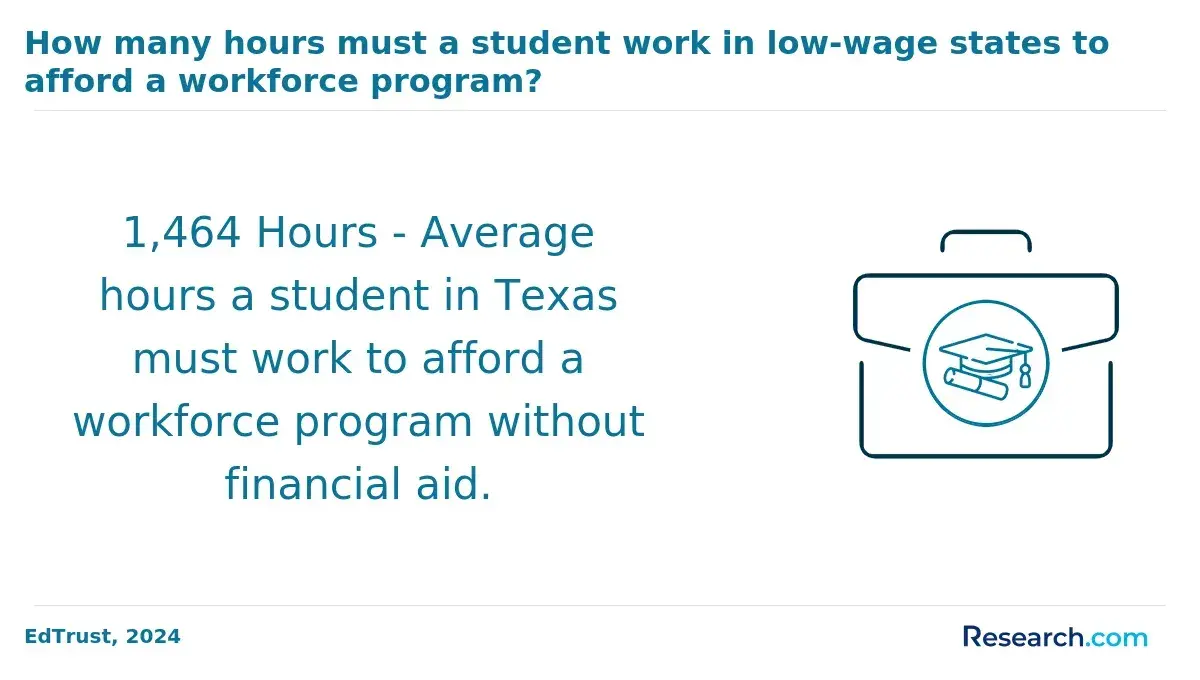
Financial aid options like scholarships, grants, and employer tuition reimbursement programs can significantly reduce upfront costs, helping students minimize debt and accelerate ROI.
Some programs also offer accelerated tracks, allowing students to complete their degree more quickly and join the workforce sooner, further improving the timeline for seeing returns on their education.
Maximizing ROI often means combining the degree with relevant internships or certifications, which enhance employability and increase salary potential.
Degree holders are more likely to secure leadership roles and higher salaries than those without formal education, underscoring the degree's value beyond experience alone in advancing a career in patient safety & quality.
The integration of AI and automation in healthcare mainly enhances routine data handling but does not replace critical decision-making roles in patient safety & quality. This area requires complex analysis, regulatory insight, and strategic thinking that machines are currently unable to replicate.
Economic downturns can introduce instability, but those holding degrees in patient safety & quality generally demonstrate greater job security. Their formal education equips them with broad skills to navigate healthcare quality frameworks and implement improvements that sustain organizational resilience.
Compared to peers relying solely on experience or self-teaching, degree holders tend to be less vulnerable to layoffs or displacement due to automation. Their advanced knowledge often qualifies them for leadership and specialized positions, which are less likely to be automated.
In contrast, professionals without formal degrees may struggle to quickly adapt to new technologies or showcase proficiency in emerging systems, potentially leading to fewer opportunities during challenging economic periods.
When asked about the impact of holding a patient safety & quality degree, a professional who completed an online bachelor's program shared that earning the degree empowered him to face industry shifts with confidence.
"There were moments when job security felt uncertain," he explained, "but my education helped me understand how to apply data insights and quality measures beyond what AI can do."
He noted that the program's focus on evolving healthcare standards and tech literacy made adapting less daunting. "Without that formal background, I worry I wouldn't have been prepared for rapid changes, especially with automation becoming more common," he added.
What Graduates Say About Their Patient Safety & Quality Degrees
- Felicity: "Graduating with a degree in patient safety & quality truly set me apart in a competitive job market. The program's focus on practical skills made me job-ready from day one, allowing me to contribute confidently in my role. Thanks to this degree, I was not only promoted within my first year but also saw a significant boost in my salary prospects."
- Brody: "Reflecting on my career, having a patient safety & quality degree gave me invaluable insights that employers highly value. It enhanced my understanding of healthcare systems and improved my problem-solving abilities, which made me more competitive. The degree definitely opened doors to leadership roles that I hadn't considered before."
- Elijah: "From a professional standpoint, my patient safety & quality education provided a strong foundation to navigate complex healthcare challenges. It equipped me with the tools needed to drive meaningful improvements and made me stand out during hiring and promotion decisions. The impact on my salary and career growth has been clear and rewarding."
Other Things You Should Know About Patient Safety & Quality Degrees
The Certified Professional in Patient Safety (CPPS) is the main credential to target, issued by the Certification Board for Professionals in Patient Safety. Candidates need a current health-related license or degree plus experience, and the exam covers human factors, systems thinking, and event analysis.
Yes, a patient safety & quality degree often includes coursework on leadership, communication, and systems thinking, which are critical for managing multidisciplinary teams. Degree holders are usually better equipped to coordinate across diverse healthcare roles, ensuring collaborative efforts toward quality improvement.
Degree holders in patient safety & quality are generally more qualified to manage and lead complex quality improvement initiatives due to their comprehensive understanding of methodologies and data analysis. Their education often includes training in research methods and statistical evaluation, which are essential for tackling multifaceted projects.
Employers often view patient safety & quality degrees as evidence of a candidate's commitment and foundational knowledge, which can complement hands-on experience. Degree credentials may reassure employers about the candidate's ability to understand evolving standards and best practices systematically. However, many employers also value relevant experience highly, so the ideal candidate often combines both education and practical work history.
- The importance of cybersecurity in protecting patient safety | Cybersecurity | Center | AHA https://www.aha.org/center/cybersecurity-and-risk-advisory-services/importance-cybersecurity-protecting-patient-safety
- Certified Professional in Patient Safety (CPPS) TM https://www.ihi.org/learn/certifications/cpps
- Client Challenge https://www.springerpflege.de/career-adaptability-and-patient-safety-culture-perceptions-among/50812320
- 7 Medical Careers That Don't Require a Degree https://www.chcp.edu/blog/7-medical-careers-that-dont-require-a-degree/
- What is a Healthcare Quality Certification? Guide to Types & Eligibility https://www.mhaonline.com/faq/what-is-healthcare-quality-certification
- Impact of Artificial Intelligence on Patient Safety Events: Preliminary Exploration of Events Reported to the PA-PSRS Database | Published in PATIENT SAFETY https://patientsafetyj.com/article/146252
- Enhancing Patient Safety through medical education - A crucial imperative - ESAIC https://esaic.org/enhancing-patient-safety-through-medical-education-a-crucial-imperative/
- 19+ Medical Careers That Don’t Require a Degree https://ccitraining.edu/blog/medical-careers-that-dont-require-a-degree/
- Career Opportunities in Healthcare Without a Medical Degree https://www.just-medical.ch/en/blog/medical-careers-without-formal-education
- The ROI of healthcare quality: Understanding and explaining the cost-savings benefit of higher quality https://www.unionhealthcareinsight.com/post/the-roi-of-healthcare-quality-understanding-and-explaining-the-cost-savings-benefit-of-higher-quali