2027 Patient Safety & Quality Degree vs Bootcamp vs Certificate: Which Path Leads to Better Career Outcomes?

Co-Founder and Chief Data Scientist
A prospective healthcare professional faces a critical decision: pursue a patient safety & quality degree, enroll in a bootcamp, or obtain a certificate to advance their career. Salary outcomes vary-degree holders earn on average 18% more than certificate recipients-yet employers' credential preferences and job placement rates complicate the choice. Return on investment and networking access differ widely among these paths, affecting long-term career growth.
Diverse learner profiles require tailored solutions that fit time, resources, and career goals. This article will analyze each educational pathway's strengths and limitations-grounded in data-helping readers choose the best route for sustainable success.
Key Things to Know About Which Path Leads to Better Career Outcomes: Patient Safety & Quality Degree, Bootcamp, or Certificate
- Degree holders typically earn 15-20% higher salaries-employers often prefer them for leadership roles, reflecting stronger credential recognition than bootcamps or certificates.
- Bootcamps offer faster job placement-averaging 70% within six months-benefiting career changers needing quick entry but with limited networking scope compared to degrees.
- Certificates provide cost-effective upskilling with positive ROI-ideal for working professionals seeking specific skills without full-time commitment, though long-term career growth can be limited.
How Does Patient Safety & Quality Degree Compare to Bootcamps and Certificates in Total Program Cost and Time to Completion?
Prospective Patient Safety & Quality students face a core trade-off today-choosing between a multi-year degree and faster, more affordable alternatives like bootcamps or professional certificates. Each choice suits different learners, goals, and timelines, and no single path is inherently superior for everyone.
Traditional Patient Safety & Quality degrees-associate's or bachelor's-are offered at colleges and universities and typically take 2 to 4 years full time, with part-time options available. Data from the National Center for Education Statistics (NCES) and the Integrated Postsecondary Education Data System (IPEDS) show annual tuition for public institutions ranges from $4,000 to $10,000 for in-state students, accumulating between $8,000 and $40,000 in costs before living expenses. These degree programs provide broad academic training, combining theory, practical skills, and often clinical or internship experiences. Some students may also explore options such as the shortest MSN to DNP program for further advancement.
Bootcamps focus on intensive, practical training completed in 8 to 26 weeks. With costs typically between $7,000 and $15,000, they deliver hands-on skill development and rapid workforce entry. Bootcamp review platforms like SwitchUp and Course Report confirm they offer accelerated learning but generally less comprehensive depth than degrees. Many bootcamps provide flexible attendance, including part-time options, catering to working professionals.
Professional certificate programs-often self-paced or instructor-led through platforms like Coursera, Google, or industry associations-usually span several weeks to a few months. These are the most affordable route, costing between $300 and $2,000, aimed at targeted skill-building for current professionals. Time and cost comparison of Patient Safety & Quality certificate programs highlights their convenience and focused learning for specific competencies.
- Time To Completion: Degrees require 2-4 years full time; bootcamps typically 2-6 months; certificates often under 3 months.
- Total Cost: Degree programs range from $8,000 to $40,000; bootcamps generally $7,000 to $15,000; certificates cost between $300 and $2,000.
- Program Intensity: Degrees cover broad academic content and practical experience; bootcamps emphasize hands-on skills; certificates provide specialized, concise training.
- Flexibility Options: Part-time and online degree programs extend duration but improve accessibility; bootcamps may offer part-time schedules; certificates are mainly self-paced.
While comparing patient safety & quality degree vs bootcamp cost and duration is crucial, these factors alone don't guarantee the best fit or career outcomes. Upcoming sections analyze employer preferences, salary growth, job placement rates, networking, and long-term career trajectories, offering a balanced perspective beyond tuition and timelines.
What Career Outcomes Can Patient Safety & Quality Degree Graduates Expect Compared to Bootcamp and Certificate Completers?
Career outcomes for graduates of patient safety & quality degree programs generally show advantages in employment rate, starting salary, and job title level at first placement compared to bootcamp and certificate completers-though the magnitude of these gaps varies by industry and employer preferences evolving toward skills-based assessments. Labor market data from the Bureau of Labor Statistics (BLS), the NACE Early Career Salary Survey, and Course Report's bootcamp outcome reports provide useful benchmarks but require careful interpretation.
- Employment Rate Within Six Months: Degree earners in patient safety & quality usually achieve employment rates near 80-90%, indicating strong employer confidence in formal credentials. Bootcamp and certificate completers often report placement rates between 65-80%, with some top bootcamps achieving parity due to employer shifts favoring practical skills.
- Median Starting Salary: According to BLS and NACE data, median entry-level salaries for degree holders range from $55,000 to $65,000, while certificates and bootcamp graduates start between $40,000 and $55,000. Regional and sector differences heavily influence these figures, impacting salary outcomes more than credential type alone.
- Job Title Level at First Placement: Graduates with degrees commonly begin in analyst, coordinator, or manager roles that offer clear advancement pathways. Certificate and bootcamp completers often start as technicians or specialists, though some employers now equate bootcamp skills to degree-level competencies, narrowing this gap in select organizations.
- Employer Credential Preferences: Many healthcare and regulatory employers prioritize degree credentials for comprehensive foundational knowledge, while tech-forward companies and startups-valuing portfolio and practical skills-may favor bootcamp completers.
- Data Reliability and Transparency: Bootcamp outcome statistics are frequently self-reported and susceptible to survivorship bias or selective disclosure. Prospective students should seek programs with independently verified data or third-party validation through CIRR (Council on Integrity in Results Reporting) membership.
- Additional Influencing Factors: Career progress in patient safety & quality depends not only on credentials but also on portfolio quality, professional networking, geographic market, and industry sector-elements that interact with educational pathways to shape real-world results.
Those considering educational options for patient safety & quality should weigh career advancement opportunities for patient safety & quality graduates versus certificate completers carefully. Recognizing how each pathway aligns with your goals and circumstances can prevent reliance on superficial metrics like prestige or starting salary alone. For learners interested in combining formal education with practical leadership skills, exploring a masters in healthcare management may offer additional pathways for career growth within this field.
Which Patient Safety & Quality Pathway - Degree, Bootcamp, or Certificate - Offers the Highest Starting Salary for Graduates?
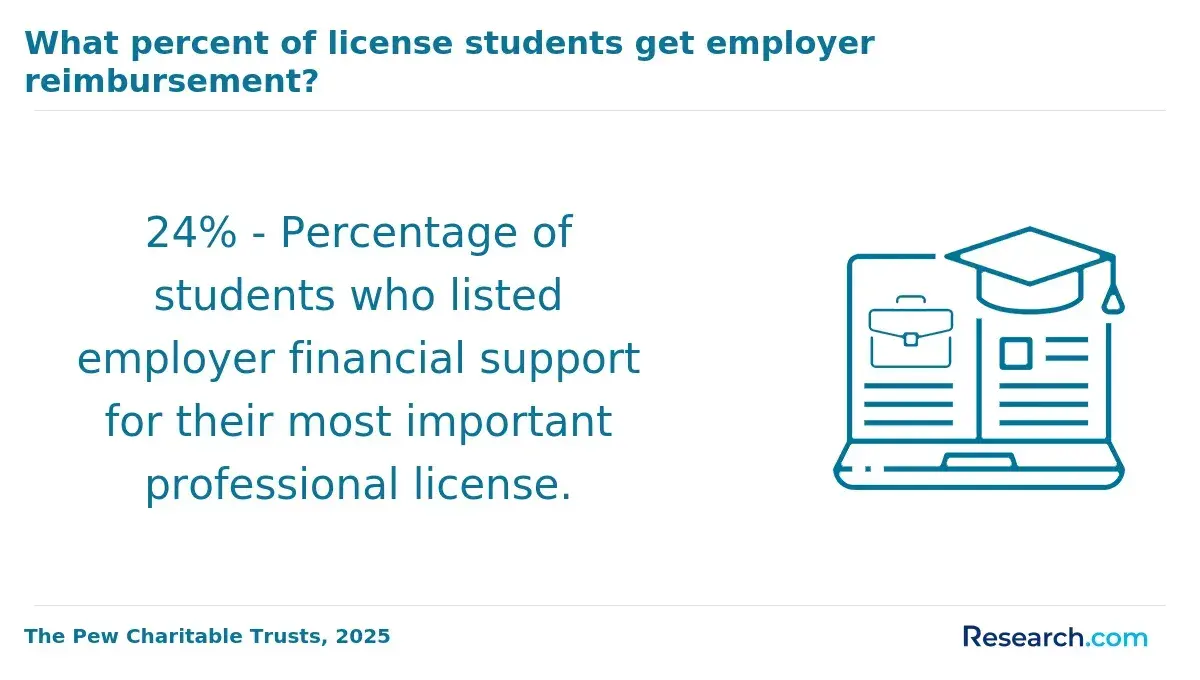
Entry-level salaries for roles in patient safety & quality often favor degree holders over those with bootcamp or certificate credentials. Median starting pay for bachelor's or master's graduates typically ranges from $55,000 to $65,000, while bootcamp and certificate completers usually see offers between $45,000 and $55,000. This gap-commonly $5,000 to $10,000-largely reflects employer preferences, especially among large hospitals, healthcare systems, and government agencies that prioritize formal education.
- Degree Advantage: Employers in established healthcare institutions tend to value degrees more highly, resulting in better starting salaries and more structured advancement opportunities.
- Bootcamp and Certificate Salaries: These pathways remain competitive within startups and smaller healthcare organizations, though they generally lead to lower initial pay in comparison to degree programs.
- Industry and Employer Type: Salary differences also depend on organizational setting-enterprise-level firms emphasize credentials, while startups may place greater weight on practical skills, slightly narrowing the pay gap.
- Geographic Factors: Urban locations often offer higher wages but expect stronger educational backgrounds for patient safety & quality roles.
- Salary Growth: Degree holders frequently experience faster salary increases over time, as credentials are required for managerial positions, advanced certifications, and leadership roles within the field.
- Individual Variation: Salary medians mask diverse personal factors such as prior experience, specialty focus, relocation willingness, and program reputation that also shape earnings outcomes.
One professional I spoke with, who earned a patient safety & quality degree, shared that "navigating coursework alongside part-time work was challenging, but securing a degree opened doors that would have been closed otherwise." He noted that while bootcamps offered valuable hands-on skills, "having the formal credential gave me the confidence and credibility employers expected, especially when negotiating my starting salary." This firsthand experience underscored how, despite alternative pathways being viable, degrees still often provide the most robust salary foundation in patient safety & quality careers.
Established sectors like large enterprises, government bodies, and highly regulated fields-such as healthcare systems and pharmaceuticals-still emphasize formal degrees in hiring for patient safety & quality roles. Surveys from SHRM indicate many hiring managers consider degrees as vital proof of foundational expertise and dedication.
- Equivalency In Certain Fields: Startups, consultancies, and tech-driven healthcare providers increasingly value practical skills and portfolios, allowing bootcamp and certificate holders to compete closely with degree graduates when paired with relevant experience.
- Skills-Based Hiring Efforts: Some major tech companies and public-sector employers promote reducing degree requirements, focusing on demonstrable competencies instead. Yet, labor economics research reveals that despite these policies, degree holders frequently retain advantages in promotions and salary within many patient safety & quality settings.
- Sector-Specific Credential Signals: Jobs in regulatory compliance, clinical risk, or government oversight favor degree credentials strongly, while innovation-focused positions and quality improvement consulting often accept certificates or bootcamp credentials as adequate for entry and advancement.
- Employer Preference For Hybrids: Many organizations look for candidates combining degrees with certificates or bootcamps that demonstrate up-to-date skills, particularly in data analytics and process improvement.
For those weighing patient safety & quality degree versus bootcamp employer preferences, aligning with career goals in specific sectors is crucial. Adult learners and career changers might explore accelerated career programs to efficiently balance formal education with practical skill-building.
Degree programs in patient safety & quality usually enforce structured admission criteria that reflect their rigorous academic standards. Typical requirements include:
- GPA Minimums: Applicants often must maintain a minimum undergraduate GPA-commonly between 2.5 and 3.0 on a 4.0 scale-to ensure academic preparedness.
- Prerequisite Coursework: Completion of foundational courses such as biology, statistics, or healthcare principles is generally mandatory before enrollment.
- Standardized Tests: Some advanced degrees may request GRE scores, though this trend is declining.
- Letters of Recommendation: Most programs require two or three references from academic or professional contacts to assess readiness and character.
- Application Deadlines: Programs follow firm timelines with set start dates, necessitating careful advance planning.
Conversely, bootcamps and certificate programs in patient safety & quality have far fewer admission barriers, often emphasizing accessibility:
- Open Enrollment: These programs frequently accept learners regardless of prior academic history, focusing on motivation.
- Minimal or No Prerequisites: When prerequisites exist, they tend to be basic, allowing quick skill development without prior healthcare expertise.
- No Test or Recommendation Requirements: GRE scores and recommendation letters are rarely needed, simplifying entry.
- Flexible Start Dates: Rolling or frequent admissions let students begin training when convenient.
This contrast creates a dual dynamic: competitive degree admissions act as a quality filter-an implicit credential employers trust-while open-entry bootcamps and certificates must demonstrate value through outcomes like job placement, curriculum depth, instructor qualifications, and proper accreditation. The lower barriers in bootcamps and certificates enhance access for career changers, working adults, and those with family or geographic constraints, mitigating financial and time challenges that traditional degrees often present.
When choosing a pathway, individuals should honestly evaluate their academic background, life demands, and career goals. For some, the selectivity of degree programs signals quality worth pursuing; for others, flexible, accessible alternatives offer meaningful professional entry without sacrificing relevant skills.
One professional who built her career after earning a patient safety & quality degree reflected on her journey: she recalled the stress of meeting stringent GPA and prerequisite requirements and the pressure of applying well before deadlines. While challenging, these barriers motivated her to develop strong study habits and professional discipline. She appreciated how the thorough vetting gave her confidence in her preparedness and reassured employers of her capabilities. However, she also recognized friends who thrived in certificate programs, valuing how those options fit their busy schedules and allowed immediate application of skills without the prolonged commitment of a degree.
Degree programs in Patient Safety & Quality typically feature a broad curriculum combining general education with specialized coursework-covering topics like risk management, healthcare delivery systems, quality improvement techniques, and data analytics. Students often choose electives to deepen expertise in areas such as regulatory affairs or health informatics. Many degrees require a research project or thesis, fostering critical thinking and adaptability for evolving industry demands. This comprehensive training supports long-term career growth but usually entails several years before entering the workforce.
- Bootcamps: Focused on accelerated, hands-on learning, bootcamps deliver a concentrated curriculum centered on practical skills-such as incident reporting, root cause analysis, and compliance basics-through projects and simulations. Their streamlined approach emphasizes job readiness and quick skill acquisition but sacrifices the broader theoretical background, elective variety, and research opportunities found in degree programs.
- Certificate Programs: Vary widely between levels and providers:
Certificates offer modular, flexible learning but cover a narrower range of content compared to degrees and bootcamps.
- Entry-level certificates-like those offered by Google or Coursera-introduce foundational concepts targeted at beginners or those validating basic knowledge, enhancing resumes but with limited influence for specialized Patient Safety & Quality roles.
- Advanced professional certifications-provided by industry associations-signify mastery of specific skills, often requiring prior experience or education, and can strengthen candidates' profiles in specialized or competitive job markets.
Each educational route balances foundational knowledge and immediate practical skills differently, catering to diverse learner profiles and career objectives-from comprehensive academic preparation to swift workforce entry.
Calculating the return on investment (ROI) for Patient Safety & Quality education requires including both direct costs-tuition, fees, and materials-and opportunity costs, which represent the income forgone while studying. For example, pursuing a degree means not only paying approximately $40,000 to $60,000 but also missing out on wages for two to four years. This opportunity cost-salary lost by not working during full-time study-significantly impacts the total financial burden and true ROI.
Consider three learner profiles to illustrate this:
- Degree: For a recent high school graduate with no prior income, opportunity costs are minimal. Although tuition is high, the long duration delays salary gains. This leads to a moderate five-year ROI that improves substantially by year ten due to higher career ceilings and advancement potential.
- Bootcamp: Typically costing $8,000 to $12,000 and lasting a few months, bootcamps have minimal opportunity costs. Mid-career professionals leaving a $50,000 annual job face large income loss if pursuing a degree, but bootcamps enable quicker re-entry into the workforce with faster salary gains. Their five-year ROI often surpasses degrees for these learners, though salary ceilings are generally lower.
- Certificate: Part-time students maintaining employment while studying face much lower opportunity costs. Certificates costing between $2,000 and $6,000 balance ongoing income with incremental skill improvements. ROI here depends heavily on employer recognition and specialization relevance, often yielding attractive short-term returns but potentially lower long-term salary gains.
Because ROI varies so widely depending on personal circumstances, no single pathway guarantees the fastest or highest return for everyone. A lower five-year ROI does not preclude degrees as the best choice-especially when advanced credentialing, deeper expertise, or specialized knowledge is required by employers or career goals.
Job placement rates for patient safety & quality bootcamps, certificate programs, and degree pathways differ significantly due to varying reporting methods and definitions of placement. Degree programs typically rely on independently audited sources like IPEDS graduate outcome surveys or institutional career services data. These figures focus on employment directly related to the student's major, offering a precise and standardized measure of successful placement.
Bootcamps and certificate programs often self-report placement rates using broader definitions of placement. This may include part-time roles, internships, or jobs in loosely related healthcare or quality assurance fields rather than strict patient safety & quality positions. Many bootcamps emphasize rapid time to employment-usually within 3 to 6 months-but such claims are less often verified through third-party audits like CIRR, which are more common in coding bootcamps than in patient safety sectors.
Career services quality plays a crucial role across all pathways. Well-developed support-including employer connections, resume coaching, mock interviews, and alumni networks-can significantly boost placement rates. Evaluating this infrastructure is essential when considering programs, especially for those weighing the return on investment for patient safety & quality certificate programs versus degrees.
Request detailed placement data broken down by job type, salary, and time-to-placement. Industry averages fluctuate, so contextualizing claims is key to understanding real value. Prospective students should verify how rigorously programs validate their data and examine the nature of roles graduates secure.
For those exploring broader educational options, consider the proven outcomes from degree programs-such as an online bachelor's in biology-to benchmark expectations and inform pathway fit in patient safety & quality careers.
Networking and alumni access represent a critical differentiator among patient safety & quality degree programs, bootcamps, and certificate pathways-often shaping career trajectories as much as formal learning. Indeed, professional network development is one of the most durable and compounding assets a learner can acquire, frequently surpassing formal instruction in importance for senior career advancement.
- Degree Programs: These programs typically offer the most comprehensive networking infrastructure, including active alumni associations, career fairs, faculty mentorship, Greek life or professional organization memberships, and well-established employer relationships. The prestige and broad geographic footprint of the degree-granting institution greatly enhance the breadth and influence of these networks. Graduates often rely on these long-standing connections with leading employers and regional healthcare systems to advance into senior positions where reputation and influence matter most. Such networking advantages in patient safety and quality degree programs translate into sustained career growth and higher job placement rates.
- Bootcamps: While smaller and often newer than degree programs, well-established bootcamps have cultivated tight-knit cohort communities and alumni groups. These networks encourage peer referrals and nurture partnerships with employers focused primarily on technology and process improvement within patient safety & quality. Though less expansive, bootcamp networks can accelerate entry or transitions into specialized roles, especially in organizations emphasizing agile quality interventions. Alumni connections impact on career outcomes in patient safety and quality bootcamps is notable for those targeting rapid skill acquisition aligned with employer needs.
- Certificate Programs: Credential providers-such as those behind industry association certificates or platforms like Google Career Certificates-often facilitate online professional communities and promote mentor access and hiring manager engagement through forums or events. However, these networks vary widely in depth and consistency, often lacking the structured and ongoing alumni support found in degree and some bootcamp programs. Certificates serve to enhance resumes early in careers but may require additional effort for robust network development. For example, learners exploring specialized credentials can consider PMHNP certificate programs to combine credentialing with community support.
Geographic factors heavily influence career outcomes across degree programs, bootcamps, and certificate pathways in patient safety & quality. Metropolitan areas with dense employer bases-such as San Francisco and New York-often favor bootcamp and certificate graduates due to widespread employer awareness and concentrated recruitment efforts. Graduates who remain within these urban hubs benefit from strong local networks, while those relocating away from bootcamp origins may face weaker job placement, as employer familiarity diminishes.
- Metropolitan Advantage: Cities with robust technology and business sectors provide fertile ground for bootcamp and certificate completers, bolstered by close ties to local employers and higher placement rates.
- Regional Market Dynamics: Mid-sized metro and regional markets generally prefer degree holders, valuing the comprehensive training and recognized rigor of traditional academic programs over bootcamps and certificates, which remain less penetrated.
- Rural and Smaller Markets: Limited employer density and lower credential awareness mean degrees with national accreditation hold more consistent value, although growing remote work opportunities are easing geographic barriers.
- Remote Work Equalization: The surge in remote patient safety & quality roles-growing over 35% in 2023-enables all credential holders to vie for positions benchmarked to metropolitan salaries, yet expands the applicant pool and heightens competition.
Prospective students should weigh local employer density, credential acceptance, and remote opportunities carefully before choosing a pathway. A bootcamp that delivers excellent outcomes in one city may yield differing results elsewhere, making geographic strategy vital in aligning educational investment with realistic career prospects.
Large companies and government bodies often apply strict degree filters during hiring for patient safety & quality roles. Degrees related to health administration or quality management continue to be highly esteemed since they align with regulatory standards and compliance. Although many organizations announced easing degree requirements beginning in 2020, hiring trends show a continued preference for candidates holding formal degrees.
These employers typically require degrees as a baseline qualification for patient safety & quality positions. Certificates and bootcamps are viewed primarily as additions rather than substitutes for degrees. Smaller firms and startups emphasize demonstrated skills and tangible outcomes over formal education. They value portfolios, technical assessments, and certificates or bootcamps that exhibit practical expertise and problem-solving abilities.
Practical experience showcased through project work or assessments weighs heavily in hiring decisions. Formal degrees may be less critical than the candidate's ability to prove relevant competencies. Despite public statements by major employers about dropping degree mandates, actual hires have slowly diversified in credentials but degrees still dominate the patient safety & quality workforce. Non-degree credentials support competitiveness but rarely replace degrees outright.
Uptake of bootcamps and certificates is increasing but complementariness to degrees remains the norm. Professionals aiming to enter this field should pair degrees with additional certifications to enhance employability. Beyond official job postings, candidates gain valuable insights by conducting informational interviews with hiring managers and examining LinkedIn profiles of recent hires. This approach reveals the real credential mix valued by employers, helping applicants tailor their education and credentials more effectively.
What Graduates Say About Which Path Leads to Better Career Outcomes: Patient Safety & Quality Degree, Bootcamp, or Certificate
- Stephanie: "After completing the patient safety & quality degree, I quickly realized how much salary outcomes benefit from in-depth academic preparation-the data shows graduates land higher-paying roles compared to bootcamp attendees. Employers consistently value the degree credential more for leadership positions, which added a lot of weight to my professional profile. If you're aiming for long-term career growth, the degree is definitely worth the investment and effort."
- Alexis: "The patient safety & quality bootcamp was a game changer for me-its intense, focused curriculum greatly accelerated my job placement rate. I appreciated how it fit my learning style better than a traditional degree, plus the networking access with industry professionals was immediate and impactful. Although the salary growth isn't as steep initially as with a degree, the ROI was clear for someone needing a quicker, practical route."
- Eliana: "Choosing the patient safety & quality certificate program turned out to be a smart move for my situation-employers recognized it as a valuable credential for advancing mid-career, and it cost much less time and money than other paths. The program offered solid networking benefits and gave me relevant skills that opened doors I hadn't expected. Reflecting on it, the certificate strikes a nice balance for professionals who want career growth without committing to a full degree."
Other Things You Should Know About Patient Safety & Quality Degrees
Degree holders in patient safety & quality generally experience stronger long-term career growth compared to bootcamp or certificate completers. Degrees provide a comprehensive knowledge foundation and often open doors to leadership roles and advanced certifications. Bootcamps and certificates focus on practical skills-ideal for quick entry-but may limit upward mobility in more senior or specialized positions.
Many employers list CPHQ as preferred or required for patient-safety and quality roles, especially for manager-level jobs. The Certification Board for Professionals in Healthcare Quality, or CPHQ, requires a mix of education and healthcare-quality experience before sitting for the exam, and the credential must be renewed every three years.
During recessions or tight labor markets, degree holders in patient safety & quality tend to have more stable employment prospects due to widely recognized academic credentials. Bootcamps and certificates may provide faster entry but can be more vulnerable as employers typically prioritize candidates with formal degrees when hiring is limited. However, upskilling with certificates can help degree holders maintain competitiveness.
- Focused Certificate in Healthcare Quality & Safety | ISQua https://isqua.org/focused-certificate-qips/
- Bootcamp Certification vs. Degree: The Importance of Accreditation in Education https://www.qahe.org/article/bootcamp-certification-vs-degree-the-importance-of-accreditation-in-education/
- Top Resume Tips for Healthcare Professionals - Avant Healthcare Professionals https://avanthealthcare.com/blog/top-resume-tips-for-healthcare-professionals/
- Which Healthcare Certifications Pay the Most? A Guide to Higher-Earning Medical Jobs Through Certification https://www.pennfoster.edu/blog/10-medical-certifications-that-pay-well
- Global Standard for Professional Assessment | GSPA https://gspa.io/compare/professional-certification-vs-degree
- Beyond graduation: The critical role of institution-owned alumni networks in higher education https://hivebrite.io/blog/institutions-role-in-alumni-networks/
- Boot Camp https://medschool.utsouthwestern.edu/degrees-pathways/md-quality-safety/boot-camp.html
- What hiring managers really want to see on clinical development resumes https://www.seclifesciences.com/blog/what-hiring-managers-really-want-to-see-on-clinical-development-resumes/
- MatchDay Resources | Non-Clinical Careers for Physicians: The Complete 2026 Guide https://www.matchday.health/post/non-clinical-careers-for-physicians
- How to Hire Healthcare Safety Manager: 2025 Guide https://ehscareers.com/employer-blog/how-to-hire-healthcare-safety-manager-guide/