
2027 Which Patient Safety & Quality Degree Careers Have the Highest Barriers to Entry?

Co-Founder and Chief Data Scientist
Why do some patient safety & quality careers demand far more stringent qualifications than others? A recent survey found that nearly 60% of advanced roles require certifications beyond a bachelor's degree, with a growing emphasis on specialized clinical experience. For prospective students and career changers, navigating this landscape can be daunting, especially when regulatory boards impose strict licensing processes. Understanding which pathways present the steepest educational and experiential hurdles is key to informed decision-making. This article examines the patient safety & quality degree careers that have the highest barriers to entry and highlights the factors that contribute to their greater complexity and challenge.
Key Things to Know About Patient Safety & Quality Careers With the Highest Barriers to Entry
- Extensive education, often including master's or doctoral degrees, is required for advanced patient safety & quality roles, limiting accessibility for many aspiring professionals.
- Highly competitive hiring processes favor candidates with specialized certifications and demonstrated leadership in quality improvement initiatives.
- Strict credentialing and a minimum of 3-5 years' relevant experience are standard, further narrowing entry to senior patient safety & quality positions.
Which Patient Safety & Quality Careers Are Hardest to Get Into?
Certain careers within patient safety and quality face significant barriers to entry due to their high selectivity and limited availability. Some quality leadership positions in major healthcare organizations have acceptance rates as low as 10%, reflecting intense competition for these roles. This limited access highlights the challenges prospective professionals encounter when pursuing these paths.
Below are several patient safety and quality careers known for their competitive nature and constrained opportunities.
- Hospital Quality Improvement Director: These roles are scarce because only larger healthcare facilities typically employ dedicated directors to oversee quality initiatives. The restricted number of openings makes these positions highly competitive and difficult to secure.
- Patient Safety Officer: The role demands organizational oversight of safety protocols, which results in fewer available opportunities. Strong applicant pools increase competition, making this career path challenging to enter.
- Clinical Risk Manager: Specialization and limited departmental staffing reduce the number of positions available for clinical risk managers. This narrow placement focus heightens the difficulty of obtaining these roles.
- Healthcare Quality Data Analyst: Although this field is expanding, candidates must vie for a limited supply of analyst roles tied specifically to quality initiatives, maintaining the competitive nature of entry.
- Healthcare Accreditation Specialist: Opportunities are restricted to organizations engaged in high-level accreditation activities. This limits available jobs and intensifies selectivity within the field.
For those exploring the most competitive patient safety and quality jobs, considering short DNP programs can provide insight into educational pathways that may support overcoming these barriers. Understanding the patient safety and quality career entry requirements is key to appreciating the demands and selectivity associated with these challenging roles.
What Academic Requirements Make Patient Safety & Quality Careers Harder to Enter?
Academic requirements often create substantial barriers to entry in patient safety & quality careers, especially when roles demand extended education or specialized study. For example, a recent survey found that nearly 65% of positions in this field require some form of advanced degree beyond a bachelor's. These educational demands can limit accessibility for many aspiring professionals.
Several key academic factors contribute to these challenges in pursuing patient safety & quality careers:
- Advanced Degrees: Many roles require candidates to obtain master's or doctoral degrees. These degrees involve several additional years of study beyond undergraduate programs, adding significant time and financial commitments.
- Specialized Coursework: Coursework typically focuses on healthcare quality, risk management, or epidemiology. Such specialized classes are not always part of general health administration programs, necessitating targeted educational paths.
- Extended Study Timelines: The need to complete prerequisite courses, research projects, and thesis work often prolongs the time needed to graduate. This delay can affect how soon candidates can enter the workforce.
- Interdisciplinary Curricula: Programs usually demand knowledge across several fields like public health, statistics, and clinical sciences. Students must master a variety of subjects, which increases the academic rigor and complexity.
- Rigorous Academic Standards: Many institutions set high GPA requirements for admission and ongoing progression in patient safety & quality degrees. This raises academic pressure and reduces accessibility for some students.
These academic hurdles collectively raise the bar, narrowing career access to those with sufficient resources and flexibility to meet these demanding educational requirements.
What Certifications Are Required for Patient Safety & Quality Careers?
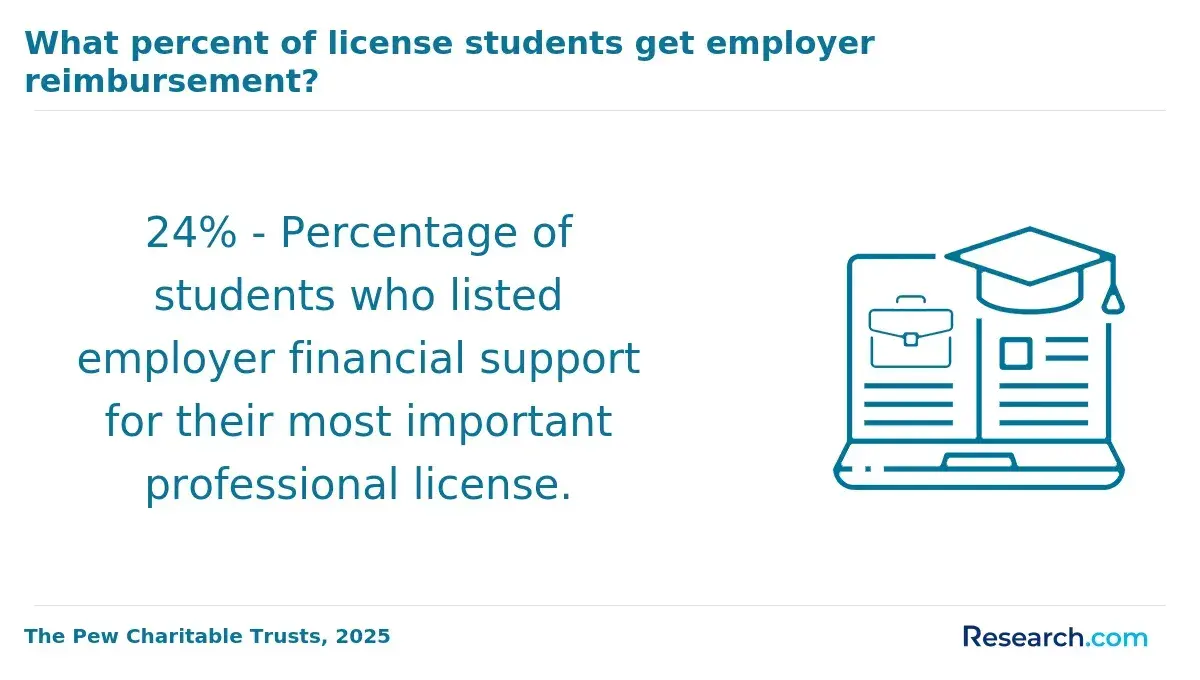
Certifications often act as formal prerequisites in many patient safety & quality careers, serving as mandatory credentials for both professional practice and specialization. These credentials establish verified standards of knowledge and competence necessary for maintaining healthcare safety and quality. Research shows that more than 70% of job listings in this field favor or require such certifications.
The following certifications illustrate common credential requirements in patient safety & quality careers:
- Certified Professional in Patient Safety (CPPS): This credential confirms proficiency in patient safety principles, risk management, and safety culture. It is widely acknowledged as foundational for many mid- to senior-level positions.
- Certified Professional in Healthcare Quality (CPHQ): Focused broadly on healthcare quality management, this certification indicates expertise in quality improvement, data analytics, and regulatory standards. It is essential for career growth and professional credibility.
- Certified Infection Control (CIC): Targeting specialized roles, this certification validates skills in infection prevention, a crucial component of patient safety. It formalizes specialized knowledge needed for roles concentrating on infection control.
A patient safety & quality degree graduate shared that obtaining certifications was both daunting and transformative. He described navigating the intense study demands and extensive preparation required for the CPPS exam as stressful but ultimately rewarding. "I underestimated how much dedication was needed to meet these certification standards," he reflected. He emphasized that passing the tests not only proved his knowledge but also significantly boosted his confidence to advance in his career. This experience highlighted how certifications act as critical gateways that shape the professional's path forward.
Experience requirements significantly shape the competitiveness of patient safety & quality careers, as employers often use these benchmarks to filter applicants for roles with greater responsibility. These thresholds help distinguish candidates who qualify for highly selective positions from those entering the field. This filtering ensures that only applicants with the appropriate professional background proceed in hiring.
Below are common experience categories frequently found in competitive patient safety and quality job experience requirements:
- Entry-Level: Candidates at this stage typically have minimal to no direct experience, making these roles ideal for recent graduates or individuals transitioning from related fields. These positions focus on building foundational skills and opportunities for growth.
- Early Career: Usually requiring one to three years of relevant experience, this level expects basic practical knowledge and some autonomy in executing safety and quality-related tasks.
- Mid-Level: Jobs in this category commonly demand three to five years of experience, including managing projects or leading aspects of quality improvement. Specialized expertise and consistent performance are key expectations here.
- Senior-Level: These roles expect five or more years of extensive experience, often involving leadership and a demonstrated track record of driving safety initiatives and strategic advances.
Higher tiers in years of experience needed for patient safety and quality careers represent substantial entry barriers. To better position themselves, many candidates pursue further education, such as a nursing degree online, to complement their practical experience.
Careers in patient safety & quality with high entry barriers require a blend of advanced and specialized abilities, limiting the number of qualified applicants. Over 70% of employers in this sector emphasize proficiency in unique competencies when assessing candidates, highlighting the importance of these skills in securing top-tier positions.
Key capabilities demanded in this competitive field include the following:
- Data Analysis: Experts must interpret large volumes of healthcare information to spot patterns and risks that help enhance quality. Precision in analyzing data is essential, increasing the selectivity of hiring decisions.
- Risk Management: The ability to evaluate clinical workflows to identify potential safety threats and implement preventative strategies is crucial. This foresight reduces errors and raises the responsibility level needed to qualify for such roles.
- Regulatory Compliance: Staying current with healthcare laws and accreditation standards ensures safety protocols meet strict external demands. This ongoing learning requirement creates higher entry thresholds.
- Communication & Collaboration: Conveying complex findings and fostering teamwork among diverse healthcare disciplines is vital. These interpersonal skills align closely with leadership qualities that make access to these roles more exclusive.
- Critical Thinking: Anticipating challenges and developing innovative solutions underpins effective performance in this field. Exceptional cognitive ability narrows candidate eligibility significantly.
A professional with a patient safety & quality degree shared her experience, describing the intense analytical and collaborative nature of her work. She recalled times when interpreting ambiguous data required not only technical skill but patience and persistence, as "every detail could mean the difference between a safe outcome and a critical incident." She emphasized how navigating complex team dynamics-often balancing competing priorities-demanded clear communication and emotional resilience. Reflecting on these challenges, she noted, "It was tough but incredibly rewarding to see our efforts directly improve patient care standards," demonstrating how such skills extend beyond theory into impactful practice.
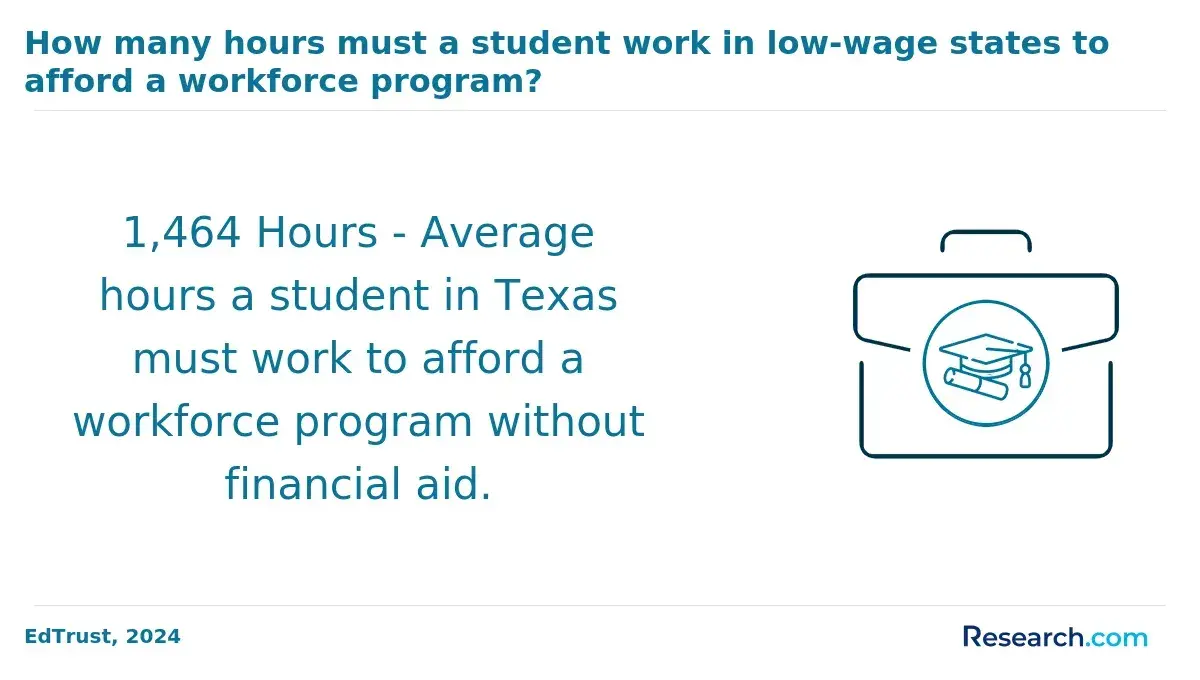
Barriers to entering patient safety & quality careers differ widely across industries due to variations in complexity, regulatory demands, and risk levels. Certain sectors impose more stringent entry requirements because the consequences of errors are particularly severe or the operational environments are highly regulated.
Several industries within patient safety & quality have notably higher thresholds to overcome for those seeking roles:
- Pharmaceutical Industry: This field faces intense regulatory scrutiny since the safety of medications directly affects patients. Strict quality controls and risk management processes make accessing roles in this sector especially challenging.
- Medical Device Manufacturing: Ensuring that devices comply with precise safety standards and perform reliably involves navigating complex design and certification protocols. These factors elevate the entry barriers significantly.
- Hospital Systems and Healthcare Providers: Hospitals operate under rigorous patient safety standards given their critical care responsibilities. The ongoing need for quality assurance and accountability heightens the difficulty of gaining entry.
- Government Regulatory Agencies: Positions in agencies like the FDA require deep knowledge of regulations and enforcement policies. The responsibility for maintaining public safety through oversight adds to the high standards for entry.
- Biotechnology Firms: Working at the forefront of medical innovation, this sector demands balancing cutting-edge treatments with uncompromising safety safeguards, resulting in exceptionally demanding entry criteria.
Each of these industries poses significant challenges to newcomers due to the critical impact on patient outcomes, the technical intricacies involved, and stringent regulatory environments. These factors combine to create some of the highest entry barriers within patient safety & quality careers.
Geographic location significantly influences entry requirements for careers in patient safety & quality, with different states and regions imposing varied regulations. These regulatory differences and regional workforce standards shape how accessible certain roles are, often affecting new professionals' ability to enter the field. Research indicates that up to 35% of healthcare quality-related licenses have region-specific mandates not found elsewhere.
The following regional factors commonly contribute to stricter entry requirements in patient safety & quality careers:
- Licensing Variability: Some states demand additional certifications or frequent renewals beyond national standards, creating higher barriers for candidates in those areas.
- Urban Versus Rural Demand: Urban centers often have greater demand but tougher entry criteria due to competition and advanced healthcare infrastructures, while rural regions may enforce stricter credential verification despite fewer job openings.
- State Regulatory Frameworks: States with more intensive healthcare regulations typically require rigorous compliance and ongoing professional oversight to ensure safety and quality standards.
- Accreditation Differences: Regional accreditation bodies can impose varying educational program standards affecting the qualifications needed for patient safety & quality positions.
- Workforce Qualification Scrutiny: Areas with higher population density generally apply more stringent workforce evaluation to maintain quality in patient care environments.
These geographic variations have a direct impact on how prospective patient safety & quality professionals prepare for their careers, reflecting localized priorities in healthcare regulation and workforce management.
Competition for patient safety and quality careers is influenced primarily by applicant volume, role availability, and the selectivity exercised by employers. Many qualified candidates often compete for a limited number of openings, which increases hiring competitiveness in this sector.
For example, some patient safety-related roles can experience application-to-interview ratios as high as 15:1, demonstrating a highly selective hiring environment. This competitive pressure reflects broader job market challenges in patient safety and quality roles, where demand exceeds supply in many instances.
Within this competitive landscape, hiring intensity varies widely across positions, with some roles requiring significantly more rigorous screening than others. Highly selective positions often involve leadership responsibilities or critical organizational functions, leading employers to prioritize candidates with proven effectiveness and specific competencies.
This variability means that patient safety and quality careers hiring competitiveness is not uniform, requiring applicants to understand the distinct challenges associated with their target positions. Prospective students might explore accelerated degrees through accelerated degrees programs to better position themselves in this competitive job market.
Certain organizations within patient safety & quality are especially selective in their hiring due to limited job openings, high qualification standards, or strong reputations. Industry data shows that some patient safety & quality roles attract over five times the number of applicants compared to available positions, highlighting the competitive nature of these careers. Navigating these top employers in patient safety and quality requires understanding where the highest barriers to hiring exist.
Below are key types of organizations known for their rigorous selection processes:
- Large Healthcare Institutions: These organizations draw numerous qualified applicants due to their prominence and scale. However, they typically offer fewer senior roles, resulting in fierce competition despite the volume of candidates.
- Specialized Consulting Firms: Focused exclusively on patient safety & quality, these firms demand very specific skill sets and often assess candidates based on customer-driven quality metrics, making their hiring particularly selective.
- Government Health Agencies: Regulatory bodies maintain strict standards to ensure public safety and compliance. Fewer openings and these stringent criteria create a highly competitive application process.
- Nonprofit Organizations: Operating with specialized missions in health quality improvement, nonprofits often face budget constraints that limit available positions, increasing competition despite typically smaller team sizes.
For those aiming to overcome these barriers, pursuing an advanced education such as a PhD in healthcare management online can provide a competitive edge and deeper expertise required by top employers in this field.
Careers in patient safety and quality with the highest entry barriers often correspond with increased salaries, reflecting the complexity and responsibilities involved. Positions that require sophisticated regulatory knowledge, advanced certifications, or extensive oversight usually offer compensation about 20% to 30% above less demanding roles in the same field.
These broad patterns show a correlation between difficulty of entry and pay, particularly in areas that involve critical healthcare system management. Such trends highlight how salary outcomes for challenging patient safety and quality roles generally reward the greater expertise needed.
Yet, this connection between entry difficulty and compensation is not always straightforward across all patient safety and quality career paths. High barriers to entry do not guarantee top salaries, as market forces, employer priorities, and job availability also play significant roles.
Some specialized branches may offer fewer positions, limiting salary growth despite rigorous entry requirements. For students considering a degree in healthcare management, understanding how these factors influence earning potential is essential when evaluating career options in patient safety and quality fields.
What Graduates Say About Patient Safety & Quality Careers With the Highest Barriers to Entry
- Esteban: "Choosing a patient safety & quality degree felt daunting due to the high standards and rigorous certifications required in the field. However, I quickly realized that dedication to continuous learning and gaining hands-on experience were crucial steps to overcoming these barriers. Today, the degree has significantly empowered me to advocate for safer healthcare practices and drive meaningful change within my organization."
- Alexis: "Reflecting on my journey, I understand that building a career in patient safety & quality demanded both resilience and strategic planning. Networking with professionals and pursuing specialized training made a substantial difference in positioning myself competitively. This degree has not only enhanced my problem-solving skills but also deepened my commitment to improving patient outcomes on a systemic level."
- Eli: "Starting a career in patient safety & quality was intimidating given the complex regulatory environment and the need for interdisciplinary knowledge. Taking proactive steps such as obtaining certifications and seeking mentorship helped me navigate these challenges effectively. The impact of this degree is clear in my daily work, where I contribute to developing protocols that directly reduce risks and improve care quality."
Other Things You Should Know About Patient Safety & Quality Degrees
In some advanced patient safety & quality roles, especially those involving clinical oversight or regulatory functions, state or federal licensing may be required in addition to certifications. These licenses ensure that professionals meet legal standards for practice and patient care, particularly when their role intersects with clinical decision-making or compliance enforcement.
Continuous education is often a mandatory condition to maintain qualifications in high-barrier patient safety & quality careers. Professionals must regularly complete continuing education units (CEUs) or participate in specialized training to keep current with evolving best practices, technological advances, and regulatory changes within healthcare systems.
Professional organizations provide networking opportunities, resources, and advocacy that are crucial for those navigating patient safety & quality careers with stringent entry requirements. They often offer specialized training, industry updates, and forums for collaboration which support career advancement and compliance with high standards.
Clinical informatics physician, infection preventionist in many hospitals, and some quality management roles require formal credentials before practice. Physicians usually need an MD or DO plus specialty board certification. Nurses may need active RN licensure, and some employers require certification from the Certification Board of Infection Control and Epidemiology, or CPHQ.
- Industries With the Roughest, Toughest Job Interviews | ERE https://www.ere.net/articles/industries-with-the-roughest-toughest-job-interviews
- Enhancing Patient Safety through medical education - A crucial imperative - ESAIC https://esaic.org/enhancing-patient-safety-through-medical-education-a-crucial-imperative/
- Quality & Safety jobs | Quality & Safety jobs at VCU Health System https://careers.vcuhealth.org/us/en/c/quality-safety-jobs
- Which Healthcare Certifications Pay the Most? A Guide to Higher-Earning Medical Jobs Through Certification https://www.pennfoster.edu/blog/10-medical-certifications-that-pay-well
- American Institute for Medical Sciences and Management https://aimsm.org/patient-safety
- Top 10 U.S. States with the Poorest Quality Medical Care and Patient Safety https://yourinsuranceattorney.com/us-states-with-poorest-quality-medical-care-patient-safety/
- Top 10 Highest-Paying Healthcare Jobs in 2026 (With Salaries) https://www.xpresshealthni.co.uk/highest-paying-healthcare-jobs
- America’s 10 Hardest-to-Fill Healthcare Jobs https://www.aclsonline.us/blog/americas-10-hardest-to-fill-healthcare-jobs/
- Patient Safety Challenges (And How to Actually Solve Them) https://www.chthealthcare.com/blog/patient-safety
- Top 5 states with the highest number of safe hospitals, according to new report https://nypost.com/2026/03/22/health/the-top-5-states-with-the-highest-number-of-safe-hospitals-new-report/


