2027 Is a Native American Leadership Online Degree Worth It?

Co-Founder and Chief Data Scientist
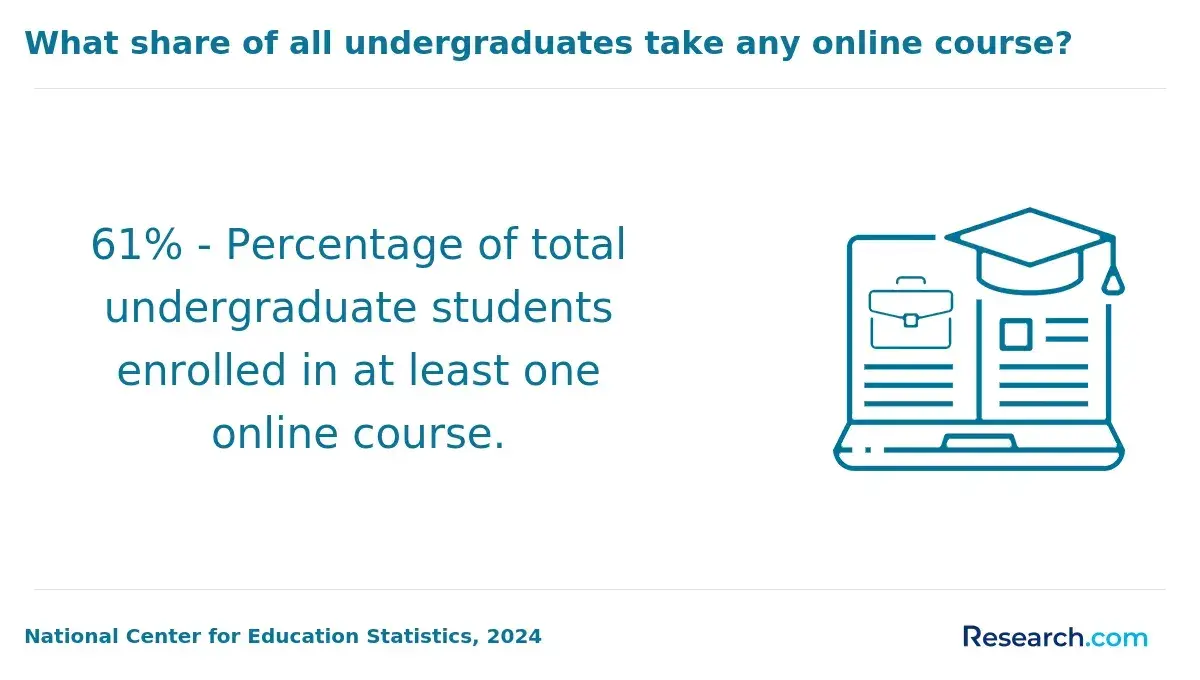
Online education is expanding rapidly, with enrollment increasing by over 20% in recent years, making it an attractive option for many students. Those interested in native American leadership degrees find flexible online programs appealing, as they offer opportunities to study Indigenous governance and community development from anywhere. This growth reflects the rising demand for specialized knowledge in tribal affairs and leadership.
This article explores whether an online native American leadership degree is worth pursuing by examining key factors like cost, program flexibility, accreditation, job market trends, and how employers view graduates. Understanding these elements can help prospective students make informed decisions about their educational investments and career paths.
Key Benefits of Online Native American Leadership Degree
- Flexible online formats allow students to balance cultural commitments and professional goals, making education accessible to diverse Native American communities.
- Programs focus on leadership skills tailored to tribal governance, nonprofit management, and community development, enhancing career relevance in Native contexts.
- Graduates often see improved long-term outcomes, with many securing roles in tribal administration or advocacy, reflecting a growing demand for culturally informed leaders.
Who Should Choose an Online Native American Leadership Degree Program?
Online learning has become an effective option for many students due to its adaptability and convenience. This approach allows individuals with diverse personal and professional responsibilities to pursue education without interrupting their daily lives. The following groups are particularly well-positioned to benefit from an online native American leadership degree program.
- Tribal Professionals and Aspiring Leaders: Those working within tribal governments, Indigenous organizations, or community programs often select online degrees to enhance leadership and management skills while maintaining active roles in their communities.
- Mid-Career Professionals: Experienced individuals in nonprofit management, public service, or related fields can deepen their understanding of Indigenous governance and nation-building without leaving their current positions.
- Students in Rural or Remote Areas: Native Americans living far from urban centers or major universities gain valuable access to culturally relevant education that might otherwise be unavailable.
- Community Advocates: People committed to language revitalization, cultural preservation, or Indigenous rights utilize online degrees to develop projects that directly support their communities.
What Are the Pros and Cons of an Online Native American Leadership Degree?
Online Native American Leadership programs have grown popular among students and professionals seeking greater flexibility and specialized education. These degrees support career advancement in tribal governance while accommodating busy schedules and community commitments.
Pros of an Online Native American Leadership Degree
- Flexible scheduling: Online courses let students access lectures and assignments anytime, which is ideal for those balancing work or living in remote areas. For example, asynchronous modules enable tribal employees to upskill without leaving their jobs, a key benefit of earning a Native American Leadership degree online.
- Culturally relevant curriculum: Programs often involve Indigenous scholars, ensuring coursework addresses tribal governance, sovereignty, and cultural preservation. Graduates gain knowledge directly applicable to leadership roles within Native nations.
- Career advancement: Completing a degree or certificate in this field can open opportunities in tribal administration, policy, and education. Some certificate holders work in tribal, federal, and nonprofit sectors supporting Native communities.
- Higher completion rates: Cohort-based online programs with live mentorship report completion rates from 70% to 88%, outperforming fully self-paced courses, helping especially nontraditional students succeed.
Cons of an Online Native American Leadership Degree
- Limited networking opportunities: Online formats may lack in-person community connections essential for building relationships with tribal elders and local leaders, a notable drawback of virtual Native American Leadership programs.
- Variable program quality: Not all programs maintain updated, culturally grounded content or offer access to Native faculty; some have large classes or limited mentorship, reducing practical learning.
- Recognition and employer perception: Some tribal governments and employers still favor traditional degrees, especially if the online program is not well-known or accredited.
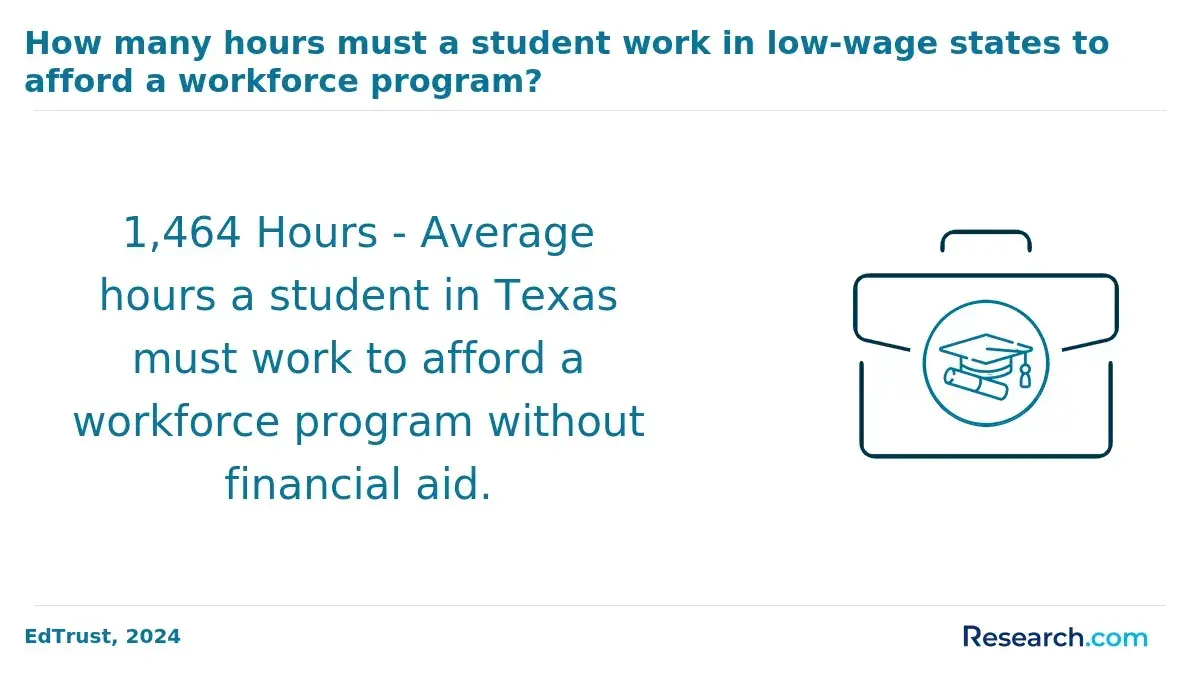
- Technology and access barriers: Reliable internet and computer resources can be scarce in many Native communities, posing challenges for full participation in online coursework.
Those interested in expanding their career options through certification may also explore the highest paid certifications available across various fields.
How Do AI-Enhanced Virtual Classrooms Work in Online Native American Leadership Programs?
AI technologies have become central to modern online education by enhancing engagement, personalization, and cultural relevance, especially for Native American leadership students. These advancements significantly improve the learning experience, making education more accessible and meaningful. Below are key features of AI-powered virtual classrooms used in Indigenous-focused online leadership education with AI.
- Adaptive Learning Tools: AI systems analyze student interactions and adjust quizzes and assignments to fit individual proficiency levels, helping Native learners progress at their own pace.
- Cultural Integration: AI assists in creating lesson plans in Native languages and embedding Indigenous knowledge, which fosters a deeper connection to the course material.
- AI-Driven Feedback: Automated feedback on written assignments enables timely, personalized guidance that supports academic success tailored to Native American leadership contexts.
- Collaboration Enhancements: AI-powered forums group students by shared interests or leadership goals, encouraging relevant peer discussions and network building.
- 24/7 Academic Support: AI chatbots provide around-the-clock answers to course questions, ensuring continuous support for distance learners in remote areas.
These AI-powered virtual classrooms for Native American students not only tailor education to individual needs but also help bridge rural access gaps. For those seeking flexible and culturally responsive programs, exploring online schools with open enrollment can be a practical step toward leadership development.
Having the right technology setup is essential for success in a modern online Native American leadership degree. These programs rely heavily on digital tools for lectures, discussions, assignments, and collaboration, making robust technology a key factor in student achievement. Below is an overview of the specific tools, equipment, and software students should prepare to meet the technology requirements for Native American leadership online degree programs.
- Reliable computer: A modern laptop or desktop computer is necessary to access course materials, participate in live video sessions, and complete assignments. Devices with updated software and sufficient memory help ensure smooth operation of learning platforms and video conferencing tools, allowing students to study from various locations easily.
- High-speed internet: Consistent and fast internet connectivity is crucial for streaming lectures, uploading assignments, and engaging in virtual meetings. Reliable internet prevents interruptions during real-time discussions and supports active participation in group projects and cultural activities, meeting the important computer and internet needs for Native American leadership students.
- Webcam and microphone: These peripherals enable clear communication during live video discussions, presentations, and community-building sessions. Quality audio and video equipment support effective interaction with instructors and tribal mentors, which is essential for leadership training.
- Productivity software: Tools like Microsoft Office or Google Workspace are needed for preparing reports, presentations, and group projects. They also facilitate collaborative document sharing, which enhances teamwork in online settings.
- Learning management system (LMS) access: Access to platforms such as Canvas or Blackboard allows students to download readings, submit assignments, and track progress efficiently. Familiarity with the LMS used by the program ensures timely completion of coursework.
- Email and cloud storage: A dedicated email account and cloud storage solutions like Google Drive or OneDrive are necessary for secure file storage and communication with instructors from any device.
- Security and privacy tools: Updated antivirus software and operating systems protect sensitive tribal data and personal information, which often play a role in leadership coursework.
For students curious about doctoral pathways, it's useful to explore whether do all PhD programs require a dissertation. Preparing a strong technological foundation empowers online Native American leadership students to engage fully in their studies and community projects, building the digital fluency demanded of today's leaders.
Program length is a key consideration for prospective students balancing work, family, and other commitments. Online native American leadership degrees vary in duration depending on course load, degree level, and program flexibility. Below is an overview of typical completion timelines for these programs.
- Undergraduate full-time track: Students pursuing a bachelor's degree in native American studies with a leadership focus generally finish in about 2 to 4 years. Programs often offer 8-week course blocks to accommodate full-time or part-time study, and those with prior credits may accelerate graduation.
- Part-time undergraduate enrollment: Many online programs support part-time study, allowing students to extend their timeline beyond four years if needed. Flexible scheduling and self-paced options help learners manage personal and professional responsibilities.
- Graduate accelerated programs: Master's degrees in native American leadership can often be completed within 12 to 24 months. Accelerated courses, such as 7- or 8-week sessions and multiple start dates annually, enable faster completion for motivated students.
- Graduate certificates: Certificate programs typically require about one year, offering focused study with scheduling options that fit busy professionals' lives.
Balancing full-time employment and online study is a common concern for many prospective students seeking to advance their education. Managing work responsibilities alongside academic demands requires careful planning and consideration of several key factors.
Below are important elements that influence the ability to work while pursuing an online native American leadership degree.
- Flexible Scheduling: Many programs allow students to move through courses at their own pace, offering adaptability to fit around varying work hours and personal commitments.
- Asynchronous Coursework: Classes often do not require live attendance, enabling students to complete assignments and engage with materials at times that suit their individual schedules.
- Workload Management: Undergraduate students can expect to dedicate about five to six hours weekly, while graduate courses may be offered in concentrated seven-week formats, helping to focus effort on fewer classes simultaneously.
- Employer Support: Some students benefit from employers who provide flexibility or encouragement, especially when work aligns with their academic focus or tribal community roles.
- Time Management Skills: Successful students develop strong organizational habits, setting clear boundaries to balance study, work, and personal time effectively.
Internships play a vital role in providing hands-on experience and preparing students for careers in native American leadership. These practical opportunities bridge academic learning with real-world applications, fostering essential skills and professional connections. Online native American leadership programs support students in securing and completing internships through various tailored methods, including:
- Career Services Support: Programs offer career counseling and resources that assist students in identifying suitable internship opportunities aligned with their goals. This guidance helps streamline the application process and enhances readiness for professional environments.
- Mentorship and Networking: Many online programs connect students with experienced mentors and facilitate networking events, helping build relationships with tribal organizations and advocacy groups, which can lead to meaningful internship placements.
- Virtual Placement Coordination: Institutions collaborate with community partners and use digital platforms to match students with internships that fit their interests, ensuring ongoing communication and oversight throughout the experience.
- Internship Tracking and Management: Online tools enable students and advisors to monitor progress, submit assignments, and receive feedback, promoting accountability and successful completion of practicum requirements.
Knowing the tuition costs is crucial for prospective students considering an online Native American leadership degree, as it helps them plan financially and compare options effectively. The expenses can vary widely based on the institution, residency status, and program specifics. Below are key points to keep in mind when evaluating tuition for these programs:
- Average Tuition Per Credit: Public universities typically charge between $318 and $413 per credit hour. For instance, Southeastern Oklahoma State University offers courses around $347 per credit.
- Program Costs: Full master's programs range from about $9,540 to $11,400 for 30 credits, depending on the concentration-such as MBA with Native American leadership focus or education-based degrees.
- In-State vs. Out-of-State Rates: Residency impacts total costs significantly, with non-residents sometimes facing price differences exceeding $15,000 per program.
- Additional Fees: Beyond tuition, students should budget for semester fees (starting around $89), technology fees (about $349 per semester), and course-related expenses that may add $600 to $1,000 annually.
- Total Investment: Overall, completing a 30-credit online Native American leadership master's generally falls between $9,540 and $13,460, making it relatively accessible compared to other graduate studies.
Understanding the average salary for Native American Leadership degree graduates is essential when evaluating whether an online program is a worthwhile investment. Knowing potential earnings helps prospective students weigh costs against career benefits. Below are key salary insights that shed light on the earning potential for those pursuing this degree.
- Average Entry-Level Salary: Graduates entering the workforce with an online Native American Leadership degree typically start with salaries on the lower end of the scale, reflecting entry-level roles in nonprofit management or tribal enterprises. Median starting salaries often hover near $38,500, while some positions in tribal business management may begin closer to $67,000 locally.
- Mid-Career Salary Growth: As professionals gain experience, salaries rise significantly. Mid-career roles such as program managers or nonprofit leaders see median salaries around $98,100, with executive directors earning up to $128,620 nationally. This growth reflects expanded responsibilities and leadership opportunities within Native American communities and nonprofit sectors.
- Salary by Industry: The Native American Leadership degree salary in the United States varies widely by sector. Academic positions in Native American studies offer some of the strongest compensation, with faculty earning between $119,600 and $198,300 and online instructors receiving hourly rates from $60.76 to $154.09. By contrast, nonprofit and tribal organization roles may provide lower but still competitive wages.
- Regional Salary Variations: Geography is a significant factor in determining salary. National averages surpass local and state figures, highlighting broader opportunities outside regional markets. For instance, tribal business management graduates report median salaries of $81,275 nationally compared to $67,271 locally and $78,454 statewide.
Considering the moderate program cost of roughly $11,730 at Southeastern Oklahoma State University alongside these salary patterns, the degree can offer a reasonable return on investment. Prospective students may find additional value exploring accredited colleges that you apply online for free to compare options and costs accredited colleges that you apply online for free.
An online Native American leadership degree offers remarkable versatility, preparing graduates for a wide range of professional fields that value both cultural knowledge and leadership skills. These programs equip students with essential tools for Indigenous and non-Indigenous environments, making graduates competitive across diverse industries.
Below are key industries actively hiring graduates with online Native American leadership degrees, along with the roles and employers that seek their expertise.
- Tribal government and administration: Graduates often serve as tribal leaders, policy advisors, and governmental officials, playing crucial roles in shaping and implementing policies for Native communities. The degree enhances understanding of tribal sovereignty and governance, important skills in these positions.
- Non-profit organizations: Many alumni manage programs focused on community development, cultural preservation, advocacy, and social services. Non-profits value graduates who combine leadership with cultural insight to meet community needs effectively.
- Healthcare and social services: Healthcare program directors, mental health counselors, and social workers are among common roles. These positions address unique challenges faced by Native American populations, where culturally sensitive care is critical.
- Education: Roles include directors of Indian education programs, curriculum specialists, and education administrators focused on tribal education initiatives. The degree supports leadership in fostering culturally relevant educational environments.
- Economic development and housing: Tribal housing authorities, Native CDFIs, and community development organizations hire graduates to manage affordable housing projects, sustainable development, and entrepreneurial ventures contributing to tribal economic resilience.
- Tourism and hospitality: Graduates support tribal and cultural tourism organizations in promoting heritage tourism and economic growth within Native communities, combining leadership with cultural advocacy.
- Legal and justice sectors: Positions in tribal justice, policy, and advocacy defend Native rights and sovereignty. Graduates bring critical cultural and legal knowledge essential for effective representation and policy work.
The sectors hiring graduates from online Indigenous leadership programs continue to evolve, reflecting increased recognition of Native American leadership degrees' value. For those exploring career options or comparing this degree with other certifications, exploring a certification that pay well might complement career advancement strategies in these fields.
Overall, the demand for professionals with a Native American leadership degree jobs in tribal government and related industries remains strong, aligning with a broader trend toward culturally informed leadership and community empowerment.
What Graduates of Online Native American Leadership Programs Say About Their Degree
- Tobby: "Choosing to enroll in an online native american leadership degree was a game-changer for me. The flexible pace allowed me to balance work and study seamlessly, and the cost was surprisingly affordable compared to traditional programs. The knowledge I gained has directly enhanced my leadership skills within my community, making every dollar well spent."
- Rex: "Pursuing an online native american leadership degree gave me the space to deeply reflect on my cultural values while advancing my career. Although I was initially concerned about the cost, the program's reasonable tuition and the ability to learn at my own speed made it worthwhile. This experience has contributed profoundly to both my professional growth and personal development."
- Arthur: "The online native american leadership degree offered a rich learning experience that was both comprehensive and accessible despite a busy schedule. I appreciated the program's cost-effectiveness and the practical skills it imparted, which have significantly improved my role in tribal governance. The decision to study online was both a financially smart and professionally rewarding investment."
Other Things You Should Know About Native American Leadership Degrees
Yes, many employers recognize online Native American Leadership degrees, especially when these programs are accredited by regional or national education bodies. Employers in tribal administration, nonprofit organizations, and cultural institutions often value candidates who have completed specialized leadership training focused on Native American communities. It is important to choose a program with recognized accreditation to ensure the degree holds weight in the job market.
One disadvantage of pursuing an online Native American Leadership degree in 2027 is the potential lack of cultural immersion compared to in-person programs. Additionally, limited networking opportunities with mentors and peers might affect community engagement, which is crucial for leadership roles.
Some programs do, but many do not. Schools may ask for tribal enrollment documentation, a descendant statement, or a letter of support from a tribal office for culturally specific tracks. Non-tribal applicants are often accepted into general leadership courses if they meet the school’s standard admission requirements.
- Forbes | Lakota Code Camp: Native American Tech Leaders Bringing Native Youth Into AI Innovation — IndigiGenius https://www.indigigenius.org/media-appearances/forbes-laicc
- Opportunity and Risk: Artificial Intelligence and Indian Country https://tribalcollegejournal.org/opportunity-and-risk-artificial-intelligence-and-indian-country/
- TribalNet 2025: 3 Ways Tribal Nations Are Using AI https://fedtechmagazine.com/article/2025/09/tribalnet-2025-3-ways-tribal-nations-are-using-ai
- Tuition & Fees – Indigenous Studies – Online Microcredentials | Oregon State Ecampus https://ecampus.oregonstate.edu/online-degrees/tuition/
- Beyond the algorithm: How AI can support Native communities | The Circle News https://thecirclenews.org/environment/beyond-the-algorithm-how-ai-can-support-native-communities/
- Scholarships and Internships | Center for Native American Studies https://nmu.edu/nativeamericanstudies/scholarships-and-internships
- Indigenous/Native/First Nations – Career 360: Virtual Career Center SNHU https://career360.snhu.edu/channels/indigenous-native-first-nations/
- BIA Pathways Internships for Students https://www.bia.gov/service/pathways
- Indigenous Peoples and AI: Defending Rights, Shaping the Future of Technology https://www.culturalsurvival.org/news/indigenous-peoples-and-ai-defending-rights-shaping-future-technology