2027 Online vs On-Campus Native American Leadership Degree Programs: Pros & Cons

Co-Founder and Chief Data Scientist
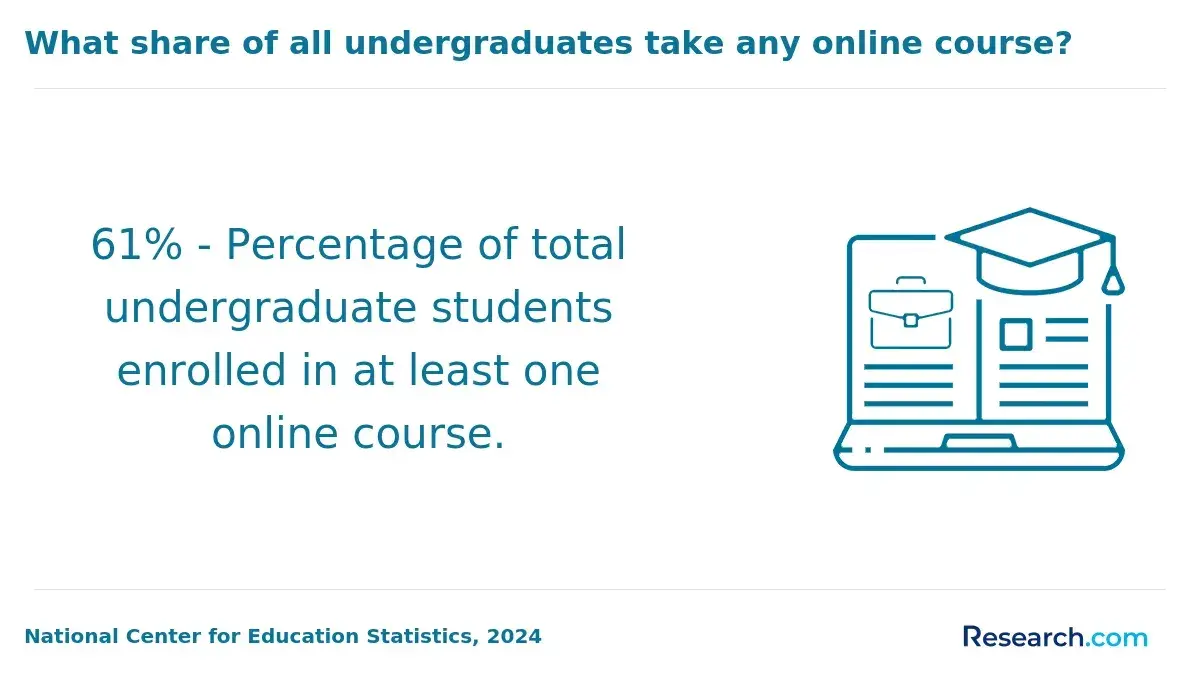
The popularity of online Native American leadership degree programs continues to rise, with recent data showing that over 40% of college students now enroll in at least one online course. This trend reflects the growing demand for flexible education options that accommodate diverse lifestyles and commitments.
Comparing online and on-campus Native American leadership programs requires an understanding of their respective advantages and challenges in flexibility, cost, learning experience, and career outcomes. This article offers a thorough analysis to assist prospective students in making informed decisions tailored to their educational and professional goals.
Key Benefits of Online vs On-Campus Native American Leadership Degrees
- Online Native American leadership degree programs offer flexibility, allowing students to balance work and family commitments while learning at their own pace, which 64% of online students find essential for their success.
- These programs often have lower tuition and no relocation costs, making them accessible to a broader range of students interested in Native American leadership topics.
- On-campus programs typically provide richer networking opportunities and direct cultural immersion experiences that can enhance understanding through hands-on learning and community engagement.
Are Online vs. On-Campus Native American Leadership Programs Structured the Same Way?
Online and on-campus Native American Leadership degree programs differ significantly in how they structure the student experience, especially regarding course delivery, scheduling flexibility, and modes of engagement. These differences influence how students manage their studies and build connections during their education.
To clarify these distinctions, here is a comparison of key structural elements shaping online versus on-campus Native American Leadership programs:
- Course delivery: Online programs typically deliver content through digital platforms that allow students to access lectures and materials asynchronously at their own pace, providing flexibility in when and how they learn. On-campus programs require physical attendance in scheduled classes, fostering direct, face-to-face interaction with instructors and peers.
- Class schedules: Online degree formats emphasize flexibility, enabling students to balance studies with work or family obligations by studying during evenings or weekends. In contrast, on-campus programs follow fixed schedules during business hours, requiring students to be present on campus for lectures and related activities.
- Interaction and collaboration: Online students rely on virtual tools like discussion boards, video conferencing, and breakout rooms to communicate and collaborate, which bridges geographic distances but may feel less personal. On-campus students benefit from immediate, in-person feedback and spontaneous conversations, which often lead to stronger networking and community engagement.
- Student engagement: Online learners must be proactive in seeking support and building community, with engagement often self-directed and sometimes limited by internet access challenges common in many Native communities. On-campus programs offer structured opportunities for cultural events, student groups, and face-to-face mentoring, helping students connect deeply with peers and Native leaders.
Are Admission Requirements the Same for Online vs On-Campus Native American Leadership Degree Programs?
Colleges and universities maintain consistent academic standards for both online and on-campus Native American leadership programs to ensure comparable graduate quality. However, they may differ in how they assess applicants' readiness for the unique demands of online learning.
Below is a comparison of key similarities and differences in admission requirements between these two program types.
- Academic Qualifications: Both online and on-campus programs typically require a regionally accredited bachelor's degree and a minimum GPA, generally ranging from 2.5 to 3.0. Some online degrees offer flexibility, allowing applicants with lower GPAs to compensate with relevant professional experience or a strong portfolio.
- Work Experience: While often optional, professional experience holds greater weight in online admissions. Certain online Native American Leadership degrees admit candidates with lower GPAs if they have two to three years of relevant work experience, reflecting the adult learner population prevalent in online education.
- Application Materials: Both formats require transcripts, resumes, and letters of recommendation. Online programs may additionally ask for a personal statement or portfolio emphasizing career goals and readiness for independent study, which is less commonly prioritized in on-campus program applications.
- Technological Readiness: Online applicants must demonstrate basic technology skills and reliable access to internet and devices, a requirement typically not assessed in on-campus admissions. This ensures students can manage the demands of remote learning.
- Schedule Flexibility and Cost: Online programs often feature accelerated 7-8 week courses, flexible start dates, and generally lower tuition rates (e.g., $331-$446 per credit hour), making them attractive to working professionals and those balancing family responsibilities. These factors do not impact fundamental admission criteria but contribute to the accessibility of online learning.
- Academic Support and Employer Perception: Both online and on-campus students have access to academic advising and career services, though online learners rely more on virtual resources. Employer perception of online degrees in leadership fields is improving, especially when programs are accredited and delivered by reputable institutions.
If you seek an accelerated credential with strong return on investment, consider exploring 6 month programs that pay well which may complement your Native American leadership studies or professional goals.
Do Online Native American Leadership Students Receive the Same Academic Support as On-Campus Students?
Universities have significantly expanded their academic support systems to ensure that online Native American leadership students receive comparable resources and assistance as their on-campus peers. These efforts aim to address historic disparities and promote student success regardless of the learning format.
To provide a clearer understanding, below is a comparison of the main academic support services typically available to both online and on-campus Native American leadership students.
- Tutoring Services: Both online and on-campus students have access to tutoring, with online learners often using virtual platforms and on-campus students benefiting from in-person centers. Many institutions offer 24/7 online tutoring to ensure equal availability, helping students improve their academic skills and subject knowledge.
- Career Counseling: Career services such as resume workshops, mock interviews, and internship placement are accessible remotely through video conferencing and email for online students, while on-campus students can visit career centers directly. These services are vital for leadership students preparing for roles in tribal governance and related fields, with online formats providing flexibility for working professionals.
- Library Access: Digital library collections, research databases, and librarian assistance are offered online, allowing remote students to conduct research just as easily as those on campus. Some universities provide book delivery or curbside pickup, enhancing accessibility for online learners.
- Faculty Interaction: Online students engage with faculty via video calls, discussion boards, and email, whereas on-campus students have more face-to-face meetings. Strong mentorship, especially from Indigenous faculty, has been shown to boost retention and success, and efforts are made to replicate these supports virtually.
- Peer Mentoring and Community Building: Both online and on-campus students benefit from peer mentoring networks, with virtual discussion groups and webinars for online learners and cultural centers and in-person events for those on campus, fostering a sense of belonging and cultural connection.
- Financial Aid and Scholarship Support: Assistance through financial literacy workshops, scholarship applications, and emergency funding is provided in both formats. Online students access these resources via webinars and digital platforms, ensuring comparable financial support.
The length of time required to complete a Native American leadership degree can vary widely depending on the delivery format, student pace, and scheduling flexibility. Whether pursuing the degree online or on-campus, these factors play a crucial role in determining how quickly students can graduate.
Here is a breakdown of typical completion times, highlighting the different experiences shaped by each learning environment:
- Online Native American Leadership Degree Most online programs offer flexible pacing, enabling students to complete coursework according to their personal schedule. Accelerated options with shorter course durations, such as 7-8 week classes, can allow highly motivated students to finish a master's degree in as little as 12 months. Online bachelor's degrees generally take 2 to 4 years depending on part-time or full-time enrollment, and are well suited to working professionals balancing family or career demands.
- On-Campus Native American Leadership Degree On-campus programs typically follow a traditional semester schedule that is less flexible, usually requiring about four years for a bachelor's degree and two years for a master's degree when enrolled full-time. These programs emphasize face-to-face interaction and often have residency requirements, which may limit acceleration options and extend the timeline if transfer credits are involved. The structured nature may be preferred for students seeking a conventional academic calendar and in-person networking.
When asking a professional who completed an online Native American leadership degree about the duration of their studies, he reflected on the unique challenges and rewards of the flexible format. "Balancing work, family, and classes was tough, but the ability to choose accelerated sessions when I had the time made a huge difference," he shared.
He completed his master's degree in 14 months, a timeline he describes as "intense but manageable" thanks to the short-term course structure and multiple start dates. Unlike traditional programs, he valued being able to adjust his workload to fit life's unpredictability without sacrificing quality or engagement.
This experience highlights how online programs can provide a personalized path that respects individual circumstances while still progressing towards degree completion efficiently.
Online Native American leadership programs generally cost less than on-campus options due to differences in tuition, fees, and living expenses. These savings make online formats an attractive choice, but it's important to consider various factors that affect the total cost.
Below is a breakdown of the main cost factors influencing the total price of each learning format to better understand the cost comparison online vs on-campus Native American leadership degree.
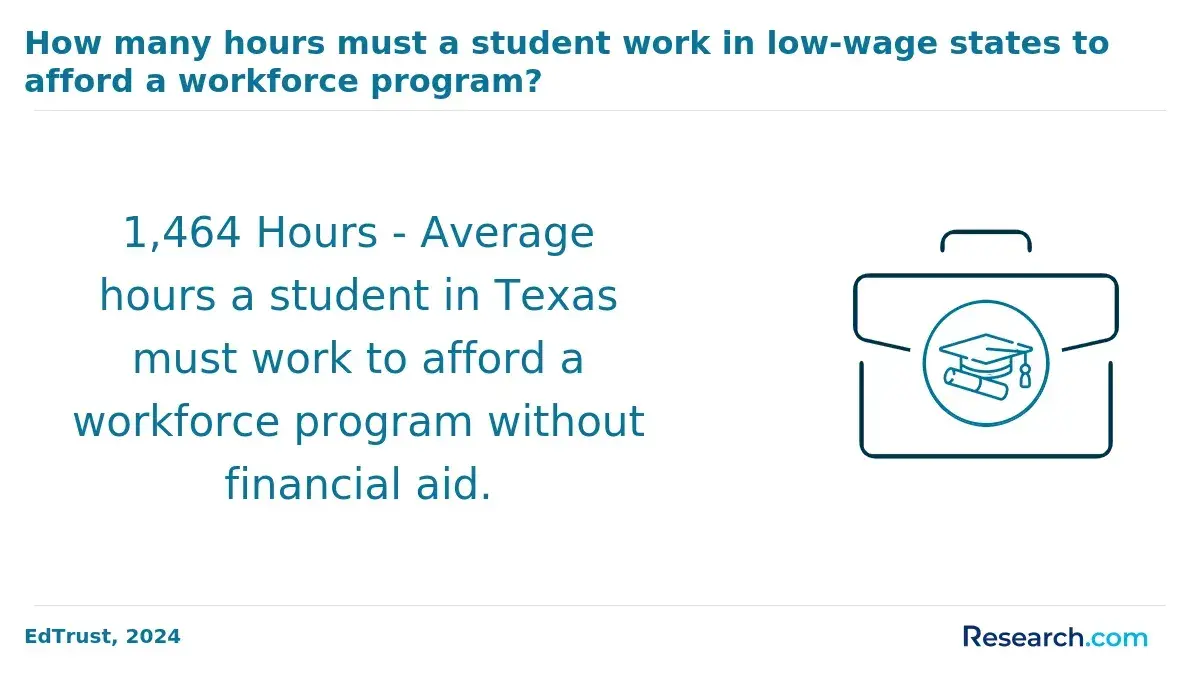
- Tuition and Fees: Online programs tend to have lower tuition rates; for instance, the average undergraduate online student pays about $12,216 per year compared to $18,981 for on-campus students, offering significant Native American leadership program tuition savings online. Some universities charge around $347 per credit hour online, which is often less expensive than on-campus rates, though prices can vary by institution and residency.
- Living Expenses: Online students avoid costs related to campus housing and meal plans, which typically add at least $744 annually to on-campus tuition. Being able to stay at home or live off-campus can greatly reduce overall expenses.
- Technology Costs: While online learners must invest in reliable technology such as a computer and internet access, these upfront expenses are generally offset by savings from not commuting or paying campus facility fees.
- Transportation: Avoiding daily commuting, parking fees, and other travel-related costs is a major source of savings for online students over the span of their degree.
- Financial Aid Availability: Both formats offer financial aid, but traditional on-campus programs may have more institutional scholarships. Nonetheless, accredited online programs qualify for federal aid, and some tribal colleges provide additional support for Native students, sometimes making it easier to finance an online degree.
For those exploring options, understanding these factors can help estimate true costs. If you're considering the easiest associate degree to obtain, evaluating program expenses carefully is recommended.
Both online and on-campus students in Native American leadership programs may qualify for a variety of financial aid options, though eligibility and accessibility can differ depending on the program format and the policies of the institution. Understanding these distinctions is important for prospective students seeking funding.
Below is a comparison of the main financial aid options available for both online and on-campus Native American leadership students, outlining how each applies across program formats:
- Federal Aid: Federal aid programs like Pell Grants, Direct Loans, and Federal Work-Study are generally accessible to both online and on-campus students as long as the institution is accredited and the student maintains at least half-time enrollment. Eligibility is determined via the FAFSA, and online students typically have access to the same federal resources as on-campus peers if their program meets federal criteria.
- State Aid: State grants and scholarships often depend on residency and specific program accreditation. Some state aid programs may exclude online students, particularly if the program is offered through an out-of-state or non-state-supported institution. For instance, some states limit benefits to face-to-face programs or state-approved degrees in Native American leadership, which can restrict funding options for online learners.
- Scholarships and Grants: Numerous scholarships aimed at Native American leadership students are available to both online and on-campus participants, provided eligibility requirements such as tribal affiliation and academic standing are met. While some scholarships may prefer students enrolled in face-to-face programs or specific institutions, many national and tribal scholarships now recognize accredited online degrees. This broad accessibility supports a growing number of students pursuing flexible learning paths.
- Employer Tuition Reimbursement: Employer-sponsored tuition reimbursement programs commonly support employees regardless of whether they attend an online or on-campus program. However, some employers might prefer regionally accredited or traditional on-campus programs, especially for leadership roles, making it important for students to verify employer policies regarding program format.
- Private Student Loans: Private loans are an option for both online and on-campus Native American leadership students, but lenders may impose stricter eligibility criteria for online-only institutions or non-traditional formats. Students should confirm their program's eligibility with lenders, as some limit funding to specific types of accredited schools.
With many students relying on financial aid, those considering Native American leadership degrees should carefully review their institution's offerings and policies. In the quest to align career goals with education, reviewers often consult lists of bachelor's degrees with highest earning potential to ensure their investment leads to meaningful outcomes.
Accreditation, faculty expertise, and curriculum standards are fundamental to establishing the credibility of both online and on-campus Native American leadership programs.
Tribal colleges and universities (TCUs) must maintain institutional accreditation through recognized bodies like the Higher Learning Commission, ensuring federal funding eligibility and acknowledgment by organizations such as the American Indian Higher Education Consortium.
Faculty commonly include tribal elders and respected community leaders who embed cultural knowledge and indigenous perspectives into their teaching, regardless of the delivery method.
Many programs, including fully online degrees offered by institutions like Southeastern Oklahoma State University, follow the same rigorous academic standards as their on-campus equivalents, with curricula designed to connect indigenous theory to practical applications.
This parity in academic quality reinforces that both formats uphold strong educational foundations rooted in culture and scholarship.
Perceptions of online Native American leadership degrees among employers, academic institutions, and licensing bodies have notably progressed in recent years. While traditional on-campus degrees were historically preferred, current trends show increased acceptance of online credentials, particularly when they are fully accredited and developed in collaboration with tribal leaders.
Online programs often provide distinct advantages in affordability and flexibility, benefiting students from rural or remote communities. For example, Northern Arizona University's online master's programs supporting native students demonstrate how academic support services and culturally relevant resources help close career and salary outcome gaps between online and campus graduates.
Furthermore, advancements in virtual learning technology and strengthened industry partnerships enhance the practical and community engagement elements of online education, contributing to a shift in credibility perceptions that increasingly favor online native American leadership programs.
Employers in the United States increasingly regard online and on-campus Native American leadership degrees as comparably valuable, with about 54% of hiring managers considering graduates from both formats equally qualified. While some employers still prefer traditional face-to-face degrees, believing they better develop leadership and communication skills, this gap continues to narrow.
Critical factors driving employer decisions include the reputation of the university, the accreditation status of the program, and the actual skills demonstrated by candidates.
Surveys reveal that a significant majority of recruiters-76%-view online degrees positively, and 92% are open to hiring candidates with such credentials. The prevalence of online-hired graduates, now comprising over 70% of new hires in some organizations, underscores this shift.
Changing workplace dynamics, especially the rise of remote and hybrid work models, have also helped normalize online education in the eyes of employers. Digital collaboration, time management, and self-directed learning skills gained through online study are increasingly prized in candidates navigating today's work environment.
Although on-campus programs offer advantages like in-person networking and experiential learning, online degrees provide flexibility and often reduce costs, making them attractive to working adults and those with family commitments.
Ultimately, employers emphasize accreditation, institutional reputation, and proven competencies, blurring traditional distinctions between online and on-campus Native American leadership credentials.
When speaking with a professional who completed her Native American leadership degree online, she reflected on how the flexibility of the program allowed her to maintain full-time employment while advancing her education.
She noted that initial concerns about the online degree's perception were quickly dispelled during job interviews, where she found employers more interested in her practical leadership experiences and the skills she gained. "The program challenged me to lead virtual teams and manage projects remotely, which directly translated to the evolving needs of employers," she shared.
Her positive hiring experience illustrates how, today, demonstrated abilities and adaptability often outweigh traditional biases against online education in leadership fields.
Salary comparisons between online and on-campus Native American Leadership program graduates are increasingly shaped by factors such as employer perceptions, individual experience, and regional opportunities rather than the learning format alone.
Recent trends indicate that the average salary for online Native American Leadership degree graduates is similar to that of their on-campus counterparts when other variables are considered.
Here are the main considerations affecting on-campus Native American Leadership degree salary comparison and outcomes for graduates from both modalities.
- Employer Perception and Accreditation: Employers tend to value the reputation of the institution and program accreditation more than whether the degree was earned online or on-campus. Tribal colleges with recognized accreditation help ensure that salary offers do not significantly differ based on learning format.
- Program Cost and Financial Access: Online programs often offer lower tuition and flexible scheduling that increase access for Native students. Although more accessible, these factors do not translate into a salary gap, as employers prioritize qualifications and skills over program delivery style.
- Schedule Flexibility and Professional Experience: Online learners can balance work or internships alongside study, potentially boosting experience and salary potential. Conversely, on-campus students might engage more readily in campus-led leadership activities, yet both groups report comparable starting salaries.
- Academic and Cultural Support: On-campus programs tend to provide more direct access to mentorship and cultural engagement, which can enhance graduation success and career networking. Graduates benefiting from such support, whether online or on-campus, may gain longer-term salary advantages.
- Career Path and Employment Sector: Salary levels hinge more on the specific careers chosen-tribal government, education, non-profit, private sector-than the mode of education. Leadership roles within tribal organizations typically offer competitive pay regardless of whether graduates studied online or in-person.
For those interested in pursuing a Native American Leadership degree with attention to financial outcomes, exploring fast track careers that pay well could provide additional insights on maximizing earning potential.
Choosing between online and on-campus Native American leadership programs depends on your personal learning preferences, daily lifestyle, and long-term professional goals. These factors help determine which format aligns best with your academic needs and career aspirations.
To assist in making an informed choice, consider the following key factors that influence whether an online or on-campus pathway is the right fit for you.
- Learning Style: On-campus programs often provide interactive discussions and culturally immersive experiences that foster strong community connections and mentorship. If you prefer self-paced study or must juggle family and work, online programs can offer greater flexibility and independence in learning.
- Flexibility Needs: Online Native American leadership degrees commonly feature accelerated and asynchronous coursework, ideal for balancing education with jobs, family, or tribal commitments. Conversely, on-campus programs require regular physical attendance, which may be difficult for those with unpredictable schedules or who live far from campus.
- Budget Considerations: Online programs can be more affordable per credit hour and reduce additional costs such as commuting, housing, and campus fees. However, some on-campus tribal colleges remain among the most affordable higher education options in the U.S., especially for students residing near reservations, making it important to compare costs carefully.
- Networking Opportunities: On-campus programs often offer richer face-to-face networking with Native student organizations and access to internships within tribal communities. While online programs provide virtual networking and remote internships, these experiences may feel less immersive but are improving in quality.
- Access to Campus Resources: Studying on campus grants direct access to facilities, wellness services, tutoring, and cultural events that support academic success and personal growth. Online students may access virtual resources but might miss out on the full range of campus life benefits.
If you are seeking the best online Native American leadership degree programs in the US, it is wise to evaluate these factors alongside program reputation and cultural relevance.
For those wanting to compare on-campus vs online Native American leadership programs, understanding your priorities in these areas will help ensure a program that supports your success.
To explore affordable online options, consider checking out the most affordable bachelor's degree online available to Native students and others.
Here's What Graduates of Online vs On-Campus Native American Leadership Programs Have to Say About Their Degree
- Naomi: "Completing my Native American leadership degree online was a game-changer for me. The flexibility allowed me to balance work and family commitments while gaining essential skills in tribal governance and policy development. Starting my career as a community liaison, the degree gave me the confidence and knowledge to effectively support my tribe's initiatives in education and health services. I especially valued the diverse virtual cohort, which connected me with Indigenous leaders nationwide and broadened my perspective on leadership challenges. This program empowered me to create meaningful change without sacrificing my personal responsibilities. "
- Amber: "Attending the Native American leadership degree program on campus was an incredibly immersive experience that shaped not only my professional skills but also my personal identity. Being surrounded by fellow students and faculty who shared similar cultural experiences provided a strong support network and a deep sense of community. The hands-on learning, including tribal ceremonies and governance simulations, prepared me to step into leadership roles within my tribe with authenticity and respect. Landing a position in tribal administration right after graduation felt natural, as I had cultivated both academic knowledge and meaningful relationships. This program truly grounded me in the values and responsibilities of Native leadership. "
- Claudia: "The hybrid Native American leadership program struck the perfect balance for my busy lifestyle and professional growth. Combining in-person classes with online coursework allowed me to engage directly with faculty and peers while continuing my full-time job. This format helped me immediately apply new strategies in tribal economic development, accelerating my advancement in the field. The opportunity to collaborate on real-world projects during campus sessions boosted my confidence and leadership skills. Earning this degree has been instrumental in opening doors to higher-level roles where I can influence policies that uplift Indigenous communities. "
Other Things You Should Know About Online & On-Campus Native American Leadership Degree Programs
Online programs usually require a laptop or desktop computer, reliable broadband internet, a webcam, and a microphone for live classes or advising. Many schools also require access to a learning platform such as Canvas or Blackboard and may mandate proctored exams through approved testing software or a testing center.
On-campus programs often provide deeper cultural immersion through participation in campus ceremonies, tribal events, and direct engagement with native communities. Online students might have limited access to these experiences, relying on virtual resources. However, some online programs incorporate live discussions and local community involvement to enhance cultural learning.
In 2027, both online and on-campus Native American leadership programs effectively prepare students for leadership roles, each with unique strengths. Online programs offer flexibility and integration of technology, while on-campus programs provide immersive cultural experiences and face-to-face collaboration, enhancing leadership skills in different contexts.
- Online Native American Leadership Programs – SE https://online.se.edu/programs/business/native-american-leadership/
- The Native American Leadership Model https://tribalcollegejournal.org/the-native-american-leadership-model/
- Building a sense of community among online Native American students https://ecampus.oregonstate.edu/news/community-for-native-american-students/
- Your Guide to Attending College In-Person vs. Online | Admissions https://www.arizona.edu/admissions/student-stories/your-guide-attending-college-person-vs-online
- 6 Ways Colleges Can Support Native American Students | SJC https://www.sanjuancollege.edu/blog/college-programs-to-support-native-students/
- The Problem With Exclusively Online Degree Programs https://tcf.org/content/commentary/the-problem-with-exclusively-online-degree-programs/
- Tribal colleges and universities aren’t well known, but are a crucial stepping stone for Native students | National Catholic Reporter https://www.ncronline.org/news/tribal-colleges-and-universities-aren-t-well-known-are-crucial-stepping-stone-native-students
- Research Portal https://rex.libraries.wsu.edu/esploro/outputs/doctoral/Native-American-Student-Perceptions-of-Online/99900581523701842
- Master of Science in Native American Leadership (MSNAL) - Master of Science in Native American Leadership (MSNAL) https://www.se.edu/msnal/