2027 Return on Investment (ROI) of a Native American Leadership Degree Program

Co-Founder and Chief Data Scientist
Many Native American communities face a shortage of leaders equipped to navigate complex cultural, political, and economic challenges. Graduates of a native American leadership degree program often enter roles that influence community development and policy. However, according to the U. S. Bureau of Labor Statistics, employment in tribal government positions is projected to grow 5% over the next decade, reflecting rising demand.
This article examines the return on investment of obtaining a Native American leadership degree by analyzing costs, career prospects, and long-term benefits to help prospective students make informed decisions about their education and professional futures.
Key Things to Know About Native American Leadership Degree ROI
- Graduates with a Native American leadership degree often see a 15% higher earning potential compared to peers without specialized training in tribal governance and policy.
- Career advancement is accelerated by cultural competence, with over 60% moving into senior roles within tribal or nonprofit organizations within five years.
- Job stability improves due to strong demand in diverse sectors such as education, government, and community development, fostering consistent long-term salary growth.
How Is ROI Calculated for a Native American Leadership Degree Program?
Return on investment (ROI) in higher education measures the financial benefits a student gains relative to the costs and time invested in earning a degree. For a Native American leadership degree program, ROI helps students compare the value of their educational experience against the resources spent, including both money and time.
Several key factors come into play when calculating ROI for a Native American leadership program:
- Tuition and fees: This covers all direct costs such as enrollment, course materials, and any additional institutional charges. Knowing these expenses establishes the baseline investment required.
- Opportunity cost: Time dedicated to studying often means lost wages from full-time work. Factoring in these foregone earnings is essential for an accurate ROI calculation.
- Time to completion: The length of the program influences total costs and how soon graduates can enter the workforce. Programs with shorter durations may enhance ROI by reducing costs and allowing earlier employment.
- Post-graduation salary outcomes: Expected earnings after completing the degree are vital for ROI evaluation. Higher salaries in leadership roles within Native American communities or related organizations offer stronger returns.
- Career advancement and long-term earning potential: Beyond initial salary, the degree's effect on promotion opportunities and income growth over time also shapes the overall ROI.
These ROI factors for Native American leadership programs help prospective students weigh the benefits against costs when considering further education. For example, those exploring specialized paths might compare their options with other fields, such as an slp online masters program, to better understand financial and career returns.
How Much Does a Native American Leadership Degree Program Cost?
Accurately assessing the total cost of a Native American leadership degree is crucial for understanding its financial value, particularly as graduate tuition rates have risen approximately 3% annually in recent years and student debt has surpassed $1.7 trillion nationwide. Evaluating all expenses helps determine how effectively graduates can offset these costs through increased earnings or career growth.
Key factors influencing the return on investment include:
- Tuition and fees: These represent the main direct expenses, varying by program length and institution type, and usually make up the largest portion of overall costs.
- Books and materials: Specialized courses can require costly textbooks and other resources, adding several hundred dollars to yearly expenses.
- Living or relocation expenses: Attending campus-based programs often means additional spending on housing, transportation, and daily necessities, significantly impacting the total cost.
- Opportunity cost: Time devoted to studying limits income potential, as students forgo full-time employment earnings during their education period.
- Hidden or indirect costs: Application fees, technology requirements, and occasional travel for internships or networking opportunities can introduce unforeseen financial burdens.
When I spoke with a Native American leadership degree graduate about costs, he mentioned that budgeting was more complex than anticipated. "The tuition was one thing," he explained, "but moving closer to campus and setting up new living arrangements unexpectedly increased my expenses." He also reflected on the challenge of balancing work and study, noting, "Sometimes I had to decline paid opportunities, which affected my income more than I initially expected." This experience highlights how total costs extend beyond sticker price and require careful financial planning to maximize the program's ROI.
What Financial Aid Is Available for Native American Leadership Degree Programs?
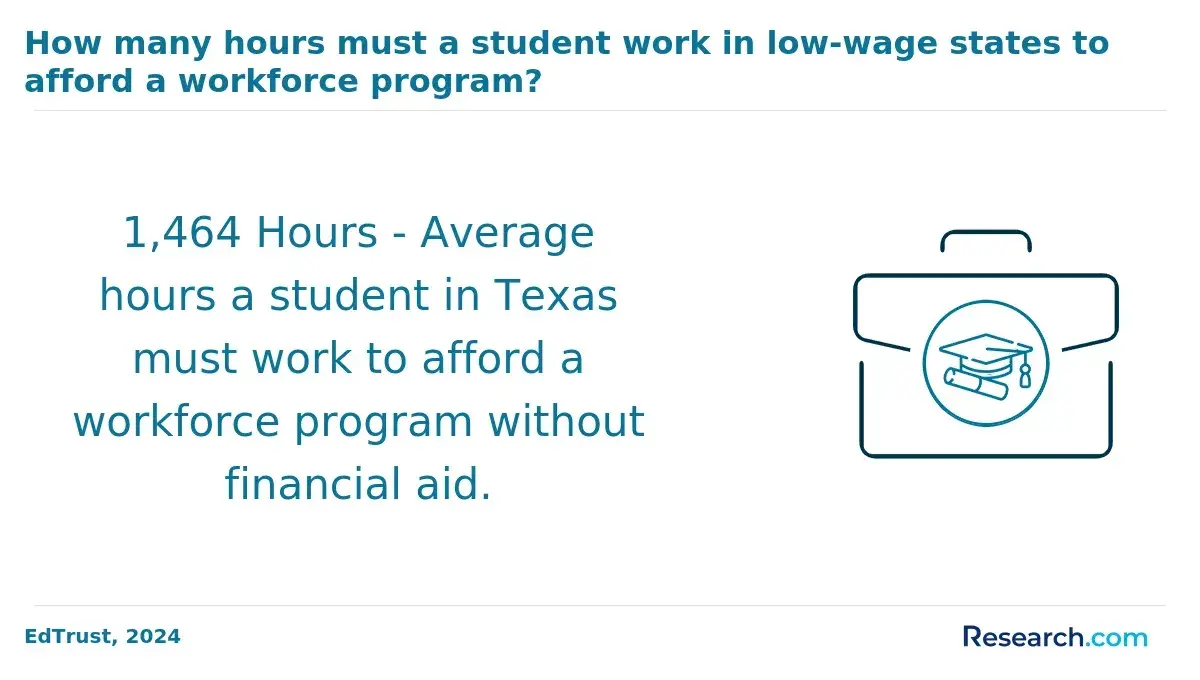
Financial aid can significantly reduce the initial expenses of pursuing a Native American leadership degree, thereby enhancing long-term return on investment by minimizing debt and allowing greater focus on career growth. Currently, about 84% of graduate students rely on some form of financial support to fund their education. Below are common financial aid options available for students in these programs:
- Scholarships: These awards are often based on merit or financial need and do not require repayment, helping to lower overall educational costs and reduce debt, which strengthens ROI.
- Grants: Typically need-based or targeted to specific populations, grants provide funds that students are not obligated to pay back, which helps avoid borrowing and preserves future financial stability.
- Fellowships: Offering stipends or tuition waivers, fellowships support students through financial assistance tied to research or leadership roles, combining monetary aid with valuable professional experience.
- Employer tuition assistance: For working students, employer-sponsored funding lowers out-of-pocket payments and accelerates the time needed to recoup education expenses, improving both cash flow and ROI.
- Federal loans: These loans carry generally lower interest rates and flexible repayment options compared to private loans, allowing responsible debt management while financing education.
The length of time it takes to finish a Native American leadership degree significantly influences its return on investment by affecting opportunity costs, the timing of potential earnings, and total expenses. Completing the degree more quickly helps minimize lost income and tuition fees, ultimately enhancing financial benefits. Several factors shape how long this process takes and thus the overall value of the degree.
Key considerations impacting duration and ROI include:
- Enrollment status: Students attending full-time typically complete their degree in about two years, which reduces time away from the workforce and associated costs. Part-time students may need longer, potentially decreasing short-term earnings and increasing expenses.
- Program format: Accelerated or online programs offer greater flexibility and often allow learners to finish sooner, lowering both opportunity costs and tuition outlays compared to traditional paced degrees.
- Transfer credits: Acceptance of previously earned coursework can shorten the path to graduation, easing financial and time burdens by reducing required classes.
- Experiential requirements: Internships or theses might prolong study timelines but can improve job readiness and career prospects, sometimes offsetting extended time through better long-term earnings.
- Scheduling flexibility: Programs designed to balance work and study help maintain income during school but might extend degree completion periods, influencing overall costs and potential earnings.
When I spoke with a graduate of a native american leadership degree, she shared how juggling a full-time job and family meant enrolling part-time, stretching her studies over nearly four years. She described the process as "challenging but deeply rewarding," noting that taking courses in the evenings helped her maintain steady income while gradually advancing her education. Although it took longer than some peers, she valued the real-world experience gained alongside her studies and felt that "the degree's impact on my career proved worth the extended timeframe." Her story highlights how individual circumstances shape completion time and reinforce that ROI depends on balancing time, money, and personal priorities.
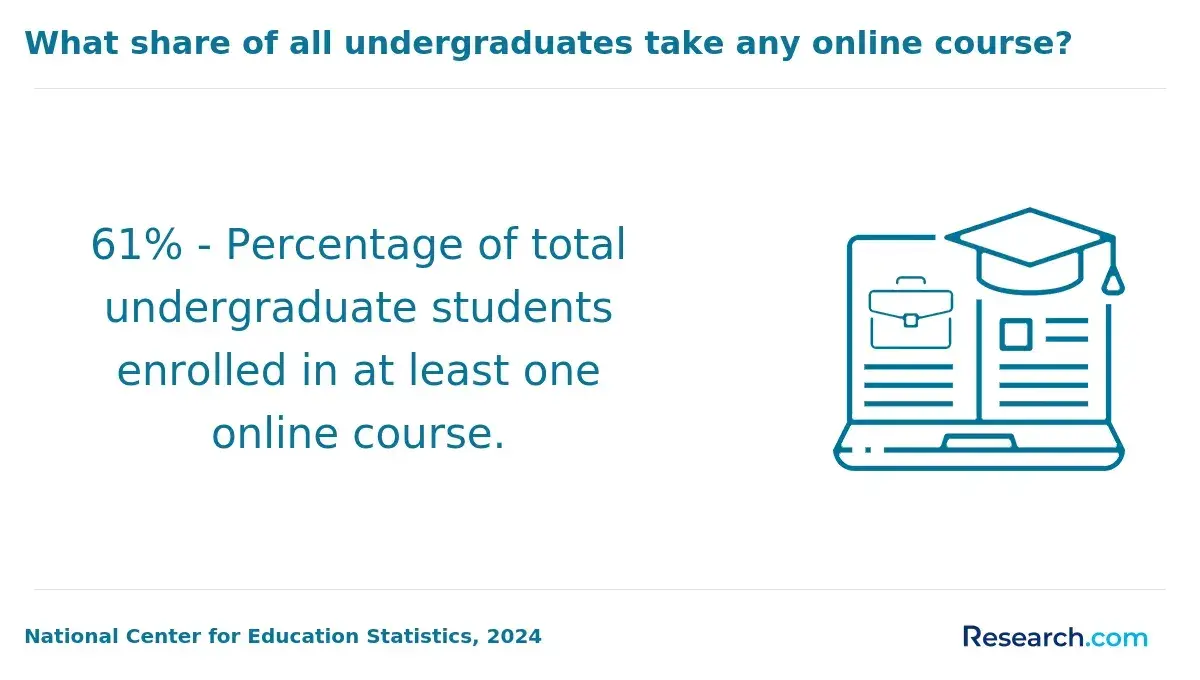
Delivery format significantly influences the return on investment (ROI) for Native American leadership degree programs by affecting cost, flexibility, and career outcomes. Online enrollment in higher education has surged by over 30% in recent years, mirroring growing demand for flexible learning options that often impact tuition pricing and graduate success. This trend makes comparing cost benefits of Native American leadership programs online and campus critical for decision-making.
Key factors to consider include:
- Tuition and fees: Online programs tend to have lower tuition costs, typically reducing expenses by 10% to 20%, mainly because they avoid campus facility fees.
- Opportunity cost: Students pursuing degrees online can often maintain employment while studying, minimizing lost income compared to those attending full-time on campus.
- Time to completion: Many online courses offer accelerated or self-paced options, allowing some students to finish their programs faster than traditional on-campus formats.
- Networking and career services: On-campus programs generally provide more direct face-to-face networking opportunities, which may enhance job placement and career advancement prospects.
- Employer perception and earnings: While acceptance of online credentials is improving steadily, some employers continue to favor traditional on-campus degrees, which can influence long-term earning potential.
For those considering an online path, exploring an online counseling degree might offer insight into the evolving landscape and cost structures of flexible graduate programs.
Post-graduation salary is a crucial factor in assessing the return on investment (ROI) for Native American leadership degree holders since it directly impacts the financial benefits relative to education costs. Graduates typically see average salaries ranging from $45,000 to $75,000 annually, depending on experience and job roles. These post-graduation earnings for Native American leadership graduates help indicate how quickly they can recover educational expenses and achieve economic stability.
Several factors influence salary outcomes and overall ROI for those with a Native American leadership degree:
- Industry: Graduates employed in tribal governance, nonprofit organizations, education, or government sectors experience wide salary variations, with some fields offering notably higher compensation.
- Geographic location: Positions in urban areas or regions with larger Native American populations often provide more job opportunities and competitive pay.
- Prior experience: Relevant work experience before or during studies enhances the likelihood of securing better-paying roles after graduation.
- Specialization: Expertise in niches like policy development, cultural preservation, or community health tends to increase earning potential.
- Career level: Advancing into managerial or executive roles generally results in higher salaries and improved ROI.
Prospective students seeking flexible education options that can supplement or lead toward native american leadership careers might explore an affordable library degree, which can offer complementary skills useful in cultural preservation and information management fields.
Promotions significantly enhance return on investment (ROI) in education by offering salary increases, expanded responsibilities, and greater career mobility. These factors contribute to improved long-term earnings and professional growth. A growing workforce trend toward credential-based promotions highlights the increasing importance of formal education alongside experience for leadership roles.
Below are key ways earning a Native American leadership degree can influence promotion opportunities and impact ROI:
- Credential Requirements: Many managerial and executive positions in tribal organizations and related sectors require formal educational credentials. Holding a Native American leadership degree helps meet these requirements, positioning graduates for advancement.
- Leadership Preparation: The degree provides targeted training in decision-making and team management, equipping graduates with essential leadership skills needed for complex roles.
- Employer Tuition Support: Increased eligibility for tuition reimbursement or employer-sponsored education programs can reduce personal educational expenses, strengthening financial returns on the degree.
- Promotion Policies: Internal advancement policies often favor candidates with advanced degrees, making the degree a strategic asset in promotion considerations.
- Experience Synergy: Combining practical work experience with an advanced degree enhances overall qualifications, making candidates more competitive for leadership roles.
Educational credentials also serve as tangible evidence of leadership potential during promotion decisions. Leadership programs tailored to Native American contexts further develop culturally relevant skills, increasingly valued in workplace environments. Employer tuition assistance amplifies the financial benefits of pursuing this degree, demonstrating why many professionals consider the native American leadership degree as a vital step in career advancement.
For those exploring cost-effective pathways to leadership qualifications, reviewing the cheapest online edd programs can be a valuable resource. Ultimately, the native American leadership degree can be a meaningful investment for individuals focused on career growth and enhanced promotion prospects related to native American leadership degree career advancement.
Return on investment (ROI) for graduates of a Native American leadership degree program varies significantly by industry due to differences in salary levels, career progression, and demand for specialized skills. Industries that prioritize cultural knowledge, community engagement, and policy expertise tend to offer stronger financial and professional returns for these graduates.
Several industries consistently provide some of the highest ROI careers for native american leaders, including the following:
- Government and Public Administration: These roles typically provide stable employment with competitive salaries and clear pathways for promotion. Graduates with skills in tribal governance and public policy find strong demand and advancement opportunities.
- Nonprofit and Advocacy Organizations: While compensation may be moderate, these positions offer meaningful work in cultural advocacy and program management, contributing to long-term career fulfillment and growth.
- Education and Training: Opportunities in indigenous education leadership and curriculum development remain steady with growing demand, allowing graduates to impact systemic change and career advancement.
- Healthcare Administration: Managing tribal health programs combines leadership with increasing sector demand, often accompanied by competitive remuneration and promotion potential.
- Business and Entrepreneurship: Leadership roles in tribal economic enterprises can yield substantial financial rewards and autonomy, though results vary by market conditions.
These top industries for Native American leadership graduates benefit from sustained demand for culturally informed leadership, enabling the application of specialized skills with promising career advancement and financial stability. For those exploring educational routes, considering an easiest online degree as a starting point may help balance educational investment and future ROI.
Accreditation for Native American leadership degree programs signifies official approval that a curriculum meets established quality standards from authoritative bodies. This validation ensures the coursework remains rigorous, up-to-date, and relevant to professional demands. A growing trend among employers is the preference for candidates with degrees from accredited programs, as these credentials are considered more trustworthy and indicative of adequate preparation. Additionally, accreditation often affects licensure eligibility, which is increasingly important for leadership positions within tribal and governmental sectors.
Accreditation enhances long-term return on investment by increasing employer confidence in the degree's value, improving graduates' job prospects and earning potential. It also enables access to federal financial aid, reducing overall student debt and making programs more affordable. The ability to transfer credits between institutions without loss further supports flexible educational pathways, while accredited degrees typically satisfy licensure requirements critical for certain administrative roles. Collectively, these factors contribute to broader career mobility and stronger economic outcomes for graduates.
The return on investment for a Native American leadership degree depends largely on the cost of tuition and fees combined with the typical two to four years required to complete the program. Graduates can expect salaries generally ranging from $45,000 to $65,000 annually, reflecting mid-level positions in tribal governance, education, or nonprofit sectors. Career growth potential exists, especially in leadership roles within indigenous communities and public organizations, but it varies based on individual ambitions and job market conditions. The financial and time commitments should be weighed against these expected income ranges and opportunities for advancement.
Whether pursuing this degree is worthwhile often hinges on several factors. Industry demand for professionals skilled in Native American affairs plays a crucial role, as does the availability of flexible learning options such as online or part-time formats that can reduce opportunity costs. Scholarships and financial aid also significantly lower the barrier of upfront expenses. Ultimately, alignment with one's personal dedication to community-centered roles versus higher-paying positions influences the overall value derived from earning a Native American leadership degree.
What Graduates Say About The ROI of Their Native American Leadership Degree
- Tobias: "Choosing to pursue a Native American leadership degree was one of the best decisions I ever made. Despite the average cost of attendance being around $30,000, the long-term ROI has been remarkable as it paved the way for leadership roles in tribal organizations. The skills and knowledge I gained have significantly elevated my career prospects and impact. "
- Alora: "The cost of a Native American leadership degree initially made me hesitant, but opting for an online program allowed me to manage both work and study without sacrificing quality. The flexibility combined with the program's focus on community and governance made it worth every penny, especially considering the doors it opened to consulting and policy-making positions."
- Blythe: "Balancing part-time study with a full-time job was challenging, yet investing in a Native American leadership degree paid dividends professionally. The program's emphasis on cultural preservation and leadership strategies justified the cost, which averaged about $25,000, by enhancing my effectiveness in nonprofit sector roles. It was a reflective journey that reshaped my career path profoundly. "
Other Things You Should Know About Native American Leadership Degrees
Graduates often pursue careers in tribal governance, nonprofit leadership, and community development. These roles typically provide moderate to high ROI due to stable employment opportunities and steady salary growth, particularly in tribal areas where these skills are in demand.
Title III and Title VII federal aid can support eligible Native-serving programs, and many students also use FAFSA-based grants, scholarships, or tribal education funds. The strongest ROI comes when tuition assistance lowers out-of-pocket cost and the program qualifies for transfer or public-service career pathways.
Participation in internships or practicums offers practical experience and networking opportunities within Native American communities and organizations. Such hands-on learning often leads to job placements and can accelerate career growth. This experiential learning component enhances graduates' resumes and skills, positively influencing the financial and professional returns of the degree.
- Embrey Project | American Indian College Fund https://collegefund.org/programs/supporting-our-relatives/embrey-project/
- Which Online Course Has the Most Value? ROI Framework, 2025 Best Picks, and NZ Options https://veclakhanpur.in/which-online-course-has-the-most-value-roi-framework-2025-best-picks-and-nz-options
- Native American Scholarships https://www.eou.edu/scholarships/native-american/
- Scholarships for Native American and Indigenous Students | College Coach Blog https://blog.getintocollege.com/blogs/2025/11/12/20/35/scholarships-for-native-american-and-indigenous-students
- Director, Tribal Leadership Programs https://nativephilanthropy.org/job-board/21607144330
- Why ROI Matters https://agb.org/trusteeship-article/why-roi-matters/
- Measuring the Impact & ROI on Leadership Development – ROI Institute https://roiinstitute.net/roi-leadership/
- 10 best career options for Native American college students https://careercenter.fresnostate.edu/blog/2024/12/02/10-best-career-options-for-native-american-college-students/
- Executive Leadership Program: Maximizing ROI https://bschool.pepperdine.edu/mba-programs/executive-mba/article/executive-leadership-program-maximizing-roi.htm
- Sponsors https://nnahra.org/sponsors/