2027 Is a BS in Business Administration Useful for Running An Auto Repair Business? Degree Fit and Opportunity Cost
Audited and Verified:
Our Editorial and Data Verification Process
Research.com uses government datasets, official education statistics and primary institutional information to support its career and degree guides. Our review process checks factual accuracy, occupational definitions, source dates and the requirements associated with the credentials discussed.
How This Article Was Fact-Checked
Our editorial team verifies salary estimates, employment projections, education requirements and program information against original data providers and official organizations. Salary figures are checked against the relevant occupational definitions and reporting periods. Information about licensure, accreditation and required in-person training is reviewed separately.
Fact-checked and verified on:

Co-Founder and Chief Data Scientist
Running an auto repair shop calls for more than fixing cars: someone must price work, manage cash, schedule technicians, buy parts, and earn customers' trust. A BS in Business Administration can strengthen those decisions, but completing one also takes money and time that could go toward technical training or the shop itself.
This guide is for current and prospective US shop owners weighing those options. It explains what the degree can - and cannot - do, how to evaluate a program, and when a shorter path may be the better investment.
Key Things You Should Know
- A BS in Business Administration can help an owner manage finances, people, and operations; it does not replace repair expertise or shop experience.
- Compare the degree's remaining tuition, fees, study time, and foregone shop income with targeted courses, automotive training, and mentorship before enrolling.
- The BLS reports a May 2025 median wage of $105,770 for general and operations managers, but that occupation-wide figure is not a predicted salary for a new graduate or shop owner.
Is a BS in Business Administration useful for running an auto repair business?
Yes, particularly if the owner needs to improve pricing, cash-flow planning, hiring, or day-to-day operations. A BS in Business Administration is a broad undergraduate business degree, not an auto repair qualification. Its value depends on whether the coursework addresses problems the owner actually faces and whether the owner can apply it while gaining industry experience.
These pathways solve different problems. The comparison helps distinguish the value of a full degree from the value of learning a specific skill.
| Pathway | Best fit for a future shop owner | Principal limitation |
| BS in Business Administration | Broad preparation in accounting, management, marketing, and operations; useful for someone who also wants career options outside the shop | Substantial time and cost; automotive knowledge must be acquired elsewhere |
| Targeted business courses or certificate | A defined gap, such as bookkeeping, payroll, or small-business finance | Less breadth and may not satisfy jobs requiring a bachelor's degree |
| Automotive training plus shop experience | Learning repair work, service workflows, parts sourcing, and customer expectations | May leave financial and management gaps unless paired with business learning |
A degree becomes more compelling when the owner wants a broad foundation or a fallback career, not simply a single fix for an existing shop. To compare degree options on the same basis, evaluate price, duration, and outcomes of business administration degrees alongside the courses that would address your shop's needs.
What skills does an auto repair shop owner need besides a business degree?
An owner must understand how work moves from an initial customer concern to an authorized estimate, diagnosis, repair, quality check, invoice, and follow-up. Even an owner who never turns a wrench needs enough technical judgment to discuss findings with technicians, assess equipment needs, and avoid promising work the shop cannot perform.
Financial judgment is equally practical: labor rates must account for paid and productive time, while parts margins, rent, insurance, equipment, and rework affect whether a busy shop is profitable. Owners also need clear customer communication, hiring and coaching skills, reliable records, and a process for handling complaints. A classroom marketing plan cannot substitute for accurate estimates and dependable service.
Parts availability can make procurement and inventory skills especially valuable. If that becomes the main career interest rather than shop ownership, supply chain undergraduate programs with shorter terms offer a more specialized comparison - but a shorter term does not necessarily mean fewer required credits or a lower total cost.
Does an auto repair business owner need automotive training or certification?
Owning a shop and personally performing repairs are different roles. A business degree does not qualify someone to diagnose vehicles, perform specialized work, or certify technicians. An owner who will do repair work should seek training and supervised practice appropriate to the services offered. An owner who will hire technicians still needs a credible way to evaluate their competence and supervise the shop's service process.
ASE certification is a voluntary industry credential for automotive service professionals, not a general license to own a repair shop. State and local rules can also affect business registration, environmental practices, inspections, and particular services. Check the requirements for the shop's location and work before opening; do not assume that a degree or an ASE credential covers them all.
Someone primarily interested in coordinating a shop expansion could consider online degree options in project management at lower cost. That is a different educational goal: project-management study does not replace automotive training or establish authority to perform regulated work.
Judge a curriculum by the decisions it prepares you to make, not just the degree title. Financial and managerial accounting can help an owner read statements and understand job-level costs; finance can support cash and equipment decisions. Operations courses can inform scheduling and parts purchasing, while management and employment-related coursework can improve supervision. Marketing is most useful when it connects customer acquisition with retention and service quality.
A useful applied assignment would be a proposed shop budget that separates labor revenue, parts revenue, operating expenses, and cash needs. Real shop records should be used only with permission and appropriate protection for customer and employee information. Check whether the program permits a shop-based capstone; current work does not automatically fulfill an academic requirement.
If planning renovations or equipment installations is the primary skill gap, a project-management course may be more direct than another full degree. Before choosing that route, compare aid and tuition at online project management schools against the cost of taking only the coursework you need.
It can be suitable for someone who must remain at the shop while studying, provided the actual schedule fits service hours and emergency demands. "Online" does not mean self-paced: courses may have fixed deadlines, live meetings, group assignments, proctored exams, or required internships. Ask about those obligations, any campus visits, and whether required courses are offered when you need them.
Part-time enrollment may preserve time for customers and staff but extend the completion date. Accelerated terms can shorten the calendar path only if the course sequence, transfer-credit evaluation, and your available study time support it. Use ranked online business bachelor's completion routes as a starting point, then request a degree audit and a realistic term-by-term plan from each school.
First, verify the institution's accreditation and its status through the accreditor and US Department of Education recognition information. Then check whether the business school or specific program has additional accreditation from AACSB, ACBSP, or IACBE, and confirm what that accreditation actually covers. Institutional and business-program accreditation are different; neither alone proves that a program fits shop ownership or produces a particular career outcome.
Compare the curriculum, advising, course availability, total cost, and opportunities to apply assignments to a small business. When you evaluate American online business school options, verify each listed program's current degree title, delivery requirements, and accreditation scope directly with the institution before applying.
Requirements vary by institution and by whether you apply as a first-year, transfer, or returning student. Schools commonly request evidence of secondary-school completion or previous college study and official transcripts; some business majors have separate entry or progression requirements. A shop owner with trade-school or prior college coursework should ask not only what credit is accepted, but which accepted courses satisfy general education, business core, electives, and residency requirements.
Before paying an application fee, gather transcripts and request the program's current requirements, transfer process, and degree audit. The business administration applicant eligibility checklist can help organize questions about mathematics and other preparation, but the school has final authority over admission and credit applicability.
There is no reliable single price or completion time for every prospective shop owner. The amount depends on the school's tuition structure, required credits after an official transfer evaluation, fees, books and software, enrollment pace, and course availability. Time spent away from paid repair work or shop management is a cost too. An advertised per-credit price or accelerated schedule is not a personalized completion quote.
Request an itemized estimate showing remaining required courses, charges by term or credit, expected schedule, and possible aid. Compare that estimate with a targeted-course option and the cash the business must retain for equipment, payroll, and unexpected repairs. You can find accredited affordable business administration colleges with aid options, but confirm each school's current charges and your individual aid eligibility before treating any listing as your net cost.
For a shop owner, the degree's most immediate use may be better operating decisions rather than a new job title. It can also support applications for business operations, purchasing, sales, or project-coordination roles, depending on experience and employer requirements. A bachelor's degree alone does not make a graduate qualified to manage an established service business or move directly into a specialist role.
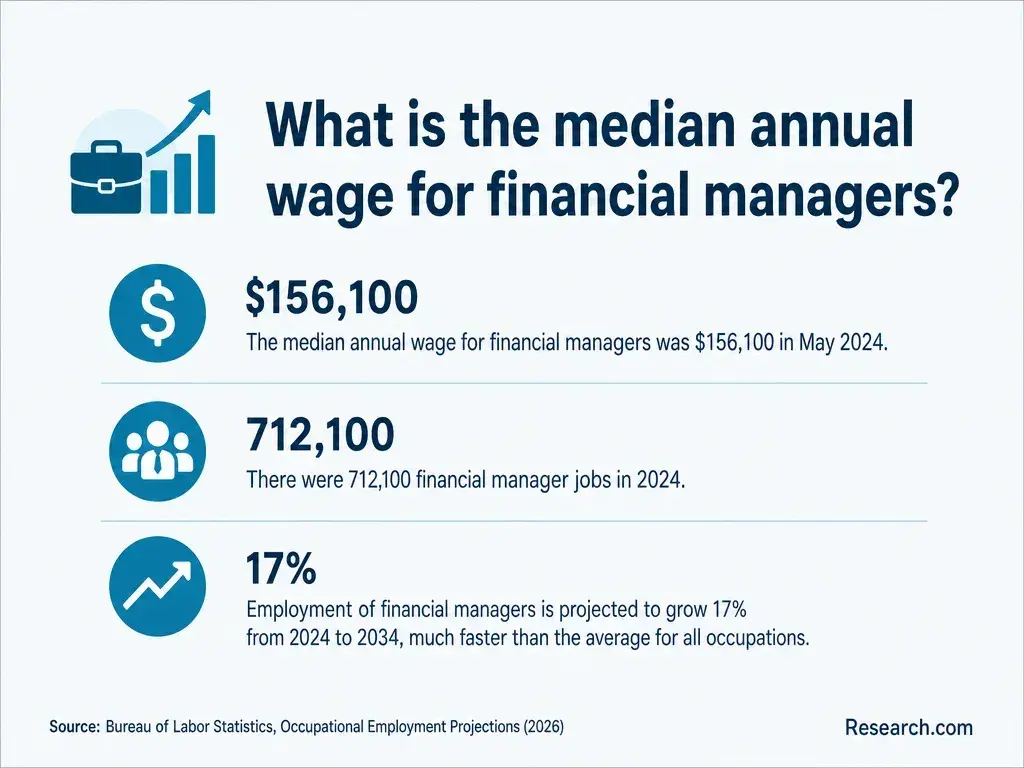
The US Bureau of Labor Statistics reports a May 2025 median annual wage of $105,770 for general and operations managers and projects 5% employment growth for that occupation from 2025 to 2035. That median covers workers across industries and experience levels; it is not an expected salary for a new business graduate or the income of an auto repair shop owner. Owners' returns also depend on the shop's revenue, expenses, debt, and local market.
If the goal shifts toward a project-coordination career, compare that role's requirements separately. Information on federal aid for undergraduate project management study can help assess that alternative, but funding eligibility does not establish that the degree will lead to a particular job.
Is a business administration degree worth its opportunity cost for shop owners?
It is worth serious consideration when broad business skills and a bachelor's credential serve goals beyond one immediate shop problem. It may be a poor first investment when the pressing need is automotive competence, bookkeeping help, or cash for essential equipment. Opportunity cost includes not just tuition but the repair work, management attention, or other training given up to study.
Make the decision using a shop-specific comparison rather than an assumed salary increase. These steps keep uncertain benefits separate from known commitments:
- Name the decisions you need to improve, such as labor pricing, hiring, or cash planning, and identify the coursework or experience that addresses each one.
- Obtain an official credit evaluation and a written estimate of remaining courses, costs, and scheduling obligations for any degree you are considering.
- Compare that commitment with targeted courses, technical training, mentorship, and the time each option takes away from the shop.
- Choose the degree only if its broader learning and credential value justify the additional commitment under a conservative business plan.
If you apply to several programs, colleges that waive online application costs may reduce one preliminary expense. A waived fee is useful, but the remaining cost, curriculum, and workable schedule should decide where you enroll.
Other Things You Should Know About Business Administration
It may. Reviewing an existing shop's financial records, lease, equipment, staffing, and liabilities can make accounting knowledge especially useful. Seek qualified legal and financial advice for the transaction; a business course is not a substitute for due diligence.
No. A franchise may provide systems and training, but the owner still needs to understand the agreement, fees, operating obligations, and local economics. Review the franchise documents with appropriate professional advisers before committing.
Yes. Focused courses, reputable small-business advising, mentorship, and supervised practice can address specific gaps. Keep records of what you learned and changed; experience alone does not automatically become college credit.
Not necessarily. The right sequence depends on technical readiness, financing, and the skills needed immediately. A targeted course before opening and broader study later may be more practical than delaying every plan for a full degree.
- Business Courses | nyc.gov https://nyc-business.nyc.gov/nycbusiness/business-services/education-programs/business-courses
- Automotive Repair and Auto Body Shops | illinois.gov https://epa.illinois.gov/topics/small-business/publications/automotive-repair-shops.html
- Apply for a license - California Bureau of Automotive Repair https://www.bar.ca.gov/apply
- Education Requirements for Mechanics: What You Need | UTI Corporate https://www.uti.edu/blog/automotive/education-requirements-for-mechanics
- Online Small Business Management Courses | Goodwin College of Professional Studies https://drexel.edu/goodwin/academics/continuing-professional-education/open-enrollment/small-business-management/
- Trade School vs. College: Weighing cost, timelines & More | Midwest Technical Institute https://www.midwesttech.edu/resources/careers/trade-school-vs-college-a-guide-to-weighing-your-options/
- 8 Primary Types of Mechanic Certification in [2026 ] | neit.edu https://www.neit.edu/blog/mechanic-certification
- 4 Skills To Help You Start an Automotive Business | Major Discovery https://www.byui.edu/major-discovery/career-possibilities/4-ways-your-automotive-technology-management-degree-prepares-you-to-start-a-business
- 11 Types of Business Degrees and Career Pathways | National University https://www.nu.edu/blog/types-of-business-degrees/
- 10 Key Subjects Taught in a Bachelor of Business Administration Program | Carson-Newman University https://www.cn.edu/cps-blog/10-key-subjects-taught-in-a-bachelor-of-business-administration-program/