2027 Is a 2-Year Project Management Degree Worth It: Accelerated Bachelor's ROI & Time Trade-Offs

Co-Founder and Chief Data Scientist
Many prospective students struggle to decide if a 2-year accelerated project management degree justifies the intensive time and financial commitments. Recent labor statistics show project management roles are projected to grow 33% by 2030, outpacing average job growth.
This article examines the return on investment and time trade-offs involved in pursuing an accelerated bachelor's degree in project management. It offers clear analysis to help readers make informed decisions aligned with their career and financial objectives.
Key Benefits of a 2-Year Project Management Degree
- Accelerated 2-year project management degrees often yield faster workforce entry, reducing opportunity costs and increasing early career earnings potential by up to 15% compared to longer programs.
- Lower tuition and shorter duration significantly improve ROI by minimizing student debt and enabling quicker progression toward certifications like PMP, enhancing job prospects.
- Project management roles show a median salary growth of 10% annually for degree holders, validating the time investment as financially beneficial in a competitive market.
How Do 2-Year Project Management Programs Work?
Accelerated two-year project management programs provide a fast-track alternative to the traditional four-year degree, ideal for students aiming to enter the workforce sooner.
The mix of condensed terms, heavier course loads, and flexible formats requires careful planning. Below is a breakdown of how these programs typically function.
- Accelerated Pacing and Year-Round Enrollment: These programs offer continuous enrollment throughout the year, eliminating long breaks and allowing students to move swiftly through the curriculum.
- Condensed Course Terms: Instead of standard 15-week semesters, courses usually run for 8 to 10 weeks, meaning subjects are covered more intensively.
- Credit Load Expectations: Students often take 15 to 18 credits per term to meet the 120-credit requirement in just two years, demanding disciplined time management.
- Instructional Format: Coursework blends online and hybrid models with synchronous lectures, asynchronous tasks, and collaborative projects to accommodate working students.
- Assessment Methods: Continuous evaluation through quizzes, case studies, group work, and capstone projects emphasizes practical application aligned with industry standards.
- Curriculum Progression: Despite the pace, curriculum requirements mirror traditional programs, enabling students to graduate faster without sacrificing content depth.
Students taking on coursework and weekly workload in 2-year project management programs should anticipate a challenging but rewarding schedule. According to national data, accelerated degrees can enhance career prospects and financial outcomes by enabling earlier workforce entry.
For those interested in healthcare management degrees or similar accelerated paths, exploring online DNP programs may provide additional context on accelerated education models.
What Are the Admission Requirements for a 2-Year Project Management Degree?
For students considering an accelerated bachelor's in project management, understanding admission requirements is essential to gauge whether they meet the criteria and can commit to the program's pace.
Below is a detailed breakdown of the typical criteria for those looking into 2-year project management degree:
- Prior Education: Most programs require a high school diploma or equivalent, such as a GED, to apply. This foundational requirement confirms readiness for college-level work.
- GPA Expectations: Applicants typically need a minimum GPA between 2.5 and 3.0 on a 4.0 scale, ensuring they are academically prepared for accelerated coursework.
- Standardized Tests: Unlike traditional four-year programs, SAT or ACT scores are less commonly required, particularly for adult learners or those with previous college credits.
- Prerequisite Courses: Some programs ask for foundational classes in business, mathematics, or communications to align with the project management curriculum.
- Relevant Work Experience: Experience in business or administrative roles can strengthen your application by demonstrating practical skills related to project management.
Accelerated programs appeal to working adults for their flexibility and quicker completion times, helping reduce tuition costs and expedite entry into the workforce.
For those balancing education with other commitments, exploring options like accredited medical billing and coding schools online with financial aid can provide insights into how accelerated programs function in various fields.
What Does a Typical Week Look Like in a 2-Year Project Management Program?
Grasping the weekly demands of an accelerated project management program helps prospective students assess whether they can maintain the intensity and commitment required. This insight is crucial for balancing professional, personal, and academic responsibilities over the two-year period.
Below is a detailed look at common components shaping a typical week.
- Class Sessions and Lectures: Students generally attend multiple classes each week, totaling around 12 to 15 contact hours. These sessions focus on fundamental topics like project planning, budgeting, risk assessment, and leadership, often led by seasoned professionals.
- Assignments and Assessments: A significant amount of time is allocated to tasks such as case studies, quizzes, and project proposals. These activities reinforce both theory and its practical application within real-world contexts.
- Group Collaboration: Virtual or in-person teamwork plays a prominent role, mirroring real project environments. Regular coordination beyond classroom hours is necessary to complete group tasks effectively.
- Independent Study: Students must invest several hours independently each week for reading, research, and exam preparation. Efficient time management is essential due to the accelerated program's tight schedule.
- Instructor Interaction: Despite the fast pace, there is frequent engagement with instructors through online forums, emails, or scheduled office hours, fostering a supportive learning atmosphere.
- Time Management Expectations: Maintaining a strict schedule and prioritizing tasks are critical skills due to the condensed timeline and demanding workload.
A professional who recently completed a two-year accelerated bachelor's degree in project management shared his experience with me: "Balancing the workload felt like juggling multiple projects simultaneously, each with tight deadlines."
He described late nights spent drafting proposals and constantly syncing with teammates across different time zones.
"It wasn't just about mastering content but developing discipline and resilience. At times, the pressure was overwhelming, but seeing projects come together under such constraints prepared me immensely for real industry challenges."
This firsthand account highlights the demanding yet rewarding nature of the program's weekly rhythm.
Delivery format is crucial for students pursuing an accelerated project management degree, as it directly impacts flexibility, accessibility, and effective time management. These factors are especially important for working adults or career changers aiming to balance education with other responsibilities.
Understanding the types of online programs available helps in choosing the best fit for individual needs.
- Fully online vs. hybrid formats: Fully online programs allow completion of all coursework remotely, while hybrid options combine online classes with occasional campus visits, though the latter are less common in accelerated two-year degrees.
- Asynchronous and synchronous learning: Asynchronous courses offer flexibility by permitting students to study on their own schedules, whereas synchronous classes require participation in live virtual sessions, promoting real-time interaction.
- Technology requirements: Students must have reliable internet, a computer capable of video conferencing, and competency with platforms like Canvas or Blackboard to navigate course materials and communications effectively.
- Student support services: Many programs provide resources such as academic advising, career counseling, and technical support, essential for maintaining engagement and successfully managing the accelerated pace.
- Pacing and engagement: Online accelerated degrees demand strong self-discipline, but asynchronous formats can aid time management, allowing learners to balance studies with work or personal commitments efficiently.
Evaluating the total cost of a 2-year project management degree is essential for determining its return on investment, especially for students balancing time and financial commitments. Accelerated programs often condense coursework, which influences both tuition structure and overall expenses.
A detailed cost breakdown can clarify how these factors contribute to affordability and value.
- Tuition Structure: Tuition fees for 2-year project management programs are usually charged per credit hour and paid each term. Because accelerated degrees require heavier course loads, tuition payments per term might be higher, but the total cost can be lower due to fewer semesters overall.
- University Fees: Students should budget for mandatory fees such as registration and technology access. These additional costs support essential campus services and online infrastructure that facilitate accelerated learning formats.
- Textbooks and Learning Materials: Required materials can add significantly to expenses. While some courses include e-textbooks or bundled resources within tuition, others require separate purchases. Exploring options similar to those found in the cheapest medical billing and coding program may help reduce costs.
- Technology and Lab Costs: Practical tools and specialized project management software often require valid licenses or access to computer labs. Investing in reliable technology ensures effective participation and skill development in accelerated programs.
- Accelerated Pacing Benefits: Completing the degree faster can lower living expenses and minimize opportunity costs compared to traditional programs. This faster entry into the workforce may enhance early earning potential, improving the overall financial outlook for students.
Considering these elements allows prospective students to better assess the cost of accelerated project management degree paths and align their educational choices with career objectives.
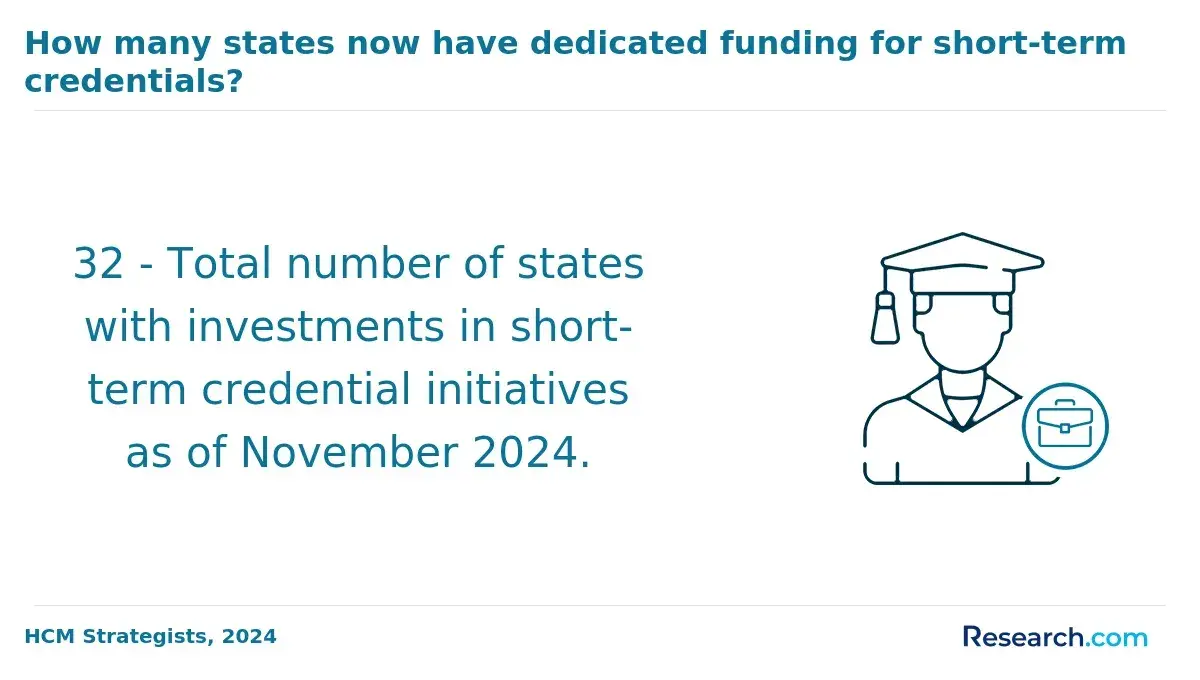
Access to funding can directly impact whether pursuing a 2-year program is financially feasible, making it important to understand the types of aid available and how accelerated pacing influences eligibility.
Below is an overview of the common financial support opportunities and what students should consider.
- Federal student aid eligibility: Many accelerated programs qualify for federal Title IV funding, allowing students to access Pell Grants, federal loans, and work-study. Maintaining enrollment status and satisfactory academic progress remains essential to keep aid active.
- Scholarships and grants: Targeted scholarships for project management or related business fields often require no repayment and can substantially ease tuition costs. These awards may come from nonprofit organizations or industry groups focused on supporting accelerated degree candidates.
- Employer tuition assistance: Working adults frequently benefit from tuition reimbursement programs offered by employers, which can offset expenses and encourage continuing education. Confirming employer policies on accelerated programs is advisable, as terms may vary.
- Impact of accelerated pace on aid: Accelerated programs compress course timelines, which can alter financial aid disbursement schedules. Students should consult financial aid advisors to understand how funding is allocated across shorter terms and how it affects total eligibility.
- Payment plans: Schools often offer installment plans to manage tuition payments over the program's duration, helping students budget without accumulating excessive debt.
When I spoke with a professional who earned her accelerated bachelor's degree in project management, she shared how financial aid shaped her journey. Despite initial uncertainty about qualifying for aid due to the fast pace, she found that careful planning and regular communication with the financial aid office made a difference.
"The timing of payments was tricky at first," she recalled, "but once I understood the disbursement schedule, I could manage my budget better."
She also emphasized how scholarships targeted at business-focused programs helped reduce her reliance on loans.
Reflecting on her experience, she said, "Without that support, completing the degree in two years wouldn't have been practical. Financial aid was truly the backbone that kept me on track."
Evaluating career outcomes is essential when considering the value of an accelerated project management bachelor's degree, especially for those aiming to enter the workforce quickly.
Below is an overview of typical career opportunities and how the accelerated format positions graduates for success.
- Project Coordinator: Often an entry-level role, project coordinators assist with scheduling, resource allocation, and communication to support project managers. This position builds foundational experience in managing timelines and stakeholder expectations.
- Assistant Project Manager: In this role, graduates support senior project managers by overseeing specific tasks or phases of a project, helping ensure deliverables meet quality standards and deadlines. It acts as a gateway to higher responsibilities in project leadership.
- Operations Support Specialist: Responsible for operational details, individuals in this position help streamline workflows, manage data, and coordinate between departments. The role benefits from the accelerated degree's focus on practical applications like project scheduling software.
- Industry Opportunities: Graduates typically find positions in sectors such as construction, healthcare, information technology, and manufacturing, all of which prioritize managing budgets, timelines, and team collaboration for project success.
- Career Advancement and Skills Application: The accelerated project management degree emphasizes applied skills, including risk assessment and stakeholder communication, enabling graduates to become workforce-ready and prepared for certifications like CAPM or PMP.
Accelerated bachelor's programs not only shorten the time to graduation but also support a quick transition into the job market, which can improve the return on investment by lowering tuition and increasing early career earning potential.
For prospective students seeking efficient degree paths in health-related fields, the cheapest online BSN programs may offer similarly accelerated options.
Salary outcomes are a critical factor when evaluating the return on investment (ROI) of accelerated versus traditional degree paths, especially for professionals considering project management careers.
The following comparison sheds light on these salary differences and other related career considerations.
- Early-career earnings: Graduates with a 2-year project management degree typically start with salaries ranging from $50,000 to $65,000 annually, while traditional bachelor's degree holders often earn between $60,000 and $75,000. This reflects the labor market's preference for four-year degrees in many industries, though accelerated project management degree salary comparison shows that the gap can vary depending on the sector.
- Career progression timeline: The shorter duration of a 2-year program allows students to enter the workforce one to two years earlier than traditional bachelor's graduates. This head start can accumulate additional income and experience, partially offsetting the initial salary differences over time.
- Long-term earning potential: Over a 10-year horizon, individuals with traditional bachelor's degrees tend to achieve median salaries around $90,000 or more due to greater access to leadership roles and career advancement opportunities. Project management graduates from accelerated programs may face slower wage growth if limited by credential perceptions or fewer advanced qualifications.
- Employer perception: Many employers still consider a bachelor's degree a standard requirement for management-track roles. However, in high-demand fields, project management certifications and demonstrated skills can enhance the value and marketability of those with accelerated degrees.
- Industry outlook: Project management roles are projected to grow by 7% through 2031 according to the U.S. Bureau of Labor Statistics, suggesting continued demand for qualified professionals. Prospective students comparing accelerated project management degree vs traditional salary should also consider this positive job growth.
For those exploring cost-efficient paths beyond project management, reviewing cheapest DNP programs can provide additional options for advancing education while managing expenses.
For students considering accelerated project management degrees, assessing return on investment (ROI) is essential to make informed decisions about time, money, and career prospects.
Below is an overview of the main elements impacting ROI in these programs.
- Time-to-completion: Accelerated programs typically shorten degree duration to around two years, allowing students to start working sooner. This reduction in study time cuts direct and indirect costs and enables earlier income generation, increasing financial gain over time.
- Tuition and total cost: While the schedule is condensed, tuition isn't always lower in accelerated formats. However, fewer semesters can reduce expenses like housing and transportation, balancing out costs and potentially lowering overall financial burden.
- Opportunity cost savings: Finishing earlier means less time without full earnings, reducing lost wages and living expenses. The ability to begin or advance a career sooner can enhance lifetime earnings and offset upfront education costs.
- Employment outcomes: The project management field shows steady job growth, which helps graduates find roles in diverse sectors. Strong demand supports competitive salaries, often ranging between $75,000 and $90,000 annually, depending on experience and industry.
- Salary growth potential: Graduates typically experience rising compensation as they gain expertise, with accelerated learning potentially accelerating career progression and salary increases.
- Industry demand: Project management skills remain sought after, driven by ongoing organizational needs for leaders in planning, risk management, and Agile practices-enhancing job security and career mobility.
- Skill transferability: Effective programs ensure mastery of core competencies that apply across industries, helping graduates maintain versatility. Broadly applicable skills provide resilience in changing job markets and support long-term career advancement.
Choosing a 2-year project management degree involves assessing your learning preferences and schedule. Accelerated programs require quick comprehension and sustained focus, ideal for those who thrive in fast-paced environments. If you need to enter the workforce promptly or have limited time, completing your degree in less than half the traditional duration may be beneficial.
This fast track can help reduce overall study hours and maintain motivation through shorter timelines. Consider how comfortable you are with a condensed curriculum before committing.
Financial considerations play a crucial role, as accelerated degrees often cost less than standard four-year paths, enhancing potential return on investment. Graduates typically face strong job prospects, with employers valuing relevant certification and practical experience.
Make sure credits earned are widely recognized and transferable to support future education or credentialing goals. Balancing upfront costs, expected earnings, and career flexibility is essential in deciding if this pathway aligns with your professional ambitions.
What Graduates Say About Their 2-Year Project Management Degree
- Orville: "I chose the 2-year accelerated project management program because I wanted to streamline my education without sacrificing quality. The intense schedule was challenging, but balancing work and study taught me incredible time management skills. Since graduating, I've seen a significant boost in job offers and salary potential, making the investment, which was around $20,000 on average, absolutely worthwhile."
- Nikki: "The decision to pursue a 2-year degree in project management came from a desire to enter the workforce sooner and avoid the burden of prolonged tuition costs. Managing such a tight schedule demanded strict discipline, but it forced me to prioritize effectively. Today, I confidently lead complex projects at my firm, crediting my accelerated program for sharpening my practical skills."
- Queen: "Opting for a fast-tracked project management degree was a strategic move to accelerate my career transition. The program's pace was intense but perfectly aligned with my ambition to advance quickly in the professional world. Reflecting on the experience, the cost efficiency combined with the comprehensive curriculum opened doors to leadership roles much faster than I anticipated."
Other Things You Should Know About Project Management Degrees
Yes, if the program is accredited and you also meet PMI’s experience requirement. For a four-year degree, PMP eligibility requires 36 months leading projects; with a high school diploma or associate degree, PMI requires 60 months. The degree can reduce the experience needed, but it does not replace it.
While 2-year accelerated project management degrees can offer efficient pathways to earning a bachelor's degree, they may cover topics in less depth compared to traditional multi-year programs. This could impact the student's ability to grasp complex project management methodologies as thoroughly, affecting preparedness for real-world applications.
- 3 Factors of Change Which Define or Constrain Project ROI https://www.prosci.com/blog/3-factors-of-change-which-define-or-constrain-project-roi
- MSc Project Management https://www.law.ac.uk/study/postgraduate/business/msc-project-management/
- Online Project Management Degree https://www.snhu.edu/online-degrees/bachelors/bs-in-business-administration/project-management
- Can You Get a Bachelor's Degree in 2 Years or Less? https://www.coursera.org/articles/can-you-get-a-bachelors-degree-in-2-years
- BA (Hons) Business & Management (2-year Accelerated Degree) | Bournemouth University https://www.bournemouth.ac.uk/study/courses/ba-hons-business-management-2-year-accelerated-degree
- Certificate in Project Management Tuition & Funding https://scs.georgetown.edu/programs/393/certificate-in-project-management/tuition-funding
- How to Calculate ROI for a Project: Formula, Examples & Expert Tips - Epicflow https://www.epicflow.com/blog/how-to-calculate-roi-for-a-project/
- How To Become a Project Manager in 2025: Steps and Education https://productive.io/blog/how-to-become-a-project-manager/
- Project Management Degree https://www.bakeru.edu/area-of-study/project-management-degree/
- Guide To Project Management Degrees | All Bachelor Degrees https://allbachelordegrees.com/degrees/what-is-a-project-management-degree-and-what-can-you-do-with-it/