2027 Is a 2-Year Innovation Degree Worth It: Accelerated Bachelor's ROI & Time Trade-Offs

Co-Founder and Chief Data Scientist
Choosing an accelerated 2-year innovation degree raises questions about whether the shorter timeframe justifies the investment. Recent data shows that graduates from fast-track innovation programs report earning 15% higher starting salaries compared to peers from traditional degrees. However, the intensity and compressed curriculum often demand significant time and energy, impacting work and personal life balance.
This article examines the financial returns, time trade-offs, and career outcomes associated with accelerated innovation bachelor's programs. It helps prospective students assess if this accelerated path aligns with their professional ambitions and financial priorities through detailed analysis of earnings potential and program structure.
Key Benefits of a 2-Year Innovation Degree
- Accelerated innovation degrees reduce time to workforce entry by nearly 40%, enhancing lifetime earning potential through earlier career progression.
- Cost savings on tuition and living expenses significantly improve ROI compared to traditional four-year programs.
- Focused curriculum in innovation emphasizes practical skills, increasing employability in high-demand tech and entrepreneurship sectors.
How Do 2-Year Innovation Programs Work?
Two-year innovation degree programs offer an accelerated pathway to earning a bachelor's degree by condensing traditional four-year curricula into roughly half the time. This intensive approach demands a clear understanding of the program's structure to help students align their time and career goals effectively. Below is a breakdown of how these programs typically operate, providing insight into their core components and what to expect.
- Accelerated pacing: Courses are delivered in shorter, more intensive terms lasting about 8 to 10 weeks instead of the usual 15, requiring increased focus and commitment within a condensed timeframe.
- Year-round enrollment: Students engage in continuous study across fall, spring, and summer semesters, eliminating extended breaks and enabling faster degree completion.
- Condensed course terms: The structure of 2-year innovation degree programs compresses coursework into shorter sessions that demand sustained engagement and efficient learning strategies.
- Credit load expectations: Maintaining a rigorous credit load of 12 to 15 credits per term is essential, contrasting with the lighter course loads typical of traditional programs.
- Instructional format: Programs often blend online and in-person learning, offering flexibility while incorporating project-based assignments that mirror real-world innovation challenges.
- Assessment methods: Practical application through case studies, team projects, and presentations complements traditional exams to develop critical thinking and problem-solving skills.
- Curriculum progression: Students move through a structured curriculum integrating foundational courses, technical innovation skills, and electives tailored to evolving industry demands, emphasizing both breadth and depth in subject matter.
Admissions and coursework in accelerated innovation degrees reflect these demands, requiring strong discipline and time management from students ready to make the most of fast-tracked learning. According to the National Center for Education Statistics, such accelerated degrees can save 1.5 to 2 years and reduce overall tuition costs. Additionally, the U.S. Bureau of Labor Statistics forecasts employment growth over 8% by 2030 in innovation-related fields, potentially increasing the return on investment for students pursuing this path.
Prospective students may also consider related flexible options like online RN to BSN programs without clinical requirements that accommodate various professional situations while maintaining progress toward degree completion.
What Are the Admission Requirements for a 2-Year Innovation Degree?
For students considering an accelerated bachelor's in innovation, understanding the admission requirements is essential to gauge readiness and plan accordingly. Admission standards shape the applicant pool and reveal the academic and experiential background expected to succeed in an intensive two-year program. Below is a detailed breakdown of the typical criteria that support successful enrollment in such programs aligned with 2 year innovation degree admission criteria.
- Prior Education: Applicants generally need a high school diploma or its equivalent. This foundational achievement confirms basic academic preparedness suitable for college-level innovation coursework.
- GPA Expectations: Most programs look for a minimum GPA around 2.5 to 3.0. This range helps ensure students can manage the accelerated course load and keep pace with the program's practical demands.
- Standardized Testing: Requirements vary, with some programs waiving the SAT or ACT in response to changing admissions trends. Where tests are required, competitive scores improve chances of acceptance and demonstrate academic readiness.
- Prerequisite Coursework: Courses in math, science, or business fundamentals may be necessary to meet innovation-specific content demands. These prerequisites help students approach problem-solving with essential disciplinary skills.
- Work Experience and Skills: Some accelerated innovation programs weigh practical experience or portfolio projects heavily. Demonstrated real-world problem-solving can offset other academic metrics and align with requirements for accelerated innovation program enrollment.
- Additional Materials: Letters of recommendation and personal statements often complement the application by assessing motivation, fit, and potential contributions to innovation-focused studies.
Considering that accelerated programs save about one to two years compared to traditional degrees, they offer faster entry into rapidly growing innovation-driven careers as projected by the U.S. Bureau of Labor Statistics through 2030. For students seeking alternative pathways in healthcare administration or similar fields, reviewing options such as accredited medical billing and coding schools online can also be beneficial.
What Does a Typical Week Look Like in a 2-Year Innovation Program?
Knowing the typical weekly structure of an accelerated innovation program helps prospective students assess if the intensity and time demands fit their lifestyle and career plans. This insight clarifies the balance between learning opportunities and personal commitments, setting realistic expectations before enrolling. Below is an overview of key components shaping a week in such a program.
- Intensive Lectures: Multiple compact sessions focus on essential topics like design thinking, entrepreneurship, and emerging technologies, requiring active engagement to absorb complex concepts efficiently.
- Assignments and Assessments: Weekly tasks demand applying theory to practice through research papers, case analyses, and proposals, reinforcing understanding and critical thinking.
- Collaborative Projects: Group work is frequent, fostering teamwork and diverse problem-solving while simulating real-world innovation challenges.
- Independent Study: Outside class hours, students invest time in reading, skill honing, and preparing for presentations, essential to keep pace with the rigorous curriculum.
- Instructor Support: Regular but brief interactions, such as one-on-one consultations or virtual feedback, guide progress and clarify doubts without overwhelming schedules.
- Time Management: Juggling deadlines and teamwork demands sharp organizational skills and often relies on digital tools and clear goal-setting to sustain productivity.
When asked about his experience, a professional who finished a 2-year bachelor's in innovation described the weeks as "a constant push to stay ahead." He recalled feeling challenged yet motivated by the fast tempo, noting that "every day required deliberate focus."
Managing overlapping projects meant "communicating clearly with teammates and using every spare moment efficiently." He emphasized how rewarding it was to "see ideas evolve quickly from concept to prototype" but admitted the pace was intense enough to test endurance and discipline. His takeaway: success in such a program hinges on adaptability and proactive planning, with each week offering new lessons beyond the classroom.
Choosing the right delivery format significantly impacts flexibility, accessibility, and time management for students pursuing an accelerated innovation degree. Online options often offer the adaptability needed by working adults or those balancing multiple commitments. Below is an overview of key aspects related to 2-year innovation programs available online.
- Fully Online vs. Hybrid Formats: Many programs offer either entirely online courses or a blend of online and in-person sessions. Hybrid models can provide hands-on experiences while maintaining some scheduling flexibility.
- Asynchronous and Synchronous Learning: Asynchronous classes let students access materials and lectures anytime, promoting self-paced study. Synchronous sessions involve live interactions, such as discussions or group work, encouraging engagement and networking similar to traditional classrooms.
- Technology Requirements: Students need a stable internet connection, a computer equipped for video conferencing, and access to learning management platforms. These tools are essential for participating in both real-time and self-directed coursework.
- Student Support Services: Online programs often include resources like tutoring, academic advising, and career counseling. These supports are integrated to help students stay on track and succeed despite the remote format.
- Impact on Pacing and Engagement: The flexibility of online delivery can accelerate completion times, sometimes reducing program length by up to two years. However, this demands strong discipline, as students must manage an intensified workload without face-to-face oversight.
Evaluating the total cost of a 2-year innovation degree is essential for assessing its return on investment, especially since accelerated programs compact the curriculum into a shorter time frame. This condensed structure often changes the financial dynamics compared to traditional four-year degrees. Below is a breakdown of key cost components to consider when analyzing the cost of accelerated bachelor's innovation programs.
- Tuition Structure: Accelerated innovation degrees typically charge tuition per credit hour or a flat rate per semester. Although the cost per term may be higher due to heavier course loads, students often pay less overall by completing the degree in fewer semesters.
- Mandatory Fees: These include registration, technology, and lab fees, which can be higher for innovation programs that require specialized software or equipment to support hands-on learning.
- Textbooks and Learning Materials: Rapidly paced courses may demand more updated digital access codes, proprietary tools, or additional materials, increasing the overall cost of textbooks and supplies.
- Technology or Lab Costs: Practical innovation curricula often involve specific technology or lab fees needed to participate fully in experiential learning opportunities.
- Accelerated Pacing Impact: Completing a degree faster can save 1.5 to 2 years of tuition expenses on average, but the intensity might lead to extra incidental costs like tutoring or reduced work hours.
For those exploring educational paths with financial efficiency in mind, comparing the 2 year innovation degree tuition cost with traditional options is crucial. Prospective students might also find value in programs like the cheapest medical coding certification online that offer affordable alternatives with targeted career outcomes.
Financing a two-year accelerated innovation degree is a critical factor for many prospective students balancing time, cost, and career goals. Understanding the available financial aid options can ease the burden of upfront expenses and make these faster-paced programs more accessible. Below is an overview of common types of support and how the accelerated format might impact aid eligibility and distribution.
- Federal Student Aid Eligibility: Students enrolled in an accredited innovation program usually qualify for Pell Grants and federal loans. Eligibility is tied to enrollment status and academic progress rather than program duration, so accelerated paths remain eligible though payment timing can differ.
- Impact of Accelerated Pacing: Because coursework is condensed into fewer terms, financial aid funds are disbursed over a shorter period. This can affect cash flow management but does not restrict overall aid availability. Some may face challenges meeting enrollment requirements due to compressed schedules.
- Scholarships and Grants: Specific scholarships aimed at innovation, technology, or STEM students can help reduce costs. These competitive awards provide targeted financial relief and often bolster the return on investment for students.
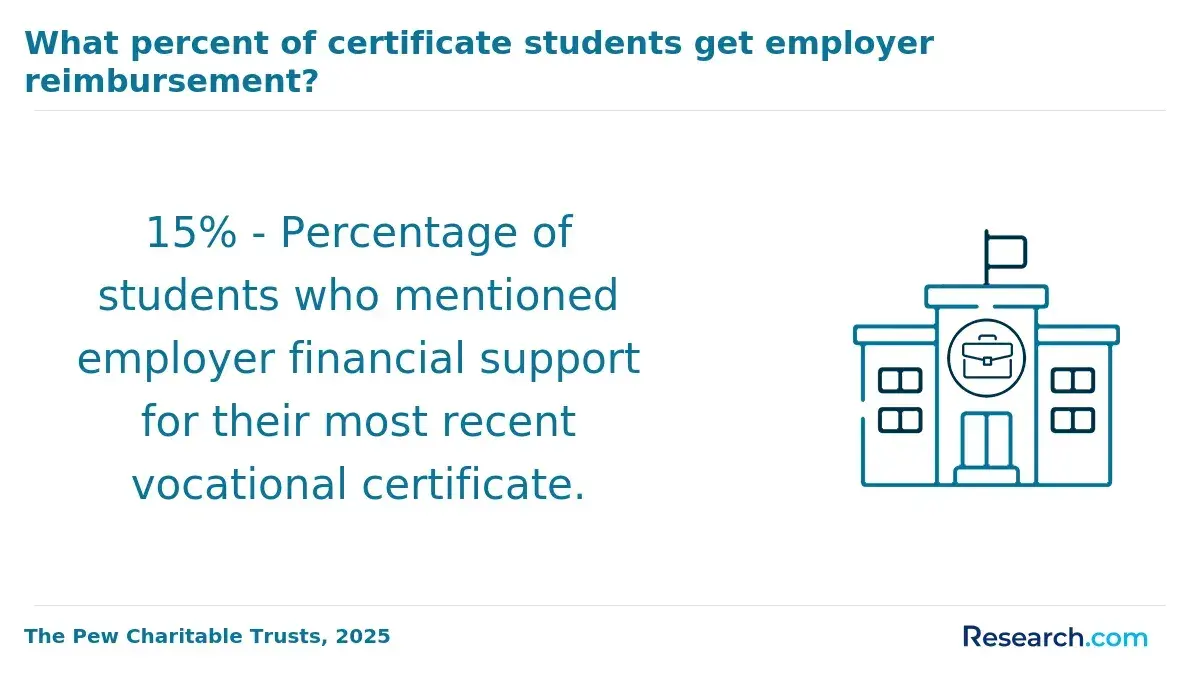
- Employer Tuition Assistance: Many working adults tap into employer-sponsored programs to support accelerated degrees. Such benefits help students upskill rapidly without bearing the full cost alone.
- Flexible Payment Plans: A number of institutions offer installment options to help spread tuition fees over time. This flexibility assists students in managing expenses alongside everyday financial commitments.
When I spoke with a professional who completed an accelerated bachelor's degree in innovation, she shared how navigating financial aid was both daunting and empowering. "The fast pace meant I had to carefully coordinate loan disbursements with each shorter term," she explained. "I kept close communication with the financial aid office to ensure my eligibility stayed intact and payments arrived on time."
She emphasized that employer tuition assistance made a meaningful difference, "Knowing my company supported my education took off a lot of pressure, allowing me to focus on learning while managing my finances wisely." Though the compressed schedule was intense, the ability to combine federal aid, scholarships, and employer support ultimately made her two-year goal achievable and rewarding.
Evaluating the career outcomes of a 2-year innovation degree is crucial for prospective students deciding if the accelerated path aligns with their professional goals. Knowing the types of roles and industries accessible upon graduation helps gauge the practical return on investment and time commitment involved. Below is an overview of common job opportunities and career trajectories available for graduates pursuing careers with accelerated innovation bachelor's programs.
- Innovation Analyst: Graduates often start as innovation analysts, where they support development teams by evaluating project feasibility and market trends. This role blends creative problem-solving with analytical skills to drive new product initiatives in various sectors.
- Product Development Assistant: Assisting in the creation and refinement of products, these entry-level positions provide hands-on experience in managing design thinking processes and coordinating cross-functional efforts that align with business goals.
- Project Coordinator: Early-career roles frequently involve managing schedules, resources, and communication within innovation projects, helping ensure timely execution and effective collaboration across departments.
- Junior Business Consultant: Graduates may work in consulting capacities, leveraging their understanding of entrepreneurship and strategy to advise small-scale projects or process improvements tailored to dynamic industries.
- Support Roles in R&D: Many innovation degree holders contribute to research and development teams, analyzing data and customer feedback to enhance product viability and user experience, building a strong foundation for future advancement.
The accelerated format equips students with practical skills in design thinking and business strategy, resulting in faster workforce readiness than traditional four-year degrees. This speed allows graduates to enter the job market earlier, gaining valuable experience and reducing overall tuition costs. For students interested in further exploring cost-effective educational options that could complement their innovation studies, researching cheap NP programs may provide insights into affordable advanced degree paths in other fields.
Employment demand within innovation-related sectors is expected to grow steadily, driven by increasing organizational investments in technology and creative problem-solving. As companies seek fresh perspectives to improve processes, graduates from accelerated innovation bachelor's programs are well-positioned for career growth across industries like technology, healthcare, manufacturing, and marketing.
Salary outcomes play a critical role in evaluating the return on investment (ROI) of accelerated versus traditional degree paths. For prospective students weighing a 2 year innovation degree salary comparison against more conventional routes, understanding income potential helps inform both short- and long-term financial decisions. Below is a detailed comparison reflecting typical industry averages.
- Early-career earnings: Graduates with a 2-year innovation degree often start with salaries around the associate degree level, approximately $49,000 annually, which is lower than the median $67,000 for traditional bachelor's degree holders. This reflects the accelerated bachelor's degree salary outcomes where innovation degree salaries typically fall between associate and bachelor's levels at career entry.
- Long-term earning potential: Traditional bachelor's degree holders usually have broader career paths and leadership opportunities, which contribute to higher lifetime earnings. Employers often view these degrees as more comprehensive, supporting greater promotion and salary growth over time.
- Employer perception and career growth: While the traditional degree is often favored for managerial roles, the 2-year innovation degree emphasizes skill adaptability and accelerated career progression, particularly in technology and innovation-focused sectors where practical skills may outweigh time spent in education.
- Faster workforce entry: Completing a degree in two years allows innovation graduates to start working earlier, reducing tuition by an average of $20,000 according to NCES. This earlier entry can compensate for initially lower salaries through additional years of income and experience, potentially boosting total lifetime earnings.
Those evaluating degree options might also explore related pathways and certificates; for example, some students research options like the cheapest DNP programs online to complement or advance their qualifications in healthcare innovation or management fields.
Calculating the return on investment (ROI) is crucial for students considering accelerated innovation degree programs since these paths require significant time and financial commitments while promising faster entry into competitive fields. Evaluating the various elements that impact ROI can help candidates determine whether these intensive programs align with their professional and economic objectives. The following points highlight the primary factors influencing ROI for accelerated innovation degrees.
- Time-to-Completion: Accelerated programs shorten the traditional four-year timeline to about two years, allowing students to join the workforce sooner. This reduction not only expedites career progression but also lowers living costs typically incurred during extended academic pursuits.
- Tuition and Total Cost: While tuition may be compressed into a shorter span, overall expenses often decrease due to fewer semesters. However, the necessity for full-time study can limit opportunities for part-time work, affecting cash flow during enrollment.
- Opportunity Cost Savings: Entering employment earlier saves potential lost wages and reduces financial strain compared to longer programs. Faster completion means students begin accumulating income and work experience ahead of their peers.
- Employment Outcomes and Salary Growth: Graduates with innovation-related degrees frequently benefit from strong demand and competitive starting salaries, especially in STEM fields where median earnings exceed national averages. Ongoing skill development can enhance long-term earning potential as industries evolve.
- Industry Demand: Programs focusing on practical skills like design thinking, project management, and technology integration meet current market needs. Robust demand in these areas helps safeguard employability and career growth.
- Transferability of Skills: The versatile competencies gained prepare graduates to adapt to various sectors and roles. This flexibility supports career shifts and long-term professional resilience in fast-changing industries.
Choosing whether a 2-year innovation degree fits your needs requires careful reflection on personal, academic, and career priorities. Consider if you thrive in a fast-paced, intensive learning environment since these programs condense four years of study into two. Assess your current schedule to ensure you can commit the necessary time and maintain quality work.
Also, evaluate how urgently you want to enter innovation-related roles, as completing the degree sooner can accelerate your career start. Understanding your ability to manage stress and maintain discipline during an accelerated program is essential for success.
From a practical perspective, accelerated degrees often reduce total tuition by requiring fewer semesters, though the cost per credit may be higher. The shorter timeline also means less lost income due to prolonged study, enhancing your overall return on investment.
Career prospects in innovation and technology sectors are expected to rise significantly, valuing applied skills and relevant experience gained during study. However, it is important to verify whether employers in your desired field regard accelerated degrees on par with traditional ones and to consider if the program's structure allows enough flexibility for electives or internships that could enrich your résumé over time.
What Graduates Say About Their 2-Year Innovation Degree
- Joan: "Choosing a 2-year accelerated bachelor's degree in innovation was a game-changer for me. The intensive schedule was challenging but rewarding, pushing me to manage my time effectively while still allowing room for creativity. Considering the average cost of attendance, I felt it was a smart investment that quickly propelled my career forward in tech startups. "
- Ollie: "The 2-year innovation program appealed to me because it offered a focused path without the traditional four-year time commitment. Balancing a fast-paced curriculum required discipline and a clear vision of my goals. Reflecting on my journey, the degree not only enhanced my skills but also opened doors to leadership roles within my company. "
- Andrew: "I chose the accelerated innovation degree program to fast-track my education while keeping costs manageable. The demanding schedule was intense, yet it taught me valuable skills in prioritization and resilience. Professionally, this degree has given me a competitive edge and the confidence to lead innovative projects in my field. "
Other Things You Should Know About Innovation Degrees
Most accelerated bachelor’s programs require about 60 semester credits, with at least 30 credits earned at the awarding institution. Some schools also require 120 total credits if the “innovation” degree is built as a full bachelor’s pathway with transferred prior learning or applied learning credits.
In 2027, pursuing a 2-year Innovation degree involves trade-offs like intensive study periods, a compressed curriculum, and less time for practical work experience. While accelerating education can fast-track entry into the workforce, it demands rigorous time management and might reduce opportunities for internships or networking.
- Master's Science, Business and Innovation - Vrije Universiteit Amsterdam https://vu.nl/en/education/master/science-business-and-innovation
- 2-year Master Post Graduate Degree in Economics and Innovation Management - Economics - Università Europea di Roma https://www.uer.it/economia/en/degree/2-year-master-post-graduate-degree-in-economics-and-innovation-management/
- All Types of Scholarships and Financial Aid for MBA and Master’s Students https://www.accessmba.com/articles/view/all-types-of-scholarships-and-financial-aid-for-mba-and-master-s-students
- Technology & Data Innovation Graduate Programme https://gradireland.com/jobs/technology-data-innovation-graduate-programme-188040
- Scholarships and grants for graduate students https://psl.eu/en/education/scholarships-and-grants-graduate-students
- A Guide to Accelerated Bachelor's Degrees https://www.coursera.org/articles/accelerated-bachelors-degree
- Graphic Design | Accelerated Bachelor’s Degrees | NEIT https://www.neit.edu/academics/bachelors-degrees/graphic-design-career-focused-bs
- 2 degrees of innovation. I’ve often wondered what it is that… | by Paul Johnston | Medium https://pauldjohnston.medium.com/2-degrees-of-innovation-2b56feaae15e
- Apply for funding from Vinnova for your innovation project | Vinnova https://www.vinnova.se/en/apply-for-funding/
- Accelerated Degrees London | BIL https://www.bil.ac.uk/courses/accelerated/