2027 Online vs On-Campus Innovation Degree Programs: Pros & Cons

Co-Founder and Chief Data Scientist
The growing popularity of online innovation degree programs reflects a significant shift in higher education, with recent data showing that over 7 million students enrolled in at least one online course in 2023. This trend highlights the increasing demand for flexible learning options without geographic constraints. However, choosing between online and on-campus innovation degrees requires careful consideration of factors such as flexibility, cost, learning experience, and career outcomes. This article examines the advantages and drawbacks of both formats to help prospective students make informed decisions aligned with their educational and professional goals.
Key Benefits of Online vs On-Campus Innovation Degrees
- Online innovation degree programs offer flexibility, allowing 65% of students to balance work and study effectively, which enhances career advancement while learning.
- Students in online innovation programs save an average of 40% on commuting and housing costs compared to on-campus counterparts, making education more affordable.
- On-campus innovation degree programs provide direct access to hands-on labs and networking events, with over 75% of graduates citing this as critical to developing practical skills and professional connections.
Are Online vs. On-Campus Innovation Programs Structured the Same Way?
The structure of online and on-campus innovation degree programs differs significantly, shaping how students engage with coursework and interact with peers and faculty. These differences influence the overall learning experience, depending on whether a student chooses a digital or physical classroom environment.
Here is a comparison of key structural elements in online and on-campus innovation programs, highlighting scheduling, course delivery, and student engagement:
- Course Delivery: On-campus programs require students to attend classes at physical locations, promoting face-to-face interactions with instructors and classmates, which can enhance immediate feedback and networking. Online programs, however, deliver content entirely through digital platforms, enabling students to access materials remotely and study without traveling to campus.
- Class Schedules: Traditional on-campus innovation programs follow fixed schedules where students attend lectures and seminars at set times, fostering a routine learning environment. Online formats usually offer greater flexibility with many asynchronous courses, allowing students to engage with lectures and assignments at their own pace, though occasional live sessions or deadlines may still apply.
- Interaction and Collaboration: In-person programs facilitate spontaneous conversations and direct collaboration among peers and faculty, which can strengthen relationships and encourage deeper engagement. Online learners connect through forums, video conferences, and group projects, which provide meaningful interaction but often require more self-motivation to initiate and maintain connections.
- Learning Environment: On-campus innovation degrees provide a structured environment suited for students who benefit from routine and direct presence, with immediate support readily available. The online setting demands stronger self-discipline and time-management skills, as students are responsible for pacing their own progress and meeting deadlines independently.
- Culminating Experience: Both formats typically include a final applied project or research component, such as a paper or multimedia presentation. While on-campus students may access in-person resources for their work, online students complete all elements remotely, relying on digital tools to support research and presentation efforts.
Are Admission Requirements the Same for Online vs On-Campus Innovation Degree Programs?
Colleges and universities generally uphold consistent academic standards for both online and on-campus innovation programs, ensuring that graduates meet the same educational benchmarks regardless of format. However, they may assess applicants' readiness for online learning differently, reflecting the unique demands of virtual study.
To provide clear insight into the differences in admission requirements for online and on-campus innovation degrees, here are the most common criteria compared between the two formats.
- Academic Qualifications: Both online and on-campus innovation programs typically require a high school diploma or bachelor's degree for graduate studies, accompanied by minimum GPA standards established by the institution. There is seldom a distinction in academic prerequisites between the two delivery methods.
- Work Experience: On-campus programs often prioritize applicants who are recent graduates, whereas online programs tend to welcome working professionals and may prefer candidates with relevant industry experience. This reflects the flexibility and asynchronous nature of online study, which suits mid-career learners balancing work and education.
- Application Materials: Both formats usually demand transcripts, letters of recommendation, and personal statements. Some online programs may additionally require a statement demonstrating the applicant's ability to manage independent learning and technology, highlighting the importance of self-discipline in virtual courses.
- Technical Readiness: Online innovation programs typically ask applicants to demonstrate basic technical skills and access to reliable technology like a computer and internet. In contrast, on-campus programs place less emphasis on this, as technical resources are provided in person.
- Interview or Assessment: Both program types may include interviews to assess candidate fit. Online programs often conduct virtual interviews or online readiness assessments to ensure applicants can succeed in a remote environment.
The innovation degree online vs on-campus application process reflects a critical balance between maintaining consistent academic standards and addressing unique challenges posed by online education.
Overall, this approach helps institutions select candidates ready to thrive in each format while upholding program quality. For students exploring the best academic pathways, reviewing the college majors ranked can offer additional guidance in aligning career goals with program choices.
Do Online Innovation Students Receive the Same Academic Support as On-Campus Students?
Universities have significantly expanded their academic support systems to ensure that online innovation students receive resources and assistance comparable to those available to on-campus peers. This development aims to bridge gaps caused by different learning environments while maintaining consistent quality and student outcomes.
Below is a comparison of the main academic support services typically offered to both online and on-campus innovation students:
- Tutoring Services: Both groups have access to tutoring, with online students using virtual platforms for scheduling and sessions, offering flexibility and convenience. On-campus students usually benefit from face-to-face interactions, which can enhance immediate feedback and engagement.
- Career Counseling: Career services such as resume reviews, interview preparation, and job placement guidance are available to all students. Online learners receive these supports through video calls and digital portals, ensuring equitable access regardless of location.
- Library Access: Universities provide extensive digital collections and virtual librarian assistance for online students, while on-campus students have access to both physical facilities and in-person support. Most academic libraries offer remote access to innovation-related materials, supporting research and study across formats.
- Faculty Interaction: On-campus students benefit from in-person meetings promoting spontaneous discussion and networking opportunities. Online students engage through email, discussion forums, and video office hours, with many rating faculty access as comparable to on-campus experiences.
- Technical Support: Dedicated IT support helps online students with learning platforms and connectivity issues, often available 24/7. On-campus learners receive similar support for campus systems, though remote assistance can enhance accessibility and reduce disruptions.
The time required to complete an innovation degree can vary widely based on the program's delivery format, a student's individual pace, and how flexible the scheduling options are. Understanding these factors is crucial for prospective students deciding between online and on-campus pathways. To clarify these differences, below is a comparison of the average completion times for online and on-campus innovation degree programs.
Here are the key distinctions:
- Online Innovation Degree: These programs are generally designed for completion in about four years for full-time students, similar to on-campus ones. However, online programs often provide greater scheduling flexibility, allowing students to accelerate their studies through self-paced courses, year-round enrollment, or transferable credits. This flexibility means motivated students can potentially finish faster than the traditional timeline, balancing studies with work or other commitments.
- On-Campus Innovation Degree: Typically, an on-campus bachelor's degree in innovation requires four years of full-time study, adhering to a fixed academic calendar and scheduled class times. While this format offers structured learning and face-to-face interaction, it provides less opportunity for acceleration unless summer or extra courses are available. Master's programs generally take 18 to 24 months on campus, following standard academic progress.
Both formats demand a similar number of credits and lead to comparable career opportunities. Still, online degrees are often better suited for self-directed learners seeking to graduate sooner by leveraging flexible scheduling options.
When comparing online innovation degree cost comparison, tuition, fees, and associated expenses typically differ between online and on-campus programs, with online formats generally presenting a more affordable option. However, the overall cost savings depend on several specific factors beyond just tuition, including living and commuting expenses.
Below is a breakdown of the main cost factors that influence the total price difference between on-campus vs online innovation tuition options.
- Tuition and Fees: Online innovation programs usually feature lower tuition rates, averaging about $12,216 annually versus $18,981 for on-campus students. Although some public institutions may charge more for online students, most universities (74%) offer the same or reduced tuition for their online programs.
- Living Expenses: One of the largest savings for online students comes from reduced living costs. Since online learners often live at home or off-campus, they avoid the typical $744 higher annual expense associated with campus room and board, meal plans, and relocation fees.
- Commuting and Miscellaneous Costs: Online students save money by eliminating daily commuting expenses, parking fees, and campus activity charges that accumulate over time, leading to notable cost reductions compared to their on-campus counterparts.
- Technology Costs: While online students may incur expenses for reliable technology and internet services, these costs are generally much lower than living-related expenses. Occasional online course fees for platforms or proctoring are additional but relatively minimal.
- Books and Supplies: Online programs often leverage digital textbooks and open educational resources, which substantially decrease or remove the need to purchase physical books, further cutting total costs.
- Financial Aid Availability: Both learning formats typically provide similar access to federal loans and scholarships, though some institutional aid opportunities might favor on-campus students. Prospective students should review specific financial aid policies accordingly.
For those considering the most affordable learning paths, comparing these aspects can help clarify the real difference in on-campus vs online innovation tuition. Additionally, exploring options like the easiest associate's degree online can provide valuable insight into accessible and cost-effective educational opportunities.
Both online and on-campus students pursuing Innovation degrees in the US may qualify for financial aid, but eligibility and accessibility can differ based on the program format and institution type. Understanding these differences is crucial for prospective learners evaluating their options and planning funding strategies.
Below is an overview comparing the main financial aid options available for online and on-campus Innovation students, highlighting key distinctions and considerations.
- Federal Aid (FAFSA, Pell Grants, and Federal Loans): Both online and on-campus students at accredited institutions can apply for federal aid through the FAFSA. The maximum Pell Grant of $7,395 for the 2023-24 academic year is available regardless of learning format. However, federal loans require at least half-time enrollment, which may pose challenges for many online students who study part-time. Additionally, GI Bill housing allowances are significantly lower for online veterans, often about half the on-campus amount.
- State Aid: State grants and scholarships generally favor residents attending public institutions in-state, often restricting aid to on-campus or in-state students. Online learners enrolled out-of-state are less likely to qualify for these benefits, making it important to verify state-specific policies. This difference can impact access to important financial support for many online innovation degree programs.
- Scholarships and Institutional Grants: Many colleges offer scholarships and grants to both online and on-campus Innovation students, but institutional funding often prioritizes traditional full-time or on-campus students. Part-time or online students may face limitations due to enrollment requirements. However, some universities, such as Arizona State University and Southern New Hampshire University, are expanding transfer-friendly policies and internal scholarships to support online learners, helping mitigate these disparities.
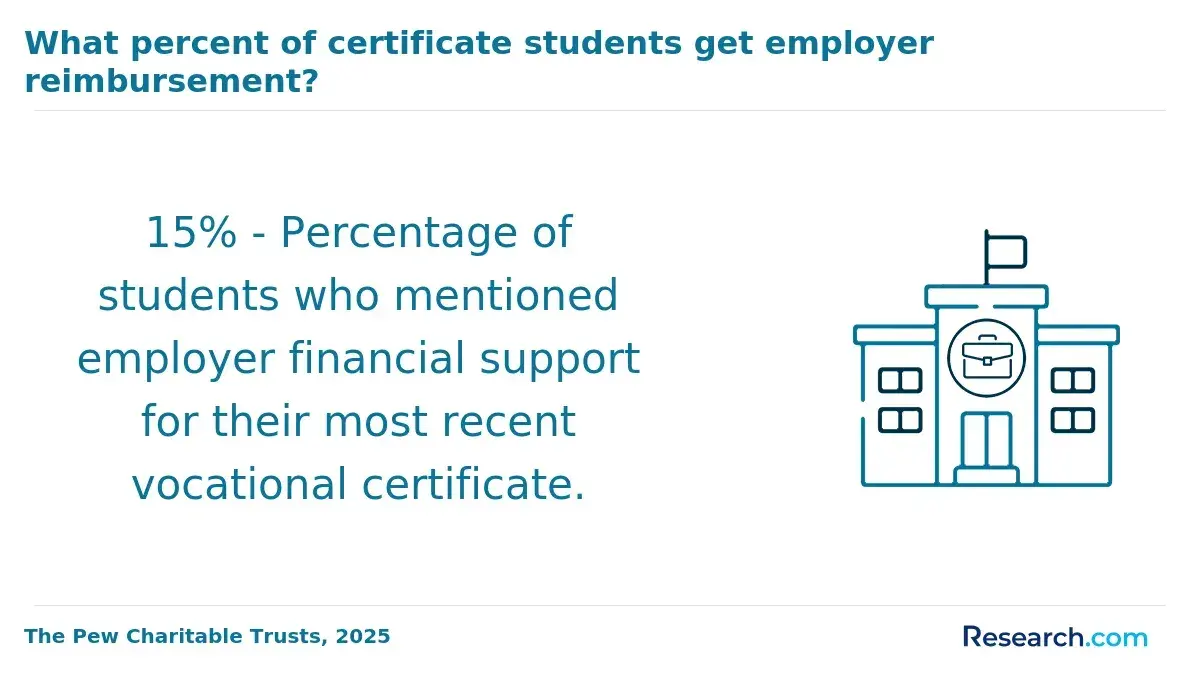
- Employer Tuition Reimbursement: Employer-sponsored tuition assistance programs are accessible to both groups but are increasingly popular among working professionals enrolled in online programs. The flexibility of online study often makes it easier for employees to balance work and education while taking advantage of employer benefits.
- Private Student Loans: Private loans are available to both online and on-campus Innovation students, with terms depending on credit and institutional accreditation. Accredited online degrees enjoy similar recognition, resulting in generally equivalent loan eligibility and employer perception for both learning formats.
On average, online Innovation programs tend to be less expensive-with undergraduates paying approximately $12,216 annually compared to $18,981 for on-campus students-and students save on housing and commuting costs.
To explore options for advanced study, consider programs such as the quickest masters degree online, which may offer additional financial flexibility.
Accreditation, faculty qualifications, and curriculum standards are foundational to the credibility of both online and on-campus innovation programs. Accredited online degrees from reputable universities often match their on-campus counterparts in academic rigor and learning outcomes, with institutions like UIC and ASU ensuring that online students are instructed by the same qualified faculty and follow identical curriculum standards.
However, some programs may employ different instructors for online courses, which can influence perceived quality if these faculty members lack the same credentials or experience. Both learning formats generally adhere to the same accreditation requirements, providing assurance that the education meets recognized quality benchmarks. Prospective students should carefully verify faculty qualifications and institutional accreditation to ensure program credibility and positive career impact.
Employer and institutional perceptions of online innovation degrees have shifted considerably in recent years. A recent ASU survey found that 76% of hiring managers viewed a four-year degree earned online more favorably and 92% would consider hiring such candidates.
Additionally, over 70% of organizations reported hiring applicants with online degrees within the past year, indicating growing acceptance by academic institutions and licensing bodies when degrees are from accredited programs. Online innovation programs also offer advantages including flexibility, reduced costs, and enhanced digital skills that appeal to working professionals.
Advances in virtual learning technology-such as interactive media, sophisticated learning management systems, and strong industry partnerships-are further enhancing the engagement and relevance of online education, helping to reshape credibility perceptions and placing online formats on a competitive footing with traditional on-campus programs.
Most employers in the US today regard online and on-campus innovation degrees as largely equivalent when the credential comes from an accredited and reputable institution. Surveys show that up to 83% of business leaders value an online degree from a well-known university similarly to an on-campus degree, while 92% of employers view online degrees from established "brick-and-mortar" schools favorably. However, the preference can waver when degrees are offered exclusively online by lesser-known institutions, with only 42% of employers considering these equally valuable.
Ultimately, the reputation of the university and program accreditation carry more weight in hiring decisions than the delivery format. In innovation roles, where practical skills, creativity, and problem-solving are crucial, employers tend to emphasize demonstrated ability and relevant experience over the modality of learning.
Attitudes toward online education have evolved notably, influenced by the rise of remote and hybrid work environments after 2020. Research such as the 2021 Corporate Recruiters Survey found that 32% of US recruiters now agree that online and in-person graduates are equally valued, with more positive views in industries like finance compared to consulting or technology.
The flexibility and digital collaboration skills fostered by online innovation programs are increasingly appreciated as assets for mid-career professionals seeking advancement. Cost advantages and adaptable scheduling further enhance the appeal of online learning. In the end, employers prioritize a candidate's practical achievements and the standing of their program well above whether the degree was earned online or on campus.
Salary comparisons between online and on-campus innovation program graduates are increasingly shaped by factors such as employer perception, accreditation, and individual experience rather than the learning format alone. As the job market evolves, the distinction between online versus on-campus innovation degree salary comparison continues to narrow. The following points highlight key factors influencing salary outcomes for these graduates.
The main aspects driving pay equivalency and differences include:
- Employer Perception: Surveys from 2024 reveal that most employers pay online innovation degree graduates the same starting salary as those from on-campus programs, showing no inherent bias. About 83% of HR professionals now regard accredited online degrees as equal in value to traditional ones, equalizing earning potential.
- Accreditation and Program Quality: Graduates from accredited and reputable online innovation programs often command comparable salaries because employers prioritize institutional reputation and curriculum relevance over delivery mode.
- Industry and Job Market Trends: Factors like industry demand, job function, and location heavily influence innovation graduates' salaries, often overshadowing whether their degree was earned online or on-campus.
- Cost and Debt Load: Since online innovation degrees usually cost roughly 64% of on-campus tuition and exclude residence expenses, graduates often start their careers with less debt, potentially allowing greater financial flexibility early on.
- Career and Academic Support: Both pathways offer strong career services, but on-campus programs may provide more face-to-face networking, while online options offer flexibility for working professionals seeking innovation careers.
For students evaluating options, considering factors beyond learning mode is crucial. Additionally, exploring fast online degrees that pay well can uncover valuable opportunities aligned with career goals and financial outcomes.
Choosing between online and on-campus innovation programs depends largely on your personal learning preferences, lifestyle, and professional goals. Both formats provide unique benefits, so understanding your priorities is essential for making the right decision.
The following key factors should guide you as you evaluate which option fits your needs best:
- Learning style: If you learn best through direct interaction with professors and peers, on-campus innovation programs can offer a more structured and immersive environment. Online programs, particularly asynchronous ones, suit self-driven students who prefer flexibility in managing their own study schedules.
- Flexibility needs: Online innovation degrees provide maximum flexibility, allowing you to balance education with work or family commitments effectively. In contrast, on-campus programs require fixed attendance times and locations, which could be challenging for those with busy or unpredictable schedules.
- Budget considerations: Enrolling in an online program can reduce costs associated with commuting, housing, and campus fees. It's wise to compare full expenses before deciding, and exploring options like an online bachelor degree affordable might help you find the best fit.
- Networking opportunities: On-campus students generally benefit from richer, spontaneous interactions and easier access to collaborative projects, which can be an advantage for career growth in innovation fields. Online programs are expanding virtual networking options, but the experiences may differ in depth and immediacy.
- Access to campus resources: Students studying on-site usually have greater access to labs, innovation centers, and faculty mentorship, providing hands-on experiences that complement theoretical learning. Online students might have some remote access but often face limitations in practical engagement.
Working adults looking for flexibility may find the best online innovation degree programs in the US well-suited to balancing education and career growth, while others may prioritize the on-campus innovation degree benefits for working adults such as networking and immersive learning experiences.
Here's What Graduates of Online vs On-Campus Innovation Programs Have to Say About Their Degree
- Daven: "Completing my innovation degree online allowed me to balance my full-time job and family responsibilities seamlessly. The flexibility meant I could study at my own pace while still gaining access to cutting-edge resources and expert faculty. This experience boosted my confidence and empowered me to pivot into a project management role that I love. The online format truly opened doors in ways I hadn't imagined before starting this journey."
- Amina: "The on-campus innovation program was transformative, not just academically but personally. Immersing myself in a vibrant campus community helped me develop strong professional networks and lifelong friendships. The hands-on workshops and face-to-face mentorship deeply enhanced my problem-solving skills, preparing me for a rewarding career in product development. Reflecting on this experience, I appreciate how it nurtured both my creativity and leadership."
- Maddox: "Choosing the hybrid innovation degree was the best of both worlds for me. The in-person sessions provided invaluable collaboration opportunities, while the online components offered much-needed flexibility. This combination sharpened my adaptability and time management, essential skills when I started consulting for startups. My degree not only advanced my career but also inspired me to create community programs fostering innovation among young entrepreneurs."
Other Things You Should Know About Online & On-Campus Innovation Degree Programs
In 2027, on-campus innovation degree programs offer substantial networking opportunities, a collaborative learning environment, and access to state-of-the-art facilities. Students benefit from direct mentorship, immediate feedback, and experiential learning situations that boost hands-on skills, enhancing creativity and teamwork within a vibrant academic community.
Yes. Many accredited online innovation degree programs use proctored exams for core courses, either through remote proctoring software or approved testing centers. Schools may also require a webcam, photo ID, and a stable internet connection before each exam session.
- How to Choose Between Online and On-Campus Learning in 2025 https://www.sandipuniversity.edu.in/blog/how-to-choose-between-online-and-on-campus-learning/
- Online vs. On-Campus Higher Education: Exploring Innovation in Students’ Self-Reports and Students’ Learning Products - LNBD https://lnbd.technion.ac.il/publication/online-vs-on-campus-higher-education-exploring-innovation-in-students-self-reports-and-students-learning-products/
- Financial Aid Options for Online Innovation MBA Program https://www.lsib.co.uk/2022/answers.aspx
- Online Vs On-Campus Learning: Which Mode Of Study Suits You Better? https://www.unicaf.org/online-university-vs-on-campus/
- Will I Make Less If You Go To A Coding Bootcamp Instead Of A Degree? https://stevenjwilson.com/earning-potential-coding-bootcamp-vs-degree/
- How to Choose Between Studying an Online vs On-Campus Degree https://online.federation.edu.au/how-to-choose-between-studying-an-online-vs-on-campus-degree/
- Tuition & Aid - Entrepreneurship & Innovation, MS | University of San Francisco https://www.usfca.edu/management/programs/graduate/entrepreneurship-innovation/tuition-aid
- Can I get financial aid for an online degree? | edX https://www.edx.org/resources/can-i-get-financial-aid-for-an-online-degree
- Employer Perceptions: Online Degree vs Traditional https://vignanonline.com/blogs/do-employers-see-online-degrees-as-valuable-as-traditional-degrees
- Survey: What Online College Students Need https://www.insidehighered.com/news/tech-innovation/teaching-learning/2025/05/01/survey-what-online-college-students-need