2027 Questions to Ask About Online Innovation Degree Programs Before You Enroll

Co-Founder and Chief Data Scientist
Prospective students often face uncertainty when choosing an online innovation degree program. With enrollment in innovation-related fields increasing by 15% annually, selecting the right program is critical for career success. Many graduates report gaps between academic training and workforce demands, complicating job placement and skill application. Understanding program quality, costs, career outcomes, and licensure preparedness can prevent costly mistakes.
This article will offer targeted questions to evaluate these factors, helping students make informed decisions and align their education with professional goals in the rapidly evolving innovation sector.
Key Benefits of Enrolling in Online Innovation Degree Programs
- Online innovation programs offer flexible scheduling, allowing students to balance studies with personal and professional responsibilities, essential for 65% of adult learners managing multiple commitments.
- Distance learning significantly reduces costs related to commuting, housing, and materials, making innovation degrees more financially accessible compared to traditional programs.
- The ability to integrate coursework with current employment supports improved work-life balance and enhances practical application, increasing job readiness post-graduation.
Is the Online Innovation Degree Program Accredited?
Accreditation is essential for online innovation degree programs because it confirms that the curriculum meets rigorous quality standards recognized by employers, licensing boards, and other educational institutions. Without proper accreditation, degrees might not qualify for professional licensure or advanced academic programs, which can limit career advancement and professional opportunities. According to data from the National Center for Education Statistics, nearly 87% of students enrolled in online programs attend regionally accredited institutions, underscoring the importance of this status when selecting a program. While there are few accrediting bodies dedicated exclusively to innovation degrees, most fall under broader regional accreditations such as those granted by the Middle States Commission on Higher Education (MSCHE) or the Higher Learning Commission (HLC). Business-focused innovation programs may also pursue accreditation from the Accreditation Council for Business Schools and Programs (ACBSP).
Prospective students looking for accredited online innovation degree programs should verify accreditation by consulting the U.S. Department of Education's Database of Accredited Postsecondary Institutions and Programs. Official school websites typically provide accreditation information as well. Confirming accreditation status is vital to ensure the program's credibility and whether it supports professional licensure and career goals. For students comparing costs alongside quality, researching affordable options like the cheapest online mba programs can be a valuable step. Knowing how to verify online degree accreditation can help avoid programs without proper recognition, thus safeguarding both educational investment and future career prospects.
What Are the Admission Requirements for Online Innovation Programs?
Prospective students evaluating online innovation degree programs benefit greatly from understanding the admission requirements to ensure they meet eligibility criteria and can prepare necessary documents. Clear awareness of these criteria streamlines the process and promotes readiness for the program's academic demands.
Key admission requirements to enroll in online innovation courses typically include the following:
- Educational Background: A high school diploma or equivalent is generally required, while some programs targeting specialized or advanced studies may require a bachelor's degree. This ensures that applicants possess foundational skills needed for the curriculum.
- Standardized Test Scores: Many online innovation programs waive SAT, ACT, or GRE requirements, though some may request these scores to assess academic preparedness and aptitude for advanced coursework.
- Application Form and Fee: Submission of a complete application along with a fee helps institutions process applications and gauge candidate seriousness in pursuing their studies.
- Personal Statement or Essay: Applicants must often provide a statement or essay showcasing their motivation, creativity, and understanding of innovation concepts, which are critical for success in these interdisciplinary programs.
- Letters of Recommendation: These letters provide insights into the applicant's skills, character, and potential from academic or professional sources, supporting a well-rounded admission review.
Knowing these admission criteria for online innovation degree programs helps prospective students assess their fit and avoid surprises during enrollment. For those also considering related fields, programs like the accelerated psychology bachelors degree online offer additional educational pathways to explore alongside innovation studies.
What Classes Do You Take in an Online Innovation Program?
Carefully examining the curriculum is essential for students comparing online innovation programs because it reveals the skills they will gain and how these align with career objectives. Research shows that more than 60% of institutions now integrate project-based learning into such programs to enhance job readiness.
Online innovation programs typically offer three main categories of classes:
- Core courses: These foundational subjects cover areas like innovation strategy, design thinking, entrepreneurship, and emerging technologies. They focus on cultivating problem-solving abilities, creative thinking, and strategic leadership skills vital for driving innovation across industries.
- Electives: Electives provide opportunities to specialize in topics such as digital transformation, sustainable development, product lifecycle management, or data analytics. This customization allows students to align their studies with specific professional interests and goals.
- Practical components: While hands-on experiences like internships are common, coursework-based practical elements such as case studies and collaborative projects also play a key role. These activities sharpen applied skills and simulate challenges encountered in real-world innovation settings.
A student currently pursuing an online innovation degree shared that balancing multiple complex subjects proved demanding but rewarding. He explained that some classes required mastering unfamiliar frameworks and tools, which initially felt overwhelming. However, working through group assignments and real-life problem scenarios helped build confidence and a clearer understanding of innovation processes. Reflecting on his journey, he remarked, "At first, it was tough figuring out how all these concepts fit together, especially without in-person interaction. But as I progressed, I appreciated how the classes pushed me to think differently and prepared me for the unpredictable nature of innovation work."
Knowing how long an online innovation degree takes helps students effectively plan their educational journey and manage their career expectations. The program duration influences tuition expenses, workload, and the timeline for entering the job market or pursuing further study.
Below are common timeframes associated with different enrollment types and program formats:
- Full-time study: Typically requires 2 to 4 years to complete a bachelor's or master's degree. This option suits students who can dedicate most of their time to coursework and want to graduate promptly.
- Part-time study: Extends the completion period to about 4 to 6 years. This path offers flexibility for working adults or those balancing family and other commitments.
- Accelerated programs: Allow learners to finish in as little as 1 to 2 years by taking heavier course loads or enrolling year-round. These fast-track options demand intensive time management and dedication.
- Programs with practical components: Includes degrees that require internships, clinical hours, or capstone projects. These hands-on experiences can prolong the timeline depending on placement availability and completion requirements.
Factors such as class schedules, student progression, transfer credits, and whether a program is self-directed or cohort-based further influence how long a degree takes. Considering these elements helps students align their studies with both personal and professional goals.
Most online innovation programs include internships or practicums, but requirements differ depending on the institution. These practical experiences are usually designed for flexibility, offering remote projects or placements near a student's home to balance professional exposure with personal schedules. Such engagements are essential for developing skills like problem-solving, collaboration, and managing real-world innovation challenges, while also contributing to career readiness and, in some cases, meeting licensure or certification criteria. Knowing if a program demands hands-on components helps prospective students weigh factors like additional costs, time investments, and how well the degree aligns with their career plans. Recent data shows that about 72% of innovation programs incorporate experiential learning to increase graduates' competitiveness in the job market.
The author spoke with a graduate of an online innovation degree program about her experience with internships. She recalled feeling uncertain initially about fitting an internship into her busy work-life routine but found the program's virtual practicum both challenging and rewarding. "Balancing deadlines and remote collaboration stretched my time management skills far beyond what I expected," she said, noting that navigating real company projects gave her confidence that purely academic courses couldn't provide. She also appreciated how the internship connected her with industry professionals, creating valuable networking opportunities that helped her secure a job post-graduation. Her journey illustrated that while not every program mandates internships, those that do often facilitate crucial professional growth despite the hurdles involved.
Graduates of online innovation degree programs can obtain professional licensure, but this depends largely on the specific field within innovation and the licensing requirements involved. Most innovation-related careers, such as product development or technology management, do not require formal licenses. However, programs that intersect with regulated professions like engineering, project management, or information security may require licensure or certification. Typical requirements for licensure include completing an accredited degree program, gaining practical work experience, and passing standardized exams.
Accredited online innovation programs often accommodate these by offering curricula aligned with professional standards and including preparation for certification exams, as well as internships or practicum opportunities to meet experience prerequisites, making getting licensed with an online innovation program possible in some cases.
Licensure is a key consideration for prospective students evaluating online programs because it affects eligibility for various jobs and professional credibility. Without the correct licensure or certification, graduates might face significant barriers to employment or advancement within certain sectors of innovation.
According to a report by the National Association of Innovation Professionals, 68% of employers prefer or require certification or licensure for mid- to senior-level innovation roles. Prospective students should confirm that online programs are accredited and provide clear pathways to relevant licensure or certifications tailored to their career goals.
For those comparing costs and quality, considering alternative degrees such as the cheapest psychology degree online programs may also offer flexible options depending on career path requirements.
Careful budgeting is essential for prospective students comparing online innovation degree program tuition costs to avoid unexpected financial challenges. With tuition per credit hour ranging widely, knowing typical expenses allows learners to plan and seek appropriate funding. Research shows the average total cost for many online master's degrees related to innovation can exceed $30,000, emphasizing the importance of understanding all fees involved.
Below is a summary of typical costs associated with online innovation programs to help students evaluate affordability and value:
- Tuition per credit: Most online innovation degrees charge tuition based on credit hours, typically ranging from $300 to over $1,200 per credit. Rates depend on the institution's prestige and whether it is public or private, affecting the total program cost.
- Technology and course materials fees: These fees cover access to digital platforms, software, and specialized tools essential for innovation studies. Some programs require purchasing proprietary software or subscriptions, adding several hundred dollars to expenses.
- Flat-rate tuition options: Certain schools offer flat tuition for the entire program, which can simplify budgeting but may be higher upfront. This contrasts with pay-per-credit models that allow more flexible pacing but variable costs.
- Additional charges: Exam proctoring fees and access to specialized innovation labs online may incur extra costs. These are less common but should be anticipated when planning finances.
- Certification and credentialing fees: Depending on the program, students might incur costs related to professional certification exams or licensing preparation, which vary by specialization.
For those seeking affordable online innovation degrees or complementary advanced study paths, exploring programs like an online phd organizational leadership can offer additional perspectives on cost-effective education in related fields.
Understanding financial aid options is important for prospective students considering online programs, as many underestimate the costs or assume limited aid is available. Recent data shows nearly 60% of online learners utilize some form of financial aid, highlighting a growing support system for virtual education in innovation fields.
Key types of financial aid available to online innovation students include:
- Federal Student Aid: Offered through the FAFSA, this category includes grants like the Pell Grant, subsidized and unsubsidized loans, and work-study opportunities. Eligibility depends on financial need, enrollment status, and U.S. citizenship or eligible noncitizen status, often significantly lowering program costs.
- Scholarships: Available from institutions, private organizations, and professional associations related to technology and innovation, these scholarships are typically merit- or need-based and do not require repayment. They form an essential part of scholarships and grants for online innovation programs.
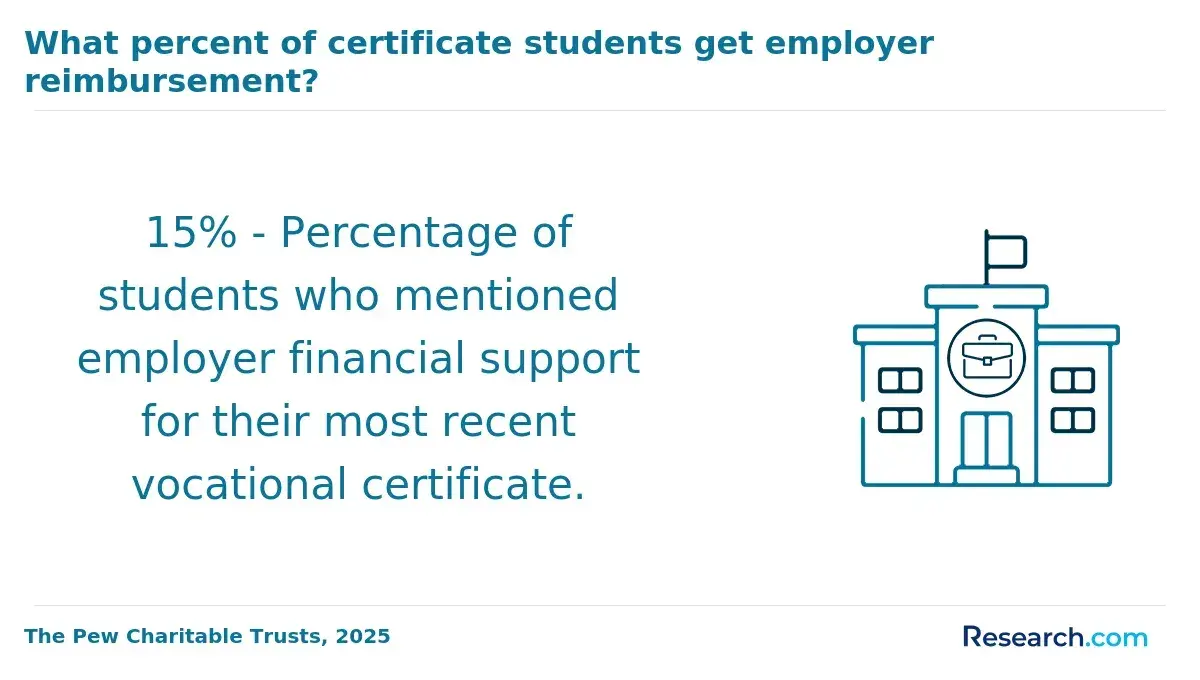
- Employer Tuition Assistance: Many employers provide financial support or reimbursement for employees pursuing relevant online degrees, though eligibility and award amounts vary. This assistance can make continuing education more affordable while working.
- State Grants and Aid: Numerous states offer grants or subsidized loans for residents enrolled in approved online programs. Proof of residency and enrollment is generally required, making state aid a valuable resource for qualifying students.
Each form of aid can substantially reduce overall expenses, making online innovation degrees more accessible and financially manageable. Prospective students interested in exploring the most affordable and flexible options may also consider reviewing rankings of online college degrees to balance costs with career goals effectively.
Knowing the career opportunities linked to an online innovation degree helps prospective students assess how the program aligns with their professional objectives. The innovation sector is expected to grow by approximately 9% over the next decade, reflecting strong demand for skilled professionals.
Career paths for graduates vary widely, offering roles across multiple industries. Common jobs include:
- Innovation Manager: Responsible for developing and implementing strategies to foster creativity and new product development. This role often leads to senior leadership positions, and the degree equips students with skills in project management and strategic thinking.
- Product Development Specialist: Focuses on designing and improving products or services to meet market needs. Graduates are prepared to collaborate across teams and use data-driven methods to enhance innovation cycles.
- Business Analyst: Analyzes market trends and organizational processes to identify improvement opportunities. The degree supports strong analytical abilities and knowledge of innovation frameworks important for this role.
- Innovation Consultant: Advises organizations on best practices for integrating new technologies and processes. Career growth may lead to niche expertise or executive consulting roles.
- Research and Development Coordinator: Oversees research projects that drive technological advances, making use of skills in managing cross-functional teams and innovation methodologies gained through the program.
Evaluating salary potential is essential for students choosing an online innovation program, as it helps gauge the return on their educational investment. Graduates in innovation fields commonly see starting salaries ranging from $65,000 to $95,000, with an expected wage growth rate of approximately 8% over the next ten years.
Several key factors determine how much online innovation graduates can expect to earn:
- Level of Education: Holding advanced degrees such as a master's or doctorate typically grants access to higher-level positions and increased earnings. Graduate credentials often correspond with leadership opportunities and greater responsibility.
- Specialization: Choosing a focus area like technology innovation, entrepreneurship, or design thinking influences salary depending on market demand. Certain niches may command premium pay due to their relevance in emerging industries.
- Experience: Entry-level roles usually come with lower salaries, but professionals who develop expertise and track records often experience significant income growth. Building a strong portfolio and skill set contributes to career advancement.
- Geographic Location: Compensation varies by region, influenced by local economic conditions and living costs. Urban centers and technology hubs tend to offer elevated wages compared to rural areas.
- Work Setting: Employment environments such as corporate innovation teams, startups, consulting agencies, or research organizations impact pay scales. Budget sizes and operational scope of these settings shape overall salary packages.
What Graduates Say About Enrolling in an Online Innovation Degree
- Wesley: "I was initially hesitant about the cost of the online innovation degree program, but considering it averages around $15,000, it felt like a smart investment for my future. The flexibility of the online format allowed me to balance work and study seamlessly, and the practical projects genuinely enhanced my problem-solving skills. Since graduating, I've been promoted twice, thanks to the creative strategies I developed through this program. "
- Anthony: "The affordable pricing of this online innovation degree, which I found to be quite reasonable compared to traditional options, motivated me to enroll as I sought to expand my knowledge base without financial strain. The curriculum was thoughtfully designed and engaging, encouraging me to apply innovative thinking directly to my job in real time. Reflecting on my progress, the degree has opened doors to leadership roles I never thought possible."
- Lou: "Choosing to pursue the online innovation degree was a strategic decision, especially given the average cost was within reach for me as a working professional. The experience challenged me intellectually and offered a well-organized platform that supported my learning journey efficiently. Professionally, the credential has distinguished me in my field, making a measurable impact on my career trajectory and earning me new consulting opportunities. "
Other Things You Should Know About Innovation Degrees
In 2027, accreditation for online innovation degree programs typically requires meeting criteria set by recognized accrediting bodies. This includes ensuring rigorous academic standards, qualified faculty, effective curriculum delivery, and adequate student support services. It's crucial to verify that the program is accredited by organizations recognized by the Department of Education.
Many online innovation degree programs offer a mix of asynchronous and scheduled classes, but some provide at least 70% asynchronous coursework each term. Ask whether live sessions are required, how often they meet, and whether any classes have fixed weekly deadlines or proctored exams.
Many online innovation programs integrate real-world case studies, simulations, and virtual labs to provide practical experience. Some programs partner with companies for capstone projects or consulting assignments conducted remotely. Confirming the extent and nature of applied learning opportunities is important to ensure the program prepares students for practice beyond theory.
- New Innovation in MSW Practicum Experience: Virtual Practicum Simulation https://online.une.edu/blog/new-innovation-in-msw-field-experience-virtual-field-simulation-now-available/
- What Do MBA Graduates in Innovation Management Earn? https://mitidinnovation.com/blog/average-salary-for-mba-graduates-in-innovation-management/
- Real-World Work Experience | Virtual Internships https://www.virtualinternships.com/
- Certified Innovation Programme Accreditation https://ikeinstitute.org/product/certified_innovation_programme_accreditation
- What are the advantages of pursuing an e-learning degree in Portugal? https://www.umu.com/ask/q11122301573854314438
- Can I get financial aid for an online degree? | edX https://www.edx.org/resources/can-i-get-financial-aid-for-an-online-degree
- Master’s Degree Program https://moderna.edu.pl/majors/management/master-of-management/project-and-innovation-management/
- Innovation Management Certification https://licensed.innovation360.com/
- Innovation Certification and Licensed Practitioner https://my360.global/innovation-certification-and-licensed-practitioner/
- Master of Digital Transformation and Innovation (Online) https://catalogue.uottawa.ca/en/graduate/master-digital-transformation-innovation-online/