2027 Innovation Degree Programs for Career Changers

Co-Founder and Chief Data Scientist
Mid-career professionals often face challenges entering innovation fields without formal training, limiting their job prospects despite valuable work experience. According to the National Center for Education Statistics, 45% of adult learners pursue degrees to facilitate career changes, highlighting a growing demand for programs tailored to this group.
Many fear their skills may be outdated or irrelevant in rapidly evolving industries driven by innovation. This article will explore innovation degree programs designed specifically for career changers, examining how these degrees provide practical knowledge and credentials to help adults transition efficiently and with confidence into new, in-demand roles.
Key Things to Know About Innovation Degree Programs for Career Changers
- Innovation degree programs often offer flexible scheduling and online or hybrid formats, enabling working adults to balance education with employment and personal responsibilities.
- These programs emphasize employer-relevant skills, increasing job placement rates by up to 40% for career changers in innovation-driven industries.
- Accelerated pacing and dedicated support services, such as mentoring and career counseling, help adult learners successfully transition more efficiently into new careers.
What Innovation Programs Accept Career Changers?
Certain innovation programs are uniquely suited for working adults and professionals seeking a career transition due to their flexible admissions and practical approaches. Over 40% of graduate students in the U.S. are adult learners, reflecting a rising trend of career changers pursuing advanced degrees tailored to their needs.
Programs known for accommodating diverse professional backgrounds and emphasizing applicable skills include:
- Master's in Innovation and Entrepreneurship: This program features hands-on projects and case studies, allowing students to apply transferable skills from previous careers and gain relevant experience in innovation-driven environments.
- Master's in Technology Innovation: Designed for individuals from both technical and non-technical backgrounds, this program provides a flexible curriculum focused on emerging technologies and practical problem-solving.
- Master's in Design Thinking and Innovation: Known for its interdisciplinary nature, it fosters creative solutions across industries, making it ideal for those who bring diverse experiences and seek to develop innovative thinking.
- MBA with an Innovation Concentration: Combining core business knowledge with innovation management, this program offers flexible admissions that value professional achievements alongside academic credentials.
For working professionals exploring new fields, innovation master's programs accepting nontraditional applicants often grant credit for prior experience to accelerate degree completion. Those interested in related fields may also consider exploring slp online programs to expand their career options beyond innovation.
What Innovation Specializations Are Best for Career Changers?
Selecting the right innovation specialization significantly impacts career changers by matching their existing skills with emerging industry demands. Jobs in innovation-related fields are projected to grow by nearly 15% in the next decade, underlining strong hiring trends for professionals with focused expertise. Below are four top innovation specializations ideal for career changers seeking effective transition paths.
- Design Thinking: This specialization emphasizes creative problem-solving and leverages transferable skills such as project management and communication, making it accessible to professionals from diverse backgrounds and supporting rapid skill adaptation.
- Product Innovation: Focused on developing new products and market solutions, it appeals to those with experience in marketing or engineering and offers considerable career mobility across industries, ensuring broad opportunities for growth.
- Technology Innovation Management: By combining technology knowledge with strategic leadership, this area enables career changers to build on existing analytical and management skills, often attractive for those moving into tech-oriented roles.
- Social Innovation: Centered on sustainable and community-focused solutions, it draws individuals passionate about impact and social change, opening doors to nonprofit and public sector careers.
For those considering an innovation degree specialization for career changers, focusing on a program that aligns with your background and future goals is key. For instance, professionals looking to strengthen their engineering foundations while transitioning can explore engineering degrees online, which complement many innovation career paths. Choosing the best innovation program focus areas for career transition ensures a strategic step forward into a growing, dynamic workforce.
What Are the Admission Requirements for Career Changers Applying to a Innovation Program?
Career changers often face unique admission challenges when applying to innovation degree programs, making it essential to understand how to align prior experience with program expectations. Nearly 40% of adult learners enroll in higher education to support a career change, underscoring the demand for clear prerequisites and flexible application options. Below are common admission requirements for career changers in innovation degree programs to consider.
- Educational Background: A bachelor's degree or its equivalent from an accredited institution is typically required, but many programs offer alternative pathways for those without traditional degrees, recognizing diverse professional histories.
- Work Experience and Skills: Submitting a resume or portfolio showcasing relevant skills and career accomplishments is crucial. Emphasis is placed on transferable skills that demonstrate readiness to succeed in innovation-focused studies.
- Letters of Recommendation: References should highlight professional achievements and the applicant's adaptability, reinforcing the candidate's potential to thrive despite a career change.
- Personal Statement: A well-crafted essay explaining the motivation behind the career transition and how the innovation program aligns with long-term goals helps admissions committees assess genuine commitment.
- Standardized Tests: GRE or other test scores may be waived or optional, especially for working professionals, reflecting the growing trend towards flexible prerequisites and recognition of real-world experience.
Many programs encourage working professionals to leverage alternative qualifications such as certifications, workshops, or significant work experience instead of formal education, enhancing access for career changers. For those seeking to explore options closely aligned with career advancement, especially through affordable online pathways, consider exploring the online executive mba. These alternatives facilitate smoother transitions by valuing practical experience alongside academic credentials.
Understanding the prerequisites and application tips for innovation programs for working professionals enables career changers to present compelling applications that highlight adaptability and a forward-thinking mindset.
For career changers, a well-structured innovation degree offers adaptable coursework tailored to merging previous knowledge with fresh, applicable content. This design minimizes unnecessary theory while prioritizing relevance and immediate use in new professional environments. Below are key elements typically included in these programs:
- Foundations of Innovation: Introduces essential principles of creativity, technology advancements, and problem-solving processes that provide a solid base without overwhelming theoretical material.
- Business and Entrepreneurship: Emphasizes practical approaches to building viable business models, analyzing markets, and crafting strategies to turn innovative ideas into market-ready solutions.
- Project Management and Design Thinking: Focuses on methods for guiding complex projects and applying human-centered design to foster effective innovation.
- Technology Tools and Applications: Covers the use of modern digital platforms and tools relevant to implementing innovative concepts across various sectors.
- Capstone or Applied Projects: Provides hands-on experiences simulating real-world innovation challenges to directly apply learned principles in practice.
A professional who earned an innovation degree online to facilitate a career change shared insights with me about his journey. He described initial doubts about balancing coursework with work and family but found the program's flexibility crucial. "The applied projects were especially demanding yet rewarding because they mimicked real situations I expected to face," he explained. He appreciated how instructors adjusted expectations, offering personalized support when he struggled with time management. The practical focus helped him stay motivated; as he put it, "Knowing the coursework was designed to lead me directly into new roles kept me engaged even on tough days." His experience highlights how these programs can not only educate but also empower those transitioning into unfamiliar fields.
Choosing the right innovation program format can greatly influence a career changer's ability to balance education with existing responsibilities. With more than 40% of adult learners opting for online or hybrid options, flexible learning methods are increasingly favored. Below are some of the most popular formats designed to accommodate busy schedules and varied learning preferences.
- Fully Online Programs: These offer the greatest flexibility by allowing students to access coursework remotely and often complete assignments on their own timeline. This is ideal for professionals who need to juggle work and study without location constraints.
- Hybrid Programs: Blending online learning with occasional on-campus sessions, hybrid formats provide a balance of direct interaction and convenience. They suit those seeking some face-to-face engagement without fully relocating or attending daily classes.
- Part-Time Study: Designed to extend over a longer period, part-time innovation degrees help learners continue full-time employment while advancing their education. This reduces financial strain and allows for gradual skill development.
- Evening and Weekend Classes: Tailored to working individuals, these programs schedule lectures outside standard business hours, improving access for those who cannot attend daytime sessions.
Developing versatile skills is essential for career changers, as 87% of U.S. employers value transferable abilities more than specific job experience, highlighting the need for adaptability during workforce reskilling. Innovation degree programs target these crucial competencies to prepare adult learners for success across industries. Here are five important skills typically gained in such programs:
- Creative Problem-Solving: This skill empowers career changers to generate unique solutions when facing unfamiliar challenges, enhancing their ability to contribute original ideas in new roles.
- Design Thinking: Focusing on user-centered methods, design thinking teaches learners to apply concepts practically to real-world issues, smoothing the path for occupational transitions.
- Project Management: Gaining expertise in organizing and executing projects equips students with vital planning abilities necessary to deliver consistent results in diverse professional settings.
- Collaboration and Communication: Mastery of interpersonal skills enables effective teamwork and clear idea sharing, qualities that employers consistently seek in adaptable professionals.
- Data Literacy: Understanding how to analyze and utilize data supports informed decision-making processes, a critical asset that enhances employability across multiple sectors.
A career changer who completed an innovation degree shared that initially, adapting to unfamiliar frameworks was intimidating. "I was constantly challenged to think beyond my previous experience," she explained. Over time, working on projects requiring collaboration with peers from varied backgrounds boosted her confidence. She reflected, "Learning to integrate design thinking and data interpretation helped me approach problems more strategically, which made me feel ready for the career shift." Her journey illustrated how acquiring these skills not only eased the transition but also broadened her professional perspective and resilience.
For career changers, understanding the total cost of an innovation degree is essential to balance education expenses with ongoing financial responsibilities. Nearly 41% of graduate students borrow money to finance their education, underscoring the importance of planning carefully for tuition and related costs. Below are the main cost components that impact working professionals pursuing affordable innovation programs for working professionals.
- Tuition: Tuition is the largest expense and varies widely depending on the institution and program length. Costs typically range from $500 to $1,500 per credit hour. Many programs offer flexible payment plans or employer tuition assistance to ease the financial burden for adult learners.
- Fees: Additional fees for technology, lab access, and course materials can add several hundred dollars annually. These fees support essential resources needed for completing an innovation degree successfully.
- Books and Software: Required textbooks and specialized software subscriptions often cost $1,000 or more over the duration of the program. Career changers should factor these expenses into their budget along with tuition fees.
- Program Delivery: Online and hybrid programs can reduce costs by eliminating relocation and commuting expenses. Exploring accelerated courses or transferring credits from prior experience can shorten degree duration and total investment.
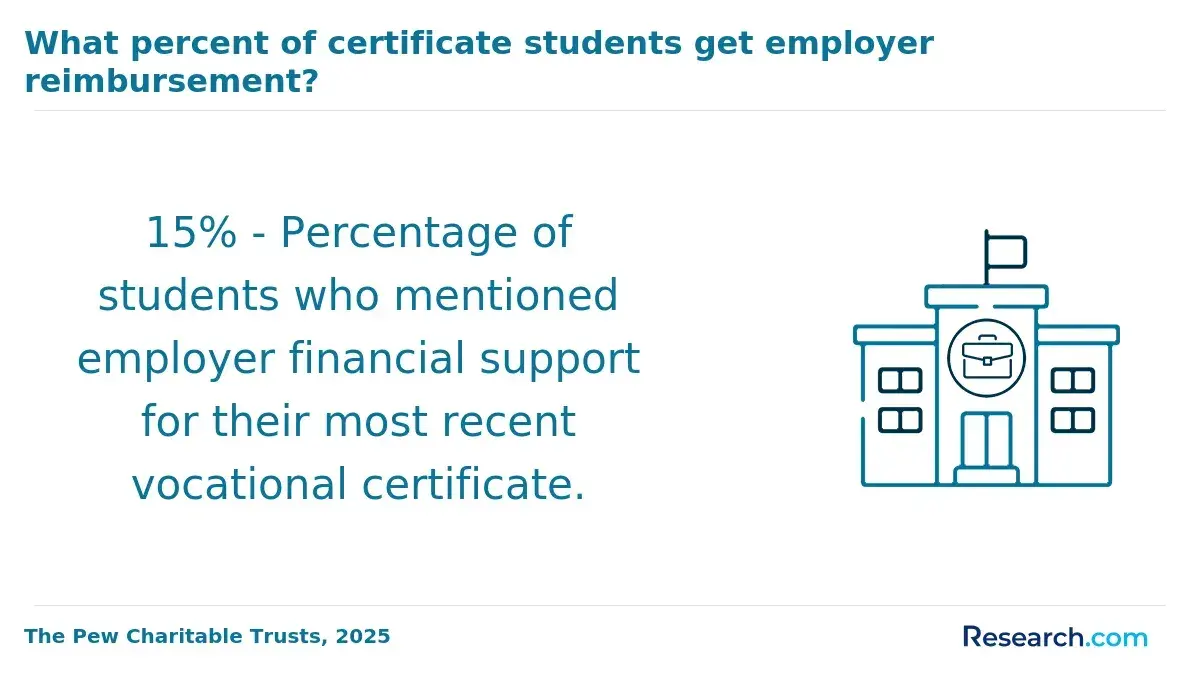
- Financial Assistance: Many employers support career development through reimbursement programs, which can significantly lower out-of-pocket expenses. Flexible payment and installment options are crucial for managing costs while working full-time.
Career changers seeking affordable innovation degree options may also consider exploring the most affordable online colleges to find programs tailored to working professionals' needs and budgets.
When designing a curriculum specifically for career changers, it is essential to address the diverse backgrounds and varying levels of prior knowledge these learners bring with them. A well-crafted innovation degree curriculum for career changers ensures skill acquisition aligns with evolving industry demands and supports a smooth transition into new fields. The following elements highlight how such curricula facilitate career shifts effectively.
- Applied Learning: Incorporates hands-on opportunities like labs and simulations that translate theoretical concepts into practical skills, enabling students to gain experience relevant to their new careers.
- Transferable Skills: Focuses on critical thinking, problem-solving, and adaptability, cultivating abilities that support career transitions by being valuable across diverse industries.
- Flexible Pacing: Offers options such as part-time and self-paced modules, allowing working adults to balance their studies with professional and personal commitments smoothly.
- Real-World Projects: Embeds case studies and projects based on current industry challenges, enhancing job readiness by exposing learners to practical scenarios they are likely to encounter.
- Interdisciplinary Approach: Encourages versatility by integrating knowledge across multiple fields, fostering an innovation mindset that drives creative collaboration and problem-solving in various sectors.
Careers can be transformed efficiently by skills gained from innovation programs supporting career transitions, helping professionals connect new knowledge to practical applications. For those interested in further enhancing their qualifications, consider exploring recognized online certificate programs that complement innovation degree curricula and boost career prospects.
For professionals shifting careers, recognizing potential job outcomes plays a vital role in aligning their existing skills with evolving industry needs. The U.S. Bureau of Labor Statistics anticipates a 10% growth in innovation-related occupations by 2032, highlighting promising prospects for those entering this field. Below are common roles suited to innovation graduates:
- Product Manager: Manages the entire lifecycle of products, applying leadership and strategic insights from previous experiences to connect technical teams with business goals. This role leverages transferable project coordination and decision-making skills, making it accessible for career changers.
- Design Strategist: Focuses on creating user-centered solutions by combining creativity with research abilities. Prior problem-solving experience supports effective strategy development, helping professionals transition smoothly into this innovative role.
- Innovation Consultant: Provides expert guidance on organizational change by utilizing strong analytical abilities and communication skills gained from other industries. This advisory position benefits from adaptable expertise and an understanding of diverse business environments.
- Entrepreneur: Initiates and manages new ventures, relying on risk assessment, resource management, and adaptability. Career changers often bring fresh perspectives and critical skills to successfully launch and sustain innovative businesses.
- User Experience (UX) Designer: Enhances digital product interfaces by applying empathy and design principles familiar to those with varied backgrounds. This role suits individuals skilled in understanding user needs and translating them into intuitive experiences.
These career options emphasize flexibility and the use of broad competencies, allowing career changers to integrate their strengths effectively and contribute original ideas within innovation-driven industries.
Salary expectations are a key factor for professionals changing careers, as they must balance the costs of education with anticipated financial returns. Research shows that 62% of individuals who reskilled through targeted programs experienced salary increases within two years. Below are common compensation trends and factors influencing earnings for innovation degree holders.
- Entry-Level Salaries: Starting salaries in innovation-related fields typically range between $60,000 and $80,000 annually, influenced by the specific role and region.
- Mid-Career Earnings: Professionals with five to ten years' experience often see salaries between $85,000 and $110,000, benefiting from accumulated industry knowledge and leadership skills.
- Senior Positions: High-level or specialized roles can command pay exceeding $130,000, particularly in sectors with strong demand for innovation expertise.
- Industry Variation: Technology and consulting industries generally offer higher wages compared to nonprofit organizations or academia, reflecting market valuation of innovation skills.
- Certification Impact: Holding professional certifications or advanced degrees frequently enhances earning potential and can accelerate salary growth beyond initial estimates.
What Graduates Say About Their Innovation Degrees for Career Changers
- Westin: "Deciding to pivot from a stagnant career in finance, I enrolled in an innovation degree program that cost around $50,000 for full attendance. The investment was significant but absolutely worth it; the creative problem-solving skills I gained opened doors to exciting roles in product development. I'm now thriving in a field I love, and this degree was my catalyst for change. "
- Peter: "After years in architecture, I wanted a fresh perspective and found that an innovation degree program, though costing roughly $45,000 on average, was a strategic move. Reflecting on the experience, the knowledge gained in fostering new ideas and technologies was invaluable-it has deeply influenced my approach to design and project management. For me, the cost was an important consideration, but the professional growth was priceless. "
- Andrew: "Transitioning from marketing to innovation was a calculated risk that included a tuition fee near $48,000, which I planned carefully. Completing the program brought a profound shift in my career trajectory, enabling me to lead disruptive initiatives and drive business transformation effectively. I'm grateful for how this degree helped me redefine my career path with confidence and clear purpose. "
Other Things You Should Know About Innovation Degrees
Most innovation degree programs in 2027 do not require a specific professional background. Instead, they look for candidates with diverse experiences, a strong interest in innovation, adaptability, and problem-solving skills, making them accessible to career changers from various fields.
Yes. Many 2027 innovation degree programs award credit for prior learning after a portfolio review, professional certification, or challenge exam. Schools usually cap transfer credit at 25% to 50% of the degree, and approval comes from the registrar or academic department.
Innovation degree programs are frequently designed with flexible learning options such as part-time, evening, or online formats to accommodate working professionals. The pace can range from accelerated tracks to extended timelines depending on the program. Prospective students should assess how program scheduling fits with their current career and life obligations.
Many institutions provide career services specifically for adult learners, including coaching, networking opportunities, and internship placement assistance. These resources help career changers leverage their innovation education effectively for new roles. Mentorship programs and alumni networks are also commonly available to support the transition process.
- What Do Technology Jobs Pay? The 2025 Industry Salary Guide https://careerfoundry.com/en/blog/career-change/what-do-technology-jobs-pay/
- Innovation and Entrepreneurship Specialisation https://www.curtin.edu.au/study/offering/course-ug-innovation-and-entrepreneurship-specialisation--spuc-inent/
- Innovation Q&A – 30+ Common Questions About Innovation https://www.viima.com/blog/innovation-questions
- A Comprehensive Guide to Changing Careers into Tech: FAQs | Northcoders https://www.northcoders.com/blog/comprehensive-guide-to-changing-careers-into-tech-faqs/
- The 4 best professions for career changers | hyrise https://www.hyrise.com/en-en/blog/the-4-best-professions-for-career-changers
- Is Technology a Good Career Change for You? - Tech Elevator https://www.techelevator.com/is-technology-a-good-career-change-for-you/
- Strategy & Innovation Management Major https://www.kozminski.edu.pl/en/strategy-innovation-management-major
- 8 courses to help you change careers—without breaking the bank https://www.open.edu.au/advice/insights/change-careers-postgraduate-csps
- Career Development and Transition Funding | Coefficient Giving https://coefficientgiving.org/funds/global-catastrophic-risks-opportunities/career-development-and-transition-funding/
- The Best Degrees for Career Changers in 2025 (No Starting from Scratch) https://www.nexford.edu/insights/the-best-degrees-for-career-changers-in-2025-no-starting-from-scratch