2027 Is a 2-Year Engineering Technology Degree Worth It: Accelerated Bachelor's ROI & Time Trade-Offs

Co-Founder and Chief Data Scientist
Many prospective students and working adults face a dilemma: should they pursue a 2-year engineering technology degree or commit to an accelerated bachelor's program? Recent data indicates that graduates with an accelerated bachelor's in engineering technology see a 15% higher median salary within five years compared to those holding only associate degrees. However, the additional time and cost investment raises questions about opportunity costs and career timelines.
This article examines the return on investment, time trade-offs, and workforce trends relevant to accelerated engineering technology degrees. It aims to guide readers in making informed decisions that balance educational commitment with career and financial outcomes.
Key Benefits of a 2-Year Engineering Technology Degree
- Graduates with a 2-year engineering technology degree often see quicker workforce entry, reducing educational debt and starting salaries averaging 15% higher than those with only a high school diploma.
- The accelerated format condenses practical, industry-relevant skills, enabling faster job placement and career advancement within technical and manufacturing sectors.
- Compared to traditional four-year programs, the reduced time commitment maximizes ROI, balancing cost savings with competitive earning potential in engineering-related roles.
How Do 2-Year Engineering Technology Programs Work?
Two-year engineering technology programs offer a focused, practical education designed for students seeking a fast track into technical careers or an efficient foundation for an accelerated bachelor's degree. Understanding the structure of these programs is essential for prospective students considering how to balance time commitments with career goals.
Below is a breakdown of how 2-year engineering technology program structures typically function.
- Accelerated pacing: These programs operate on an accelerated schedule, enabling faster completion than traditional semester models. Students move through coursework more quickly while maintaining rigorous academic standards.
- Year-round enrollment: Program calendars usually allow enrollment throughout the year, dividing the academic schedule into multiple short terms, which supports continuous study and reduces time between courses.
- Condensed course terms: Terms often last 8 to 12 weeks instead of the typical 16, demanding consistent focus and stamina to manage the intensified workload.
- Credit load expectations: Students take a heavier credit load per term compared to standard programs, aligning with the goal of shortening total degree time without sacrificing content mastery.
- Instructional format: Course delivery blends lectures with hands-on labs and project-based learning that focus on applied skills in areas like manufacturing, electronics, and civil technology.
- Assessment methods: Evaluation includes exams, lab work, and practical projects emphasizing real-world applications and problem solving.
- Curriculum progression: Students progress sequentially, beginning with foundational courses in mathematics, physics, and technical drawing, then advancing to specialized subjects, helping ensure timely completion and skill development.
Such an accelerated engineering technology degree curriculum can cut completion time by roughly 25%, researchers find, benefiting both cost savings and quicker industry entry. Employment in engineering technology fields is projected to grow by about 5% through 2031, with median associate degree earnings near $60,000 annually.
Those evaluating efficient career routes might also compare options like an online pharmacy school for further education choices.
What Are the Admission Requirements for a 2-Year Engineering Technology Degree?
Knowing the admissions criteria for accelerated engineering technology programs is crucial for students aiming to maximize their time and educational investment. These criteria often determine eligibility and help prospective students prepare effectively for the application process. Clear understanding also assists in aligning academic background and skills with program expectations.
Here is a detailed look at common admission requirements for a 2-year engineering technology degree admission requirements, highlighting essential academic and experience-based components.
- Prior Education: Most programs require applicants to have a high school diploma or an equivalent credential. This foundational qualification supports readiness for college-level coursework and technical instruction.
- GPA Expectations: A minimum GPA typically falls between 2.0 and 2.5, although more competitive tracks may ask for higher academic standing. Maintaining this benchmark helps demonstrate consistent academic performance.
- Prerequisite Courses: Proficiency in mathematics and science is usually expected, with applicants needing to complete courses in algebra, geometry, and introductory chemistry or physics. These courses provide the necessary technical foundation for engineering study.
- Standardized Tests: While many community colleges offering 2-year degrees do not require SAT or ACT scores, certain institutions might still request them. It is advisable to check individual program policies to know if testing is mandatory.
- Work Experience and Placement Tests: Although work experience is not universally mandatory, it can enhance an application, particularly for specialized or accelerated engineering programs. Additionally, placement tests in math and English help assess readiness for the demanding curriculum.
Completing a 2-year engineering technology degree can significantly shorten the pathway to employment compared to traditional bachelor's degrees, with median earnings around $55,000 annually according to the National Center for Education Statistics.
Those considering quicker employment options might also explore similar short-term credential programs, such as a certified medical assistant program, for comparison in time and cost efficiency.
What Does a Typical Week Look Like in a 2-Year Engineering Technology Program?
Grasping the weekly schedule and workload of an accelerated engineering technology program is essential for prospective students aiming to balance academic demands with personal and professional responsibilities. This insight helps gauge whether the intensity and time commitment align with individual goals.
Below is a detailed overview of the typical weekly components in such a program.
- Class Sessions or Lectures: Students typically participate in 15 to 20 hours of classes weekly, blending theoretical instruction with practical labs. These sessions are designed to build both conceptual knowledge and hands-on skills crucial for engineering roles.
- Assignments and Assessments: Weekly tasks often include quizzes, problem sets, and project deadlines aimed at reinforcing lesson material and tracking progress. The fast pace can result in a substantial workload relative to traditional degree programs.
- Group Work: Collaborative projects mirror real engineering teams, requiring students to coordinate efforts and solve problems together. This interaction enhances communication and teamwork abilities vital for future careers.
- Independent Study: Outside the classroom, students dedicate 10 to 15 hours for reviewing concepts, preparing exams, and advancing individual projects. This self-directed learning is critical for mastering content within the compressed timeframe.
- Instructor Interaction: Regular office hours and consultations provide personalized support, allowing students to clarify doubts and receive guidance tailored to their learning pace.
- Time Management: Managing multiple deadlines, group commitments, and study periods demands disciplined organization. Effective scheduling is key to maintaining consistent progress and preventing burnout.
When speaking with a professional who earned a bachelor's degree in engineering technology within two years, he described the experience as "intense but rewarding." He recalled the initial shock of juggling tightly packed schedules and rapidly approaching deadlines.
"Some weeks felt like a sprint," he shared, "especially when group projects overlapped with exams and lab work." The challenge lay not only in mastering technical material but also in developing a rhythm that balanced productivity with rest. He emphasized how building strong communication with peers and instructors was invaluable in navigating the workload.
"Looking back, the sense of accomplishment from completing such a demanding program quickly made all the hard work worth it," he reflected, highlighting the personal growth behind the academic rigor.
Choosing an online format for a 2-year engineering technology degree influences flexibility, accessibility, and how students manage their time. Since accelerated programs require focused effort, understanding delivery methods helps learners select the option best suited to their schedules and learning preferences.
Below is a detailed look at common aspects of online engineering technology programs.
- Fully online vs. hybrid formats: Programs may be entirely online or combine online coursework with occasional in-person sessions, offering a blend of flexibility and hands-on experience.
- Asynchronous and synchronous learning: Many courses mix self-paced lessons with scheduled live sessions, allowing students to balance independent study and real-time interaction.
- Technology requirements: Students need a dependable computer, fast internet access, and specific software tools relevant to engineering technology tasks to participate effectively.
- Student support services: Remote advising, tutoring, and technical help are commonly provided to assist online learners throughout their studies.
- Impact on pacing and engagement: Accelerated online programs demand strong time management due to condensed coursework, while interactive assignments and virtual labs help maintain student involvement and reduce isolation.
Calculating the total cost of a 2-year engineering technology degree is essential for assessing its return on investment, particularly for accelerated programs that promise quicker completion. Since expenses extend beyond tuition, understanding all financial components helps prospective students make informed decisions aligned with their career goals.
Below is a detailed breakdown of common costs associated with these programs.
- Tuition Structure: Tuition fees for accelerated engineering technology programs often differ from traditional four-year paths, charging either per credit hour or a flat term rate. Accelerated formats can reduce total tuition paid by allowing faster completion, but higher per-semester fees may apply.
- Fees: Mandatory fees cover technology access, labs, and student activities. These fees sometimes add significantly to the overall expense and vary between institutions and program formats.
- Textbooks and Learning Materials: Specialized textbooks, software licenses, and lab kits are common in engineering technology courses, which may raise costs above those seen in less resource-intensive programs.
- Technology and Lab Costs: Hands-on experience is crucial, with technology and lab fees reflecting the need for equipment and specialized software. Accelerated pacing often requires immediate access to these resources, which can increase expenses upfront.
- Accelerated Pacing Impact: While accelerated programs enable earlier workforce entry, potentially saving 1 to 2 years of study, their intensive schedules and higher per-term costs may offset savings seen in traditional timelines.
According to the National Center for Education Statistics, tuition and fees for accelerated engineering technology programs at public institutions typically range from $3,500 to $8,500 annually for in-state students. Those considering options for managing costs might also explore alternatives like the cheapest medical billing and coding program, which offer a different education pathway with lower expenses.
Financial aid plays a crucial role for students considering accelerated engineering technology programs, as managing costs can directly impact the feasibility of completing a degree swiftly. Understanding the types of assistance available and how fast-paced programs influence aid distribution helps students plan effectively for their education expenses.
Below is an overview of common financial aid options and factors specific to shorter engineering technology pathways.
- Federal Student Aid Eligibility: Many accelerated engineering technology programs qualify for federal aid such as Pell Grants and Direct Loans. Completing the FAFSA is essential to determine eligibility and access these funds, which support tuition and living expenses.
- Scholarships and Grants: Numerous scholarships target students in technical fields, including awards from private organizations and industry groups. These funds often do not require repayment and can significantly reduce out-of-pocket costs.
- Employer Tuition Assistance: Workers advancing technical skills may benefit from employer-sponsored tuition reimbursement plans. Such support is valuable for those balancing full-time jobs while pursuing accelerated degrees.
- Impact of Accelerated Pacing: Faster degree completion means fewer semesters, which can alter how and when financial aid is disbursed. Students should communicate with financial aid offices early to understand potential changes in payment schedules and award amounts.
- Payment Plans and Budgeting: Some institutions offer payment installments to ease financial strain. Coupled with aid, these options help students manage budgeting during condensed academic timelines.
When I spoke with a professional who earned her bachelor's degree in engineering technology within two years through an accelerated program, she emphasized the balancing act required. "Navigating financial aid was a bit daunting at first, especially because payments came less frequently but needed to cover more per period," she explained.
She found that staying in close contact with the financial aid office made a significant difference, allowing her to anticipate fund disbursements and avoid surprises. "The scholarships I secured really helped lessen the pressure, and employer tuition assistance was a game-changer since I was working throughout the program," she reflected.
Her experience demonstrated that, while accelerated pathways demand careful financial planning, multiple aid options can make completing a faster engineering technology degree financially attainable and rewarding.
When considering an accelerated engineering technology bachelor's degree, evaluating potential career outcomes is crucial to understanding the program's true value. Knowing the types of jobs available after completing a 2-year engineering technology degree job prospects can help prospective students align their time and financial investment with realistic professional goals.
This clarity supports informed decisions about education pathways and future employment.
- Engineering Technicians: Graduates often find entry-level roles as engineering technicians, assisting professional engineers by performing hands-on tasks such as testing, troubleshooting, and implementing engineering designs. These positions provide practical experience and direct involvement with technical projects in various engineering disciplines.
- Quality Control Inspectors: Many start their careers ensuring products meet specifications and safety standards. Working as quality control inspectors, graduates apply detailed knowledge of manufacturing processes, helping maintain efficiency and compliance in industries like electronics and construction.
- CAD Drafters: Proficiency in computer-aided design software is emphasized in accelerated programs, enabling graduates to produce precise technical drawings and blueprints. CAD drafters play a key role in developing design plans across civil, mechanical, and industrial engineering projects.
- Manufacturing Technologists: These professionals support production operations by optimizing equipment usage and streamlining workflows. The emphasis on lab experience and equipment training prepares graduates for hands-on roles in manufacturing and utilities sectors.
- Workforce Readiness and Advancement: The accelerated format focuses on practical skills and applied knowledge, helping students enter the job market sooner and improve workforce readiness. This approach aligns well with career opportunities with accelerated engineering technology diploma holders who seek to build foundational technical expertise quickly.
Industries commonly hiring graduates include manufacturing, construction, utilities, and electronics. Additionally, many use the degree as a stepping stone towards further education, such as accelerated bachelor's completion programs, to enhance advancement prospects in engineering management or specialized technical roles.
For students comparing options, an online healthcare administration degree offers a similar accelerated path in a different field, demonstrating the broad appeal of fast-tracked educational programs.
Salary outcomes are a crucial consideration when evaluating the return on investment (ROI) of accelerated degree paths versus traditional four-year programs. Comparing earnings can help prospective students weigh the financial benefits of a 2-year engineering technology degree against those of a bachelor's degree in engineering.
Below is a detailed comparison highlighting key salary factors relevant to this decision.
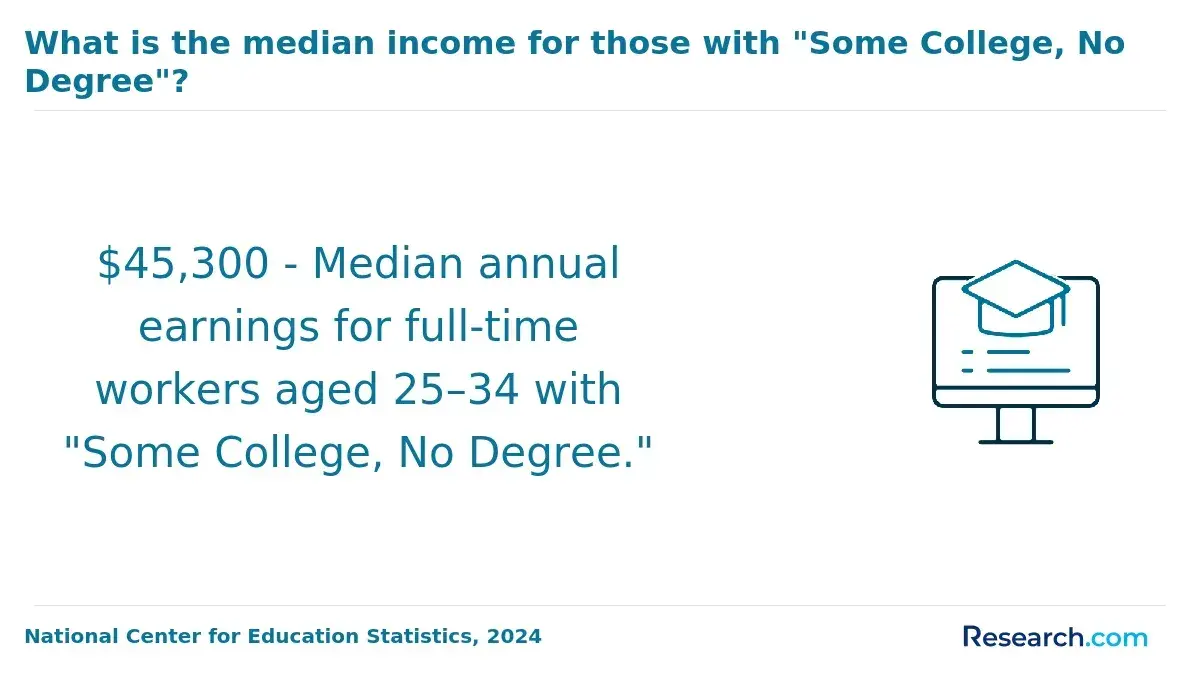
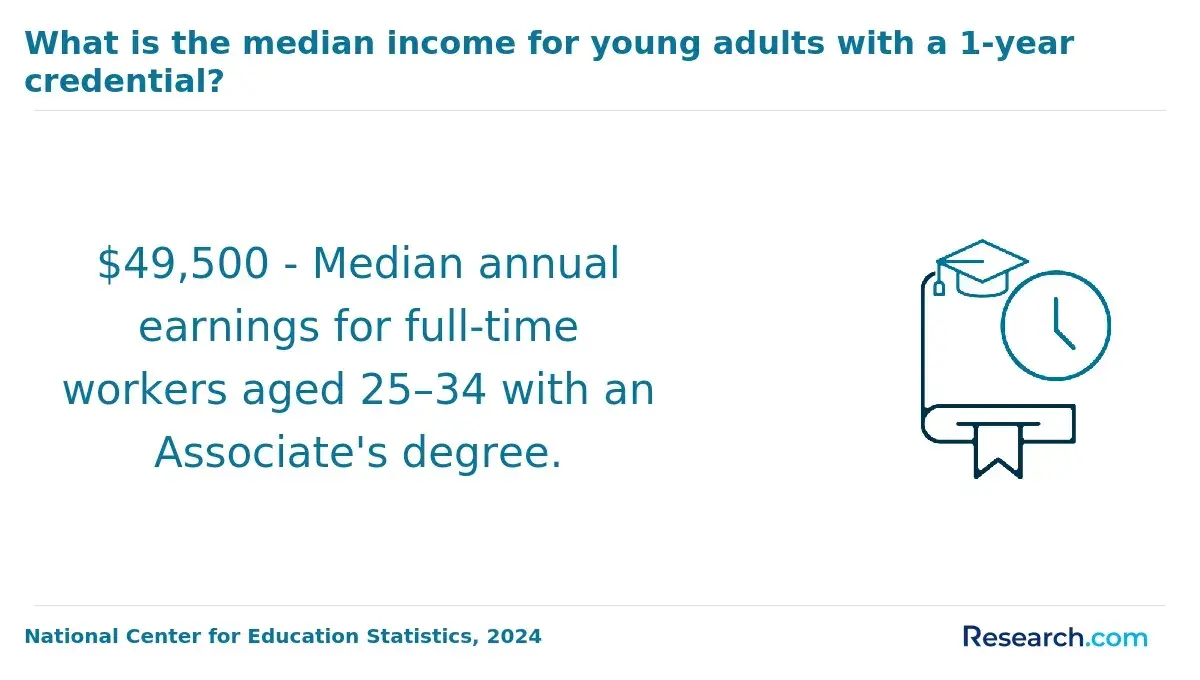
- Early-Career Earnings: Graduates with a 2-year engineering technology degree generally earn between $45,000 and $55,000 annually in the early stages of their careers. In contrast, those holding a traditional bachelor's degree often start with higher median salaries, typically around $65,000 to $75,000, reflecting greater educational depth and specialized knowledge.
- Long-Term Earning Potential: Bachelor's degree holders usually have stronger prospects for long-term salary growth, especially as many advanced engineering roles and management positions require a four-year degree or higher. Career progression for those with only an associate degree in engineering technology may be slower due to employer preferences.
- Employer Perception and Career Progression: Employers often prioritize traditional bachelor's degrees for leadership or specialized technical roles, which can impact promotion opportunities. Those with a 2-year engineering technology degree might face limitations in climbing the career ladder, despite gaining practical skills earlier.
- Faster Workforce Entry: The accelerated nature of a 2-year program allows graduates to enter the workforce up to two years sooner than traditional bachelor's degree holders. This early start can lead to accumulating income and experience more quickly, potentially offsetting some initial salary disparities over time.
When considering long-term investments, students should balance these factors against personal career goals and financial needs. For those exploring additional advanced degrees, options like the cheapest DNP program online might also influence educational planning beyond initial engineering credentials.
Evaluating the return on investment is essential for students considering accelerated engineering technology degree programs, as these programs require a significant commitment of time and resources. ROI helps determine whether the benefits of faster degree completion and potential earnings outweigh the costs involved.
The following factors play a crucial role in shaping the overall value of such programs.
- Time-to-completion: Accelerated programs shorten the path to a degree, often cutting the traditional four-year timeline by half or more. This faster completion enables students to join the workforce sooner, which can lead to earlier income generation and reduce the costs associated with prolonged study.
- Tuition and total cost: Although the per-credit-hour fees may be higher in accelerated formats, the reduced overall duration often lowers the total tuition paid. Additionally, shorter programs can minimize other expenses like housing, travel, and study materials, decreasing the overall financial burden.
- Opportunity cost savings: By entering the workforce earlier, students save on potential lost wages and benefits. This early start helps offset educational expenses and amplifies the financial advantages of completing a degree quickly.
- Employment outcomes: Job prospects in engineering technology remain stable, with steady demand expected due to ongoing industry needs. Graduates benefit from entry into fields with reliable hiring trends aligned with technological and industrial growth.
- Salary growth: Starting salaries for graduates typically begin near $65,000 with opportunities to increase as experience accumulates. Accelerated degrees allow students to capitalize on this growth sooner by shortening time spent in school.
- Industry demand: Regions with active manufacturing, construction, and tech sectors tend to offer more robust employment options. These markets value the skillsets developed through such degrees, supporting long-term career stability.
- Transferability of skills: Skills like computer-aided design, systems analysis, and project management acquired during accelerated study apply broadly across various engineering roles. This versatility enhances graduates' flexibility and employability within multiple industries.
Choosing if a 2-year engineering technology degree fits your needs depends on several personal and academic factors. Consider whether your learning style aligns with an intensive, accelerated program, which demands strong time management and discipline. If your schedule is tight but entering the workforce quickly is a priority, this option may be advantageous.
Career urgency plays a role, as this path can shorten the time to employment by one to two years compared to traditional four-year degrees. Evaluating your readiness for a faster pace helps ensure you can keep up with condensed coursework.
On the practical side, compare tuition costs and potential earnings carefully. Community college programs typically cost less than four-year schools, making them more affordable upfront. Engineering technologists earn a median wage near $69,000, which can be less than engineers holding bachelor's degrees but offers quicker access to income.
Employers' preferences vary; some industries favor bachelor's degrees while others prioritize hands-on skills and certifications. Also, consider if you want the option to pursue further education later, as many accelerated programs allow for future academic advancement.
What Graduates Say About Their 2-Year Engineering Technology Degree
- Casey: "Choosing the 2-year engineering technology degree was a practical choice for me because it allowed me to enter the workforce quickly without accumulating excessive debt-the average cost of attendance was quite manageable compared to longer programs. Balancing a tight schedule was challenging but rewarding, as the accelerated pace kept me fully engaged and disciplined. This degree has fast-tracked my career, opening doors to hands-on roles that value technical expertise, and I feel confident about my professional growth ahead. "
- Kimberly: "I opted for the 2-year engineering technology degree after reflecting on how quickly I wanted to impact the industry. The intensive schedule demanded strong time management, but I found that focusing on the core practical skills made every hour meaningful. This program not only saved me time and tuition but also positioned me as a competent professional ready to tackle real-world engineering challenges with confidence. "
- Mitchell: "The accelerated 2-year path in engineering technology fit my career aspirations perfectly because it struck a balance between comprehensive knowledge and efficiency. Managing the rigorous coursework alongside part-time work was tough but taught me valuable organizational skills. Since graduating, the degree has been instrumental in my advancement, giving me technical credibility and a competitive edge in the professional landscape. "
Other Things You Should Know About Engineering Technology Degrees
ABET accreditation is not required for every transfer, but it matters for many bachelor’s pathways. Programs accredited by ABET’s Engineering Technology Accreditation Commission are often preferred by universities and employers, and they can help with credit acceptance, especially for courses in math, physics, and core technical content.
Many community colleges have articulation agreements with universities to streamline transfer from a 2-year engineering technology degree into related bachelor's programs. These agreements help ensure credits transfer smoothly, reducing redundancy and saving both time and money. It is important to verify transfer policies with the specific institutions involved.
- 2026 Best Accelerated Engineering Degree Programs - Educating Engineers https://educatingengineers.com/degrees/accelerated-engineering-degree-programs/
- 4 Reasons Why You Need a Bachelor's Degree in Engineering :Engineering Institute of Technology https://www.eit.edu.au/4-reasons-you-need-a-bachelors-in-engineering/
- Can You Get a Bachelor's Degree in 2 Years or Less? https://www.coursera.org/articles/can-you-get-a-bachelors-degree-in-2-years
- Two year accelerated degrees https://www.staffs.ac.uk/courses/undergraduate/study-options/two-year-accelerated-degrees
- Financial Aid and Scholarships https://engineering.tufts.edu/deij/resources/student-resources/financial-aid-and-scholarships
- Bachelor's–Accelerated Master's Admissions https://www.colorado.edu/mechanical/admissions/bachelors-accelerated-masters-admissions
- Technology & Engineering Degrees https://www.snhu.edu/online-degrees/technology-engineering
- The Complete Guide to Engineering ROI (Maximize Returns on Your Technical Investments) https://fullscale.io/blog/measuring-engineering-roi-guide/