2027 How Much Does an Engineering Technology Degree Program Cost? Tuition, Fees & Total Expense Breakdown

Co-Founder and Chief Data Scientist
Estimating the true cost of an engineering technology degree program is challenging for many students due to rising and often unpredictable tuition and fees. Recent data show that fees for engineering technology programs have increased by over 5% annually, outpacing general college inflation rates. This unpredictability makes budgeting and financial planning difficult for prospective students seeking clear cost expectations.
This article, prepared by career planning experts, breaks down typical tuition, mandatory fees, and additional expenses related to engineering technology degrees. By understanding these factors, students can compare schools more effectively, plan their finances accurately, and avoid unexpected costs during their studies.
Key Benefits of Knowing the Engineering Technology Degree Program Cost in 2026
- Understanding total costs helps students budget realistically, preventing unexpected financial burdens during the engineering technology degree program.
- A detailed expense breakdown reveals hidden fees such as lab materials or technology access, critical for proper financial planning.
- Data shows average tuition for engineering technology ranges $7,000-$15,000 annually, enabling informed comparison among institutions.
What Expenses Are Included in the Full Cost of a Engineering Technology Degree?
Accurately estimating the full cost of an engineering technology degree is crucial for effective financial planning. The total expense goes beyond tuition and includes several other necessary components that can vary widely among institutions.
Key elements of the engineering technology degree total cost include:
- Tuition: This is the main cost, with public four-year schools charging $10,000 to $25,000 annually for out-of-state students, while private colleges often exceed $35,000 each year. In-state tuition is usually lower but still significant.
- Mandatory fees: These fees cover student services, technology, and campus facilities and typically add $1,000 to $3,000 per year to the total cost.
- Books and supplies: Specialized textbooks, lab manuals, and required software licenses usually cost between $1,000 and $1,500 annually, essential for completing coursework effectively.
- Lab or technology fees: Certain courses charge additional fees averaging $100 to $500 yearly to cover equipment and material usage in labs or workshops.
- Living expenses: Housing, food, transportation, and personal costs can add $12,000 to $18,000 annually, depending on location, making this a major consideration for many students.
- Clinical or internship expenses: Some programs require students to pay travel or certification fees related to internships or clinical experiences, which vary notably by institution.
For students aiming to accelerate their education timeline, exploring options like a fast track undergraduate degree may influence overall expenses and duration.
This full expense breakdown for engineering technology degree programs provides a realistic view of costs that can assist prospective students and working professionals in making informed decisions when comparing program affordability and value.
What Is the Average Total Cost of a Engineering Technology Degree Program in 2026?
The average total cost of an engineering technology degree program ranges from $30,000 to $70,000 for a two-year associate degree and $60,000 to $150,000 for a four-year bachelor's degree. This total cost includes tuition, fees, books, supplies, and living expenses, which are essential factors for students planning their academic and financial future.
Public community colleges typically offer more affordable options, especially for in-district residents, while private institutions and out-of-state public universities generally charge higher tuition and fees.
Several factors influence the engineering technology degree tuition and fees breakdown, including program format (online or in-person), type of institution (public vs. private), and regional cost variations across states. Additional expenses such as lab fees, specialized tools, and technology access can further increase the total cost.
Scholarships and financial aid remain critical in managing these expenses. For those considering alternative or supplemental paths, exploring a certification that pay well can also be valuable when weighing educational investments and career outcomes.
What Mandatory Fees Do Schools Charge for a Engineering Technology Program in 2026?
Mandatory fees are separate from tuition and represent additional costs required by institutions to cover essential services and resources. These fees are a significant part of the total expense for students enrolled in engineering technology degree programs and should be carefully considered when budgeting.
Below is a breakdown of common mandatory fees for engineering technology programs, reflecting typical additional charges for engineering technology degrees.
- Technology fee: Usually ranging from $100 to $500 per semester, this fee supports access to campus-wide digital infrastructure and specialized software used in engineering courses.
- Lab or materials fee: Covering consumables, equipment maintenance, and safety gear for practical training, these fees often range from $200 to $700 each term due to the hands-on nature of the program.
- Student services fees: Averaging $150 to $300 per semester, these fees fund academic advising, career counseling, and recreational facilities.
- Assessment or testing fees: Charged to cover certifications or specialized exams, these fees vary widely and can range from $50 to several hundred dollars.
- Campus facilities fee: Typically between $100 and $250 per semester, this fee helps maintain classrooms, libraries, and common areas.
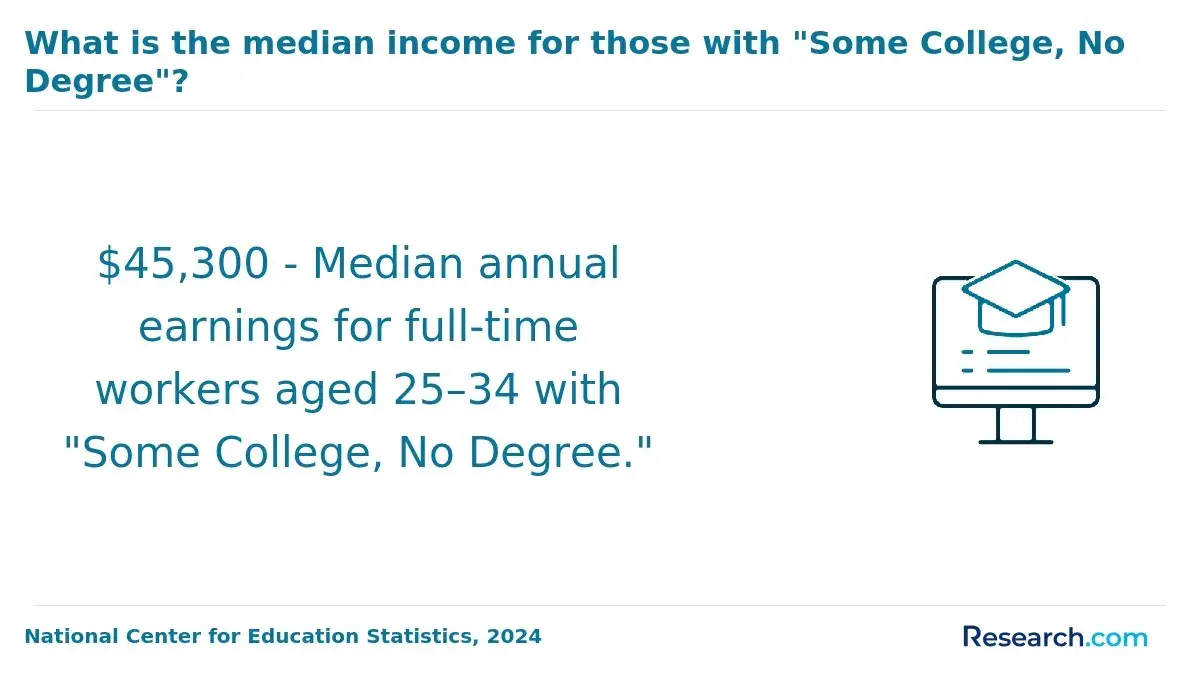
According to data from the National Center for Education Statistics (NCES), these mandatory fees can add roughly 10% to 20% to base tuition costs. Prospective students should factor these into their overall financial planning for an engineering technology degree. Those considering cost and outcomes might also explore the highest paying 4 year degree programs for comparison.
Breakdown of All 4-Year Online Title IV Institutions

Students pursuing an engineering technology major should anticipate additional program-specific fees on top of standard tuition and general university expenses. These charges typically cover specialized resources and activities essential for hands-on learning. Below is an overview of common extra fees associated with this field of study:
- Lab fees: These cover costs for maintaining and equipping engineering laboratories where practical exercises take place, typically ranging from $100 to $500 per semester.
- Software licensing: Many courses require access to specialized design and simulation software, with annual charges between $50 and $300 to support licensing or subscriptions.
- Equipment and supplies: Students may need personal protective gear, calculators, or specific tools, generally costing $200 to $400 across the program duration.
- Licensing or certification preparation: Optional or mandatory fees for preparatory sessions related to industry-recognized certifications can range from $100 to $250.
- Fieldwork or practicum expenses: Fees for off-campus training might include travel costs or materials, varying by institution policies.
Accurately estimating the cost of supplies and equipment is essential for budgeting the total expenses of an engineering technology degree. These costs contribute significantly to the overall financial commitment required for completing the program.
The following list outlines typical items students must obtain, along with their functions and expected price ranges:
- Lab kits: Designed for practical experiments, these kits vary by specialty and institution, usually costing between $200 and $600.
- Technical tools: Instruments like digital multimeters, soldering irons, and hand tools support hands-on learning, generally adding $100 to $400 to expenses.
- Specialized software: Licenses for CAD, simulation, or programming software may range from $100 to $500 annually, though some programs offer discounted or free access.
- Protective gear: Items such as safety glasses, gloves, and lab coats are often required in labs, with costs typically around $50 to $100.
Living, food, and travel expenses represent a major portion of the overall costs for students enrolled in engineering technology programs. These costs can vary widely depending on factors such as the university's location and the student's lifestyle choices, which makes careful budgeting essential.
Below are key expense categories students should consider when calculating their annual budgets.
- Housing and utilities: For many students, this is the largest monthly expense, ranging significantly based on whether they live on-campus, in shared apartments, or private rentals, with prices typically higher in urban areas.
- Groceries and dining: Food budgets usually fall between $3,000 and $5,000 annually, influenced by meal plan participation or relying on self-catering and eating out habits.
- Local transportation: Expenses include public transit passes, gas, or ridesharing, depending on campus accessibility and commuting distance.
- Travel for internships or clinical placements: Internships often require trips that can add to costs, especially if placements are offsite or involve long-distance travel.
Engineering technology programs often include internships or residencies, though these are not always mandatory. Such hands-on experiences are a key part of many curricula, providing students the chance to apply theoretical knowledge in professional environments and improve employability.
Internships typically range from several weeks to months and may be paid or unpaid, while residencies-less common-tend to involve focused, supervised project work. Whether required or optional, these opportunities can impact overall educational expenses due to associated costs.
Additional expenses linked to internships or residencies may include travel and housing near work sites, specialized safety equipment, and professional clothing. Programs might also require fees for background checks, liability insurance, or certifications.
To manage these potential costs, students are advised to discuss expected expenses with program advisors and budget accordingly, helping to avoid unexpected financial burdens during their studies.
Most institutions permit students to switch between part-time and full-time enrollment in engineering technology programs, though this option is regulated by specific policies. Typically, students need to submit a formal request, often requiring approval from academic advisors or the registrar.
Before making a change, students should weigh several factors such as financial aid requirements, course availability, and how the switch might affect their graduation timeline. The process generally demands careful planning to ensure the transition aligns with academic and personal goals.
Academic standing plays a key role in whether a change is approved, with many schools expecting satisfactory progress. Financial aid eligibility may be affected, as some scholarships or loans require full-time status.
Availability of classes in the preferred term or format can limit options, and consultations with advisors are usually mandatory to reassess schedules and workloads. Additionally, tuition fees and billing arrangements might change, potentially impacting a student's budget and planning.
Deciding between full-time and part-time enrollment in an engineering technology degree program requires careful financial planning due to substantial differences in costs. These variations impact tuition, fees, and related expenses over the course of the program.
Below is a detailed comparison to help clarify how program duration, credit load, and scheduling influence overall expenses.
Full-Time Enrollment
- Tuition per credit: Full-time students typically pay about $350 per credit hour at public institutions, benefiting from lower per-credit tuition compared to part-time rates.
- Total program cost: Because full-time learners take a heavier credit load, they finish in 2 to 3 years, leading to higher upfront tuition payments but often lower cumulative mandatory fees.
- Mandatory fees: Charged per semester, these fees tend to be lower overall because full-time students complete the program quicker, reducing the number of semesters charged.
- Supply and equipment costs: Additional expenses such as specialized equipment range from $500 to $1,200 and may arise sooner due to the condensed schedule.
- Living and travel expenses: Full-time students generally face higher costs here because of frequent on-campus attendance for day classes.
Part-Time Enrollment
- Tuition per credit: Part-time tuition can reach up to $400 per credit hour, reflecting additional administrative fees applied on a per-credit basis.
- Total program cost: Extending studies across multiple semesters, part-time students accumulate higher overall expenses due to prolonged enrollment and fees.
- Mandatory fees: Charged each semester, these fees add up as part-time students attend for more semesters than full-time peers.
- Supply and equipment costs: Costs remain between $500 and $1,200 but may be spread out over time along with access to labs and materials across a longer period.
- Living and travel expenses: Often reduced because many part-time students take night or weekend classes, lowering on-campus attendance frequency.
Financial planning for an engineering technology degree benefits greatly by considering these differences, especially when comparing the full-time vs part-time engineering technology degree cost. Prospective students can use this insight for better budgeting during their education journey.
For those evaluating options, researching best accredited universities online with no application fee can provide additional financial flexibility and reduce barriers to entry when starting or continuing an engineering technology program.
Accurate comparisons like this also assist in understanding the engineering technology program expenses comparison across different enrollment choices, leading to informed decisions that align with individual circumstances and goals.
What Graduates Say About the Cost of Their Engineering Technology Degree
- Jayce: "Pursuing my engineering technology degree was a valuable investment despite the average cost of attendance being higher than I initially expected. Balancing part-time work with studies helped me manage living expenses effectively, which made the entire experience less stressful financially. The skills I gained have significantly increased my earning potential, proving that the return on investment is truly worth it."
- Kaizen: "The cost of an engineering technology degree seemed daunting at first, but I found creative ways to budget and minimize living expenses during my studies. Reflecting back, the hands-on learning experience was incredibly rewarding and directly applicable to my job, which has paid off in career growth and salary increases. Overall, this degree offered me a solid ROI that justified the sacrifices made."
- Dominic: "From a professional standpoint, I recognized early on that the upfront costs of an engineering technology program were an investment toward a stable career. Managing living expenses required careful planning, but the practical knowledge and competencies I developed gave me a competitive edge in the workforce. The ROI of this degree is clear in the accelerated career progression I've experienced since graduation."
Other Things You Should Know About Engineering Technology Degrees
In 2027, in-state students typically pay lower tuition rates at public institutions than out-of-state students due to state subsidies. Out-of-state students can expect to pay between 1.5 to 3 times more than in-state students for the same engineering technology program.
Yes, public colleges and universities generally have lower tuition rates for engineering technology programs compared to private institutions, especially for in-state residents. Private schools often charge higher tuition but may offer more financial aid opportunities. Prospective students should compare net costs after aid to determine affordability.
Yes. Many engineering technology programs add lab and materials fees on top of tuition. Typical charges range from about $50 to $300 per course, with higher fees in programs that use specialized testing equipment, machine shops, or electronics labs. These fees are usually listed separately in the college’s tuition schedule.
- Top Tools and Resources Every Engineer Student Needs for Success https://content.redpitaya.com/blog/top-tools-and-resources-every-engineer-student-needs
- 2025 Engineering Technology Tuition https://www.collegetuitioncompare.com/majors/15.0000/engineering-technology/
- Bachelor’s in Engineering Technology | DeVry University https://www.devry.edu/online-programs/bachelors-degrees/engineering-technology.html
- Admissions : Campus Tuition | Full Sail University https://www.fullsail.edu/admissions/tuition
- Everything You Need to Know About Online Engineering Programs https://www.nu.edu/blog/everything-you-need-to-know-about-online-engineering-programs/
- Engineering Undergraduate Tuition and Fees - NIU - Office of the Bursar https://www.niu.edu/bursar/tuition/undergraduate/engineering.shtml
- Tuition fees | Information technology - Computer Systems and Network Engineering | Bachelor's degree programs, Bachelor's degree programs, licencjackie i inżynierskie | University of Lower Silesia https://www.dsw.edu.pl/english/our-offer/bachelors-degree/programs/information-technology-computer-systems-and-network-engineering/tuition-fees
- Study shows online STEM learning is cheaper, and effective https://www.universityworldnews.com/post.php