2027 Different Types of Engineering Technology Degrees and Their Salaries

Co-Founder and Chief Data Scientist
The demand for skilled professionals in engineering technology continues to rise rapidly as industries innovate and integrate advanced systems. According to recent labor statistics, employment in this sector is projected to grow significantly faster than the average for all occupations over the next decade.
Choosing the right educational path in engineering technology is crucial for those seeking to capitalize on emerging opportunities and achieve rewarding career outcomes.
This article provides a comprehensive overview of the different types of engineering technology degrees available, along with insights into the salary expectations graduates can anticipate based on their chosen specialization.
Key Points About Different Types of Engineering Technology Degrees and Their Salaries
- Associate degrees in engineering technology typically lead to entry-level positions with an average starting salary around $50,000 per year, making them suitable for those seeking quicker workforce entry and roles such as technician or technologist.
- Bachelor's degrees in engineering technology open the door to higher-paying jobs with mid-career salaries often exceeding $70,000 annually, reflecting greater responsibilities, opportunities for management, and specialized technical roles in industries like manufacturing and construction.
- Master's degrees in engineering technology can significantly improve long-term career growth and earning potential, with graduates frequently earning upwards of $90,000 and qualifying for leadership positions, research roles, or niche technical expertise in sectors driven by innovation and advanced systems.
What Are the Different Types of Engineering Technology Degrees Available?
Understanding the different types and levels of engineering technology degrees is crucial for students to select a program that aligns with their career goals and educational background. Each degree option offers a distinct focus, catering to various technical interests and skill sets.
Below is an overview of the main types of engineering technology degrees and what makes each unique, helping students make informed choices that match their strengths and aspirations.
- Industrial Production Technology: Focuses on manufacturing processes, applied statistics, and industrial quality control. Coursework includes materials science, machining, and fabrication, preparing students to address production challenges in industrial settings.
- Electronics Engineering Technology: Emphasizes digital electronics, circuit analysis, and electronics testing. Students gain skills in digital circuit design and troubleshooting, suitable for working with computers and industrial machinery.
- Mechanical Engineering Technology: Covers applied mechanics, materials science, and manufacturing processes. The curriculum builds technical expertise for solving mechanical and production problems using standard industry tools.
- Electromechanical Engineering Technology: Integrates manufacturing processes, electronics, and quality control. Students acquire hands-on experience with electrical and mechanical systems for roles in diverse industrial environments.
- Construction Engineering Technology: Focuses on construction materials, structural analysis, and methods. Coursework prepares students to solve technical challenges in building and infrastructure projects with practical techniques.
- Quality Control Technology: Concentrates on industrial quality control, safety, and applied mathematics. Students learn to implement and monitor quality assurance processes meeting specific standards.
- Computer Engineering Technology: Features computer organization, algorithms, and operating systems. The program develops skills in hardware and software integration to support IT and software development roles.
- Environmental Control Technology: Focuses on industrial production processes, environmental engineering science, and statistics. Students apply engineering principles to environmental monitoring and control in manufacturing contexts.
- Civil Engineering Technology: Emphasizes fluid dynamics, structural analysis, and construction methods. The curriculum supports practical learning in civil infrastructure for technical roles in public works.
- Architectural Engineering Technology: Covers construction materials, structural analysis, and design methods. Students gain expertise in technical aspects of building design and construction to support architecture and engineering functions.
- Energy Systems Technologies: Involves electrical engineering, mathematics, and computer programming. Coursework prepares students to work with energy production and distribution systems focused on implementation and optimization.
- Nuclear Engineering Technology: Focuses on applied mechanics, nuclear physics, and mathematics. Students learn to operate and maintain nuclear systems tailored to technical roles in energy and industry.
Students interested in these fields may also explore the fastest adult degree programs online to advance their knowledge and career prospects efficiently. For those balancing work and study, fastest adult degree programs online offer flexible options that can complement their professional goals in engineering technology.
What Specializations Are Available in Engineering Technology Degrees?
Choosing a specialization is an important factor when selecting an engineering technology degree because it ensures that students acquire the specific skills and knowledge relevant to particular industries and career paths.
Below are some of the most common engineering technology specializations, highlighting their focus areas, skill development, and typical career outcomes:
- Industrial Production Engineering Technology: Focuses on manufacturing processes, quality control, and materials science. Students develop skills to optimize production systems and frequently pursue careers as manufacturing engineers, production supervisors, or quality managers.
- Electronics Engineering Technology: Emphasizes digital electronics, circuit design, and troubleshooting. Graduates work as electronics technicians, field engineers, or consultants in industries such as telecommunications and automation.
- Mechanical Engineering Technology: Covers applied mechanics, materials science, and manufacturing techniques. Key competencies include product design and equipment maintenance, leading to roles like design engineer or production supervisor.
- Civil Engineering Technology: Involves structural analysis, construction methods, and project management. Career options include engineering technologists involved in construction, infrastructure development, and site supervision.
- Computer Engineering Technology: Concentrates on computer hardware, software, and network systems. Graduates often become IT managers, system administrators, or software engineers supporting various industries relying on computer systems.
- Construction Engineering Technology: Combines knowledge of construction materials, methods, and project management. Graduates typically fill roles such as project manager, construction supervisor, or site engineer for public and private projects.
- Energy Systems Engineering Technology: Focuses on power generation, energy management, and sustainable technologies. Career paths include energy analysts, system designers, and project managers in utilities or renewable energy sectors.
For students exploring options, connecting with colleges offering open enrollment is a practical step that can facilitate entry into these specializations while tailoring their education to specific career aspirations.
How Long Does It Take to Complete Each Type of Engineering Technology Degree?
Understanding the duration of engineering technology degree programs is crucial for students planning their education and career timelines. Knowing how long each program typically takes helps in managing expectations and making informed decisions about enrollment and workload.
Below is an overview of the main engineering technology degree types and their typical completion times.
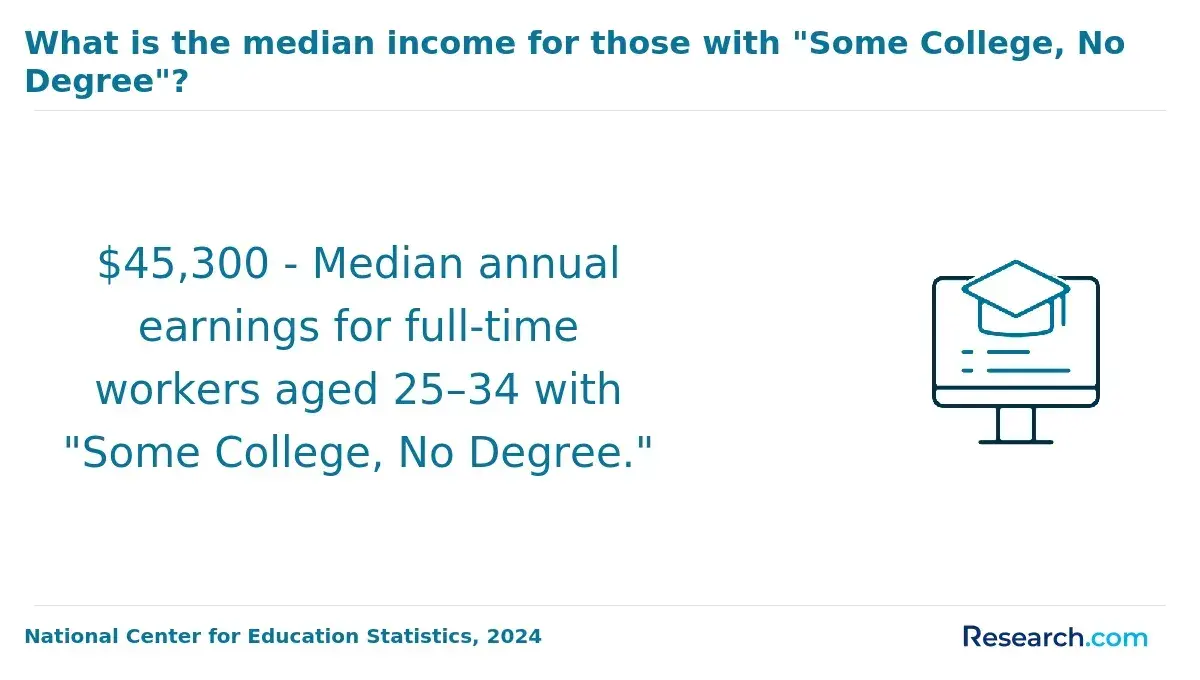
- Associate Degree in Engineering Technology: This program usually takes about two years to complete when attending full-time. Factors like transfer credits from prior coursework or part-time enrollment can extend or shorten this timeline.
- Bachelor's Degree in Engineering Technology: Typically requiring four years of full-time study, this degree's length can vary depending on previously earned credits or course load intensity. Some institutions provide accelerated tracks and online classes to help students finish sooner or balance other commitments.
- Master's Degree in Engineering Technology: Master's programs generally take two years beyond the bachelor's degree, but part-time study or thesis requirements may extend this period. Online and hybrid formats are increasingly available, offering flexibility for working professionals aiming to advance their expertise.
Accelerated engineering technology degree programs are available in the United States and are designed specifically to shorten the total time required to complete either a bachelor's degree or a combined bachelor's and master's degree.
These programs achieve quicker completion by offering condensed courses, such as 5-8 week terms instead of traditional 14-16 week semesters, and by providing year-round enrollment options with minimal breaks that allow students to accumulate credits faster.
Another common feature is the acceptance of transfer credits, advanced placement, or prior learning assessments to reduce the number of required courses.
In some cases, accelerated tracks offer "+1" bachelor's-to-master's programs, where graduate-level courses simultaneously fulfill undergraduate and graduate degree requirements. This approach can reduce the overall time spent in school by about a year or more compared to pursuing the degrees separately.
While accelerated programs can significantly speed up graduation, they also demand an intensive workload and strong time management skills, as students must absorb the same amount of material in a condensed timeframe, often managing multiple challenging courses concurrently.
Eligibility criteria generally include a minimum GPA, commonly 3.0 or higher, and completion of foundational engineering technology coursework prior to joining the accelerated track.
Those who successfully navigate the rigors of these programs can enter the workforce sooner, potentially increasing lifetime earnings with reported annual salaries ranging from $60,000 to $90,000 depending on specialization and location.
However, prospective students should carefully weigh the fast-paced environment against their own readiness for such academic intensity.
One graduate of an accelerated engineering technology degree program shared that the experience was "both overwhelming and rewarding" due to the compressed schedule and high expectations.
He described how every week felt like "running a marathon" to keep up with tightly scheduled assignments and exams, leaving little time for anything else. Yet, he also mentioned how the program helped him develop exceptional discipline and prioritization skills, which proved invaluable in his early career.
Reflecting on the decision, he noted, "Choosing the accelerated path was a challenge, but it kept me focused and pushed me beyond what I thought was possible. Finishing faster meant I could start working in my field sooner, and that made all the sacrifices worth it."
This personal perspective underscores that while accelerated engineering technology programs are demanding, they can offer valuable benefits for motivated students prepared for the pace.
Online engineering technology degree programs are increasingly held to the same academic standards as traditional, on-campus programs. Accredited institutions, including those recognized by ABET's Technology Accreditation Commission, develop curricula that ensure consistent quality across both formats.
This means students, whether online or on campus, typically complete the same coursework and must meet identical learning outcomes.
While traditional programs often offer more hands-on lab experiences and direct interaction with faculty and peers, online programs are advancing with virtual labs, interactive simulations, and occasional on-site sessions to replicate essential practical components.
For example, some programs require brief in-person lab work to ensure students gain necessary practical skills alongside theoretical knowledge.
Employer acceptance of online engineering technology degrees is steadily increasing, especially when the degree is awarded by an accredited and reputable institution.
As remote work and digital collaboration grow in engineering fields, employers are placing less emphasis on how a degree was earned and more on the institution's reputation and the graduate's skill set. Graduates typically receive the same diploma regardless of study format.
Recent trends indicate the median annual salary for engineering technologists in the US ranges from $60,000 to $90,000, depending on specialization and experience.
Ultimately, the credibility of an engineering technology degree depends far more on institutional accreditation and industry recognition than on whether learning was completed online or in a traditional classroom.
Understanding the differences in tuition costs across engineering technology degree levels is essential for students and families aiming to budget effectively and plan for long-term financial commitments.
Below is an overview of the typical tuition ranges for each type of engineering technology degree, highlighting key factors influencing these costs and the financial aid options commonly available.
- Associate Degree in Engineering Technology: Tuition for associate degrees generally ranges from $16,000 to $20,000 for the full program at career-focused institutions. Public community colleges often provide more affordable options, with annual tuition sometimes under $5,000 for in-state students.
- Bachelor's Degree in Engineering Technology: Annual tuition starts at about $4,162 per year for affordable online programs and reaching up to $25,000 per year at private universities. Public universities typically charge around $11,880 annually, with in-state rates being more affordable than out-of-state.
- Master's in Engineering Technology: Graduate programs usually cost between $24,000 and $33,000 for the entire degree, influenced by specialization and credit load. Tuition is higher at private schools and for specialized tracks.
- Doctoral Programs in Engineering Technology: Tuition for doctoral programs can range from $74,000 to $75,000 for the full course at private technical schools, with public universities typically offering more affordable in-state rates.
When I spoke with a graduate of an engineering technology degree program about her experience managing the cost of education, she emphasized the importance of planning early and seeking diverse aid opportunities.
She shared how combining scholarships, part-time work, and a modest federal loan package enabled her to finance her bachelor's degree without overwhelming debt. "It wasn't easy, but prioritizing financial aid applications and staying flexible with course formats helped tremendously," she reflected.
Today, she values the investment as it opened doors to a rewarding career with strong salary prospects, making the financial sacrifices worthwhile.
The level of an engineering technology degree-whether associate, bachelor's, or specialized field-significantly influences the career opportunities available and the types of roles graduates are qualified for. Higher degree levels typically lead to more advanced positions with increased responsibility and salary potential.
Below is an outline of common jobs associated with each type of engineering technology degree to help guide your career planning.
- Associate Degree in Engineering Technology: Graduates often qualify for roles such as engineering technicians or industrial service technicians, who support engineers by installing, maintaining, and troubleshooting equipment. These positions usually involve hands-on tasks in manufacturing plants, electronics labs, or construction sites.
- Bachelor's Degree in Engineering Technology: This degree prepares students for more complex jobs like manufacturing technologist, quality control manager, or design engineer. Responsibilities include improving production processes.
- Specialized Engineering Technology Degrees: Degrees in mechanical, civil, electronics, or computer engineering technology allow graduates to pursue focused roles. Examples include mechanical design engineer or production supervisor, electronics testing specialist, and maintenance technician.
- Advanced Positions and Management: With experience or additional education, graduates can move into leadership roles like project manager, operations manager, or R&D technologist. These positions involve overseeing large projects and teams in manufacturing, technology, or service industries.
For those considering further education to advance in their engineering technology careers, exploring an affordable masters degree can be a strategic step toward leadership and specialized technical roles.
Degree level often significantly influences earning potential in engineering technology, with higher credentials typically leading to increased salaries and career advancement opportunities. Understanding these differences can help students make informed decisions about their education and future careers.
Below is an outline of typical salary ranges for each engineering technology degree type, illustrating how factors like industry, location, and further education affect compensation.
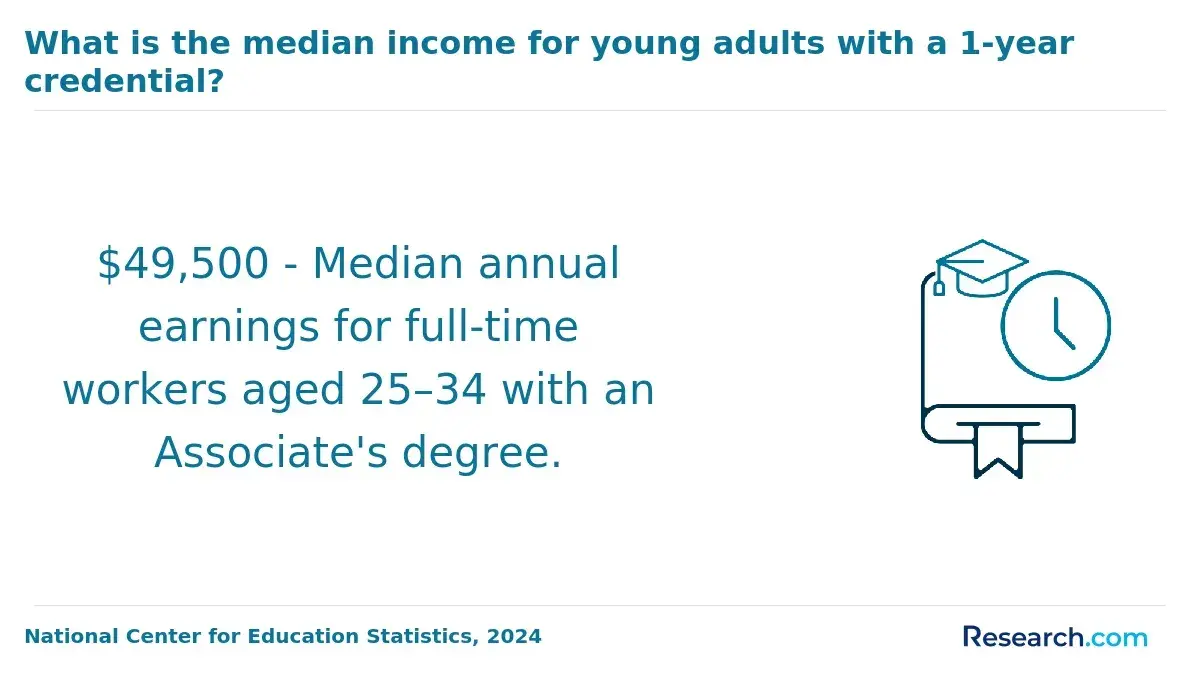
- Associate Degree in Engineering Technology: Entry-level positions for associate degree holders start between $54,000 and $72,800, varying by specialization and sector. Mechanical engineering technicians earn an average around $64,020, while electrical and electronic engineering technologists can earn up to $72,800.
- Bachelor's Degree in Engineering Technology: Graduates with a bachelor's degree tend to have higher starting salaries, often ranging from $75,000 to $88,000 depending on the engineering field. Manufacturing engineering technology degree holders report averages near $87,000.
- Advanced Degrees (Master's or Higher) in Engineering Technology: Those earning a master's or higher degree often surpass $100,000 annually, especially in leadership, research, or technical specialist roles. Advanced degrees open doors to upper management or highly specialized positions.
For students exploring their options, researching pathways through a list of top online schools can provide flexible opportunities to advance in engineering technology and improve earning potential.
The demand for engineering technology degree holders in the US job market remains strong and is projected to continue growing through 2025 and beyond. This growth is driven largely by rapid advancements in emerging technologies such as artificial intelligence, automation, cloud computing, and renewable energy systems.
For instance, jobs like data engineers and software engineers are expected to grow by 36% and 17%, respectively, from 2023 to 2033. Mechanical engineering technology is also seeing an increase of 9-11% in job opportunities fueled by manufacturing automation, infrastructure projects, and digital transformation initiatives.
Furthermore, emerging fields like automation integration and predictive maintenance are creating entirely new roles that require specialized knowledge, enhancing the demand for graduates with current technical skills.
Regional workforce needs vary significantly, affecting salaries and job availability. Energy hubs such as Texas and Alberta offer 25-35% higher salaries for mechanical and process engineers compared to national averages, reflecting concentrated demand in those areas.
Employers prioritize practical experience in CAD, simulation, and programming, which students can gain through internships or cooperative opportunities and other programs such as the dual degree programs undergraduate.
Additionally, many companies report difficulties filling entry-level engineering technology roles due to a digital skills gap, contributing to increased competition and salary growth across specialties.
Overall, those entering the workforce with relevant skills tied to emerging technologies and a willingness to adapt to regional market demands can expect favorable job prospects and above-average earning potential.
Choosing the right degree level in engineering technology is a critical decision that shapes your future career opportunities and ensures your education aligns with both your professional goals and personal circumstances.
Consider the following key factors when selecting an engineering technology degree:
- Career Goals: An associate degree often prepares you for technician roles in maintenance or production. Bachelor's degrees typically open up higher-paying positions such as technologist or technical supervisor, while master's degrees may be necessary for leadership or specialized roles.
- Time Commitment: Degree programs differ in length-associate degrees usually take two years, bachelor's four years, and master's an additional two. Assess your availability to commit time and how quickly you want to enter or progress within the workforce.
- Curricular Focus: Engineering technology emphasizes practical application with coursework in algebra, trigonometry, and lab work. Bachelor's programs may offer more advanced technical subjects and project experience, so choose one that matches your learning style and skills goals.
- Accreditation and Licensure: Accreditation by ABET's Engineering Technology Accreditation Commission is vital for certain employers and professional licenses. Check if your chosen program meets licensure requirements, especially if becoming a licensed professional engineer is part of your plan.
- Salary Potential: Higher degree levels usually correspond with increased earnings. For example, technologists with bachelor's degrees generally earn significantly more than technicians with associate degrees. Research current salary data relevant to your field to understand long-term financial benefits.
What Engineering Technology Graduates Say About Their Degree and Salary
- Conner: "Completing my degree in mechanical engineering technology opened doors I hadn't imagined possible. The hands-on approach prepared me to tackle real-world problems immediately, which gave me an edge when entering the workforce. I've found a rewarding career where my solutions improve machinery efficiency and reduce downtime for my company. Beyond the technical skills, this program helped me build confidence and a professional network that supports my continuous growth. It's been inspiring to see how my work positively impacts everyday operations and helps my team succeed."
- Whitney: "Graduating with an electrical engineering technology degree was a transformative experience for me. I wasn't just learning theory; I was gaining practical skills that employers highly value. Starting my career as a systems technician, I quickly advanced because I understood both the technology and its real-life application. This degree also gave me the unique opportunity to mentor local high school students interested in STEM, which has become a meaningful way to give back to my community. The balance of technical knowledge and community connection is something I deeply appreciate."
- Carlos: "Pursuing civil engineering technology taught me the importance of precision and sustainability in construction projects. The program's emphasis on project management and innovative design helped me secure a role in a reputable firm shortly after graduation. I enjoy the challenges of overseeing site operations and ensuring compliance with environmental standards, which feels fulfilling on a professional and personal level. This degree has definitely expanded my career potential and sharpened my leadership skills in the engineering field."
Other Things You Should Know About Engineering Technology Degree Programs & Salaries
An engineering technology degree should be accredited by ABET’s Engineering Technology Accreditation Commission (ETAC). For many employers and licensure paths, ETAC accreditation matters more than school reputation. It also helps qualify graduates for the Fundamentals of Engineering exam and supports transfer into bachelor’s programs.
Yes, bachelor's degrees in engineering technology usually lead to higher-paying positions compared to associate degrees. Graduates often qualify for engineering technologist or design roles with salaries starting near $65,000 and increasing significantly with experience and specialization.
Graduates with an associate degree in Engineering Technology in 2027 often pursue roles such as engineering technicians, CAD drafters, or field service technicians. These positions typically offer salaries ranging from $45,000 to $60,000, depending on experience, specialization, and location.
- 20 Engineering Careers: Engineering Jobs for STEM Majors — Inspirit AI https://www.inspiritai.com/blogs/ai-blog/engineering-careers
- Highest-Paying Engineering Careers in 2024 https://und.edu/blog/highest-paying-engineering-careers.html
- 12 of the Highest-Paying Engineering Jobs https://online-engineering.case.edu/blog/highest-paying-engineering-jobs
- Career options https://iiw.kuleuven.be/english/students/prospective-students/career
- Engineering Salary Statistics https://www.mtu.edu/engineering/about/salary/
- Mechanical Engineering Technology Pay: What You Should Know | Names Willow https://nameswillow.com/mechanical-engineering-technology-salary/
- Bachelor of Science in Engineering Technology https://erau.edu/degrees/bachelor/engineering-technology
- Engineering Degrees: 7 Areas of Study https://www.coursera.org/articles/engineering-degree