
2027 Is Demand for Engineering Technology Degree Graduates Growing or Declining?

Co-Founder and Chief Data Scientist
Graduates with an engineering technology degree often face uncertainty about employment prospects in a rapidly evolving job market. For instance, industries adopting automation and advanced manufacturing technologies demand new skill sets from candidates.
According to the U. S. Bureau of Labor Statistics, employment for engineering technicians is projected to grow 3% from 2022 to 2032, reflecting steady but moderate demand. This article will explore current trends affecting the demand for engineering technology degree graduates and provide insight into job market dynamics, helping prospective students and professionals make informed decisions about their career paths.
Key Things to Know About the Demand for Engineering Technology Degree Graduates
- Employment for engineering technology degree graduates is rising, with a 7% growth expected through 2032 due to expanding manufacturing and infrastructure sectors.
- Specializations in automation, robotics, and renewable energy significantly enhance long-term career stability and salary potential.
- Industry shifts toward digitalization increase demand for graduates skilled in computer-aided design and systems integration, driving evolving job roles.
What Factors Are Driving Demand for Engineering Technology Degree Professionals?
Evaluating the factors driving workforce demand helps prospective students gauge the long-term value and stability of an engineering technology degree. These drivers reveal how evolving industry conditions influence career opportunities and job market trends. Key influences include:
- Industry Growth: Expanding sectors like manufacturing, aerospace, and construction require skilled graduates who apply engineering technology principles to practical challenges. This steady industry growth supports ongoing demand for professionals adept at product development and process optimization.
- Technological Advancement: Innovations in automation, robotics, and computer-aided design significantly increase the need for workers familiar with emerging tools. Engineering technology professionals who master these technologies are vital for maintaining operational efficiency and competitiveness.
- Regulatory Changes: Stricter safety, environmental, and quality regulations create employment growth by demanding expertise to ensure compliance. Engineering technology graduates help organizations implement and adapt to evolving standards effectively.
- Demographic Shifts: A retiring workforce creates openings in engineering technology fields, emphasizing the need for new talent. Employers increasingly seek graduates with interdisciplinary knowledge and hands-on experience to meet dynamic skill requirements.
- Accreditation Standards: Regional accreditation is crucial for engineering technology education in the United States, assuring program quality and relevancy. Prospective students should consider accreditation when exploring options, especially if comparing programs or looking at edd programs.
Which Engineering Technology Occupations Are Seeing the Highest Growth Rates?
Growth rates are a crucial indicator for students evaluating engineering technology career paths, as they reveal where strong future demand and job stability exist. Employment in technology-related fields is projected to grow by about 8% from 2022 to 2032, outperforming the average for all occupations. This outlook highlights top engineering technology jobs with the fastest employment increase, including the following key roles.
- Electrical and Electronics Engineering Technicians: Expected to grow around 7%, driven by expanding renewable energy sectors and advanced electronics development. These positions typically require an associate or bachelor's degree.
- Biomedical Engineering Technologists: Projected growth near 10%, fueled by increased healthcare technology adoption and medical device innovation. A bachelor's degree is generally needed.
- Environmental Engineering Technicians: Growth estimated at 9%, as stricter regulatory standards and sustainability initiatives boost demand. An associate degree is often sufficient.
- Mechanical Engineering Technicians: Growth near 6%, supported by advancements in manufacturing automation and robotics, usually requiring an associate degree.
- Civil Engineering Technicians: Anticipated growth of about 7%, linked to infrastructure upgrades and urban development, often needing an associate degree.
Students seeking flexible education paths can also explore affordable options for related fields, such as pursuing a business degree online, to complement their technical skills and broaden career opportunities in the evolving job market for the highest growth engineering technology occupations in the US.
Which Industries Hire the Most Engineering Technology Degree Graduates?
Knowing which sectors hire the most engineering technology degree graduates enables students to focus on career paths with better job prospects and stability. Several key industries consistently seek graduates for their practical skills and technical expertise.
- Manufacturing: This sector relies heavily on graduates to support production lines, perform quality assurance, and maintain equipment. Engineering technology education provides hands-on skills essential for troubleshooting and optimizing manufacturing systems.
- Construction and Civil Engineering: Growing infrastructure projects create demand for roles in project coordination, materials testing, and structural assessments. Graduates contribute technical knowledge critical to ensuring safety and efficiency in construction processes.
- Energy (Utilities and Renewables): With a shift toward sustainable energy, graduates help maintain and enhance energy systems. Their expertise supports innovation and operational improvements in both traditional utilities and emerging renewable sectors.
- Aerospace and Automotive: Graduates assist in product testing, manufacturing engineering, and process design. Their applied technical skills help improve reliability and efficiency important to these highly specialized industries.
Geographic factors play a crucial role in shaping job prospects for engineering technology graduates, influencing both position availability and career development. Several regional elements contribute to the demand for these professionals and define the employment landscape.
- Industry Hubs: States with established manufacturing, aerospace, and automotive sectors, such as Michigan, California, and Texas, tend to have a higher concentration of engineering technology jobs. These areas benefit from ongoing industrial growth that drives demand for skilled technicians.
- Regional Specialization: The types of industries dominant in a region impact the nature of available roles. Areas with strong industrial infrastructure offer more diverse and specialized opportunities, aligning job roles closely with regional economic strengths.
- Urban Versus Rural: Metropolitan centers generally provide a wider range of engineering technology positions compared to rural locations. While rural areas may have fewer jobs, they often feature niche roles tied to specific local industries or facilities.
- Cost of Living: Higher salaries in certain high-demand states can be offset by increased living expenses. Graduates must balance compensation with affordability when choosing where to work to maximize benefits.
- Remote and Hybrid Work: Emerging flexible work models are reducing geographic restrictions, allowing engineering technology professionals to access opportunities beyond their immediate regions. However, this trend also introduces greater competition from a national talent pool.
The level of education achieved in engineering technology plays a crucial role in shaping job prospects, career advancement, and professional competitiveness. Higher qualifications typically unlock more specialized positions and leadership roles, while lower level degrees tend to limit opportunities to support or technician roles. Below is a comparison showing how degree levels influence employment outcomes.
- Associate Degree: Focused on hands-on skills and practical application, this entry-level qualification mainly prepares individuals for technician roles. Employment options are generally limited, with fewer avenues for career progression or management responsibilities.
- Bachelor's Degree: This qualification significantly enhances employability by qualifying graduates for engineering technologist roles. It opens doors to project oversight and more complex system design positions, offering greater responsibility and competitive advantage in the market.
- Master's Degree: Often necessary for specialized sectors or supervisory capacities, a master's degree promotes career growth and higher earning potential. It is especially valued for research roles and advanced problem-solving in engineering technology.
- Doctorate: Primarily geared toward advanced research, academia, or top-tier consulting, this degree provides the highest level of competitiveness. It emphasizes critical thinking and innovation, solidifying leadership status within the field.
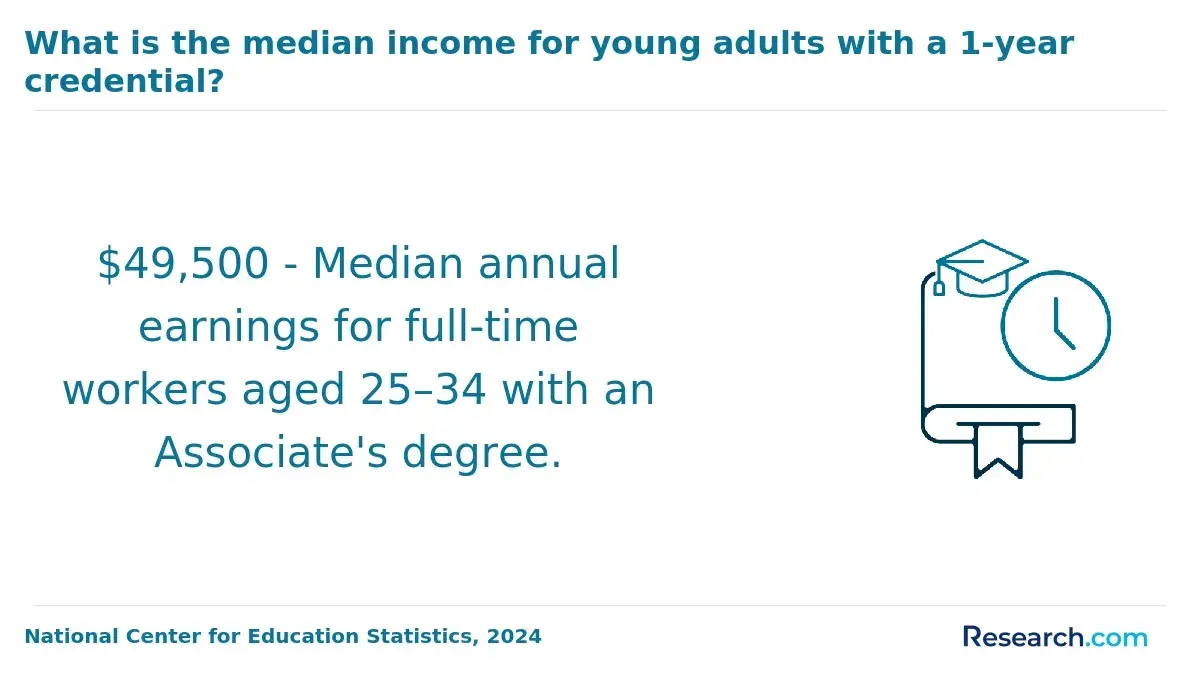
According to recent labor data and reports on the impact of degree level on employability in engineering technology, those with bachelor's degrees show an employment rate roughly 10% greater than associate degree holders. Employers value higher degrees for their emphasis on critical thinking and adaptability to industry evolution. For professionals seeking further advancement, pursuing an emba online can complement technical expertise with business leadership skills.
Grasping the skills sought by employers is vital for engineering technology graduates to remain competitive and ready for evolving technical roles. These core abilities directly impact job performance and career advancement. Below are key competencies frequently emphasized by hiring managers:
- Technical Expertise: Proficiency with industry-standard software and practical experience with equipment enable graduates to contribute immediately to processes like design, testing, and manufacturing without extensive onboarding.
- Analytical Thinking: The ability to identify problems, devise creative solutions, and refine systems is crucial, especially in fast-paced engineering settings where adaptability is essential.
- Effective Communication: Clear and concise reporting, coupled with teamwork skills, supports smoother collaboration across departments and helps prevent costly misunderstandings.
- Project Coordination: Knowledge of managing timelines, budgets, and resources equips graduates to lead or assist in projects aligning with organizational goals efficiently.
- Flexibility: Staying current with emerging technologies and methodologies allows graduates to adjust to industry shifts and maintain their relevance over time.
When discussing these essential skills with a recent graduate of an engineering technology program, he reflected on his early career challenges. "I quickly realized that knowing the tools wasn't enough; communicating my ideas clearly to multidisciplinary teams made the biggest difference," he explained. He also shared how juggling multiple project demands required constant learning and adapting, stating, "Managing schedules and unexpected changes forced me to build resilience and organizational skills that employers value immensely." His experience highlights the practical demands behind the competencies employers actively seek in this field.
Fluctuations in job demand directly influence starting salaries, wage growth, and long-term earning potential for engineering technology graduates. For example, employment for engineering technicians is projected to grow 3% from 2022 to 2032, reflecting steady demand that supports moderate salary increases. These market conditions shape how graduates are compensated throughout their careers.
Key ways job demand affects salaries include:
- Competitive Starting Salaries: When demand surges, employers offer higher initial pay to attract skilled graduates, intensifying competition among companies seeking qualified candidates.
- Wage Premiums for Skills: Specialized expertise within engineering technology commands higher wages as employers value unique abilities that address specific industry needs.
- Negotiation Power: Limited job openings reduce graduates' leverage during salary negotiations, often resulting in lower initial offers and slower raises.
- Wage Growth Trajectory: Expanding industries enable faster salary progression through promotions and skill development, while stagnant demand slows career advancement and pay increases.
Overall, the interplay between the supply of qualified engineering technology graduates and labor market demand governs their earning potential, making awareness of job trends essential for career planning.
Rapid advancements in artificial intelligence (AI) are transforming workforce demands, particularly within engineering technology fields. By 2025, AI is projected to enhance or augment 50% of current work activities, fundamentally reshaping job roles and required skills.
The influence of AI on engineering technology careers can be seen in several key areas:
- Automation of Routine Tasks: AI handles repetitive processes, allowing professionals to concentrate on more complex challenges that require creativity and critical thinking, which enhances job value and satisfaction.
- Emergence of Specialized Roles: New positions such as AI integrators and data analysts have appeared, expanding career options and requiring adaptability to evolving technologies.
- Shifting Skill Sets: Employers increasingly seek expertise in AI software, data analytics, and machine learning, urging workers to continuously upskill to remain competitive.
- Changing Industry Demand: Growth in sectors like robotics, manufacturing, and smart infrastructure is driving recruitment patterns, offering diverse employment prospects for graduates.
When I spoke with a recent graduate of an engineering technology degree program, she shared how adapting to AI-driven changes initially felt overwhelming. "I had to learn new software and stay on top of updates constantly," she recalled. But she found that embracing these challenges opened doors to exciting projects and greater responsibility. "It's rewarding to use AI tools to solve real problems rather than just manual tasks," she explained, illustrating the evolving nature of her work and growing confidence in her career path.
Long-term career stability matters deeply for students and professionals considering engineering technology degrees because it influences financial security, job satisfaction, and future planning. Several key factors affect the stability of this career path in the U.S. labor market.
- Long-Term Employment Trends: The demand for engineering technology professionals aligns closely with ongoing infrastructure development and technological progress, which show steady, sustained growth. This steady demand underscores the stability of engineering technology jobs in US labor market dynamics.
- Industry Reliance: Sectors like automotive, aerospace, and energy rely heavily on practical engineering technology skills. Their continued prioritization of application-focused roles creates consistent job opportunities for graduates in this field.
- Adaptability to Change: Engineering technology professionals who keep up with advancements such as automation, digital design, and innovative materials are better positioned to remain employed despite economic or technological shifts. Lack of adaptability, however, can hinder career longevity.
- Career Advancement and Reskilling: Opportunities to pursue continuing education, certifications, and supervisory roles improve long-term stability by enabling professionals to broaden expertise or shift into emerging areas. Nevertheless, limited advancement pathways in some organizations may restrict growth potential.
Those interested in expanding their credentials beyond engineering technology may also consider advanced programs like a phd organizational leadership to enhance career prospects and leadership skills.
The demand for engineering technology degree graduates in the United States remains steady, with modest growth expected over the next decade. Employment for engineering technicians and related roles is projected to increase by about 3%, a rate comparable to the average for all occupations. Industries such as manufacturing, construction, and renewable energy continue to seek professionals who can bridge engineering theory and practical application. This steady job demand suggests that the engineering technology degree job outlook in the United States is favorable for graduates entering these sectors.
The value of an engineering technology degree in today's employment market depends on several factors, including the level of education and alignment with in-demand skills. Bachelor's degrees generally unlock more advanced roles and higher salaries compared to associate degrees. Graduates who develop expertise in areas like automation, computer-aided design (CAD), and IT integration tend to have better employment prospects. For those considering this degree, researching specific industry needs and continuously updating skills-potentially through online college degrees-can help ensure the degree remains a practical, long-term investment.
What Graduates Say About the Demand for Their Engineering Technology Degree
- Jayce: "Pursuing an engineering technology degree was a turning point in my life. The practical skills I gained translated directly into job opportunities, and the return on investment has been undeniable with steady promotions and salary increases. I feel equipped and confident in my field like never before. "
- Kaizen: "Reflecting on my decision to enroll in an engineering technology program, I appreciate how it balanced theory with hands-on experience. It truly paid off, as the specialized training opened doors that traditional degrees did not. This degree has significantly shaped my professional journey. "
- Dominic: "Choosing an engineering technology degree was a strategic move to enhance my technical expertise and marketability. The career advancement and financial benefits have validated that decision. It gave me the tools to solve real-world problems effectively, elevating my role within the industry. "
Other Things You Should Know About Engineering Technology Degrees
In 2027, the demand for engineering technology graduates is projected to grow steadily, driven by advances in automation and smart technologies. Employers favor graduates with a blend of practical skills and technical knowledge, emphasizing roles in manufacturing, infrastructure, and IT sectors.
Emerging technologies such as artificial intelligence and automation are expanding opportunities for engineering technology graduates. These advancements are driving demand in various sectors, leading to increased hiring for roles that require a blend of engineering and technological expertise by 2026.
No license is required for most entry-level engineering technology jobs, but the Certified Engineering Technician (CET) or Certified Technician (CT) credential can strengthen a resume. In some states, employers also prefer graduates from ABET-accredited programs, especially for technical roles tied to regulated industries.
Practical experience is highly valued in the engineering technology field, often more so than purely theoretical knowledge. Many employers prefer candidates who have completed internships, co-op programs, or have hands-on experience with industry-specific equipment and software. This experience aids in quicker adaptation to workplace demands and solutions development.
- IT & Tech Jobs in the Philippines: In-Demand Roles & Salaries | Blog https://www.ttecjobs.com/en/it-and-tech-jobs-in-the-philippines-most-in-demand-roles-and-salary-expectations
- targetjobs https://targetjobs.co.uk/careers-advice/engineering/what-skills-do-engineering-employers-look
- Thailandâs Engineering Talent Shortage Disrupting the Hiring Landscape https://www.jacksongrant.io/news/engineering-talent-shortage/
- AI's Impact On Engineering Jobs May Be Different Than Expected https://semiengineering.com/ais-impact-on-engineering-jobs-may-be-different-than-initial-projections/
- The 10 most in-demand tech jobs for 2025 — and how to hire for them | CIO https://www.cio.com/article/230935/hiring-the-most-in-demand-tech-jobs-for-2021.html
- Employers Value SIT Graduates as Demand Stays Healthy and Salaries Rise, Driven by Industry-Relevant Education | Singapore Institute of Technology https://www.singaporetech.edu.sg/news/employers-value-sit-graduates-demand-stays-healthy-and-salaries-rise-driven-industry-relevant
- The 10 Best States for Tech Jobs - tripleten.com/blog https://tripleten.com/blog/posts/top-10-u-s-states-for-tech-professionals
- When it Comes to Engineers, Demand Exceeds Supply - ASME https://www.asme.org/topics-resources/content/when-it-comes-to-engineers,-demand-exceeds-supply
- Study finds that engineering and technology offers graduates strong employment prospects – Intelligent Build.tech https://www.intelligentbuild.tech/2024/04/15/study-finds-that-engineering-and-technology-offers-graduates-strong-employment-prospects/
- Where to Work with an Engineering Technology Degree? | DeVry University https://www.devry.edu/blog/where-can-you-work-engineering-tech.html


