2027 Is 40 Too Late to Earn an Applied Psychology Bachelor's Degree?

Co-Founder and Chief Data Scientist
Facing the prospect of returning to school at 40 often triggers questions about balancing family, work, and the demands of academic life. Many with established careers encounter plateaus or seek personal fulfillment through a shift into applied psychology. This field, which blends human behavior understanding with practical solutions, is growing rapidly; employment in related roles is projected to increase by 13% over the next decade.
Modern learning formats also offer flexible options, making it more accessible than ever. This article examines whether 40 is too late to pursue an applied psychology bachelor's degree and explores key factors influencing this important decision.
Key Things to Know About Whether 40 Is Too Late to Earn an Applied Psychology Bachelor's Degree
- At midlife, earning an applied psychology bachelor's can pivot careers into growing fields like counseling and human services, projected to grow 14% by 2030.
- Flexible online and part-time programs accommodate adult learners' schedules, reducing barriers for those balancing work, family, and education.
- Degrees earned later offer sustained personal growth, expanded professional networks, and long-term career advancement opportunities in diverse psychology-related roles.
Can you start an applied psychology bachelor's degree at 40?
Starting an applied psychology bachelor's degree at 40 is a realistic option supported by the growing inclusivity of higher education. Many colleges and universities have modified their enrollment practices to ensure age is no barrier, welcoming adult learners pursuing applied psychology degrees alongside traditional students.
Educational pathways have become more flexible, recognizing that students at 40 or older bring valuable experiences that enrich classroom discussions and academic engagement. This evolving approach affirms that rigorous undergraduate studies are accessible regardless of when one begins.
Institutions demonstrate strong commitment to supporting adult learners through tailored academic structures and inclusive environments. These supports include specialized advising, acknowledgment of prior learning, and curricula designed to integrate diverse student backgrounds.
Such adaptations create pathways that accommodate non-traditional students without compromising academic quality. For those interested in advancing their education, exploring cheapest MBA programs can provide additional insights into affordable, accessible higher education options.
What are the biggest challenges of going back to college at 40?
Going back to college at 40 often means facing unique challenges that can affect academic success. Studies show that adult learners juggling education with life responsibilities frequently encounter hurdles requiring strategic planning. For those considering a bachelor's degree in applied psychology, understanding these challenges aids in preparing for a smoother experience.
Managing limited time amid multiple responsibilities: Adults returning to school must balance study with family, work, and personal life. This juggling act demands strong time management skills to ensure enough hours for reading, assignments, and exams without sacrificing essential commitments.
Balancing family duties with academic workload: Mature students often carry significant family obligations that can compete with their coursework. Prioritizing effectively and communicating needs with family members can relieve some pressure while maintaining academic focus.
Handling financial pressures while investing in education: Budgeting for tuition, books, and living expenses remains a significant stress factor. Exploring financial aid early is crucial, especially for those seeking the cheapest online master's degree in psychology or similar affordable pathways to extend their education.
Adapting to modern technology and learning tools: Returning learners often face a steep learning curve with online platforms and digital software. Seeking support services and committing to building technical skills can facilitate smoother adjustment to these new environments.
Conquering self-doubt and maintaining motivation: Adults may struggle with imposter syndrome or feel out of place among younger peers. Focusing on their life experience, setting realistic goals, and connecting with support networks can boost confidence and persistence through challenges faced by adult learners returning to college at 40.
Can you work full-time while earning an applied psychology degree at 40?
Balancing a full-time job while pursuing a bachelor's degree in applied psychology at 40 is challenging but entirely possible with careful time management and commitment. Many adult learners leverage their experience and motivation to organize study hours outside of work, often during evenings or weekends, making it feasible to progress academically.
This ability to juggle both roles demonstrates that age does not hinder the pursuit of higher education, and that mature students can effectively integrate their professional and academic lives. The dedication required reflects strong goal-setting skills and a clear focus, reinforcing the idea that earning a degree later in life remains within reach.
When asked about working full-time while studying applied psychology, a professional over 40 currently enrolled shared that it is "definitely demanding but rewarding." He described long days packed with work tasks followed by late nights reviewing coursework, acknowledging "the biggest challenge is staying motivated after a full day."
He also highlighted the need to "prioritize and sometimes sacrifice social time," yet he feels "more driven because this degree means building a future I truly want." The experience has taught him resilience and the importance of small daily progress, confirming that persistence makes this dual commitment manageable and worthwhile.
Flexibility plays a vital role for adult learners, particularly those around 40, as they juggle education alongside work and family commitments. Adopting adaptable learning methods can help make earning a bachelor's degree in applied psychology more achievable. Various options cater to the unique scheduling needs of mature students.
One flexible online applied psychology bachelor's degree program for adult learners includes:
- Online Learning: Fully online or hybrid programs enable students to study remotely, removing geographic barriers and commute concerns.
- Part-Time Enrollment: Enrolling part-time reduces course load each term, allowing students over 40 to maintain balance between academics and other obligations.
- Evening or Weekend Classes: Scheduling courses outside traditional hours suits those working full-time or managing family responsibilities during the day.
- Self-Paced Study: Asynchronous coursework permits learners to progress at their own rhythm, ideal for fluctuating availability due to personal or professional demands.
These flexible structures make it easier for individuals to pursue meaningful career advancement through a degree without compromising existing responsibilities. Those seeking additional educational opportunities might also consider an online master's degree cyber security as an alternative pathway with similar flexibility.
Completing a bachelor's degree in applied psychology around age 40 often takes longer than the traditional four-year timeline experienced by many full-time students. Adult learners typically juggle multiple responsibilities that influence how quickly they can progress. Various factors combine to shape the duration needed to earn the degree.
- Course Load: The number of classes taken each semester greatly impacts the timeline. Opting for fewer courses reduces weekly demands but extends the overall time to graduation.
- Prior Learning Credits: Previous academic work or certifications may allow students to bypass foundational courses, speeding up completion. Some programs also award credit for related professional experience.
- Life Commitments: Family duties, job responsibilities, and personal obligations often lead learners to pursue part-time study, which naturally prolongs the degree timeline.
- Time Management: Balancing study with everyday life requires effective planning. Those who can dedicate consistent hours each week may finish more quickly.
An adult learner who returned to college at 40 shared that managing coursework alongside parenting and a full-time job was challenging but rewarding. She recalled feeling overwhelmed at first but gradually adapted by organizing her schedule meticulously and seeking support when needed.
"It wasn't about rushing," she explained, "but about steady progress and staying motivated." Her graduation marked a milestone that affirmed the effort invested was worthwhile, illustrating that finishing a degree later in life is not only possible but fulfilling.
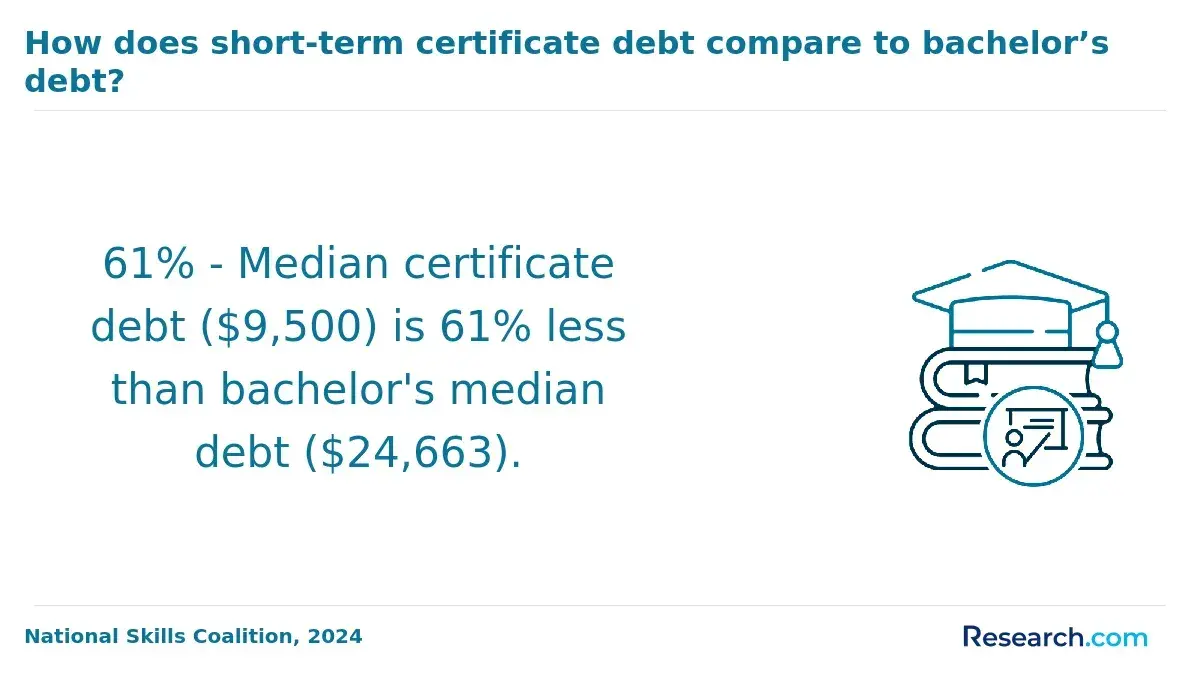
The average cost of earning a bachelor's degree in applied psychology can range widely but often reaches several thousand dollars per year, depending on the school and enrollment status. This estimate highlights the importance of understanding the key expenses involved before committing to the program at age 40.
- Tuition Variability: Tuition costs are the largest expense and vary greatly between public and private schools, as well as in-state versus out-of-state rates. Some programs charge by credit hour, so part-time enrollment can influence the total tuition expenditure based on the number of credits taken each semester.
- Learning Materials: Textbooks, software, and other educational resources add to the costs. While some programs provide digital materials that may help reduce expenses, these resources can accumulate over several courses and semesters.
- Enrollment Intensity: Choosing between full-time and part-time study affects both the pace of graduation and overall cost. Full-time students often pay more upfront but complete the degree faster, whereas part-time students spread out costs but may face a longer timeline and potentially higher cumulative fees.
- Additional Fees: Application, technology, lab, and graduation fees are often overlooked yet contribute to the total price. Individually modest, these fees collectively can influence the overall financial commitment of the degree.
- Indirect Expenses: Costs outside of tuition and fees, such as childcare, transportation, and reduced work hours, also impact the affordability of pursuing a degree at 40. These factors are important to consider for a realistic budget and planning.
Returning to college around age 40 to earn a bachelor's degree in applied psychology presents unique challenges that require careful consideration. Adult learners often face a steep learning curve when adapting to academic demands and managing personal responsibilities alongside their studies. Understanding these risks helps in preparing for a successful educational journey.
Key considerations include:
- Workload Demands: Higher education programs require significant reading, writing, and critical thinking. For those away from academic environments for years, keeping pace with coursework can be overwhelming initially.
- Adapting to Academic Settings: Modern classrooms use updated teaching methods and technology that may be unfamiliar. Relearning study habits and navigating new software platforms can slow early progress.
- Balancing Commitments: Many students aged 40 juggle family duties, careers, and social responsibilities. Maintaining consistent study schedules amid competing priorities often leads to time management stress.
- Knowledge Gaps: Returning students might experience gaps in foundational subject areas, requiring extra effort to build a solid base before advancing in specialized applied psychology topics.
- Social Isolation: Age differences with younger classmates can reduce peer connections, potentially causing feelings of isolation within the academic community.
Despite these hurdles, mature students can leverage their life experience and motivation to succeed. Awareness of these challenges encourages realistic planning, making the pursuit of an applied psychology degree at 40 both practical and fulfilling.
Starting a new career at 40 with a bachelor's degree in applied psychology is a realistic option that can open many professional doors. This degree offers a strong foundation in understanding human behavior, research methods, and problem-solving skills, which are highly valuable in fields such as human resources, counseling, marketing, and social services.
For those wondering about career change options with an applied psychology bachelor's degree after 40, education at this stage can help refine existing skills and support the pursuit of meaningful, purpose-driven roles. Many adults find that returning to school not only strengthens their credentials but also renews motivation and clarifies new career goals.
Workforce trends today increasingly support adult learners embracing new career paths, reflecting the growing emphasis on lifelong learning and adaptability. Employers and educational institutions recognize the unique contributions of mid-career students, improving accessibility and encouraging continuous development.
As career trajectories become less linear, earning a degree like applied psychology at 40 aligns with these broader shifts in professional pathways. For those interested, programs offering the cheapest online master's in urban planning exemplify how affordable education options are expanding for adult learners pursuing diverse fields.
Employers generally value applied psychology bachelor's degrees earned at age 40, especially when candidates combine education with relevant life and professional experience. About 60% of employers view adult learners as motivated individuals who bring practical insights and a broader perspective to the workforce. This positive perception underscores the increasing acceptance of mature students in various professional contexts.
When considering the value of an applied psychology bachelor's degree earned at 40, employers often focus on several key aspects:
- Skill Relevance: Employers evaluate how well the knowledge and skills acquired align with current industry standards and job needs. Staying updated with contemporary psychological practices is critical to effective contribution in applied psychology roles.
- Professional Experience Integration: The ability to blend academic learning with prior work and personal experience enriches problem-solving and interpersonal abilities, making mature graduates valuable assets in their fields.
- Continuous Learning: Returning to school later in life highlights a dedication to personal development and keeping pace with evolving theories and methods, which is essential in psychology-related careers.
- Adaptability: Adult learners often demonstrate resilience and flexibility, qualities that are increasingly important in dynamic workplace environments and contribute to long-term success.
Adult learners seeking an applied psychology degree at this stage may also explore online graduate schools with low GPA requirements to find flexible options that accommodate their professional and personal commitments.
Employers tend to appreciate mature candidates for their wider perspective, stronger communication, and leadership skills. This combination of education and extensive experience positions those with an applied psychology bachelor's degree earned at 40 to make meaningful contributions across diverse professional settings focused on psychology and human services.
Preparing to apply for an applied psychology bachelor's program involves careful early planning to boost academic readiness and ensure a well-organized submission. Nearly 40% of adult learners engage in thorough preparation before applying to college, which helps them make informed decisions throughout their educational journey. Being proactive enables applicants to identify and address potential challenges beforehand.
Consider the following key steps before you apply:
- Review Academic Background: Examine your transcripts and previous coursework to spot any gaps or prerequisites needed for the program. This allows you to plan additional classes or learning experiences if required.
- Understand Program Requirements: Investigate the curriculum to confirm that it suits your career aims and personal interests. Applied psychology programs can differ widely, focusing on areas like counseling, organizational behavior, or human development.
- Evaluate Learning Formats: Decide if online, in-person, or hybrid classes fit best with your lifestyle. Flexibility is often crucial for adult students managing work and family obligations.
- Prepare Documentation: Collect essential paperwork such as transcripts, recommendation letters, and personal statements early. Having these ready prevents last-minute urgency and supports a complete, polished application.
What Graduates Say About Earning an Applied Psychology Bachelor's Degree at 40
- Lennon: "Going back to college at 42 felt daunting, but choosing an applied psychology bachelor's degree was a deliberate step toward aligning my career with my passion for understanding human behavior. The program challenged me to think critically and apply psychological principles in real-world settings, which revitalized my professional path. Earning this degree after 40 has shown me that it's never too late to pursue meaningful change."
- Forest: "After years in a stagnant job, I decided to pursue an applied psychology bachelor's degree to open new doors and deepen my understanding of people in the workforce. Returning to school at 45 was a unique experience, blending life wisdom with academic rigor, and it significantly enhanced my ability to relate to others professionally. This degree has empowered me to transition into roles that feel more purposeful and impactful."
- Leo: "At 50, I wasn't sure if earning a bachelor's degree in applied psychology was realistic, but my desire to improve workplace environments inspired me to start. The coursework was eye-opening and practical, helping me develop skills that immediately benefitted my consulting practice. Completing this degree later in life has been a profound career boost and a personal victory."
Other Things You Should Know About Applied Psychology Degrees
Yes, prior work experience can enhance your studies and practical understanding in applied psychology. Experience in fields like social work, healthcare, or education often complements coursework by providing real-world context to psychological theories and practices. This background can also improve your critical thinking and analytical skills, which are valuable in applied psychology.
Most universities accept transfer credit only from regionally accredited schools, and many cap transfers at 60–90 semester credits toward a 120-credit bachelor’s degree. Course-by-course evaluation usually determines whether prior general education or psychology classes count toward the degree.
Many institutions offer dedicated resources for adult learners pursuing applied psychology, including academic advising, tutoring, and career counseling tailored to mature students. Support groups and flexible scheduling options can help manage personal and professional commitments. These services aim to help older students succeed academically and navigate the unique challenges of returning to school.
- 2025 Best Online Bachelor's Degree Programs in Psychology https://www.counselingpsychology.org/psychology/degrees/bachelors/
- Applied Psychology | University College Cork https://www.ucc.ie/en/ck120/
- too old to apply | ClinPsy - Clinical Psychology Forum https://clinpsy.com/threads/too-old-to-apply.8081/
- Is career change to psychology a bad idea in late 40s? https://www.thestudentroom.co.uk/showthread.php
- Applied Psychology, B.A. Online https://www.pointloma.edu/adult-degree-completion/programs/applied-psychology-ba-online
- Online programme BSc Applied Psychology Psychology | Top University/Provider in Germany https://academic-institute.com/online-degree/bsc-applied-psychology/
- Going back to college in your early 40s...sounds like a terrible idea...but Im considering it. https://rokslide.com/forums/threads/going-back-to-college-in-your-early-40s-sounds-like-a-terrible-idea-but-im-considering-it.397621/page-3
- How to Attend College Part Time While Working Full Time https://www.georgefox.edu/adult-degree/articles/working-full-time.html
- How to go back to school at 40 https://www.bbc.com/worklife/article/20150403-back-to-school-at-40
- Age is no barrier to learning | BPS https://www.bps.org.uk/psychologist/age-no-barrier-learning