2027 Associate to Bachelor's in Applied Psychology: Transfer Pathways Explained

Co-Founder and Chief Data Scientist
The demand for professionals with advanced qualifications in applied psychology continues to grow, yet many face a notable hurdle: navigating the complexities of credit transfer when moving from an associate to a bachelor's degree program. The inconsistency in course equivalencies and varying accreditation standards among institutions creates barriers that delay progress and increase costs for students. This challenge is particularly pressing in applied psychology, where foundational coursework and practicum requirements can differ significantly, impacting a student's ability to efficiently continue their education.
Recent data reveals that only about 45% of students transferring from an associate to a bachelor's in applied psychology complete their degree within six years, underscoring the impact of transfer difficulties on student outcomes. Understanding these transfer pathways is essential for prospective students seeking to maximize their academic effort and enter the workforce with competitive qualifications. This article examines these challenges in detail and outlines strategies to help students effectively navigate the transfer process from an associate to a bachelor's program in applied psychology.
Key Points About Transferring from an Associate to Bachelor's in Applied Psychology
- Transfer pathways offer flexible scheduling and online coursework, supporting working professionals balancing study with employment commitments.
- Accelerated programs enable faster skill acquisition, reducing the time to complete a bachelor's degree by up to 25% compared to traditional tracks.
- Lower tuition costs at community colleges combined with credit transfer agreements significantly reduce overall expenses for bachelor's completion.
Why should you consider an associate to bachelor's in applied psychology transfer pathway?
Choosing to transfer from an associate degree to a bachelor's degree in applied psychology offers a strategic blend of affordability and academic readiness that prepares students for advanced career opportunities.
Graduates with a bachelor's degree in applied psychology typically earn about 20% more and have higher employment rates than those with only an associate degree, reflecting the long-term value of this pathway.
The following key benefits highlight why students should consider this option, along with transfer admission requirements for applied psychology degrees in 2024 that remain accessible to many learners.
- Advanced Coursework: Bachelor's programs provide access to higher-level classes that develop leadership, research, and critical thinking skills beyond foundational topics.
- Expanded Career Options: Holding a bachelor's degree qualifies applicants for a broader array of jobs in clinical, organizational, and educational settings, improving job market competitiveness.
- Graduate Preparation: This pathway lays the groundwork for pursuing graduate studies and certifications, essential for specialized roles in psychology.
- Industry Demand: According to the U.S. Bureau of Labor Statistics, job opportunities for psychologists with a bachelor's degree or higher are projected to grow 8% from 2022 to 2032, underscoring increasing employer preference.
Students looking beyond the bachelor's degree might also explore online doctoral programs, which offer efficient routes to the highest levels of academic achievement in psychology and related fields.
What are the academic requirements to transfer from an associate to bachelor's in applied psychology?
While specific criteria vary by institution, successful transfer into a bachelor's in applied psychology program from an associate degree generally hinges on demonstrated academic consistency and the completion of foundational prerequisites.
Key academic expectations typically focus on established benchmarks that ensure readiness for upper-division coursework.
- GPA Requirements: Most bachelor's programs expect a minimum cumulative GPA between 2.5 and 3.0 on a 4.0 scale for transfer applicants. This requirement reflects the need for sustained academic performance suitable for advanced study in applied psychology.
- Prerequisite Coursework: Completion of foundational courses such as introductory psychology, statistics, and sometimes biology or sociology is essential. These courses usually require grades of C or higher to demonstrate proficiency in fundamental concepts relevant to applied psychology.
- Credit Completion: Transfer students often need between 30 to 60 semester credit hours from regionally accredited institutions. These credits generally include general education and initial psychology classes, preparing students for the more specialized upper-level courses.
- Core Subject Grades: A minimum grade of C in core applied psychology subjects ensures students have mastered key areas before advancing. This requirement supports a smooth academic transition into bachelor's-level content.
Planning an associate to bachelor's transfer requires careful selection of relevant general education and psychology courses, maintaining a strong GPA, and confirming credit transferability. Early advising conversations with prospective institutions can help students align their course paths with transfer expectations. Those interested in related fields may also explore options such as a librarian degree online, which offers additional flexible pathways within education.
Meeting the minimum credits and prerequisites for applied psychology transfer students streamlines admission and fosters academic success in bachelor's programs. Being well-prepared academically plays a critical role in thriving during the transition from an associate to bachelor's degree in applied psychology programs.
What documents do you need for an applied psychology transfer application?
Starting your transfer from an associate to a bachelor's in applied psychology requires gathering key materials early to ensure a smooth credit review and admission process. Below are essential documents most programs will request.
- Academic Transcripts: Official transcripts from all previously attended colleges help admissions officials assess completed coursework and assign transfer credits, which can shorten your path to graduation.
- High School Records: Some programs ask for high school transcripts if you have limited college credits. This verifies your foundational education background.
- Resume or CV: A professional summary highlighting relevant volunteer experience or roles in psychology-related environments may be requested to demonstrate your commitment and practical exposure.
- Supplemental Materials: Though less common, certain schools might require documentation related to practicum eligibility, such as background checks or health clearances, especially if internships are part of the curriculum.
A student who recently completed this transfer shared that organizing transcripts was more demanding than anticipated, especially securing documents from multiple institutions. He recalled feeling stressed but emphasized that early contact with admissions advisors eased confusion about which courses would transfer.
"It wasn't just about getting papers together; it was about understanding the process and deadlines," he noted. This proactive approach helped him avoid last-minute issues and made the credit evaluation much more transparent.
Many applied psychology programs acknowledge professional experience to help students avoid repeating foundational courses. Prior Learning Assessments (PLA) and Credit for Prior Learning (CPL) offer ways to convert relevant experience into academic credit. Studies show that students using CPL may cut their time-to-degree by up to one year, highlighting the tangible benefits of these evaluations. Below are some typical categories considered for credit transfer:
- Professional Certifications: Certifications in applied psychology validate specialized knowledge and skills, which schools may accept as credit toward degree requirements.
- Work Experience Documentation: Verified clinical, counseling, or research roles provide evidence of practical expertise that can substitute for certain academic courses.
- Continuing Education: Training or workshops attended outside formal education contribute to cumulative knowledge and can support credit eligibility.
- Portfolio Assessments: Compiling work samples and reflective essays enables institutions to evaluate competencies aligned with applied psychology curriculum standards.
Using prior work experience for transfer credits in applied psychology programs allows students to progress efficiently toward a bachelor's degree. Since policies differ by institution, students should inquire about credit recognition specific to their program.
Those interested in accelerated options may also explore pathways such as an accelerated finance degree online, demonstrating how professional experience can influence credit transfer in various disciplines.
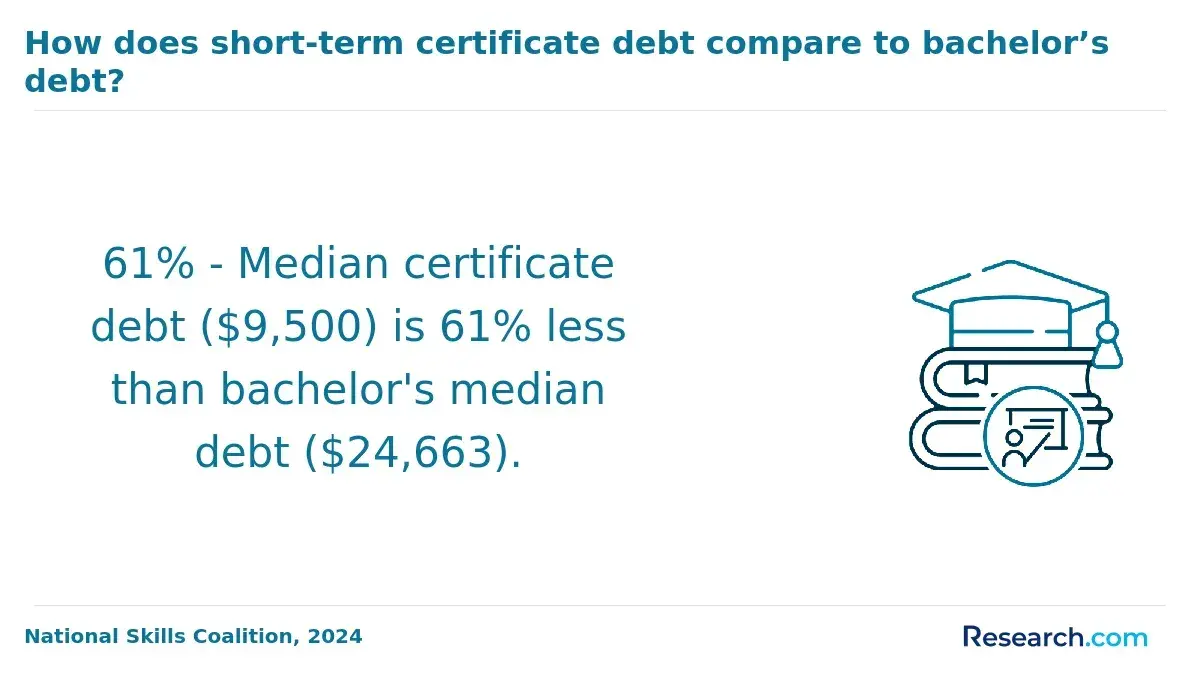
Opting for an associate to bachelor's transfer pathway offers a strategic approach to considerably lower the total expenses of earning an applied psychology degree without sacrificing academic standards. Tuition at community colleges typically costs about 60% less per credit hour compared to four-year universities, which can result in savings ranging from $15,000 to $20,000 or more.
Beyond tuition, students often benefit from reduced institutional fees and fewer costly general education credits at universities, further diminishing financial burdens and potential loan interest.
This pathway can cut overall degree costs by up to 40%, making it a practical choice for those seeking to minimize debt while completing their education in applied psychology. Such savings help ensure students can focus more on learning and less on financial strain.
When asked about his experience, a student who took this transfer route shared that navigating credit transfers was initially challenging and required careful planning, but he described the process as "worth every effort." He emphasized the relief of managing lower expenses and noted, "Knowing that I saved thousands made the stress manageable and kept me motivated." This firsthand perspective highlights how embracing the transfer pathway can lead to significant, life-altering financial relief.
Many colleges and professional organizations offer targeted financial awards to support students transitioning from an associate degree to a bachelor's program in applied psychology. Roughly 45% of transfer students in psychology-related fields benefit from scholarships or grants, typically receiving between $1,000 and $3,500 annually.
Below are some common types of aid designed specifically for transfer students.
- Institutional Transfer Scholarships: Colleges frequently provide scholarships to students who have completed an associate degree with a strong GPA and transferable credits, usually around 60. These awards encourage enrollment in applied psychology or related majors.
- State-Funded Grants: Many states offer grants targeting students progressing from two-year to four-year institutions, often prioritizing fields aligned with workforce demand like applied psychology. Eligibility generally depends on residency, satisfactory academic progress, and sometimes financial need.
- Professional Organization Scholarships: Groups in the field of applied psychology or counseling may award scholarships to students demonstrating academic excellence, involvement in psychology-related activities, or submission of essays. These aim to foster professional development within the discipline.
Many professionals pursuing advancement in applied psychology can significantly reduce their tuition expenses by utilizing employer-sponsored education benefits tailored for degree progression. About 60% of medium to large U.S. employers offer tuition assistance, making these programs a valuable resource for those transferring from an associate to a bachelor's degree.
Key factors to consider when navigating tuition reimbursement include the following:
- Annual Benefit Caps: Most employers align their tuition reimbursement limits with IRS guidelines, commonly capping tax-free educational assistance at $5,250 per year. This cap determines the maximum amount covered for coursework toward applied psychology degrees.
- Minimum Grade Requirements: To maintain eligibility, students often must achieve satisfactory academic progress, typically defined as a GPA of 2.5 or higher. This ensures that only those committed to their studies receive continued support.
- Employment Tenure: Eligibility frequently requires a minimum employment period, usually between six months and one year, before tuition assistance begins. Additionally, graduates may need to commit to working with the employer for one to two years post-completion.
- Degree Completion Focus: Many companies emphasize programs designed specifically for degree completion, supporting employees who transfer credits from an associate degree directly toward a bachelor's in applied psychology.
Accreditation serves as a vital quality assurance in transferring an associate degree in applied psychology to a bachelor's program, confirming the coursework meets rigorous academic standards necessary for degree completion.
Over 85% of bachelor's programs in psychology require credits from regionally accredited institutions, underscoring the importance of accreditation in transfer credit evaluation for applied psychology programs.
Institutional accreditation assesses the entire college or university to ensure broad educational quality, while programmatic accreditation specifically evaluates the applied psychology curriculum for industry and academic rigor. Students should verify both types to safeguard their academic investment and avoid delays or denial of credit transfer.
This dual accreditation impact on applied psychology degree transfer also influences licensure and employment options, as many licensing boards mandate degrees from accredited programs. Staying within accredited pathways prevents credit loss and ensures the long-term value of the degree.
For students seeking additional professional certifications, exploring options like a paralegal certificate online ABA-approved can complement their educational credentials and expand career flexibility.
Transitioning from an associate degree to a bachelor's in applied psychology significantly expands career options and enables individuals to pursue leadership or specialized roles in various sectors. The U.S. Bureau of Labor Statistics projects employment of psychologists and related professionals to increase by 10% between 2022 and 2032, reflecting strong demand for those with a bachelor's in the field.
Below are several career paths where a bachelor's degree is often required to excel:
- Human Resources Specialist: This role involves managing recruitment, employee relations, and training programs. A bachelor's degree provides the foundational knowledge of psychological principles needed to understand worker behavior and improve organizational effectiveness.
- Mental Health Counselor Assistant: Working alongside licensed counselors, these assistants support client care and treatment planning. The bachelor's degree equips graduates with essential skills in psychological assessment and communication.
- Market Research Analyst: Professionals analyze consumer data and behavior to guide business strategies. A bachelor's in applied psychology is valuable for interpreting human decision-making processes and market trends.
- Rehabilitation Specialist: These specialists help individuals overcome physical or mental disabilities to regain independence. The degree prepares graduates to design and implement therapeutic interventions driven by behavioral science.
- Behavioral Analyst: Focused on assessing and modifying behavior patterns, this position requires advanced knowledge of applied psychological methods that a bachelor's program provides as a minimum credential.
While transferring from an associate degree to a bachelor's in applied psychology is generally streamlined, administrative oversights can cause significant delays or credit loss. Research shows that students lose close to 30% of their credits on average during transfers between institutions or programs. Careful planning and awareness can help avoid common pitfalls. Consider the following key challenges:
- Credit Loss: Neglecting to review articulation agreements can result in substantial credit loss, lengthening time to degree completion and increasing costs. Avoiding this issue is crucial for students focused on avoiding credit loss during applied psychology degree transfer.
- Course Misalignment: Differences in curricula often mean completed classes may not satisfy bachelor's program requirements, especially foundational courses like statistics and research methods. This leads to repeating coursework and delays.
- Insufficient Advising: Lack of guidance from advisors familiar with applied psychology transfer pathways can cause students to miss prerequisites or take unnecessary classes, impeding smooth progress.
- Major Change Challenges: Switching into applied psychology from unrelated fields without proper preparation can create steep learning curves, affecting academic performance and motivation.
- Poor Planning: Failing to develop a realistic timeline and budget that accounts for possible credit loss or extra courses often results in prolonged studies and financial strain.
Being proactive with these areas helps students navigate common transfer challenges in applied psychology programs. Additionally, those exploring further education may find resources such as the cheapest online masters in history helpful for comparative cost analysis in advanced degree planning.
What Graduates Say About Transferring from an Associate to Bachelor's in Applied Psychology
- Lennon: "Choosing to transfer from an associate to a bachelor's in applied psychology was a game-changer for me. The ability to build on the foundational courses while accessing specialized topics made the transition smooth and rewarding. I appreciated how affordable the pathway was compared to starting fresh, which helped me manage my finances while investing in my future."
- Forest: "Reflecting on my journey through the associate to bachelor's transfer pathway in applied psychology, I value the flexibility it offered amidst my busy schedule. The program's cost-effectiveness allowed me to continue my education without excessive debt, which was a huge relief. Most importantly, advancing my degree gave me a deeper understanding of behavioral sciences that profoundly shaped my career goals."
- Leo: "From a professional standpoint, pursuing a bachelor's in applied psychology via an associate transfer pathway provided a strategic advantage in my field. The coursework expanded my critical thinking and practical skills considerably, all within a reasonable budget. This path not only enhanced my credentials but also opened numerous doors for career advancement and networking."
Other Things You Should Know About Applied Psychology Degrees
Most programs accept lower-division courses such as Introduction to Psychology, Statistics, and Research Methods if they were taken at a regionally accredited college and earned a C or better. Upper-division major courses are rarely transferred, so students usually complete those after entry into the bachelor's program.
It is possible to transfer an associate degree in a related field, such as general psychology or social sciences, into a bachelor's in applied psychology program. Transferability depends on how closely the courses align with applied psychology requirements and the receiving institution's policies.
Yes, after transferring from an associate degree to a bachelor's in applied psychology, students generally need to complete foundational courses in research methods, psychological theory, and statistics. These courses establish a necessary groundwork for advanced psychology studies and applications.
- Raising the Bar: The Impact of Accreditation on Psychology Training | SoMAP - The Society of Modern Applied Psychology https://thesomap.org/raising-the-bar-the-impact-of-accreditation-on-psychology-training/
- ACP-UK response to proposed standards of accreditation for new Clinical Associate Psychology role https://acpuk.org.uk/acp_response_to_cap_role/
- 42 Psychology Scholarships for Students | All Psychology Schools https://www.allpsychologyschools.com/financial-aid/psychology-scholarships/
- Psychology Transfer Pathway https://www.alextech.edu/programs/psychology-transfer-pathway
- How to Go from an Associate’s Degree to a Bachelor’s Degree | George Fox University https://www.georgefox.edu/adult-degree/articles/associate-to-bachelor-degree.html
- Transfer Pathways Steer Students and Institutions to Undergraduate Success https://agb.org/trusteeship-article/transfer-pathways-steer-students-and-institutions-to-undergraduate-success/
- Psychology Transfer Pathway Program Outcomes https://www.rctc.edu/program/psychology/outcomes/
- Associate in Arts for Transfer (A.A.-T.) Degree in Psychology for Transfer De Anza College https://www.hotcoursesabroad.com/india/course/us-usa/associate-arts-transfer-a-t-degree-psychology-transfer/58145132/program.html
- Scholarships for international candidates - SWPS University https://english.swps.pl/programs/apply-for-scholarships/study-for-free-scholarships-for-candidates/scholarships-for-international-candidates
- Undergrad Application & Transfer Guide | Psychology.org https://www.psychology.org/resources/undergraduate-application-and-transfer-guide/