2027 Best Career Paths After an Applied Psychology Bachelor's Degree

Co-Founder and Chief Data Scientist
Deciding the right career path after earning an Applied Psychology bachelor's degree can feel overwhelming amid a landscape of diverse opportunities and growing industries. Recent graduates face the challenge of aligning their skills with high-demand roles, especially as the U. S. Bureau of Labor Statistics projects a 14% growth in psychology-related occupations through 2030. Many wonder which fields offer the best job stability, salary potential, and long-term development. The versatility of an applied psychology degree opens doors in healthcare, human resources, market research, and more. This article explores the best career paths and provides insight to help graduates make informed choices.
Key Things to Know About the Best Career Paths After a Applied Psychology Bachelor's Degree
- Common entry-level roles include behavioral health technician, human resources assistant, and research coordinator, providing foundational experience in clinical, corporate, or academic settings.
- Aligning academic specialization, such as industrial-organizational psychology or counseling, with career choices significantly enhances job placement and professional growth opportunities.
- Long-term career progression depends on continued education, networking, and gaining certifications, with 35% of graduates advancing to graduate degrees within five years.
What Are the Top Career Paths by Industry for Applied Psychology Graduates?
Applied psychology graduates enter diverse industries, leveraging their expertise in human behavior across multiple professional settings. Nearly 45% of psychology graduates secure employment in sectors such as social services, healthcare, education, and business within five years, showcasing the degree's broad applicability. Below are key industry-specific roles where applied psychology career paths in healthcare and organizational sectors are prominent.
- Healthcare: Graduates often take roles like behavioral health technicians, rehabilitation specialists, and mental health program coordinators. They apply psychological principles to improve patient outcomes, support treatment plans, and assist recovery efforts.
- Education: Positions include academic advising, school counseling support, and educational program coordination. Professionals help develop learning strategies and support student mental health based on psychological research.
- Business and Organizational Development: Common roles involve human resources specialists, training coordinators, and organizational behavior analysts. These professionals enhance workplace dynamics and implement wellness initiatives to boost productivity.
- Government and Public Policy: Roles such as community outreach coordinators, policy analysts, and program evaluators allow graduates to analyze behavioral data and advise on policies affecting public health and welfare.
- Marketing and Consumer Behavior: Graduates contribute as market researchers, UX analysts, and consumer insight specialists. They apply psychological theories to understand consumer decisions and develop targeted marketing strategies.
What Are the Future-Proof Careers After a Applied Psychology Bachelor's Degree?
Future-proof careers in applied psychology focus on roles that remain vital despite technological advances and shifting economic landscapes. Adaptability is essential because the job market evolves quickly, with the U.S. Bureau of Labor Statistics projecting an 8% growth in psychology-related employment from 2022 to 2032. This steady increase reflects ongoing demand for insights into human behavior in various sectors.
Several career areas stand out for applied psychology graduates seeking high-demand jobs for applied psychology graduates that combine stability with technology resilience:
- Organizational Psychology: This field improves workplace environments and employee well-being by applying psychological principles to enhance productivity and mental health. As companies adopt more data-driven strategies, these professionals help optimize human-computer interaction and design effective systems, making their expertise invaluable despite technological changes.
- Human Factors Engineering: Specialists focus on designing systems and products that align with human capabilities and limitations. Their role is critical in sectors like healthcare and tech, ensuring safety and usability where automation alone cannot replace nuanced human judgment.
- Healthcare Psychology Roles: Behavioral health continues to grow in importance, especially with rising awareness around mental health. Applied psychology graduates contribute to patient care, program development, and policy-making in medical and community health settings.
- Government and Public Policy: Agencies increasingly rely on behavioral science to craft effective interventions and public programs. Professionals in this area apply psychology to address social issues, improve compliance, and shape evidence-based policies.
Graduates interested in finding the cheapest counseling degree online options can explore these fields knowing their applied psychology skills align with evolving market demands and resilience against automation.
What Are the Highest-Paying Careers After a Applied Psychology Bachelor's Degree?
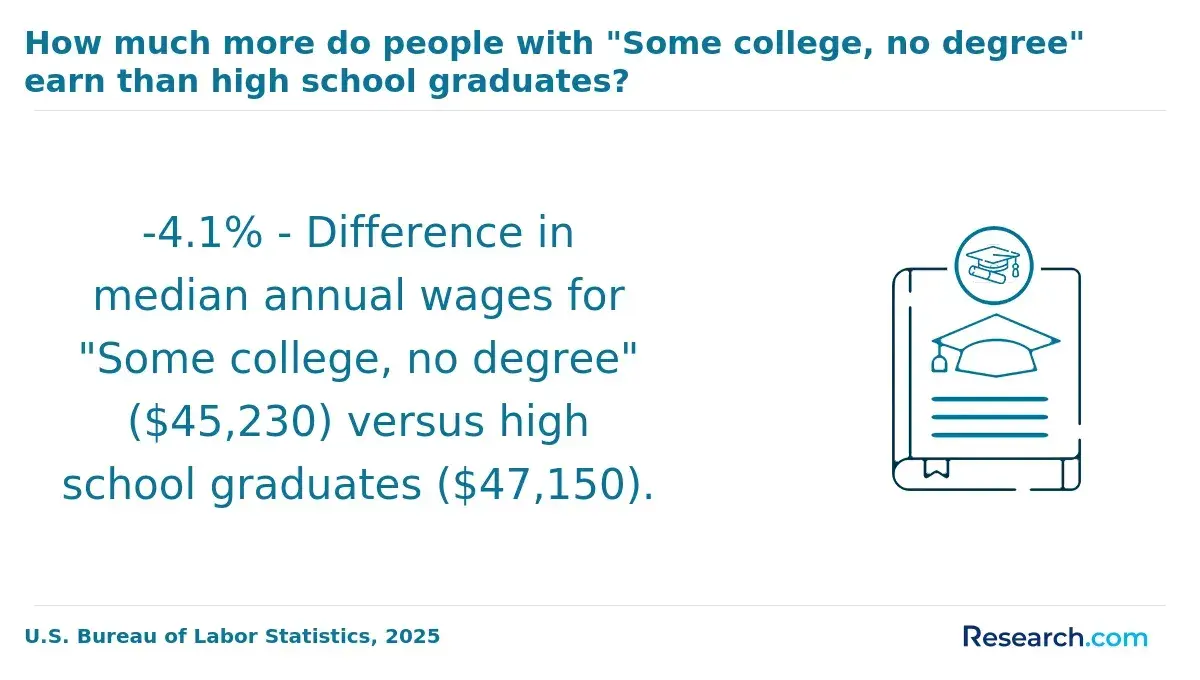
Graduates with a bachelor's degree in applied psychology can pursue lucrative career paths in various sectors, capitalizing on their knowledge of human behavior and social systems. Higher salaries typically align with roles that require specific expertise, leadership duties, or employment within fast-growing industries. For example, occupations in psychology and social sciences report a median yearly income around $80,000, signaling strong financial prospects for those entering the field.
Several prominent career options underscore this earning potential:
- Human Factors Specialist: Earning between $75,000 and $110,000 annually, these experts enhance product usability by integrating psychological principles into design, primarily within tech and manufacturing industries. Their work reduces errors and boosts operational efficiency, making them indispensable in innovation-driven companies.
- Industrial-Organizational Specialist: With salaries ranging from $70,000 to $120,000 per year, I-O specialists improve workplace performance and employee satisfaction through research on hiring, training, and organizational culture. Their ability to elevate productivity and profitability makes them highly sought after in corporate environments.
- Market Research Analyst: These analysts command between $60,000 and $100,000 annually by applying psychological insights and data analysis to understand consumer preferences. Their findings shape competitive marketing and product strategies across industries.
- Behavioral Health Coordinator: Typically earning $65,000 to $95,000 per year, coordinators develop and oversee programs addressing mental and behavioral health within healthcare or social services. Combining clinical know-how with administrative expertise, they play a vital role in public health initiatives.
- Rehabilitation Specialist: With an annual salary range of $50,000 to $85,000, these professionals assist individuals recovering from injury or disability by employing psychological approaches to improve their quality of life. Their work is essential to healthcare and community support services.
A professional who earned a bachelor's degree in applied psychology shared his experience securing a high-paying role: "Entering the job market felt overwhelming at first, given the broad scope of potential careers. I focused on developing specialized skills in workplace psychology, which opened doors to corporate positions with strong compensation." He recalled the importance of networking and practical internships during his studies, which helped bridge academic knowledge with real-world demands. "It wasn't just about what I learned in class but how I applied it that made the difference. The challenge was showing employers I could translate theory into actionable solutions." This approach ultimately led him to a rewarding career path aligned with what many graduates seek after completing their degree.
Graduates with a bachelor's degree in applied psychology generally begin their careers in various entry-level roles that help build essential skills and industry know-how. These positions provide practical experience necessary for long-term career growth. Employment in social and human service occupations tied to applied psychology is expected to increase by 17% from 2022 to 2032, reflecting strong demand for new professionals entering these fields.
Entry-level jobs for applied psychology bachelor's degree graduates often include the following roles:
- Behavioral Health Technician: This role involves supporting patients with behavioral challenges by collecting progress data and assisting with treatment plan implementation. It offers clinical exposure that can lead to advanced counseling or therapy opportunities.
- Human Resources Assistant: Using knowledge of human behavior, HR assistants help manage recruitment, employee relations, and training. This position provides a pathway into HR management or organizational consulting roles.
- Case Manager: Case managers ensure clients in social service settings access necessary resources, developing abilities in client advocacy and program coordination that support careers in social work or healthcare management.
- Research Assistant: Working with psychologists or academic teams, research assistants gather and analyze data for behavioral studies. This role is critical for those aiming for graduate research or clinical psychology positions.
These positions act as vital stepping stones for applied psychology graduates seeking broader career opportunities. For students also considering diverse disciplines, exploring a game design degree could provide alternative pathways.
An applied psychology degree builds a foundation of versatile skills highly valued by employers. According to the National Association of Colleges and Employers, over 90% of hiring managers prioritize abilities like critical thinking and communication when recruiting grads. These transferable skills help shape diverse career opportunities beyond traditional psychology roles.
Here are some key competencies gained through applied psychology programs that align with promising career paths:
- Analytical Thinking: Graduates learn to assess and interpret behavioral data, preparing them for roles such as market research analyst, data analyst, or user experience researcher, where evaluating complex information is essential.
- Effective Communication: Skilled at conveying psychological concepts with clarity and empathy, these graduates excel in positions like human resources coordinator, counseling assistant, or community outreach specialist that demand strong interpersonal interaction.
- Leadership: Collaborative projects and organizational studies develop leadership qualities suited for management trainee roles, program coordination, or nonprofit management, where motivating and guiding teams is key.
- Problem-Solving: Training in practical case studies equips graduates to address challenges in behavioral intervention, occupational therapy assistance, or case management, focusing on both individual and systemic solutions.
When asked about her career direction after earning an applied psychology degree, one graduate reflected on the uncertainty she initially faced. She described the challenge of translating broad academic skills into a focused career path and the need to explore different sectors before finding her niche. "It wasn't easy to see where I fit at first," she shared, "but applying what I learned about human behavior gave me confidence in diverse environments." Her experience highlights how applied psychology graduates can adapt their knowledge to various fields, emphasizing patience and openness in career development.
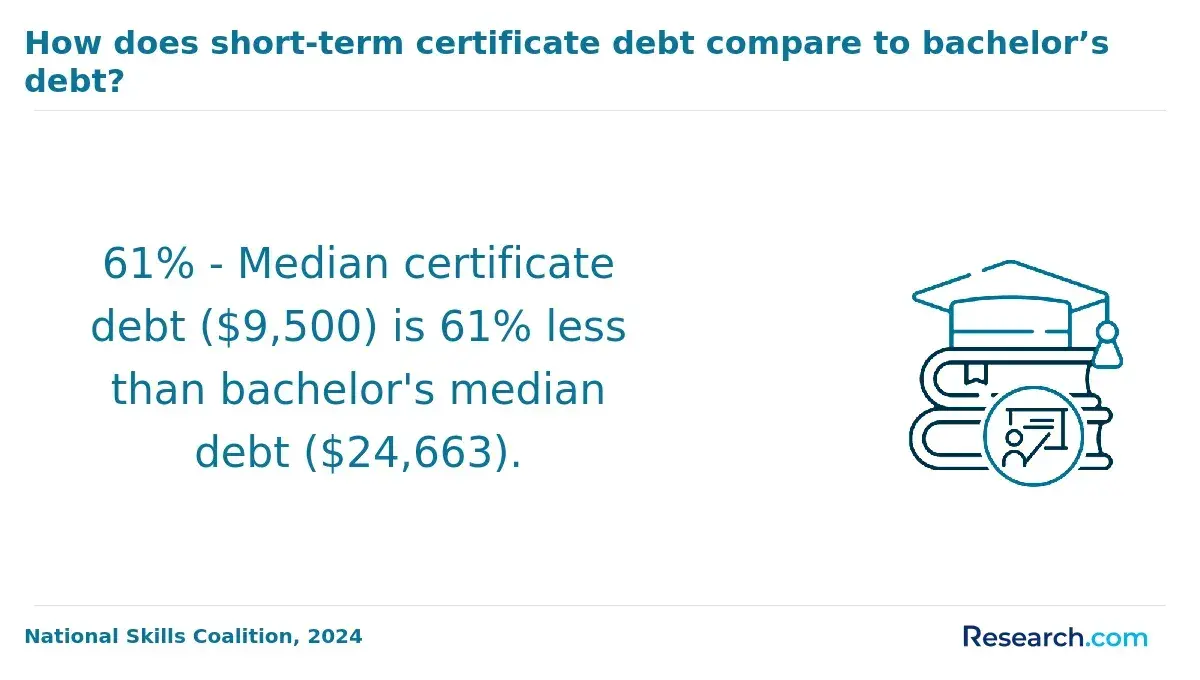
Many career opportunities linked to applied psychology demand graduate-level education since these roles require specialized skills, advanced knowledge, and often professional licensing. Data from the Bureau of Labor Statistics shows that about 75% of psychology-related jobs typically necessitate a master's degree or higher, highlighting the importance of further study for those pursuing these fields. This additional education ensures candidates are well-prepared for complex responsibilities and evolving industry standards.
Below are several key professions that commonly require advanced degrees beyond a bachelor's in applied psychology:
- Clinical Psychologist: Doctoral training is essential to obtain licensure and practice independently. These professionals assess and treat mental health conditions using evidence-based therapies and comprehensive diagnostic tools.
- Counseling Psychologist: A doctorate provides the depth of knowledge necessary to deliver therapeutic interventions and support diverse client populations with complex psychological needs.
- Industrial-Organizational Psychologist: Typically requiring a master's or doctorate, this role focuses on improving workplace productivity and employee satisfaction through applied research and organizational strategies.
- Human Factors Specialist: A master's degree equips practitioners to analyze and enhance interactions between people and technology, aiming to optimize safety, usability, and performance.
- Academic Researcher and University Faculty: Doctoral education is required to conduct original research and teach at the postsecondary level. These roles involve producing scholarly work and mentoring future professionals in the field.
Many careers connected to an applied psychology bachelor's degree require additional certification or licensure due to their involvement in regulated activities or specialized skills. These credentials ensure professionals meet competency standards and follow ethical guidelines crucial for public safety and effective client care. Recent data show that around 65% of psychology-related roles needing licensure or certification require post-bachelor's qualifications.
Below are several key careers where certification or licensure is typically necessary:
- Licensed Mental Health Counselor: Requires a master's degree in counseling or clinical psychology, supervised clinical hours, and passing a state licensing exam, such as the Licensed Professional Counselor (LPC) exam. These counselors provide therapy and support to individuals with mental health challenges.
- School Psychologist: Needs state certification or licensure, often involving a specialist-level degree (Ed.S. or equivalent), internships, and passing the National School Psychology Examination (NSPE). They focus on assessing and addressing student learning and behavioral issues within educational settings.
- Industrial-Organizational Psychologist: While sometimes employable with a bachelor's degree, these professionals often pursue certification through organizations like the Society for Industrial and Organizational Psychology (SIOP) to validate expertise in workplace behavior and employee assessment.
- Substance Abuse Counselor: Typically requires credentials such as the Certified Alcohol and Drug Counselor (CADC) certification. This involves supervised practice and passing exams to demonstrate competency in addiction counseling and treatment.
An applied psychology bachelor's degree equips graduates with versatile skills that extend far beyond traditional psychology careers. Nearly 40% of psychology graduates find employment in areas outside their primary field, reflecting the degree's wide-ranging applicability. The critical thinking, communication, and behavioral science knowledge gained offer valuable flexibility in today's job market.
Here are some alternative career options for bachelor's in applied psychology graduates that demonstrate how these transferable skills open doors to diverse fields:
- User Experience Design: Graduates apply insights into human cognition and motivation to develop intuitive digital interfaces. Understanding perception helps design products that effectively meet user needs, making applied psychology a strong foundation for UX roles.
- Organizational Development: Skills in group dynamics and employee motivation translate well to improving workplace culture and boosting engagement. These roles often focus on optimizing team performance and managing talent strategies with psychological principles.
- Marketing and Consumer Analysis: Knowledge of decision-making and behavioral patterns assists graduates in crafting targeted campaigns and enhancing branding. This expertise provides a competitive advantage in predicting consumer responses and shaping marketing strategies.
- Health and Wellness Coaching: Graduates interested in promoting mental well-being can support behavior change outside clinical settings. Empathy and evidence-based communication are key in these advocacy and coaching roles.
- Research and Data Analysis: Training in research methods and statistics prepares graduates for managing studies and quantitative data across industries beyond traditional psychology environments.
For students considering further education that complements an applied psychology background, exploring the cheapest online MBA no GMAT options could be a strategic move to enhance career prospects in business-related fields.
The rise of remote and flexible work has created expanded career possibilities for graduates with a bachelor's degree in applied psychology. Recent data indicate that nearly 59% of U.S. workers capable of remote work have taken advantage of this option at least occasionally, demonstrating a significant shift toward more adaptable employment arrangements. This trend supports many psychology-related professions seeking flexible schedules or work-from-home opportunities.
For those exploring remote careers for applied psychology graduates, several roles stand out as particularly well-suited to flexible work environments.
- Behavioral Health Coach: These professionals help clients manage stress and improve mental well-being through virtual sessions using video calls or digital platforms. Their duties include coaching, progress monitoring, and motivational support, all of which lend themselves to remote delivery.
- User Experience Researcher: Applied psychology graduates study how people interact with technologies, products, or websites. This role involves designing studies, gathering user feedback, and analyzing data, tasks typically done remotely with asynchronous communication.
- Organizational Consultant: Consultants advise companies on workplace culture and employee engagement by conducting virtual interviews, surveys, and workshops. The reliance on digital tools allows them to operate flexibly from various locations.
- Content Creator: Writing educational materials, articles, or managing online communities related to psychology is a fully remote option. These roles require strong communication skills and subject expertise, adaptable to varied schedules and locations.
Students interested in affordable online education options may find value exploring affordable online colleges that offer programs aligning with flexible job options with an applied psychology bachelor's degree.
Evaluating career options after earning a bachelor's degree in applied psychology is essential for long-term fulfillment and success. Studies show that nearly 80% of individuals who pursue careers aligned with their values and interests experience greater job satisfaction. Considering several important factors can guide graduates toward the most suitable professional paths.
Key elements to focus on when selecting a career include:
- Personal Interests: Assess which aspects of applied psychology-such as behavioral analysis, organizational psychology, or health-related fields-resonate most with you to identify roles that feel purposeful and engaging.
- Long-Term Vision: Reflect on your future ambitions over the next 5 to 10 years, including opportunities for advancement, further education, or leadership roles, and choose careers that align with these goals.
- Industry Demand: Investigate current job market trends and forecasts to aim for sectors with steady growth and evolving opportunities where your skills will remain relevant.
- Preferred Work Environment: Consider whether you thrive in collaborative teams, autonomous roles, clinical settings, or corporate environments, as this impacts your professional satisfaction and productivity.
Taking these factors into account helps applied psychology graduates build rewarding and sustainable careers that complement their academic foundation.
What Graduates Say About the Best Career Paths After a Applied Psychology Bachelor's Degree
- Lennon: "Choosing a bachelor's in applied psychology was driven by my curiosity about why people behave the way they do. I found that this degree opens many doors beyond traditional counseling roles, including opportunities in human resources and market research. The most rewarding part for me has been transitioning into a remote career that lets me apply psychological principles to improve user experience on digital platforms."
- Forest: "After graduating with a degree in applied psychology, I took some time to reflect on how I could make a meaningful impact in the community. I eventually pursued a job in workplace wellness, which has been incredibly fulfilling and directly linked to what I studied. This program taught me not only core psychological concepts but also how to adapt those to real-world challenges in various industries."
- Leo: "My degree in applied psychology was essential when I shifted toward an alternative career path in organizational consulting. It provided me the analytical tools to assess workplace dynamics and develop strategies that boost team productivity. Professionally, it's been invaluable to understand human motivation and behavior in any sector I work with."
Other Things You Should Know About Applied Psychology Degrees
Yes, a bachelor's degree in applied psychology provides a solid foundation for various human resources roles. Graduates often pursue positions such as HR coordinator or recruiter, where they use their understanding of human behavior to improve hiring processes, employee relations, and organizational development.
In 2027, graduates with an applied psychology bachelor's degree can specialize in areas like organizational psychology, counseling, or health psychology. Specializations can enhance career prospects and allow graduates to tailor their skills to specific industries, leading to roles like HR consultant or mental health technician.
The SHRM-CP is the most recognized entry-level HR certification for applied psychology graduates seeking HR roles. SHRM requires either a bachelor's degree plus one year of HR experience or a non-HR degree plus three years of experience; the exam includes 160 questions and is administered by SHRM.
- Remote Bachelor Psychology Jobs https://www.virtualvocations.com/q-remote-bachelor-psychology-jobs.html
- 9 Best bachelor psychology jobs in remote (Hiring Now!) | Workopolis https://www.workopolis.com/search
- Top 5 High-paying Jobs for Psychology Grads https://www.bestpsychologydegrees.com/high-paying-jobs-grads/
- Remote Psychology Jobs https://www.workingnomads.com/remote-psychology-jobs
- What Can You Do With A Psychology Degree? | Psychology.org https://www.psychology.org/resources/alternative-careers-for-psychology-majors/
- Career options in psychology | BPS https://www.bps.org.uk/career-options-in-psychology
- 10 Career Paths You Can Follow With a Psychology Degree https://www.dbu.edu/blog/10-career-paths-with-psychology-degree.html
- Career Paths in Psychology to Help You Get Started https://www.snhu.edu/about-us/newsroom/social-sciences/psychology-entry-level-jobs-to-start-your-career
- 7 Highest-Paying Careers You Can Pursue With a Psychology Degree https://www.ndnu.edu/articles/psychology/seven-highest-paying-careers-you-can-pursue-with-a-psychology-degree.html
- 7 High-Paying Jobs With a Bachelor of Psychology https://online.federation.edu.au/high-paying-jobs-with-bachelor-of-psychology/