2027 Internship, Practicum or Clinical Requirements for Pediatric Nurse Practitioner Master's Programs

Co-Founder and Chief Data Scientist
Balancing full-time employment while fulfilling a pediatric nurse practitioner master's program's clinical hour requirements presents a critical challenge for many students. A 2024 survey found that 62% of advanced practice nursing students delayed graduation due to inflexible practicum schedules, highlighting systemic barriers that disproportionately affect career changers and working professionals. This delay not only impacts licensure timelines but also narrows employment opportunities in a competitive healthcare market increasingly focused on hands-on experience.
Understanding the scope, expectations, and variations in internship, practicum, and clinical components is essential for strategic planning. This article dissects these training requirements to guide students through informed decision-making and program alignment.
Key Things to Know About Internship, Practicum or Clinical Requirements for Pediatric Nurse Practitioner Master's
- Clinical hour mandates frequently exceed 500 hours, demanding extensive time commitment that can delay workforce entry but ensure rigorous hands-on proficiency aligned with employer expectations.
- Programs offering more diverse clinical site options better prepare students for varied pediatric settings, directly impacting employability by matching local healthcare provider demands and specialization trends.
- Limited practicum flexibility often necessitates geographic relocation or extended program duration, creating access barriers that disproportionately affect working professionals and career changers balancing external obligations.
What Is the Difference Between an Internship, Practicum, and Clinical Placement?
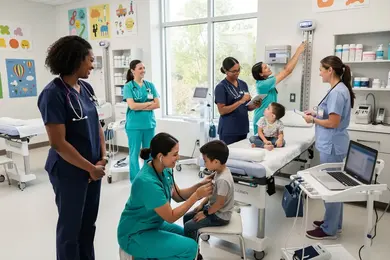
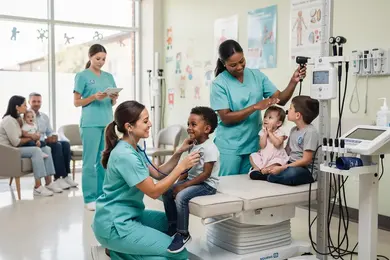
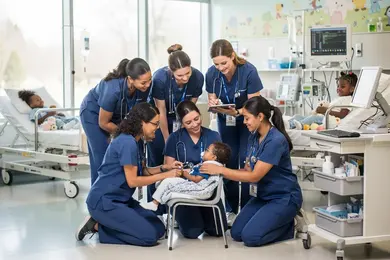
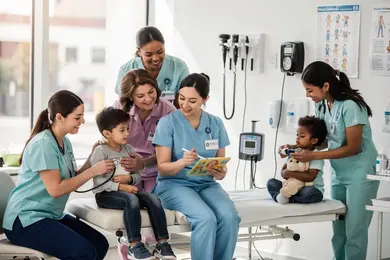
The training components labeled internship, practicum, and clinical placement in pediatric nurse practitioner master's programs represent structurally distinct commitments that carry varied expectations for responsibility, supervision, and licensure relevance. For students, understanding these differences influences how they allocate time, prioritize experiences, and meet certification benchmarks tied to future employability. For example, choosing a program with heavily weighted clinical placements versus one focused on internships can affect licensing preparation and employer perception in pediatrics.
- Internship: Internships provide expansive exposure to healthcare environments where students often take on direct patient care duties under supervision but may also engage in administrative or interdisciplinary tasks. These positions can be paid or for credit, requiring flexible scheduling, and emphasize adaptability and workplace integration, though they typically carry less licensure weight than clinical placements in pediatric nurse practitioner clinical placement vs internship distinctions.
- Practicum: Practicums are more narrowly framed educational experiences focusing on observation, skill application, and reflective learning with strict academic oversight and limited hands-on patient care. They run concurrently with coursework and target foundational competencies rather than full clinical autonomy, often making them less influential than internships or clinical placements in hiring decisions.
- Clinical Placement: Clinical placements demand extensive, mandatory clinical hours that align directly with accreditation and certification standards, emphasizing progressive independence in patient assessment, diagnosis, and treatment planning. These placements are the most time-intensive and widely recognized by certification boards-78% as of a 2024 American Association of Nurse Practitioners report-signifying their critical role in licensure preparation and employer evaluation for pediatric nurse practitioner roles.
Although all three formats contribute to professional readiness, clinical placements are regarded by employers as the most definitive proof of clinical competence in pediatric care. Internships serve as a valuable bridge to understanding healthcare team dynamics and diverse pediatric practices, while practicums primarily build academic foundations. For students navigating pediatric nurse practitioner clinical placement vs internship distinctions, these differences underscore the necessity of aligning training choices with licensure timelines and workplace expectations, particularly in light of increasing demand across healthcare systems.
For learners weighing how to meet program requirements while balancing work or life commitments, the intensity and scheduling demands diverge significantly between practicums, internships, and clinical placements. Practicums tend to be fixed and less time-consuming, internships may require variable, sometimes extensive time depending on site policies, and clinical placements often impose rigorous hour quotas essential for state board and certification compliance. Prospective pediatric nurse practitioners should also consider options such as online DNP programs without clinicals if flexibility with clinical hours is a priority, but recognize how such choices may impact traditional licensure paths and employer perceptions.
What Internship or Practicum Requirements Do Pediatric Nurse Practitioner Master's Programs Have?
Internship and practicum requirements in Pediatric Nurse Practitioner master's programs represent distinct modes of professional preparation that extend beyond clinical hours. These components vary widely by program design, influencing not only educational outcomes but also how students balance workload and scheduling demands. For many students-especially career changers or working professionals-the rigid timing and active participation demands can lengthen time-to-completion or complicate concurrent employment.
- Internship Requirement Structure: Internships typically immerse students in administrative, educational, or community-focused pediatric health projects rather than direct patient care. These placements often necessitate fixed schedules with active engagement, which can create logistical challenges, particularly when programs partner with external organizations. The Nursing Education Advancement Council reported in 2024 that 68% of employers actively seek candidates with documented internship experience, underscoring how these requirements influence employability by demonstrating broader healthcare system understanding and advocacy skills.
- Practicum Requirement Structure: Practicums generally emphasize skill development within controlled educational environments, such as simulation labs or university-affiliated clinics. These experiences focus on interdisciplinary collaboration, role-playing, and case study analysis, affording students focused professional skill-building without the unpredictability of clinical care. However, practicums often demand consistent attendance and preparation, which, depending on the program's credit structure, can significantly affect academic pacing and graduate readiness.
How Many Clinical Hours Are Required for Pediatric Nurse Practitioner Master's Programs?
Clinical hour requirements for pediatric nurse practitioner master's programs vary widely due to accreditation standards, state licensure criteria, and program priorities that target discipline-specific competencies. Most programs demand between 500 and 700 direct clinical hours to align with regulatory expectations; notably, a 2024 National Council of State Boards of Nursing report finds that about 75% of states set a minimum of 500 hours for licensure eligibility. These requirements affect student workload and scheduling, often forcing careful balancing between clinical placements and coursework to avoid delayed progression or graduation.
Limited availability of quality pediatric clinical sites can create bottlenecks, prolonging program completion and complicating sequencing of theoretical and practical components. Graduates benefit from robust clinical exposure, yet beyond a threshold, additional hours yield diminishing returns if not paired with diverse case experiences and strong clinical mentorship.
A student recounts that during her pediatric nurse practitioner program application phase, rolling admissions and variable clinical hour prerequisites caused significant uncertainty. She hesitated to commit early because some programs did not clarify how clinical hours integrated with didactic coursework, fearing that insufficient clinical placement options might extend her timeline. After multiple follow-ups, she secured a spot in a program offering transparent hour requirements and structured clinical support, which alleviated her concerns about balancing part-time work with practicum demands. This clarity ultimately influenced her decision, underscoring how clinical hour frameworks weigh heavily in enrollment strategies and readiness planning.
How Are Internship Placements Assigned in Pediatric Nurse Practitioner Master's Programs?
Internship placement systems in pediatric nurse practitioner master's programs typically rely on institutional partnerships where universities coordinate clinical site assignments within established healthcare networks. Students are rarely responsible for securing sites independently; instead, programs match them to affiliated hospitals, clinics, or community centers that align with both educational and accreditation requirements. This process factors in student preferences, prior clinical experience, and geographic constraints to optimize site accessibility and relevance. Such coordination often involves faculty or clinical coordinators who negotiate directly with partner sites to ensure the clinical objectives align with students' career goals and program standards, reflecting findings from a 2024 National Organization of Nurse Practitioner Faculties survey.
This assignment approach has practical tradeoffs affecting student access and program progression. Competitive or lottery-based placements emerge when demand exceeds site availability, potentially causing scheduling delays or limiting exposure to high-demand specialties. Geographic limitations or program policies, such as minimum clinical hours or restrictions on out-of-state internships, further narrow options, impacting working professionals balancing external responsibilities. These factors underscore the importance of understanding site assignment dynamics early, as they influence the efficiency of completing clinical hours and readiness for employment.
For those evaluating pediatric nurse practitioner pathways, particularly adult learners or transfer students, exploring how clinical placements integrate with coursework and prior credits-possibly through resources like the best medical coding programs-can clarify realistic timelines and logistical considerations.
Can Working Adults Complete Internships Part-Time?
Part-time internship options within pediatric nurse practitioner master's programs vary substantially based on program design, accreditation criteria, and clinical partner relationships. Some cohort-based programs assign fixed clinical rotations that necessitate full-time blocks to satisfy supervision and competency requirements, limiting part-time participation. Others permit more self-arranged internships, where students negotiate schedules directly with clinical sites, potentially enabling part-time hours but relying heavily on the availability and willingness of preceptors. Employers who support clinical training through flexible scheduling can widen part-time possibilities, yet such arrangements remain uncommon and often require prior network connections or institutional agreements.
Working adult students face tangible tradeoffs when pursuing part-time clinical hours. Scheduling conflicts with employment often reduce placement options, especially in highly sought pediatric settings constrained by limited supervision resources and intensity of hands-on experience required. Extended timelines to meet total clinical hours can delay graduation and increase overall costs.
Conversely, students who identify sites offering evening, weekend, or telehealth-approved placements may maintain employment continuity while fulfilling requirements, potentially improving preparedness for variable shift work. According to the National League for Nursing's 2024 report, 62% of graduate nursing programs have integrated flexible clinical scheduling, reflecting growing but uneven accommodation of employed students' needs.
One pediatric nurse practitioner student recounts navigating the rolling admissions process while employed full-time, initially hesitant to apply due to uncertainty about part-time internships. After discussing options with an admissions advisor, she prioritized programs with established pediatric clinic partnerships offering weekend rotations. Despite the longer duration required for completion, securing a position at a site with telehealth components allowed her to balance clinical hours without sacrificing job stability. This experience underscored the strategic need to assess each program's internship structure critically before committing, as timing and flexibility directly impacted both her application confidence and eventual progress.
Do Internship Hours Count Toward Professional Licensure Requirements?
Internship hours count toward professional licensure requirements in pediatric nurse practitioner master's programs primarily when they meet strict criteria related to supervision, documentation, and alignment with approved clinical guidelines. State licensing boards typically require confirmation that these clinical hours were completed under qualified supervision and directly correspond with the educational objectives set by accredited programs. Many programs incorporate clinical practicums recognized by accreditors such as the Commission on Collegiate Nursing Education (CCNE) or the Accreditation Commission for Education in Nursing (ACEN), ensuring that students fulfill mandated direct patient care hours-often exceeding 500-that align with licensure standards.
According to a 2024 review by the National Council of State Boards of Nursing, nearly 85% of states accept clinical hours completed through accredited pediatric nurse practitioner clinical hours for licensure, provided that the internship or practicum experiences adhere to established quality and oversight conditions.
However, internship hours outside accredited programs or those lacking required supervision often do not contribute to licensure eligibility. This discrepancy can significantly affect students who rely on volunteer or loosely supervised internships, potentially delaying their ability to sit for licensure exams or extend their time to graduation. Varying state regulations complicate these decisions, meaning that clinical hour requirements are not uniform across the country.
For career changers or working professionals balancing multiple commitments, selecting a program with transparent internship and practicum requirements for pediatric nurse practitioner licensure is critical to avoid costly setbacks. Those navigating this landscape should also consider alternative pathways or programs that fully integrate licensure-compliant experiences, especially given the increasing demand across healthcare systems.
For professionals considering broader healthcare management roles alongside clinical practice, options like the fastest online master's in healthcare management may offer complementary career leverage beyond direct patient care.
How Are Internship or Practicum Experiences Evaluated?
Evaluation of internship and practicum experiences in pediatric nurse practitioner master's programs hinges on a combination of direct supervision feedback, competency-focused checklists, and reflective assignments that jointly measure applied clinical skills and critical thinking. Preceptors provide ongoing qualitative and quantitative assessments aligned with specific program objectives, documenting student performance on tasks such as patient evaluation, clinical reasoning, and communication.
Faculty supplement this by reviewing clinical logs to ensure comprehensive exposure to pediatric cases, which serves as a safeguard against variability in preceptor rigor or site differences. This layered approach balances subjective judgments with structured criteria, aiming to produce reliable indicators of readiness for independent practice, though inconsistencies in supervision quality can challenge fair evaluation and timely identification of skill gaps.
In practice, evaluation outcomes often have immediate consequences for student progression, with below-standard assessments triggering remediation plans or additional clinical hours, which can extend time to graduation. For example, a student whose preceptor reports insufficient application of diagnostic skills may be required to repeat certain rotations or submit detailed reflective case analyses to demonstrate improvement. T
he 2024 report from the National Organization of Nurse Practitioner Faculties highlights that over 85% of programs rely on dual evaluations by both faculty and preceptors using competency-based tools, emphasizing accountability but also exposing variability due to different clinical environments and preceptor experience. Working professionals and career changers face added complexity navigating these assessments, as limited placement options and divergent preceptor expectations can impede consistent measurement of competence, directly affecting employability and confidence beyond program completion.
What Challenges Do Students Face During Graduate Internships or Clinicals?
Graduate internships and clinicals in pediatric nurse practitioner master's programs represent critical junctures where academic progress and real-world readiness intersect, yet they often introduce complex challenges that can delay graduation or unbalance students' personal and professional lives. Many students, especially career changers or those working full-time, face substantial pressure navigating these demanding requirements while managing competing responsibilities.
Balancing Clinical Hours with Life and Work Commitments: Graduate nursing students must juggle intensive clinical schedules alongside jobs and family, frequently leading to exhaustion and compromised academic focus. Nearly 68% of such students identify time management and workload stress as major obstacles, which can stretch programs beyond planned timelines.
Adapting to Diverse, High-Stakes Pediatric Settings: Clinical placements range from neonatal intensive care to outpatient pediatrics, demanding rapid adaptability and acute decision-making under pressure. Students with limited pediatric background often face anxiety and slower confidence development due to the unpredictable clinical environments.
Difficulties Securing Adequate and Relevant Clinical Placements: Competition for quality pediatric sites remains intense, particularly in rural or underserved areas. Limited availability can force compromises on placement quality or require substantial travel, reducing exposure to critical pediatric populations and procedures.
Mastering Effective Communication Within Healthcare Teams and with Families: Developing nuanced interpersonal skills in emotionally charged scenarios requires more than technical training; it demands reflection and time that many programs underestimate.
Meeting Employer Expectations for Practice Readiness Amid Variable Clinical Experiences: A significant share of graduates feel underprepared for independent practice, reflecting inconsistency in supervision quality and clinical experience depth. This gap heightens pressure on students and programs to provide comprehensive, hands-on training aligned with real-world demands.
Do Internships Improve Job Placement After Graduation?
Internships in pediatric nurse practitioner master's programs influence hiring outcomes by functioning as practical assessments that signal workplace readiness beyond academic credentials. Employers often view structured clinical experiences in high-volume pediatric settings as evidence of both relevant skill application and cultural fit, which are vital for entry-level roles. Internships also enable access to internal hiring pipelines where recruiters can evaluate candidates across hiring stages, frequently leading to early job offers or valuable references.
A 2024 National Institute for Nursing Research study found that graduates completing such internships had a 25% higher chance of securing employment within six months, demonstrating the tangible advantage of immersive clinical training in competitive job markets. Considering the impact of transfer credits can also affect the overall cost of pediatric nurse practitioner programs, influencing decisions around program selection and financial planning.
Despite these benefits, the impact of internships on job placement is not universally consistent. Variability in placement quality and setting can dilute the advantages, especially when internships do not align with regional demand or fail to convert to direct employment. In some cases, extended clinical training may delay full-time work without accelerating hiring timelines, particularly where employers prioritize licensure status and broad clinical competencies over specific internship experience.
Graduates in saturated markets or less specialized roles may find limited added value from internships. Therefore, prospective students must weigh the practical realities of internship timing, quality, and regional employer preferences against the potential incremental gains in early employability. For deeper context on program expenses and transfer credits affecting pediatric nursing pathways, reviewing resources like Capella University vs WGU RN to BSN can provide additional insights.
How Can Students Choose a Program That Matches Their Career Goals and Schedule?
Selecting a pediatric nurse practitioner master's program is a constraint-driven process where mismatches between program structure and student schedules often translate into delayed graduation, diminished job readiness, or narrowed specialization options. Recognizing how clinical placement flexibility and program design impact both career outcomes and scheduling feasibility allows clearer alignment with long-term professional goals and personal responsibilities.
Key points for evaluating pediatric nurse practitioner master's program clinical placement flexibility and career alignment include:
- Alignment With Career Outcomes: Prioritize programs offering practicum rotations in settings that match your intended pediatric specialty, such as outpatient clinics or community health centers. This alignment improves skill relevance and employability in your targeted role.
- Internship and Practicum Scheduling Flexibility: Look for programs with adaptable clinical hour arrangements, including evening or weekend opportunities. Flexible scheduling reduces conflicts for working professionals and caregivers managing multiple commitments.
- Part-Time and Online Program Formats: Programs offering part-time or hybrid delivery can ease the balance between studies and personal obligations but may extend time to completion. Weigh this tradeoff carefully against your urgency to enter the workforce.
- Transfer Credits and Prior Learning: Check institutional policies on credit transfer or experiential learning recognition, which can shorten program duration by crediting past relevant coursework or certifications.
- Geographic and Placement Constraints: Some programs require clinical placements within specific regions, potentially limiting options if your residence or employment ties are elsewhere. Confirm placement networks align with your location.
- Employer Relevance of Program Paths: Assess how well the program's clinical emphases respond to hiring trends, as reported in 2024 by the Bureau of Labor Statistics, noting that pediatric nurse practitioners with diverse clinical experiences tend to secure advanced responsibilities faster.
Clinical training requirements often differ significantly between programs, impacting not only the time commitment but also the types of patient populations and healthcare settings students will encounter. According to a 2024 report by the National Organization of Nurse Practitioner Faculties, programs requiring more onsite clinical hours tend to produce graduates with higher initial employment rates, though they may challenge working professionals with inflexible schedules.
Students juggling employment or family responsibilities should investigate programs offering part-time options, evening/weekend clinical placements, or partnerships with local healthcare providers to reduce travel and scheduling conflicts. Additionally, the alignment of practicum sites with specific career goals-such as outpatient pediatrics, specialty clinics, or community health-can affect future employability and skill relevance.
Choosing the right program that aligns with both career goals and personal scheduling needs is crucial for success in pediatric nurse practitioner master's studies. To optimize your search and decision-making process, focusing on key considerations related to clinical placement flexibility and program specialization will help. For insight into accelerated nursing pathways that might support foundational coursework, reviewing resources like easiest ABSN programs to get into can be beneficial.
Key considerations include:
- Program flexibility: part-time, hybrid, or fully online models with adaptable clinical scheduling.
- Volume and variety of clinical hours required and whether these match desired pediatric specialties.
- Availability of mentorship or preceptorship opportunities that enhance professional networking and job placement.
- Program accreditation status, which influences licensure and certification eligibility.
A 2024 study by the Bureau of Labor Statistics highlights that pediatric nurse practitioners with specialized clinical experiences in diverse settings report smoother transitions into roles offering advanced responsibilities and leadership. Therefore, selecting a program with tailored practicum placements that reflect one's long-term career trajectory is crucial for maximizing return on investment in time and tuition.
What Graduates Say About Internship, Practicum or Clinical Requirements for Pediatric Nurse Practitioner Master's
- Jaime: "During my pediatric nurse practitioner practicum, I faced the constraint of limited onsite clinical hours due to facility restrictions. I had to decide whether to extend my internship with a less prestigious clinic or finish on time with fewer hands-on cases. Ultimately, choosing the latter helped me enter the workforce faster, but I found that many employers prioritized actual patient experience over just my degree or licensure, which shaped how I tailored my job applications."
- Enzo: "After graduation, I encountered intense competition for pediatric nurse practitioner roles that offered remote work flexibility. I had to weigh accepting a lower-salary position with telehealth duties versus waiting for hospital-based roles with better pay but less flexibility. I decided to start with telehealth, which gave me valuable experience and led to a raise, but I do recognize the trade-off in clinical exposure compared to traditional placements."
- Rowan: "I completed my pediatric nurse practitioner master's with an internship focused on community clinics, which limited exposure to specialized hospital cases. When hiring managers showed a strong preference for certifications and diverse clinical backgrounds, I pivoted my career path toward education and advocacy roles rather than direct care. This shift came with a plateau in salary growth but allowed me to leverage my strengths without facing the direct clinical role constraints."
Other Things You Should Know About Pediatric Nurse Practitioner Degrees
The geographic distribution and diversity of clinical sites can significantly affect a student's daily schedule and educational exposure. Programs with distant or multiple rotation sites require extensive commuting, which increases time commitment beyond clinical hours and may reduce time available for study and rest. Conversely, programs securing placements in high-volume, specialized pediatric settings offer richer learning experiences but may involve more demanding shifts or irregular hours, affecting work-life balance. Prospective students should weigh the practical challenges of travel and scheduling against the educational benefits of diverse clinical exposure.
Interdisciplinary clinical placements expose students to collaborative care models frequently used in pediatric healthcare, better aligning with employer expectations and team-based practice realities. Prioritizing programs that embed interdisciplinary experiences often enhances critical thinking and communication skills in complex pediatric cases. However, programs focusing narrowly on pediatric nurse practitioner-only settings may offer deeper specialization. Candidates must consider their career goals: those aiming for leadership or complex care roles benefit more from interdisciplinary exposure despite potentially heavier coordination demands during internships.
Rigid clinical scheduling, including mandatory daytime or weekend shifts, is a frequent barrier for working adults balancing employment and family. Programs offering minimal scheduling flexibility often force students to reduce work hours or take unpaid leave, decelerating program completion and increasing financial strain. Students with employment commitments should prioritize programs that provide negotiated clinical hours or options for evening and weekend placements to maintain income stability without extending total program length unnecessarily.
In 2027, the qualifications and engagement of preceptors are critical to clinical education quality for Pediatric Nurse Practitioner students. Qualified and engaged preceptors provide mentorship, enhance learning through practical experiences, and ensure students meet clinical competency standards. Their expertise and involvement directly affect students’ preparedness for real-world pediatric care environments.
References
- How To Become a Pediatric Nurse Practitioner | Betternurse.org https://betternurse.org/pediatric-nurse-practitioner/
- TIPS Training: What Is TIPS Certification? | 360training https://www.360training.com/blog/tips-certification
- PNP-AC (Acute Care) vs PNP-PC (Primary Care) Pediatric NP https://www.npschools.com/blog/pnp-acute-care-vs-primary-care
- Challenges and strategic directions in pediatric nursing clinical practicum in South Korea: a descriptive study https://www.e-chnr.org/journal/view.php
- Use the Tips app on iPhone https://support.apple.com/guide/iphone/tips-iph3afc3b3fc/ios
- Home | TIPS-USA https://www.tips-usa.com/
- Acute Care Pediatric Nurse Practitioner DNP https://www.rushu.rush.edu/college-nursing/programs-admissions/pediatric-acute-care-nurse-practitioner-dnp
- Online Pediatric Nurse Practitioner (PNP) Programs | Maryville University https://nursing.maryville.edu/concentrations/pediatric-nurse-practitioner-online-program
- Pediatric acute care nurse practitioner (PACNP) programs — NP Reasoning https://www.npreasoning.com/practice-management/acute-care-np