2027 Can You Study Pediatric Nurse Practitioner Master's Programs Part-Time? Options & Duration

Co-Founder and Chief Data Scientist
Enrollment patterns reveal that part-time pediatric nurse practitioner master's programs vary widely in structure, duration, and academic sequencing. Students must often negotiate program demands alongside clinical practicum scheduling, rigorous licensure prerequisites, and employer expectations.
These factors shape how program length extends beyond typical full-time timelines, influencing cohort engagement and access to essential support services. Financial constraints and family commitments further complicate course load decisions, while career-transition goals depend heavily on timely graduation.
This article examines available part-time options, compares expected completion durations, and highlights key structural aspects to inform practical decision-making for prospective pediatric nurse practitioner master's students.
Key Benefits of Studying Pediatric Nurse Practitioner Master's Programs Part-Time
- Part-time pediatric nurse practitioner master's programs extend duration by 1-2 years, which can delay entry into advanced clinical roles but allow sustained income and stability during study.
- Employers increasingly accept part-time program graduates, reflecting broader recognition of diverse educational pathways, though some competitive specialties may prefer full-time completion for faster readiness.
- Online, part-time study reduces geographic and scheduling barriers-vital for caregivers or working professionals-aligning program access with workforce diversification trends noted in 2024 healthcare labor analyses.
Can You Study a Pediatric Nurse Practitioner Master's Program Part-Time?
Part-time enrollment in pediatric nurse practitioner master's programs tends to be most feasible for students whose life circumstances—such as ongoing employment or caregiving duties—necessitate a reduced academic load.
The structure of flexible pediatric nurse practitioner graduate study options often allows for fewer courses per semester, yet the sequencing of core classes and clinical placements can complicate part-time progression. Coursework tied to clinical requirements or tightly scheduled internships may limit the ability to extend the timeline without delaying key competencies needed for licensure.
Because many programs prioritize supervised clinical hours, students must carefully coordinate their schedules and maintain steady communication with advisors to prevent bottlenecks that could stall program completion.
Choosing a part-time path carries tradeoffs beyond just extending the time-to-completion, which often shifts from two to three years full-time to three to five years part-time, as reported by the National League for Nursing.
Longer enrollment can reduce informal opportunities for peer networking and slow the pace of critical skill acquisition, potentially affecting early-career momentum in healthcare settings that increasingly emphasize up-to-date clinical expertise.
The perceived flexibility also comes with financial considerations like prolonged tuition payments and possible modifications to employer tuition benefits. Prospective students should weigh whether the slower progression aligns with their professional goals given evolving pediatric healthcare demands and employer expectations for timely licensure and clinical readiness.
Despite these challenges, part-time study can be strategically advantageous for working professionals balancing multiple roles or career changers who need to integrate gradual transitions into healthcare.
For those with significant personal commitments, this pathway offers an adaptable timeline that prioritizes consistent progress over accelerated advancement, acknowledging that disciplined time management is crucial.
Prospective students would benefit from reviewing current data on program offerings and consulting resources like the list of DNP programs to identify programs that accommodate part-time pediatric nurse practitioner master's pathways without compromising essential clinical training or program integrity.
How Long Does It Take to Complete a Part-Time Pediatric Nurse Practitioner Master's Degree?
Completion timelines for part-time pediatric nurse practitioner master's programs generally span from three to five years, reflecting considerable variability rather than a fixed length. This range depends heavily on enrollment intensity and program architecture, with part-time students typically taking fewer credits each semester than their full-time peers.
The reduced course load, often six to nine credits per term versus the full-time average of 12 to 15, extends the overall duration. According to a 2024 study in the Journal of Nursing Education, part-time pediatric nurse practitioner students average around 3.8 years to graduate, compared to about 2.1 years for full-time students, highlighting the tangible impact of flexible pacing on program length.
Several programmatic and personal elements shape how long completion takes. Course sequencing and availability factor significantly, especially when prerequisite chains require students to follow a strict order, potentially delaying progress if needed classes are offered infrequently.
Clinical practicum obligations represent another critical variable; securing and completing required practicum hours can be challenging for students managing full-time employment and personal responsibilities.
Additionally, hybrid program structures offering blended online and in-person coursework can either expedite or prolong study depending on a student's capacity to engage self-directed learning. Employer support through tuition assistance or scheduling flexibility also influences how swiftly students can navigate these structural demands.
The extended timeframe inherent in part-time study introduces tradeoffs worth careful consideration. While maintaining income and work-life balance is a key benefit, prolonged study can defer entry into specialized pediatric roles and delay advanced salary gains.
Moreover, longer programs risk skill obsolescence in fast-evolving clinical environments if curricula and clinical experiences are not continuously aligned with current practice standards.
Financial planning must also account for ongoing costs across a stretched timeframe, reinforcing that greater flexibility entails an investment in time with real opportunity costs. Students should weigh these factors in light of their immediate obligations and long-term career goals.
One part-time pediatric nurse practitioner student recalls uncertainty throughout the rolling admissions process, which complicated their start date planning. Having initially delayed application submission due to work demands, the student later faced a narrow window to finalize prerequisites while awaiting program acceptance notification.
The overlap between application timing and course registration deadlines created tension, making it difficult to predict when studies would begin. Ultimately, the student prioritized early communication with admissions advisors and employers to synchronize commitments, underscoring how strategic timing and proactive coordination can ease what feels like an unpredictable path to enrollment.
How Are Part-Time Pediatric Nurse Practitioner Master's Courses Structured?
Part-time pediatric nurse practitioner master's programs are intentionally designed to balance flexibility with the academic rigor essential for advanced clinical roles.
While structures differ by institution, these organizational choices substantially influence students' ability to manage workload, engage with material, and integrate study with existing professional and personal responsibilities.
- Extended Program Duration: Students usually take three to five years to complete the degree, a timeframe that lightens per-semester course loads but demands sustained commitment over a longer period. This pacing reduces burnout risks but may delay entry into the workforce as an advanced practitioner, requiring students to weigh immediate convenience against career timeline impacts.
- Modular and Semester-Based Scheduling: Coursework is often divided so students enroll in fewer classes per term—commonly one or two—compared to full-time loads. This modular approach supports deeper focus on individual subjects but can challenge long-term knowledge retention and make academic momentum harder to maintain.
- Hybrid and Online Learning Formats: Many programs use a blend of asynchronous online lectures and occasional in-person clinical labs, reflecting shifts toward remote education in nursing. According to the American Association of Colleges of Nursing, 64% of graduate nursing students in part-time programs report completing at least half their courses online, providing crucial scheduling flexibility but requiring disciplined self-directed study.
- Clinical Practicum Flexibility with Fixed Hours: Although clinical placements are arranged around the student's availability, they involve mandatory on-site hours under preceptor supervision essential for licensure. This component demands significant time management and can sometimes constrain flexibility, making early planning vital to balance clinical duties and personal commitments.
- Rigorous Academic Expectations Amid Flexibility: Despite extended timelines and adjusted pacing, academic standards remain uncompromised, with consistent evaluation through assignments, exams, and practical assessments. Students must navigate the tension between managing part-time status and meeting high performance benchmarks, which can affect retention and mastery of complex pediatric care protocols.
Can Students Work Full-Time While Earning a Part-Time Pediatric Nurse Practitioner Master's Degree?
Balancing full-time work with part-time pediatric nurse practitioner programs can be achievable under specific conditions, particularly when programs offer asynchronous coursework and predictable schedules.
Flexibility in clinical placements and the ability to plan study hours around work shifts are critical, as is prior healthcare experience that eases assimilation of advanced content. Programs designed with modular pacing and blended learning formats reduce the friction of juggling responsibilities, helping students maintain consistent progress.
A recent 2024 survey by the National League for Nursing indicates that while feasible, success often hinges on individualized institutional support and employer flexibility.
Despite these accommodations, working full-time while earning a pediatric nurse practitioner master's degree involves substantial tradeoffs. Students frequently face cognitive overload from balancing clinical rotations, coursework, and professional duties, which can diminish academic performance and restrict networking opportunities essential for career development.
Many find their program completion extended beyond typical timelines due to these competing demands. Furthermore, healthcare employers' expectations for shift flexibility may clash with academic deadlines, increasing burnout risks and threatening both educational outcomes and job effectiveness.
For those evaluating this path, understanding these operational realities is crucial before committing to meet the demands of work and study simultaneously, especially given the complex landscape of healthcare employment and training.
Professionals interested in related career options might consider reviewing biology major jobs to explore diverse opportunities aligned with healthcare and science disciplines.
Which Universities Offer the Best Part-Time Pediatric Nurse Practitioner Master's Programs?
Evaluating part-time pediatric nurse practitioner master's programs is a strategic process that extends beyond selecting an institution by name. The "best" program varies significantly depending on a student's professional stage, workload flexibility, and specific pediatric focus.
Choosing a program with the right balance of academic rigor, practical supports, and flexible pacing directly influences long-term employability, certification success, and career trajectory.
- Curriculum Structure and Specialization Options: A thoughtfully designed curriculum that aligns with pediatric clinical competencies and allows for specialization or elective courses enables students to target niche pediatric populations or advanced practice areas. This tailored academic foundation fosters both skill depth and market differentiation, which many employers prioritize given the complexity of pediatric care.
- Faculty Engagement and Industry Experience: Programs staffed by faculty actively involved in pediatric clinical practice or research tend to provide current, evidence-based insights and mentorship. Such engagement enhances learning relevance and facilitates professional networking, directly impacting job placement and readiness in varied pediatric healthcare environments.
- Flexibility in Scheduling and Clinical Placements: Given that over 60% of graduate nursing students prefer part-time options due to employment or family commitments, asynchronous coursework combined with adaptable clinical hour scheduling supports sustained enrollment and greater work-life balance. Geographic flexibility in clinical placements further broadens accessibility for working adults and reduces barriers to completion.
- Accreditation and Credential Alignment: Accreditation by recognized bodies such as CCNE or ACEN signals program quality and ensures curriculum compliance with national standards. Graduates from accredited programs exhibit stronger certification exam pass rates and greater employer confidence, which can accelerate career advancement and salary growth.
- Graduate Outcomes and Career Support Services: Programs reporting high pediatric certification pass rates and successful job placements in pediatric care settings demonstrate effective preparation. Comprehensive support—including clinical preceptorship coordination and career advising tailored for part-time learners—mitigates common obstacles that can delay degree completion and credentialing.
A recent graduate of a part-time pediatric nurse practitioner master's program shared that navigating the rolling admissions process was daunting. Early on, she hesitated to apply due to uncertainty about balancing clinical hours with full-time work. When she finally submitted her application just before a priority deadline, she faced a weeks-long wait before receiving admission clarity.
This delay complicated her clinical placement planning and forced a last-minute adjustment to her work schedule. Reflecting back, the timing and transparency of admissions communication were as critical to her program success as the curriculum itself.
How Much Does a Part-Time Pediatric Nurse Practitioner Master's Degree Cost?
The cost of part-time pediatric nurse practitioner master's programs in the United States generally ranges from approximately $15,000 to over $50,000 for the entire degree. This wide variability reflects differences in institution type—public versus private—and residency status, with in-state public universities often providing more affordable tuition.
According to data from the U.S. National Center for Education Statistics and recent university disclosures, part-time students frequently pay on a per-credit basis, influencing total expenses based on course load and pacing.
For those balancing work and study, understanding this cost spread is crucial in managing educational investments, especially within the broader context of affordable tuition for part-time pediatric nurse practitioner graduate programs.
Cost variations are driven largely by the program's pricing structure, which typically bills tuition per credit hour. Programs may also differentiate pricing based on program delivery format; online or hybrid options sometimes reduce campus-related fees but may include technology surcharges. The prestige and demand of the institution can further affect rates.
Unlike full-time enrollment, part-time students often extend their studies, potentially increasing total tuition and associated expenses like textbooks and clinical fees over time. This extended duration can add complexity to budgeting, as indirect costs accumulate alongside tuition.
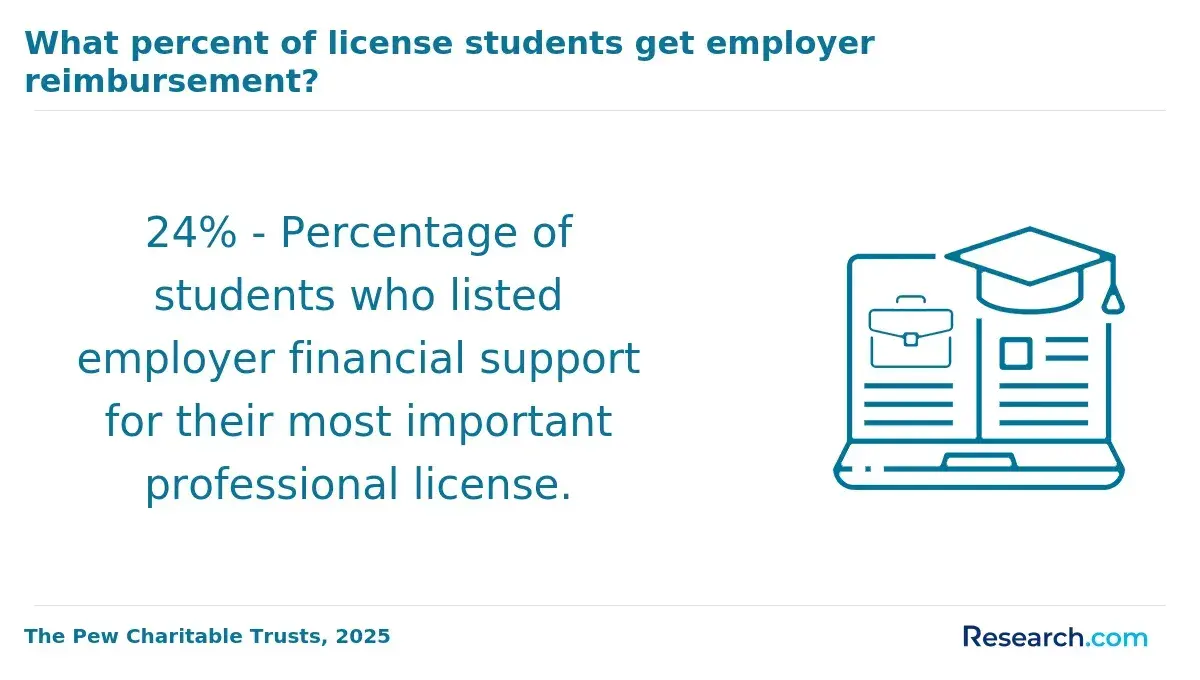
Spreading tuition payments over a longer period eases short-term financial pressure but may result in a higher overall cost of attendance. Some employers offer tuition reimbursement or assistance programs that can offset these expenses, although eligibility often requires continued employment in relevant pediatric nurse practitioner roles.
For professionals considering part-time education alongside work and family commitments, evaluating these financial dynamics is essential. Prospective students might also compare part-time options with other flexible pathways, such as the easiest RN to BSN online programs, to align educational costs with career goals and practical constraints.
Do Programs Help Arrange Flexible Clinical Placements for Part-Time Students?
Part-time pediatric nurse practitioner programs typically rely on established partnerships with healthcare organizations and distributed clinical site networks to help students meet practicum requirements.
These programs often implement coordinated scheduling systems that align student availability with clinical placement opportunities, including options for evening, weekend, or telehealth practicums to enhance flexibility.
The degree of accommodation largely hinges on the program's resources and its deliberate design concerning part-time enrollment, with some institutions developing pre-negotiated agreements with clinical sites experienced in managing nontraditional schedules.
However, real-world constraints significantly limit this flexibility. The scarcity of part-time-friendly clinical sites, geographic limitations, and the mandatory minimum clinical hours stipulated by accreditation and licensing bodies restrict how placements can be scheduled.
Coordination with current employers adds complexity, as overlapping demands may create bottlenecks. While programs often promote flexible clinical formats, the reality is that many part-time students encounter scheduling rigidity driven by external accreditation standards and the operational capacity of clinical sites.
Students can improve their placement experience by proactively engaging with program coordinators early and exploring employer-based clinical opportunities, where available. Selecting programs with established and responsive clinical pipelines can also mitigate delays and reduce scheduling conflicts.
According to a 2024 survey by the National Association of Pediatric Nurse Practitioners, about 78% of part-time students reported receiving institutional help with clinical placements, which, while substantial, indicates a gap compared to full-time students and underscores the importance of strategic planning to navigate these practical challenges.
What Challenges Do Students Face in Part-Time Pediatric Nurse Practitioner Master's Programs?
Part-time pediatric nurse practitioner master's programs offer flexibility but impose distinct academic and logistical pressures not typically faced by full-time students. These challenges stem from the interplay between program design, workload intensity, and the student's multiple professional and personal responsibilities, affecting progression and learning outcomes.
- Time Management Constraints: Balancing clinical rotations, coursework, and employment demands requires exceptional organizational skills. Many students struggle to allocate sufficient time to each area, which can compromise the depth of clinical learning and contribute to elevated stress; a 2024 report by the National Center for Education Statistics notes nearly 65% of part-time health graduate students experience high stress related to juggling school and work.
- Extended Program Duration and Delayed Career Impact: The typical 3-to-5-year completion timeframe for part-time study can blunt momentum, increasing risks of burnout and attrition. This prolonged pathway often postpones eligibility for advanced pediatric nursing roles, potentially delaying salary growth and professional advancement compared to full-time counterparts.
- Scheduling Conflicts with Clinical Requirements: Securing pediatric-specific clinical preceptorships alongside employment constraints complicates skill acquisition. Limited preceptor availability can reduce hands-on practice time, weakening preparedness for certification and real-world responsibilities.
- Limited Networking and Collaborative Opportunities: Fewer interactions with peers and faculty can hinder the development of professional relationships critical to pediatric nurse practitioner success. Reduced engagement may limit mentorship and collaborative learning chances, weakening support systems that foster competency and career development.
- Financial Strain Despite Part-Time Status: While students may earn income concurrently, the prolonged accumulation of tuition and fees, coupled with less access to employer tuition assistance prioritizing full-time students, increases financial pressure. This economic factor may force students to reduce course loads, extending time to completion further.
Which Careers Benefit Most From Part-Time Graduate Education?
Part-time graduate education is a strategic tool for accelerating career advancement in healthcare roles where experience, credentialing, and continuous skill development closely intersect. It allows professionals to maintain employment while progressively meeting qualification thresholds and adapting to evolving clinical demands.
The value of such programs is most pronounced in careers where immediate skill application and employer expectations align with incremental academic progress.
- Registered Nurses Transitioning to Pediatric Nurse Practitioners: These nurses benefit substantially from part-time study as it enables them to sustain clinical practice hours alongside academic progression. This combination enhances both employability and salary potential, as many healthcare employers prioritize candidates with demonstrated competence in real-world settings while pursuing advanced degrees.
- Family Nurse Practitioners Seeking Pediatric Specialization: Part-time programs support family nurse practitioners balancing intense schedules by offering manageable course loads that permit ongoing patient care. This flexibility boosts retention of new knowledge and allows clinicians to integrate pediatric-specific skills immediately, improving patient outcomes and readiness for specialized roles.
- Healthcare Administrators and Nurse Educators: For these professionals moving into pediatric healthcare leadership or teaching, part-time graduate education provides essential academic credentials without interrupting income streams or professional networks. Maintaining employment during study preserves leadership candidacy and facilitates application of new theories directly to management or educational practices.
- Second-Career Professionals Entering Pediatric Healthcare: Individuals transitioning from fields like social work or public health can use part-time Pediatric Nurse Practitioner master's programs to bridge previous experience with clinical competence gradually, minimizing career disruption. This staged approach also aligns with structured professional development, meeting employer credential expectations while building relevant clinical skills.
According to 2024 data from the U.S. Bureau of Labor Statistics, nurse practitioner employment is projected to grow 45% over the next decade, underscoring increasing demand across healthcare systems.
Working professionals evaluating the best part-time graduate degrees for pediatric nurse practitioners should consider how part-time formats enable steady career progression without sacrificing practical experience. For those seeking an accelerated pace without abandoning clinical roles, exploring an accelerated nurse practitioner program may offer additional pathways.
What Factors Matter Most When Comparing Program Flexibility?
Flexibility in part-time pediatric nurse practitioner program flexibility is multi-dimensional and varies notably by program design and individual student circumstances.
What appears flexible in scheduling or delivery can have different consequences for pacing, workload, and career continuity, so understanding specific structural and logistical features is essential for making informed decisions.
- Course Scheduling Structure: Programs with clustered practicum hours can create intense short-term commitments, whereas evenly distributed clinical hours support steady progress and better work-study balance. This factor directly impacts the feasibility of maintaining employment during studies.
- Asynchronous Versus Synchronous Delivery: Availability of asynchronous coursework allows learners to access materials on their own time, critical for students balancing family or work demands. Synchronous sessions can limit flexibility but may enhance peer interaction and immediate feedback.
- Credit Load Adaptability: The option to vary credit hours each term enables students to reduce course loads during busy periods without extending time-to-completion excessively. However, fewer credits per term may delay graduation, which can affect earning potential in the long run.
- Practicum Placement Support: Assistance in securing local or nearby clinical sites reduces travel burdens and scheduling conflicts, enhancing practical feasibility. Many employers expect clinical experiences in geographically accessible settings to ensure consistent performance.
- Administrative Responsiveness and Technology Platforms: User-friendly technology and responsive support systems reduce disruptions that might otherwise impede study momentum. According to a 2024 EDUCAUSE survey, 72% of students report technical issues significantly disrupt learning, underscoring the importance of robust platforms.
Students balancing work and pediatric nurse practitioner studies should also consider part-time options carefully, weighing the tradeoffs between manageable workload and potential delays in career advancement.
For related degree considerations, individuals may explore areas such as masters in forensic psychology online where flexibility also plays a pivotal role in program selection.
What Graduates Say About Studying Pediatric Nurse Practitioner Master's Programs Part-Time
- Jaime: "Completing my part-time pediatric nurse practitioner program gave me the flexibility to work full-time while studying, but I quickly realized that having the degree alone wasn't enough in some job markets. Employers seemed to favor candidates with robust clinical portfolios and pediatric-specific internships, so I spent extra months volunteering to build practical experience. This approach was necessary to land a position at a reputable clinic rather than settle for a general nurse role."
- Enzo: "After graduation, I found the transition into pediatric nurse practitioner roles wasn't as straightforward as I expected-many hospitals prioritize licensure combined with certifications beyond the master's degree. I ended up leveraging remote care opportunities and telehealth positions, which offered great flexibility but did limit my salary growth initially. It's been a balancing act between gaining practical experience and pursuing further certifications to advance."
- Rowan: "The program helped me pivot from adult care to pediatrics, but I quickly learned that competition for full-time roles was fierce without prior pediatric-focused work history. Many employers prioritize candidates with specific pediatric rotations or prior local healthcare system experience. I focused on building relationships during clinical placements, which ultimately led to a part-time role that allowed me to slowly build the pediatric specialty expertise I needed."
Other Things You Should Know About Pediatric Nurse Practitioner Degrees
Part-time programs often extend the timeline for completing clinical hours, which can dilute immersive hands-on experiences. This slower clinical exposure may hinder the rapid development of advanced procedural skills and clinical decision-making fluency compared to full-time peers. Prospective students should weigh if spreading clinical practice over a longer period aligns with their ability to retain and integrate practical knowledge effectively.
Choosing between synchronous and asynchronous formats significantly affects student engagement and scheduling flexibility. For working professionals, asynchronous coursework provides greater control over study hours but reduces live interaction with instructors and peers, potentially weakening collaborative learning essential in pediatric care. When possible, prioritizing programs with a hybrid approach can balance flexibility with essential real-time mentorship and peer discussion, enhancing learning outcomes.
Part-time students typically have fewer overlapping course experiences with the same peers, limiting consistent opportunities to build professional relationships and mentorship networks. Since networking is crucial for job placements and clinical site referrals in pediatric nursing, this can be a significant tradeoff. For those prioritizing strong professional connections, selecting programs with active part-time student communities or supplemental networking events is advisable.
References
- 10 alternative NP career options https://weatherbyhealthcare.com/blog/np-alternatives
- Most Affordable Online Pediatric NP Programs (2026) https://www.healthcaredegree.com/blog/most-affordable-pnp-programs
- Can You Work While In NP School? - RNtoNP.com http://rntonp.com/pulse/can-you-work-while-in-np-school
- Online Pediatric Nurse Practitioner (PNP) Programs https://nursinglicensemap.com/nursing-degrees/online-nurse-practitioner-programs/pediatric-nurse-practioner-pnp-programs/
- Your Ultimate Guide to the Best NP Schools https://www.nphub.com/blog/how-to-choose-the-best-np-schools-programs
- Your Guide to the Top Nurse Practitioner Career Specialties https://clickclinicals.com/blog/guide-to-top-nurse-practitioner-career-specialties
- 6 Best Pediatric Primary Care Nurse Practitioner Programs | ThriveAP https://provider.thriveap.com/blog/6-best-pediatric-primary-care-nurse-practitioner-programs
- Safeguarding the Future of Pediatric Care | PNCB https://www.pncb.org/safeguarding-future-pediatric-care
- Post Master's Certificate - Pediatric Nurse Practitioner https://www.herzing.edu/nursing/post-masters-certificate-pnp
- 10 different career options for NPs https://comphealth.com/resources/career-options-nps