
2027 How to Finish an Online Clinical Psychology Bachelor's Degree Faster

Co-Founder and Chief Data Scientist
Many students pursuing an online Clinical Psychology bachelor's degree face delays due to rigid course schedules and limited credit transfer options. This challenge is amplified for working adults balancing jobs or military commitments. Recent data shows that 64% of online psychology students take longer than four years to graduate, often increasing tuition costs and delaying career entry. Time is a critical factor for career changers aiming to enter mental health fields quickly. This article explores actionable strategies-such as optimizing transfer credits, leveraging accelerated formats, and using prior learning assessments-to help students complete their Clinical Psychology degree faster and more efficiently.
Key Things to Know About Finishing an Online Clinical Psychology Bachelor's Degree Faster
- Leverage transfer credits from community colleges or military training-over 60% of online psychology students successfully shorten degree time this way.
- Enroll in accelerated course formats, such as 8-week classes, to complete more credits per year without sacrificing learning quality.
- Use prior learning assessments (PLA) and challenge exams to earn credit for existing knowledge, reducing required coursework and tuition costs.
What Are the Fastest Clinical Psychology Online Bachelor's Degree Programs Available Today?
Several factors contribute to what makes an online clinical psychology bachelor's degree program fast-these include credit load, transfer policies, self-paced formats, and accelerated schedules. Programs that allow a heavier credit load per term help students earn credits more rapidly. For example, some schools permit 15 to 18 credits each semester rather than the traditional 12. Generous transfer credit acceptance, often from accredited community colleges or via universal credit exams, helps to bypass introductory courses, significantly reducing degree time. Additionally, accelerated or self-paced course formats allow learners to progress faster based on mastery or personal schedules.
- Credit Load: Full-time enrollment options with heavier credit loads per term enable quicker progress. Taking more courses per semester or term can shorten the overall duration.
- Transfer Policies: Schools that accept extensive transfer credits-including those from military experience or articulation agreements-offer a faster route by avoiding redundant coursework.
- Self-Paced and Accelerated Formats: Accelerated sessions, typically lasting 5 to 8 weeks rather than the traditional 15, allow completion of courses faster. Self-paced models give students flexibility to advance at their own rhythm, often linked to prior knowledge.
- Semester-Based Traditional Programs: Structured around two 15-week semesters annually, these emphasize steady full-time study but usually take the longest to finish without acceleration options. Though accredited by APA or regional bodies, this rarely shortens time to degree.
- Accelerated Term Programs: Often featuring 8-week terms across four or more yearly sessions, these let students complete degrees in about three years depending on transfer credits and course load. Such programs commonly promote accelerated clinical psychology bachelor's degrees online with rolling admissions.
- Competency-Based and Self-Paced Models: These self-directed programs focus on mastery rather than fixed schedules and may accept extensive prior learning credits. Some allow degree completion in as little as two years but usually require strong motivation and fewer enrollment limitations.
Program length varies widely, generally ranging from two to four years for fastest online clinical psychology bachelor's degree programs. Accreditation ensures a recognized credential but typically does not impact speed. Prospective students should contact schools directly to confirm up-to-date transfer policies, term formats, and pacing options. For those seeking easy online degrees that pay well, these strategies and program designs provide practical pathways to accelerating degree completion.
How Does Transfer Credit Acceptance Accelerate Your Clinical Psychology Degree Timeline?
Transfer credit policies for online clinical psychology degrees can dramatically shorten the time required to earn a bachelor's degree. Institutions recognize prior coursework to allow students to bypass general education or introductory courses-resulting in fewer credits to complete and an accelerated path to graduation.
- Articulation Agreements: Formal partnerships between community colleges and universities specify which courses transfer seamlessly. For example, psychology prerequisites completed at a community college often apply directly toward bachelor's degree requirements, significantly cutting time to completion.
- Credit Equivalency Reviews: When agreements don't exist, institutions evaluate transfer credits individually by reviewing course content, syllabi, and credit hours. This ensures transferred credits meet academic standards and align with clinical psychology program expectations.
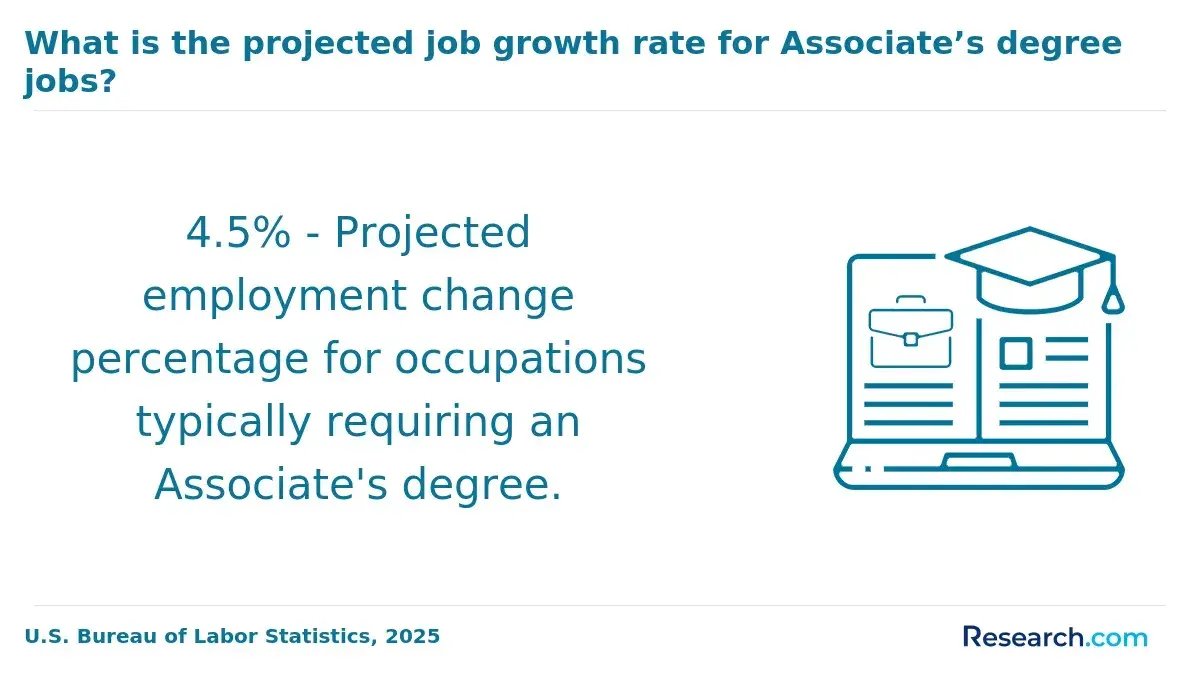
- Maximum Transfer Credit Limits: Most schools cap transfer credits, typically between 60 and 90 credits. This enables students to enter with up to two years of completed coursework, reducing their remaining course load remarkably.
- Prior Coursework Examples: Relevant classes from an associate's degree or previous psychology courses often satisfy foundational requirements, allowing a focus on advanced clinical psychology topics sooner.
Adult learners, career changers, and military-affiliated students benefit notably by accelerating clinical psychology degree completion with transfer credits. Consulting with the registrar or admissions office at a target school is essential, as policies vary on accepted credits, grade minimums, and evaluation timelines.
Students interested in exploring further educational opportunities may consider affordable online masters programs designed to build on their undergraduate progress-helping extend their credentials efficiently and cost-effectively.
Can Prior Learning Assessment (PLA) Help You Finish Your Clinical Psychology Degree Sooner?
Prior Learning Assessment (PLA) offers students a way to accelerate their clinical psychology bachelor's degree by converting prior experience and knowledge into academic credits. This process helps recognize learning acquired outside traditional classrooms, including professional work, military service, or independent study.
- Portfolio Assessment: Learners assemble comprehensive portfolios showcasing relevant work history, certifications, volunteer roles, or personal study tied to clinical psychology. Faculty review these portfolios to determine if the learning matches course requirements.
- CLEP Exams: The College-Level Examination Program provides standardized tests that can grant credit for general education or foundational psychology subjects without completing the actual courses.
- DSST Exams: Similar to CLEP, these exams evaluate knowledge across multiple areas, including some related to psychology, allowing students to earn credit efficiently.
- Military Credit: Service members may receive acknowledgment for training or experience in mental health, counseling, or crisis intervention gained during duty.
- Challenge Exams: Certain programs permit students to bypass specific classes by passing institution-designed tests demonstrating proficiency.
PLA credits in clinical psychology often come from understanding core psychological theories, research methodologies, counseling skills, or mental health practice experience-such as roles as behavioral health technicians or specialized military training. Since PLA acceptance varies greatly between schools, students should consult their chosen program's policies carefully.
To build an effective portfolio, clearly document experiences with supporting evidence like evaluations, certificates, and reflective statements connecting prior learning to course objectives. Early engagement with academic advisors helps clarify eligibility, deadlines, and documentation standards that improve PLA success.
When asked whether PLA truly helped him finish his clinical psychology degree faster, a professional enrolled in an online program shared that navigating institutional requirements initially felt overwhelming. He noted, "It was challenging to gather the right documents and interpret what counted as relevant experience." Still, the process gave him confidence by validating skills he'd acquired over years in counseling-related jobs. "Knowing I didn't have to repeat what I already knew made a huge difference," he reflected. His advice for others: start early, keep detailed records, and communicate frequently with advisors to avoid surprises.
Credit-by-examination programs such as CLEP (College-Level Examination Program) and DSST (DANTES Subject Standardized Tests) provide an effective method for using clep and dsst credits to shorten clinical psychology bachelor's program duration. These exams let students validate their proficiency in certain subjects, bypassing traditional coursework and accelerating degree progress.
Several CLEP and DSST tests align with general education requirements frequently found in clinical psychology programs-subjects like introductory psychology, sociology, biology, English composition, and basic statistics. Passing these exams can replace these foundational courses, allowing students to concentrate earlier on specialized clinical psychology studies.
- Registration: Candidates typically schedule exams via official CLEP or DSST websites, choosing from in-person testing centers or online proctored formats.
- Exam Fees: Costs usually range between $90 and $130 per exam, not including additional testing center surcharges, offering a more affordable alternative to campus classes.
- Score Requirements: Many institutions require a minimum passing score-often between 50 and 60 out of 100-but these benchmarks may vary, so verify with your college.
- Credit Award: Most universities recognize credits based on ACE (American Council on Education) recommendations, though acceptance policies differ by school and program.
- Verification: Before registering, review your institution's accepted CLEP and DSST exam lists alongside ACE's guidelines to ensure credits apply toward your clinical psychology degree.
Working professionals and students seeking to expedite degree completion can enhance their options by consulting best online accredited universities that support these credit-by-examination methods.
Accelerated course formats-such as 5-, 6-, or 8-week sessions-compress material normally spread over a 15-week semester into a much shorter period. This intensifies cognitive load, requiring students to quickly absorb and apply complex clinical psychology concepts while juggling assignments and discussions. Success demands disciplined time management, prioritizing tasks, and maintaining consistent engagement throughout these fast-paced terms.
Before committing, students should carefully gauge their capacity to manage an accelerated schedule alongside work responsibilities, family duties, and personal stress levels. This self-assessment helps identify whether they can sustain the focused effort needed to prevent burnout and maintain academic performance.
Many online programs offer several accelerated terms consecutively each year, allowing students to enroll almost year-round. This approach enables learners to significantly shorten their total time to degree completion by staying continuously engaged rather than taking long breaks between semesters. Recent data from the National Center for Education Statistics in 2023 indicates that over 40% of online undergraduates now opt for accelerated courses to expedite graduation.
- Condensed Content: Fast-track courses require rapid comprehension and retention of clinical psychology topics that traditionally unfold over months.
- Time Prioritization: Effective scheduling and task management are crucial to meet the demands of an accelerated pace without sacrificing quality.
- Self-Evaluation: Assessing personal commitments and stress tolerance ensures readiness to engage fully with shortened course timelines.
- Continuous Enrollment: Multiple consecutive terms allow for a nearly uninterrupted study path, speeding up degree completion.
- Increasing Demand: The rising preference for accelerated programs reflects their growing role in modern online education strategies.
A professional who completed an online clinical psychology bachelor's shared that managing her job and family during accelerated terms was challenging yet rewarding. She noted, "The pace pushed me to develop strict daily routines and stay deeply committed, especially during intense weeks." Her experience highlighted how the compressed format fostered clearer focus and a heightened sense of accomplishment. Despite initial doubts, she concluded that these accelerated courses were instrumental in launching her career sooner than she expected.
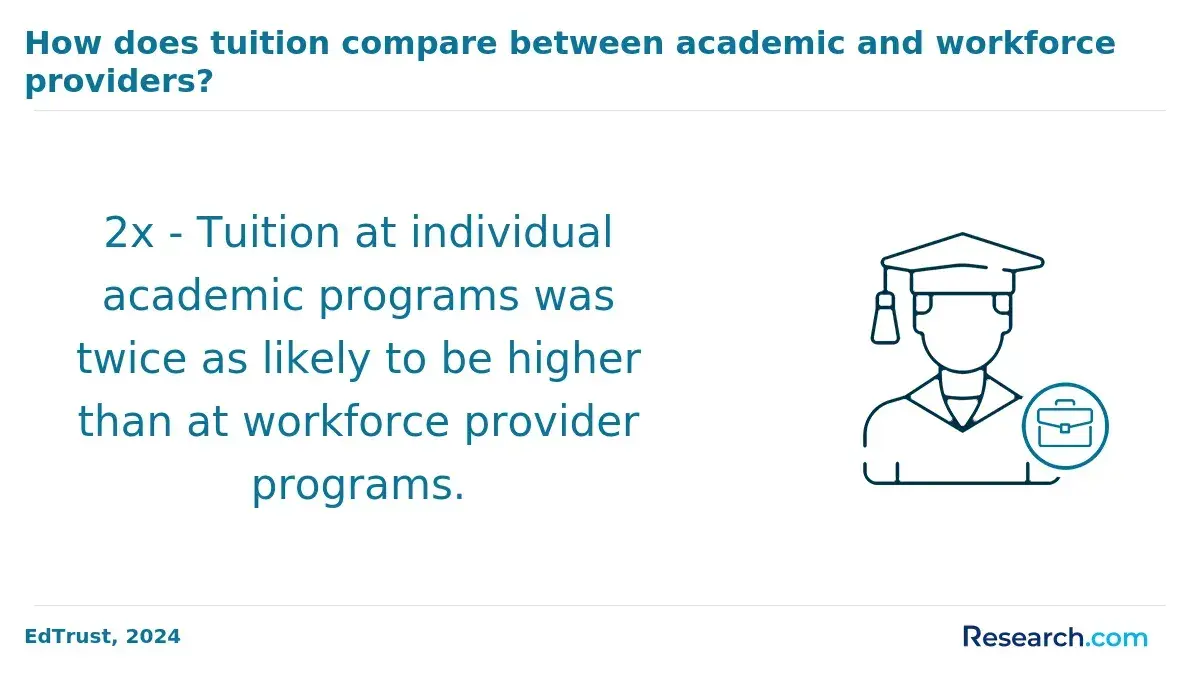
- Full-Time Enrollment: Students taking roughly 12 to 15 credits per semester can complete about 30 credits each academic year. For instance, with 60 credits left, a full-time learner may finish the degree in two semesters or one year. This faster pace often means heavier weekly workloads and more frequent deadlines, which can be challenging when juggling jobs or family duties.Full-time students typically qualify for the full range of federal financial aid, including grants and loans, but must keep a satisfactory academic progress status-usually maintaining at least a 2.0 GPA.
- Part-Time Enrollment: Taking 6 to 9 credits per term stretches degree completion; 60 remaining credits could take three to five years, depending on course availability and individual pacing. This option provides flexibility to balance studies with employment or caregiving responsibilities, easing academic pressure.Financial aid options may be more limited since some programs require full-time enrollment for maximum eligibility, yet part-time students can access federal aid if they meet progress requirements.
- Balancing Speed With Sustainability: Although full-time study enables quicker graduation, it may not suit everyone-especially those working full-time or managing families. Part-time study promotes consistent progress without overwhelming demands but requires patience to finish.
Financial Aid Considerations: Enrollment status impacts available aid types and amounts, as well as eligibility for scholarships or employer tuition assistance. Maintaining required credit completion and GPA benchmarks is essential to avoid losing aid and extending the graduation timeline.
Several institutions have integrated self-paced or competency-based education (CBE) models into their clinical psychology degree programs to better accommodate working adults, military-affiliated students, and career changers. These programs prioritize mastery of skills and knowledge over traditional time-based semesters, allowing students to progress as soon as they demonstrate competence. This structure lets students test out of subjects they already understand, accelerating degree completion and minimizing repetitive coursework.
Not all clinical psychology programs provide this flexible format, so prospective students should explicitly ask about self-paced options during admissions. Successful participation in these programs requires strong self-discipline and time management skills, as students must independently regulate their learning pace without the structure of scheduled classes.
- Mastery-Based Progression: Students advance by proving competency through assessments rather than fixed semesters, allowing for skipping known material.
- Flexibility: CBE programs accommodate diverse life commitments by enabling learners to study on their own schedules.
- Self-Discipline: The freedom of self-paced study demands effective time management to stay on track.
- Assessment Methods: Competency is verified through a mix of exams, projects, and practical assignments related to clinical psychology concepts.
- Program Availability: Because clinical psychology often involves practicum and lab components, fully self-paced formats may be limited-students should confirm program details upfront.
Online clinical psychology students often encounter unique challenges that can delay degree completion if not addressed early. Proactively engaging with academic support services plays a vital role in overcoming these obstacles and staying on track. One of the most critical resources is Academic Advisors: maintaining regular contact with an advisor helps students create a personalized degree plan that aligns with their goals and optimizes course sequencing. Advisors also support transfer credit evaluations and can alert students to registration deadlines or program updates, essential for effective time management tools for online clinical psychology degree completion.
- Tutoring Services: Access to specialized tutoring focusing on core psychology topics or study skills can clarify difficult concepts and improve test performance, directly reducing the risk of course failures or withdrawals.
- Writing Centers: These centers offer tailored feedback on research papers and assignments, enhancing writing quality, citation accuracy, and overall academic confidence crucial in clinical psychology studies.
- Digital Library Access: A rich digital library ensures students have reliable research materials like journal articles and textbooks for assignments and projects. Early and frequent use of these resources supports timely completion and academic success.
- Orientation Programs: Many programs offer virtual orientations that familiarize new students with the online learning environment, resources, and expectations-laying a foundation for smoother academic progress.
Students navigating a clinical psychology degree should also consider leveraging opportunities like transfer credit and prior learning assessment, as well as exploring accelerated course formats and financial aid options. Those seeking affordable pathways might explore an online UX degree program for ideas on cost-effective academic planning applicable across disciplines.
Choosing the right clinical psychology program curriculum is key to faster graduation, especially for working adults, military-affiliated students, and recent community college graduates. One of the main factors is the program's balance between core requirements and electives.
- Core Requirements: Programs emphasizing a large number of core courses specifically in clinical psychology content often offer less flexibility. This depth ensures specialized knowledge but may restrict opportunities to overlap credits or select electives that could accelerate degree progress.
- Electives: Having a broad range of electives can allow students to customize their schedules strategically, potentially earning credits faster by choosing courses aligning with their timelines. Conversely, limited electives or rigid schedules may slow completion.
- Prerequisite Chains: Sequential prerequisites often act as bottlenecks. Programs with a long chain require completing one course before starting the next; failing or missing any can delay graduation even in accelerated formats.
- General Education Clusters: These sometimes can be taken concurrently with major requirements or transferred from other institutions. Programs that integrate these clusters alongside major coursework help reduce overall time to completion.
Mapping out the entire degree plan before enrolling is crucial. Utilize the institution's official catalog or degree audit tools to understand course sequences and identify potential bottlenecks. This strategy aligns with how to choose a clinical psychology program curriculum for faster graduation and helps spot accelerated options or chances to test out of prerequisites.
Curricula can change due to accreditation or institutional policy updates. Verify all requirements with an academic advisor to ensure your plan matches the current structure and policies.
Working adults and others should also consider transfer credits, prior learning assessments, and accelerated course formats to shorten their degree timeline. For those interested in related fields or cost-effective options, explore the cheapest master in data science programs as an example of affordable accelerated graduate pathways.
Enrolling in summer and winter inter-sessions offers an effective way to increase annual credit hours, potentially shortening the timeline for completing a clinical psychology bachelor's degree. These accelerated terms typically span four to eight weeks, providing condensed coursework that requires focused effort. Students often use these sessions to earn additional credits beyond the usual fall and spring semesters, helping reduce the overall number of semesters needed to graduate.
Credit limits in these shorter terms commonly range from 6 to 9 credits per session, but vary by institution. Tuition may be charged per credit or at a flat rate for the session, so it's important to verify costs ahead of time. Financial aid eligibility differs among schools for inter-sessions-some accept federal aid, scholarships, or grants for these terms, while others do not, which can influence out-of-pocket expenses.
Choosing courses strategically during these terms is crucial. Electives and general education classes are generally better suited for accelerated formats, as they allow students to progress without overwhelming pressure from core clinical psychology classes. Since institutional policies and course availability during summer and winter sessions vary widely, students should confirm yearly offerings to ensure proper academic planning.
- Extra Credit Load: Summer and winter terms enable students to take extra classes, increasing yearly credits and reducing total semesters required.
- Variable Credit Limits: Most schools limit inter-session credits to 6-9, affecting workload and tuition costs.
- Financial Aid Nuances: Aid availability varies-students should confirm eligibility for federal aid and scholarships in short-term sessions.
- Course Selection Tips: Prioritize electives or general education courses during inter-sessions to manage the accelerated pace effectively.
- Program-Specific Policies: Availability and rules differ-always verify inter-session options with your institution each academic year.
Financial obstacles frequently prolong the time needed to finish an online clinical psychology bachelor's degree. Accessing various financial aid options can prevent interruptions and support continuous progress toward graduation.
- Federal Grants: Need-based funds like the Pell Grant require no repayment. Students must submit the FAFSA each year-early filing increases the likelihood of receiving maximum aid.
- Institutional Scholarships: Colleges often provide scholarships aimed at clinical psychology students or related fields. Regularly consulting the school's financial aid office and website helps identify these internal funding opportunities.
- Employer Tuition Assistance: Employed students might be eligible for tuition reimbursement programs offered by their employers. Confirming eligibility and application timelines with your HR department is essential to access this support.
- Military Benefits: Active military members, veterans, and their families can utilize education benefits like the GI Bill. Coordination with a school's veteran affairs office ensures proper enrollment and fund management.
Maintaining a minimum credit load per semester is often a requirement to qualify for financial aid. This ties back to course enrollment strategies that help students stay on track and avoid funding interruptions. Beyond institutional sources, prospective students should explore scholarships from professional associations and private databases that may cater specifically to clinical psychology candidates.
What Graduates Say About How to Finish an Online Clinical Psychology Bachelor's Degree Faster
- Iker: "The acceptance of transfer credits and the option to take CLEP and DSST exams truly accelerated my path through the program. I appreciated how the curriculum was tailored to be flexible yet rigorous, allowing me to balance work and study effectively. It felt empowering to progress faster without sacrificing the quality of my education."
- Hayden: "Choosing a self-paced clinical psychology bachelor's degree was a game changer for me since I could adapt my studies around family commitments. The availability of detailed learning assessments helped me track my progress clearly and stay motivated throughout. Plus, the financial assistance options eased the stress of tuition so I could focus more on learning than costs."
- Caleb: "After completing the clinical psychology degree online, I found myself well-prepared for a professional career in mental health counseling. The program's accelerated courses challenged me to stay disciplined while its diverse curriculum provided the depth I needed. Reflecting on my journey, the blend of practical skills and theory was crucial for my success post-graduation."
Other Things You Should Know About Clinical Psychology Degrees
Yes. Many universities accept AP and CLEP exams to satisfy general education requirements, and some award up to 30 semester credits in total. Those credits can shorten the degree by one or two terms if the program accepts them and the scores meet school cutoffs.
A strong GPA can open opportunities for enrollment in advanced or accelerated courses, which often require a minimum academic performance to register. High academic standing may also qualify you for honors programs or research assistantships-both of which can offer credit toward your degree. Maintaining good grades helps avoid retaking courses, thereby preventing delays in your path to graduation.
Certain certifications, such as Mental Health First Aid or Certified Behavioral Health Technician credentials, can complement your online clinical psychology program by covering foundational knowledge applicable to your degree. Some programs allow these credentials to count as elective credits, potentially reducing the number of courses needed. Understanding which certifications align with your curriculum helps streamline your educational and professional development timelines.
- Why trust GlobalHealth Education? https://globalhealtheducation.com/au/resources/recognition-of-prior-learning
- The scoop on full and part-time status | Student Hub - Concordia University https://www.concordia.ca/students/registration/advising/full-part-status.html
- Online Resources & Scholarships for Psychology Students https://www.edumed.org/financial-aid/scholarships/psychology-degrees/
- Transfer Applicants - Psychology https://www.guelphhumber.ca/programs/psychology/transfer
- Full-Time Student Hours vs. Part-Time: What's the Difference? https://www.citizensbank.com/student/articles/full-time-student-hours.aspx
- How to Choose the Right Graduate Path for Your Psychology Career - Global Gurus https://globalgurus.org/how-to-choose-the-right-graduate-path-for-your-psychology-career/
- Graduate Scholarships and Resources for Psychology Students https://www.onlinemastersdegrees.org/student-resources/psychology/
- Financial Aid for Psychology Students https://www.onlinepsychologydegrees.com/financial-aid/
- Test-taking strategies for CLEP* and DSST Exams https://www.instantcert.com/article-test-taking-strategies-for-clep-and-dsst-exams/
- Explore Psychology Resources For Students And Graduates https://www.accreditedschoolsonline.org/psychology/resources/


