2027 What Jobs Can You Get With a Clinical Psychology Bachelor's Degree?

Co-Founder and Chief Data Scientist
Certain individuals pursuing a bachelor's degree in clinical psychology often question the range of career opportunities available without advanced degrees. For recent graduates aiming to enter the workforce promptly, uncertainty about job prospects can impede their career planning.
The U. S. Bureau of Labor Statistics projects a 16% growth in mental health technician roles from 2022 to 2032, highlighting demand for entry-level professionals with relevant undergraduate education.
Navigating these career options is critical to aligning educational investment with professional goals. This article explores various jobs attainable with a clinical psychology bachelor's degree and offers guidance for informed decision-making in this field.
Key Benefits of the Jobs You Can Get With a Clinical Psychology Bachelor's Degree
- A bachelor's degree in clinical psychology offers career versatility, allowing graduates to work in healthcare, social services, education, and human resources sectors.
- Graduates often secure competitive salaries, with entry-level positions averaging $45,000-$55,000 annually, and growth opportunities leading to advanced roles.
- The degree supports long-term professional growth, providing a solid foundation for graduate studies or specialized certifications critical for diverse, evolving career pathways.
What Entry-Level Jobs Can I Get With a Clinical Psychology Bachelor's Degree?
A bachelor's degree in clinical psychology can open doors to a variety of entry-level clinical psychology jobs where graduates apply foundational knowledge of human behavior, psychological theories, and research methods in practical settings.
About 65% of psychology bachelor's degree holders secure entry-level employment within one year of graduation, highlighting the steady demand for these skills in the workforce.
Graduates seeking jobs available with a bachelor's degree in clinical psychology may consider roles such as:
- Psychiatric Technician: These professionals assist patients with daily activities in mental health facilities or hospitals, monitor patient behavior, and support treatment plans. The degree provides important insight into psychological disorders and patient care techniques essential for success in this position.
- Mental Health Case Aide: Working alongside licensed mental health professionals, case aides help manage records, schedule appointments, and support patient engagement. A clinical psychology degree offers valuable knowledge of mental health conditions and intervention strategies crucial for this role.
- Research Assistant in Psychology: In academic or clinical research settings, research assistants collect and analyze data, prepare reports, and contribute to ongoing psychological studies. Clinical psychology coursework offers training in research methodology and statistical analysis necessary for these responsibilities.
- Behavioral Health Technician: These technicians support behavioral therapy programs by observing patients, implementing therapeutic activities, and tracking progress. A bachelor's degree prepares graduates with behavioral theories and clinical practices needed for effective patient interaction.
- Rehabilitation Specialist Assistant: Assisting clients recovering from mental health or neurological conditions, this role involves supporting therapeutic exercises and monitoring client progress. Foundational clinical psychology knowledge aids in understanding client needs and rehabilitation processes.
For those interested in advancing quickly in related fields, exploring 1 year EDD programs online can be an efficient next step.
What Industries Hire Clinical Psychology Bachelor's Degree Graduates?
A bachelor's degree in clinical psychology opens doors to a variety of industries, with opportunities influenced by a graduate's skills and areas of specialization.
Recent labor studies show about 15% of employers in health and social services seek candidates holding a bachelor's degree in psychology and related fields, highlighting steady demand across sectors. This broad applicability allows graduates to contribute meaningfully in multiple professional settings.
Career opportunities for clinical psychology bachelor's degree holders include roles that utilize foundational knowledge of human behavior, mental health, and research techniques.
- Healthcare and Mental Health Services: Employers in this sector hire clinical psychology graduates for roles such as behavioral health technicians, patient coordinators, and mental health outreach specialists. Their training helps support licensed professionals and enhance patient care outcomes.
- Social Services and Community Organizations: Graduates often work in case management, rehabilitation support, and coordinating programs aimed at vulnerable groups such as youth, elderly individuals, or those facing trauma or addiction, applying their insight into mental health challenges.
- Education and Academic Settings: Clinical psychology graduates contribute as counseling assistants, academic advisors, or research aides. They apply their understanding of developmental psychology and behavioral strategies to support students and educational initiatives.
- Human Resources and Corporate Wellness: Businesses value psychology graduates in roles involving employee wellness programs, training coordination, recruitment, and conflict resolution, leveraging their expertise to improve workplace environments.
- Research and Data Analysis: Graduates support organizations in public health, market research, and behavioral studies by collecting and analyzing data that informs evidence-based social programs and commercial projects.
Students interested in advancing in this field may also explore the cheapest online master's in counseling to build on their clinical psychology foundation.
Can You Get Jobs Outside Your Major With a Clinical Psychology Bachelor's Degree?
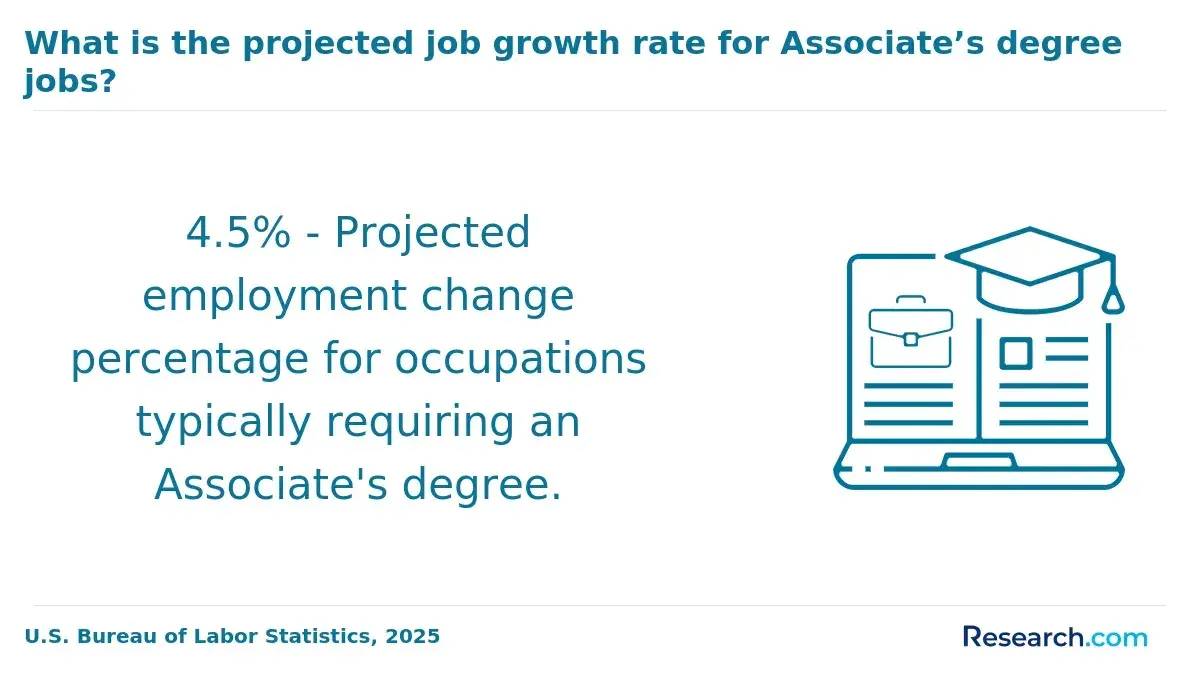
Many graduates with a clinical psychology bachelor's degree find themselves working in fields outside their major, thanks to versatile skills gained during their studies and shifts in employer priorities.
Studies show that nearly 40% of college graduates hold jobs unrelated to their undergraduate focus, reflecting a growing emphasis on adaptability rather than narrow specialization.
- Transferable Skills: A clinical psychology program builds strong abilities in critical thinking, communication, and interpreting human behavior. These strengths are valuable across multiple sectors, enabling graduates to contribute effectively in roles involving teamwork, client interaction, and problem resolution.
- Employer Hiring Trends: Recruiters often favor candidates with well-rounded soft skills over specific academic credentials. Graduates with clinical psychology backgrounds bring unique perspectives that enhance organizational dynamics and customer relations, making them appealing hires beyond traditional psychology roles.
- Experience and Training: Practical exposure through internships, volunteering, or additional courses helps bridge gaps between psychology and other career areas. This hands-on experience allows graduates to showcase relevant competencies when transitioning into positions such as management support or marketing.
With a clinical psychology bachelor's degree, graduates possess a flexible foundation that supports diverse career pathways. Combining their core knowledge with real-world practice equips them to excel in numerous professions outside the conventional scope of psychology.
Remote work has become increasingly common, with surveys showing that over 40% of employers are now more open to offering remote job options than before 2020.
For those holding a clinical psychology bachelor's degree, this shift opens doors to roles that combine psychology expertise with remote collaboration and digital communication.
- Behavioral Health Coach: This role involves guiding clients toward mental health goals through virtual sessions. A clinical psychology background equips coaches with motivational techniques and behavioral strategies essential for effective remote client interaction.
- Research Assistant: Assisting in data collection, analysis, and literature reviews, research assistants often work with teams spread across locations. Strong communication and time-management skills learned during the degree help manage tasks independently in a digital environment.
- Case Manager: Case managers coordinate treatment plans and liaise with healthcare providers remotely, ensuring clients receive comprehensive care. The degree's emphasis on empathy and organization is vital for success in these virtual settings.
- Telehealth Support Specialist: Supporting telehealth platforms by handling administrative and technical tasks, this position ensures smooth virtual therapy sessions. Familiarity with digital tools and problem solving is enhanced by the clinical psychology curriculum.
- Content Writer for Mental Health: Creating educational materials and blogs for online audiences requires understanding psychological principles and tailoring information effectively, skills strengthened through the degree program.
One graduate shared her experience navigating remote opportunities with her clinical psychology background. She described the initial uncertainty about finding remote roles but found that leveraging her communication strengths and adaptability was crucial.
"Working from home meant mastering new digital platforms and managing my schedule without direct supervision," she explained.
"It was challenging at first, but my training in understanding behavior helped me stay motivated and connected with clients and colleagues. The flexibility has been rewarding and allowed me to grow professionally in unexpected ways."
Many professionals holding a clinical psychology bachelor's degree find it serves as a strong foundation for career transition, supported by the rising demand for adaptable skills in today's labor market.
Recent data shows that nearly 40% of graduates shift their career focus within five years after earning their degree, reflecting a broader trend of flexibility among degree holders.
This adaptability allows individuals to explore diverse roles beyond traditional paths, leveraging their education to meet changing workforce needs. Such career shifts demonstrate how job opportunities after a clinical psychology degree extend well beyond direct clinical roles.
A clinical psychology degree develops critical transferable skills like effective communication, analytical thinking, problem-solving, and adaptability, which help graduates pivot into new fields confidently.
Success in these career transitions often depends on acquiring additional experience through internships, on-the-job training, or self-directed learning to build targeted expertise.
Graduates who actively engage in these opportunities tend to navigate career changes more smoothly and showcase readiness for alternative professions. For those interested in exploring entirely different disciplines, complementary options like construction management courses may be pursued to broaden their qualifications further.
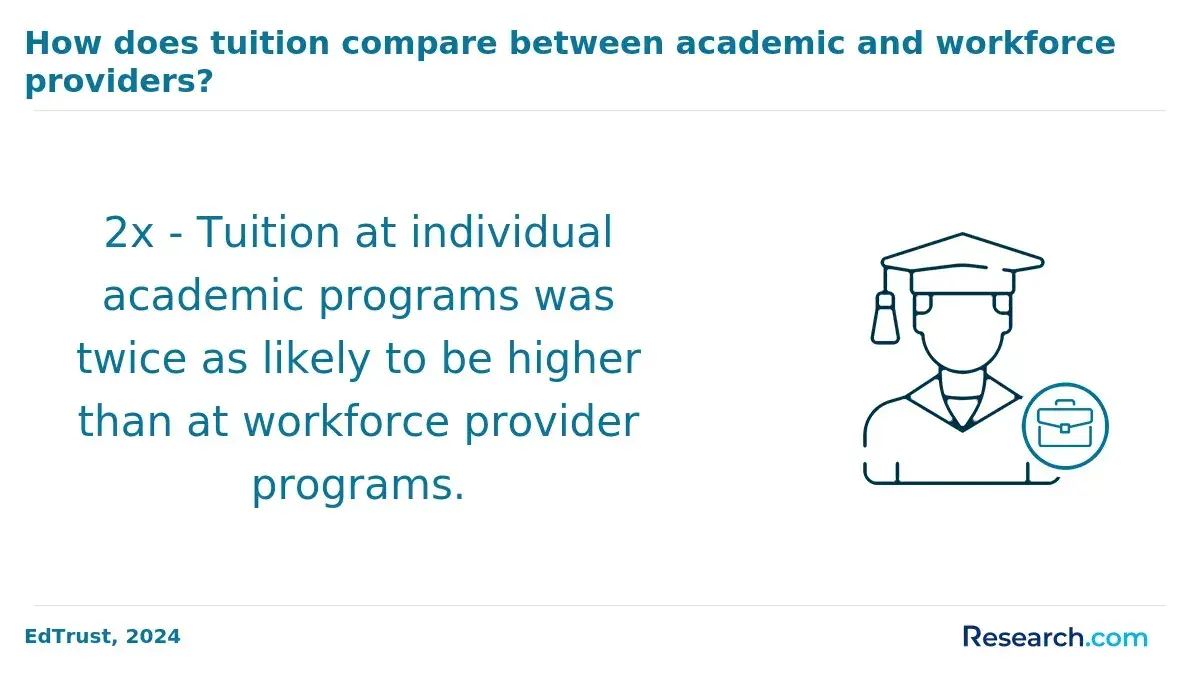
Earning potential for those with a clinical psychology bachelor's degree depends on factors like industry, experience, and area of expertise. Generally, individuals with bachelor's degrees earn significantly more than those with only a high school education, which highlights the financial advantage of pursuing higher education in this field.
Over time, a degree in clinical psychology can open doors to better-paying positions that build on specialized knowledge and skills.
- Behavioral Health Technician: These professionals assist patients with mental health challenges by implementing treatment strategies and monitoring patient progress. Their clinical psychology background enhances their ability to support therapeutic goals. Salaries typically range from $35,000 to $50,000 annually.
- Psychiatric Technician: Working primarily in inpatient or residential care settings, psychiatric technicians observe patient behavior and help with daily activities. Earnings usually fall between $30,000 and $48,000 depending on the workplace and location.
- Research Assistant in Psychology: These assistants contribute to designing studies and gathering data under senior researchers' supervision. Salaries often range from $38,000 to $55,000, with growth linked to research experience.
- Human Resources Specialist: Though not solely psychology-centered, this role benefits from psychology knowledge in managing employee relations, recruitment, and resolving workplace conflicts. Compensation can range from $45,000 to $65,000 or higher based on tenure and skill set.
- Substance Abuse Counselor (Entry-Level): Entry-level counselors support clients in recovery by providing coping strategies and guidance. A clinical psychology bachelor's helps in understanding addiction behaviors and intervention techniques. Starting salaries typically range from $35,000 to $50,000 and may rise with additional experience and specialization.
A clinical psychology bachelor's degree offers a solid foundation for long-term career growth and advancement across various roles within psychology-related fields.
Graduates often progress from entry-level support positions to roles with greater responsibility, such as program coordination or psychological assessment assistance, as they gain experience and refine their skills.
Over time, many develop specialized expertise in particular populations or therapeutic techniques, which enhances their professional value. The degree also enables expansion into leadership or cross-functional positions in healthcare, education, and social services, where skills in communication and organization become essential.
This career development typically reflects continuous learning and adapting to new challenges beyond formal education.
When asked about his experience, a professional with a clinical psychology bachelor's degree shared how transitioning into management was both rewarding and daunting.
He described the challenge of moving from direct client interaction to overseeing programs, noting, "It required a shift in mindset from focusing solely on individual care to coordinating teams and resources."
He also highlighted the emotional satisfaction of seeing improved outcomes across a broader scope, saying, "Knowing that my efforts influenced not just one client but an entire community kept me motivated."
His journey illustrates how the degree can open diverse pathways beyond initial roles, empowering graduates to make meaningful impacts in various settings.
Many roles available to graduates with a bachelor's degree in clinical psychology require or strongly prefer additional certifications to meet industry standards and job responsibilities. These post-bachelor certification requirements for clinical psychology careers help validate specialized skills, strengthen a candidate's qualifications, and improve eligibility for various positions.
For example, a Behavioral Health Technician supports patients managing behavioral or mental health issues in clinical or residential settings. The Registered Behavioral Technician (RBT) certification, which focuses on applied behavior analysis, is frequently required. A clinical psychology degree provides a solid understanding of mental health that complements the RBT credential.
A Substance Abuse Counselor assists individuals facing addiction challenges. Certifications such as the Certified Alcohol and Drug Counselor (CADC) or Certified Addiction Counselor (CAC) are often mandated by employers and state boards. The degree supports this role by offering insights into psychological and behavioral aspects of addiction.
Human Services Specialists work within community or social service organizations to connect clients with resources and support. The Certified Community Support Professional (CCSP) certification is commonly sought in this field. Graduates benefit from their clinical psychology background, which aligns well with CCSP training by deepening their understanding of mental health issues.
Psychiatric Technicians assist patients in mental health facilities under supervision, often requiring the Certified Psychiatric Technician (CPT) credential depending on the state. The clinical psychology degree provides foundational knowledge relevant to mental illnesses, supporting technical proficiency gained through certification.
Those considering expanding their credentials and career prospects in fields related to clinical psychology might also explore additional interdisciplinary education paths such as MBA in operations management programs, which can complement clinical expertise with management skills.
A clinical psychology bachelor's degree offers various career possibilities, but several roles require advanced study for specialized knowledge or professional licensure. In fact, about 56% of psychology-related professional positions expect candidates to hold graduate degrees, underlining the importance of continuing education.
Understanding master's degree requirements after a clinical psychology bachelor's degree is essential for those aiming for specific professional roles.
- Licensed Mental Health Counselor: These counselors provide therapy and support to individuals with mental health challenges. A master's degree is crucial as it offers in-depth clinical training and fulfills state licensure prerequisites.
- School Psychologist: Operating within educational settings, school psychologists assess students' emotional and behavioral needs. Certification often requires a master's or specialist-level degree due to the complexity of the role.
- Marriage and Family Therapist: These therapists focus on relational and family dynamics through counseling. Graduate education is necessary to master specialized therapeutic methods and obtain professional licensure.
- Behavioral Health Specialist: Specialists develop and execute behavioral interventions for diverse psychological conditions. A master's degree equips professionals with advanced knowledge in behavior modification and clinical practices.
- Rehabilitation Counselor: Helping individuals with disabilities pursue personal and career goals, this role demands a master's degree to manage complex cases and meet credentialing standards.
Careers requiring a master's in clinical psychology after a bachelor's degree often demand higher levels of expertise and ethical responsibility. For students weighing options, combining a clinical psychology bachelor's with further graduate study enables access to licensed clinical practice and specialized intervention roles.
Some prospective students might also consider a math degree online as an alternative for quantitative research-oriented fields within psychology and behavioral sciences.
Employment in clinical psychology careers is expected to expand in line with growing awareness of mental health needs. The U.S. Bureau of Labor Statistics estimates a 17% increase in roles related to mental health counseling and social services over the next ten years, outpacing the average for all occupations.
Job availability often depends on the sector and location, with healthcare facilities, educational institutions, and community programs showing stronger demand for entry-level candidates.
Economic shifts, including changes in healthcare funding and policy, also affect job openings and support for mental health initiatives. Professionals with relevant skills and adaptability are more likely to find opportunities in this evolving field.
Long-term prospects in clinical psychology are influenced by several key trends. Advancements in technology, such as telehealth and digital therapy platforms, are reshaping service delivery and creating roles that require technical expertise.
Growth in integrated healthcare encourages collaboration across professions, expanding the responsibilities of clinical psychology graduates.
Meanwhile, employers increasingly seek candidates with communication skills, cultural awareness, and proficiency in data analysis alongside core psychological knowledge. Staying current with industry developments and new methods will be important for career sustainability in this dynamic environment.
What Graduates Say About the Jobs You Can Get With a Clinical Psychology Bachelor's Degree
- Iker: "Choosing to major in clinical psychology was driven by my passion for understanding human behavior and wanting to help others overcome mental health challenges. The degree opened doors to roles in mental health support and behavioral analysis, even without an advanced degree initially. It's been rewarding to see how this foundation has enhanced my communication skills and set a clear path toward becoming a licensed therapist."
- Hayden: "Reflecting on my time in clinical psychology, I appreciate how the program prepared me for diverse roles in healthcare and research settings. Navigating the job market was challenging, but the knowledge gained about psychological assessment and intervention gave me a distinct advantage. This degree has truly been a stepping stone, providing both practical skills and a deeper understanding of mental wellness that I apply daily."
- Caleb: "My decision to study clinical psychology was fueled by a desire to contribute meaningfully to community mental health programs. Graduating with this degree provided access to entry-level positions in counseling support, allowing me to build professional experience while continuing education. Pursuing this path has profoundly impacted my perspective, emphasizing empathy and evidence-based approaches in my career."
Other Things You Should Know About Clinical Psychology Degrees
Yes, but most clinical psychology master's and doctoral programs require specific prerequisites such as introductory psychology, statistics, research methods, and sometimes abnormal psychology. Many U.S. programs also expect a minimum 3.0 GPA and GRE scores if the school still uses them.
Internship experience is highly important as it provides hands-on exposure to clinical settings, helping students apply theoretical knowledge practically. It also enhances a graduate's resume, making them more competitive for entry-level jobs or advanced study programs. Many employers prefer candidates with real-world experience related to clinical psychology.
In 2027, graduates with a bachelor's degree in clinical psychology can join organizations such as the American Psychological Association (APA) and the Association for Psychological Science (APS). These organizations offer networking opportunities, resources, and professional development to enhance their careers.
Certifications can enhance a graduate's qualifications, particularly for specialized roles like behavioral technician or mental health aide. While not always required, certifications in areas like crisis intervention or substance abuse counseling can differentiate candidates and provide additional skills that employers value in clinical psychology-related jobs.
- 3 Reasons You Should Major in Psychology https://gsep.pepperdine.edu/blog/posts/3-reasons-you-should-major-in-psychology.htm
- The 9 Highest Paying Psychology Careers https://www.verywellmind.com/the-9-highest-paying-psychology-careers-2794940
- 10 Awesome Masters in Clinical Psychology Careers & Jobs https://mastersinpsychologyguide.com/articles/10-awesome-masters-in-clinical-psychology-jobs/
- Why Become a Psychologist: Reasons and Clinical Insights https://www.mvspsychology.com.au/why-become-a-psychologist-reasons-and-clinical-insights/
- Career options in psychology | BPS https://www.bps.org.uk/career-options-in-psychology
- 7 Highest-Paying Careers You Can Pursue With a Psychology Degree https://www.ndnu.edu/articles/psychology/seven-highest-paying-careers-you-can-pursue-with-a-psychology-degree.html
- How a Psychology Degree Can Be Beneficial for Non-Psych Careers https://www.scripted.com/writing-samples/how-a-psychology-degree-can-be-beneficial-for-non-psych-careers
- 9 Best bachelor psychology jobs in remote (Hiring Now!) | Workopolis https://www.workopolis.com/search
- Remote Bachelor Psychology Jobs https://www.virtualvocations.com/q-remote-bachelor-psychology-jobs.html
- Clinical Psychology Careers | Career Outlook for Clinical Psychology Majors https://www.williamjames.edu/academics/clinical/psyd/career-outlook.html