2027 Can You Get a Clinical Psychology Bachelor's Degree After 30?

Co-Founder and Chief Data Scientist
Imagine a motivated adult over 30 seeking to start a clinical psychology bachelor's degree after years in unrelated fields or family commitments. Concerns about balancing studies with work and life responsibilities often create uncertainty. Data from the National Center for Education Statistics reveals that nearly 30% of clinical psychology bachelor's degree earners are aged 30 or older, reflecting a growing trend of adult learners entering the field.
This article explores the realities of enrolling after 30, including program options, credit transfer, financing, and career outcomes-empowering readers to navigate the journey with confidence and clarity.
Key Things to Know About Getting a Clinical Psychology Bachelor's Degree After 30
- Admission typically requires a high school diploma or prior college credits-with many programs offering credit for relevant work experience, easing the path for adult learners over 30.
- Financing options include employer tuition assistance and federal aid-balancing costs with family responsibilities remains critical, as 58% of adult students juggle coursework alongside parenting or caregiving.
- Graduates often see earnings growth after degree completion-mid-career students report a 15% average salary increase within five years, supporting long-term financial stability.
Can You Really Get a Clinical Psychology Bachelor's Degree After 30?
Data from the National Center for Education Statistics (NCES) reveals a steady rise in adult learners aged 25 and older enrolling in bachelor's degree programs, including clinical psychology. This trend highlights how returning to college after 30 is not only possible but increasingly common. Many institutions have adapted by redesigning programs specifically to support adults balancing education with work and family obligations.
For adult learners pursuing a clinical psychology bachelor's degree, understanding key factors like time management, finances, career impact, program types, and available support systems is essential. While the journey can be challenging, millions of adults successfully earn their degrees every year, demonstrating that with the right resources and planning, academic goals remain achievable.
- Enrollment Trends: Ongoing growth in students over 30 reflects a cultural shift toward lifelong learning and flexible education models targeting adult learners.
- Program Accessibility: Numerous schools offer part-time, online, or evening classes tailored for adults, easing the balance between studies, work, and family life.
- Financial Considerations: Managing tuition and living costs as an adult often requires leveraging financial aid, scholarships, employer tuition assistance, and careful budgeting strategies.
- Career Impact: Earning a bachelor's in clinical psychology can open doors to advanced degrees and new job opportunities while showcasing adaptability to employers.
- Support Systems: Access to academic advising, career counseling, and peer networks significantly improves persistence and completion rates for adult learners.
For those seeking efficient credential paths, exploring short certificate programs that pay well can complement or accelerate educational and career objectives in clinical psychology and related fields.
Why Are More Adults Over 30 Pursuing a Clinical Psychology Bachelor's Degree?
Recent longitudinal data from trusted institutions like the Lumina Foundation, NCES, and the American Council on Education confirm a notable rise in adults over 30 returning to college to pursue a clinical psychology bachelor's degree. This increasing demand for clinical psychology bachelor's degrees among adults over 30 reflects significant societal shifts and offers new opportunities for career changers, military veterans, transfer students, and parents reentering the workforce.
- Career Transitions: Many adults seek to pivot into clinical psychology to enter a growing field addressing critical mental health needs, often leaving unrelated careers to reskill and pursue meaningful work.
- Employer Tuition Benefits: Enhanced employer support through tuition reimbursement and flexible scheduling lowers financial barriers and encourages enrollment among working adults.
- Layoffs: The economic upheaval accelerated by the COVID-19 pandemic resulted in layoffs, motivating displaced workers to seek the stability of clinical psychology careers, known for their resilience and societal importance.
- Online Program Availability: The expansion of accredited, flexible online clinical psychology bachelor's programs enables adults balancing family and work commitments to study at their own pace.
- Wage Premiums: Earning a clinical psychology bachelor's degree often leads to increased income and job security, attracting adult learners who recognize the long-term return on investment.
Post-pandemic workforce shifts enhance the accessibility and appeal of clinical psychology degrees for adults over 30. The normalization of remote learning and hybrid workplaces complements these educational pursuits, supported by better advising, credit for prior learning, and tailored financial aid. Adults serious about a career change may also consider advanced options such as a PhD in leadership online to complement their clinical psychology credentials and expand career possibilities further. This robust support infrastructure validates and empowers adult learners' ambitions in this vital sector.
What Are the Most Common Challenges Adults Over 30 Face When Pursuing a Clinical Psychology Degree?
Time Constraints: Managing full-time employment alongside family duties leaves limited room for study and attending classes. This juggling act creates ongoing stress for many adult learners.
Financial Pressures: Tuition, course materials, and related costs can be overwhelming, especially when combined with the financial responsibilities of supporting dependents or switching careers. Data from Complete College America highlight financial strain as a primary cause of program interruptions among adults.
Technology Gaps: Encountering unfamiliar digital tools and online learning systems may slow progress and increase frustration, as many returning students lack a foundation in current educational technologies essential to clinical psychology programs.
Imposter Syndrome: Adults reentering academia often wrestle with self-doubt about their skills and readiness, feeling less competent than younger classmates. This effect may dampen participation and confidence in coursework.
Academic Bureaucracy: Complex processes around enrollment, credit transfer, and course options can seem intimidating. Research by the Bill & Melinda Gates Foundation connects these maze-like administrative obstacles with higher stop-out rates among adult learners.
Most mature clinical psychology students face a combination of two or three such hurdles concurrently. Recognizing these shared challenges helps to reduce self-criticism and encourages persistence. Later strategies will cover flexible scheduling, financial assistance, skill development, and support networks to effectively tackle these barriers.
When asked about his experience, a professional who enrolled in a clinical psychology bachelor's program after 30 described the process as "demanding but ultimately rewarding." He recalled initially feeling overwhelmed by the balancing act but found that setting realistic goals and leveraging campus resources eased the strain. Navigating unfamiliar technology took additional time, yet gaining those skills boosted his confidence significantly. Reflecting on moments of self-doubt, he emphasized the importance of peer support and faculty encouragement, which helped transform anxiety into motivation. His journey illustrates how adults can successfully overcome obstacles and achieve academic goals in clinical psychology despite early uncertainties.
Adults seeking bachelor's degrees in clinical psychology after age 30 can choose from diverse formats tailored to accommodate busy schedules and prior commitments. These programs vary in structure, allowing learners to balance education with work and family life while advancing their careers at their own pace.
- Fully Online: Offering the greatest scheduling freedom, these programs let students pursue coursework remotely with asynchronous deadlines. Institutions such as WGU and Arizona State Online have developed strong online platforms that help working professionals and parents integrate studies without on-campus attendance.
- Hybrid: Combining remote instruction with occasional in-person sessions-often held evenings or weekends-hybrid models provide a mix of flexibility and in-person engagement. This suits adults who value campus resources but cannot commit to full residency.
- Evening and Weekend On-Campus: Designed for learners working traditional hours, this option delivers live classes outside regular work times, retaining face-to-face interaction that benefits those who thrive in structured environments.
- Competency-Based Education (CBE): Focusing on skill mastery rather than seat time, CBE programs allow accelerated progress for adults with prior knowledge, offering a self-paced path that can shorten degree completion significantly.
- Accelerated Cohort Models: These fast-tracked, intensive courses enroll students in groups, fostering connection and accountability. This approach suits career changers and veterans seeking a quicker credentialed pathway.
The best clinical psychology degree options for adults over 30 depend on individual learning preferences, lifestyle demands, and career timelines. Those interested in credentialing efficiently might also explore easy associate degrees as foundational steps toward their goals.
Adults pursuing a clinical psychology bachelor's degree after 30 can expect completion times that vary depending on enrollment status, prior credits, and program format. Full-time students with no transfer credits typically finish in about four years, while part-time learners-who often balance schooling with work and family-may take five to six years or longer. Institutions frequently accept prior learning credits, including those from military service, CLEP exams, or portfolio assessments through Prior Learning Assessment (PLA), potentially reducing degree time by a year or more.
Accelerated programs offer condensed coursework and year-round study, enabling motivated students to complete their degrees in as little as three years. According to the National Center for Education Statistics, adult undergraduates commonly spend five to six years earning a bachelor's degree part-time, compared to about four to five years full-time. Prospective students should evaluate their available time, existing credits, and personal commitments to create a practical graduation timeline.
- Enrollment Intensity: Full-time students generally graduate in 4-5 years, while part-time students often require 5-6 years due to balancing other responsibilities.
- Prior Credit Transfers: Accepted military, college, or exam credits can shorten degree completion by 12 months or more.
- Prior Learning Assessment: PLA programs let students earn credits for documented skills, reducing the number of required courses.
- Accelerated Programs: Intensive schedules and year-round terms help students finish faster, sometimes within three years.
- Personalized Timeline: Factoring in current credits and weekly availability helps set realistic graduation goals suited to individual circumstances.
A professional who earned her clinical psychology bachelor's degree after turning 30 shared that managing coursework alongside family duties was initially daunting but rewarding. She highlighted how leveraging military credits and PLA helped her bypass several classes, which was a crucial relief. "It wasn't just about finishing fast," she said, "but making sure each step fit my life commitments. Creating a customized plan with my advisor was key-I could track progress and stay motivated despite setbacks. Looking back, it took determination, but the flexibility made the goal achievable."
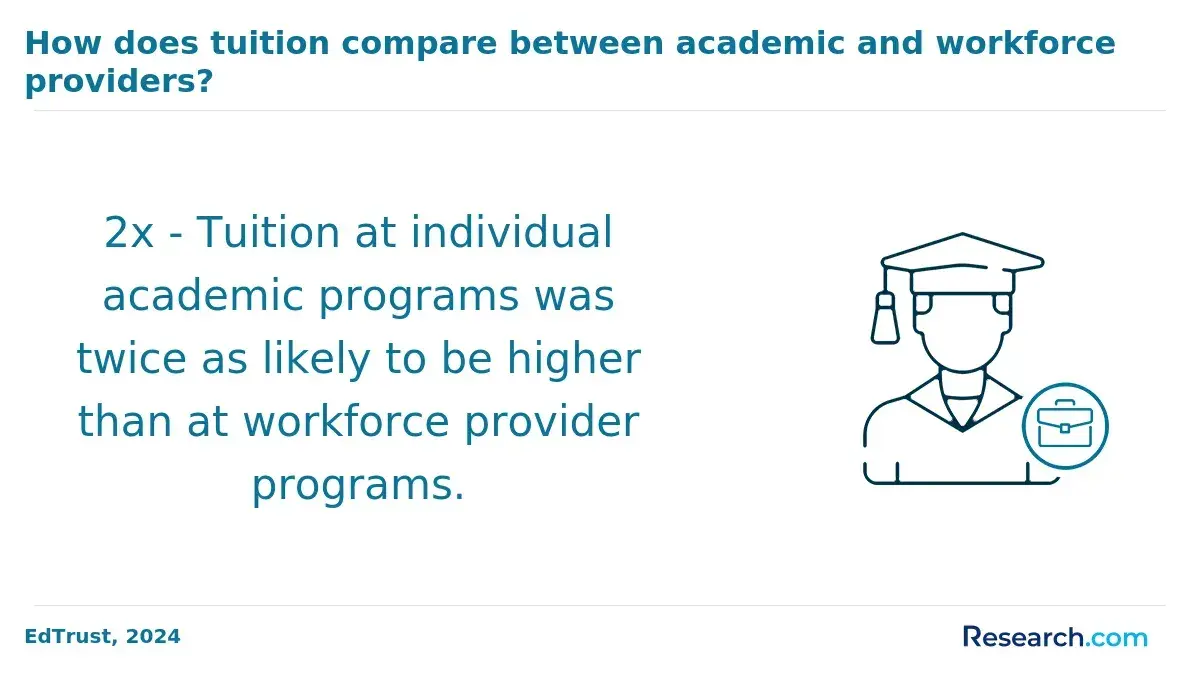
Financial aid options for adults pursuing a clinical psychology bachelor's degree extend well beyond the misconception that they are reserved for traditional-age students. According to the Federal Student Aid office, eligibility for programs like Pell Grants and federal loans depends on income and enrollment status, not age-allowing adult learners to apply through FAFSA regardless of their life stage.
- Federal Financial Aid: Consists of Pell Grants for students with limited income and both subsidized and unsubsidized loans, which can assist adults returning to school after a break.
- Employer Tuition Assistance: Numerous employers provide tuition reimbursement or assistance, especially beneficial if your role relates to psychology or healthcare.
- State Adult Learner Grants: Some states have special grant programs tailored to adult or nontraditional learners, easing the financial strain.
- Scholarships from Clinical Psychology Associations: Professional organizations often offer scholarships specifically for clinical psychology students, including adult reentrants.
- Income-Share Agreements (ISAs): Certain colleges offer ISAs where repayment is based on future earnings, reducing upfront educational expenses.
Choosing between program types heavily influences costs. Online clinical psychology degrees typically have lower tuition and fewer additional fees compared to on-campus formats. Public institutions generally charge less than private ones, making them more affordable for adult students managing tight budgets.
To maximize available aid before pursuing loans, adults should complete the FAFSA promptly, investigate state and institutional grant opportunities, inquire about employer tuition benefits, and search for scholarships aligned with clinical psychology studies.
Recent statistics indicate that nearly 44% of U.S. undergraduates are age 25 or older, reflecting a growing demographic of adult learners and increasing support within financial aid frameworks tailored to their needs.
Employers value a regionally accredited clinical psychology bachelor's degree regardless of when it was earned-whether at 22 or after 30. Data from the Society for Human Resource Management (SHRM) and the National Association of Colleges and Employers (NACE) show that hiring managers prioritize the credential itself over the graduate's age or time to completion. This credential confirms essential academic achievement and foundational knowledge, which are critical in clinical psychology roles.
- Employer Perceptions: Many employers appreciate adult learners for their professional maturity and real-world experience, qualities that often bring enhanced interpersonal skills and reliability to clinical settings.
- Age-Related Concerns: Age is rarely a significant factor in hiring decisions. Employers instead focus on demonstrated motivation and competence, with perseverance in completing a degree later in life seen as a positive indicator of resilience.
- Industry Requirements: Positions such as behavioral health technicians, case managers, and research assistants require a bachelor's degree as a minimum credential. In these roles, the degree's timing holds no bearing on eligibility.
- Credential Verification: Employers verify degree accreditation and completion date-not the age or duration of study-which do not appear on official transcripts or diplomas.
- Current Trends: LinkedIn Workforce Insights reveals a 27% increase in employers hiring adult learners for health and human services roles, reflecting growing acceptance of nontraditional educational paths.
Prior work experience plays a crucial role in speeding the journey to earning a clinical psychology bachelor's degree after 30 by potentially reducing both time and cost. Colleges increasingly value skills gained through careers in psychology, counseling, social services, or healthcare, converting them into academic credit through multiple mechanisms.
- Prior Learning Assessment (PLA): This pathway lets students prove college-level knowledge earned outside formal classes via work, training, or independent study. Clinical psychology programs frequently offer PLA, where learners submit portfolios presenting evidence like work projects, certifications, or reflective essays.
- Portfolio Evaluation: A PLA method focusing on compiling documentation of professional tasks and experiences related to the field. Evaluators compare these portfolios to course outcomes to grant credit. According to the Council for Adult and Experiential Learning (CAEL), students might earn between 6 to 30 credits from this process depending on program rigor and evidence quality.
- CLEP and DSST Exams: The College-Level Examination Program and DANTES Subject Standardized Tests allow learners to receive credit by passing exams covering psychology fundamentals and related subjects. Many institutions accept these credits, facilitating faster degree completion.
- ACE-Recommended Credit for Certifications: The American Council on Education assesses professional certifications and training in behavioral health or counseling and recommends college credit for qualifying credentials, which can be transferred within participating schools.
Several adult-friendly institutions such as Excelsior College, Thomas Edison State University, and Charter Oak State College actively award significant PLA credits, appreciating the value of prior work experience credit for clinical psychology bachelor's degree seekers. Admissions departments at these colleges focus on well-documented, relevant job history paired with strong motivation.
Adult learners benefit by strategically mapping job responsibilities to clinical psychology course outcomes and providing supporting documents such as performance reviews or training records. This presentation reframes professional experience as an academic asset, often shortening their degree path by a year or more.
For those exploring financial strategies and program options, combining prior learning credit with other resources ensures a well-rounded approach. Additionally, prospective students looking to pivot careers or balance family obligations might discover flexible options by consulting resources like the online MBA entrepreneurship degree listings for comparative planning.
Admission requirements for clinical psychology bachelor's programs for adult learners over 30 commonly include several key criteria that balance academic history with life experience. A typical minimum GPA from prior college coursework ranges from 2.5 to 3.0 on a 4.0 scale, though many programs recognize that older students may have nontraditional educational backgrounds. Those with lower GPAs might qualify for conditional admission or take advantage of academic renewal and grade forgiveness policies allowing course retakes to improve their records.
Standardized Test Waivers: Adults over 25 or 30 often benefit from waivers for tests like the SAT or ACT, especially in schools with open or rolling admissions designed to accommodate adult learners. Such institutions prioritize life experience and readiness over standardized scores.
Letters of Recommendation: Most programs request two or three letters from academic instructors, employers, or supervisors who can speak to the applicant's skills and commitment. Adult learners may use professional references to highlight maturity and responsibility.
Personal Statement: A strong personal statement is essential, giving candidates a chance to explain motivation, career goals, and any academic challenges overcome-helping admissions assess potential beyond grades.
Residency and Transfer Credits: Many programs accept transfer credits and credit for prior learning-including military training and professional experience-significantly shortening the time to degree completion for adult learners. Those researching GPA requirements for clinical psychology bachelor's programs should weigh such policies carefully.
Programs with open or rolling admissions tend to have less rigid cutoffs and focus on overall applicant potential. Adult students with earlier low GPAs should explore schools offering academic renewal or conditional admission tracks that start with foundational coursework to demonstrate readiness.
Prospective students should honestly assess their academic history and select programs aligned with their strengths and circumstances-many adult-friendly clinical psychology programs provide flexible pathways designed for success at any stage.
For those looking for cost-effective options during their career pivot, exploring the cheapest master in data science can also provide valuable financial insights applicable to further education decisions.
Adults over 30 pursuing a clinical psychology degree often face competing demands from caregiving, employment, and financial stress. Research by the Institute for Women's Policy Research highlights how parenting or elder care responsibilities reduce study time and elevate stress, commonly lengthening degree completion. Full-time jobs restrict scheduling flexibility, challenging learners to balance academic workload with job requirements. Financial pressures add complexity, as many must juggle earning income alongside schooling.
Effective time management is vital for adult learners. Strategies like block scheduling-allocating dedicated daily study periods-and the Pomodoro technique enhance focus amidst distractions. Case studies show students who openly discuss their needs with employers and schools often secure accommodations such as flexible hours or deadline extensions, aiding persistence.
Support networks significantly influence success. Employer flexibility, including remote work options or adjusted shifts, helps maintain balance. Family and spousal encouragement offers practical help and motivation. Many campuses provide childcare services and emergency financial aid to ease burdens on adult learners with dependents.
Prospective students should carefully assess their support systems before enrolling. Early engagement with a school's adult learner services can reveal resources tailored to nontraditional students, improving on-time degree completion.
- Caregiving Impact: Family care reduces available study hours and increases pressure, often extending the time needed to graduate.
- Work Flexibility: Employers offering adaptable schedules enable learners to integrate education with job demands more effectively.
- Time Management: Techniques like block scheduling and Pomodoro sustain concentration during busy personal and professional lives.
- Campus Resources: Childcare and emergency aid help alleviate financial and logistical challenges faced by adult students.
- Support Assessment: Reviewing personal and institutional supports before enrollment prepares learners for successful degree completion.
Adult learners pursuing a clinical psychology bachelor's degree achieve higher completion rates when institutions offer targeted support tailored to their unique needs. Research from the National Student Clearinghouse and Complete College America reveals that programs with intense advising significantly boost degree completion among adults. Before enrolling, ask programs about the availability of these critical resources.
- Dedicated Adult Learner Advisors: Specialized advisors help students navigate degree requirements while balancing personal and professional commitments, offering personalized assistance with time management and academic planning.
- Prior Learning Assessment Offices: These offices evaluate and grant credit for previous academic work, military training, or relevant professional experience, shortening the path to degree completion and lowering costs for adult students.
- Flexible Tutoring Options: Evening and weekend sessions, both in-person and virtual, accommodate nontraditional schedules, ensuring that academic support is accessible regardless of daytime obligations.
- Virtual Library Access: Online databases and e-books provide crucial research tools available 24/7, helping adult learners who must study around work and family responsibilities.
- Career Services for Career Changers: Targeted counseling and job placement support assist those transitioning into clinical psychology later in life, bridging education with new professional opportunities.
- Peer Networks for Non-Traditional Students: Connecting with fellow adult learners and alumni fosters community and motivation, which are essential for persistence and success.
Use this checklist to evaluate whether a clinical psychology program is equipped to support adult students effectively. Institutions lacking these services may increase the risk of delayed graduation or dropout. Confirming the presence of these support structures before committing strongly correlates with improved completion outcomes.
What Graduates Say About Getting a Clinical Psychology Bachelor's Degree After 30
- Irene: "Returning to study clinical psychology after 30 was a daunting choice, but the financial support options available really eased my worries-scholarships and flexible payment plans made it feasible. I appreciated how the program's accreditation ensured my degree would hold weight in professional circles. The combination of these factors gave me confidence as I embarked on a new career path in mental health services."
- Hayden: "Enrolling in the clinical psychology bachelor's program later in life allowed me to approach learning with maturity and purpose. I found the accredited nature of the program invaluable because it opened doors for future certifications and employment. The career services and guidance helped me navigate transitions into roles that truly match my interests, and the financial aid options made managing my studies alongside family commitments much easier."
- Caleb: "Studying clinical psychology after 30 was both challenging and rewarding-I never expected the strong professional network and practical career outcomes to be so impactful. The program's accreditation reassured me that my efforts would be recognized by employers. Additionally, the availability of financial support was crucial, letting me focus on my studies without constantly worrying about costs."
Other Things You Should Know About Clinical Psychology Degrees
Earning a clinical psychology bachelor's degree after 30 can positively impact long-term earning potential, especially for those entering or advancing in mental health careers. While starting later may shorten the timespan to accumulate experience, adults often leverage life skills and work backgrounds to progress faster in specialized roles. Many employers value the maturity and diverse experience that older graduates bring, which can enhance promotion prospects and salary growth over time.
Yes, several institutions offer accelerated clinical psychology bachelor's programs tailored for adult learners, including those over 30. These programs may allow credit for relevant prior work or life experience, reducing time-to-degree. Online and hybrid formats are common, providing flexible scheduling to accommodate work and family commitments.
A clinical psychology bachelor’s program should be regionally accredited by a U.S. institutional accreditor recognized by the U.S. Department of Education. If you plan graduate study, check that the school also has a clear psychology major curriculum with research methods, statistics, and supervised field options.
Adults over 30 should consider program flexibility, such as online or part-time options, support services for adult learners, and whether the program accepts prior learning credits or work experience. It's also important to evaluate the faculty expertise, accreditation, and the program's compatibility with personal and professional goals.
- How Long Does It Take to Become a Clinical Psychologist? Career Path Timeline https://www.scuhs.edu/psyd-article/how-long-does-it-take-to-become-a-clinical-psychologist-career-path-timeline/
- Clinical Psychology - SWPS University https://english.swps.pl/academics/warsaw/ma-programs/psychology/clinical-psychology
- Clinical Psychology as a Second Career – Association for Psychological Science – APS https://www.psychologicalscience.org/members/apssc/undergraduate_update/clinical-psychology-as-a-second-career
- Psychology Grad School Guide & Requirements | Psychology.org https://www.psychology.org/resources/graduate-application-guide/
- Clinical Psychology https://onlinegrad.pepperdine.edu/psychology/masters-clinical-psychology-online/
- relevant 'clinical' work experience | ClinPsy - Clinical Psychology Forum https://clinpsy.com/threads/relevant-clinical-work-experience.7091/
- Educational Requirements by Field of Practice in Psychology https://www.verywellmind.com/how-long-does-it-take-to-become-a-psychologist-2794935
- How Long Does it Take to Get a Psychology Degree? https://www.ndnu.edu/articles/psychology/how-long-does-it-take-to-get-a-psychology-degree.html
- Students & Experience: How to get the experience you need before you graduate. https://www.theplayfulpsychologist.com/post/students-experience-how-to-get-the-experience-you-need-before-you-graduate
- Late to the game, or exactly where we should be? | BPS https://www.bps.org.uk/psychologist/late-game-or-exactly-where-we-should-be