
2027 How to Become a Diversity, Equity, and Inclusion Specialist: Education, Salary, and Job Outlook

Co-Founder and Chief Data Scientist
Becoming a diversity, equity, and inclusion specialist is a career decision about more than liking people or supporting fairness. The role sits at the intersection of human resources, organizational strategy, compliance, training, data analysis, and culture change. Employers expect DEI professionals to help identify inequities, recommend practical policies, measure progress, and guide difficult conversations with credibility.
This guide is for students, career changers, HR professionals, educators, and workplace leaders who want to understand how to enter or advance in DEI work. It explains the credentials employers commonly look for, the skills that matter most, likely career paths, salary benchmarks, internship options, advancement strategies, work settings, challenges, and signs that this field fits your strengths.
For 2026 career planning, treat DEI as a specialized organizational role rather than a general advocacy position. The strongest candidates combine commitment to equity with evidence-based decision-making, legal awareness, strong communication, and the ability to translate values into measurable workplace practices.
What are the benefits of becoming a diversity, equity, and inclusion specialist?
- Employment for diversity, equity, and inclusion specialists is projected to grow 15% by 2025, reflecting rising organizational commitments to inclusive workplace culture.
- The average annual salary ranges from $65,000 to $90,000, with potential increases as companies expand DEI efforts globally.
- Pursuing this career offers opportunities to influence systemic change, foster inclusive environments, and engage in impactful social justice initiatives across industries.
What credentials do you need to become a diversity, equity, and inclusion specialist?
Most diversity, equity, and inclusion specialist roles do not require a government-issued license in the United States, but employers usually expect a relevant degree, practical workplace experience, and evidence of DEI-specific training. The best credential path depends on whether you are entering the field from college, moving from human resources, or transitioning from education, nonprofit, compliance, public administration, or organizational development.
Common education and training credentials
- Bachelor's degree: A bachelor's degree is the most common starting point. Relevant majors include Human Resources, Sociology, Psychology, Business Administration, public administration, communications, education, and related social science fields. The degree should help you understand organizations, group behavior, labor issues, policy, and social systems.
- Master's degree: A master's degree can strengthen your candidacy for senior or strategy-focused roles, especially in human resources, organizational psychology, public policy, higher education administration, social work, or leadership. It is not always required for entry-level roles, but it can help when employers want candidates who can design programs, advise executives, or evaluate complex initiatives.
- Professional certifications: Certifications such as the SHRM Inclusive Workplace Culture certification and DEI certificates from organizations like AIHR can show applied knowledge in inclusive practices, workplace policy, compliance awareness, and program design. A certification is most useful when paired with relevant work experience rather than treated as a substitute for it.
- Continuing education: Workshops and short courses in cultural competency, inclusive leadership, accessibility, conflict resolution, employment law basics, and data analytics can help keep your skills current. This is especially useful in sectors such as healthcare, education, government, and large corporations, where DEI work often connects to compliance, public accountability, or employee relations.
How to choose the right credential path
| Career situation | Best credential focus | Why it helps |
| College student or recent graduate | Bachelor's degree plus internships, campus leadership, and DEI-related projects | Builds entry-level credibility and gives you examples to discuss in interviews. |
| HR professional | DEI certification, employment law awareness, analytics, and change management training | Connects DEI work to recruiting, retention, employee relations, and policy implementation. |
| Educator or nonprofit professional | Graduate coursework or certificates in leadership, social justice, organizational development, or policy | Helps translate mission-driven experience into workplace strategy roles. |
| Aspiring senior DEI leader | Master's degree, executive education, measurable program outcomes, and leadership experience | Prepares you to advise executives, manage teams, and link DEI goals to organizational performance. |
Because there is no single required license, candidates should compare job postings in their target industry before enrolling in a program. Look for repeated requirements such as HR experience, employee resource group support, survey analysis, facilitation, accessibility knowledge, or policy review. Professionals balancing work and study may also consider fast online degree programs for working adults if they need a flexible route to complete a relevant credential.
What skills do you need to have as a diversity, equity, and inclusion specialist?
A strong DEI specialist needs both people skills and operational skills. The role requires empathy, but empathy alone is not enough. Employers also need someone who can interpret workforce data, facilitate difficult conversations, improve policies, support managers, and evaluate whether programs are actually changing outcomes.
Core skills employers look for
- Data analysis: DEI specialists often work with employee surveys, hiring data, promotion rates, retention patterns, pay equity reviews, training feedback, and representation metrics. You do not always need to be a data scientist, but you should know how to ask sound questions, identify patterns, and avoid overclaiming what the data proves.
- Digital facilitation: Many organizations operate in hybrid or remote environments. You should be able to lead virtual workshops, manage group discussion, use collaborative tools, and create psychologically safer learning spaces without letting sessions become performative or unfocused.
- Program development: DEI work often includes designing training, mentoring programs, inclusive hiring practices, employee resource group support, accessibility initiatives, and leadership development. Strong specialists define objectives, timelines, owners, budgets, and evaluation methods before launching a program.
- Compliance expertise: DEI specialists should understand the boundaries of employment law, anti-discrimination principles, harassment prevention, reasonable accommodation processes, and internal policy governance. They should know when to involve legal counsel or HR leadership rather than giving legal advice independently.
- Cultural competency: Effective DEI work requires understanding race, ethnicity, gender, disability, age, religion, veteran status, socioeconomic background, nationality, sexual orientation, and intersectionality. The goal is not to memorize every identity group; it is to build respectful, evidence-informed practices that reduce barriers.
- Conflict resolution: DEI specialists frequently support teams dealing with mistrust, bias concerns, communication breakdowns, or resistance. You need active listening, neutrality, documentation discipline, and the ability to separate individual conflict from structural problems.
- Communication and engagement: The role requires translating complex topics for executives, managers, frontline employees, and external partners. Strong writing, public speaking, meeting design, and stakeholder management are essential.
- Change management: DEI recommendations often require managers to change hiring habits, promotion criteria, meeting norms, or leadership behaviors. Specialists must understand how to build buy-in, anticipate resistance, and sustain progress beyond a single training session.
Skills that separate strong candidates from average candidates
Average candidates can speak generally about inclusion. Strong candidates can explain how they would diagnose a problem, choose an intervention, measure progress, and adjust when the first approach does not work. In interviews, be ready to discuss specific examples: a training you helped design, a survey you interpreted, a policy you reviewed, a conflict you helped de-escalate, or a stakeholder group you influenced.
Technology is also becoming more important. DEI specialists may use AI analytics, real-time feedback tools, applicant tracking reports, learning management systems, and virtual environments. These tools can support better decisions, but they also carry risks such as privacy concerns, biased inputs, and misleading dashboards. A skilled DEI professional uses technology carefully and keeps human judgment central.
What is the typical career progression for a diversity, equity, and inclusion specialist?
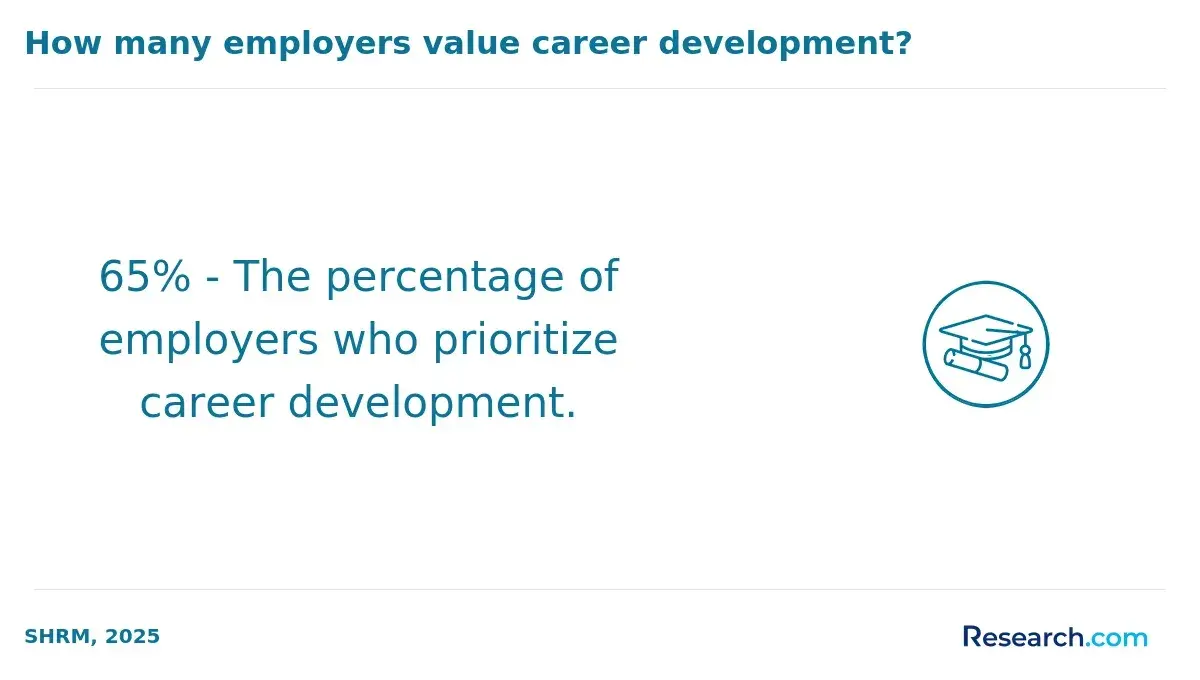
Career progression in DEI is not always linear. Some professionals start in human resources, recruiting, education, compliance, employee relations, nonprofit advocacy, or organizational development before moving into a dedicated DEI role. Others begin as coordinators or program assistants and grow into specialist, manager, director, or executive-level positions.
Typical DEI career ladder
- Entry-level roles: Positions such as DEI Coordinator or Diversity Program Assistant usually involve scheduling programs, supporting employee resource groups, coordinating events, preparing reports, collecting data, managing communications, and assisting with training logistics. These roles often require a bachelor's degree and a couple of years of experience.
- Mid-level roles: Positions such as Diversity Specialist or Inclusion Program Manager focus on designing initiatives, facilitating training, analyzing outcomes, advising managers, and improving policies. These roles typically expect a master's degree and around five years in the field, although equivalent professional experience may also be valued.
- Advanced roles: Careers such as Senior Diversity Specialist or Director of Diversity and Inclusion involve setting strategy, advising executive teams, leading staff, managing budgets, assessing legal and reputational risk, and aligning DEI goals with organizational priorities. These positions usually demand over ten years of experience and deep DEI expertise.
Common lateral paths into DEI
Many professionals enter DEI through related functions. Recruiters may specialize in inclusive hiring. Learning and development professionals may move into inclusive leadership training. Compliance or employee relations professionals may focus on anti-discrimination policy and workplace investigations. Higher education administrators may shift into campus climate, accessibility, or student belonging roles.
Specialization can also shape advancement. DEI professionals increasingly build expertise in education, healthcare, legal environments, global inclusion, disability accessibility, supplier diversity, digital inclusion, or cultural proficiency. Others move into related roles such as HR Generalist with a DEI emphasis or Organizational Development Consultant, where they influence broader workforce systems.
What helps you move up
Promotion usually depends on more than passion for the mission. To move into senior roles, document measurable outcomes: improved participation, stronger retention insights, updated policies, manager adoption, reduced barriers in hiring or promotion, or better employee feedback. Senior leaders are expected to connect DEI work to risk management, workforce planning, culture, engagement, and organizational performance.
How much can you earn as a diversity, equity, and inclusion specialist?
Earnings for DEI specialists vary widely by role level, organization size, industry, location, scope of responsibility, and whether the role is tactical or strategic. Entry-level specialists typically earn far less than senior leaders who manage enterprise-wide policy, analytics, compliance coordination, and executive advising.
In the United States, a diversity equity and inclusion specialist salary typically starts at an average annual pay of $69,890 at the entry level, with ranges from $61,990 to $78,490 based on experience and location. More senior roles, such as Diversity Equity & Inclusion Specialist V, command much higher salaries, averaging around $165,700 and ranging from $131,121 to $206,393 in 2025.
Factors that influence DEI salary
- Experience level: Coordinators and assistants usually earn less than specialists, managers, directors, and senior enterprise leaders.
- Industry: Large corporations, consulting firms, financial firms, healthcare systems, and universities may structure DEI compensation differently because the work can involve different levels of risk, scale, and public accountability.
- Location: Pay can vary significantly by labor market and cost of living. Major metro areas may offer higher salaries but also attract more competition.
- Education and certifications: A bachelor's degree is often required, while advanced degrees or certifications in human resources, organizational psychology, analytics, or leadership may support stronger salary negotiations.
- Scope of responsibility: Roles that include data strategy, executive advising, policy development, global workforce support, or management of a team typically pay more than roles focused mainly on event coordination or training logistics.
- Measurable impact: Professionals who can show outcomes, not just activities, are better positioned for raises and promotions.
Choosing the right education path can affect both speed of entry and long-term mobility. Some candidates use the easiest bachelor's degree to earn as a practical starting point, but the degree should still align with the skills employers value: writing, research, people management, organizational behavior, policy, and data interpretation. Specializations in inclusive technology and global diversity strategy may also strengthen a candidate's compensation prospects when they match employer needs.
What internships can you apply for to gain experience as a diversity, equity, and inclusion specialist?
Internships are one of the best ways to test whether DEI work fits your strengths. A useful internship should give you exposure to real organizational problems, not only cultural event planning. Look for roles that include research, data review, training support, employee engagement, policy analysis, communications, and project management.
Internship settings to consider
- Corporations: Corporate DEI internships often involve workplace inclusion initiatives, employee resource group support, diversity data review, internal communications, cultural programming, and training logistics. These internships are useful if you want to work in HR, talent management, or organizational culture.
- Nonprofits and advocacy groups: Organizations such as the ACLU or Move United may offer roles focused on policy research, community engagement, accessibility, public education, event planning, and strategic communication. These experiences can deepen your understanding of social justice frameworks and stakeholder advocacy.
- Government agencies and global organizations: Agencies and organizations including the United Nations Development Programme (UNDP) may recruit interns to assist with policy development, best-practice research, inclusive service delivery, and global equity initiatives. These internships are especially relevant for students interested in public policy or international work.
- Healthcare providers: Healthcare DEI internships may involve workforce inclusion, patient advocacy, language access, culturally competent training, community health equity, and recruitment strategies. These roles can be valuable because DEI in healthcare often connects directly to patient experience and access to care.
- Higher education and industry-specific organizations: Colleges, universities, technology companies, media organizations, and financial firms may hire interns to support institutional culture work, accessibility initiatives, inclusive hiring projects, and cross-functional DEI councils.
How to evaluate a DEI internship
| What to ask | Why it matters |
| Will I work with data, policy, training, or employee feedback? | These tasks build stronger career evidence than event support alone. |
| Who will supervise me? | A supervisor with DEI, HR, legal, or organizational development experience can provide better mentoring. |
| Will I produce a portfolio-ready project? | A report, training outline, survey summary, or communications plan can support future applications. |
| Is the internship paid? | Paid DEI internship opportunities in the United States can reduce financial barriers and signal stronger institutional investment. |
Students seeking a faster route to advanced preparation may also consider a quickest masters degree in a related field, but graduate study should be weighed against cost, work experience, and the actual requirements of target roles.
How can you advance your career as a diversity, equity, and inclusion specialist?
Advancement in DEI depends on your ability to move from activity-based work to strategy-based work. Early roles may involve coordinating programs and supporting training. Senior roles require diagnosing organizational barriers, advising leaders, managing risk, building systems, and proving progress through credible evidence.
Career advancement strategies
- Advanced Education: Graduate degrees in human resources, sociology, psychology, organizational leadership, education, public policy, or business can deepen your understanding of systems, behavior, and strategy. A graduate degree is most valuable when it helps you solve real workplace problems and qualify for leadership roles.
- Professional Certification: Credentials from recognized bodies such as SHRM can validate knowledge in diversity strategy, inclusive workplace culture, and compliance-related issues. Certifications are especially helpful when they complement a record of successful projects.
- Digital Networking Communities: Online DEI forums, professional associations, webinars, and virtual communities can help you track emerging practices, compare approaches across industries, and identify mentors beyond your current employer.
- Structured Mentorship Programs: Mentorship can accelerate growth by exposing you to executive communication, budget planning, conflict navigation, policy review, and career options. Look for mentors both inside and outside DEI, including HR, legal, operations, analytics, and learning leaders.
- Emerging Job Roles: Newer roles such as Head of Diversity Analytics reflect growing demand for professionals who can connect inclusion goals to workforce data, employee experience, and measurable organizational outcomes.
What to document for promotion
Keep a record of projects, stakeholders, decisions, and outcomes. Useful evidence includes training completion data, survey changes, improved policy clarity, employee resource group growth, inclusive hiring process updates, manager participation, accessibility improvements, or leadership adoption of recommendations. Avoid relying only on attendance numbers or positive comments; senior leaders usually want to see whether behavior, systems, or outcomes changed.
To advance, also learn the language of the organization. DEI recommendations are more likely to be adopted when they connect to talent retention, compliance, leadership development, employee engagement, customer trust, patient care, student success, or organizational risk.
Where can you work as a diversity, equity, and inclusion specialist?
DEI specialists work in many settings because inclusion, access, and equitable policy affect nearly every type of organization. The nature of the work changes by sector. In a corporation, you may focus on workforce data and leadership behavior. In a university, you may focus on campus climate and student belonging. In healthcare, you may connect workforce inclusion with patient experience and health equity.
Common employers for DEI specialists
- Major corporations: Companies such as Tiffany & Co. and Dotdash Meredith employ DEI specialists to develop training programs, strengthen inclusive policies, support employee engagement, and improve multicultural client or workforce strategies.
- Nonprofit organizations: Groups like the National Audubon Society appoint vice presidents and directors of DEI to align internal culture, governance, community engagement, and mission goals.
- Educational institutions: Colleges and universities including Barnard College and New York University hire DEI leaders to support campus-wide inclusion initiatives, assess equity in learning environments, and improve institutional practices. Students preparing for these roles may compare accredited non profit online colleges when choosing a relevant degree path.
- Healthcare systems and public agencies: These employers may focus on health equity, patient advocacy, workforce representation, accessibility, inclusive public service, and recruitment of diverse talent.
- Global consultancies and financial firms: Firms like Macquarie Group recruit DEI specialists to design international enterprise-wide strategies, support multicultural teams, and align inclusion efforts across regions.
Work arrangements and geographic options
DEI roles may be in-person, hybrid, or remote depending on the employer and the amount of facilitation, stakeholder engagement, and site-specific work required. Technology, media, finance, government, healthcare, and higher education are common areas to watch. Professionals pursuing diversity and inclusion jobs in New York may find opportunities across corporations, nonprofits, universities, healthcare systems, and public agencies. Diversity, equity, and inclusion careers in the UK also continue to expand, reflecting the global relevance of this work.
When comparing employers, ask where the DEI function sits. A role reporting to HR may focus on workforce processes. A role reporting to an executive office may have broader strategy influence. A role inside compliance, student affairs, public engagement, or operations may have a narrower but deeper mandate.
What challenges will you encounter as a diversity, equity, and inclusion specialist?
DEI work can be meaningful, but it is also demanding. Specialists often operate in environments where expectations are high, authority is limited, progress is slow, and public or internal pressure can shift quickly. Understanding the challenges before entering the field helps you build resilience and choose employers carefully.
- Adapting to dynamic legal and political climates: DEI strategies must account for changing laws, regional differences, organizational risk tolerance, and public scrutiny. Specialists should avoid one-size-fits-all approaches and work closely with HR, compliance, and legal teams when policies or hiring practices are involved.
- Managing emotional strain and burnout: DEI professionals may hear painful employee experiences, face skepticism, manage conflict, and absorb pressure from multiple sides. Sustainable practice requires boundaries, supervision, peer support, clear role definition, and realistic workload expectations.
- Embracing data-centric methods: Organizations increasingly expect measurable results through analytics, employee feedback, and program evaluation. This can improve accountability, but it also requires careful interpretation. Not every outcome is easy to quantify, and poor data can lead to weak conclusions.
- Navigating a shifting industry landscape: As some sectors reduce DEI roles, specialists must demonstrate clear impact, adapt to emerging demands like AI bias reduction, and develop interdisciplinary skills to remain relevant.
Common mistakes to avoid
- Launching training before diagnosing the actual problem.
- Using broad language about culture without defining measurable goals.
- Ignoring managers, who often determine whether inclusion practices become daily behavior.
- Treating employee resource groups as unpaid labor rather than structured partners.
- Overpromising what a single initiative can accomplish.
- Failing to document decisions, feedback, and outcomes.
The most effective DEI specialists combine conviction with discipline. They listen carefully, use evidence, respect legal boundaries, communicate with precision, and keep the organization focused on practical changes rather than symbolic activity alone.
What tips do you need to know to excel as a diversity, equity, and inclusion specialist?
To excel as a DEI specialist, build credibility with both employees and decision-makers. Employees need to trust that you understand lived experience and workplace barriers. Leaders need to trust that your recommendations are practical, lawful, measurable, and aligned with organizational goals.
Practical tips for stronger performance
- Strengthen your data skills: Learn how to analyze surveys, workforce demographics, hiring funnels, promotion patterns, retention data, and training feedback. Use AI tools carefully when identifying diversity gaps or tracking progress, and always check whether the inputs and interpretations are reliable.
- Become an excellent facilitator: Strong facilitation is not lecturing. It means setting expectations, managing tension, encouraging participation, handling resistance, and guiding people toward useful action. Practice leading training sessions, employee resource groups, listening sessions, and DEI councils.
- Stay current on laws and best practices: DEI work often touches hiring, promotion, accommodations, harassment prevention, pay equity, and employee relations. Continue learning so your guidance remains relevant and compliant amid changing regulatory landscapes.
- Build cross-functional relationships: DEI work succeeds through partnership. Develop relationships with HR, legal, communications, learning and development, operations, recruiting, executives, managers, and employee resource group leaders.
- Expand your definition of inclusion: Effective DEI work considers race, gender, disability, age, veterans, individuals from disadvantaged backgrounds, socioeconomic status, language, caregiving, religion, nationality, and other dimensions of identity and access.
- Focus on systems, not only sentiment: Awareness is important, but durable change usually comes from improving job descriptions, interview practices, promotion criteria, meeting norms, accessibility, feedback processes, leadership accountability, and employee support systems.
- Communicate in business-relevant terms: Explain how DEI connects to retention, engagement, trust, productivity, customer experience, patient outcomes, student success, innovation, and risk reduction, depending on your sector.
One of the best ways to stand out is to become known as a practical problem-solver. Avoid vague recommendations. Instead, define the issue, identify the affected stakeholders, propose options, explain trade-offs, and recommend a way to measure progress.
How do you know if becoming a diversity, equity, and inclusion specialist is the right career choice for you?
DEI may be a strong career fit if you care deeply about fairness and can work patiently inside complex organizations. The role requires advocacy, but it also requires diplomacy, analysis, documentation, and the ability to keep working when progress is uneven. Before committing, assess both your motivation and your tolerance for ambiguity, conflict, and long-term change work.
Signs this career may fit you
- Passion for Social Justice: A sustained commitment to fairness, access, and equal opportunity is essential for anyone asking, "Is a diversity and inclusion specialist the right career for me?"
- Interpersonal and Communication Skills: DEI specialists spend much of their time facilitating conversations, advising managers, writing guidance, and helping groups discuss identity, belonging, and workplace expectations productively.
- Empathy and Cultural Sensitivity: You need to respect different experiences without assuming you can speak for every group. Good DEI professionals listen before designing solutions.
- Analytical and Leadership Abilities: The role requires analyzing data, identifying patterns, making recommendations, presenting to leaders, and sometimes challenging familiar practices with tact and evidence.
- Work Environment Adaptability: DEI specialists often juggle training, policy review, employee concerns, leadership requests, communications, and project deadlines across departments.
- Advocacy and Experience: Prior involvement in diversity initiatives, multicultural organizations, accessibility projects, mentoring programs, student leadership, nonprofit work, or employee resource groups can indicate a strong foundation.
- Education and Training: If you are still choosing a degree path, reviewing a list of nationally accredited colleges can help you compare programs that may support entry into HR, organizational leadership, education, public policy, or related fields.
Questions to ask yourself
- Can I handle disagreement without becoming defensive or disengaged?
- Do I enjoy translating values into policies, programs, and measurable actions?
- Am I willing to learn employment law basics, data interpretation, and organizational change methods?
- Can I work with leaders who support DEI at different levels of commitment?
- Do I have the patience to pursue progress that may take months or years?
This career can offer meaningful impact and upward mobility, but it is not the right fit for someone who wants quick wins, constant agreement, or purely values-based work without operational accountability. The strongest fit is someone who combines purpose with structure, courage with diplomacy, and empathy with evidence.
What Professionals Who Work as a Diversity, Equity, and Inclusion Specialist Say About Their Careers
- : "Pursuing a career as a diversity, equity, and inclusion specialist has provided me with remarkable job stability, especially as more companies recognize the importance of inclusive workplaces. The salary potential is competitive and reflects the critical impact of this role. It's rewarding to know my work directly contributes to positive change. — Tobias"
- : "The unique challenges of promoting equity across diverse industries keep my work dynamic and intellectually stimulating. Navigating different organizational cultures has broadened my perspective and strengthened my problem-solving abilities. This field constantly pushes me to grow both personally and professionally. — Rex"
- : "Career growth opportunities in diversity and inclusion are abundant with numerous specialized training programs and certifications available. These resources have helped me advance steadily and assume leadership positions in my organization. The profession is both fulfilling and forward-looking in shaping future workplaces. — Arthur"
Other Things You Should Know About Becoming a Diversity, Equity, and Inclusion Specialist
In 2027, the salary range for a Diversity, Equity, and Inclusion Specialist typically falls between $60,000 and $90,000 annually, depending on factors like experience, industry, and geographical location. Some positions in major corporations or urban areas may offer higher compensation reflecting increased demand and responsibilities.
Recommended certifications include the Certified Diversity Professional (CDP) and the Certified Diversity Executive (CDE). These credentials can enhance career prospects by validating expertise in diversity strategies and leadership within the field of Diversity, Equity, and Inclusion.
In 2027, industries such as technology, healthcare, and finance are actively hiring Diversity, Equity, and Inclusion Specialists. These sectors prioritize diverse and inclusive environments to foster innovation and meet evolving workplace demands, making them key employers for DEI professionals.
References
- Top 10 Diversity and Inclusion Specialist Interview Questions https://www.interviews.chat/questions/diversity-and-inclusion-specialist
- Top 10 Tips for a Successful DE&I Journey | Odgers https://www.odgers.com/en-dk/insights/top-10-tips-for-a-successful-dei-journey/
- How to Become A Diversity, Equity, and Inclusion Specialist https://www.wgu.edu/career-guide/business/diversity-equity-inclusion-specialist-career.html
- Equality, diversity and inclusion roles | CIPD https://www.cipd.org/en/the-people-profession/careers/roles/equality-diversity-inclusion/
- Top Diversity and Inclusion Careers in the UK | Aspiring to Include https://www.aspiringtoinclude.com/top-diversity-and-inclusion-careers-in-the-uk/
- Aligning Your Career with Diversity Equity and Inclusion: Tips for Finding Inclusive Employers | CNIB https://www.cnib.ca/en/blog/aligning-your-career-diversity-equity-and-inclusion-tips-finding-inclusive-employers


