2027 How Many Credits Can You Transfer Into a Sports Psychology Degree Program?

Co-Founder and Chief Data Scientist
Transfer credit acceptance within sports psychology degree programs varies significantly across institutions, often influenced by accreditation standards and course relevance. A 2024 report from the National Student Clearinghouse notes that about 41% of students transferring into psychology-related fields encounter partial credit denials due to curriculum mismatches. This trend underscores a practical challenge: not all previously earned credits align with the specialized content or competency requirements of sports psychology.
Such limitations affect academic planning and may extend time to degree completion. Understanding these transfer policies critically informs course selection and institutional fit for students aiming to leverage prior learning toward a sports psychology credential.
Key Things to Know About How Many Credits Can You Transfer Into a Sports Psychology Degree Program
- Transfer limits often exclude specialized courses, forcing students to retake key sports psychology subjects; this tradeoff slows progression but ensures alignment with professional competencies employers expect.
- Employers increasingly prioritize applied knowledge in sports psychology, so credit transfer policies that favor practical, internship-based credits enhance workforce readiness and long-term career mobility.
- With 2024 data showing adult learners comprise over 40% of enrollees, generous transfer options reduce time and cost burdens, crucial for balancing education with work and family obligations.
How Many Credits Can You Transfer Into a Sports Psychology Degree Program?
Transfer credit limits for sports psychology degree programs often reflect a complex balance of accreditation standards, course equivalency, and division-level requirements rather than a simple cap. While many programs accept between 50% to 75% of total required credits, this does not guarantee all transferred credits apply toward graduation, as institutions scrutinize whether courses match core sports psychology curricula.
For example, students transferring from community colleges frequently find that foundational courses like human physiology or introductory psychology transfer readily, but more advanced or specialized credits may be excluded if they don't meet upper-division criteria, which are essential for satisfying major-specific graduation standards. This filtering process directly affects how many transfer credits are accepted for sports psychology degree programs, often requiring strategic advising to avoid unnecessary course repetition or extended study periods.
Because many sports psychology programs require a set threshold of upper-division credits, the limits on transferable coursework can significantly impact student timelines and course sequencing. Even when the total number of credits transferred approaches the maximum allowed, some credits may not fulfill the advanced-level requirements critical for licensure or certification readiness-common outcomes sought by graduates entering demand-driven fields such as clinical or performance psychology.
These restrictions often push students to complete additional semesters beyond initial expectations, particularly if transferring from schools without regional accreditation or non-specialized certification programs. Adults considering prior credentials might evaluate options like a medical billing and coding certification as alternate pathways but should remain mindful of how such prior learning aligns with upper-division sports psychology requirements to optimize degree completion plans and workforce entry.
What Types of College Credits Can Transfer Into a Sports Psychology Degree Program?
Transfer credits entering a sports psychology degree program come from diverse academic backgrounds and non-traditional learning experiences, each subject to institutional policies emphasizing course content alignment over simple credit accumulation. For example, a student transitioning from kinesiology must prioritize credits covering psychological and physiological dimensions to avoid extended study periods and delayed workforce entry.
Employers in fields like athletic training and rehabilitation increasingly seek candidates with both theoretical knowledge and domain-specific expertise, making relevant credit acceptance crucial for timely degree completion and competitive employability.
- General Education Credits: These foundational courses in arts and sciences such as English, mathematics, and social sciences usually transfer easily, provided they meet the program's liberal arts standards, enabling students to focus on specialized sports psychology topics.
- Psychology and Related Social Science Courses: Transferability depends on content rigor and relevance, with programs carefully evaluating syllabi to confirm coverage of cognitive, behavioral, or developmental psychology essential to sports psychology frameworks.
- Exercise Science and Kinesiology Credits: Courses dealing with anatomy, physiology, biomechanics, or exercise physiology are highly valued when accepted, as they directly inform understanding of athlete performance and health-critical aspects for practical application in sports psychology roles.
- Professional and Technical Training Credits: Some programs assess military, vocational, or coaching certifications for equivalency to academic coursework, requiring comprehensive documentation and clear relevance to counseling, coaching, or rehabilitation to gain credit.
- Non-Traditional Learning and Prior Learning Assessments (PLAs): Credits from experiential learning, portfolio reviews, or standardized exams like CLEP are variably accepted. Programs generally demand clear demonstration that learning aligns with core sports psychology competencies to ensure academic and professional standards.
Does Accreditation Affect How Many Credits Transfer Into a Sports Psychology Degree?
Institutional accreditation status critically shapes how many credits transfer into a sports psychology degree and under what conditions. Regional accreditation remains the most widely recognized benchmark among U.S. colleges and universities, facilitating smoother credit acceptance due to standardized quality assurances. Conversely, credits from nationally accredited schools, often vocational or specialized, frequently face greater scrutiny, resulting in partial acceptance or outright denial of transfer credits.
Programmatic accreditation tied to psychology or counseling disciplines further influences this process by validating course relevance and rigor for sports psychology, impacting whether credits align sufficiently with degree requirements.
The practical outcomes of these accreditation distinctions are significant for students navigating transfer pathways. Data from the 2024 National Student Clearinghouse Research Center highlights that roughly 35% of transfer students endure notable credit loss, which in sports psychology can necessitate retaking foundational classes and prolonging degree completion by semesters. This extension not only increases tuition costs but also delays workforce entry, an important tradeoff for adult learners or career changers balancing opportunity costs.
Employers in the sports psychology field typically favor candidates with credentials from fully accredited programs, meaning students who transfer without proper accreditation alignment may face diminished professional credibility and limited job prospects, reinforcing the need for deliberate institutional selection.
One applicant recalled beginning the transfer process to a sports psychology program with confidence after completing several courses at a nationally accredited institution. However, upon submitting transcripts during rolling admissions, they encountered delays and uncertainty as the receiving school evaluated credit eligibility, reflecting how accreditation nuances can slow admission timelines.
The student hesitated to commit elsewhere, recognizing the risk of further losing credits if switching programs again, and ultimately prioritized securing admission to a regionally accredited program with clear transfer policies. This experience underscored how accreditation intricacies extend beyond paperwork to strategic decisions with time-sensitive consequences for academic progression.
How Do Universities Evaluate Transfer Credits for Sports Psychology Programs?
Universities employ a precise, stepwise approach to assess transfer credits for sports psychology programs, ensuring prior coursework aligns rigorously with their degree requirements. Central to this process is a detailed syllabus review, where evaluators scrutinize course content, learning objectives, and assessment methods to verify equivalency. This step ensures transferred credits reflect a comparable academic level and relevance to sports psychology.
Credit hours are weighed alongside content, verifying instructional time matches program standards. The accreditation status of the originating institution also influences acceptance, with regionally accredited schools generally favored for maintaining quality benchmarks.
Following academic scrutiny, departmental approval is pivotal. Faculty or department committees analyze submitted materials-including syllabi and exams-to decide if credits satisfy core or elective status. This distinction impacts whether transferred credits fulfill upper-division requirements or count only as electives, affecting degree progress and completion timelines. Variations in outcomes often arise due to differing institutional policies and program competitiveness, particularly in specialized areas like applied psychology or kinesiology integration within sports psychology.
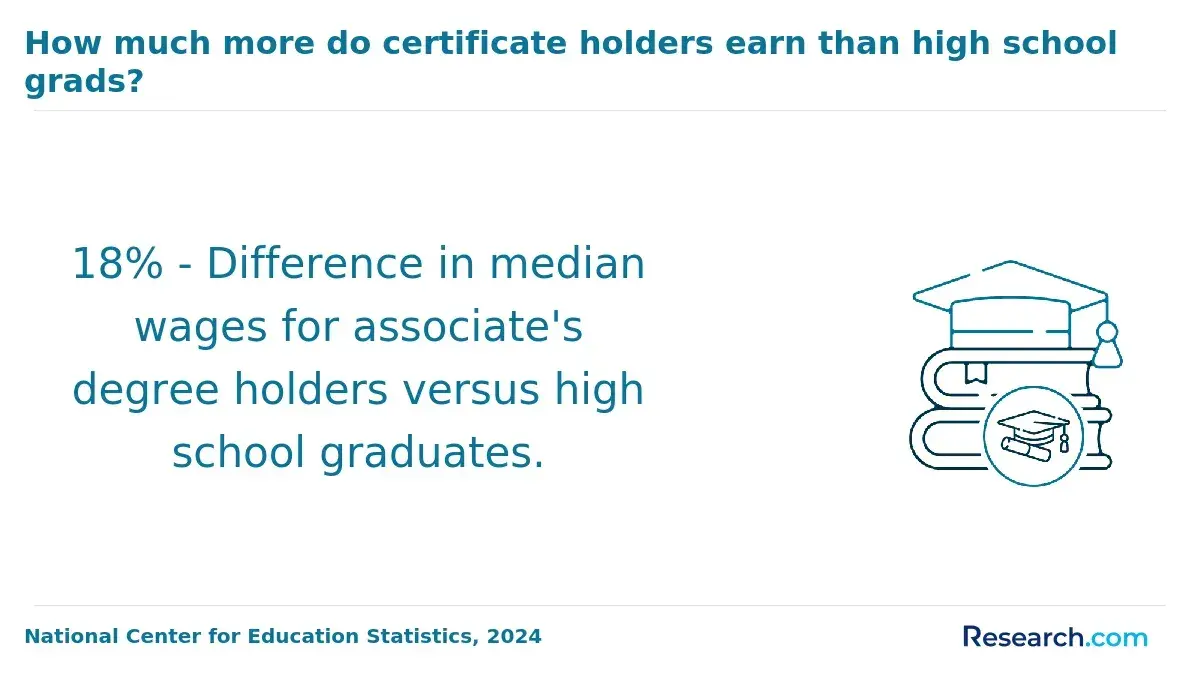
For students intent on efficiently navigating these evaluations, understanding the nuanced criteria for accepting transfer credits in sports psychology degrees is essential. Data from the National Center for Education Statistics (2024) indicates that while about 67% of transfer credits from accredited two-year colleges are accepted, fewer than half qualify as core requirements, reflecting selectivity tied to program fidelity.
Transfer students and adult learners should also consider broader academic pathways such as those offered through an accelerated healthcare management degree online, which may provide alternative routes to relevant career competencies beyond traditional sports psychology tracks.
Can Work Experience Count as College Credits in a Sports Psychology Degree Program?
Conversion of work experience into college credits within a sports psychology degree hinges on stringent institutional policies and clear demonstrations of relevant competencies. Programs typically require formal assessments such as prior learning assessment (PLA), portfolio reviews, or competency-based evaluations to ensure workplace experience aligns with academic objectives and competency standards. Documentation must often include detailed employer verification, comprehensive job descriptions, and evidence of ongoing professional development linked to course outcomes.
Importantly, only experiential learning that mirrors the scientific and behavioral frameworks integral to sports psychology curricula is considered eligible, with many programs capping credit awarded from experience to around 30% of total degree requirements. According to a 2024 report by the Council for Adult and Experiential Learning, roughly one-quarter of universities offer substantial credit for prior learning, underscoring the selective nature of this pathway.
For students, accepting work experience credit can mean a reduced course load and lower tuition costs, yet this comes with tradeoffs. Overreliance on experiential credits might limit exposure to critical academic content and diminish interaction with updated research methodologies essential for applied sports psychology roles.
Additionally, not all work experience qualifies-those lacking rigorous scientific underpinning or formal behavioral science training often fail credit review. Practical decision-making in this context involves balancing accelerated degree completion against potentially narrowing one's theoretical foundation and marketability in a field where employers frequently prioritize formal credentials alongside experience.
A graduate recalled applying to a sports psychology program while working as an athletic trainer. They submitted their portfolio months before enrollment, but credit approval lagged due to the department's rolling review process. This delay forced them to register for full coursework initially, which they later adjusted after receiving partial credit confirmation. The experience highlighted how proactive documentation and patience are crucial since credit decisions can significantly impact course planning timelines and educational expenses.
Why Do Colleges Reject Transfer Credits for Sports Psychology Programs?
Colleges frequently reject transfer credits for sports psychology programs due to a combination of academic, institutional, and program-specific criteria designed to maintain degree rigor and relevance. A critical factor is accreditation disparities, where credits from institutions without regional accreditation or only national accreditation face higher rejection rates, as universities prefer coursework validated by recognized academic bodies.
Outdated coursework further complicates transfer credit acceptance. Given that sports psychology evolves rapidly with new research and methods, older courses often fail to meet current curriculum standards, particularly concerning laboratory, clinical, or applied practice components essential for skill proficiency.
Many programs enforce strict minimum grade requirements, typically demanding at least a C or B grade in key foundational or upper-division courses. Inability to meet these benchmarks frequently leads to credit denial, reflecting concerns about knowledge mastery necessary for advanced study. Course equivalency mismatches also present a significant barrier, since many sports psychology curricula include specialized upper-division courses not replicated in general psychology or physical education programs, obstructing straightforward credit transfer.
Rejecting transfer credits has practical consequences such as prolonged time to graduation, increased tuition, and the need to retake overlapping classes, which disrupts sequencing and delays academic progression. Transfer students from technical schools, community colleges, or older programs are particularly vulnerable to these challenges due to differences in program structure and rigor.
According to a 2024 National Student Clearinghouse report, nearly 35% of transfer students in specialized programs like sports psychology encounter partial or full credit rejection, underscoring the importance of understanding transfer credit acceptance criteria for sports psychology programs. Careful academic planning, including evaluating accelerated degree programs, can mitigate some of these practical setbacks and aid in navigating credit transfer complexities.
Which Sports Psychology Degree Programs Accept the Most Transfer Credits?
Transfer credit acceptance in sports psychology degrees varies widely depending on institutional type and program design, with public universities generally offering moderate flexibility through established articulation agreements with regional community colleges. These agreements often permit transfer of up to 60-75% of credits, mostly for general education and lower-division courses, while upper-division sports psychology credits remain tightly regulated due to curriculum alignment needs.
Online institutions catering to adult learners typically demonstrate greater flexibility by incorporating competency-based education or prior learning assessments, allowing recognition of experiential learning and potentially reducing foundational coursework. However, such programs commonly require students to complete a significant residency portion-often 25-30%-which can limit total transferable credits and affect the pace of degree completion.
Degree-completion pathways stand out by prioritizing transfer efficiency, regularly accepting 75% or more of prior credits and focusing on streamlining the transition for students with substantial prior coursework. Yet, this advantage may come with tradeoffs, including restricted academic customization and employer skepticism regarding credentials heavily earned through self-paced or PLA-based formats.
Data from the National Center for Education Statistics in 2024 shows approximately 60% of students in applied psychology bachelor's programs benefit from transfer policies allowing at least half of their credits to transfer, signaling both opportunity and inconsistency. Transfer-friendly frameworks streamline credit evaluation across institutions but can limit the acceptance of specialized courses essential for workforce readiness, underscoring the importance of weighing transfer options against long-term academic rigor and professional credibility in sports psychology careers.
How Do Transfer Credits Affect the Time Needed to Complete a Sports Psychology Degree?
Transfer credits can either streamline or complicate completing a sports psychology degree, depending largely on their alignment with program-specific prerequisites and residency mandates. For instance, a student transferring 30 community college credits in general psychology and statistics might reduce total course load but still face delays if those credits don't fulfill upper-division or core sports psychology requirements.
Many programs require completion of advanced courses on campus or through the awarding institution, creating mandatory residency periods that transfer credits cannot override. Additionally, credit expiration policies-commonly around seven years-may force students to retake outdated coursework, impacting semester planning, particularly when internships or practicum sequences depend on timely progression through required coursework.
This interplay means transfer credits do not guarantee a faster path to graduation. According to recent National Center for Education Statistics data, about 58% of transfer students take longer to graduate than freshmen due to credit non-alignment and institutional constraints. For workforce entry, these delays can affect licensure eligibility for careers closely tied to sports psychology, such as counseling or athletic training.
Employers often prioritize advanced, major-specific competencies that transfer credits alone may not satisfy. Strategic academic advising focused on course applicability, sequencing, and credit currency is critical to turning transfer credits into an operational advantage, ensuring they facilitate-a rather than frustrate-timely degree completion and professional readiness.
Do Transfer Credits Reduce the Cost of a Sports Psychology Degree?
Tuition costs for a sports psychology degree are often calculated based on the total credits required to complete the program. Transfer credits can reduce expenses only when institutions accept and apply them directly to required coursework. Since many programs charge per credit hour, acceptance of these transfer credits usually lowers tuition obligations by decreasing the number of credits a student must pay for. However, this cost reduction depends on how well transfer credits match the core degree requirements, with many students realizing cost benefits only when these credits replace mandatory sports psychology courses.
Reflecting this, a 2024 report from the National Center for Education Statistics found students who transferred credits saved about 15-20% on tuition compared to their non-transfer counterparts, illustrating the financial impact when transfer credits align with program demands and shorten degree completion time.
In practical terms, many students encounter limits that affect how much transferring credits actually reduces the cost of a sports psychology degree. Institutions often enforce residency requirements, mandating completion of a minimum credit load at their campus regardless of transferred coursework, ensuring baseline tuition revenue and limiting savings. Additionally, credits exceeding core requirements typically count as electives and rarely reduce the total credit load needed for graduation, diluting potential financial benefits.
Students should therefore assess how well their previously earned credits apply to specific degree requisites, especially since programs in psychology-related fields have strict course substitution rules. For adult learners or career changers evaluating how transferring credits shortens sports psychology degree expenses, understanding these nuances is critical before relying on transfer credits to significantly cut overall costs. Those interested might also consider an online degree in exercise science as a related pathway with potentially different credit transfer policies.
What Is the Best Strategy to Maximize Transferable Credits?
Transfer credit policies for sports psychology degree programs often reflect institutional priorities more than student convenience, requiring a deliberate approach to credit maximization. Without aligning previous coursework strategically, students-especially adult learners and career changers-may face substantial credit denial, extending time and cost to degree completion. The National Center for Education Statistics reported in 2024 that nearly 35% of transfer credits are rejected or require repetition due to misalignment with degree requirements, underscoring how critical early planning is for maximizing acceptance.
Key strategies to improve transfer credit outcomes include:
- Prioritize earning credits exclusively from regionally accredited institutions, as these are most widely accepted by sports psychology programs.
- Research whether the target university maintains formal articulation agreements with previous schools, providing preapproved transfer pathways that reduce uncertainty and delay.
- Request syllabus evaluations from admissions or registrar offices to demonstrate course content relevance and rigor; this is crucial when coursework closely matches prerequisite or core requirements in psychology, kinesiology, or research methodology.
- Avoid elective courses unrelated to sports psychology core curriculum, as these are more likely to be denied or require duplication.
- Explore prior learning assessment options or credit-by-exam opportunities that convert professional experience, certifications, or competency exams into academic credit efficiently.
Following these steps aligns studies with institutional policies, which many employers value given the rigorous preparation required in this interdisciplinary field. For students comparing transfer options across programs or exploring accelerated pathways, considering how credits apply can optimize outcomes. For instance, adult learners seeking a faster progression might also evaluate 6-month RN to BSN program models for insights on credit strategy and transfer frameworks in related health sciences.
What Graduates Say About How Many Credits Can You Transfer Into a Sports Psychology Degree Program
- Otis: "When I enrolled in my sports psychology program, the credit transfer cap was only 30%, which forced me to carefully choose where to complete my earlier coursework. This limitation meant more on-campus classes, but the decision paid off because the program offered stronger internship placements in local sports clinics. Ultimately, although it took longer to finish, I landed a role where employers valued my hands-on experience and portfolio more than solely holding a licensure."
- Ronan: "The program allowed me to transfer over half of my previous credits, which was a huge factor in deciding to specialize in sports psychology instead of switching fields entirely. The flexibility meant I entered the workforce quicker, leveraging remote opportunities that many of my peers didn't have. However, I discovered that without a full licensure, there were clear salary growth ceilings, so I'm currently balancing work with additional certification to improve advancement prospects."
- Brooks: "I was cautious about transferring credits since many employers emphasized practical internships alongside academic achievements in sports psychology. I ultimately transferred only a quarter of my credits, prioritizing direct field experience through an extended practicum. This decision was challenging but necessary because competing for certain roles, especially in professional teams, demanded demonstrable applied skills, not just theory or degree equivalency."
Other Things You Should Know About Sports Psychology Degrees
Accepting a large number of transfer credits can seem beneficial for accelerating degree completion, but it often limits how much specialized sport psychology coursework a student can take. Many programs require a core set of upper-division courses exclusive to their curriculum to ensure depth in the discipline. Prioritizing programs that allow transfer credits for general education but require in-depth sport psychology classes to be completed onsite can result in stronger knowledge and better preparation for applied roles.
Heavy reliance on transferred credits can reduce exposure to practicum, internships, or applied projects often embedded in sport psychology programs. These components are crucial for employer-ready skills and networking. Students should evaluate whether their transfer plan inadvertently bypasses these experiences, as completing these requirements within the new program usually yields better employment outcomes than coursework alone.
Transfer credit limits often mean students will face a concentrated workload in the final years of the program since only certain upper-level credits are accepted. This can increase stress and reduce flexibility, particularly for adult learners balancing work or family obligations. Those weighing transfer options should consider whether fewer, more intensive years at the transfer institution align better with their personal circumstances than spreading lower-level requirements over a longer timeline.
References
- How to Transfer College Credits https://www.calsouthern.edu/admissions/transferring-credits/
- Sports Psychology https://www.onlinepsychologydegrees.com/specialty/sports-psychology/
- Why universities often reject class credits of students transferring from community colleges | Milwaukee Independent http://www.milwaukeeindependent.com/newswire/universities-often-reject-class-credits-students-transfering-community-colleges/
- Best Accredited Sport Psychology Degrees and Programs https://www.psychologydegree411.com/degrees/sport-psychology/
- Undergrad Application & Transfer Guide | Psychology.org https://www.psychology.org/resources/undergraduate-application-and-transfer-guide/
- Online M.S. in Sport & Performance Psychology at UWS https://www.uws.edu/academics/programs/sport-performance-psychology/ms/
- Clinical Psychology Transfer Credit FAQ | Fuller Seminary https://fuller.edu/academics/school-of-psychology/clinical-psychology-transfer-credits-faqs/
- Psychology of Sport and Exercise https://www.staffs.ac.uk/course/psychology-sport-exercise-bsc