2027 Personal Training Roles You Can Target With a Kinesiology Degree

Co-Founder and Chief Data Scientist
Many aspiring professionals with a kinesiology degree confront a pivotal challenge: transforming academic knowledge into a stable, well-defined personal training career in a market flooded with uncertified trainers and shifting employer expectations. Recent U. S. Bureau of Labor Statistics data reveal a 14% growth in fitness training roles over the next decade, emphasizing demand but also increasing competition among entry-level candidates.
Simultaneously, 48% of adult learners pursuing kinesiology-related credentials now prefer flexible online or hybrid programs, signaling a shift toward greater accessibility but also variability in training quality.
Navigating these dynamics shapes whether candidates secure viable personal training roles or remain stalled in underutilized positions. This article outlines precise personal training roles tailored for kinesiology graduates and offers actionable guidance to align credentials with employer priorities for effective career targeting.
Key Things You Should Know
- Employment in personal training roles requiring a kinesiology degree rose 12% from 2022 to 2024, per the U.S. Bureau of Labor Statistics, yet median salaries lag behind specialized certifications by 15%, directing graduates to weigh credential investments carefully.
- Employers increasingly prioritize applied biomechanics expertise over general kinesiology knowledge, with 68% of job postings in 2024 demanding hands-on clinical skills, influencing graduates to target niche certifications alongside degree completion.
- Average student debt for kinesiology graduates reached $32,000 in 2024, constraining early-career mobility; delayed certification acquisition can reduce upfront costs but risks slower income growth and occupational entry.
What personal training and fitness careers can you pursue with a kinesiology degree?
A kinesiology degree leads to diverse roles in personal training careers with a kinesiology degree that extend beyond typical gym settings, each demanding distinct specialized skills and certifications. Graduates often pursue certification as personal trainers, applying detailed knowledge of human biomechanics to tailor fitness programs for injury prevention or athletic performance enhancement.
Strength and conditioning coaching, particularly in collegiate or professional sports, demands a deeper biomechanical focus to maximize athlete productivity.
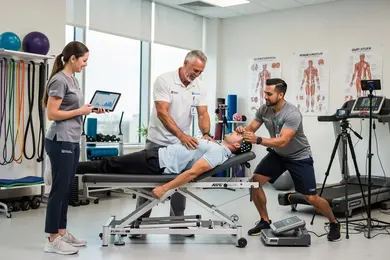
Fitness and rehabilitation jobs for kinesiology graduates also span clinical exercise physiologist roles in medical environments, where understanding anatomy and physiology is critical for developing patient-specific rehabilitation plans.
Employment growth in fitness trainers is significant, with a median annual wage of $46,180 reported by the U.S. Bureau of Labor Statistics in May 2024 and a projected 12% employment increase through 2034, but prospective trainers must often obtain additional certifications to meet employer and state mandates.
For example, combining kinesiology with behavioral strategies for corporate wellness introduces practical benefits like improved employee health and reduced absenteeism, though it requires layering credentials beyond the degree.
Similarly, targeting older adult populations necessitates therapeutic or gerontology certifications to align with employer expectations and client needs. Prospective students can explore specific educational pathways and credential combinations by reviewing exercise science degrees that integrate kinesiology fundamentals with occupational demands.
Such credential layering underscores strategic tradeoffs: graduates must balance the expense and time of certification against sector-specific wage and job security prospects to ensure an optimal return on educational investment.
How does a kinesiology degree prepare you for certified personal trainer roles?
Possessing a kinesiology degree provides a rigorous foundation in human anatomy, exercise physiology, biomechanics, and motor control, which directly informs the design of evidence-based, safe training programs.
This scientific grounding enables candidates to assess client health risks, personalize regimens for varied populations, and track progress methodically rather than relying on generic plans. For instance, a certified personal trainer working in rehabilitation settings can leverage kinesiology knowledge to adapt exercises appropriately for individuals recovering from musculoskeletal injuries, balancing progression with safety.
Skills gained from a kinesiology degree for personal training careers extend beyond theory, but employers expect additional certifications emphasizing practical skills and client communication. The healthcare integration of fitness services means certified personal trainers with kinesiology backgrounds often collaborate with physical therapists or physicians, bridging clinical recovery and fitness maintenance.
This cross-disciplinary fluency increases competitiveness, as the U.S. Bureau of Labor Statistics projects 11% job growth for exercise physiologists through 2034, with a median wage of $58,160.
However, kinesiology programs vary in practical experience and alignment with certification requirements. Graduates must supplement academic knowledge with accredited credentials recognized in the fitness industry to meet employer demands fully. Prospective students should evaluate curricula carefully, prioritizing hands-on training that complements certification steps to avoid workforce entry delays.
Applying kinesiology knowledge to certified personal trainer jobs requires this dual emphasis on science and applied client engagement. For those considering educational pivots, comparing kinesiology with alternatives like the easiest RN to BSN online pathways may reveal different time, cost, and skill tradeoffs worth weighing.
Which personal training certifications align best with a kinesiology background?
Aligning personal training certification choices with a kinesiology degree demands weighing immediate employability against specialized expertise. The Certified Strength and Conditioning Specialist (CSCS) credential from the National Strength and Conditioning Association addresses roles in sports and rehabilitation by demanding advanced knowledge of biomechanics and exercise physiology. This makes it particularly relevant for kinesiology graduates aiming for clinical or athletic environments.
For kinesiology personal training certification options geared toward commercial fitness or private clients, the National Academy of Sports Medicine's Certified Personal Trainer (NASM-CPT) and the American College of Sports Medicine Certified Personal Trainer (ACSM-CPT) offer practical pathways. ACSM's credential, notable for its medical screening rigor, suits those targeting clinical exercise or cardiac rehab roles, introducing health protocols not always emphasized in other programs.
A more clinically intensive route involves earning Board of Certification credentials as an athletic trainer-a pivot often necessary for kinesiology graduates eyeing athletic training careers. With a median salary of $60,250 and projected 14% job growth by 2034, this credential adds labor market security but requires substantial clinical education and state licensure navigation.
Deciding among these options means assessing hands-on requirements, licensing hurdles, and career focus, as these influence long-term employability and trajectory. Kinesiology graduates considering an MBA in healthcare might also strategically bridge clinical expertise and management roles in health and fitness sectors.
What are the main personal training roles you can target in clinical or rehab settings?
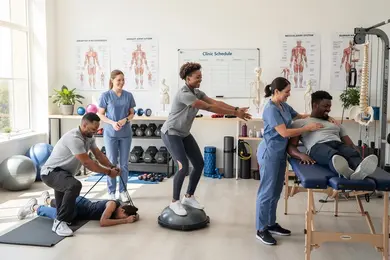
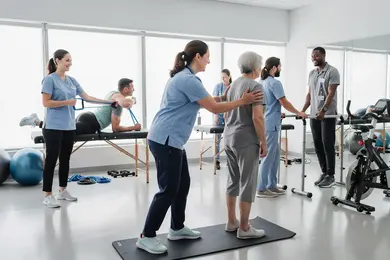
Positions in clinical rehabilitation settings for personal trainers demand precise integration of exercise science with medical protocols, often requiring specialized certifications beyond general fitness credentials. Rehabilitation specialists, for example, work closely with physical therapists during patient recovery phases to design strength and mobility programs tailored to post-surgical or injury rehabilitation, where precision directly impacts recovery outcomes.
Similarly, clinical exercise physiologists focus on managing chronic conditions like cardiovascular or metabolic diseases through adaptive, safe exercise prescriptions backed by detailed anatomical and pathological knowledge.
A kinesiology degree career in physical therapy training must prepare candidates for multidisciplinary collaboration, ongoing client assessment, and dynamic plan adjustments. Strength and conditioning specialists bridging sports performance and rehab roles exemplify this, especially when facilitating athletic return-to-play protocols.
According to Concordia University Chicago, these specialists earn between $68,089 and $98,564 annually, reflecting the premium on expertise that merges clinical and performance domains.
The trade-offs include navigating complex documentation for insurance reimbursement and balancing hands-on patient care with administrative duties. Clinical settings, such as hospitals and specialty clinics, generally offer higher remuneration than community gyms but also impose stricter regulatory and documentation demands.
Prospective students should consider these factors alongside pathways like the RN to BSN no prerequisites option when evaluating career pivots within health sciences.
How do salaries and earning potential compare across different personal training roles?
Personal training within kinesiology offers varied income trajectories shaped by employment context and client engagement strategies. Corporate wellness roles provide reliable salaries near $54,860 annually with benefits and steady hours, appealing to those prioritizing stability and manageable workloads.
A practical example is a trainer employed by a large firm's health program, who enjoys job security and predictable income but limited upside.
Conversely, independent trainers or those working in private gyms encounter income volatility. Earnings can range from under $30,000 entry-level to above $70,000 for effective client-builders. This path demands entrepreneurial agility, continual certifications, strong marketing, and client retention skills. Although potential earnings are higher, the lack of benefits and income fluctuations present substantive risks.
Specialized clinical and rehabilitation trainers occupy a middle ground, earning $50,000 to $65,000 annually, requiring advanced credentials and handling complex patient needs. These roles benefit from employer-provided insurance and clearly defined career progression but typically involve lower client volumes due to case complexity.
Key considerations for kinesiology graduates include weighing the tradeoffs between steady employment with benefits versus entrepreneurial freedom with income variability. Successful navigation of this field depends heavily on aligning professional development, client engagement tactics, and certification strategies to the chosen setting's demands.
What is the job outlook for kinesiology graduates entering personal training and fitness?
Graduates with a kinesiology background aiming for personal training or fitness careers face a market that rewards specialization over generalist roles. For instance, yoga and Pilates instructors earn hourly wages between $24 and $38, significantly outpacing standard group fitness trainers who make $15 to $25 per hour.
This wage gap underscores the value employers place on niche expertise and certifications beyond a basic degree.
Prospective professionals must weigh the time and cost of additional certifications against the income gains and job stability they confer. In high-cost urban centers, these specialized skills are sought by upscale studios and medical fitness clinics offering higher pay, but competition is also more intense.
Conversely, rural areas may offer fewer opportunities and reduced salary prospects, requiring flexibility in job settings and duties.
Operationally, kinesiology graduates should focus on developing hands-on skills that blend coaching with rehabilitative and wellness education, reflecting employers' demand for practitioners who deliver tailored movement therapies rather than generic sessions. Prioritizing continuing education, apprenticeships, and trending modalities can markedly improve career longevity and compensation.
What kinesiology coursework is most important for personal training career paths?
Exercise physiology, biomechanics, and motor learning courses collectively shape a kinesiology graduate's ability to design tailored, evidence-based training programs.
For example, a personal trainer leveraging metabolic and cardiovascular data to customize workouts will better manage client safety and effectiveness, especially in rehabilitation contexts where biomechanical precision reduces injury risk. Motor learning insights support client progress by enhancing skill acquisition strategies, relevant both for in-person coaching and the increasingly prevalent online or hybrid models.
Nutrition coursework adds a competitive edge by enabling trainers to incorporate dietary guidance that directly affects client outcomes, which is a practical advantage when independent contractors typically earn around $27 per hour and $58,000 annually, according to IDEA's 2025 industry analysis. This income contrasts with average gym salaries, emphasizing the importance of integrating diverse expertise to sustain a flexible, self-managed practice.
Specialized topics such as sport psychology and strength and conditioning serve niche markets; understanding motivation or periodized training can be decisive when working with athletes or clinical populations.
However, programs lacking practical labs or internships risk graduates entering the workforce underprepared for certification exams and hands-on client demands, potentially weakening early career prospects.
Students should critically assess kinesiology degrees for applied training components alongside core science content to ensure readiness for real-world challenges and employer expectations. The absence of such integration imposes a tangible tradeoff in employability and income potential.
How do online kinesiology programs compare with campus options for aspiring trainers?
Online kinesiology programs typically provide strong theoretical foundations but fall short in delivering essential hands-on training required for most fitness leadership and personal training roles.
Practical abilities such as physical assessments, biomechanics coaching, and intervention techniques demand supervised, in-person experience, which online programs rarely replicate with the necessary depth. For instance, over 57% of kinesiology graduates enter roles as program leaders, instructors, or coaches, where employers expect demonstrated applied skills and real-world client interaction.
Campus-based programs offer structured access to labs, internships, and direct mentorship-elements crucial for developing workplace-ready competencies. Students benefit from guided field practicums and collaboration with diverse populations, enabling real-time feedback and leadership skill development.
Conversely, online students often must secure their own placements, potentially delaying workforce entry and limiting exposure to high-quality, supervised experiences.
Students considering online kinesiology pathways should critically evaluate whether programs integrate local partnerships with fitness centers or rehabilitation clinics.
Without embedded practicums, graduates risk holding credentials that lack practical relevance, affecting early employability and progression. While online formats offer flexibility for working professionals, extended timelines may postpone access to competitive roles demanding both knowledge and applied skillsets.
In sum, online kinesiology programs serve as competent introductory platforms, but campus programs better align with employer expectations for practical expertise in sport and fitness leadership positions.
What accreditation and program quality indicators matter for kinesiology degrees in fitness?
Employers in fitness and rehabilitation increasingly prioritize kinesiology degrees that combine regional accreditation and specialized certification, reflecting real-world demands rather than theoretical knowledge alone.
Degrees recognized by bodies like the Commission on Accreditation of Allied Health Education Programs (CAAHEP) or the National Strength and Conditioning Association (NSCA) provide measurable value in hireability due to their emphasis on applied anatomy, physiology, and evidence-based training protocols.
Practical experience stands out as a decisive factor: programs offering hands-on practicum or internships directly impact a graduate's readiness to manage biometrics and health data in clinical or performance settings.
For example, a strength coach working in a sports medicine clinic must demonstrate both analytical skills and client interaction, which theoretical-only programs often fail to develop adequately.
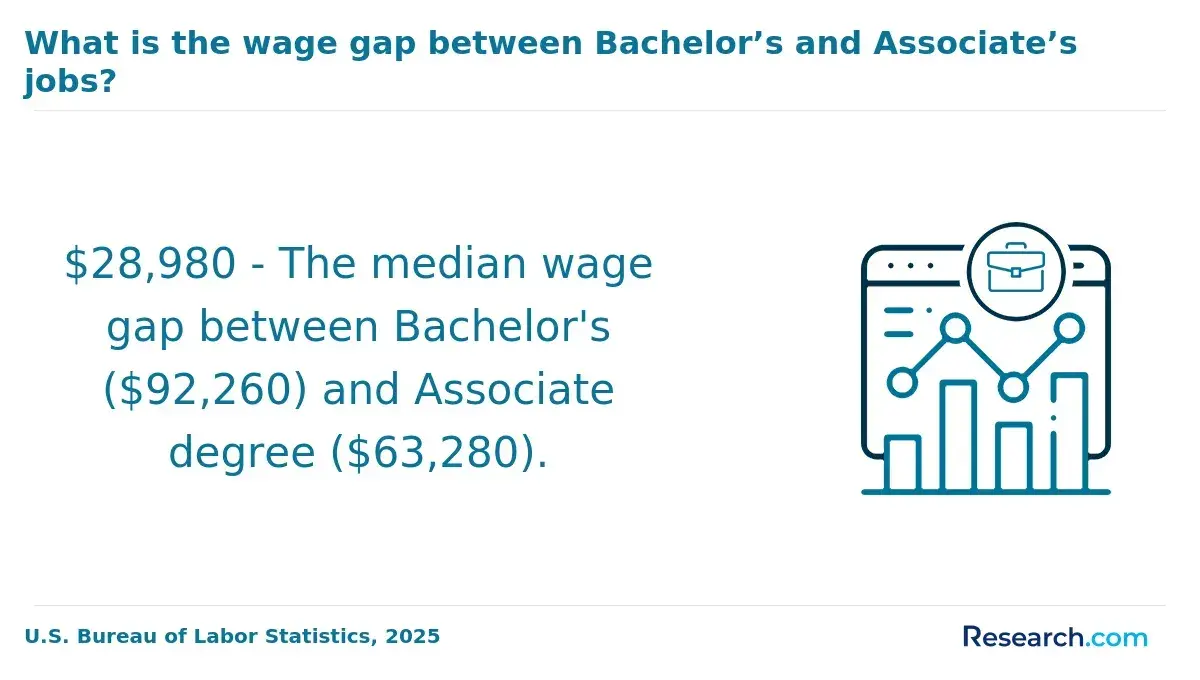
Length and faculty expertise also influence outcomes. Bachelor's degrees spanning 3-4 years, supported by instructors certified by entities such as the American College of Sports Medicine (ACSM), equip students for specialized roles, unlike shorter certificates or associate degrees that tend to limit career mobility.
Statistically, graduates from quality kinesiology programs earn a median salary of about $53,250, which surpasses the general U.S. median individual income-indicating that verified practical competence and recognized accreditation correlate strongly with higher earning potential.
How can you choose the best kinesiology program for your personal training goals?
Aligning a kinesiology program with explicit career objectives requires a nuanced assessment of curriculum depth, format flexibility, and financial investment. Programs emphasizing hands-on experience in exercise physiology, biomechanics, and client evaluation better meet employer demands for practical skill sets.
For instance, candidates aiming for clinical rehabilitation roles must prioritize programs offering internships or clinical partnerships to develop relevant competencies.
Cost differentials are substantial: median tuition for a four-year on-campus kinesiology degree approximates $50,000 total, with online formats reducing expenses by nearly $2,000 annually.
Students must weigh these savings against potential impacts on loan repayment and earning trajectories, given median kinesiology-related incomes exceeding $50,000 per year. Working professionals often benefit from online program flexibility, though they may encounter fewer networking opportunities critical for career growth.
Accreditation status and alignment with certification frameworks like NASM or ACSM significantly influence employability in competitive sectors. Programs that integrate these standards facilitate eligibility for respected credentials directly tied to personal training specialties.
Geographic considerations affect access to high-quality internships and employment pathways. Urban-proximate campuses typically enable stronger industry connections essential for job placement, whereas online programs with synchronous elements offer an alternative to balance cost and family commitments while maintaining student interaction.
Other Things You Should Know About Kinesiology
A kinesiology degree provides strong science and biomechanics knowledge but may be more intensive and time-consuming than necessary if your sole goal is independent personal training. Many employers and clients prioritize professional certifications and hands-on experience over an academic degree alone. If independence and speed to market are your priorities, prioritize certifications complemented by targeted kinesiology courses rather than a full degree, which is better suited for long-term career flexibility and clinical roles.
Employers often see kinesiology degrees as valuable for roles involving rehabilitation or specialized training but expect certified personal trainers to hold recognized credentials like NASM or ACE. A degree alone rarely replaces certification requirements, so plan to acquire at least one major personal training certification regardless of your kinesiology education. Combining a degree with certifications increases competitive advantage but also demands effective time management and financial investment.
Kinesiology degrees provide a broad foundation in human movement science but do not guarantee specialization in niches like sports performance, youth training, or corrective exercise without additional focused education or certifications. Students aiming for specific populations or high-level sports conditioning should plan to supplement their degree with niche workshops or certifications to meet employer and client expectations fully. Prioritize specialization early to avoid broad but shallow expertise that dilutes your marketability.
References
- Kinesiology/Personal Training - MSK Centre https://mskcentre.ca/treatments/kinesiology-personal-training/
- Personal Trainer Salary - What to Expect to Earn - TRAINFITNESS https://train.fitness/personal-trainer-blogs/personal-trainer-salary/amp
- The 15 Best Personal Trainer Jobs in 2026 (Expert Picks) - Create https://create.fit/best-personal-training-jobs/
- Careers in Kinesiology https://www.angelo.edu/career/career-exploration/majors/kinesiology.php
- How to choose a personal trainer in Toronto https://www.tokinesiology.ca/blog/how-to-choose-a-personal-trainer-in-toronto
- Exercise Sciences https://www.caahep.org/committees-on-accreditation/exercise-science
- NASM CPT Salary Guide | Personal Trainer Earnings & Career Outlook https://www.nasm.org/resource-center/cpt-salary
- 10 Essential Personal Fitness Trainer Courses for Your Career - Personal Trainer Certification, Nutrition Courses, Fitness Education https://www.nestacertified.com/10-essential-personal-fitness-trainer-courses-for-your-career/
- Online Bachelor of Science in Kinesiology https://calbaptist.edu/academics/programs/online-bachelor-of-science-kinesiology/
- Kinesiology vs Personal Training: Choosing the Right Path for Patients https://northvancouverphysio.ca/kinesiology-vs-personal-training-choosing-the-right-path-for-patients/