2027 Best Online Sports Psychology Degrees for Jobs

Co-Founder and Chief Data Scientist
Choosing the right online sports psychology degree can be daunting-especially when accreditation, curriculum rigor, and return on investment vary widely across programs. Many prospective students struggle to identify programs that not only meet industry standards but also offer practical experience and strong career support. According to the Bureau of Labor Statistics, enrollments in online psychology-related degrees grew by 25% through 2022, reflecting rising demand but also increased program variability. This article will analyze key factors such as accreditation, cost, career outcomes, and student support to help readers confidently select the best online sports psychology degree for their professional goals.
Key Things to Know About the Best Online Sports Psychology Degrees for Jobs
- Accreditation standards ensure programs meet professional criteria-regional accreditation and specialized psychology approvals correlate with stronger employer recognition and licensure eligibility.
- Curriculum rigor-comprehensive coursework blending theory, research methods, and applied interventions-equips graduates for diverse settings, improving job competitiveness in a growing $1.2 billion sports psychology market.
- Cost and return on investment vary widely; programs averaging $20,000 to $40,000 show median early-career salaries around $65,000, emphasizing careful financial planning for maximum career benefit.
What Is a Sports Psychology Degree, and What Can It Do for Your Career?
A sports psychology degree explores how psychological factors impact athletic performance, physical activity, and overall well-being in sports environments. Recognized bodies like the Association for Applied Sport Psychology (AASP) and accredited universities emphasize combining psychology and kinesiology principles to help athletes enhance mental resilience, motivation, focus, and recovery.
Key domains of learning in a sports psychology degree include:
- Foundational Knowledge: Core psychological theories, human development, and behavioral science relevant to sports and exercise.
- Theoretical Frameworks: Motivation models, stress management, and cognitive-behavioral techniques tailored to athletic settings.
- Applied Competencies: Mental skills training, performance enhancement methods, counseling, and sports-specific research practices.
This discipline differs from general psychology or physical therapy by focusing specifically on athlete mental health and performance instead of general mental health care or physical rehabilitation.
Academic credentials span multiple levels:
- Associate's Degrees: Provide foundational coursework for support roles or stepping stones to higher degrees.
- Bachelor's Degrees: For entry-level jobs, internships, and graduate program preparation.
- Master's Degrees: Required for clinical or consultant roles, emphasizing advanced psychology and applied sports practice.
- Doctoral Degrees: For licensed practice, research leadership, and university teaching, combining in-depth study and field experience.
The best online sports psychology degree programs for career advancement offer flexibility crucial for working adults balancing commitments like work or family. This guide helps prospective students evaluate programs based on accreditation, curriculum quality, cost, career outcomes, practical requirements, and support services. Those seeking career opportunities with an online sports psychology degree will benefit from data-driven insights that separate high-value programs from lower-quality alternatives. For students considering various options-it may also be helpful to explore nursing schools with high acceptance rates as a reference for accessible academic pathways in health-related fields.
How Do Online Sports Psychology Degree Programs Compare to Traditional Campus Programs?
Accredited online sports psychology degree programs increasingly match traditional campus offerings in curriculum quality. Most use identical syllabi covering essential topics such as motivation, performance enhancement, and mental health interventions, adhering to standards verified by bodies like the APA or CACREP.
However, research-intensive and highly specialized courses may still be more accessible in-person due to hands-on resources. These factors are vital for those seeking a healthcare administration degree or similar advanced programs, where curriculum depth correlates with career outcomes.
- Faculty Qualifications: Both online and campus programs employ faculty with doctoral degrees and professional experience in sports psychology. Top universities maintain faculty quality across modalities-online students benefit from video lectures and digital office hours but may have fewer spontaneous interactions than on-campus peers.
- Student-Faculty Interaction: Online programs foster engagement through synchronous sessions, discussion boards, and small-group meetings. Studies confirm that well-designed courses with low faculty-to-student ratios deliver comparable direct contact and feedback, despite differing dynamics from face-to-face settings.
- Peer Collaboration: On-campus programs encourage networking through in-person teamwork and social events. Quality online options use cohort models and virtual breakout rooms, though some students face isolation challenges. Innovations such as scheduled residencies and immersive virtual platforms continue to mitigate this gap.
- Clinical or Practicum Requirements: Campus-based students often secure local practicum placements integrated within the program. Online learners arrange supervised internships near their locations, sometimes supported by on-campus intensives to ensure skills practice. Accredited programs verify these placements meet state licensing standards but require additional coordination from students.
- Employer Perception: Employer acceptance of online sports psychology degrees has risen significantly-practical experience and program accreditation weigh more heavily than delivery mode. Surveys of hiring managers show little difference in career outcomes between online and on-campus sports psychology degrees.
- Structural Advantages of Online Delivery: Online programs offer genuine benefits for working adults, caregivers, military veterans, and remote learners by removing geographic barriers and providing scheduling flexibility without compromising educational quality.
Limitations and Institutional Responses: Documented constraints like reduced informal networking and challenges with hands-on training have prompted leading programs to implement mandatory residencies, cohort progressions, and virtual simulations to enhance learning and community building.
What Are the Accreditation Standards That Define a Reputable Online Sports Psychology Degree?
Accreditation serves as the cornerstone of quality assurance for online sports psychology degrees, ensuring programs meet rigorous educational standards that employers and graduate schools trust. Regional accreditors-such as the Higher Learning Commission (HLC), Middle States Commission on Higher Education (MSCHE), and Southern Association of Colleges and Schools Commission on Colleges (SACSCOC)-evaluate entire institutions, examining faculty expertise, curriculum strength, and student services. These accreditations generally carry the highest prestige.
National accreditors-like the Distance Education Accrediting Commission (DEAC)-often focus on career-oriented or online institutions and hold value, though they usually rank below regional bodies in recognition. In terms of programmatic accreditation, while no organization exclusively accredits sports psychology programs, the American Psychological Association (APA) endorses doctoral-level psychology programs and its recognition can influence licensure eligibility and employment opportunities, especially within broader psychology fields.
Choosing a program without proper accreditation risks serious setbacks. Graduates may find themselves ineligible for licensure, unable to transfer credits smoothly, or face skepticism from employers questioning the program's rigor and validity. To confirm accreditation, students should consult the U.S. Department of Education's Database of Accredited Postsecondary Institutions and Programs as well as the Council for Higher Education Accreditation (CHEA) directory, both offering updated, trustworthy listings.
Treating accreditation as a mandatory criterion-above cost or convenience-protects educational investment and supports professional goals in the competitive field of sports psychology.
A professional who recently completed an online sports psychology degree shared his experience: "Navigating the accreditation maze was overwhelming at first-I wasn't just looking for any online program but one recognized by reputable bodies. The process required patience and verification through official databases, but it gave me confidence that my degree would be respected. When struggling with doubts about whether the program's credentials would open doors, confirming legitimate accreditation was a relief that motivated me to push through the challenging coursework and demanding schedule."
Which Types of Sports Psychology Degrees Are Available Online-Bachelor's, Master's, or Doctoral?
IPEDS data show bachelor's sports psychology online degree programs have the largest enrollments and completion times near four years. Master's and doctoral sports psychology online programs enroll fewer students but have higher completion rates within their respective durations. Online formats-especially for working adults and veterans-boost accessibility and support.
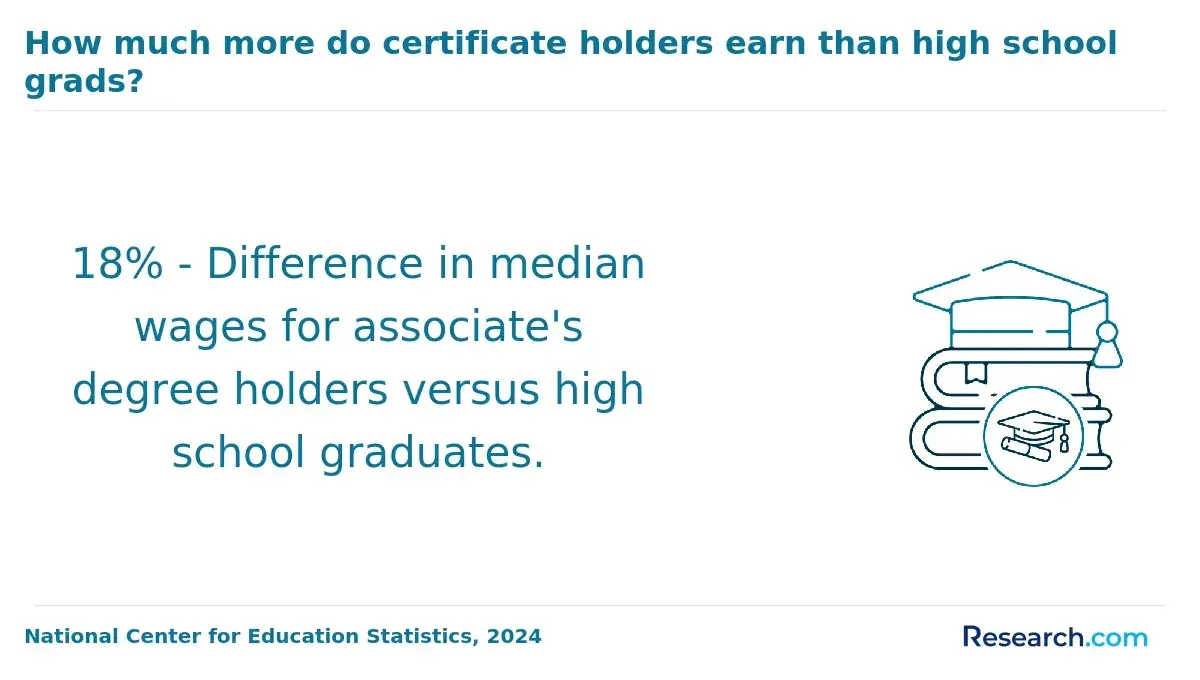
- Associate's Degrees: These two-year programs offer foundational psychology or human performance training with some sports psychology elements. Mainly suited for high school graduates or working adults, they provide an entry-level credential but rarely lead directly to clinical roles in sports psychology.
- Bachelor's Degrees and Completion Programs: Typically four-year programs, they focus on core psychological theories applied to sports settings. Bachelor's completion options serve working adults aiming to finish their degree efficiently with prior credits. Graduates usually qualify for assistant-level roles in coaching, athletic training, and sport wellness domains, earning median salaries consistent with these positions.
- Master's Degrees: Spanning 1.5 to 2 years, these programs enhance applied sports psychology skills, research proficiency, and counseling techniques. Admission often requires a bachelor's in psychology or related fields plus relevant experience. Graduates prepare for licensure as consultants or counselors and often see improved earnings and leadership opportunities.
- Doctoral Programs (PhD, PsyD): Lasting 4 to 6 years, these intensive programs emphasize research, clinical work, and advanced theory. Candidates usually have a master's or strong academic record. Graduates qualify for licensed psychologist roles, academia, and top consulting, with higher salaries and flexible career paths.
- Post-Baccalaureate Certificates: Designed for those with degrees in other disciplines, these stackable credentials offer focused sports psychology knowledge without committing to a full degree. Credits often transfer to higher degrees, enabling a stepwise educational progression.
Career prospects and salaries rise with degree level-from bachelor's graduates entering entry-level roles to doctoral degree holders securing licensed psychologist or consulting positions. Evaluating each program's accreditation, curriculum quality, costs, and practical experience requirements is crucial. Working adults also benefit from flexible pathways-like fast-track LPN programs online offer in other fields-that allow stacking certificates and degrees for career advancement.
What Is the Typical Cost of an Online Sports Psychology Degree, and How Can You Finance It?
Online sports psychology degrees vary significantly in cost depending on the institution. Public universities typically offer the most budget-friendly options: in-state students may pay between $5,000 and $15,000 for full bachelor's or master's programs, whereas out-of-state learners often face two to three times higher tuition. Private nonprofit schools usually charge between $20,000 and $40,000 or more, while for-profit schools can be similar or slightly above those figures but vary widely in accreditation and quality.
- Additional Fees: Beyond tuition, students should anticipate additional expenses such as technology fees that may run several hundred dollars per semester, as well as costs related to textbooks, software, and other necessary materials. Some curricula require brief on-site residencies or practicum experiences-which can add travel and lodging costs, depending on the program's design.
- Federal Financial Aid: Accredited online sports psychology students are eligible for several federal funding options through Federal Student Aid (FSA), including Pell Grants that do not require repayment, subsidized loans with deferred interest during study, unsubsidized loans that accrue interest immediately, and GI Bill benefits for veterans and qualifying dependents to cover tuition and fees.
- Scholarships: Numerous scholarships exist specifically targeting sports psychology students. These include awards from professional groups such as the Association for Applied Sport Psychology (AASP), grants linked to state workforce development programs addressing local labor needs, and merit-based scholarships from colleges recognizing academic or extracurricular excellence.
- Cost Calculation Tips: Instead of relying solely on per-credit prices, analyze the full program cost-including tuition, fees, and any travel-to obtain a realistic budget estimate.
Personalized cost estimators like the U.S. Department of Education's College Scorecard help prospective students project out-of-pocket expenses after financial aid, enabling comparison across different programs before enrollment decisions.
A seasoned professional who built her career following graduation from an online sports psychology degree recalled the financial uncertainties she navigated early on. "Initially, it felt overwhelming trying to piece together tuition, fees, and unexpected travel expenses," she shared. She emphasized how leveraging federal aid and targeted scholarships was crucial to managing costs, particularly given the program's residency requirements. Reflecting back, she advised prospective students to start financial planning early and to use every available resource to clarify total expenses-advice she offers regularly to newcomers. "Understanding the comprehensive cost upfront helped me focus on my studies and career goals without constant financial stress," she concluded, underscoring the importance of informed budgeting in pursuing an online sports psychology credential.
How Long Does It Take to Complete an Online Sports Psychology Degree Program?
Online sports psychology programs vary in length based on degree type: associate degrees usually require about 2 years full-time; bachelor's degrees generally take 4 years; master's programs often span 2 to 3 years; and doctoral degrees such as PhDs or PsyDs range widely from 4 to 7 years depending on dissertation and internship demands.
- Enrollment Status: Full-time students can complete programs more rapidly than part-time learners, who often balance studies with work or family, extending total time. Many schools offer flexible part-time and evening classes to accommodate working adults.
- Prior Learning and Transfer Credits: Students with previous accredited coursework, military training, or relevant professional experience may shorten their time to degree by transferring credits or applying prior learning assessments (PLA).
- Accelerated and Competency-Based Formats: Some online sports psychology programs provide accelerated tracks or continuous year-round enrollment, reducing delays between terms. Competency-based education allows learners to advance upon demonstrated mastery rather than fixed semesters, speeding progress for motivated students.
- Program Limits and Financial Aid: Institutions often impose minimum and maximum completion times-commonly up to 6 or 8 years. Exceeding these limits can impact financial aid eligibility due to satisfactory academic progress (SAP) rules and may require special approvals or academic plans.
- Average Completion Times: While advertised durations give a baseline, actual completion often takes longer. Many bachelor's degree students spend 4-5 years and master's candidates 3-4 years, especially part-time. Doctoral learners frequently exceed minimum timelines to fulfill research and clinical internship requirements.
Prospective students should weigh these factors alongside their personal responsibilities and career goals when estimating program length-seeking accelerated, transfer-credit-friendly, or competency-paced options can better align time-to-degree with individual needs.
What Core Curriculum and Coursework Should a Quality Online Sports Psychology Program Include?
High-quality online sports psychology programs align closely with accreditation standards set by leading bodies like the Association for Applied Sport Psychology (AASP) and the American Psychological Association (APA). Their curricula emphasize a coherent sequence of core courses-covering human physiology, sport and exercise psychology, motor learning and control, counseling techniques, and psychological assessment-that build essential theoretical and practical foundations.
- Curriculum Integration: Programs feature capstone projects or integrative seminars that connect research, theory, and applied case studies, enabling students to synthesize knowledge effectively.
- Competency Development: Graduates demonstrate expertise in mental skills training, motivation strategies, stress management, ethical decision-making, and cultural competence-skills directly transferable to client assessment, individualized intervention, and diverse communication in professional settings.
- Curriculum Currency: Leading programs maintain currency through regular industry advisory board reviews and documented curriculum update cycles, responding swiftly to emerging trends such as neurofeedback and virtual reality applications in sport psychology practice.
- Outcomes Transparency: Students should request sample course sequences, syllabi, and clear learning outcomes maps from programs to evaluate alignment with their career goals rather than relying solely on marketing materials.
- Practical Experience: Hands-on practicum or internship components are critical, providing applied learning opportunities across settings from collegiate athletics to private clinics.
The demand for sports psychology professionals is projected to grow nearly 15% over the next decade, reflecting increased recognition of mental wellbeing's impact on athletic performance and broader health domains. Selecting a program with a rigorous, up-to-date curriculum ensures graduates are prepared to meet this expanding employment landscape competently and confidently.
Which Online Sports Psychology Programs Offer the Best Return on Investment for Working Adults?
Working adults seeking the best return on investment (ROI) from online sports psychology degrees should prioritize programs that balance affordable tuition with strong career outcomes. Leading public universities often stand out due to competitive in-state tuition rates and expansive employer networks that facilitate rapid job placement. These programs consistently help graduates secure roles in athletic organizations, health services, or counseling, delivering tangible career advancement.
- Program Cost: Public institutions offering in-state reciprocity agreements significantly reduce expenses for non-resident students, improving ROI by lowering overall debt.
- Employment Outcomes: Top online sports psychology programs report high employment rates within six months post-graduation, reflecting their alignment with workforce demand.
- Median Earnings: Reviewing median salaries at six and ten years after enrollment reveals how quickly graduates achieve financial stability and career growth.
- Loan Default Rates: Low default rates indicate graduates are managing debt effectively thanks to stable, well-paying jobs enabled by their degrees.
- Employer Tuition Reimbursement: Many working professionals enhance ROI by utilizing employer-sponsored education benefits that decrease out-of-pocket costs and shorten loan repayment periods.
- Scholarship Opportunities: Competitive financial aid makes rigorous programs more accessible to diverse students, mitigating excessive borrowing.
- Curriculum and Accreditation: Accredited programs with comprehensive coursework and applied learning-such as internships or practicums-equip students with skills prized by employers.
Choosing among the best online sports psychology degrees for career advancement requires looking past generalized rankings. Instead, students should evaluate specific program data on employment rates, salary trajectories, and debt management to understand the long-term value of their investment. For those exploring related fields, programs offering solid outcomes like the masters in nutrition similarly emphasize ROI, demonstrating the benefits of data-driven program selection.
Top accredited online sports psychology programs for working professionals deliver measurable returns by combining affordable tuition, employer partnerships, and robust student support. By assessing these concrete outcomes alongside individual financial circumstances, prospective students can confidently choose programs that foster lasting career success.
What Admissions Requirements Do the Top Online Sports Psychology Programs Typically Require?
Admissions requirements for top online sports psychology programs vary significantly depending on the institution's selectivity and program level. Competitive graduate programs-especially those at research universities-enforce stricter admissions standards than open-enrollment community colleges or technical schools. This makes understanding these variations essential for applicants evaluating online sports psychology degree admissions criteria.
Generally, applicants to reputable graduate programs should anticipate these standard expectations:
- Minimum GPA: Most selective master's programs require a minimum undergraduate GPA around 3.0 on a 4.0 scale, with some preferring 3.3 or higher. Less competitive programs may accept lower GPAs or allow conditional admission based on other strengths.
- Standardized Tests: Many schools have adopted test-optional policies, reflecting recent trends in graduate admissions. However, some still require GRE scores or equivalent standardized tests, often with minimum percentile thresholds. Applicants should verify each program's current stance, as policies frequently change.
- Letters of Recommendation: Strong letters from academic or professional supervisors-usually two or three-are critical to demonstrate readiness for graduate-level work and potential success in sports psychology.
- Personal Statements: Prospective students need a clear, well-crafted statement outlining their interest in sports psychology, career goals, and alignment with the program's strengths.
- Professional or Related Experience: While not universally required, relevant work or volunteer experience in related fields such as athletics, coaching, or mental health can significantly enhance an application.
- Prerequisite Coursework:
- Applicants without a psychology or sports sciences background may have to complete foundational courses before or during the program, covering topics like introductory psychology, statistics, research methods, and kinesiology.
- This ensures all students have the basic knowledge essential for advanced studies.
Admissions criteria vary widely-from open-access community colleges offering associate degrees or certificates with minimal requirements to highly selective master's programs demanding strong academic and professional credentials. Prospective students should carefully review each program's admissions pages and connect directly with advisors because criteria such as test-optional policies and GPA minimums often shift from cycle to cycle. This approach helps candidates realistically assess where their credentials fit best.
Recent high school graduates and working adults seeking an online sports psychology degree admissions criteria should also compare programs considering accreditation, curriculum rigor, cost, and career outcomes. For those exploring various health-related pathways, options like ABSN programs online might offer complementary career routes worth investigating.
What Career Paths and Job Titles Are Available to Online Sports Psychology Degree Graduates?
Bachelor's degree holders in sports psychology often find entry-level roles focusing on mental skills support and athlete development. Positions like Performance Consultant typically involve working within sports clubs or rehabilitation centers to boost motivation, confidence, and focus. Similarly, Sports Coach or Trainer Assistant roles support coaching staff by enhancing athletes' psychological readiness at amateur or semi-professional levels. Another pathway includes Program Coordinator, overseeing youth or community sports programs that promote mental well-being and development.
- Performance Consultant: Applies mental training techniques to improve athletic focus and motivation in settings such as sports teams and fitness facilities.
- Sports Coach or Trainer Assistant: Supports coaches in preparing athletes mentally for performance and resilience-building activities.
- Program Coordinator: Manages community-based initiatives aimed at fostering psychological health in youth sports.
Advanced degrees or specialized certifications unlock a broader array of careers-especially in clinical, research, and leadership domains. Licensed Clinical Sports Psychologists assess and treat mental health challenges linked to sports performance and injury, requiring graduate-level education and licensure. Research Specialists conduct scientific studies on topics such as motivation and anxiety in sport, often employed by universities or government bodies. Sports Psychology Consultants collaborate with elite teams or athletes to design mental conditioning programs, while Leadership Roles include management positions at athletic departments or sports institutes, blending administration with psychological expertise.
- Clinical Sports Psychologist: Provides diagnosis and therapy related to athlete mental health, demanding master's or doctoral credentials plus licensure.
- Research Specialist: Investigates cognitive and emotional factors affecting athletic performance within academic or institutional research settings.
- Sports Psychology Consultant: Designs and implements mental training programs for professional athletes and teams.
- Leadership Roles: Oversees organizational strategy within sports performance entities, integrating psychological insights with managerial duties.
Sports psychology degrees also facilitate career transitions for professionals in areas like physical therapy, coaching, or education. By acquiring targeted certifications or additional training, these individuals can pivot into specialized sports psychology roles that leverage their prior experience. Over five to ten years, many progress from support roles to specialist or supervisory positions, with options to branch laterally into fields such as health psychology, athletic administration, or organizational behavior within sports. This spectrum of opportunities underscores the interdisciplinary, dynamic nature of careers anchored in sports psychology.
What Is the Salary Outlook for Professionals with an Online Sports Psychology Degree?
Median earnings rise notably with advanced qualifications-master's degree holders typically earn between $60,000 and $75,000 annually, while those with doctorates often surpass $90,000 due to specialized knowledge and leadership eligibility.
- Years of Experience: Entry-level positions usually start near $45,000 to $55,000 per year. With 5 to 10 years in the field, salaries can increase to $80,000 or more, especially for professionals in clinical or research roles.
- Industry Sector: Compensation varies by employment setting. Jobs in collegiate sports, private practice, and nonprofit organizations tend to offer moderate salaries, whereas roles in healthcare-related fields-including counseling and rehabilitation-often provide higher pay, averaging $75,000 to $85,000.
- Geographic Market: Salary levels depend heavily on location-urban areas and states with flourishing sports industries usually pay 10% to 25% above the national average, reflecting local demand and cost of living differences.
- Specialization: Earnings can be influenced by focus areas such as performance enhancement, injury rehabilitation, or mental health counseling. Professionals combining sports psychology expertise with clinical credentials typically command higher salaries, benefiting from expanded service options.
- Professional Certifications: Credentials like the Certified Mental Performance Consultant (CMPC) credential frequently lead to salary premiums. Graduates can pursue these certifications post-degree through coursework and supervised training, accelerating career advancement and financial growth.
- Forward-Looking Projections: The sports psychology job market is projected to grow about 8% over the next decade, which may foster steady salary increases. However, economic shifts and funding changes in sports programs can impact these prospects.
Since salary figures fluctuate with market trends and new research, prospective students and professionals should regularly consult updated official reports and salary surveys to ensure informed career decisions.
What Graduates Say About the Best Online Sports Psychology Degrees for Jobs
- Otis: "Choosing an online sports psychology degree with strong accreditation standards was crucial for me-knowing the program met rigorous criteria gave me confidence that my qualifications would be respected by employers. The curriculum was challenging but rewarding, pushing me to apply psychological theories directly to athletic performance. Plus, the balance between cost and return on investment made this degree accessible without sacrificing quality."
- Ronan: "Reflecting on my experience, the practical experience requirements were the highlight of the online sports psychology program I completed-they truly prepared me for real-world challenges. The career outcomes were clear, with many alumni securing positions in athletic organizations shortly after graduation. Student support infrastructure was also impressive-every step of the way, there was guidance and encouragement, which made a big difference during tough moments."
- Brooks: "From a professional standpoint, the curriculum rigor set this online sports psychology degree apart-it demanded analytical thinking and in-depth understanding beyond surface-level concepts. Coupled with excellent student support infrastructure, it created an environment conducive to serious learning. I also appreciated how the program was mindful of cost-delivering substantial value and strong career prospects without an overwhelming financial burden."
Other Things You Should Know About Sports Psychology Degrees
The top online sports psychology programs emphasize a blend of psychological theory and practical application. Graduates typically develop skills in mental performance enhancement, motivation techniques, emotional regulation, and athlete counseling. They also acquire competencies in research methods and ethical practice, preparing them to support athletes across various levels of competition.
Most accredited online sports psychology programs require students to complete internships or practicum experiences to gain hands-on skills. These placements are often arranged through partnerships with local sports organizations, clinics, or universities near the student's location. Programs provide guidance and supervision structures to ensure practical experiences meet the academic and professional standards of the discipline.
In 2027, leading online sports psychology programs integrate comprehensive curriculums with practical experiences like internships and practicums. They emphasize evidence-based techniques and offer industry connections for real-world applications, preparing graduates to meet current job market demands effectively.
Leading online sports psychology programs offer robust support services, including academic advising, career counseling, and technical assistance. Networking opportunities frequently include virtual events, mentorship programs, and access to professional associations in sports psychology. These services help online students build connections essential for career advancement in this specialized field.
References
- Online M.S. in Sport & Performance Psychology at UWS https://www.uws.edu/academics/programs/sport-performance-psychology/ms/
- Accreditation in Sport & Exercise Psychology - Setanta College https://www.setantacollege.com/accreditation-in-sport-exercise-psychology/
- Sport Psychology Jobs: Complete Salary Guide https://www.drpaulmccarthy.com/post/sport-psychology-jobs-complete-salary-guide
- Online Sports Psychology Degree Programs | Psychology.org https://www.psychology.org/online-degrees/sports-psychology/
- 20 Best Sports Psychology Online Masters Degree Programs - Sports Management Degree Guide https://www.sports-management-degrees.com/best-online-masters-sports-psychology/
- Best Accredited Sport Psychology Degrees and Programs https://www.psychologydegree411.com/degrees/sport-psychology/
- Top 8 Online Sports Psychology Degree Programs 2025 https://www.bestpsychologydegrees.com/top/online-sports-psychology-degree-programs/
- Sport and Exercise Psychology (Online) | Health Sciences University https://www.hsu.ac.uk/course/msc-sport-and-exercise-psychology-online/
- Springfield College https://catalog.springfield.edu/preview_program.php
- Is Sports Psychology the Career Path for You? https://www.verywellmind.com/careers-in-sports-psychology-2795657