2027 Women's Health Nurse Practitioner Degree Concentration Trends: Which Specializations Are Growing the Fastest

Co-Founder and Chief Data Scientist
Choosing a women's health nurse practitioner degree concentration can feel like navigating a complex maze, especially for a registered nurse weighing options such as reproductive endocrinology, adolescent health, or geriatric care. This decision carries substantial career implications, as some specializations face faster growth and greater employer demand.
For instance, a 2024 Bureau of Labor Statistics report highlights a 12% increase in demand for providers specializing in chronic gynecologic conditions, signaling a shift toward managing aging populations and complex health needs. Such data suggests that selecting a concentration aligned with emerging healthcare priorities can markedly influence both job stability and professional advancement.
This article examines current concentration trends within women's health nurse practitioner programs to help readers identify those with the strongest growth potential and best fit for long-term career goals.
Key Things to Know About Women's Health Nurse Practitioner Degree Concentration Trends and Fast-Growing Specializations
- Faster growth in subspecialties like reproductive endocrinology signals shifting provider needs, yet these areas often require additional certifications, potentially delaying workforce entry and increasing educational costs.
- Employers prioritize nurse practitioners with experience in integrated care models combining behavioral and women's health, emphasizing comprehensive skill sets beyond traditional women's health competencies.
- Newly developed programs focusing on telehealth and rural women's health reflect market demands but may limit immediate clinical exposure, affecting readiness for settings without telemedicine infrastructure.
- Key Things to Know About Women's Health Nurse Practitioner Degree Concentration Trends and Fast-Growing Specializations Key Things to Know About Women's Health Nurse Practitioner Degree Concentration Trends and Fast-Growing Specializations
- What Are the Most Popular Women's Health Nurse Practitioner Degree Concentrations Today? Popular Degree Concentrations
- Which Women's Health Nurse Practitioner Degree Specializations Are Growing the Fastest? Fastest Growing Specializations
- Why Are Certain Women's Health Nurse Practitioner Degree Concentrations Experiencing Rapid Growth? Reasons for Rapid Growth
- Which Industries Are Driving Demand for Fast-Growing Women's Health Nurse Practitioner Degree Specializations? Industries Driving Demand
- What Are the Highest-Paying Women's Health Nurse Practitioner Degree Concentrations? Highest-Paying Concentrations
- How Are Technology and Innovation Influencing Women's Health Nurse Practitioner Degree Specialization Trends? Tech and Innovation Impact
- What Career Opportunities Are Available in Fast-Growing Women's Health Nurse Practitioner Degree Concentrations? Career Paths in Growth Areas
- Which Online Women's Health Nurse Practitioner Degree Concentrations Are Seeing the Most Growth? Which Online Women's Health Nurse Practitioner Degree Concentrations Are Seeing the Most Growth?
- What Is the Future Outlook for Emerging Women's Health Nurse Practitioner Degree Specializations? What Is the Future Outlook for Emerging Women's Health Nurse Practitioner Degree Specializations?
- How Can You Choose the Right Women's Health Nurse Practitioner Degree Concentration Based on Your Career Goals? Choosing Your Degree Concentration
What Are the Most Popular Women's Health Nurse Practitioner Degree Concentrations Today?
Current trends in women's health nurse practitioner degree concentration reveal a clear shift toward integrated and technologically adept care models reflecting broader healthcare system demands.
Concentrations in reproductive and gynecologic health remain dominant largely due to established employer needs and steady patient volumes centered on prenatal, postnatal, and contraceptive services.
However, the growing prevalence of programs focusing on chronic disease management and mental health integration signals rising recognition of the complex, interdisciplinary realities practitioners face, especially as conditions like postpartum depression gain attention in clinical care frameworks.
The rapid increase in enrollment for behavioral health components within women's health NP degrees underscores employers' expectations for versatile clinicians able to bridge physical and mental health outcomes effectively. Additionally, the expansion of telehealth training by approximately 20% in institutional investments illustrates how evolving technology reshapes specialization appeal, especially for practitioners serving underserved or rural populations.
Prospective students should weigh these shifts carefully, as choosing a specialization heavily focused on traditional reproductive health may offer stable opportunities now, but those embracing mental health or telemedicine competencies could see broader employability aligned with emerging workforce needs.
For practical guidance on nursing program options aligned with such dynamic trends, exploring the cheapest ADN online programs can be a strategic step in planning educational pathways.
Which Women's Health Nurse Practitioner Degree Specializations Are Growing the Fastest?
Growth in certain women's health nurse practitioner degree concentrations is shaped less by popularity and more by shifting clinical demands and regulatory priorities. Specializations in reproductive endocrinology and infertility are expanding notably due to demographic changes like delayed childbearing and higher infertility rates, with the U.S. Bureau of Labor Statistics projecting a 15% employment growth in fertility-related advanced practice roles through the next decade-well above average for healthcare.
This signals stronger job prospects but also implies longer, more intensive training and specialized competencies, challenging students to weigh immediate employability against the rigor and duration of education.
Similarly, perinatal mental health is gaining traction as behavioral health integration becomes standard in obstetric care, driven by both evolving reimbursement models and rising provider demand. Such shifts encourage programs to build interdisciplinary skills but may restrict graduates to niche roles depending on how extensively mental health frameworks are incorporated institutionally.
These trends underline the tension between specialization depth and flexibility in nurse practitioner careers, with curricula evolving to reflect real-world complexities rather than generic morbidity.
Adolescent gynecology, while less volumetrically explosive, addresses increasing demand for targeted preventative care and youth-specific reproductive health services amid growing awareness of early intervention benefits. Unlike reproductive endocrinology, it often features a broader clinical scope with fewer additional certification barriers, offering practitioners wider applicability across care settings.
Prospective students should consider how these growth trajectories interact with program structure, employer expectations, and potential career adaptability. For example, a narrowly focused fertility track may limit geographic or practice setting options compared to adolescent gynecology's comprehensive approach. Understanding such tradeoffs is crucial when aligning specialization with long-term professional goals in a fragmented healthcare environment.
One graduate exploring these fast-growing specializations reflected on her decision process, initially attracted by the rapid job growth in infertility but concerned about the extended clinical hours and highly technical curriculum it entailed. Conversations with faculty emphasized the long-term value but also the limited crossover potential outside fertility clinics.
She contrasted this with adolescent gynecology, which offered a broader skillset and more generalizable clinical rotations, though with potentially slower market growth. Reviewing enrollment shifts and employer hiring patterns helped her cautiously lean toward adolescent gynecology, balancing immediate labor market trends against sustainable career versatility rather than opting purely on growth metrics or anecdotal enthusiasm.
Why Are Certain Women's Health Nurse Practitioner Degree Concentrations Experiencing Rapid Growth?
The surge in women's health nurse practitioner degree concentrations is driven primarily by shifting employer demands tied to demographic changes and healthcare delivery challenges. Healthcare systems facing a rise in chronic and reproductive health conditions increasingly seek practitioners with specialized training to manage complex patient needs autonomously, amplified by widespread regulatory reforms that grant greater scope of practice in many states.
For instance, rural clinics experiencing acute shortages of obstetrics and gynecology providers now rely heavily on nurse practitioners, highlighting how workforce gaps shape program growth and emphasizing the value of practical, location-specific skills over generalist credentials.
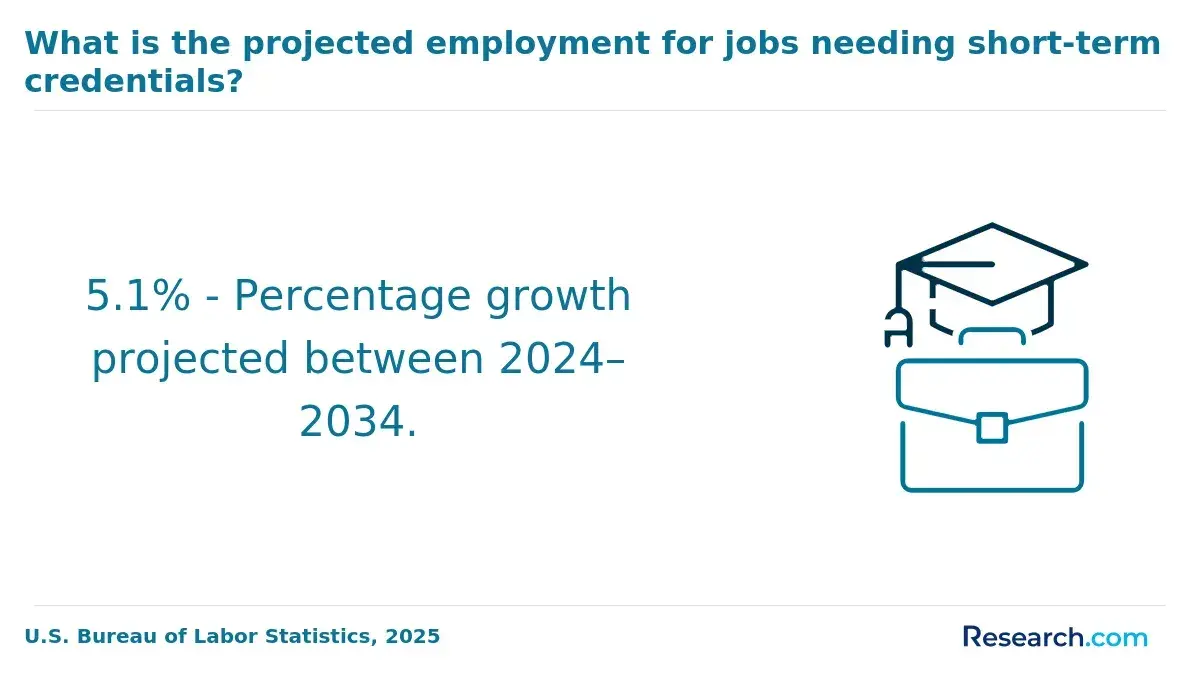
According to the U.S. Bureau of Labor Statistics (2024), nurse practitioner roles are expected to grow 28% in the next decade, but those with focused women's health expertise stand to benefit disproportionately due to these sector-specific pressures.
Technological integration also plays a critical role, as programs that incorporate telehealth and informatics prepare graduates for emerging practice models where remote care and data-driven clinical decisions are standard. This specialization requires balancing advanced technical competencies with clinical skills, which some students might find demanding but necessary to access higher-demand roles in underserved areas.
However, rapid expansion of these concentrations does not imply uniform suitability; students must consider the tradeoffs in clinical focus and workforce flexibility. Those prioritizing long-term adaptability should evaluate how evolving regulatory landscapes and employer expectations may influence curriculum design and the degree's relevance to diverse practice settings.
Which Industries Are Driving Demand for Fast-Growing Women's Health Nurse Practitioner Degree Specializations?
Industry demand, rather than academic trends alone, is the primary factor shaping growth in women's health nurse practitioner degree specializations. Healthcare sectors boosting women's health nurse practitioner specialization demand include outpatient clinics focused on reproductive health and preventive care, maternal-fetal medicine practices, and telehealth services expanding remote patient monitoring.
Regulatory changes enabling nurse practitioners to operate with more independence in many states also play a critical role, especially in rural and underserved areas where workforce shortages intensify the need for advanced women's health providers. Prospective students should consider these dynamics carefully, as specialization choices influence both the range of employer demand and the practical scope of practice they will navigate.
The Bureau of Labor Statistics projects a 52% growth in nurse practitioner employment from 2021 to 2031, reflecting broader employer demand trends for women's health nurse practitioner degree concentrations. This rapid expansion is driven largely by evolving business models emphasizing preventive care and virtual health platforms.
However, specialization in women's health nurse practitioner roles aligned with telehealth technology or reproductive endocrinology can vary greatly by region, meaning students must weigh local labor market realities against their professional goals. For instance, pursuing a focus in community health may offer more opportunities in underserved areas but often requires flexibility in clinical practice settings and additional skills in public health outreach.
Understanding the intersection of evolving healthcare industries and workforce shortages is essential when selecting a degree concentration. For students balancing academic and professional responsibilities, identifying degrees that emphasize practical skills relevant across multiple high-demand sectors can mitigate risk and enhance employability.
Those seeking a cost-effective pathway to nursing advancement might also explore the cheapest fastest RN to BSN online, which can provide foundational credentials supporting later specialization in women's health nurse practitioner roles.
What Are the Highest-Paying Women's Health Nurse Practitioner Degree Concentrations?
Specializations within Women's Health Nurse Practitioner degrees that demand advanced clinical expertise and management of complex patient populations typically yield higher earning potential. Concentrations such as reproductive endocrinology and maternal-fetal medicine involve not only specialized skills and certifications but also increased regulatory oversight and liability, driving employers to offer premium compensation to attract scarce qualified professionals.
A 2024 labor market analysis by the U.S. Bureau of Labor Statistics highlights that these roles reflect persistent workforce shortages and heightened demand for practitioners capable of managing high-risk or nuanced cases, signaling that wage increases in these areas are closely tied to skill scarcity and clinical complexity rather than general supply-and-demand.
However, pursuing these high-paying concentrations often entails tradeoffs, including heavier workloads, irregular hours, and the necessity for ongoing education to maintain certifications.
Emerging trends in telehealth and integrated care for chronic women's health conditions suggest evolving opportunities that might shift conventional earning patterns in the near future. Geographic location, employer type, and leadership opportunities also considerably influence income variability, reinforcing the importance of aligning specialization choices with long-term goals beyond raw salary figures.
One recent graduate described her decision-making process as a balancing act: while reproductive endocrinology attracted her with its promising salary and demand signals from employment reports, she also weighed menopause management due to its alignment with her previous clinical experience and the potential for sustained patient relationships.
Conversations with faculty and alumni emphasized that highest pay didn't always translate into better job satisfaction, leading her to cautiously prioritize a specialization offering a realistic blend of financial viability and manageable clinical responsibilities.
How Are Technology and Innovation Influencing Women's Health Nurse Practitioner Degree Specialization Trends?
Technology advancements in women's health nurse practitioner specializations are directly reshaping the demand for skills that extend well beyond traditional clinical competencies. With telemedicine and digital health platforms becoming routine components of care, specializations emphasizing remote monitoring and chronic condition management are experiencing notable enrollment growth.
For example, programs integrating AI-driven diagnostic tools have seen student interest rise by 15% over recent years, reflecting employer demand for practitioners who can harness data analytics for improved diagnostic accuracy and personalized treatment plans.
Innovation impact on women's health nurse practitioner degree trends also includes emerging subfields like genetic counseling supported by machine learning and reproductive health informatics. These shifts compel academic curricula to prioritize informatics literacy and the ability to navigate precision medicine frameworks alongside core clinical skills.
However, students must weigh tradeoffs such as uneven access to advanced digital tools across healthcare settings, which can affect how quickly these competencies translate into workplace advantages. When evaluating fast-growing programs, prospective students should consider how well technology integration aligns with employability outcomes and long-term career adaptability within evolving healthcare models.
Given these dynamics, balancing technology fluency with interpersonal skills and workflow management expertise is critical for nurse practitioners aiming to maintain relevance.
Those pursuing specialized master's degrees that incorporate digital health components may also explore related options, such as online PharmD programs, to understand interdisciplinary applications and career flexibility. Understanding these nuanced trends helps clarify which specializations offer practical benefits amid ongoing industry-wide transformations.
Employer Confidence in Online vs. In-Person Degree Skills, Global 2024

What Career Opportunities Are Available in Fast-Growing Women's Health Nurse Practitioner Degree Concentrations?
Concentrations in reproductive health, maternal-fetal medicine, and adolescent gynecology within women's health nurse practitioner programs increasingly define which skills align with employer demand, especially as healthcare systems pivot toward value-based, patient-centered models.
A 2024 report from the National Association of Nurse Practitioners in Women's Health projects employment growth of approximately 25% for WHNPs with advanced reproductive expertise, reflecting heightened focus on hormonal therapies, infertility, and chronic condition management.
This signals an industry shift prioritizing clinicians who can integrate complex care with technology-enabled approaches like telehealth, particularly in underserved or rural regions where specialist access remains limited.
Choosing a concentration not only affects immediate job prospects but also shapes pathways into leadership, policy advocacy, and interdisciplinary collaboration, with distinctions emerging between clinical practice and administrative roles. For instance, WHNPs specializing in gerontology might find broader opportunities in eldercare administration or outpatient clinic management, whereas others may be steered toward direct patient care or health equity research.
However, navigating geographic variability in scope of practice laws and employer requirements remains a critical consideration that influences both skill development and long-term adaptability. Prospective students should assess how each specialization's growth reflects evolving healthcare priorities and workforce trends to strategically position themselves for sustained professional relevance and influence.
Which Online Women's Health Nurse Practitioner Degree Concentrations Are Seeing the Most Growth?
Emerging online women's health nurse practitioner degree concentrations focused on reproductive endocrinology, menopause management, and adolescent gynecology reflect shifting employer priorities and demographic trends. Data from the Bureau of Labor Statistics and the American Association of Nurse Practitioners indicate enrollment growth exceeding 15% annually in these areas, driven by increasing demand for clinicians skilled in hormonal health and age-specific care.
For example, an aging female population has intensified the need for menopause-related expertise, while telehealth advancements allow practitioners to extend specialized services remotely, further enhancing these specializations' appeal.
The workforce now emphasizes not only clinical aptitude but also digital proficiency, with healthcare systems seeking nurse practitioners who combine subspecialty knowledge with telemedicine competence. This dual skill set is especially valued in pelvic health and endocrinology-focused roles, where job postings increasingly require telehealth experience.
However, prospective students should carefully consider the tradeoffs involved: specializing narrowly may boost immediate employability in targeted settings but could constrain flexibility in broader clinical environments. Generalized WHNP tracks tend to preserve versatility while still incorporating technology-oriented training, positioning graduates for a range of roles across evolving care models.
Ultimately, the fastest-growing concentrations signal larger shifts in women's health priorities and care delivery methods. Students must weigh these trends against their long-term academic and professional goals, understanding that concentrated expertise can enhance marketability yet may limit adaptability as healthcare demands evolve. Balancing specialized competencies with broader WHNP skills remains key to navigating both present opportunities and future uncertainties in this dynamic field.
What Is the Future Outlook for Emerging Women's Health Nurse Practitioner Degree Specializations?
Emerging women's health nurse practitioner degree specializations are poised for rapid growth, largely influenced by demographic shifts and regulatory expansions that enable broader practice authority. The U.S. Bureau of Labor Statistics projects a 40% growth in nurse practitioner roles by 2034, highlighting significant demand that favors specializations integrating reproductive endocrinology, menopause management, and mental health services tailored to women.
For example, nurse practitioners who can navigate both clinical care and telehealth platforms will better meet employer expectations as technology reshapes care delivery beyond traditional settings. This trajectory underscores a critical tradeoff: choosing specializations without clear market validation risks limiting job stability despite academic novelty.
Enrollment figures from 2024 confirm a trend toward interdisciplinary degree programs combining digital health competencies and women's health expertise, a response to workforce needs increasingly valuing versatility and tech proficiency. Students weighing the future career outlook for women's health nurse practitioner specializations must consider how adaptability to evolving clinical models and regulatory environments affects long-term viability.
Ultimately, specialties that embrace integrated care and telehealth technologies provide more robust employment prospects. Those evaluating advanced degrees may also benefit from examining related fields, such as online school psychology programs NASP-approved, which similarly emphasize interdisciplinary approaches and digital skill sets.
How Can You Choose the Right Women's Health Nurse Practitioner Degree Concentration Based on Your Career Goals?
Choosing the right women's health nurse practitioner degree concentration demands a pragmatic alignment of your specialization with both evolving workforce needs and your professional objectives. For instance, selecting a focus like reproductive endocrinology over a broader preventive care track can position a graduate for opportunities in high-demand, specialized clinical settings, yet may limit flexibility in community health roles.
Industry projections from the U.S. Bureau of Labor Statistics highlight a 25% growth rate for nurse practitioners specializing in women's health by 2034, underscoring strong hiring prospects but also signaling that some subfields, such as gynecologic oncology, are growing faster due to technology advances and demographic shifts.
Students must therefore weigh how their chosen concentration shapes skill development-whether toward advanced diagnostics and surgical assistance or patient counseling and health education-which ultimately impacts employability and career trajectory.
Many employers now prioritize certifications tied to emerging areas like telehealth, reflecting broader shifts in healthcare delivery models. A 2024 survey by the American Association of Nurse Practitioners found that 68% of healthcare facilities value such specialized credentials, affecting post-graduation opportunities.
For those considering long-term planning, including graduate education or leadership roles, selecting a concentration that matches both immediate workforce demand and future specialization pathways is essential. Comprehensive decisions also require evaluating whether program curriculums offer relevant practical training and align with your envisioned roles.
Prospective students may benefit from exploring options such as an online CAHIIM-accredited health information management degree to complement clinical expertise and enhance career versatility within women's health nursing.
References
- Women’s Health Nurse Practitioner (WHNP) https://nursinglicensemap.com/advanced-practice-nursing/nurse-practitioner/womens-health-nurse-practitioner-whnp/
- BSN to NP Programs Guide for 2025 - Nurse Practitioner Degrees https://npdegrees.org/degrees/bsn-to-np-programs/
- 7 Standout Women’s Health Nurse Practitioner Programs https://provider.thriveap.com/blog/7-standout-womens-health-nurse-practitioner-programs
- Online RN to MSN Women's Health Nurse Practitioner Programs https://www.rntomsn.org/programs/nurse-practitioner/womens-health/
- Nurses for a Healthier Tomorrow https://www.nursesource.org/womens.html
- Career Spotlight: Women's Health Nurse Practitioner https://credenzahealth.com/career-advice/career-spotlight-womens-health-nurse-practitioner
- Emerging Healthcare Trends: Innovations in Women’s Health | GHL Foundation https://ghlfoundation.org/emerging-healthcare-trends-innovations-in-womens-health/
- Are You Considering a Career as a Women’s Health Nurse Practitioner? https://www.aanp.org/news-feed/are-you-considering-a-career-as-a-womens-health-nurse-practitioner
- What Nursing Concentration Is Right for Me? | Maryville Nursing https://nursing.maryville.edu/blog/what-nursing-concentration-is-right-for-me
- How to Become a Women’s Health Nurse Practitioner https://www.allnursingschools.com/specialties/womens-health-nurse/
Other Things You Should Know About Women's Health Nurse Practitioner
While traditional women's health nurse practitioner specializations remain foundational and widely recognized, emerging areas such as perinatal mental health or menopausal care are growing faster due to shifting healthcare demands. Prospective students should prioritize concentrations aligned with evolving employer needs and population health trends, recognizing that emerging specializations may offer less established job markets but greater long-term growth potential.
Balancing immediate employability with future-proofing your career is crucial, especially if you can integrate emerging specializations as complementary skills rather than sole focuses.
Yes, many emerging specializations demand clinical practicum settings that might not be as readily available as those for traditional tracks, which can lengthen program duration or create scheduling challenges.
Students must assess whether their schools have partnerships providing relevant hands-on training in these niche areas. Selecting a program with robust clinical placement support in your specialization is essential to gain competencies that meet employer expectations without delaying graduation or adding significant out-of-pocket costs.
Employers increasingly value specialized credentials but remain cautious about niche concentrations not yet fully standardized or widely recognized. Holding an emerging specialization can differentiate candidates but might require supplementary training or certification to demonstrate competency.
It's advisable to target specializations backed by professional organizations and certifications, since these carry more weight in hiring decisions and influence salary negotiation and advancement opportunities.
In 2027, specializations such as reproductive endocrinology and menopause management are gaining traction. These areas are becoming increasingly important due to demographic shifts and heightened patient awareness of hormonal health, prompting more programs to incorporate these focused tracks.