2027 Online Kinesiology Degrees With Corporate Wellness Career Alignment

Co-Founder and Chief Data Scientist
Professionals seeking to transition into corporate wellness roles often confront a bottleneck: most kinesiology programs lack direct alignment with workplace health strategies, forcing candidates to bridge critical gaps independently.
This misalignment complicates timely career moves, especially as the U. S. Bureau of Labor Statistics anticipates a 12% growth in health promotion specialist roles through 2031, intensifying competition. Furthermore, a 2024 National Center for Education Statistics report shows a 15% rise in adult enrollment in online health sciences programs, underscoring demand for flexible pathways.
This article examines online kinesiology degrees tailored to corporate wellness careers, offering actionable guidance to navigate program selection and optimize career mobility.
Key Things You Should Know
- Online kinesiology degrees in 2026 offer cost savings up to 35% versus traditional programs but extend total credentialing time by 18% due to limited in-person practicum options, complicating employer verification.
- Employers in corporate wellness increasingly demand hybrid experiential skills; 62% of surveyed wellness directors rated hands-on assessment proficiency as critical, pressuring purely online kinesiology graduates to seek supplementary certifications.
- Workforce data from 2024 shows a 22% year-over-year growth in kinesiology roles tied directly to corporate wellness, yet credential inflation risks marginalizing entry-level online degree holders without clear industry-aligned specialization.
What are online kinesiology degrees?
Online kinesiology degree programs in the United States offer a pragmatic route for students targeting roles that interface human movement science with workplace health management.
The curriculum centers on biomechanics, physiology, and health sciences, but success in corporate wellness career paths with kinesiology degrees often depends on supplementary skills in management, data analysis, and behavior change methods. Employers seek candidates capable of designing and administering wellness initiatives that measurably reduce injury and enhance productivity in complex organizational settings.
Graduates typically fill positions focused on health promotion and injury prevention, with emerging demand in corporate wellness program management. For instance, medical and health services managers, including wellness directors, earn median salaries near $110,680, reflecting a robust 28% job growth projection over the decade. Such figures underscore the advantage of integrating kinesiology expertise with business acumen.
However, balancing rigorous exercise science coursework with remote study demands discipline and often requires local internships to gain practical experience. This hybrid model suits those prepared to embed kinesiology within multidisciplinary health frameworks prioritizing wellness outcomes beyond clinical or athletic contexts.
Prospective students comparing programs should also examine flexibility and industry alignment. Resources such as exercise science degrees online provide comparative data that can clarify program strengths relative to workforce trends.
Are online kinesiology degrees accredited?
Employers in corporate wellness increasingly require candidates holding accredited credentials due to verifiable standards that define knowledge and skills in this sector. An online kinesiology degree accreditation in the United States must come from recognized regional or national bodies approved by the U.S. Department of Education or the Council for Higher Education Accreditation.
Accreditation affects more than just academic rigor; it determines eligibility for clinical internships, certifications, and ultimately, job placement in fields like exercise physiology. For example, a mid-career professional shifting focus to corporate wellness will encounter obstacles if their chosen program lacks proper accreditation, limiting access to practical training essential for employer acceptance.
Labor market data reflect a 10% projected growth for exercise physiologists through 2033 with around 1,600 openings annually, demonstrating sustained demand for professionals with applied expertise. Accredited online kinesiology programs often incorporate hybrid models that meld remote coursework with necessary hands-on clinical experiences, meeting employer expectations for both theoretical and practical skills.
Students must confirm clear accreditation status and practicum options to avoid credit recognition issues or stalled certification paths, which impact both employability and wage progression.
Choosing accredited online kinesiology programs for corporate wellness careers requires weighing institutional credentials against practical outcomes and career goals. This ensures a credible degree recognized by employers and credentialing boards. For those weighing advanced directions, exploring structured options like an online PhD in healthcare management may provide expanded leadership roles beyond clinical application.
How do online and campus kinesiology programs compare?
Choosing between online kinesiology degree programs vs campus options fundamentally alters not only the cost but also the scope of hands-on experience critical to certain roles. Campus programs typically embed students in lab work, in-person mentorship, and immediate access to clinical settings, aligning closely with employer expectations in clinical or performance-based corporate wellness positions.
Online kinesiology degree programs offer substantial financial advantages, often reducing tuition costs by around $2,000 annually compared to median on-campus rates near $50,000 total, which can be pivotal for working adults.
However, this format demands proactive planning to secure local internships or fieldwork, a logistic hurdle for those lacking industry contacts. These programs benefit students balancing job or family commitments through asynchronous coursework but require disciplined time management to satisfy dispersed practicum components.
Employers in corporate wellness value verifiable practical skills often gained more directly through campus settings, making hands-on experience a key differentiator. For example, an employee transitioning into wellness program design might complete theory-heavy online courses while leveraging employer initiatives for applied experience, illustrating one successful integration of online education and workplace practice.
Both pathways mandate that students meet accreditation and experiential standards to remain competitive. Prospective students can also consider complementary credentialing such as a healthcare administration degree for broader career growth.
Addressing practicum logistics early is essential, particularly for those pursuing online kinesiology education for career growth, to ensure alignment with hiring requirements in health promotion and rehabilitation sectors.
What courses are in an online kinesiology degree?
Online kinesiology degree curriculum aligns core scientific knowledge with applied health strategies, yet its design demands careful evaluation for practical career entry.
Courses such as Exercise Physiology and Biomechanics establish a basis in human movement science essential for roles in rehabilitation or athletic performance, though their technical depth can exceed immediate corporate wellness needs. Anatomy and Physiology deepen understanding of bodily systems crucial for targeting musculoskeletal health and injury prevention in workplace settings.
Corporate wellness career courses in kinesiology often extend beyond theory, incorporating Nutrition, Health Education, Behavioral Health, and Psychology to equip students with motivational skills and data analysis capabilities using Research Methods and Statistics. This multidisciplinary blend is necessary to manage sustained employee wellness programs, where evidence-based adjustments and real-world internships translate curriculum to workforce competence.
Graduates targeting corporate wellness coordinator roles should weigh the tradeoff between starting salaries around $40,000 and growth potential against the intensity and scope of such programs. These positions require balancing scientific rigor with interpersonal program management, a combination not always reflected in entry-level job descriptions.
For individuals comparing educational options, parallel consideration of accelerated alternate pathways may be prudent, such as exploring 12-month accelerated nursing programs online, especially when rapid credentialing aligns better with immediate healthcare employer demands.
What admission requirements do kinesiology programs have?
Admission to kinesiology programs hinges on navigating varying academic prerequisites that directly influence career trajectories. Typically, applicants need a high school diploma with GPA requirements ranging from 2.5 to 3.0, alongside coursework in biology, chemistry, and math, which underpins advanced study in anatomy and biomechanics.
The decision to apply to a program with stringent admissions standards versus a more flexible one often determines how much supplemental self-study or certification a student must undertake.
For example, a personal trainer aiming to transition into corporate wellness, a sector with a median salary near $60,000, must weigh how existing professional certifications align with program prerequisites and timelines. Online kinesiology degrees catering to such professionals often require verification of prior college-level science coursework and documented fitness or coaching experience.
Admissions processes also frequently involve immunization proof, background checks, and placement testing to ensure clinical readiness or internship eligibility. Letters of recommendation and personal statements serve as critical evaluation tools, reflecting motivation and career fit more than raw academic metrics.
Key considerations include:
- Balancing program rigor with flexibility to match career goals and existing credentials
- Assessing the impact of test-optional policies on admissions accessibility
- Managing documentation timelines to avoid delayed program entry
Early engagement with admissions advisors is essential to clarify these requirements, as they directly affect enrollment feasibility and time to degree completion.
How long does an online kinesiology degree take?
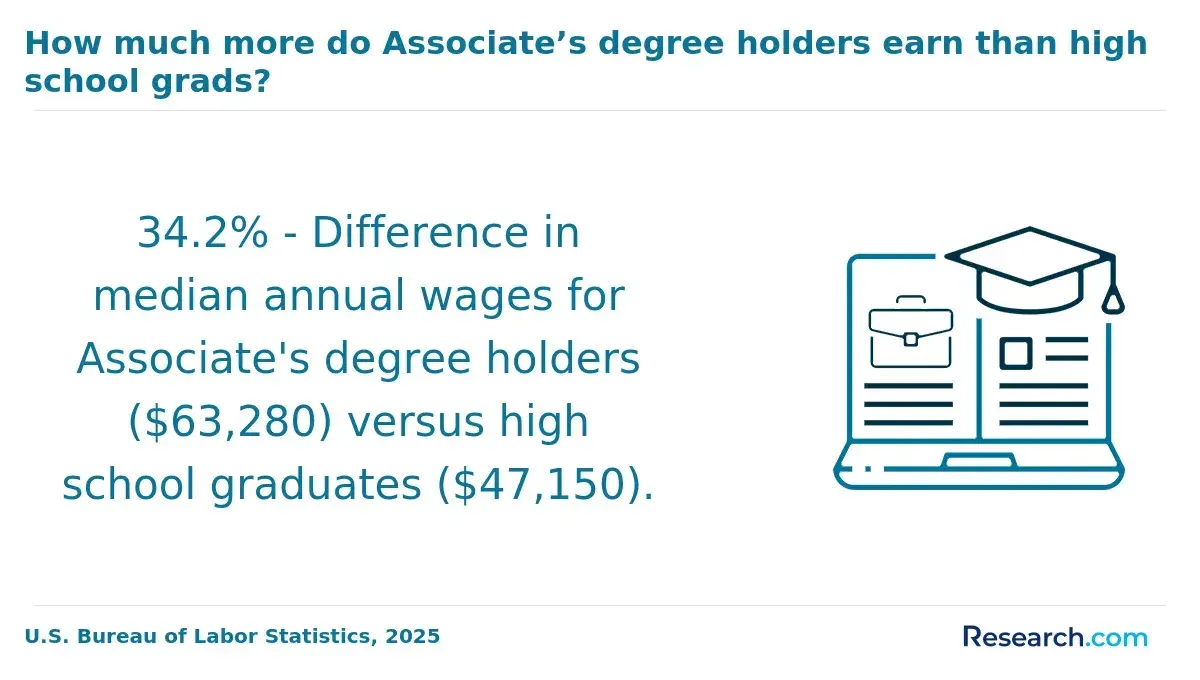
Choosing an online kinesiology degree involves balancing the time commitment with career objectives and practical experience. Associate programs typically require around two years and cater to entry-level or support positions within corporate wellness. However, the bachelor's degree, spanning about four years full-time, is the baseline for roles demanding broader expertise and leadership potential in wellness environments.
Part-time and accelerated study options impact this timeline, but many working professionals find themselves stretched over three to five years to juggle employment and education. This extension often correlates with better employer preference for candidates who combine academic credentials with hands-on experience, such as internships and certifications embedded in some programs.
Employment growth rates vary within related fields, exercise physiologists at roughly 6% and health services managers at 28% over the decade, indicating a premium on management capabilities and practical knowledge. Candidates targeting strategic roles must often pursue certifications or graduate education beyond the bachelor's degree to remain competitive.
For example, a full-time student without employment might finish a bachelor's in four years but miss practical exposure preferred by employers, while part-time working students may take longer yet gain valuable applied experience during program completion. This tradeoff strongly influences both initial employment opportunities and longer-term advancement potential.
How much do online kinesiology degrees cost?
Choosing an online kinesiology bachelor's degree can reduce annual tuition costs by roughly $2,000 compared to on-campus programs, offering a tangible financial advantage for professionals balancing jobs and education.
For instance, a health administration worker pursuing corporate wellness roles can reallocate savings toward certifications or technology skills essential for this niche, rather than higher campus fees or relocation.
Typical online program tuition falls between $8,000 and $15,000 per year, while on-campus alternatives range from $10,000 to $17,000. These estimates exclude additional expenses such as textbooks, exams, and possible in-person clinical practicums, which may add hundreds annually. The reduced tuition often appeals to employers valuing budget-conscious candidates who also demonstrate commitment through relevant corporate wellness credentials.
When weighing enrollment options, spreading coursework part-time can lower immediate costs but may extend time to workforce entry. Prospective students should also evaluate available scholarships and employer tuition reimbursement programs that influence net financial burden. These factors directly affect debt levels and career mobility in wellness-related sectors.
What jobs can you get with a kinesiology degree?
Holding a kinesiology degree opens pathways primarily in healthcare and workplace wellness, but the specificity of your focus critically shapes outcomes.
For instance, a corporate wellness manager responsible for crafting workplace health initiatives will encounter distinct duties, program design, compliance monitoring, and employee engagement, compared to a rehabilitation specialist centered on patient recovery and movement therapies. Understanding these differences directly influences where salaries fall and which skills are valued.
Entry-level roles such as exercise physiologists or physical therapy aides typically earn between $50,000 and $70,000 annually. However, positions entwined with government health projects or corporate wellness leadership can exceed $80,000, reflecting both specialized expertise and demonstrated program impact.
Employers target candidates who combine relevant certifications with applied experience; internships or measurable outcomes from wellness programs can be decisive. Growth hinges on leadership in integrating evidence-based practices, a strong grasp of behavior change theories, and competence in data analytics supporting health promotion.
Decision-making around kinesiology education should prioritize curriculum alignment with intended career sectors, be it rehabilitation, fitness management, or public health, and include practical experience. This focus limits the risk of becoming a generalist and positions graduates for measurable value in competitive employment markets.
How do kinesiology careers align with corporate wellness jobs?
Career paths linking kinesiology with corporate wellness emphasize applying biomechanical and health science knowledge to workplace injury prevention and fitness optimization. Unlike general fitness roles, these positions require meaningful expertise in exercise physiology, rehabilitation, and health behavior, often focused on mitigating musculoskeletal risks for sedentary employees.
For instance, a kinesiology graduate designing targeted wellness programs for office workers leverages data-driven assessments to reduce injury rates and lower employer healthcare expenses.
Labor market data highlights stable demand for such hybrid roles, with anticipated job growth between 10-15% in exercise physiology and athletic training fields, according to Bureau of Labor Statistics figures aggregated by Concordia University Chicago (2024). This employment trajectory favors candidates blending kinesiology coursework with applied biomechanics and occupational health competencies.
Students should weigh program emphases carefully: degrees concentrated heavily on sports performance may restrict transition into corporate wellness contexts. Credentialing beyond the degree, such as certification in ergonomics or workplace health, is typically necessary to satisfy employer expectations and regulatory standards.
Employers prioritize professionals who can implement evidence-based wellness initiatives that demonstrably improve productivity and reduce absenteeism. Navigating these evolving job requirements calls for a strategic educational approach targeting practical skill acquisition alongside core kinesiology fundamentals.
What certifications help with corporate wellness careers?
Corporate wellness credentials such as Certified Corporate Wellness Specialist (CCWS) and Certified Health Education Specialist (CHES) are directly aligned with workforce wellness roles that demand practical skills in program design and employee engagement. These certifications serve as foundational qualifications preferred by employers who expect measurable outcomes and data-driven strategies in population health management.
For those targeting leadership or specialized roles, certifications like Certified Professional in Healthcare Quality (CPHQ) and Certified Wellness Practitioner (CWP) provide advanced capabilities in quality improvement and behavior change, which are integral to managing complex corporate health initiatives.
Choosing certification paths requires balancing immediate employability against longer-term career mobility. For example, a Certified Occupational Health Specialist (COHS) credential integrates safety protocols with wellness, a valuable differentiation in physically demanding industries but may involve higher costs and renewal efforts.
Complementary certifications in nutrition, exercise science, and mental health first aid broaden expertise beyond kinesiology fundamentals and prepare professionals for multifaceted employee health challenges.
Employment projections for roles such as medical and health services manager show strong growth and attractive median salaries, reflecting employers' preference for candidates who combine wellness knowledge with managerial skills. Candidates should critically assess certification costs, renewal frequency, and program focus areas to ensure alignment with targeted roles emphasizing population health analytics and measurable program outcomes.
Other Things You Should Know About Kinesiology
Programs with structured internships or practical placements significantly improve readiness for corporate wellness roles by providing exposure to real-world client interactions and workplace dynamics. Candidates from programs lacking these elements may face longer learning curves and weaker employer confidence despite theoretical knowledge. Prioritizing courses that integrate experiential learning aligns better with employer expectations for applied skills in wellness program development and employee engagement.
Online kinesiology programs often demand balancing asynchronous coursework, extensive reading, and project assignments with professional or personal commitments. Students targeting corporate wellness roles should verify the program's pacing and support systems because heavy workloads without clear time management resources can delay graduation and reduce learning effectiveness. Selecting programs with structured timelines and accessible faculty feedback helps mitigate risks of burnout and skill gaps.
In 2027, students aiming for a career in corporate wellness through an online kinesiology degree should prioritize programs that offer internships or practical experience. This hands-on exposure is highly beneficial as it enhances real-world skills, strengthens resumes, and increases employability, bridging the gap between theoretical knowledge and practical application.
A bachelor's degree in kinesiology is a valid entry point into corporate wellness, but upward mobility often requires additional credentials, specialized certifications, or graduate education focused on health promotion, business, or program management. Candidates should evaluate their career goals carefully; if advancement into leadership or strategic roles is expected, supplementing the degree with management or wellness-specific training becomes necessary. Without this, progression may stall at practitioner or coordinator levels despite solid kinesiology knowledge.
References
- American Kinesiology Association | Careers in Kinesiology https://americankinesiology.org/careers-in-kinesiology/
- What Does a Corporate Wellness Specialist Do? https://blog.nasm.org/what-does-a-corporate-wellness-specialist-do
- Certified Corporate Wellness Specialist® (CCWS) https://www.corporatewellnesscertification.com/
- The Gold-Standard Wellness Certification https://www.wellnessalliance.org/cwp-certification/the-gold-standard-wellness-certification
- Wellness https://www.lincolnu.edu/school-of-education/undergraduate-programs/wellness-non-teaching.html
- Online Bachelor’s in Kinesiology and Exercise Science Programs https://teach.com/online-ed/healthcare-degrees/online-bachelors-kinesiology-exercise-science/
- Online Kinesiology Degree Programs: Review Top Schools https://www.edumed.org/online-schools/kinesiology-degrees/
- Corporate Wellness Jobs Explained: Roles, Hiring Models & Remote Work https://www.joinwellsphere.com/blog/corporate-wellness-jobs-explained-roles-hiring-models-remote-work
- Master of Science in Exercise Science and Integrated Wellness – Online https://bastyr.edu/programs/master-science-exercise-science-and-integrated-wellness-online