2027 Hospitality and Tourism vs. Business Development for a Business Administration BS: Which Fits?
Audited and Verified:
Our Editorial and Data Verification Process
Research.com uses government datasets, official education statistics and primary institutional information to support its career and degree guides. Our review process checks factual accuracy, occupational definitions, source dates and the requirements associated with the credentials discussed.
How This Article Was Fact-Checked
Our editorial team verifies salary estimates, employment projections, education requirements and program information against original data providers and official organizations. Salary figures are checked against the relevant occupational definitions and reporting periods. Information about licensure, accreditation and required in-person training is reviewed separately.
Fact-checked and verified on:

Co-Founder and Chief Data Scientist
Choosing between hospitality and tourism and business development changes where you will apply a Business Administration BS - not necessarily the business foundation you will study. One path emphasizes service operations and visitor experiences; the other emphasizes finding customers and growing organizational relationships.
If you are an early-career student, a transfer student, or a career changer, the distinction matters when choosing electives, internships, and a first job. This comparison explains what each concentration teaches, where graduates can realistically start, and what to verify before committing time and money.
Key Things You Should Know
- Choose hospitality and tourism if you want to work with guests, events, destinations, or service operations; choose business development if you prefer prospecting, partnerships, sales processes, and growth strategy.
- Neither concentration makes a new graduate a manager. Relevant work experience, internships, and evidence of customer-facing or analytical skills matter alongside the BS.
- For context, the U.S. Bureau of Labor Statistics reports a May 2025 median annual wage of $61,160 for meeting and event planners. That occupation-wide figure is not a starting salary for hospitality graduates.
What Are Hospitality and Tourism and Business Development Concentrations?
A concentration is an officially defined group of courses within a degree, not a separate degree or professional license. Schools may use different names or offer one subject only as electives, so confirm what will appear on your academic record.
Hospitality and tourism applies business principles to hotels, events, attractions, travel services, and destinations. Its central concern is delivering a consistent experience while managing staffing, capacity, costs, and service quality. Business development focuses on identifying growth opportunities, evaluating potential customers or partners, and helping an organization turn relationships into revenue. Depending on the employer, that work may overlap with sales, marketing, or account management, but those functions are not identical.
Neither path is the best choice for every people-oriented job. If your goal is recruiting or employee relations rather than guest service or customer acquisition, consider choosing a degree in human resources instead.
How Do Hospitality and Tourism and Business Development Compare in a Business Administration BS?
The most useful comparison is the work you want to practice, not which concentration sounds broader. This table shows the typical emphasis of each path; the courses and opportunities at a particular school may differ.
| Decision factor | Hospitality and tourism | Business development |
| Primary problem | Deliver a reliable guest or visitor experience within operating constraints | Identify, qualify, and develop customers, markets, or partnerships |
| Common work setting | Hotels, venues, attractions, destination organizations, or travel businesses | Organizations that sell products or services, often across multiple industries |
| Useful evidence of skill | Service recovery, event coordination, scheduling, or guest-experience projects | Market research, prospect analysis, proposals, or customer-relationship work |
| Potential trade-off | Direct industry preparation, with schedules that may include peak periods | More industry portability, with possible sales targets and variable compensation |
A hospitality student can pursue partnerships or group sales, while a business development student can work for a hotel or travel company. If your goal is specifically purchasing, distribution, or logistics rather than either customer experience or revenue growth, a supply chain degree cost and duration comparison may point toward a better-aligned program.
Which Careers Can You Pursue in Hospitality and Tourism or Business Development?
For a first professional role, look for responsibilities you can demonstrate - not a management title. Hospitality graduates might pursue event coordinator, hotel operations coordinator, guest services supervisor-in-training, or destination marketing assistant positions. Business development graduates might pursue sales development representative, partnerships coordinator, account coordinator, or business development associate roles. Titles and requirements vary widely by employer.
Hospitality employers may value experience handling guests, reservations, vendors, and time-sensitive problems. Business development employers may look for research, professional outreach, presentation, spreadsheet, and customer relationship management skills. An internship or relevant job can help you test those demands before graduating. If you prefer coordinating deliverables and timelines to winning customers, compare project-focused training and its project management fees books and aid considerations before pursuing another credential.
Moving into hotel general management, sales management, or a major partnership role usually requires a record of results and increasing responsibility. A concentration provides preparation, not automatic qualification for those jobs.
Both paths may sit on a core of accounting, finance, marketing, operations, management, statistics, and business communication. The difference is what you study and practice beyond that core. A hospitality and tourism concentration may include lodging or event operations, tourism marketing, service management, revenue management, and destination planning. Business development coursework may include professional selling, market research, negotiation, customer relationship management, and strategic partnerships.
Read course descriptions and assignment examples rather than relying on concentration names. A useful hospitality project might assess an event's staffing and guest flow; a useful business development project might define a target market and draft a defensible outreach plan. Neither classroom project proves an employer achieved a business result. If your main goal is supervising teams rather than developing customers, examine the curriculum of leadership bachelor's degrees with accelerated pacing as a distinct option.
Online delivery can reduce commuting, but it does not make a concentration self-paced. Business development students may still need live presentations or group prospecting exercises. Hospitality students may need access to a venue, event, or service workplace for applied assignments. Campus programs may make local employer introductions easier, while online programs can be practical for students already working in the industry.
Before enrolling, ask whether required courses have live attendance, proctored exams, fixed group meetings, internships, or campus visits. Also check whether every concentration course is offered online and often enough to support your planned graduation date. Compare those obligations - not just advertised completion speed - when reviewing accelerated online bachelor's programs.
Requirements depend on the institution and whether you apply as a first-year or transfer student. Schools commonly request prior transcripts and evidence that you meet their general undergraduate admission standards; entry into the business major or a concentration may have separate rules. Some programs require particular mathematics, accounting, economics, or business courses before advanced study.
If you have college credit, request an official evaluation that separates credits accepted from credits that satisfy the business core and your chosen concentration. Ask an adviser whether changing concentrations would leave previous courses as electives. Admission, credit applicability, and federal aid eligibility are different decisions; if financing affects where you apply, review affordable accredited business administration programs accepting FAFSA and confirm each school's current policies directly.
A traditional bachelor's path is commonly planned across four academic years, but your remaining time depends on applicable transfer credits, prerequisites, course availability, and enrollment pace. The two concentrations may take the same number of credits - or one may add requirements that delay completion. Do not assume that an accepted transfer course fulfills a required concentration course.
Compare total cost to finish rather than tuition rates alone. Include required fees, books or software, travel or internship expenses, and the income you might give up to attend. Request a degree audit and a term-by-term course plan before you compare cost-to-finish for shorter business administration programs; a shorter advertised schedule does not establish a lower personal cost.
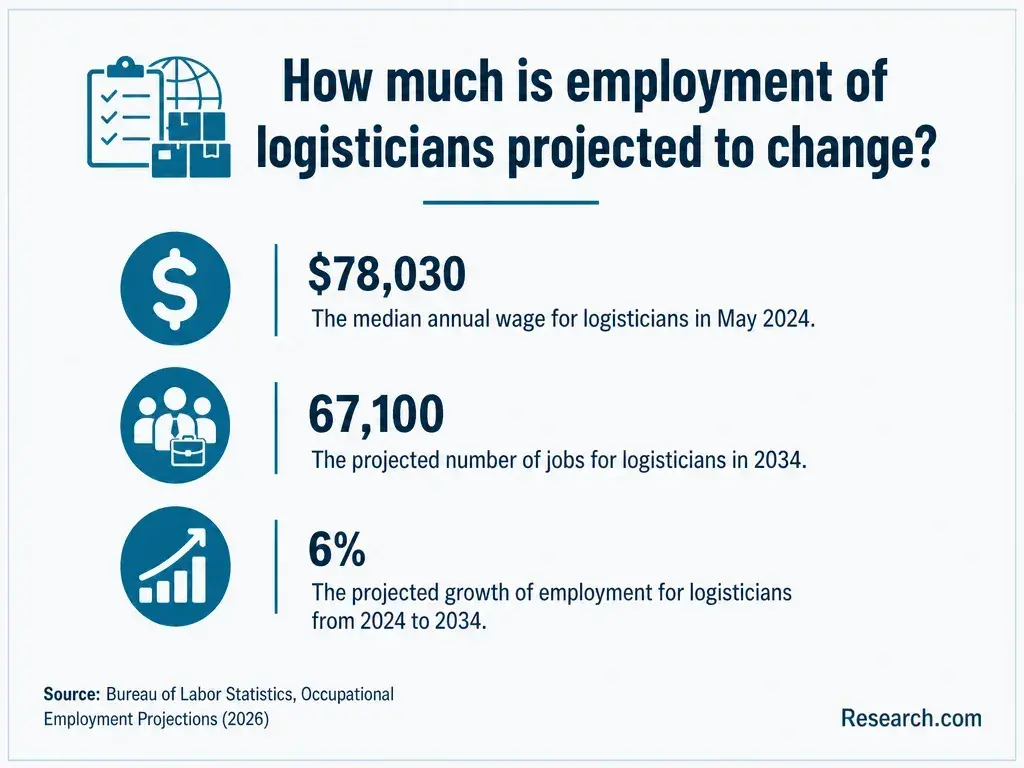
There is no single salary or growth rate for either concentration. The U.S. Bureau of Labor Statistics reports that meeting and event planners had a $61,160 median annual wage in May 2025, with employment projected to grow 6% from 2025 to 2035. Event planning is one possible hospitality-related occupation, not a measure of every tourism job or of new-graduate pay.
Business development is also spread across multiple occupations. The closest comparison depends on the actual job: researching customers differs from managing a sales team. Commission arrangements, industry, location, and experience can substantially change compensation. If an earlier move into paid work is your priority, weigh the course sequencing of fastest bachelor's-level business study options against the value of an internship; faster graduation alone does not establish better earnings.
Start by verifying the institution's recognized accreditation and whether it covers the school awarding your BS. Then check whether the business program has AACSB, ACBSP, or IACBE accreditation, if advertised, and whether the specific program falls within that accreditor's scope. Business-program accreditation can inform a comparison, but it does not establish that one concentration has better placements.
Hospitality and business development certificates or industry training may be useful for a particular employer or tool, but neither concentration automatically awards a separate professional certification. Ask who issues any advertised credential and whether there are additional assessments or experience requirements. Apply the same accreditation checks when you find inexpensive online business administration colleges.
How Should You Choose a Reputable Business Administration Program?
Begin with several job postings for roles you would genuinely accept. Note whether they emphasize guest operations, events, prospecting, partnerships, or sales support. Then compare each school's official concentration requirements with those tasks and ask what applied work students can complete without assuming an internship or employer project is guaranteed.
Before committing, obtain a written degree plan showing remaining courses, their expected availability, and any additional concentration credits. Ask career services about relevant employers and how reported outcomes were measured, rather than treating a general placement claim as a guarantee. Finally, compare lower-cost business degree options using your own remaining requirements and likely out-of-pocket expenses.
Bottom line: Hospitality and tourism is the stronger fit when you want to improve experiences and operations in visitor-facing organizations. Business development is the stronger fit when you want to research opportunities and build customer or partner relationships, including outside tourism. Choose the program that lets you practice the work you want to do next.
Other Things You Should Know About Business Administration
No, but events, lodging, and attractions may operate outside standard office hours. Check the schedules of your target roles rather than assuming every hospitality position - or internship - has the same hours.
Not for every role. Additional language skills can help with some guest-facing positions, but employers' expectations depend on the location and customers served.
Yes, both can contribute useful skills. You would still need to validate demand, plan finances and operations, and check applicable business and travel-selling rules before operating.
No. Compensation may be salary, commission, bonuses, or a combination. Ask whether earnings depend on individual targets and whether the advertised figure is base pay or estimated total compensation.
- Occupational Employment and Wage Statistics (OEWS) | colorado.gov https://cdle.colorado.gov/dlss/labor-market-information-lmi/occupational-employment-and-wage-statistics-oews
- Your financial path to graduation | consumerfinance.gov https://www.consumerfinance.gov/paying-for-college/your-financial-path-to-graduation/
- Hospitality and Tourism Management | CIA Culinary School https://www.ciachef.edu/blog/12-careers-in-hospitality-and-tourism-management/
- Key Hospitality Data & Industry Statistics to Watch for 2025 | EHL Holding SA https://insights.ehl.edu/hospitality-industry-statistics
- Top Transferable Skills Employers Want Across Industries | Missouri Baptist University Online https://online.mobap.edu/about/news/essential-transferable-skills-for-modern-career-success/
- College Degree vs Major vs Concentration | Colorado Technical University https://www.coloradotech.edu/blog/college-degree-vs-major-vs-concentration-what-s-the-difference
- Bachelor's in Hospitality and Tourism Management | UNC Greensboro https://www.uncg.edu/degrees/hospitality-and-tourism-management-b-s/
- 15 Transferable Skills That Work Across Industries | CityU of Seattle https://cityu.edu/transferable-skills/
- Hospitality and Tourism Management Major | purdue.edu https://hhs.purdue.edu/undergraduate-majors/hospitality-and-tourism-management/
- 5 steps to choosing a concentration that aligns with your goals | upenn.edu https://lpsonline.sas.upenn.edu/features/5-steps-choosing-concentration-aligns-your-goals