2027 Hospital Coding vs. Physician Coding Programs: Which Credential Track Fits Each Career?

Co-Founder and Chief Data Scientist
Choosing between hospital and physician coding affects the code sets you use, the certification employers may prefer, and the settings where you can work. The U.S. Bureau of Labor Statistics reports that medical records specialists earned a median annual wage of $50,250 in May 2024, with employment projected to grow 7% from 2024 to 2034.
This guide helps prospective coders compare inpatient and outpatient paths, evaluate training options, and select a credential plan that matches their career goals.
Key Things You Should Know
- Choose hospital coding if you want to code inpatient admissions, facility outpatient services, and complex records using ICD-10-CM, ICD-10-PCS, and often CPT; CCS or CCA credentials commonly align with this path.
- Choose physician coding if you prefer coding office visits, professional services, and claims for medical practices using CPT, HCPCS Level II, and ICD-10-CM; the CPC is a common entry-level target.
- Medical records specialists had a $50,250 median annual wage in May 2024, according to the U.S. Bureau of Labor Statistics, but actual pay varies by credential, experience, region, employer, productivity expectations, and coding specialty.
What is the difference between hospital coding and physician coding career paths?
Hospital coding and physician coding both translate clinical documentation into standardized codes for reimbursement, reporting, and health data management. The main difference is the claim type and care setting. Hospital coders generally work on facility claims, while physician coders generally work on professional claims submitted for clinicians' services.
Hospital coding can include inpatient admissions, emergency department visits, surgery, diagnostic testing, and hospital outpatient departments. Inpatient facility coding requires ICD-10-PCS for procedures, whereas physician-office coding generally relies on CPT and HCPCS Level II procedure codes. Both tracks use ICD-10-CM diagnosis codes.
The comparison below shows why the best training path depends on the work you want to do rather than on a single "best" coding credential.
| Career factor | Hospital coding | Physician coding |
| Primary setting | Hospitals, health systems, ambulatory surgery centers, hospital outpatient departments | Physician offices, group practices, clinics, specialty practices, professional billing companies |
| Claim perspective | Facility services and institutional claims | Professional services performed by physicians and other qualified providers |
| Core code sets | ICD-10-CM, ICD-10-PCS for inpatient procedures, CPT and HCPCS Level II for outpatient services | ICD-10-CM, CPT, HCPCS Level II |
| Typical focus | Principal diagnosis selection, DRG assignment, discharge coding, facility outpatient encounters | Evaluation and management services, procedures, modifiers, medical necessity, professional claim rules |
| Common entry credential targets | CCA, CCS, or specialty-focused facility credentials | CPC or specialty-focused professional coding credentials |
| Best fit | People who enjoy complex records, inpatient documentation, and hospital operations | People who prefer outpatient care, provider documentation, and practice revenue-cycle work |
Neither path is inherently easier. Hospital coding often involves longer, more clinically complex records and facility-specific reimbursement rules. Physician coding often requires close attention to documentation detail, CPT guidelines, modifiers, and payer policies. Some coders eventually work across both settings, but beginning with one clear target can make training and certification preparation more efficient.
What credentials and education do you need for hospital versus physician coding?
Medical coders are not typically required to hold a state occupational license, but employers may require or strongly prefer a recognized certification. A high school diploma or equivalent is usually the baseline for training programs. Employers may also favor applicants with a certificate, associate degree, anatomy and medical terminology coursework, and supervised coding practice.
For hospital coding, a credential from the American Health Information Management Association, such as Certified Coding Associate (CCA) or Certified Coding Specialist (CCS), may align well with facility-based roles. The CCS is generally more appropriate after substantial preparation or relevant experience because it tests coding across inpatient and outpatient settings.
For physician coding, the Certified Professional Coder (CPC) credential from the American Academy of Professional Coders is widely recognized for professional-fee coding. Candidates commonly complete foundational coursework before taking the exam. A credential alone does not replace workplace experience, and employers may hire new coders into trainee, auditing support, charge review, billing, or specialty-office roles before assigning highly complex accounts.
Use this credential-and-education comparison to identify a realistic first step.
| Goal | Most relevant preparation | Credential direction | Important consideration |
| Entry-level hospital coding | Certificate or associate coursework covering inpatient and outpatient coding | CCA or an employer-recognized entry credential | Ask whether the curriculum includes ICD-10-PCS and inpatient case practice. |
| Advanced hospital coding | Strong clinical coding foundation plus experience with facility records | CCS | Complex inpatient coding usually demands more than an exam-prep course. |
| Physician office coding | Certificate or associate coursework emphasizing CPT, HCPCS, and modifiers | CPC | Look for evaluation and management, specialty coding, and claim-edit instruction. |
| Long-term health information leadership | Associate or bachelor's degree in health information management or a related field | Credential choice depends on role | Degree programs can support advancement beyond production coding. |
A certificate can be a practical route for career changers who need focused training. An associate degree may make more sense for students who want broader general education, transferable credits, or future movement into health information management. Before enrolling, review each certification organization's current eligibility rules directly, because exam policies and experience designations can change.
How do hospital and physician coding salaries and job outlook compare?
Reliable national wage data usually combines coders with related health information roles rather than separating hospital coders from physician-office coders. The U.S. Bureau of Labor Statistics reported a median annual wage of $50,250 for medical records specialists in May 2024. This figure is useful as a broad benchmark, not a promised starting wage or a direct estimate for every coding job.
The Bureau projects 7% employment growth for medical records specialists from 2024 to 2034, faster than the average for all occupations. Continued use of electronic health records, detailed reporting requirements, and an aging population can support demand for people who can review documentation and apply coding standards accurately. At the same time, employers increasingly expect coders to use encoder software, computer-assisted coding tools, claim edits, and analytics platforms.
Salary differences between hospital and physician coding are shaped less by the job title alone than by complexity and employer needs. Hospital inpatient coders may command stronger pay when they handle complex cases, risk adjustment, auditing, or high-volume specialties. Physician coders may increase their value by developing expertise in areas such as cardiology, orthopedics, surgery, radiology, or evaluation and management coding.
The factors below are more useful than broad salary advertisements when assessing your likely return on training.
| Pay and demand factor | Why it matters | How to use it in your decision |
| Credential level | Employers may pay more for proven specialty or advanced coding capability. | Compare job postings in your region for required and preferred credentials. |
| Care setting | Hospital, physician-practice, insurer, vendor, and remote roles can have different productivity and pay structures. | Ask whether compensation is hourly, salaried, production-based, or tied to quality measures. |
| Experience | Newly certified coders may need supervised experience before moving into complex accounts. | Prioritize programs with realistic case practice, practicum options, or career support. |
| Specialty knowledge | High-volume or complex specialties can require additional coding expertise. | Start broad, then add specialty training after identifying local employer demand. |
AI and automation can speed code suggestions and routine edits, but they do not remove the need for human review of documentation quality, coding guidelines, medical necessity, and unusual cases. Students should seek programs that teach coding judgment and compliance rather than only software navigation.
What degrees, certificates, or training programs prepare you for hospital coding?
Hospital coding preparation should cover both facility outpatient coding and inpatient concepts, especially if your goal is eventual CCS eligibility or an inpatient hospital role. The most direct option is often a medical coding certificate with hospital-focused coursework. An associate degree in health information technology or health information management can offer a broader academic foundation and may support later advancement.
Certificate programs are usually best for adults who already have general education credits or healthcare experience and want focused coding training. Degree programs may be better for first-time college students, people who want financial-aid eligibility that depends on program structure, or those considering health information management roles beyond coding.
Students seeking a short credential should compare program depth rather than assuming all fast options prepare them for facility coding. This overview of quick certifications that pay well can help place medical coding certificates in a broader career-training context.
These program types address different career goals.
| Program type | Typical academic focus | Best for | Potential limitation |
| Medical coding certificate | Medical terminology, anatomy, ICD-10-CM, ICD-10-PCS, CPT, reimbursement, coding cases | Career changers seeking focused preparation | May offer fewer general education and management courses. |
| Health information technology associate degree | Coding plus records systems, privacy, data quality, reimbursement, and general education | Students wanting a broader credential and transferable coursework | Usually requires more credits and time than a certificate. |
| Health information management bachelor's degree | Health data governance, leadership, analytics, compliance, and advanced information management | Students targeting management or broader health information careers | May exceed the education needed for entry-level coding alone. |
| Employer or vendor training | Workflow-specific software, account types, and internal standards | Hired trainees or employees changing coding departments | Usually does not replace foundational coding education. |
For a hospital-focused program, verify that students work through inpatient records, assign principal diagnoses, understand procedure coding concepts, and learn how documentation affects reimbursement. A program centered almost entirely on office visits and CPT may be useful for physician coding but may not adequately prepare you for inpatient facility work.
Common mistakes include choosing a program because it advertises a short completion time, overlooking whether ICD-10-PCS is taught, and assuming that certification preparation equals job placement. Avoid these problems by requesting the course sequence, asking how many full coding cases students complete, and reviewing local hospital job postings before enrolling.
What degrees, certificates, or training programs prepare you for physician coding?
Physician coding programs prepare students to code professional services delivered in offices, clinics, and specialty practices. Strong programs teach ICD-10-CM diagnosis selection alongside CPT procedure coding, HCPCS Level II supplies and services, modifiers, evaluation and management coding, claim forms, and payer rules.
A certificate is often sufficient for an entry-level physician-coding goal when it includes rigorous practice and supports CPC exam preparation. An associate degree can be a better fit for students who want college credit, a broader billing and health information foundation, or a path toward a bachelor's degree later.
Students who need a broader first credential can review easy online associate degrees while still confirming that any chosen program includes the coding curriculum and credential preparation required for professional-fee work.
The following comparison can help you avoid paying for more - or less - education than your intended role requires.
| Training route | When it makes sense | What to confirm before enrolling |
| Professional coding certificate | You want targeted preparation for medical-office, clinic, or billing-company roles. | CPT, HCPCS Level II, modifiers, evaluation and management coding, and timed coding practice are included. |
| Medical billing and coding certificate | You want exposure to both claims processing and coding workflows. | The program distinguishes billing tasks from coding competency and does not minimize coding depth. |
| Associate degree | You want general education credits, a wider health information foundation, or future transfer options. | Transfer policies, total credits, institutional accreditation, and certification alignment are clear. |
| Specialty coding training | You already understand core coding and want to serve a specialty practice. | You have the foundational knowledge needed to apply specialty rules responsibly. |
Physician coding is a particularly good match for people who like outpatient medicine, concise but detail-sensitive documentation, and frequent use of CPT guidelines. It may be less appealing if you specifically want inpatient discharge records, DRG-based hospital reimbursement, or procedure coding with ICD-10-PCS.
Do not assume a "billing and coding" label means equal preparation in both areas. Billing focuses on claim submission, payment posting, denials, and collections, while coding focuses on accurately translating documentation into reportable codes. Many entry roles blend these duties, but coding certification exams test coding knowledge rather than basic billing software use alone.
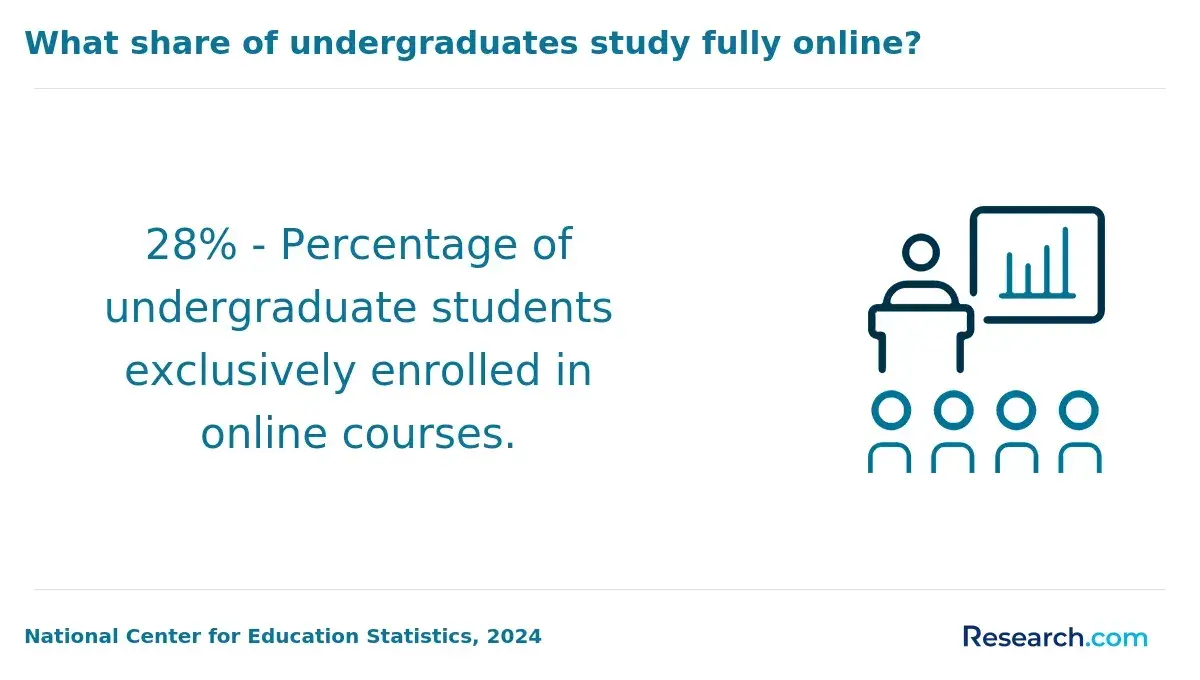
How do online and campus-based coding programs differ for each career track?
Online and campus-based programs can both prepare students for coding certification if the curriculum, instruction, assessment, and student support are strong. The better format depends on your schedule, learning style, need for live support, and ability to complete independent case-based practice.
Online programs are often practical for working adults because lectures and assignments may be available asynchronously. However, flexibility is not the same as self-direction: coding requires repeated practice with code books, guidelines, clinical scenarios, and feedback. Learners who need firm deadlines or immediate instructor access may benefit from scheduled online classes or campus instruction.
If schedule control is essential, compare options for a self-paced bachelor's degree online carefully. Self-paced study can suit experienced, disciplined learners, but a coding program still needs meaningful instructor feedback and proctored assessment where required.
This format comparison identifies the trade-offs most relevant to medical coding students.
| Format factor | Online program | Campus-based program |
| Schedule | May offer asynchronous modules or flexible attendance. | Usually follows fixed meeting times and academic terms. |
| Practice support | May use virtual office hours, discussion boards, screen sharing, and digital coding cases. | May provide in-person labs and immediate face-to-face questions. |
| Networking | Can connect students across regions but may require more proactive outreach. | May offer local employer relationships and in-person career events. |
| Best fit | Self-motivated learners balancing work, caregiving, or distance barriers. | Students who learn best through routine, live interaction, and local support. |
For either format, ask whether the school provides current coding manuals or requires students to purchase them, how instructors grade coding cases, whether exams are proctored, and whether career services understand coding-specific job searches. Remote coding jobs can be competitive, so students should not assume that completing an online program automatically leads to remote employment.
What courses and skills are taught in hospital coding programs?
Hospital coding programs should build clinical vocabulary first and then apply coding rules to complete facility records. The curriculum should explain how diagnoses, procedures, present-on-admission indicators, discharge documentation, and payer requirements affect coded data.
Students should expect the following subjects because they form the practical base for inpatient and facility outpatient coding.
- Medical terminology, anatomy, physiology, pathology, pharmacology, and disease processes
- ICD-10-CM diagnosis coding conventions, official guidelines, sequencing, and documentation review
- ICD-10-PCS procedure coding concepts for inpatient hospital services
- CPT and HCPCS Level II coding for outpatient facility services and ancillary departments
- Inpatient reimbursement concepts, including MS-DRGs, principal diagnosis selection, and discharge coding
- Facility outpatient reimbursement, medical necessity, claim edits, compliance, privacy, and data quality
- Encoder tools, electronic health records, auditing basics, productivity expectations, and coding-case practice
The most valuable skill is not memorizing code numbers. It is applying official guidelines to incomplete, conflicting, or clinically complex documentation while recognizing when a provider query or escalation may be appropriate. Hospital coders also need careful reading habits, time management, confidentiality awareness, and the ability to explain coding rationale during audits or quality review.
Before selecting a program, request sample assignments. A strong hospital track should include full inpatient case studies, not just isolated code lookups. It should also distinguish coding from clinical decision-making: coders report what is documented under applicable rules; they do not independently diagnose patients.
What courses and skills are taught in physician coding programs?
Physician coding programs focus on professional services and outpatient documentation. Students learn to connect the reason for an encounter, the provider's documented work, and the applicable CPT, HCPCS Level II, and ICD-10-CM codes without overstating what the record supports.
A well-rounded physician coding curriculum generally includes these topics.
- Medical terminology, anatomy, physiology, disease processes, and common clinical abbreviations
- ICD-10-CM diagnosis coding, sequencing, signs and symptoms, chronic conditions, and documentation specificity
- CPT coding for evaluation and management services, surgery, radiology, pathology, laboratory, and medicine
- HCPCS Level II coding for supplies, drugs, durable medical equipment, and other reportable services
- Modifier use, bundling edits, medical necessity, payer policies, and claim-denial prevention
- Professional claims, revenue-cycle basics, compliance, privacy, fraud-and-abuse awareness, and audit readiness
- Specialty coding examples, coding software, productivity habits, and provider-documentation communication
Physician coding rewards precision. A single modifier, missing diagnosis linkage, or unsupported evaluation and management level can affect claim processing and compliance risk. Students should practice reading actual-style encounter notes and explaining why a code is supported rather than relying solely on multiple-choice quizzes.
Programs vary in how much billing they include. That can be helpful for entry-level employability, but students targeting CPC-type roles should ensure coding instruction remains the core of the curriculum. A course that spends most of its time on scheduling, collections, or software clicks may not provide enough coding-case depth.
Which certifications (CPC, CCS, others) align best with each coding specialty?
The best certification is the one that matches the setting and complexity of the work you intend to pursue. CPC and CCS are not interchangeable labels: each emphasizes a different coding context. Employers can also have their own preferences, so reviewing nearby job postings before committing to an exam is a practical safeguard.
This overview shows common alignment, not a universal hiring rule.
| Credential | Typical alignment | Who should consider it | Decision note |
| CPC | Physician, clinic, and professional-fee coding | New coders targeting medical practices, outpatient clinics, and professional billing roles | Often a logical target when CPT, HCPCS Level II, modifiers, and evaluation and management coding are central. |
| CCA | Entry-level coding across healthcare settings | Students building foundational coding credibility, including those interested in facilities | Can be a useful starting point when experience is limited. |
| CCS | Hospital inpatient and outpatient coding | Coders prepared for facility-based, complex coding work | Usually makes more sense after strong preparation or applicable experience. |
| CCS-P | Physician-based coding | Experienced professional-fee coders seeking an AHIMA-aligned credential | Compare local employer recognition with CPC before choosing. |
| Specialty credentials | Specific physician specialties, risk adjustment, auditing, or compliance | Coders with a foundation who want to deepen a marketable niche | Add specialization after confirming demand and building core coding accuracy. |
A sensible sequence for many beginners is to complete an aligned program, take a foundational credential exam, gain supervised coding experience, and then pursue a specialty or advanced credential when it supports a concrete job goal. Attempting an advanced certification before mastering anatomy, guidelines, and case-based coding can add cost without improving readiness.
Certification maintenance also matters. Credential holders may need continuing education and renewal activity, so compare ongoing obligations as well as initial exam fees. Confirm current requirements with the issuing organization before registering because policies, exam formats, and accepted education can change.
How can you compare and choose an accredited coding school for your goals?
Choose a coding school by working backward from the job you want. Start with local and remote job postings for hospital coder, outpatient coder, physician coder, coding specialist, and billing-and-coding trainee roles. Note the code sets, credentials, experience levels, software, and specialty knowledge employers repeatedly request.
Accreditation deserves careful attention. Institutional accreditation can affect credit transfer and financial-aid eligibility, while programmatic accreditation may be relevant for health information programs. For example, health information management and health information technology programs may pursue accreditation through bodies recognized in that field. A coding certificate may instead advertise approval, exam preparation, or industry alignment; those descriptions are not automatically the same as programmatic accreditation.
Students who may eventually move into administration, analytics, or graduate study should compare undergraduate transfer policies before enrolling. A cheapest easiest master's degree is not necessary for coding entry, but future graduate options are easier to evaluate when your earlier credits come from a recognized institution and fit a coherent academic plan.
Use these questions in calls with admissions staff and program directors. The answers can reveal whether a program is genuinely aligned with your target track.
- Does the curriculum teach the exact code sets needed for my target: ICD-10-PCS and facility concepts for hospital coding, or CPT, HCPCS, modifiers, and evaluation and management coding for physician coding?
- Which certification exam does the program prepare students for, and what preparation resources, practice cases, and instructor feedback are included?
- What is the total cost, including tuition, registration fees, books, code manuals, exam vouchers, software, proctoring, and graduation fees?
- Is the institution accredited, is the specific program programmatically accredited or approved where applicable, and how can I verify those claims independently?
- Are courses instructor-led, self-paced, or hybrid, and how quickly can students receive feedback on difficult coding cases?
- Does the school offer a practicum, externship support, career coaching, employer partnerships, or transparent outcomes information for coding students?
- Which credits can transfer in or out, and what happens if I need more time than the advertised completion schedule?
Red flags include vague claims of guaranteed employment, no clear curriculum map, pressure to enroll before you see total costs, outdated code-set references, and a promise that no anatomy or medical terminology knowledge is necessary. The lowest tuition is not always the lowest total cost if the program lacks exam preparation, feedback, usable credits, or the coursework employers expect.
For most beginners, the smartest path is the shortest credible program that teaches the right coding setting, provides substantial case practice, fits the budget, and supports the first credential employers in their target market recognize.
Other Things You Should Know About Medical Billing and Coding
Yes. Many entry-level coding roles accept a certificate plus a recognized certification, although employer requirements vary. An associate or bachelor's degree may help with broader health information, management, or transfer-credit goals, but it is not universally required for coding entry.
They are difficult in different ways. Hospital inpatient coding often involves lengthy records, complex diagnoses, and ICD-10-PCS procedures. Physician coding requires detailed CPT knowledge, modifier accuracy, evaluation and management rules, and attention to payer requirements. Your background and preferred setting matter more than a universal difficulty ranking.
Choose CPC first if you want physician-office or professional-fee coding. Choose a hospital-aligned path, such as CCA or eventually CCS, if you want facility coding. Review job postings in the geographic area or specialty you plan to target because employer preferences differ.
Some coders work remotely, particularly after gaining experience, but remote opportunities are not guaranteed and can be competitive. Employers may require prior coding experience, a specific credential, productivity history, secure home-office standards, or familiarity with particular specialties and software.
References
- CPC vs CCS: Best Medical Coding Certification 2026 https://www.medicoexam.com/blog/aapc-cpc-vs-ahima-ccs-which-medical-coding-certification-should-you-get-2026
- Medical Coding Certifications 2026: Complete Guide to CPC, CCS, Costs, Salary & Career Path https://flashgenius.net/blog-article/medical-coding-certifications-2026-complete-guide-to-cpc-ccs-costs-salary-career-path
- Medical Coding Credentials Matrix https://www.cco.us/medical-coding-credentials-matrix/
- Medical Coding Credential Comparison: CPC vs CCS 2026 https://medcodexhealth.com/blog/medical-coding-credential-comparison-cpc-vs-ccs-2026
- Choosing the Right Credential Absolute Medical Coding Institute https://www.amcicoding.com/blog/choosing-the-right-credential