2027 Health Information Management Degree Salary by Industry: Where Graduates Earn the Most

Co-Founder and Chief Data Scientist
Choosing the right industry can significantly impact salary outcomes for recent health information management graduates. For example, while a role in hospital administration offers stability, moving into consulting or pharmaceutical sectors may yield substantially higher pay. According to the Bureau of Labor Statistics, the median annual wage for health information managers is over $100,000, but this varies widely by industry.
Understanding these differences is crucial for working professionals aiming to maximize long-term earning potential amid evolving healthcare demands. This article explores salary variations across key industries to help graduates make informed career decisions that align with their financial goals.
Key Things to Know About Health Information Management Degree Salary by Industry
- Salary for health information management degree holders varies significantly by industry, with the highest wages typically found in government and technology sectors.
- Industry demand directly impacts earning potential, as healthcare providers with data-intensive needs offer greater salary opportunities.
- Choosing specialized roles, such as health informatics or compliance management, can substantially increase long-term salary prospects within the field.
Which Industries Pay the Highest Salaries for Health Information Management Degree Graduates?
Salary levels for health information management degree graduates differ significantly across industries, largely due to the complexity and critical nature of data handled in various sectors. Some industries offer higher compensation due to stringent regulatory requirements and specialized knowledge needs, with wage differences of up to 25% above the national median in top-paying fields.
Several industries stand out for their earning potential in health information management roles, including the following:
- Pharmaceutical and Biotechnology: This sector demands precise data management for clinical trials, regulatory compliance, and patient safety monitoring. Salaries typically range from $70,000 to $95,000, reflecting the technical expertise required.
- Insurance: Health and medical insurance providers rely on professionals to manage claims data, conduct audits, and ensure regulatory compliance. Earnings often range from $65,000 to $90,000, with certification and experience enhancing salary prospects.
- Hospital Systems: Large healthcare providers and hospital networks employ many health information management specialists. Salaries usually fall between $60,000 and $85,000, with leadership positions offering higher pay.
- Government Healthcare Agencies: Federal and state agencies, including public health departments and veterans' services, offer competitive wages from $65,000 to $80,000 based on standardized pay scales.
For those pursuing advanced career paths, exploring related educational opportunities such as MSN to DNP online programs can be beneficial in enhancing qualifications and potentially improving salary outcomes within these industries.
How Does Salary Vary by Industry for Health Information Management Degrees?
Salary variations for health information management degree graduates largely depend on the industry in which they work. Industries with more complex data systems or heightened regulatory demands often offer higher salaries to attract professionals with specialized expertise.
Economic drivers such as funding availability, market competition, and organizational priorities also impact compensation levels. Notably, the wage gap between industries for health information management roles can exceed 15%, illustrating significant differences rooted in the economic structure rather than individual qualifications.
Those exploring the top-paying industries for health information management graduates should consider these broader financial dynamics when evaluating potential career paths.
Industries with similar qualification requirements for health information management positions may diverge considerably in salary offerings due to differences in budget size, operational complexity, and risk exposure.
Sectors handling large volumes of confidential information or facing strict compliance standards tend to provide more substantial compensation than those with less critical data demands. These salary distinctions primarily reflect external market forces and organizational scale rather than variations in skill levels alone.
For students seeking affordable pathways to advance, it may be helpful to review resources such as the cheapest RN to BSN online programs, which can complement degree training and enhance career flexibility.
What Are the Highest-Paying Entry-Level Jobs by Industry for Health Information Management Degree Graduates?
Entry-level salaries for health information management graduates differ significantly across industries, typically ranging from around $40,000 to $60,000 annually. These variations reflect the distinct demands and responsibilities tied to the specific roles within each sector. Understanding these differences helps clarify which sectors offer the most competitive starting pay.
Here are some notable entry-level roles by industry and their typical salary ranges:
- Healthcare Facilities: Positions like clinical data coordinators or health information technicians earn between $42,000 and $55,000. These roles center on managing patient records, ensuring accuracy, and supporting the secure flow of health data within medical environments.
- Insurance Companies: Entry-level roles such as medical claims analysts or health data reviewers offer salaries from $45,000 to $60,000. Responsibilities include analyzing patient information to facilitate claims processing and detect fraud while adhering to regulatory standards.
- Pharmaceutical and Biotech: Starting salaries can go as high as $50,000 to $62,000 for health information specialists. These positions involve handling clinical trial data and maintaining compliance with industry regulations, requiring specialized data management skills.
- Government Agencies: Health information analysts in public sector roles typically receive between $43,000 and $58,000. They focus on managing large health data sets and assisting in health policy research for public health initiatives.
A professional with a health information management degree shared his experience navigating entry-level roles, emphasizing the balance between technical skills and adaptability. He noted, "Starting out, the complex regulatory environment was overwhelming. Every dataset had to be meticulously reviewed, which demanded patience and attention to detail."
He found that early challenges often involved learning to communicate effectively across departments while maintaining data integrity. "It wasn't just about numbers; it was about understanding how each piece of information impacted patient care or policy decisions," he explained, highlighting how this perspective shaped his appreciation for the role's critical impact despite its behind-the-scenes nature.
Salary growth for health information management graduates varies widely by sector, primarily driven by technological innovation and regulatory pressures. Industries that invest heavily in advanced digital systems and compliance requirements often see 3-5% annual wage increases, surpassing many other healthcare fields. This trend reflects the growing importance of data analytics and digital health solutions in these industries.
Here are some of the fastest growing industries for health information management graduates:
- Pharmaceutical Industry: This sector leads in salary progression as the demand for precise data management in drug development and clinical trials intensifies. Continuous advancements require skilled professionals to manage complex digital records and compliance data efficiently.
- Biotechnology Sector: Rapid innovation and heavy investment in digital health records and analytics within biotechnology firms support strong upward salary trends. Professionals who adapt to these evolving technologies experience faster wage growth.
- Healthcare Technology Firms: Focused on electronic health records (EHR) and interoperability initiatives, this tech-driven industry rewards expertise with quicker salary increases. Constant innovation drives the need for advanced knowledge and skills.
- Insurance Companies: Expanding data-driven health policies and tailored insurance products increase demand for health information management experts. This growth fuels progressive salary gains linked to evolving business models.
- Government Health Agencies: Public health organizations place a premium on data accuracy and compliance. Salaries tend to rise steadily as digital health management becomes crucial to policy implementation and monitoring.
The upward salary trajectories in these sectors highlight the value of health information management skills in fast-evolving, data-centric environments. Prospective students interested in this career path should explore specialized programs such as those found through online schools for medical billing and coding to better position themselves in these thriving industries.
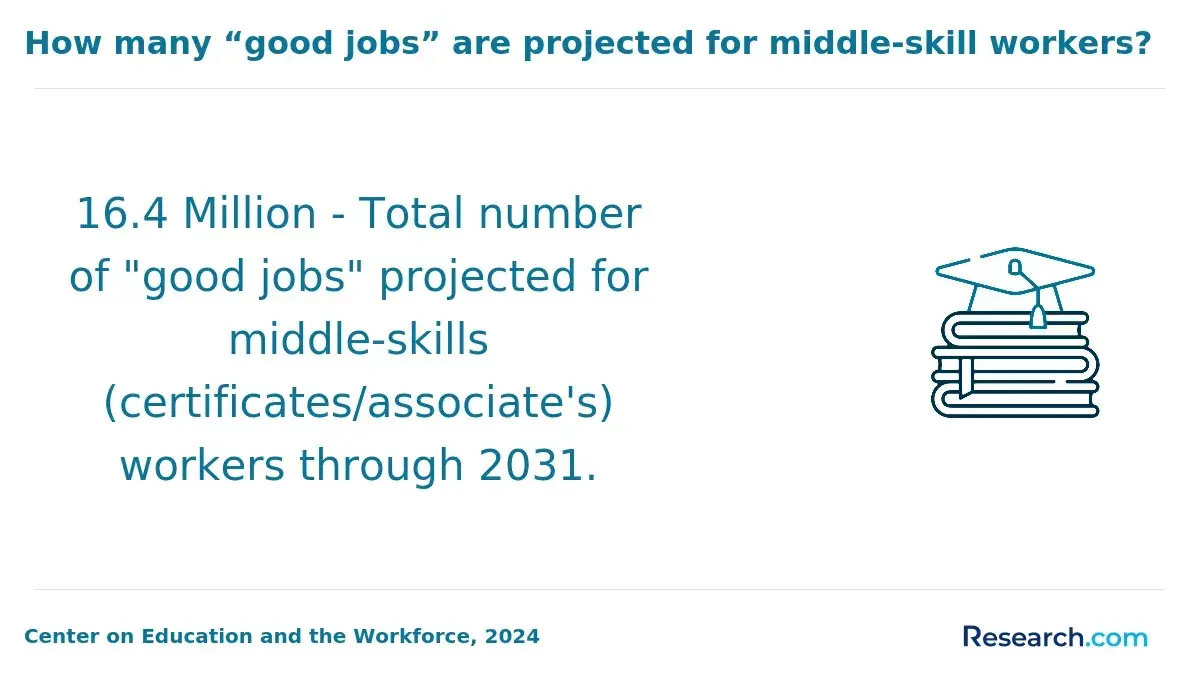
Strong demand for skilled health information management professionals is fueled by expanding healthcare services and complex regulatory requirements. The U.S. Bureau of Labor Statistics projects a 32% growth in medical and health services manager jobs from 2021 to 2031, highlighting robust opportunities for graduates. Several sectors provide consistently high job availability and competitive salaries due to their critical role in managing health data and compliance.
The following industries demonstrate notably favorable employment and earning potential for health information management graduates:
- Healthcare Providers: Hospitals and outpatient clinics rely heavily on experts to oversee electronic health records, patient privacy, and billing accuracy. These settings demand precision and regulatory compliance, offering stable roles with competitive compensation.
- Health Insurance Companies: Insurers require professionals skilled in claims processing and detecting fraud. The ongoing evolution of health policies ensures growing employment needs and steady income prospects.
- Government Agencies: Federal and state health departments manage large-scale health data and public health reporting. These positions often come with solid job security and attractive salary packages due to stringent governmental regulations.
- Healthcare Consulting Firms: Consultants help organizations navigate complex healthcare regulations and implement data systems. Their expertise is highly sought-after, resulting in strong demand and typically above-average pay.
When asked about the best industry prospects, a professional with a health information management degree shared her firsthand experience balancing intense regulatory demands and technological challenges within hospital settings. She described navigating frequent system updates and privacy audits while coordinating with multiple departments, requiring both technical skill and communication finesse.
"The learning curve was steep, but each challenge reinforced the value of accurate health data management," she reflected. Her experience underscored how dynamic and rewarding careers in these industries can be for those prepared to meet evolving standards and client expectations.
Salary levels for health information management graduates vary notably by geographic location due to factors such as local industry strength, cost of living, and economic conditions. Metropolitan regions and states with flourishing healthcare, technology, and corporate sectors tend to offer higher compensation to attract skilled professionals. According to data from the U.S. Bureau of Labor Statistics, wage differences of over 20% can occur between states and industries, highlighting location's key role in earning potential.
The following states are recognized for providing above-average salaries to health information management graduates across multiple industries:
- California: Boasting a large healthcare infrastructure alongside a thriving tech sector, California's demand for health data specialists fosters competitive wages often driven by innovation and industry diversity.
- New York: New York's extensive hospital networks and strong presence of financial and insurance companies create lucrative opportunities in health information management, supporting higher salary ranges.
- Texas: With its expanding healthcare market combined with rapidly growing insurance and technology fields, Texas offers attractive pay scales reflecting its diverse economic landscape.
- Massachusetts: Known for cutting-edge medical research and robust biotech industries, Massachusetts provides significant earning potential for graduates working where healthcare and science intersect.
- Washington: The convergence of major healthcare providers and technology corporations in Washington generates increased salary prospects due to the synergy between these sectors.
Remote jobs in Health Information Management can offer competitive salaries that are less influenced by geographic location and more by factors such as industry, employer type, and role complexity. While traditional salary models accounted for regional cost-of-living differences, the rise of remote work has shifted the focus toward skills and experience.
A LinkedIn report indicates that remote healthcare administration roles, including Health Information Management, show nearly 90% salary parity compared to their in-office peers, highlighting minimal pay differences based purely on location. Compensation in these roles often reflects the complexity of responsibilities, including expertise in data analytics, regulatory knowledge, and management capabilities.
Salary outcomes for remote Health Information Management positions still mirror industry patterns. Professionals working with large hospital systems or healthcare technology companies generally see higher wages than those in smaller outpatient centers or nonprofit organizations.
Remote opportunities in tech-driven healthcare sectors tend to come with increased pay, reflecting the strategic value and specialized knowledge required. This relationship underscores the importance of considering both industry and employer when evaluating potential earnings in remote Health Information Management roles.
Benefits packages for health information management graduates differ widely across industries, reflecting employer priorities and resources. Some sectors provide more comprehensive compensation beyond base salary, including healthcare coverage and opportunities for professional growth, which can greatly influence career decisions.
The following industries are known for offering strong benefits packages to health information management professionals:
- Healthcare Sector: Hospitals and large medical centers often provide robust healthcare coverage including medical, dental, and vision insurance. Retirement plans with employer matching, paid leave such as vacation and parental leave, and support for demanding clinical roles make this sector highly attractive for those working as clinical coding specialists or health data analysts.
- Insurance Industry: Especially in health insurance and managed care companies, benefits frequently include wellness programs and employee assistance initiatives alongside standard healthcare and retirement plans. Generous paid time off supports mental and physical well-being for roles like compliance analysts and data quality managers.
- Government Agencies: Federal, state, and local health departments offer stable, comprehensive benefits with pension plans, extensive healthcare options, and generous paid leave schedules. Continued education and training opportunities further benefit careers in public health informatics or regulatory compliance.
- Pharmaceutical & Biotechnology: Along with standard insurance and retirement benefits, these sectors often add stock options or bonuses. Funded certifications and conference attendance enhance professional development for health information management graduates handling technical and evolving tasks.
- Technology Firms: Large health IT companies provide flexible work arrangements, wellness programs, and education reimbursement. These benefits support work-life balance and continuous learning, ideal for professionals managing electronic health records or data security.
Those exploring compensation options and educational pathways related to health information management salary by industry benefits may find it helpful to review resources on online PharmD programs.
Certain skills significantly boost earning potential for health information management graduates across various industries. Employers value competencies that enhance data accuracy, compliance, and the effective use of technology, often reflecting in higher salary offers. According to the Healthcare Information and Management Systems Society (HIMSS), over 70% of employers prioritize technical proficiency combined with analytical skills as critical hiring factors.
Below are some key competencies driving salary growth in health information management:
- Data Analysis and Interpretation: This skill involves examining healthcare data to identify trends and support informed decision-making. Graduates who can interpret complex datasets help organizations improve operations and patient outcomes, increasing their value in multiple sectors.
- Health Information Technology (HIT) Expertise: Proficiency in electronic health records (EHR) systems, coding software, and informatics tools enables graduates to support secure digital workflows. Strong HIT expertise is crucial as industries rely heavily on technology for data integrity and privacy.
- Regulatory Knowledge and Compliance: Understanding healthcare laws such as HIPAA ensures organizations mitigate legal risks and maintain patient trust. Graduates skilled in compliance frameworks are essential for reducing liability, often commanding higher wages.
- Communication Skills: Effective communication promotes collaboration among medical, IT, and administrative teams. Clear conveyance of technical information improves operational efficiency and enhances a professional's impact and salary potential.
These health information management degree skills for higher salaries not only boost individual capability but also position graduates as indispensable assets in diverse industries. For students seeking to accelerate their career growth, exploring accelerated direct entry MSN programs online can further expand interdisciplinary opportunities and income prospects.
Salary differences across industries can significantly impact long-term financial success and job satisfaction for health information management graduates. Earnings may vary by up to 20% depending on the sector, emphasizing the importance of selecting an employer wisely. These wage gaps reflect how different fields value and invest in the skill sets of health information management professionals.
Key factors to weigh when assessing industries for salary potential include:
- Compensation Trends: Analyze both current and historical pay data to find industries offering competitive salaries alongside steady increases over time, indicating sustainable income growth.
- Industry Stability: Prioritize sectors with reliable demand and resilience against economic fluctuations, as stable fields are more likely to provide consistent salary levels and job security.
- Growth Potential: Look for industries experiencing rapid expansion, which often creates more advancement opportunities and salary boosts due to heightened need for expertise.
- Skills Alignment: Evaluate how well your training and knowledge match an industry's requirements; closer alignment often leads to higher earnings by leveraging specialized competencies.
What Graduates Say About Health Information Management Degree Salary by Industry
- Mordechai: "Choosing the right industry after earning my health information management degree made a huge difference in my salary trajectory. I found that hospitals tend to offer higher starting salaries compared to smaller clinics, which aligned perfectly with my goal of financial stability. This degree truly opened doors, and I feel confident knowing that my education directly impacted my professional growth and earnings."
- Casen: "Reflecting on my salary expectations as a health information management graduate, I realized that the industry niche you pick is crucial. While some sectors like insurance pay moderately, those in technology-driven healthcare services can see exciting salary jumps. Earning this degree gave me the versatility and credentials to pursue positions that not only pay well but also satisfy my passion for innovation in healthcare data."
- Walker: "Professionally, obtaining my health information management degree transformed how I approach my career and compensation. I learned that gaining experience in hospital systems often leads to the highest salary prospects, but roles in government agencies offer unmatched stability. The degree has been the cornerstone for increasing my value as an expert and negotiating better pay in a competitive field."
Other Things You Should Know About Health Information Management Degrees
Yes, experience is a significant factor influencing salaries for health information management degree holders across all industries. Entry-level professionals typically earn less than those with several years of experience, as advanced skills and industry knowledge increase earning potential. Many employers reward demonstrated expertise and leadership with higher pay.
Certifications such as Registered Health Information Administrator (RHIA) or Certified Coding Specialist (CCS) can positively affect salaries across industries. These credentials signal a higher level of competence and commitment to the profession, often resulting in better job opportunities and increased wages. Employers across various sectors value certifications as proof of specialized skills.
Hospitals, health systems, and insurance companies often prefer or require graduates from CAHIIM-accredited programs for leadership and compliance roles. CAHIIM accredits the HIM program, while the RHIA certification from AHIMA is commonly requested for higher-paying management positions.
In 2027, the pharmaceutical industry offers the highest average salary for health information management degree graduates. This sector values the integration of health data analytics and management to enhance drug development and patient care, driving compensation higher than in other industries.
- Top Health Care Tech Degrees for High Salaries and Long-Term Job Security https://www.investopedia.com/top-health-care-tech-degrees-for-high-salaries-and-long-term-job-security-11902234
- Best Health Information Management Careers + Salary Outlook | HealthGrad https://www.healthgrad.com/healthcare/health-information-management/
- Entry-Level Careers in Health Information Management (HIM) https://www.medicaltechnologyschools.com/health-information-management/entry-level-him-careers
- What Can I Do with a Health Information Management Degree? https://www.herzing.edu/degree/health-information-management
- 10 Best Career Paths for Health Information Management https://potomac.edu/best-careers-health-information-management/
- Health Information Management Jobs to Utilize Your HIM Degree https://yes-himconsulting.com/health-information-management-jobs-to-utilize-your-him-degree/
- Important Skills for Those Interested in Health Management Careers https://skillmeter.com/blog/important-skills-for-those-interested-in-health-management-careers
- How Much Can You Make Working in Health Information Management? https://www.ultimatemedical.edu/blog/health-information-management-pay-information/
- Health Informatics Job Description and Salary Information https://www.usfhealthonline.com/resources/health-informatics/health-informatics-jobs-health-informatics-salary/
- What Are the Differences in Salary Level for Different Degrees in Healthcare Management? | MHA Salary https://www.healthcare-management-degree.net/faq/what-are-the-differences-in-salary-level-for-different-degrees-in-healthcare-management/