2027 Health Information Management Degree Careers Ranked by Salary, Growth, and Work-Life Balance

Co-Founder and Chief Data Scientist
Choosing a career path within health information management often raises questions about balancing salary, growth potential, and work-life balance-factors critical to long-term satisfaction. Many professionals face uncertainty when deciding whether to prioritize high earnings or a sustainable lifestyle.
According to the Bureau of Labor Statistics, health information management roles are projected to grow 11% from 2022 to 2032, faster than the average for all occupations. This article ranks health information management degree careers by salary, career growth outlook, and work-life balance, providing a holistic overview to guide readers in making informed, strategic career decisions.
Key Things to Know About Health Information Management Degree Careers Ranked by Salary, Growth, and Work-Life Balance
- Health information management careers offer median salaries ranging from $50,000 to over $90,000 annually-depending on specialization and experience-outperforming many allied health fields.
- The projected job growth for health information management roles is approximately 11% through 2031, driven by expanding data needs in healthcare technology and compliance.
- Many roles provide strong work-life balance with regular hours and remote work opportunities, supporting sustainable career longevity without sacrificing personal time.
How Are Health Information Management Degree Careers Evaluated and Ranked Across Salary, Growth, and Work-Life Balance?
Careers in health information management degree fields are evaluated using a three-pillar framework that offers a comprehensive view of professional quality-salary, career growth, and work-life balance. This approach goes beyond compensation alone to present a more balanced understanding of what each career path truly offers to job seekers and professionals.
Salary: Median earnings come from the Bureau of Labor Statistics (BLS) Occupational Employment and Wage Statistics, representing typical income benchmarks for graduates. This ensures salary data is grounded in reliable, up-to-date national figures.
Career Growth: Future job prospects are based on BLS ten-year employment projections. This measure highlights careers with robust demand and advancement potential, crucial for assessing long-term opportunities within the health information management careers salary growth and work-life balance spectrum.
Work-Life Balance: A composite score derived from the American Time Use Survey, Glassdoor employee reviews, and industry-specific workforce satisfaction surveys. This captures how well roles support manageable hours, job satisfaction, and personal well-being over time.
These three dimensions together create a nuanced picture that helps individuals evaluate career options based on their unique priorities-whether that is rapid advancement, high earnings, or a healthy lifestyle. The rankings serve as a decision-making tool and not a rigid hierarchy since preferences such as valuing flexibility over income can affect which career fits best.
The article highlights five key careers within health information management degree job prospects in the United States, each known for different strengths:
- Health information manager: Focuses on managing patient data and regulatory compliance.
- Clinical data analyst: Works with medical data to improve healthcare outcomes.
- Medical records technician: Maintains and organizes healthcare documentation.
- Health informatics specialist: Integrates technology solutions for providers.
- Compliance auditor: Ensures healthcare entities meet legal standards.
This evidence-based comparative analysis aims to guide high school seniors, undergraduates, recent graduates, and mid-career professionals exploring these career paths. For those interested in further advancing their credentials, exploring online PharmD programs can be a strategic complement to a health information management degree.
Which Health Information Management Degree Career Paths Offer the Highest Starting and Mid-Career Salaries?
Health Information Manager: This career consistently ranks among the highest earners for health information management degree careers highest starting salaries. Median entry-level wages start around $55,000, with mid-career salaries surpassing $90,000. The compensation premium is driven by managerial duties-overseeing medical records departments requires advanced knowledge of healthcare regulations and expert data management skills. Certification requirements such as Registered Health Information Administrator (RHIA) set high barriers to entry, reducing competition and elevating pay. Larger private hospitals and urban centers typically offer higher salaries in this role.
Clinical Data Analyst: Entry salaries average $50,000 and rise to approximately $85,000 mid-career. This path demands proficiency in data analytics tools and clinical data interpretation, crucial for healthcare organizations focused on regulatory compliance and quality improvements. Moderate career growth is expected as electronic health record usage expands. Pay tends to be better in private tech firms than in public hospitals. These growth prospects contribute to solid mid-career salary growth for health information management professionals.
Health IT Project Manager: Starting salaries around $60,000 climb past $100,000 for experienced professionals. This role's premium reflects the critical responsibility of managing complex healthcare technology implementations-combining technical skills, leadership, and regulatory knowledge. Salaries are particularly strong in metropolitan areas and organizations deploying large-scale IT systems, offering a blend of high compensation and challenging work-life balance considerations.
Compliance Auditor: With median starting pay near $48,000 and growth to about $80,000 after a decade, compliance auditors ensure healthcare organizations meet evolving legal standards like HIPAA. Certifications such as Certified in Healthcare Compliance (CHC) boost earning potential, especially in private consultancies, where demand often outpaces supply.
Healthcare Revenue Cycle Manager: Entry pay begins near $52,000, rising to $88,000 or more mid-career. These managers directly influence financial performance by overseeing billing, coding, and collections. Mastery of complex insurance systems drives compensation levels. Larger hospital networks usually provide superior salaries compared to smaller clinics or public institutions.
Regional factors strongly influence salaries-urban centers with major hospital systems and private providers generally offer the highest earnings, while rural areas and the public sector pay less. For those exploring career options or geographic considerations in health information management, consulting the section on location-based salary variation is advisable. Additionally, for students weighing degree affordability alongside career prospects, exploring the cheapest FNP program online can provide insight into alternative pathways in healthcare education.
What Do the Bureau of Labor Statistics Job Growth Projections Reveal About the Future of Health Information Management Degree Careers?
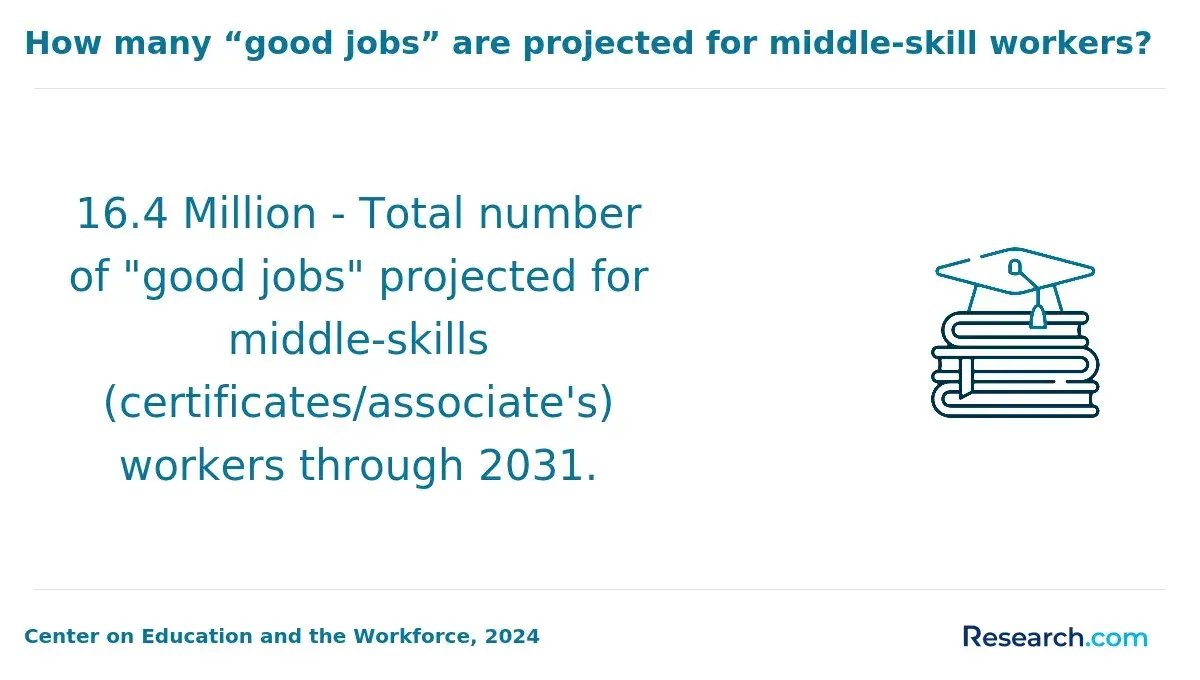
The Bureau of Labor Statistics (BLS) projects varied growth across health information management career paths over the next decade, with some roles expanding notably faster than the 5% national average for all occupations. Health information technicians and medical records specialists are expected to see demand rise by about 8%, fueled by the growing elderly population and increased need for organized medical data in healthcare settings.
- Growth Leaders: Positions tied to health informatics and data analysis benefit from rapid integration of electronic health records and advancements in healthcare technology-improving patient care and organizational efficiency.
- Policy and Investment: Roles such as compliance officers and healthcare data security specialists are on the rise, driven by stricter regulatory standards and industry focus on safeguarding patient information.
- Flat or Declining Fields: Traditional paper-based records management positions face stagnant or shrinking opportunities due to automation and digitization. Professionals can maintain relevance by upskilling in health informatics or data analytics certifications.
- Sector Variability: These projections reflect national trends; however, job growth can vary considerably based on local market demands, healthcare infrastructure, and employer-specific factors.
One professional who completed a health information management degree shared his experience navigating this evolving landscape. He noted, "When I started, I was uncertain how quickly technology would transform the field. Balancing coursework with real-world applications was challenging, but focusing on informatics helped me adapt." He emphasized the importance of staying current with industry changes and suggested that flexibility and continuous learning are key to seizing emerging opportunities. "Knowing where the growth is heading made it easier to plan my career path proactively," he added.
Work-life balance in health information management careers in the United States involves multiple measurable factors beyond simply hours worked. Key indicators include average weekly hours, schedule predictability, remote or hybrid work availability, paid time off norms, and employee satisfaction scores from sources like Glassdoor, Indeed, and Payscale.
- Average Weekly Hours: Clinical documentation specialists and health information managers generally work 40 to 45 hours weekly, with coding specialists facing more variability during busy billing periods.
- Schedule Predictability: Hospital administration roles often feature less predictable hours due to urgent tasks, while insurance or consulting data analysts report more stable schedules.
- Remote/Hybrid Work Availability: Remote or hybrid options are increasingly common for data analysts and informatics specialists, unlike onsite roles such as medical records clerks.
- Paid Time Off: Typically ranges from two to four weeks, with government agencies and large healthcare organizations offering more generous leave than smaller private employers.
- Employee Satisfaction: Mid-career professionals tend to report better work-life balance satisfaction, whereas early-career workers may encounter heavier workloads.
This multidimensional view recognizes that work-life balance varies by employer, sector, and career stage. Early-career health information management professionals often navigate more demanding schedules while developing expertise. Intentional steps-such as negotiating flexible hours or targeting employers known for supporting well-being-allow individuals to influence their balance actively. For those exploring academic pathways, consulting the best medical billing and coding schools online can also impact career options and associated lifestyle factors.
Balancing salary, career advancement, and work-life harmony equally reveals several health information management career paths that stand out as well-rounded options. These composite rankings consider financial reward, potential for growth, and lifestyle sustainability, providing a clear picture for those weighing all three factors.
- Health Information Manager: This role combines strong earnings with solid career growth and good work-life balance, making it well-suited for individuals aiming for leadership positions without sacrificing personal time.
- Clinical Data Analyst: Offering moderate salary but high marks in both growth and flexibility, this position appeals to professionals seeking an analytical role that often involves less stress and more stable hours.
- Medical Records and Health Information Technician: Noted for exceptional growth prospects and favorable work-life balance, this role is ideal for those valuing job security and lifestyle, although it typically offers lower pay than managerial positions.
- Health Informatics Specialist: With high salary and career advancement potential, this path demands more time commitment due to project workloads, suiting candidates ready to prioritize rapid progression and compensation.
- Compliance Officer: Combining good pay and a predictable schedule with moderate growth, compliance officers fit those who seek stable, well-compensated roles focused on regulatory oversight.
- Health Information Technician Supervisor: This supervisory position offers moderate salary and steady growth paired with better-than-average work-life balance, ideal for professionals stepping into leadership from technical roles.
- Data Quality Manager: Ranking highest on salary and growth but slightly lower on work-life balance, this career attracts ambitious individuals focused on maximizing income and advancement, despite longer hours.
Each ranking reflects an equal weighting of salary, growth, and balance, though readers should consider adjusting priorities based on personal goals. For example, emphasizing income would elevate roles like Data Quality Manager and Health Informatics Specialist, whereas prioritizing balance might favor Clinical Data Analyst or Medical Records Technician positions.
A professional who built her career after graduating with a degree in health information management shared that early on, she wrestled with the trade-offs between advancing quickly and maintaining personal time. She recalled striving to meet demanding project deadlines as a health informatics specialist while managing her work-life balance carefully. Over time, she found that roles offering moderate salary but greater predictability allowed her to sustain long-term job satisfaction and personal well-being. She emphasized, "Understanding your own priorities and how each position aligns with them is crucial-sometimes a role with slightly less pay but better balance leads to a more rewarding career overall."
Specializing within health information management (HIM) shapes salary, career advancement, and work-life balance in distinct ways. Bureau of Labor Statistics data and professional salary surveys reveal that focusing on a niche rather than remaining a generalist offers noticeably different career outcomes.
- Clinical Documentation Improvement (CDI): This area tends to offer the highest salaries in HIM, due to its crucial role in accurate patient data and reimbursement accuracy. Job growth is solid given the rising complexity of healthcare records. However, deadlines and close work with clinical teams can challenge work-life balance.
- Health Data Analytics: Specialists analyze complex healthcare datasets to improve outcomes. They enjoy competitive pay and strong job prospects, with many roles providing remote work and flexible schedules, supporting a healthier work-life balance.
- Privacy and Security Management: Focused on HIPAA compliance and data protection, this field features steady salary increases and demand, with specialists often able to maintain good balance despite occasional incident responses or audits.
- Revenue Cycle Management: Experts optimize billing processes, receiving moderate pay and consistent employment growth. Generally, work hours are predictable, though high-volume billing periods can increase stress.
- Health Information Technology Implementation: Combining HIM expertise and IT skills, this specialization offers lucrative salaries, especially with certifications. The project-driven pace may affect balance, but career progression is robust.
Entering these areas typically involves additional education-such as graduate courses, certifications like the RHIA, or focused early career roles. Early specialization choices strongly influence long-term salary ceilings and advancement potential. While deep expertise opens access to well-paid, growing roles, broad, cross-functional experience often leads generalists to senior strategic positions with higher compensation over time.
HIM is projected to grow 9% over the coming decade, outpacing many fields and highlighting continued demand for both specialized and versatile skill sets.
Geographic location greatly affects salary, career growth, and work-life balance for Health Information Management graduates. Regional economies, healthcare infrastructure, and living costs shape the range of opportunities available nationwide.
- Northeast: This region offers some of the highest median salaries for Health Information Management professionals, especially in major metropolitan areas such as New York City and Boston. However, elevated salaries are often offset by a high cost of living, which reduces overall purchasing power. Job growth is steady given the dense network of healthcare facilities and insurers. Urban centers may challenge work-life balance due to long commutes and expensive housing.
- Southeast: States here typically show moderate salary levels paired with above-average employment growth as healthcare systems expand. Cities including Atlanta and Miami combine mid-tier wages with more affordable living, often resulting in better net income after expenses. Work-life balance benefits from less congestion and more suburban living options.
- Midwest: The Midwest balances competitive salaries with a lower cost of living, notably in Minneapolis and Columbus. Employment growth is moderate yet consistent, supported by expanding healthcare networks. Shorter commutes and family-friendly communities foster strong work-life balance, attracting professionals seeking stability.
- Southwest: This region, which includes cities like Phoenix and Dallas, experiences robust job growth driven by population growth and healthcare demand. Salaries remain competitive but are slightly below Northeast levels. Affordable housing enhances financial outcomes, while a slower pace and increased remote work options improve work-life balance.
- West: With some of the fastest employment growth and high salaries in tech-forward cities such as San Francisco and Seattle, the West is attractive but the high cost of living diminishes real income gains. Widespread remote and hybrid work options allow professionals to earn wages benchmarked to expensive markets while residing in lower-cost areas, significantly improving lifestyle balance.
Remote and hybrid work models have partially decoupled salary from geographic constraints in specialized Health Information Management roles. This shift enables professionals to earn compensation aligned with high-cost urban markets while taking advantage of affordability and lifestyle preferences elsewhere.
Graduates should consider not only salary but also employment growth projections and personal priorities-such as commute times, housing costs, community ties, and proximity to family-when choosing a location. Integrating geographic strategy with career path decisions ensures a better alignment between professional advancement and sustainable work-life balance.
Salary: Private sector health information management roles typically offer higher base salaries across entry, mid, and senior levels compared to the public sector. Entry-level pay in the private sector can surpass public sector salaries by 10-15%, with senior roles showing gaps of 20% or more. Yet, when considering the total compensation package-including defined-benefit pensions, eligibility for loan forgiveness programs, and more comprehensive health coverage common in public employment-the apparent salary gap narrows significantly. These public sector benefits contribute to a more balanced financial outcome beyond base pay alone, an important factor for those weighing public sector vs private sector health information management careers salary growth and balance.
Growth: Growth in health information management jobs varies between sectors. Public sector expansion is notably strong in agencies focused on veterans' health, public health departments, and federal health services, driven by priorities in infrastructure modernization and electronic health record implementation, alongside demographic demand. Conversely, the private sector's growth is widespread, with hiring surges in healthcare technology companies, insurance firms, and hospital systems upgrading their information capabilities. Both sectors show stable to above-average expansion, but public sector growth often concentrates within specific program areas, highlighting a nuanced comparison of career advancement in health information management public and private sectors.
Work-Life Balance: Public sector roles typically provide greater schedule predictability, standardized work hours, and more generous leave policies including robust family leave-factors that enhance employee satisfaction and work-life balance. Private sector positions, particularly in health tech startups or high-demand employers, may require longer, irregular hours, although balance within either sector can vary significantly by role, agency, or employer. Overall, many professionals find that public sector careers offer a more stable daily routine conducive to long-term career satisfaction. For those interested in combining career growth with lifestyle considerations, exploring options such as a masters in nutrition can be a complementary strategy to diversify opportunities within health information management.
Advanced degrees for health information management professionals significantly impact salary increments, career growth, and work-life balance, presenting important return-on-investment considerations.
- Master's Degree: Offers a 15-25% salary premium over a bachelor's degree, per NACE data. Typically requiring 1-2 years and tuition investment, this degree unlocks leadership roles such as health information managers or IT directors, accelerating career advancement. These senior roles often provide greater autonomy and flexible schedules, enhancing work-life balance.
- Doctoral Degree (PhD, DHA): Commands over a 30% salary increase but needs multiple years and substantial costs. It opens academic and high-level consulting careers focused on strategic influence rather than operational tasks. While responsibilities may reduce balance for some, many holders gain more control over their time.
- Registered Health Information Administrator (RHIA) Credential: Essential for entry- to mid-level positions, offering about a 10% salary uplift. It requires passing a standardized exam post-bachelor's and relevant coursework. The RHIA credential leads to clinical coding management and regulatory compliance roles, with moderate time and financial investment. Work-life balance generally remains stable.
- Certified Health Data Analyst (CHDA): Provides 12-15% salary increases, demanding professional experience and exam completion. This credential supports specialization in data analytics, enabling project-based work and good schedule flexibility.
- Certified Coding Specialist (CCS): Offers focused salary gains of 8-12%, opening technical coding and auditing positions. Certification involves intensive training but typically does not affect work hours, sustaining work-life balance.
Professionals should align advanced degrees and certifications with their specific career goals rather than accumulating credentials indiscriminately. Targeted investment optimizes outcomes across salary growth, career progression, and work-life balance in health information management roles.
For those considering educational pathways that integrate well with career goals, exploring options like accelerated PMHNP programs online can also present unique routes to leadership and specialization beyond traditional health information management credentials.
Approximately 42% of roles in health information management now offer some degree of remote work, with positions like health informatics specialists and coding managers leading in flexibility, according to Owl Labs' 2023 State of Remote Work report. In contrast, careers such as clinical data coordinators and HIM compliance auditors generally require regular on-site presence to access physical records or collaborate in person.
- Salary: Remote-capable health information management roles usually offer salaries on par with in-office positions. Some employers provide a premium for specialized remote roles, while geographic arbitrage allows professionals living in lower-cost regions to earn wages typical of urban markets, effectively increasing real income. However, smaller organizations or those with tighter budgets sometimes reduce pay for fully remote roles.
- Career Growth: Insights from LinkedIn Workforce indicate mixed results for career progression among remote and hybrid HIM professionals. Fields like health data analytics, where distributed teams are common, show similar promotion rates regardless of work location. Yet, roles demanding close team interaction may experience slower advancement for remote workers due to less visibility and networking opportunities.
- Work-Life Balance: Remote work benefits include eliminating commute time, offering greater schedule control, and enhancing autonomy, all contributing positively to work-life balance. Still, the BLS American Time Use Survey warns of challenges like blurred boundaries between work and personal life and an "always-on" mentality-effects varying by individual personality and home setup.
These evolving work patterns reshape career dynamics in health information management, underscoring the importance of adaptability and proactive communication for long-term success and sustainable lifestyle balance.
Several health information management careers offer a strong combination of competitive salaries, promising growth, and sustainable work-life balance-traits backed by data from Glassdoor, PayScale's Work-Life Balance Index, and the Bureau of Labor Statistics' American Time Use Survey. These roles stand out because they maintain well-rounded advantages, avoiding trade-offs between income, advancement, and lifestyle.
- Health Information Manager: Employed mainly by hospitals, insurance firms, or large healthcare organizations, these professionals manage patient data and regulatory compliance. Their generally fixed office hours and minimal overtime allow for a structured, predictable routine. Salary growth is stimulated by increasing regulatory complexity and widespread adoption of electronic health records.
- Clinical Data Analyst: Frequently working in research institutes or healthcare technology companies, clinical data analysts operate on project-based schedules rather than urgent care demands, enabling greater work flexibility. Expanding use of big data in healthcare fuels strong opportunities for advancement.
- Medical Records Technician: Found primarily in outpatient clinics and medical offices, this role features less pressure from emergencies or direct patient care, supporting steadier hours. While earnings are moderate compared to managerial roles, demand for this position remains consistent.
- Health IT Consultant: Consultants in the health sector often enjoy autonomy in choosing projects, which helps balance workloads with personal priorities. Their compensation reflects specialized expertise, and growth prospects benefit from ongoing innovations in healthcare technology. However, workload balance depends largely on client relations and project management.
All these careers benefit from environments that emphasize manageable workloads and predictable schedules. Still, individual experiences vary due to management style, team interactions, and personal boundary-setting. Balance rankings provide a helpful baseline for researching employers but do not guarantee specific lifestyle outcomes.
Recent PayScale data shows that over 60% of health information management professionals rate their work-life balance as satisfactory, highlighting an industry-wide focus on employee well-being alongside career development.
What Graduates Say About the Health Information Management Degree Careers Ranked by Salary, Growth, and Work-Life Balance
- Mordechai: "Graduating with a degree in health information management truly opened my eyes to the financial advantages in this field-salaries are competitive and steadily rising. What stood out most to me was the long-term career growth potential, which assures stability and advancement over time. Plus, the day-to-day work-life balance allows me to maintain personal passions outside of my job-something I deeply value."
- Casen: "Looking back, the journey through health information management was both challenging and rewarding. I've observed that while salaries vary, they generally reflect the expertise required, giving a sense of fair compensation. Career growth is thoughtfully structured, making it easy to plan for the future, and the manageable work-life balance reflects a professional environment that respects personal boundaries."
- Walker: "From a professional standpoint, health information management careers rank highly in terms of salary potential, especially with experience. The field offers impressive long-term growth opportunities as technology and healthcare needs evolve. Moreover, the day-to-day work-life balance struck within this industry allows me to stay productive and engaged without sacrificing my health or family time."
Other Things You Should Know About Health Information Management Degrees
In 2027, entry-level health information management positions typically offer lower salaries, around $40,000-$60,000 annually, with greater potential for work-life balance. Senior-level roles, commanding salaries of $80,000-$120,000, often require more demanding hours and responsibilities but offer enhanced career growth opportunities and leadership roles within organizations.
The industry sector plays a significant role in career outcomes within health information management. Hospital settings usually offer higher salaries and steady growth but may require longer hours. Conversely, roles in insurance or public health agencies often provide better work-life balance but with slightly lower pay and slower advancement. Specialized sectors like consulting can vary widely depending on project demands.
Graduates should consider positions that offer professional development, such as opportunities for certification in coding or health data analysis. Choosing employers known for mentorship and advancement can accelerate growth. Balancing demanding roles with those allowing flexible hours early on helps establish sustainable work habits, supporting a healthier work-life balance as careers progress.
The Registered Health Information Administrator (RHIA) credential is the strongest credential for management-track HIM jobs. It is offered by AHIMA, requires a CAHIIM-accredited degree, and usually takes one exam after graduation. Employers also value RHIT for technical roles and CCS for coding-focused positions.
- Why Choose a Career in Health Information Management in Canada https://www.ashtoncollege.ca/career-health-information-management-canada/
- How Advanced Certifications in Healthcare Can Boost Your Career – AIHCP https://aihcp.net/2024/04/30/how-advanced-certifications-in-healthcare-can-boost-your-career/
- Health information management occupations | EducationPlannerBC https://www.educationplannerbc.ca/find-your-path/results/career/noc-12111-health-information-management-occupations
- Career Paths https://www.kumc.edu/school-of-health-professions/academics/departments/health-information-management/career-paths.html
- Is Health Information Management a Good Career https://www.cambridgehealth.edu/health-information/health-information-management-career/is-health-information-management-a-good-career/
- Remote Work and Work-Life Balance 2024: How to Address Employee Demand for Flexible Working | Michael Page Poland https://www.michaelpage.pl/en/advice/management-advice/remote-work-work-life-balance-talent-trends
- How are Private Industry and Public Health Related? - MPH Online https://www.mphonline.org/private-sector-in-public-health/
- Implications of Work-Life Balance on Career Development in Health Sector at Khairpur Mir's https://www.academia.edu/71987804/Implications_of_Work_Life_Balance_on_Career_Development_in_Health_Sector_at_Khairpur_Mirs
- Employment statistics for graduates: how country and major shape your career - GLOSS Education Agency https://gloss.education/en/blog/employment-statistics-for-graduates-how-country-and-major-shape-your-career
- Division of Pre-Health https://lasierra.edu/pre-health/career/health-information-management/