2027 Game Development Degree vs Bootcamp vs Certificate: Which Path Leads to Better Career Outcomes?
Audited and Verified:
Our Editorial and Data Verification Process
Research.com uses government datasets, official education statistics and primary institutional information to support its career and degree guides. Our review process checks factual accuracy, occupational definitions, source dates and the requirements associated with the credentials discussed.
How This Article Was Fact-Checked
Our editorial team verifies salary estimates, employment projections, education requirements and program information against original data providers and official organizations. Salary figures are checked against the relevant occupational definitions and reporting periods. Information about licensure, accreditation and required in-person training is reviewed separately.
Fact-checked and verified on:

Co-Founder and Chief Data Scientist
Choosing between a game development degree, bootcamp, or certificate creates a complex dilemma for those pursuing careers in the gaming industry-each path offers distinct advantages and challenges. Salary outcomes vary significantly; for instance, degree holders often command 20% higher starting salaries than certificate earners, but bootcamps boast faster job placements. Employers differ in credential preferences, with some favoring traditional degrees while others prioritize practical skills showcased by bootcamps. This article dissects salary trends, job placement rates, return on investment, networking opportunities, and long-term growth to equip learners of diverse backgrounds with clear, data-driven insights for making the most suitable educational choice.
Key Things to Know About Which Path Leads to Better Career Outcomes: Game Development Degree, Bootcamp, or Certificate
- Game Development degree holders typically earn higher entry salaries-averaging 15% more-and benefit from stronger employer recognition, especially in AAA studios prioritizing formal credentials.
- Bootcamp graduates experience faster job placement-over 70% within six months-but face limited long-term growth without additional qualifications or networking support.
- Certificates offer cost-effective skill validation ideal for adult learners-providing moderate salary boosts and flexibility-but often lack the networking opportunities essential for advancing leadership roles.
How Does Game Development Degree Compare to Bootcamps and Certificates in Total Program Cost and Time to Completion?
Prospective students aiming for a career in game development face a genuine choice between a multi-year degree investment and faster, lower-cost alternatives like bootcamps or professional certificates-none of which automatically suits every learner. Each pathway offers distinct benefits and trade-offs in cost, time, and career outcomes.
Degree programs include traditional bachelor's or associate's degrees from colleges and universities, typically lasting two to four years full-time. According to the National Center for Education Statistics (NCES) and the Integrated Postsecondary Education Data System (IPEDS), average tuition ranges from $20,000 to $45,000 annually at public institutions, with private colleges charging more. Part-time study extends duration but may reduce yearly expenses. The total cost of game development degrees is significantly higher than shorter programs, but degrees often carry strong employer recognition and potential for long-term career growth in the industry.
Bootcamps provide an intensive, focused learning experience usually lasting 8 to 26 weeks. Reviews from SwitchUp and Course Report indicate bootcamp prices fall between $7,000 and $15,000 upfront-much lower than degree programs. Full-time bootcamps compress learning into a few months, while part-time options offer greater flexibility at the expense of duration. These programs are gaining traction for their practical skills focus and quicker entry into the job market compared to degrees.
Professional certificates from platforms like Coursera, Google, or industry associations offer self-paced or instructor-led formats with durations ranging from weeks to several months. Costs vary widely but often remain the most affordable choice, typically a few hundred to around $2,000. Certificates provide flexible pathways that suit working professionals or those seeking targeted skills. For example, learners exploring pathways beyond traditional degrees can reference programs like a master's in speech pathology online to appreciate flexible educational options generally available today.
Average time to complete game development bootcamps versus degrees and certificates illustrates this core trade-off: degrees demand a multi-year commitment, bootcamps condense skills training into several months, and certificates offer the most flexible timelines for learners balancing work or other responsibilities.
- Cost: Degrees are the most expensive, bootcamps present a mid-range price point, and certificates tend to be the lowest-cost option.
- Time to Completion: Degrees require years of study, bootcamps demand an intensive but short-term commitment, and certificates allow the greatest scheduling flexibility.
While cost and duration form essential factors in choosing a path, they do not tell the full story-employer preferences, job placement rates, salary outcomes, networking opportunities, and long-term career growth must also be weighed carefully. This guide offers data-driven insight to help recent graduates, career changers, and current students evaluate which educational pathway best aligns with their goals and circumstances.
What Career Outcomes Can Game Development Degree Graduates Expect Compared to Bootcamp and Certificate Completers?
Graduates of a game development degree program generally experience higher employment rates within six months-around 85-90%-compared to bootcamp graduates, who often report placement closer to 70-80% according to Course Report's annual data. Certificate completers show more variable outcomes depending heavily on the provider's reputation and credential focus. Median starting salaries differ as well, with degree holders earning $55,000 to $65,000 initially, bootcamp completers between $45,000 and $55,000, and certificates typically at the lower end unless combined with experience.
Job titles at first placement reflect this gap: degree holders often secure positions like junior game designer or assistant programmer, while bootcamp and certificate graduates more commonly enter as interns, QA testers, or support staff. However, this gap is narrowing due to many employers' shift toward skills-based hiring, where portfolio quality and demonstrated ability matter increasingly over formal credentials. Thus, career advancement for game development bootcamp graduates is improving as hiring pools become more skills-focused.
Bootcamp outcome data is frequently self-reported and can suffer from survivorship bias or selective reporting. Prospective students should seek independently audited or CIRR-verified statistics to critically evaluate claims. Beyond credentials, factors like portfolio strength, networking, geographic market, and industry segment heavily influence outcomes.
Key considerations include:
- Employment Rate: Degree programs generally achieve higher placement-85-90%-versus bootcamps at 70-80%, with certificates varying.
- Starting Salary: Degree graduates average $55,000-$65,000; bootcamps around $45,000-$55,000; certificates typically lower.
- Job Titles: Degree holders tend to enter developer or designer roles, bootcamp and certificate completers more often start in entry-level positions.
- Data Reliability: Bootcamp statistics are often self-reported; check for CIRR membership or third-party audits.
- Employer Preferences: Increasingly skills-based, although accredited degrees still confer a competitive edge in crowded hiring pools.
- Factors Beyond Credentials: Portfolio quality, networking, location, and industry segment significantly impact outcomes.
Those exploring educational paths might also consider how a accelerated psychology degree online compares in return on investment and career flexibility. Overall, the game development degree salary comparison reveals that while degrees currently offer an advantage in early career outcomes, rising emphasis on skills offers growing opportunities for bootcamp and certificate graduates.
Which Game Development Pathway - Degree, Bootcamp, or Certificate - Offers the Highest Starting Salary for Graduates?
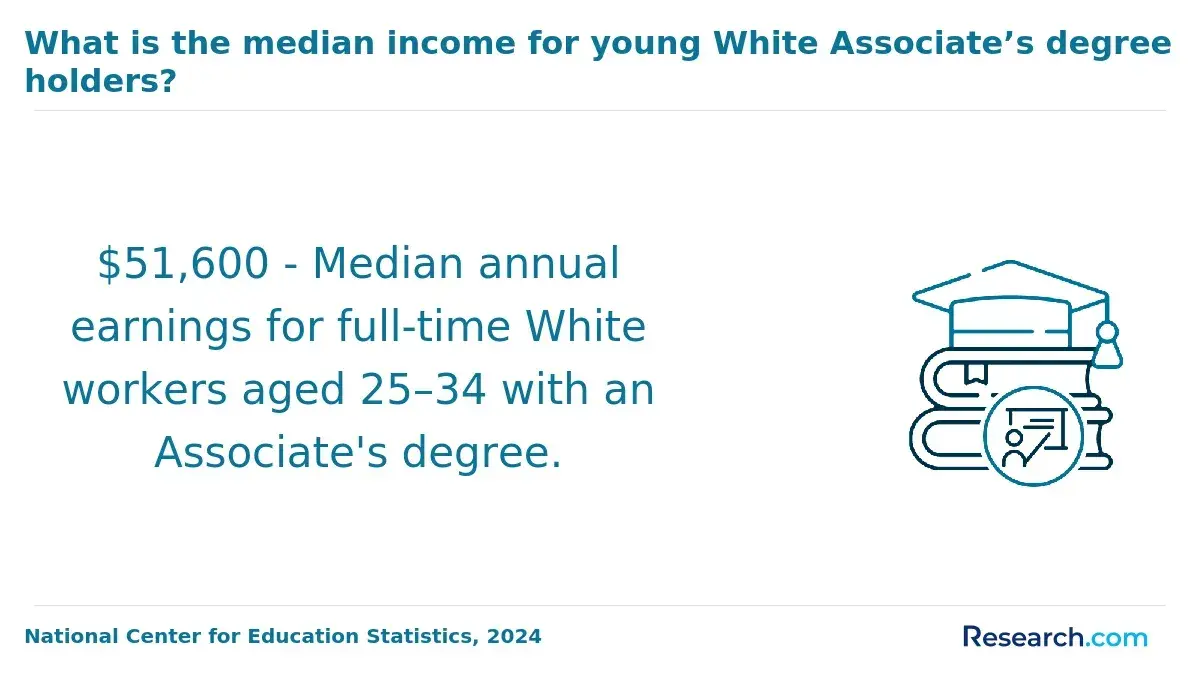
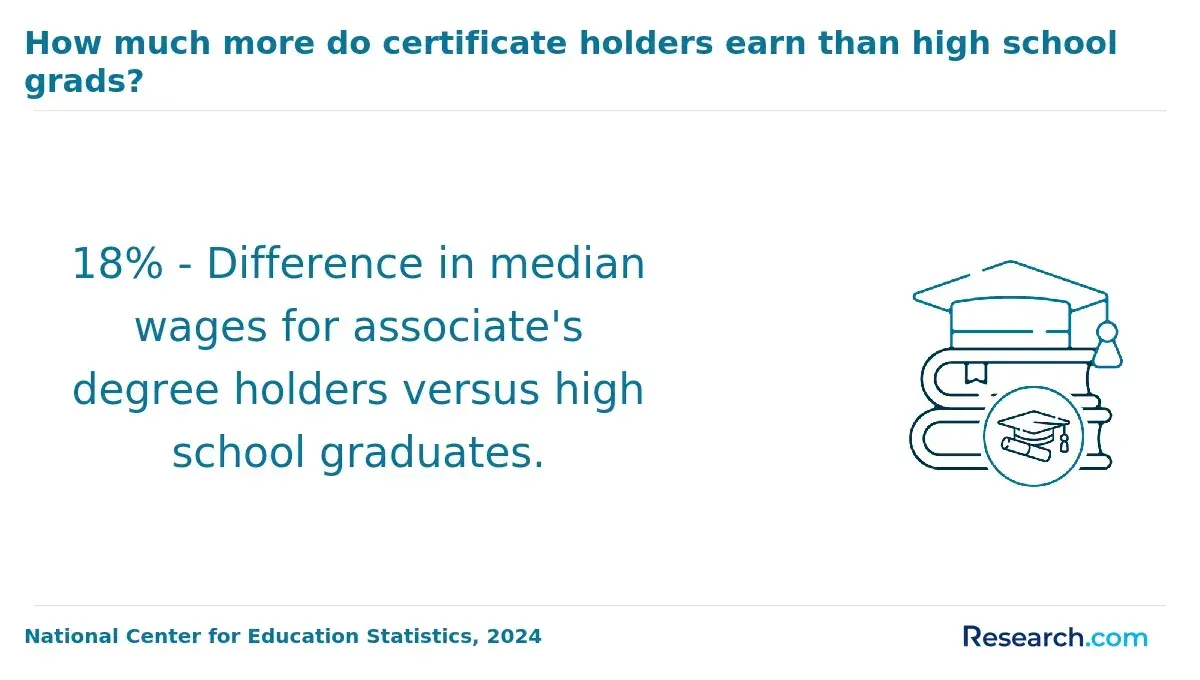
Data from the Bureau of Labor Statistics (BLS), NACE, LinkedIn Salary Insights, and Glassdoor highlight notable salary distinctions among graduates from game development degree programs, bootcamps, and certificate courses. Degree holders generally start with median salaries ranging from $55,000 to $70,000 per year, while bootcamp and certificate completers often begin around $45,000 to $60,000. This gap is statistically meaningful, particularly within larger enterprises that prioritize formal credentials.
Employer Type: Large studios and established companies tend to offer higher starting salaries to candidates with degrees. In contrast, startups and indie developers often weigh skills and portfolio quality more heavily, narrowing salary differences for those with bootcamp or certificate credentials.
Job Role: Specialized positions like graphics programming or AI development usually command better pay and favor degree holders, whereas roles focused on game design or quality assurance offer more flexible educational requirements, benefiting certificate earners.
Location: High-concentration markets such as California's Bay Area, Seattle, and Austin offer elevated salaries but increase the premium placed on degrees. Emerging regions tend to foster a more level playing field among credential types.
Career Progression: Even when entry salaries appear similar, degree graduates often experience faster advancement into well-compensated and leadership roles. This trend is driven by promotion criteria in larger companies that frequently require formal degrees for specialized or managerial tracks.
Variability: Median salary figures mask wide individual differences influenced by prior experience, technical focus, program quality, and willingness to relocate. Exploring the ROI section can provide a more detailed financial perspective.
Reflecting on his journey after graduating from a game development degree, a professional shared how navigating the competitive job market was daunting despite academic credentials. He highlighted the intense pressure of crafting a standout portfolio and mastering interviews-realizing that while the degree opened doors, proving technical skill was critical. "Having a formal education gave me confidence, but landing that first role demanded persistence and adaptability," he explained. His experience underscored that salary potential, though influenced by education, also depends on individual effort and networking within the industry.
Employers in game development show varied preferences when choosing between degrees, bootcamps, and certificates. Larger companies, government bodies, and regulated industries typically require formal degrees-often bachelor's or higher-viewing them as signals of foundational knowledge and reliable commitment. In contrast, startups and smaller studios prioritize practical experience, where bootcamp and certificate graduates may be valued nearly as highly as degree holders for their hands-on skills and portfolios.
- Sector Variation: Credential significance shifts by employer size and industry, with portfolios carrying growing weight alongside or even above formal education in many settings.
- Skills-Based Hiring Initiatives: Several top tech firms and government agencies have adopted policies aimed at skills-first hiring to improve access, but actual hiring outcomes reveal these have not completely equalized opportunities for those without degrees.
- Portfolio Power: A strong portfolio frequently supplements credentials and can decisively influence hiring, especially in roles emphasizing coding proficiency and creativity in game development jobs.
- Long-Term Career Growth: Degree holders tend to enjoy more promotion prospects and leadership chances, reflecting employer beliefs that broader education prepares candidates for complex project management and interdisciplinary teamwork.
- Credential Signaling: While degrees are linked to reliability and comprehensive knowledge, certificates and bootcamps highlight quick skill acquisition and adaptability, which can attract certain employers.
Bootcamp and certificate value in hiring for game development jobs depends heavily on the target employer, making a tailored approach critical. Prospective professionals should also consider how portfolios can reinforce formal education or substitute where degrees are less valued. For learners exploring advanced options, combining credentials with relevant skills can be advantageous-for example, pursuing an online PhD organizational leadership may help those aiming for leadership roles within the industry.
GPA Minimums: Accredited game development degree programs often require a GPA between 2.5 and 3.0 on a 4.0 scale, setting a baseline to confirm academic readiness prior to admission.
Prerequisite Coursework: Candidates are generally expected to have completed classes in areas such as mathematics, computer science, or art-subjects crucial for success in game development studies.
Standardized Testing: Many degree programs request SAT or ACT scores, although an increasing number have adopted test-optional policies to widen accessibility.
Letters of Recommendation: These programs typically seek one or more letters to gain insight into applicants' potential, character, and commitment, further raising the bar for entry.
Application Timelines: Deadlines are commonly scheduled months in advance, requiring candidates to plan and prepare their materials early.
Admission Selectivity: Selective admissions in degree programs act as both a gatekeeper and a quality signal, filtering for academic ability-a distinction employers may implicitly recognize as a mark of credibility. Conversely, bootcamps and certificate programs often operate with open enrollment or minimal requirements, emphasizing graduate outcomes, curriculum quality, instructor expertise, and industry connections to demonstrate value.
Access for Non-Traditional Learners: Lower barriers in bootcamps and certificate offerings provide important opportunities for career changers, working adults, and underrepresented groups who may confront challenges like cost, location, family responsibilities, or time constraints that hinder entry into full degree programs.
Prospective students should weigh their educational background alongside their life circumstances to decide if the rigorous admission standards of degree programs present a meaningful quality assurance or an insurmountable obstacle, while considering if more flexible alternatives better suit their path into the game development field.
A professional who launched her career after completing a game development bootcamp reflected on her experience: "I appreciated how straightforward the registration process was-no stressful testing or recommendation letters, just a genuine focus on learning the skills I needed quickly. It was challenging at times balancing work and study, but the accessibility made it possible. Looking back, I value that I could start without jumping through academic hoops, and the intensive curriculum really helped me prove myself to employers."
The curriculum offered by game development degree programs, bootcamps, and certificate courses varies greatly in scope and intent-each targets different learning outcomes within distinct timelines.
- Degree Programs: These provide a comprehensive education that blends foundational theory with practical skills. Coursework typically includes general education alongside specialized classes in programming, graphics, design principles, and interactive storytelling. Students often choose electives to deepen expertise in areas such as artificial intelligence or virtual reality. Many degrees culminate in capstone projects or theses, fostering research abilities and original contributions. While this extensive training delays entry into the workforce, it builds a versatile skill set that supports career advancement beyond initial technical roles.
- Bootcamps: Designed for rapid skill acquisition, bootcamps emphasize intensive, hands-on learning within weeks or months. Their project-centered approach focuses on programming, game engine proficiency, and teamwork to quickly produce a job-ready portfolio. Bootcamps usually bypass broader theoretical concepts and academic research, streamlining education to practical, immediately applicable skills. This method suits individuals seeking fast immersion and direct applicability in development tools but may limit long-term foundational understanding.
- Certificate Programs: These range from beginner-level offerings on platforms like Coursera or Google-covering basics such as introductory programming and game art-to advanced industry certifications validating specialized capabilities. Entry-level certificates often act as introductions, assisting novices or supplementing existing knowledge, but usually lack depth. Professional certificates cater to experienced practitioners focusing on specific technologies or methodologies. The value of such credentials is influenced by prior experience and employer acceptance, affecting job market standing differently based on context.
Return on investment (ROI) in game development education depends heavily on both direct costs-such as tuition, fees, and materials-and the often overlooked opportunity costs, which represent the income foregone while studying full time. Degree programs, typically lasting two to four years, carry significant tuition charges and the loss of salary during study, substantially increasing the total cost. In contrast, bootcamps and professional certificates are shorter in duration and usually less expensive, allowing learners to either remain employed or reenter the workforce more quickly, thereby reducing opportunity costs and boosting early ROI.
The concept of opportunity cost is crucial: for example, a mid-career professional earning $50,000 annually who leaves their job to pursue a full-time degree sacrifices that income, inflating the actual cost of the credential. Conversely, a recent high school graduate with no prior earnings faces minimal opportunity cost, making the higher salary premiums from a degree more advantageous over time despite slower initial returns.
- Recent High School Graduate: With little to no income foregone, degrees show stronger long-term ROI due to higher salary premiums, while certificates and bootcamps produce quicker workforce entry but smaller salary increases.
- Mid-Career Professional: Opportunity costs are steep for full-time degrees, making bootcamps and certificates more attractive through faster ROI within five years, although degrees may offer greater career growth over a decade.
- Part-Time Learner: Maintaining employment while studying lowers opportunity costs, narrowing ROI differences; degrees can deliver enhanced employer recognition and salary growth, while shorter programs offer rapid credentialing.
In evaluating these pathways, it is essential to consider that ROI varies widely based on individual circumstances and priorities. Faster payback from bootcamps or certificates may appeal to those balancing work and study or prioritizing swift career changes, while degrees often yield deeper knowledge and broader opportunities valued by some employers. This nuanced approach helps learners select the most suitable pathway beyond raw financial metrics.
When comparing game development job placement rates by education type, it is important to understand the differences in data sources and definitions behind reported outcomes. Degree programs typically publish placement statistics sourced from the Integrated Postsecondary Education Data System (IPEDS) or institutional research offices-these methods often focus on employment closely related to graduates' fields of study, providing a more standardized and audited picture of outcomes in game development roles.
Bootcamps and certificate programs often rely on self-reported data, though some participate in CIRR (Council on Integrity in Results Reporting), which independently verifies outcomes. However, many bootcamps count broadly defined technical jobs-including roles adjacent to game development like software testing or quality assurance-as successful placement. This broader definition can inflate placement rates compared to degree programs with stricter role criteria.
Definition Variance: "Placement" can vary widely-degree programs emphasize positions directly tied to game development such as design, programming, or art, whereas bootcamps and certificates may include general IT or tech support roles. Any prospective student comparing pathways should ask programs how they define placement and request data segmented by job relevance to ensure clarity.
Reporting Reliability: Independently audited bootcamp results through CIRR offer more credibility than purely self-reported figures. Degree programs use surveys and career service reports with institutional accountability, while certificate program reporting can be inconsistent. Transparency is key for accurate evaluation.
Career Services Impact: Effective career support-including employer connections, resume coaching, mock interviews, and alumni networks-plays a critical role in enhancing job outcomes across all education types. Prospective learners should assess the strength of career services when choosing a program.
Benchmarking and Transparency: To critically compare program claims, students should request placement data broken down by salary ranges, time-to-placement, and specific job titles. Aggregated rates may mask significant variations. Evaluating programs against industry averages helps identify which pathway aligns best with individual career goals in game development.
This nuanced understanding applies equally whether you are considering a bootcamp, certificate, or degree-each pathway's outcomes depend on how placement is defined and verified. For those evaluating options, additional credentialing such as a bookkeeping course may also influence employment prospects in related fields, underscoring the importance of clear data to inform career decisions.
Networking benefits of game development degree programs are significant due to their comprehensive infrastructure. Degree programs offer established alumni associations creating lasting peer support and referral networks. Career fairs connect students directly with employers, while faculty often serve as industry connectors, using established professional links to help secure internships and jobs. Additional networking comes through Greek life and professional organizations affiliated with the institution. Importantly, the prestige and geographic reach of the degree-granting university critically influence the scope and impact of these networks, enabling graduates from well-known schools to access broader and more diverse opportunities.
Alumni access impact on game development bootcamp careers shows a different but valuable pattern. Bootcamps leverage intensive cohort models that build tight-knit, albeit smaller and younger, alumni communities. Established bootcamps have cultivated active referral cultures and maintain employer partnerships-especially in specialized game development areas like programming or DevOps-to help graduates find employment. While these networks are typically less expansive than those from degree programs and often regionally focused, they effectively support job placement in relevant technology sectors.
Certificate programs connected to major technology companies or recognized industry bodies emphasize professional community building around their credentials. Although these networks generally lack the depth and permanence found in degree or bootcamp alumni, they provide access to mentors, hiring managers, and peers through online platforms and events. The networking tends to be highly specialized and role-specific, offering targeted professional engagement but with limited long-term cohesion beyond the credential's immediate value.
For learners seeking affordable options that incorporate robust networking, exploring the cheapest online university in USA could be an effective strategy that balances cost and access to well-established degree program networks.
Geographic factors heavily influence which educational route-degree, bootcamp, or certificate-yields better career results in game development. Large tech centers like San Francisco, Seattle, and Austin host dense employer networks that tend to favor degree holders, valuing their formal credentials and longstanding industry ties. Bootcamps located in these hubs benefit from strong local connections, boosting graduate placement rates, but those relocating outside these areas often see reduced employment success due to weaker employer recognition and fewer established relationships.
Medium-sized regional markets present a more varied environment. While employer density is lower and awareness of bootcamps and certificates can be inconsistent, degree credentials typically maintain their worth over time. In contrast, bootcamp graduates who adapt quickly can seize niche opportunities-especially when local tech scenes are growing or remote work options are available. Smaller or rural markets, with less employer familiarity with alternative credentials, generally favor degree holders due to traditional hiring preferences and limited access to bootcamp pipelines.
The rise of remote work has somewhat equalized these geographic disparities. Graduates holding any credential now have access to roles offering metropolitan-level salaries without relocating, but this also intensifies national competition for such positions. Research from Course Report reveals nearly 40% of bootcamp alumni obtain remote roles, highlighting both expanded opportunity and heightened competitiveness.
Key geographic considerations for choosing a pathway include:
- Employer Density: Degree programs and local bootcamps thrive in major tech hubs with concentrated employers.
- Credential Recognition: Traditional degrees have broad acceptance; certificates and bootcamps vary by region.
- Remote Work Impact: Expands access but increases candidate competition nationwide.
- Local Market Fit: Outcomes from the same bootcamp vary widely depending on regional employer familiarity and concentration.
Employer preferences for credentials in the game development field vary notably by organization type and size. Large corporations and government bodies frequently rely on degree qualifications-typically in computer science or game development-as mandatory filters during hiring. These credentials are often essential for compliance and leadership positions and provide a clear pathway for long-term advancement.
- Degree Emphasis: Established firms prioritize formal degrees to meet regulatory and structural demands.
- Degrees remain a dominant requirement for senior roles and career stability in these environments.
- Skills-Centric Hiring: Smaller companies, startups, and creative agencies focus more on demonstrable skills, portfolios, and project experience rather than formal education.
- Candidates from bootcamps or certificate programs can be competitive if they showcase strong technical abilities and updated portfolios.
- Post-2020 Trends: After many large employers announced removing strict degree mandates, actual workforce changes have been gradual.
- LinkedIn data reveal slight growth in non-degree hires, yet degree holders still compose the majority in game development roles.
- Alternative credentials gain acceptance mainly when supported by solid portfolios or professional experience.
- Research Strategies: Prospective candidates should conduct targeted informational interviews and analyze LinkedIn profiles of recent hires to uncover real credential trends.
- This approach allows job seekers to make informed decisions on educational investments based on authentic hiring behaviors instead of job ads alone.
What Graduates Say About Which Path Leads to Better Career Outcomes: Game Development Degree, Bootcamp, or Certificate
- Aries: "Choosing a game development degree gave me access to well-established networks and a solid credential that many employers still prioritize. The salary outcomes were promising, especially after I leveraged the internship opportunities through the university. For those ready to invest time and seek long-term growth, this path truly pays off."
- Massimo: "I opted for a bootcamp because it suited my fast-paced learning style and desire to enter the workforce quickly. While the salary starting point was a bit lower than degree holders, the job placement rates for bootcamp grads surprised me - many companies value the practical skills we bring. If you want a career boost with less time commitment and strong employer recognition, a bootcamp can be a smart move."
- Angel: "Getting a certificate in game development was ideal for me as a working professional seeking to upskill without quitting my job. The return on investment was clear-minimal upfront costs with respectable salary bumps. This route fits well for learners who want targeted knowledge quickly and access to niche networking opportunities without the years required for a degree or bootcamp."
Other Things You Should Know About Game Development Degrees
Degree holders in game development typically experience more steady long-term career growth due to a deeper theoretical foundation and broader technical skills. Bootcamp and certificate graduates often enter the workforce faster but may face limitations scaling into senior or specialized roles without further education or experience. Employers tend to value degrees more for leadership and design positions, while bootcamp and certificate completions are favored for entry-level programming and rapid skill acquisition.
During recessions or tight job markets, game development degree holders generally have an advantage due to stronger employer recognition and more extensive portfolios. Bootcamp and certificate holders may face higher competition and fewer opportunities, as employers tend to prefer candidates with formal degrees when making long-term hiring decisions in uncertain economic climates.
Employers usually want 3 to 5 polished projects, plus a playable build, source code, and a clear GitHub or portfolio site. Degree programs often include capstone projects, while bootcamps and certificates usually require a final game demo completed in 8 to 24 weeks.
- College vs. Bootcamp: Which Learning Model to Choose - tripleten.com/blog https://tripleten.com/blog/posts/college-vs-bootcamp-which-learning-model-to-choose
- MY.GAMES | How to Create Gamedev Resumes That Get You Hired https://about.my.games/blog/415-how-to-create-gamedevs-resumes-that-turn-recruiters-heads
- Coding Bootcamps vs. College | Compare Paths to Tech Careers https://www.computerscience.org/bootcamps/resources/bootcamps-vs-degrees/
- My Coding Journey Q&A - Geography graduate to Software Engineer - Fellowship Programme @ Makers https://dev.to/thekimmykola/my-coding-journey-q-a-geography-graduate-to-software-engineer-fellowship-programme-makers-3c19
- Degree vs Bootcamp ROI Showdown https://oboe.com/learn/degree-vs-bootcamp-roi-showdown-10chf9y/comparative-roi-analysis-degree-vs-bootcamp-roi-showdown-4
- Remove These From Your Gaming Resume Now | Chris Tran https://christran.gg/remove-from-gaming-resume/
- Bootcamp, College, or Self-Taught? Comparing Learning Paths for Career Changers in Tech https://www.synergisticit.com/compare-learning-paths-for-tech-career-changers/
- Career pathways in game development: from programming to design https://www.law.ac.uk/resources/blog/career-pathways-in-game-development/
- Are Coding Boot Camps Really Worth it for Aspiring Game Developers? https://informaconnect.com/are-coding-boot-camps-really-worth-it-for-aspiring-game-developers/
- Best Game Development Master's Programs 2026 https://hakia.com/degrees/game-development/best-masters-programs/