2027 Most Recession-Resistant Careers You Can Pursue With a Game Development Degree
Audited and Verified:
Our Editorial and Data Verification Process
Research.com uses government datasets, official education statistics and primary institutional information to support its career and degree guides. Our review process checks factual accuracy, occupational definitions, source dates and the requirements associated with the credentials discussed.
How This Article Was Fact-Checked
Our editorial team verifies salary estimates, employment projections, education requirements and program information against original data providers and official organizations. Salary figures are checked against the relevant occupational definitions and reporting periods. Information about licensure, accreditation and required in-person training is reviewed separately.
Fact-checked and verified on:

Co-Founder and Chief Data Scientist
Graduates with a game development degree often face uncertainty when seeking jobs that withstand economic downturns. During recessions, entertainment budgets shrink, yet the demand for digital content production rises-fueling growth in sectors like serious gaming, simulation, and educational technology. Employment in these fields is projected to grow 12% faster than average through 2030, reflecting their resilience and expansion.
To remain competitive, candidates must diversify skills beyond traditional game design, embracing areas such as artificial intelligence and cross-platform development. This article explores recession-resistant careers suitable for game development graduates and offers guidance on how to thrive amid shifting job market demands.
Key Points About Recession-Resistant Game Development Careers
- Skills gained from a game development degree, such as coding, design, and project management, translate well into software engineering and simulation roles, which remain stable during economic downturns.
- Growth in educational technology and serious games sectors offers recession-resistant opportunities, leveraging graduates' abilities to create engaging, interactive learning tools.
- Statistically, 68% of game development graduates find employment in adjacent fields like VR/AR, which are projected to grow despite recessions, reflecting the demand for adaptable tech skills.
What is the employment outlook for graduates of Game Development?
The hiring landscape for graduates with a game development degree remains robust, with roles in design, programming, and animation expected to grow 15% in the United States-well above the average for all occupations. This increase reflects both the expansion of the global gaming market and a rising need for interactive entertainment, educational software, and simulation technologies.
Below are key factors shaping this positive job market trend for game development graduates.
- Diversification into Adjacent Industries: Skills in game development are increasingly applied in virtual reality, augmented reality, and serious games for healthcare and training, broadening career opportunities beyond traditional gaming.
- Steady Investment: Consumers and corporations continue to invest heavily in digital content and gaming platforms, maintaining growth even during economic downturns and supporting job stability.
- Technological Evolution: The rapid shift toward mobile and cloud-based gaming drives demand for developers who can adapt to new tools and platforms, ensuring sustained employment prospects.
Overall, game development employment growth in the United States is supported by historically low unemployment rates within the field, 3.2% compared to the national average of 4.7%, which highlights the sector's resilience. Job market trends for game development graduates also reflect expanding roles across various digital entertainment and technology sectors that protect against recession-related layoffs.
For those considering advanced study options to specialize or accelerate their careers, exploring 1-year PhD programs online no dissertation can provide a competitive edge in this evolving field.
What are the most recession-resistant careers for Game Development degree graduates?
Certain roles within the field of game development and adjacent industries naturally offer protection against economic volatility due to their essential or regulatory nature. Graduates equipped with a game development degree often find steady opportunities by focusing on sectors less vulnerable to recession.
A recent industry analysis found that 68% of game development graduates employed in simulation and serious games maintained job retention rates well above average during downturns. Below are five of the most recession-resistant game development careers available today.
- Simulation Software Developer: This specialist designs training and simulation programs for critical industries such as defense, aviation, and healthcare. Due to the high stakes involving safety and compliance, these roles are supported by ongoing governmental and industrial funding that shields them from budget cuts.
- QA Analyst in Software Security: Analysts focusing on cybersecurity testing help organizations prevent costly data breaches. Since data protection remains a top corporate priority regardless of economic conditions, these positions are crucial and rarely face layoffs.
- Educational Technology Designer: These professionals create interactive educational tools and serious games to enhance training in schools and corporations. Because education budgets prioritize technologies proven to improve learning outcomes, demand stays steady even when finances tighten.
- Medical Visualization Specialist: Utilizing game development skills to produce 3D models and interactive tools for medical imaging and patient education, these experts serve a specialized healthcare niche where innovative technology is essential and recession-resistant.
- In-house Game Developer for Established Entertainment Companies: Employed by firms with existing franchises or subscription services, these developers continuously create content to maintain user engagement. This ongoing content creation supports steady revenue and stable employment despite fluctuating advertising budgets.
For those exploring secure, long-term options, these top steady jobs for game development degree holders demonstrate where resilience lies within the field. Students aiming to combine their creative talents with market stability may also consider programs like the accelerated MSW program online, which can complement technical skills with social work expertise for broader career possibilities.

In which industries can Game Development degree holders find work?
Graduates with a game development degree are not confined to traditional gaming careers; their versatile skill set opens doors across multiple stable sectors, even during economic challenges. In fact, 42% of employers in fields like healthcare and education technology rank game development graduates as highly adaptable and valuable.
Here are some industries where these professionals often find rewarding roles:
- Healthcare: Game development skills support the creation of serious games and medical simulations that enhance training for healthcare providers. Roles include VR developer, simulation designer, and instructional technologist focused on improving patient safety and efficiency.
- Defense: The military employs game-aware professionals to build virtual training environments using real-time 3D rendering. Job opportunities include simulation engineer and technical artist, helping train personnel in realistic yet controlled settings.
- Education Technology: EdTech companies rely on game developers to build interactive learning tools and gamified platforms. Positions such as educational game designer and UX/UI specialist develop engaging, user-friendly digital experiences for diverse learners.
- Entertainment Beyond Gaming: Film and animation studios hire graduates for their expertise in digital artistry and animation pipelines. Roles range from concept artist to technical animator, supporting projects that blend creativity with technological precision.
Speaking with a professional who completed an online game development bachelor's program, he shared how transitioning from coursework to the workforce required adapting his skills to different project demands. "At first, I struggled to translate my game-focused knowledge into other sectors," he recalled, "but the problem-solving techniques and technical abilities I honed were universally applicable."
He described the learning curve involved in mastering industry-specific software outside of gaming and emphasized the importance of networking within each field. "It wasn't just about creating visuals or code. It was about understanding the unique goals of each client and tailoring solutions accordingly." His experience underscores the diverse and flexible career paths open to graduates beyond the gaming industry itself.
Game development roles in the public sector generally offer greater job stability than those in the private sector. Government agencies, academic institutions, and nonprofit organizations benefit from steadier funding sources that are less affected by economic shifts. This means projects often continue through downturns, providing a buffer against layoffs. In contrast, private companies, especially startups and smaller studios, face more instability, with layoffs and hiring freezes common during recessions as they adjust to fluctuating consumer demand and financial pressures.
Choosing between sectors involves trade-offs. The private sector tends to foster quicker career growth and exposure to innovative technology. Meanwhile, public sector positions may advance more slowly due to hierarchical structures and budget constraints, but provide protections such as tenure systems and union support. The public sector's stability often attracts job seekers prioritizing long-term security, while the private sector suits those willing to accept risk for potential advancement.
A graduate's tolerance for uncertainty and career goals should guide their choice. Those emphasizing steady employment and recession resistance may find the public sector a safer option. Conversely, individuals focused on rapid professional development and industry innovation might prefer the private sector, despite its higher volatility. Understanding these differences can help game development graduates align their career paths with their personal priorities.
Location significantly influences job stability for game development graduates, as some states serve as key industry hubs offering more secure employment prospects. Below are three states known for supporting resilient careers in game development and related fields.
- California: This state leads the nation with the highest concentration of game development and digital media roles, fueled by Silicon Valley and the Los Angeles metropolitan area. Numerous major studios and tech companies here create an environment that supports innovation and long-term career stability.
- Washington: Seattle and nearby regions form a robust tech cluster where game development positions benefit from a diverse ecosystem, including software engineering and cloud computing. This diversity helps maintain demand during economic fluctuations, making job opportunities more stable for graduates.
- Massachusetts: Known for its emphasis on education and research, this state harbors a growing presence of specialized gaming startups alongside strong STEM industries. This blend contributes to steady employment prospects and competitive advantages for those with game development expertise.
Job growth in these states related to game development roles is projected to outpace the national average by approximately 7%, reflecting their ability to withstand recessions and economic downturns effectively.
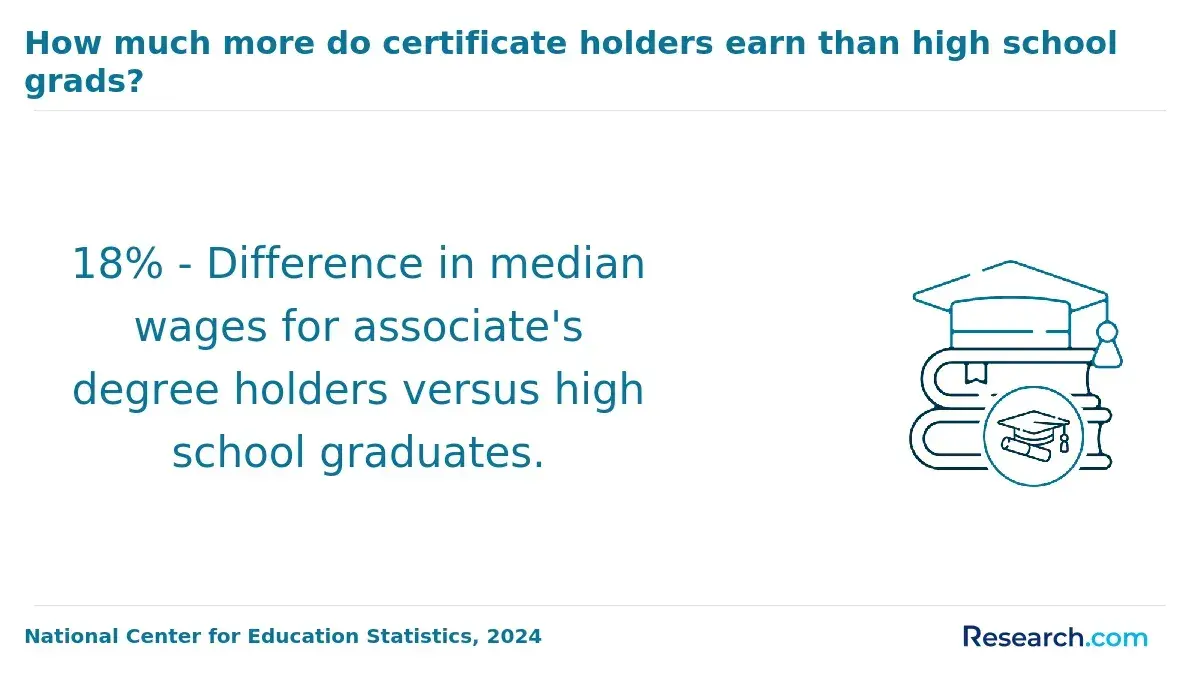
Post-graduate credentials and continuing education in game development can act as a powerful layoff shield by validating specialized, high-demand expertise that employers seek, even in difficult economic times. Industry data shows that professionals with targeted technical certifications in game development technologies have a 30% higher retention rate during economic contractions.
Below are some of the most impactful certifications for enhancing career stability.
- Unity Certified Programmer: This credential verifies proficiency in the Unity engine, which is widely used across gaming, simulation, and AR/VR sectors. Certified developers are often preferred for gameplay programmer or technical artist roles, benefiting from Unity's growing influence beyond entertainment into enterprise applications.
- Unreal Engine Certified Developer: Focused on mastering Unreal's advanced graphics and real-time capabilities, this certification is essential for high-end game design and fields like automotive or architectural visualization. It boosts employability for environment artists, software engineers, and similar roles that manage complex projects.
- Certified Software Development Professional (CSDP) and C++ Certifications: With a strong emphasis on performance optimization and cross-platform compatibility, these certifications demonstrate deep programming expertise. They are highly valued in game development programming roles where efficiency becomes critical during recessions.
- PMI Agile Certified Practitioner (PMI-ACP): This certification in Agile methodologies and product management enhances skills in iterative development and project leadership. It supports career resilience by aligning with industry moves toward flexible development cycles.
Obtaining these recession-proof certifications can help build resilience in the competitive game development industry. For those looking for a broader career enhancement opportunity, exploring the fastest executive MBA programs may also provide valuable management skills to complement technical expertise in volatile markets.
Incorporating specialized certifications related to the game development industry certifications for career stability remains one of the best strategies for professionals aiming to secure recession-proof careers in game development and allied sectors.
Continuously developing new skills can make game development professionals less vulnerable to layoffs during economic downturns and organizational changes. Enhancing expertise with essential complementary abilities improves adaptability and employment prospects. Below are key technical skills for game development graduates to consider.
- Software Engineering Fundamentals: Gaining a strong foundation in coding best practices and algorithms broadens job opportunities beyond gaming, such as working on real-time systems in finance, healthcare, or simulation, where reliable software is crucial.
- 3D Modeling and Animation: Mastery of tools like Blender or Maya opens doors to related industries including virtual reality (VR), augmented reality (AR), and film production. These fields continue to attract investments even during economic slowdowns, providing a degree of job security.
- UX/UI Design: Understanding user experience and interface design principles equips graduates to create engaging digital products across sectors. Roles focused on app and product design remain in demand due to the universal need for intuitive interfaces.
- Project Management and Agile Methodologies: Familiarity with Scrum, Kanban, and team collaboration methods allows graduates to pursue leadership and coordination positions. Such skills are valued for ensuring project delivery in competitive and lean labor markets.
- Data Analytics and Game Metrics: The ability to analyze player behavior and performance data supports live game operations and translates to broader roles like marketing analytics and product improvement, enhancing versatility in career paths.
Incorporating at least two adjacent skills into one's profile has been shown to increase job stability by around 40% during recessions, reflecting the market preference for multifaceted professionals. Prospective students focused on a recession-resistant career might also explore the cheapest construction management degree as an alternative pathway with strong growth potential.
School prestige can play a significant role in securing stable jobs for game development graduates. Employers often view degrees from well-known institutions as a signal of rigorous training and competence, which can provide an edge in a competitive job market. Graduating from a high-ranking program may also reassure employers about a candidate's ability to adapt to industry demands and innovate in challenging scenarios.
Attending the right school opens doors through valuable networking opportunities with alumni, faculty, and industry partners. These connections frequently lead to internships, job referrals, and exclusive hiring events that are less accessible to graduates from lesser-known programs. This network advantage can be crucial for breaking into recession-resistant careers within the game development and adjacent tech fields.
Nonetheless, graduates from any accredited program can remain competitive by demonstrating proven performance through strong portfolios, practical experience, and continuous skill development. In today's dynamic tech environment, practical skills and adaptability often weigh as heavily as institutional reputation when it comes to long-term career resilience.
Proactively aligning academic experiences with the evolving demands of the game development industry is crucial for enhancing employability and securing long-term job stability. These approaches help students stand out and prepare effectively for competitive roles. Consider these practical strategies:
- Hands-On Experience: Gain familiarity with leading engines like Unity and Unreal Engine through internships, personal projects, or contributions to open-source games. This equips students with real-world skills highly valued by employers.
- Portfolio Development: Create a diverse and polished portfolio featuring completed or near-completed projects. Demonstrating problem-solving capabilities and creativity in tangible work can significantly improve hiring prospects.
- Collaborative Engagement: Participate in team-based projects to sharpen communication and teamwork skills, which are essential in multidisciplinary game development environments.
- Participation in Events: Join game jams and hackathons to practice rapid prototyping, challenge creativity, and connect with industry peers who can provide valuable networking opportunities.
- Stay Informed: Keep up to date with the latest tools, trends, and discussions through forums, blogs, and industry news to maintain technological relevance.
When asked about meeting job market demands, a professional who graduated from an online game development bachelor's program shared his experience: "Balancing coursework with building real projects wasn't easy, especially remotely. I had to push myself beyond assignments-learning new tools on my own and joining online communities helped me stay motivated." He emphasized how acquiring transferable skills like project management and continuous self-directed learning proved invaluable in navigating the job search post-graduation, making the transition from student to industry professional smoother than expected.
Recession-resistant game development careers offer competitive salaries, with professionals such as game programmers, technical artists, and user experience designers earning an average annual income of approximately $85,000. This figure is roughly 15% higher than the national average across all professions. While some roles in game development generate higher incomes, others provide stable employment with moderate pay, reflecting the diversity of positions available in this expanding industry.
The average income for recession-proof game development jobs can vary widely based on industry, company size, and location. Additionally, career advancement and income potential often increase with academic credentials and specialized certifications. Continuous education, including earning certifications in specific programming languages or game engines, can yield salary premiums of 5% to 10%, rewarding those who keep their skills current. Prospective students interested in advancing their careers may explore non profit online colleges offering programs tailored to these needs.
Income for game development professionals also fluctuates based on the sector they work in-adjacent industries like healthcare, education, and defense increasingly integrate game design principles, broadening opportunities and revenue streams. Many recession-resistant roles benefit from steady demand even during economic downturns due to ongoing growth in digital entertainment and simulation technologies, ensuring both job security and financial stability over the long term.
What Graduates Say About Their Career After Getting a Degree in Game Development
- Aries: "Choosing a game development degree was driven by my passion for creativity and technology. The hands-on projects and collaborative environment prepared me exceptionally well for roles that demand adaptability and innovative problem-solving. Today, I work in cybersecurity, a truly recession-resistant field where my game development skills give me an edge in analyzing complex systems."
- Massimo: "Reflecting on my journey, pursuing a game development degree was the key to unlocking multiple career paths in tech. The foundational knowledge in coding, design, and project management equipped me to thrive in software engineering-a role well-insulated from economic downturns. This degree gave me confidence and versatility that employers highly value in uncertain markets."
- Angel: "My decision to study game development was sparked by a desire to understand interactive media, but it became much more than that. The degree sharpened my critical thinking and technical skills, which have proven indispensable in my current position as a data analyst. The stability of my job during economic shifts is a direct reflection of the diverse expertise I've gained from my education."
Other Things You Should Know About Game Development Degrees
Even recession-resistant careers in game development can face challenges such as fluctuating project funding and shifting consumer interests. Economic downturns may lead companies to prioritize fewer projects, which can increase competition for stable roles. Additionally, rapid technological changes require continuous learning to maintain relevance in the field.
Freelance game development can offer flexibility but is generally less recession-resistant compared to full-time positions. During economic downturns, freelance contracts may be reduced or delayed, affecting income stability. However, niche expertise and a strong network can help freelancers maintain work even in challenging economic conditions.
In 2027, key recession-resistant careers with a game development degree include roles such as game programmers, technical artists, and user experience designers. These positions remain stable due to their critical role in maintaining and enhancing gaming platforms and experiences, which are highly valued by consumers even during economic downturns.
No, most game development careers do not require security clearance. Roles in studio production, technical art, QA automation, and software engineering usually need a bachelor’s degree, a portfolio, and sometimes experience with engines like Unity or Unreal Engine, but not federal clearance unless the job supports defense contracting.
- Game Development Career Pathways | CG Spectrum https://www.cgspectrum.com/career-pathways/game-development
- Is Game Development a Good Career Choice in 2026? | University of the People https://www.uopeople.edu/blog/is-game-development-a-good-career-choice/
- Gaming: Is It Recession-Proof? https://www.konvoy.vc/newsletters/gaming-is-it-recession-proof
- Recession-Proof Careers: The Smart Path to Job Security in Uncertain Times for 2025 Graduate https://gocsb.com/recession-proof-careers-the-smart-path-to-job-security-in-uncertain-times-for-2025-graduate/
- Main navigation https://careersportal.ie/courses/coursedetail.php
- Video Game Developer Salary: Averages by State https://gamedesignskills.com/game-development/developer-salary/
- How important is colledge degree in game development? https://discussions.unity.com/t/how-important-is-colledge-degree-in-game-development/484055
- 5 Recession-Proof IT Jobs https://bulldogjob.com/readme/5-recession-proof-it-jobs
- Recession-proof your career with these tech certifications https://content.techgig.com/upskilling-at-techgig/recession-proof-your-career-with-these-tech-certifications/articleshow/105454295.cms
- Video Game Jobs | Job Outlook for Game Developers in 2026 and Beyond https://videogamejobs.co/blog/job-outlook-for-game-developers