2027 Game Development Degree Careers Ranked by Salary, Growth, and Work-Life Balance
Audited and Verified:
Our Editorial and Data Verification Process
Research.com uses government datasets, official education statistics and primary institutional information to support its career and degree guides. Our review process checks factual accuracy, occupational definitions, source dates and the requirements associated with the credentials discussed.
How This Article Was Fact-Checked
Our editorial team verifies salary estimates, employment projections, education requirements and program information against original data providers and official organizations. Salary figures are checked against the relevant occupational definitions and reporting periods. Information about licensure, accreditation and required in-person training is reviewed separately.
Fact-checked and verified on:

Co-Founder and Chief Data Scientist
Deciding which career path to pursue within game development can feel overwhelming-especially when balancing the demands of salary, job growth, and sustainable work-life balance. With some roles offering average salaries above $90,000 annually but demanding long hours, and others promising steadier schedules but slower advancement, the choice impacts both future earnings and personal well-being. A 15% projected growth rate in game-related employment through 2031 reflects expanding opportunities, yet discrepancies in work-life balance remain significant.
This article provides a data-driven ranking of game development careers, evaluating salary, growth potential, and lifestyle factors to guide informed, strategic career decisions.
Key Things to Know About Game Development Degree Careers Ranked by Salary, Growth, and Work-Life Balance
- Game development careers show median salaries of $70,000 to $110,000 annually—higher pay often comes with experience in programming, design, or advanced game engines.
- Employment growth is projected at about 8% through 2030—driven by rising demand for mobile games, VR/AR experiences, and interactive digital entertainment.
- Work-life balance varies widely; indie studios may offer flexibility, while major studios often involve long hours during crunch periods and tight release deadlines.
How Are Game Development Degree Careers Evaluated and Ranked Across Salary, Growth, and Work-Life Balance?
Careers in game development are ranked using a comprehensive three-pillar framework that balances salary, career growth, and work-life balance-providing a fuller picture than compensation metrics alone. This approach helps those exploring career options in the field to weigh financial rewards alongside job availability and lifestyle sustainability.
- Salary: Median wage data from the U.S. Bureau of Labor Statistics (BLS) Occupational Employment and Wage Statistics form the basis of the salary metric. Median figures capture typical earnings by minimizing the influence of outliers and give a realistic sense of financial viability across game development careers.
- Career Growth: This pillar uses BLS ten-year employment projections to estimate changes in industry demand, signaling how opportunities may expand or contract. Strong career growth forecasts highlight roles with rising job availability and advancement potential, an important factor for long-term planning.
- Work-Life Balance: Evaluated through a combination of the American Time Use Survey, Glassdoor employee reviews, and specialized workforce surveys in game development, this measure reflects working hours, stress levels, flexibility, and overall job satisfaction-critical for assessing sustainable career paths.
By integrating salary and career growth metrics for game development degree careers with these work-life balance factors in US game development career rankings, the framework avoids overly simplistic rankings. It recognizes that individual priorities-such as flexibility or schedule preferences-may influence which career suits someone best. These rankings serve as a decision-making guide, not an absolute hierarchy.
This article reviews five core game development careers: game programmer, game designer, game artist, quality assurance tester, and technical artist. Each role is analyzed through evidence-based data to help align career choices with both skills and lifestyle goals. Readers interested in further education might also explore online speech pathology programs masters, illustrating the value of well-rounded career research.
Which Game Development Degree Career Paths Offer the Highest Starting and Mid-Career Salaries?
Exploring a career in game development can be both exciting and rewarding, especially considering the potential earning opportunities at various stages of your professional journey. Understanding which degree paths in game development lead to the highest starting and mid-career salaries can help aspiring developers make informed educational and career choices. Here, we delve into the most lucrative degree options and the factors that influence earning potential in this dynamic industry.
- Game Programmer: Game programmers consistently rank among the highest earners within game development degree careers due to their advanced technical expertise. Entry-level salaries generally range from $60,000 to $75,000, with mid-career professionals earning between $110,000 and $140,000. The significant pay premium reflects the mastery required in complex coding languages and engine architectures, combined with a shortage of skilled developers who can deliver efficient, bug-free code. Larger private companies and gaming hubs like California and Washington state tend to offer superior salaries, while public sector roles may provide more stable work-life balance despite lower pay.
- Game Designer: Starting salaries for game designers typically fall between $50,000 and $65,000, with mid-career professionals earning $95,000 to $120,000. Their compensation is driven by the need to creatively shape player experiences, storylines, and game mechanics while also demonstrating analytical leadership skills. Because designers who effectively balance creativity and analytics are scarce, they command competitive pay. Salaries peak in larger studios and successful franchises but vary based on company culture and project timelines, impacting mid-career salary growth for game development jobs in America.
- Technical Artist: Technical artists bridge artistic creativity and programming, with entry salaries from $55,000 to $70,000 and mid-career earnings from $100,000 to $130,000. This role's unique skill set contributes to its competitive salary, especially in firms producing visually rich games. Pay scales are influenced by employer size and location, with urban tech clusters offering the highest compensation.
- Game Producer: Game producers manage entire project lifecycles, budgets, and teams, earning starting salaries of $50,000 to $65,000 and mid-career salaries between $95,000 and $125,000. Their wider leadership and cross-disciplinary knowledge justify salary premiums. Larger companies and private sectors generally provide better pay, though demanding crunch periods can affect work-life balance.
- Quality Assurance (QA) Lead: QA leads typically start near $50,000 and can earn $90,000 to $110,000 with experience, higher than entry-level QA testers who often earn under $40,000. Their combination of technical expertise and management responsibilities underpins their economic value to studios. Salaries fluctuate according to employer size, public versus private sectors, and regional industry concentrations.
For those exploring advanced options, pursuing masters of psychology online programs can complement technical skills by enhancing teamwork and leadership capabilities vital for career growth in the gaming industry.

What Do the Bureau of Labor Statistics Job Growth Projections Reveal About the Future of Game Development Degree Careers?
The Bureau of Labor Statistics offers extensive projections on various industries, including the evolving field of game development. Understanding these insights can help aspiring professionals evaluate the future landscape of careers tied to game development degrees and prepare strategically for emerging opportunities and challenges.
- High Growth Fields: Numerous careers linked to game development are expected to expand faster than the national occupational average of 5% over the next decade. Roles such as software developers and multimedia artists benefit from increasing technological adoption and growing demand for interactive digital media. This growth is propelled by trends including mobile gaming, virtual reality, and the rise of eSports.
- Demand Drivers: The proliferation of gaming platforms alongside heightened consumer engagement fuels recruitment in these professions. Advances in technology-like improved graphics processing and real-time rendering-further require specialized expertise, sustaining higher employment rates.
- Stable or Flat Growth Careers: Certain positions within game design experience slower growth due to factors like market saturation and automation. Professionals in these areas can sustain career momentum by focusing on niche sectors, such as augmented reality or serious games used for education and training, which also offer potential improvements in work-life balance.
- Regional and Sector Variability: It is critical to understand that Bureau of Labor Statistics projections are broad national averages. Local labor markets and specific industry segments may show markedly different trends, influenced by factors like regional investment, technology hubs, and policy priorities.
- Sector Shifts and Adaptability: Career flexibility remains essential for game development graduates. The industry is evolving toward roles that blend coding, storytelling, and user experience design. Professionals who adapt to these multidisciplinary demands are often positioned for greater career satisfaction and advancement.
Work-life balance is a complex, multidimensional concept measured here through average weekly hours worked, schedule predictability, remote or hybrid work availability, typical paid time off, and satisfaction ratings from sources like Glassdoor, Indeed, and Payscale. These indicators help quantify balance across various game development degree jobs.
- Hours Worked: Entry-level roles commonly require 45-50 hours weekly, particularly during crunch periods, while senior roles often maintain steadier 40-45 hour weeks.
- Schedule Predictability: Producers and project managers usually experience consistent schedules, whereas programmers and artists report variable deadlines and occasional overtime.
- Remote/Hybrid Work: Surveys show programmers and designers benefit from flexible arrangements, with about 60% offering hybrid options; in contrast, artists and QA testers have limited remote possibilities.
- Paid Time Off: PTO typically ranges from 10 to 15 days annually, varying by employer type-larger studios tend to provide more generous policies than indie firms.
- Employee Satisfaction Scores: These scores correlate with balance factors, with mid-career developers generally reporting higher satisfaction than those early in their careers.
Work-life balance also fluctuates by employer sector and career stage; AAA studios often impose demanding cycles, while smaller companies might offer more flexibility but less predictability. Early-career professionals frequently face heavier workloads to establish themselves, with improvements as they advance.
Individuals influence their balance by choosing employers carefully, negotiating expectations, and selecting paths aligned with lifestyle goals. Viewing work-life balance as an active design element empowers careers that last. Those researching game development degree options can find insights to guide choices and may also explore programs like the cheapest accredited online accounting degree to broaden possibilities.
Evaluating game development careers by equally weighing salary, job growth, and work-life balance reveals roles that offer well-rounded sustainability and satisfaction. This approach balances quantitative data with qualitative insights, reflecting what career-focused individuals typically seek for long-term success.
- Software Engineer: Combines competitive pay and strong job growth with a moderate but manageable work-life balance, making it a consistently high-ranking choice despite occasional busy periods.
- Game Designer: Offers modest salary matched by excellent growth prospects and some of the best work-life balance ratings, appealing to those valuing creativity alongside steady career advancement.
- Quality Assurance Tester: Although salaries are lower, this role scores highly on work-life balance and maintains steady demand, ideal for professionals prioritizing stability and schedule flexibility.
- Technical Artist: Strikes a balance between solid compensation and high growth potential, with favorable work-life balance, thriving at the intersection of art and technology.
- Project Manager: Commands a strong salary and positive job growth outlook but can experience fluctuating work-life balance, especially close to deadlines, suiting those who prioritize leadership and financial reward.
- Audio Engineer: Shows moderate pay with very high work-life balance and niche growth opportunities-perfect for specialists seeking manageable hours.
- Game Programmer: Has strong pay and reasonable growth; however, work-life balance challenges during intense development phases lower its overall composite standing.
Readers who favor higher income might weight salary more heavily, shifting preference toward software engineers or project managers. Those valuing a balanced lifestyle may lean toward quality assurance or audio engineering roles. Adjusting these priorities mentally allows tailoring the ranking to individual goals and circumstances.
Focusing on a specific specialization within game development shapes salary potential, career advancement, and work-life balance in distinct ways. Data from the U.S. Bureau of Labor Statistics and industry surveys reveal that specialization often leads to clearer paths and outcomes compared to a generalist approach.
- Technical Roles: Positions like graphics programmers, engine developers, and AI specialists tend to offer top-tier salaries and fast growth driven by technological innovation. However, these roles often demand intense work periods-especially near product launches-which can strain work-life balance.
- Art and Design: Careers in animation, game art, and UI/UX design usually provide moderate but stable earnings with predictable schedules. Although lifestyle balance is better, progressing to senior positions frequently requires additional credentials such as advanced courses or certifications.
- Production and Project Management: Producers and project managers receive competitive pay similar to technical experts and enjoy steady progression. These roles emphasize communication and organizational skills over coding, often permitting more consistent hours despite pressure from responsibility.
- Quality Assurance: QA and testing roles typically offer lower salaries but feature regular work hours and moderate career growth. This path suits those prioritizing manageable lifestyles, though moving upward may depend heavily on accumulated experience.
- Narrative Design and Writing: As storytelling grows in importance, these roles show promising career development but relatively modest pay. Work-life balance tends to be favorable except when deadlines intensify. Building a strong creative portfolio and pursuing graduate studies can enhance prospects.
Early specialization through targeted education or credentials significantly elevates long-term earnings and promotion chances. Meanwhile, professionals who maintain broad skills may eventually reach senior or executive roles where versatility is highly valued, sometimes resulting in higher lifetime compensation.
Current trends highlight that technical specializations-especially in AI and virtual reality-are expanding 15% faster than average game development roles, emphasizing the growing importance of deep expertise balanced with sustainable work practices.
Geographic location plays a crucial role in shaping salary, employment growth, and work-life balance for game development graduates, with distinct regional trends evident across the U.S.
- Northeast: Major hubs like New York City and Boston offer higher salaries driven by established tech and media sectors, but elevated living costs often diminish financial gains and create challenges in work-life balance through longer commutes and expensive housing. Smaller cities here provide moderate pay with more affordable living, fostering better lifestyle conditions.
- Southeast: Growing game studios in cities such as Atlanta and Raleigh deliver steady salary growth below coastal averages. However, lower living expenses improve net financial outcomes, complemented by a more balanced lifestyle featuring shorter commutes and family-friendly environments.
- Midwest: Chicago and Detroit represent mid-tier wages and slower job growth but benefit from low living costs and reduced traffic, supporting favorable work-life balance. Smaller markets may offer competitive compensation when cost of living is considered.
- Southwest: With cities like Austin and Phoenix, this region shows strong employment growth and salaries near national medians. Despite rising housing prices, economic opportunities and cultural amenities contribute to positive work-life balance, especially for younger professionals.
- West: Silicon Valley, Seattle, and Los Angeles lead in salary levels but face high living costs that limit purchasing power. Demanding work environments can impact personal time, although dynamic creative industries promote career advancement.
Large metropolitan areas typically offer higher salaries but bring trade-offs related to affordability and commute times. Mid-sized markets may deliver superior net compensation after adjusting for housing, taxes, and living expenses.
The rise of remote and hybrid work models has partly decoupled location from pay, allowing game development professionals to earn based on high-cost city benchmarks while living in more affordable regions. Incorporating geographic strategy into career planning is essential-taking into account one's game development specialization, housing preferences, community ties, and desired work-life balance optimizes long-term success.
When comparing public sector vs private sector game development careers in the United States, salary, growth, and work-life balance present distinct contrasts, informed by data from the BLS Quarterly Census of Employment and Wages, Office of Personnel Management compensation tables, and workforce satisfaction surveys.
- Salary: Private sector roles generally offer higher base salaries across entry, mid, and senior levels. Entry-level private game developers earn about 10-20% more than public counterparts; however, public jobs often include defined-benefit pensions and loan forgiveness programs that enhance long-term financial security. Mid-career private positions show a 15-25% salary advantage, but public sector health coverage and stable annual increases and retirement benefits can narrow total compensation gaps. Senior private developers command notably higher cash pay, though government healthcare and retirement benefits reduce disparities significantly.
- Growth: The private market is expanding vigorously, especially in large studios and tech companies involved in virtual reality and mobile gaming, reflecting strong consumer demand and investment trends. Public sector growth in game development is concentrated in federal agencies targeting simulation training, educational technology, and defense applications aligned with shifting policy priorities and infrastructure upgrades. State and local governments focus on game-based education and public outreach, showing slower but steady hiring rates compared to the private sector.
- Work-Life Balance: Public sector game development jobs typically offer more predictable schedules, generous leave policies, and higher employee satisfaction related to job security and workplace stability. Private sector roles-particularly in small studios or startups-often require longer hours and less flexibility but may offer bonuses or greater creative control. Work-life balance varies widely within each sector by role and career stage, with senior or management positions influencing expectations significantly. Surveys indicate government positions rank higher on leave benefits and overall satisfaction.
For students and professionals evaluating game development career options, understanding these differences is crucial. Those considering strategic pivots or early job choices might also explore an online finance degree to enhance their versatility and long-term career growth in this competitive field.
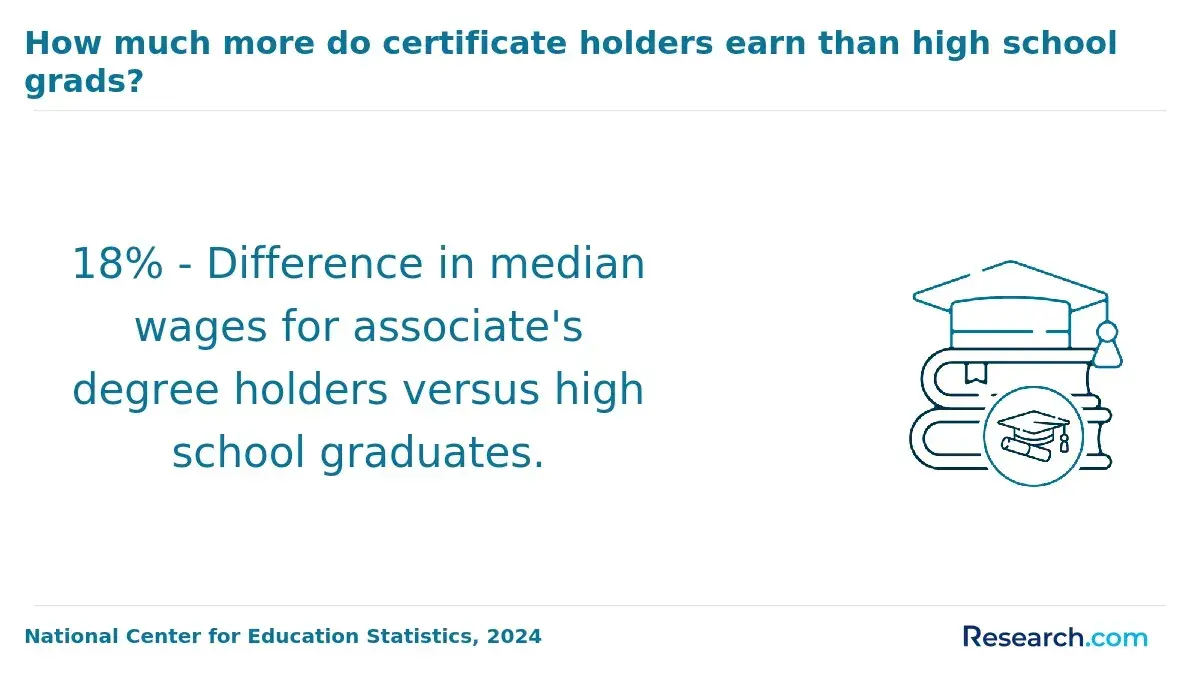
Advanced degrees and certifications have a significant impact on game development careers, affecting salary growth, career advancement, and work-life balance. According to NACE salary data and BLS occupational classifications, earning a master's or doctoral degree often results in a salary premium ranging from 15-30% over those with only a bachelor's degree. These advanced degrees typically require two to six years of additional study and an investment that can exceed $30,000, depending on the program and institution.
Professional certifications in game development or related fields like project management and advanced programming usually demand less than a year and cost a few thousand dollars but provide smaller salary boosts of 5-12%. However, these certifications enhance career opportunities for game development professionals in the US by accelerating growth and unlocking specialized or managerial roles that bachelor's degrees alone may not access.
- Master's Degree: Offers substantial salary gains and access to senior technical and design leadership roles; requires notable time and money but often improves work-life balance by qualifying for positions with greater autonomy.
- Doctoral Degree: Primarily valuable for professionals pursuing research, academia, or high-level R&D; yields the highest salary ceilings but may involve long-term commitment and variable work-life balance depending on the employer.
- Professional Certifications: Provide focused skill validation; enhance opportunities in project management or specialized technical roles; lower cost and time investment; may increase work pressure due to role expectations despite moderate pay increases.
Candidates should align advanced credentials with specific career goals-whether maximizing salary, fast-tracking growth, or securing a sustainable work-life balance-and avoid credential accumulation without clear purpose. For those exploring educational options, researching programs such as online electrical engineering courses USA can provide insights into relevant pathways that complement game development careers.
Remote and hybrid work arrangements have become increasingly prevalent in the game development industry, transforming the traditional workplace dynamic. As companies adopt more flexible work models, questions arise about how these arrangements impact salary, career growth, and work-life balance for professionals in this field.
- Salary: Remote-eligible game development jobs generally offer salaries on par with their office-based equivalents, though some employers reduce pay for remote workers living in less expensive regions. This geographic pay adjustment can effectively enhance income for remote employees residing outside major urban hubs, where premium salaries remain concentrated.
- Prevalence: Remote and hybrid work are increasingly accessible across many game development roles, though flexibility varies widely. Software engineers and tools developers enjoy up to 60% remote work opportunities, while positions like quality assurance testers and animators often require being on-site more than 70% of the time. Industry reports confirm that programming and creative roles dominate remote listings, reflecting a broad shift toward tech jobs that support location independence.
- Career Growth: Some concerns exist that remote work limits advancement due to reduced visibility and fewer informal interactions. However, hybrid and remote models have become standard in many programming and design teams, supporting stable career progress comparable to on-site peers.
- Work-Life Balance: Flexible scheduling and elimination of commute times benefit many remote game developers, improving overall balance. Conversely, blurred boundaries between work and personal life may induce burnout, especially among highly driven workers or those without dedicated home offices.
- Recent Trend: In 2023, about 45% of game developers identified remote or hybrid work as their main work setup-marking a 25% rise since 2020 and underscoring the rapid normalization of flexible work within the industry.
Several game development careers stand out for balancing salary, career growth, and work-life harmony without demanding major sacrifices in any area. Data from Glassdoor, PayScale's Work-Life Balance Index, and the BLS American Time Use Survey consistently identify a few roles that offer a well-rounded professional experience supported by stable industry trends.
- Game Designer: Typically found in mid-sized to large studios, this role combines creative freedom with teamwork through iterative design processes. Employers often promote flexible hours and remote work opportunities, enabling better integration between professional and personal life. Career progression is steady as designers deepen expertise in gameplay and user experience, all while maintaining competitive salaries within the field.
- Quality Assurance (QA) Lead: QA leads benefit from structured workflows and more predictable hours compared to other technical roles. Companies with strong QA focus emphasize steady schedules and ongoing skill development, leading to consistent career advancement. Salaries start moderate but increase notably with management experience and technical specialization.
- Technical Artist: Bridging the gap between art and programming, technical artists work in studios valuing hybrid skillsets. Their workload is often manageable, with a balance between creative design and technical problem-solving. This dual expertise opens paths for promotion and salary growth without the intensity common in purely coding-focused positions.
Work-life balance in game development hinges not only on job type but also on organizational culture. While many salaried roles with routine hours foster better life integration, personal experience varies due to management style and team environment. Since 2020, increased adoption of remote work and flexible schedules has positively influenced balance metrics across the industry. Readers should use these rankings as a guide-not guarantees-as individual boundaries and workplace dynamics significantly shape actual work-life balance.
What Graduates Say About the Game Development Degree Careers Ranked by Salary, Growth, and Work-Life Balance
- Aries: "Choosing a degree in game development was one of the best decisions I made. The salary prospects definitely caught my attention initially-this field offers competitive pay that grows steadily over time. What really surprised me was the balance between creativity and technical work each day, making the career both fulfilling and sustainable in the long term."
- Massimo: "Reflecting on my journey through game development, I recognize that while the salary can vary widely depending on your niche, the potential for long-term career growth is strong thanks to emerging technologies and expanding markets. The daily work-life balance can be challenging during crunch times, but it's rewarding to see your projects come to life. Overall, it's a career that demands passion and persistence."
- Angel: "From a professional standpoint, the game development degree offers one of the more dynamic career paths available. Salary tends to align with skillset and experience, but what stands out most is the clear trajectory for upward movement in this industry. The day-to-day work-life rhythm varies by role, but many find a satisfying blend of teamwork and individual creativity that sustains long-term enthusiasm."
Other Things You Should Know About Game Development Degrees
The most recognized certifications are Unity Certified Associate and Unity Certified Professional, plus Epic’s Unreal Engine certification options where available. Employers use them to verify practical engine skills, especially for technical artist, gameplay programmer, and tools roles. They matter most when paired with a portfolio of shipped projects or prototypes.
Graduates can maximize long-term benefits by choosing early roles that offer mentorship, skill development, and exposure to trending technologies. Prioritizing companies with sustainable work cultures helps maintain work-life balance while building a strong portfolio. Making strategic moves toward specialized or leadership roles over time can lead to higher salaries and better career prospects.
- Swift Tech Co. | Digital Solutions Across 35+ Industries https://swifttechco.com/blog/gaming/game-development-degree-career-path-and-job-prospects-2024
- The Rise of Hybrid Work: Redefining Work-Life Balance https://blog.radancy.com/2025/02/06/the-rise-of-hybrid-work-redesigning-work-life-balance/
- From Salary-Man to Elden Ring: The Unconventional Career Paths That Built Gaming's Greatest Minds https://dev.to/krizekster/from-salary-man-to-elden-ring-the-unconventional-career-paths-that-built-gamings-greatest-minds-2ji
- Circuit Stream · Your Guide to the Different Career Pathways You Can Take in the Game Development Industry https://www.circuitstream.com/blog/your-guide-to-the-different-career-pathways-you-can-take-in-the-game-development-industry
- UK game devs value work/life balance more than salary and exciting work, says new report - MCV/DEVELOP https://mcvuk.com/business-news/game-devs-value-work-life-balance-more-than-salary-and-exciting-work-says-new-report/
- Game Development Degrees: What You Need to Know https://www.ivywise.com/ivywise-knowledgebase/gaming-majors/
- Your Gaming Skills Can Help You Shape Your Career https://hbr.org/2023/03/your-gaming-skills-can-help-you-shape-your-career
- Game Development Degree Career Outcomes: Jobs, Salaries & Growth https://hakia.com/degrees/game-development/career-outcomes/
- Video Game Jobs | Job Outlook for Game Developers in 2026 and Beyond https://videogamejobs.co/blog/job-outlook-for-game-developers
- Should I move to a big city to start my career in video games? https://www.gameindustrycareerguide.com/should-i-move-to-a-big-city-to-start-my-career-in-video-games-podcast/