2027 Forensic Accounting Degree Master's Programs Accepting Students Now

Co-Founder and Chief Data Scientist
Choosing a forensic accounting master’s program is not just a question of finding a school that is “open now.” Applicants need to know whether their background fits the admissions profile, whether the degree is accredited and useful for career goals, how much it will actually cost, and whether the schedule works for full-time professionals, career changers, recent graduates, and international students.
This guide explains how forensic accounting master’s programs are structured, who they are designed for, what admissions committees usually look for, and how to compare cost, accreditation, financial aid, online formats, and career outcomes. It is especially useful for applicants with non-accounting degrees, professionals moving from finance, compliance, law enforcement, or business roles, and students who need flexible graduate options without losing sight of credential value.
For applicants coming from unrelated fields, the path can feel unclear. Career changers often need programs that evaluate experience, prerequisite readiness, and academic potential rather than relying on one narrow undergraduate major. In fact, 42% of professionals note that flexible program structures and relevant experience criteria are crucial for their transition into forensic accounting roles. International applicants must also account for university-specific accreditation expectations, transcript evaluation rules, and English-language proficiency requirements.
Key Things to Know About Forensic Accounting Degree Master's Program Accepting Students Now
- Forensic accounting master's programs often feature flexible online or hybrid formats, enabling working professionals to balance study with full-time employment effectively.
- Accelerated curricula allow students to acquire essential forensic accounting skills within 12 to 18 months, supporting faster career advancement in a competitive job market.
- Many programs provide access to global alumni networks and industry connections, fostering collaboration and career opportunities across diverse geographical regions.
What Are Forensic Accounting Master's Programs, and Who Are They Designed For?
A forensic accounting master’s program is a graduate degree focused on the use of accounting, auditing, investigation, data analysis, and legal knowledge to identify financial misconduct and support litigation, compliance, and fraud investigations. Most programs take one to two years and are offered on campus, online, or in hybrid formats.
These programs are usually designed for three types of students: accounting professionals who want a more specialized credential, career changers who want to move into financial investigation, and recent bachelor’s graduates who want stronger preparation for fraud examination, audit, compliance, or forensic accounting roles. Some programs are built for students with accounting backgrounds, while others offer prerequisite pathways for applicants from business, finance, criminal justice, economics, or related fields.
- Typical duration: Most programs run 12 to 24 months for full-time students, with longer timelines available for part-time learners.
- Common formats: Students may choose traditional campus study, fully online coursework, or hybrid formats that combine remote learning with scheduled in-person sessions.
- Primary audience: The degree commonly serves working accountants, auditors, compliance professionals, fraud investigators, career changers, and recent graduates seeking specialization.
- Academic focus: Coursework usually combines advanced accounting, fraud detection, forensic investigation methods, ethics, financial reporting, litigation support, and legal concepts.
- Degree level difference: Compared with a bachelor’s degree, the master’s offers more specialized and applied training. Compared with a doctoral degree, it is usually more career-focused than research-focused.
The degree can be useful for students pursuing roles such as forensic accountant, fraud examiner, compliance analyst, financial auditor, or forensic analyst. Demand for accounting and auditing professionals remains steady, with the U.S. Bureau of Labor Statistics projecting a 4% growth in accounting and auditing jobs through 2031. Students comparing flexible graduate options can also review broader program-selection guidance, including Research.com’s guide to the best online master's in artificial intelligence, as an example of how to evaluate online affordability, format, and academic fit across fields.
Which Forensic Accounting Master's Programs Are Currently Accepting Applications?
Forensic accounting master’s programs open and close application cycles throughout the year, so students should confirm current deadlines directly with each university before applying. “Accepting applications” can mean rolling admission, a priority deadline for the next term, or a fixed fall, spring, or summer start date. It can also mean that a program is accepting applications for a future cohort rather than immediate enrollment.
Applicants should check three details before investing time in an application: whether the program is currently open, whether the start date matches their timeline, and whether their academic background meets the prerequisite requirements. Accreditation should also be verified through official school pages and recognized accrediting bodies, including resources such as the Association to Advance Collegiate Schools of Business (AACSB) or the American Institute of CPAs (AICPA).
Examples of accredited forensic accounting graduate programs that prospective students may encounter include:
- University of Southern California - Professional Forensic Accounting Master's: This professionally oriented program emphasizes applied case work and practical investigation skills. Its rolling admissions structure may be useful for applicants who need multiple entry points during the year.
- Johns Hopkins University - Accelerated Forensic Accounting Master's: Designed for professionals with finance or business experience, this intensive option can be completed in less than 18 months. Applicants should pay attention to priority deadlines for fall and spring intakes.
- University of Florida - Thesis-Based Forensic Accounting Master's: This research-focused pathway may fit students considering doctoral study, academic research, or analytical roles that require deeper methodological training. Applications follow fixed semester deadlines with summer and fall starts.
- Northeastern University - Online Forensic Accounting Master's with Co-op Options: This option combines online coursework with cooperative education opportunities, making it relevant for students who want structured work experience alongside graduate study.
- Florida Atlantic University - Professional Master's in Forensic Accounting: This accelerated, cohort-based program targets career changers and admits students twice yearly through spring and fall deadlines.
When comparing programs that are open now, do not apply only because a deadline is convenient. Review the curriculum, faculty background, tuition structure, internship or practicum options, CPA or certification alignment, and support for students without an accounting major. Students balancing work and graduate study may also find useful comparison points in Research.com’s guide to the easiest master's degree to get online, particularly when thinking about workload, flexibility, and admissions accessibility.
What Are the Admission Requirements for a Forensic Accounting Master's Program?
Admission requirements for a forensic accounting master’s program usually measure whether the applicant can handle graduate-level accounting, analysis, writing, and legal or investigative coursework. Schools commonly request official transcripts, letters of recommendation, a statement of purpose, a resume or CV, and, in some cases, GRE or GMAT scores. Requirements vary by institution, especially for applicants without an undergraduate degree in accounting.
The strongest applications do more than submit the required documents. They explain why forensic accounting is the right next step, show evidence of quantitative ability, and connect past work or study to future investigative, audit, compliance, or fraud examination goals.
- Official undergraduate transcripts: Schools use transcripts to evaluate academic preparation, grades in accounting or quantitative courses, and whether prerequisite coursework is needed.
- Letters of recommendation: Strong letters usually come from professors, supervisors, or professional mentors who can speak to analytical ability, ethics, reliability, communication skills, and readiness for graduate work.
- Statement of purpose: This essay should explain the applicant’s career goals, interest in forensic accounting, relevant experiences, and reason for choosing that specific program.
- Resume or CV: Admissions committees review work history, internships, certifications, accounting exposure, finance experience, compliance roles, investigation-related work, and leadership responsibilities.
- Standardized tests and prerequisites: GRE or GMAT requirements vary by school. Some programs waive them, while others may require prerequisite courses for applicants without accounting-related degrees.
Applicants from unrelated majors should not assume they are automatically disqualified. Many programs consider business experience, finance coursework, legal or compliance work, fraud investigation exposure, military or law enforcement experience, and strong performance in prerequisite classes. The key is to show readiness for technical accounting work and a clear reason for entering the field.
One career changer who pursued an online forensic accounting master’s degree described the process as demanding but manageable. “I wasn’t sure if my non-accounting background would hold me back,” he said. He found that gathering transcripts, requesting recommendations early, and writing a focused statement of purpose made the application stronger. He also noted that GRE waivers reduced stress and allowed him to focus on explaining his career transition.
What Is the Minimum GPA Requirement for a Forensic Accounting Master's Program?
Most forensic accounting master’s programs commonly use a 3.0 GPA on a 4.0 scale as the baseline for admission. Competitive programs may expect stronger academic records, especially when the curriculum includes advanced accounting, auditing, analytics, or research requirements. However, GPA is rarely the only factor admissions committees consider.
Applicants with GPAs near or below the stated cutoff may still have options. Schools may consider an upward grade trend, strong performance in accounting or quantitative courses, relevant professional experience, certifications, or evidence that the applicant is prepared for graduate-level study. Some institutions also offer conditional admission, allowing students to prove readiness by completing foundational coursework successfully.
- Common baseline: A 3.0 GPA is generally the minimum used by many forensic accounting master’s programs.
- Competitive review: More selective programs may prefer applicants above the baseline, particularly when seats are limited.
- Grade trend matters: An applicant whose grades improved in later semesters may be viewed more favorably than the overall GPA alone suggests.
- Relevant experience can help: Accounting, finance, audit, compliance, tax, investigation, or business experience may strengthen an application with a lower GPA.
- Conditional admission may be available: Some schools admit students conditionally and require them to complete prerequisite or foundation courses with acceptable grades.
Recent findings from the National Association of State Boards of Accountancy reveal that over 40% of forensic accounting master’s programs adopt flexible admission policies that evaluate candidates beyond GPA alone. Students near the cutoff should contact admissions staff before applying and ask how the committee reviews borderline GPAs, prerequisite gaps, and professional experience. Prospective students comparing the financial side of graduate study can also use Research.com’s guide to master's in counseling online cost as a broader example of how to think through tuition, fees, and affordability across online graduate programs.
How Long Does It Take to Complete a Forensic Accounting Master's Program?
Most forensic accounting master’s programs take one to two years for full-time students. Part-time students commonly take two to four years, depending on course load, term structure, work obligations, and whether the program includes a thesis, internship, practicum, or capstone. Accelerated 12-month tracks are available at some institutions, while combined bachelor’s/master’s 4+1 programs can allow students to earn both degrees in about five years.
The fastest program is not always the best choice. A 12-month schedule may work well for students who can study full time and already have the necessary accounting foundation. Working professionals, parents, military students, and career changers may benefit from a slower pace that allows them to absorb technical material and avoid overload.
- Full-time study: Students usually finish in one to two years, often by taking multiple courses each term.
- Part-time study: Students may take two to four years or longer, which can be more realistic for full-time workers.
- Accelerated tracks: Intensive 12-month options can shorten the timeline but may require a heavier workload and stronger preparation.
- 4+1 pathways: Combined bachelor’s/master’s programs can allow students to complete both credentials in about five years.
- Thesis versus non-thesis: A thesis can extend the timeline because of research and faculty review, while a capstone or non-thesis route may be more practice-oriented and quicker.
- Transfer credit and prior learning: Approved graduate credits or recognized professional preparation may reduce time to completion, depending on school policy.
- Internships and practica: These experiences may add scheduling complexity but can improve job readiness and professional connections.
A professional who completed an online forensic accounting master’s degree while working full time said the flexible format made the degree possible, but not effortless. She described late-night reading, weekend assignments, and careful planning around work deadlines. “It wasn’t just about finishing quickly-it was about really understanding the material,” she explained. Her thesis required extensive research, but she credited that work with helping her feel prepared for complex forensic investigations.
What Is the Cost of a Forensic Accounting Master's Program, and How Is It Calculated?
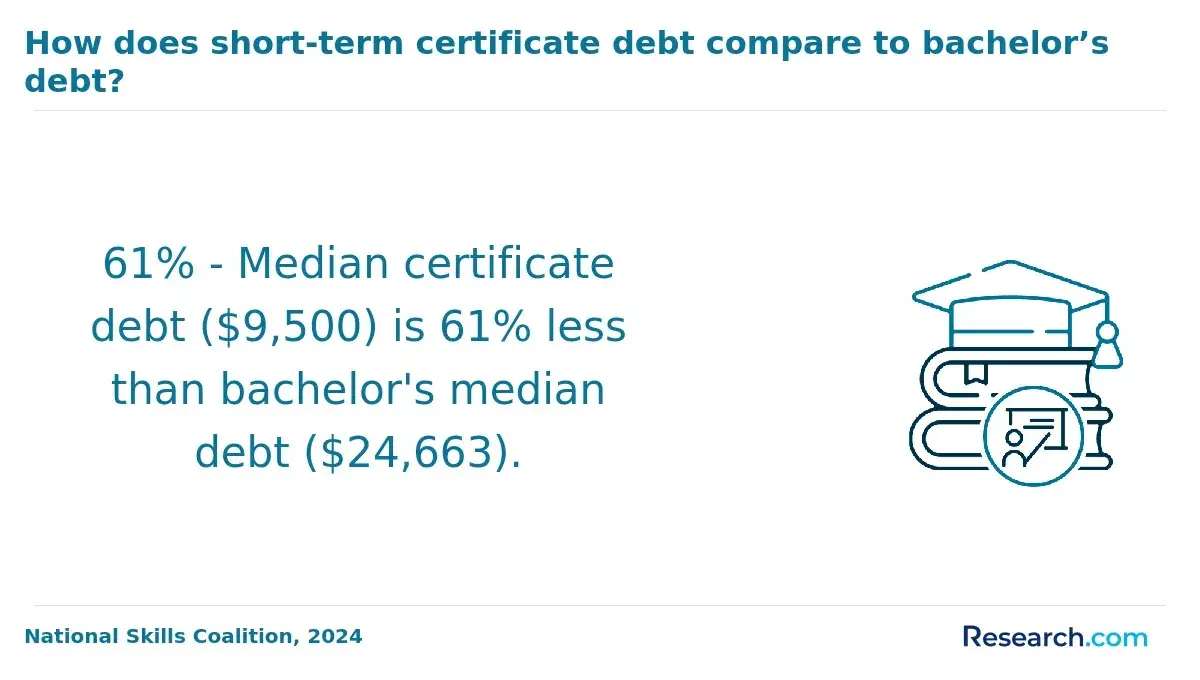
Forensic accounting master’s programs typically cost between $20,000 and $60,000 nationally, but the published tuition price does not always reflect what a student will actually pay. The final cost depends on tuition rate, number of required credits, residency status, fees, books, technology charges, travel, living costs, and available aid.
Most universities calculate graduate tuition by credit hour. Public universities often charge different rates for in-state and out-of-state students, while private institutions may use one tuition rate for all students. Some online programs simplify pricing with a flat rate regardless of residency, but students should still check whether additional fees apply.
- Tuition per credit hour: Multiply the per-credit rate by the number of required credits to estimate base tuition.
- Residency status: Public universities may charge lower tuition to in-state students and higher tuition to out-of-state students.
- Mandatory fees: Technology, student services, graduation, assessment, course materials, and online learning fees can increase the total bill.
- Living and travel costs: Campus-based students may need to budget for housing, food, commuting, parking, and relocation. Online students may avoid some of these costs.
- Books and software: Forensic accounting courses may require specialized accounting platforms, data analysis tools, case materials, or exam preparation resources.
- Net cost: Scholarships, assistantships, employer tuition benefits, and federal loans can change the amount a student pays out of pocket.
Students comparing affordability should calculate total program cost, not just tuition. Ask each school for the full cost of attendance, including fees and estimated materials. If online affordability is a major factor, comparing related accounting options such as the cheapest online accounting degree can help students understand how tuition structures differ across accounting-related programs.
What Financial Aid Options Are Available for Forensic Accounting Master's Students?
Graduate students in forensic accounting usually have fewer grant options than undergraduates, so planning is important. The first step for most U.S. students is completing the Free Application for Federal Student Aid (FAFSA), which is used to determine eligibility for federal graduate loans and may also be required for some institutional aid.
Financial aid for master’s students often combines several sources: federal loans, university scholarships, assistantships, employer tuition reimbursement, private scholarships, and personal savings. Working professionals should also ask their employer whether forensic accounting, compliance, audit, or fraud-related coursework qualifies for tuition assistance.
- Federal loans via FAFSA: Completing FAFSA can provide access to Direct Unsubsidized Loans and Grad PLUS Loans. These loans typically feature fixed interest rates and flexible repayment terms.
- Institutional grants and fellowships: Some universities offer merit- or need-based awards for graduate business, accounting, or forensic accounting students, though funding may be limited.
- Graduate assistantships: Teaching, research, or administrative assistantships may provide stipends, tuition waivers, or partial tuition support in exchange for work.
- Employer tuition benefits: Employers in accounting, finance, insurance, government, law enforcement, compliance, and consulting may help pay for job-related graduate study.
- Private and discipline-specific scholarships: Professional associations, foundations, and accounting organizations may offer awards for students pursuing fraud examination, accounting, or financial investigation.
- State-based aid: Some states offer graduate financial aid tied to residency, public service, workforce needs, or employment location.
Students should compare aid packages by net cost and repayment burden. A lower-tuition program with limited support may be more affordable than a higher-priced program only if fees, materials, and financing terms are manageable. Before borrowing, estimate monthly payments and ask whether the program publishes career support, completion rates, or graduate employment outcomes.
Are There Scholarships Specifically for Forensic Accounting Master's Students?
Yes. Some scholarships are available specifically for forensic accounting, fraud examination, accounting, auditing, finance, or business graduate students. These awards may come from universities, accounting departments, professional associations, private foundations, employers, or government-related organizations.
According to recent data, over 40% of graduate students in accounting-related disciplines receive scholarships or grants, which shows that funding is available but often competitive. Students should begin scholarship research before application deadlines, because many awards require separate essays, transcripts, recommendations, proof of enrollment, or professional goals statements.
- Institutional scholarships: Universities may award funds based on academic merit, financial need, professional experience, program fit, or department-specific criteria.
- External scholarships: Organizations such as ACFE and dedicated foundations may offer awards connected to fraud examination, forensic accounting, accounting ethics, or financial investigation.
- Professional association awards: Accounting and fraud examination groups may support students who plan to pursue certification, public service, audit, compliance, or investigative careers.
- Employer-sponsored awards: Some employers provide scholarships, reimbursement, or education stipends for employees building skills in accounting, fraud prevention, or compliance.
- Renewable awards: Some scholarships may continue for more than one term or year if the student maintains eligibility, enrollment status, and academic performance.
Applicants should create a scholarship calendar with internal university deadlines, external award deadlines, FAFSA dates, and assistantship application windows. It is also worth reviewing broader affordability tools, including Research.com’s EdD in education resource, as a model for comparing online program costs, funding routes, and long-term value.
What Are the Best Online Forensic Accounting Master's Programs Available Today?
The best online forensic accounting master’s program is the one that is accredited, academically rigorous, financially realistic, and aligned with the student’s career goal. A strong program should offer advanced accounting and fraud investigation coursework, qualified faculty, reliable online student support, and clear information about admissions, tuition, and outcomes.
Accreditation should be the first filter. Students should confirm that the institution is properly accredited and that any business or accounting accreditation claims are current. Faculty background also matters because forensic accounting is applied work: instructors with experience in fraud examination, auditing, litigation support, compliance, law enforcement, or financial investigations can connect theory to real cases.
- Accreditation and credibility: Verify institutional accreditation and any relevant business or accounting accreditation before applying.
- Curriculum depth: Look for courses in fraud examination, forensic auditing, financial statement analysis, litigation support, data analytics, ethics, and internal controls.
- Faculty expertise: Review whether instructors have academic credentials, professional certifications, or real-world forensic accounting experience.
- Flexibility: Online students should compare asynchronous versus synchronous classes, part-time options, term length, and attendance requirements.
- Student support: Advising, writing support, library access, technology support, tutoring, and career services can affect completion and job readiness.
- Career alignment: Strong programs should help students prepare for roles in accounting firms, corporations, government agencies, insurance, compliance, or investigative units.
- Admissions fit: Career changers should check whether the program accepts non-accounting majors and whether prerequisite courses are required.
Students should be cautious about choosing an online program based only on speed or convenience. A credible online forensic accounting master’s degree should still require serious analytical work, ethical reasoning, and technical accounting preparation. Applicants exploring online education across fields can compare flexibility and student-support features with Research.com’s guide to the best online game design degree, while keeping in mind that forensic accounting requires a different professional and regulatory focus.
How Do Accreditation Standards Affect the Value of a Forensic Accounting Master's Degree?
Accreditation affects whether a forensic accounting master’s degree is recognized by employers, eligible for federal financial aid, and useful for certain professional or certification pathways. Students should verify accreditation before applying, especially if they plan to use the degree for career advancement, licensure-related education requirements, employer reimbursement, or graduate transfer credit.
Regional accreditation evaluates the institution as a whole. Programmatic accreditation focuses on a school, department, or business program. While there is no exclusive accreditation solely for forensic accounting, recognition from business and accounting-related accreditors or professional organizations can add credibility when combined with proper institutional accreditation.
- Regional accreditation: This applies to the entire college or university and is often essential for employer recognition, graduate transfer credit, and federal financial aid eligibility.
- Programmatic accreditation: This evaluates a specific business or accounting-related academic unit and may signal stronger alignment with professional standards.
- Licensure and certification relevance: Many licensing agencies and certification boards require education from accredited institutions. Requirements vary, so students should verify rules directly with the relevant board.
- Employer confidence: Employers are more likely to recognize degrees from accredited institutions because accreditation indicates external quality review.
- Federal financial aid: Students generally must attend an accredited institution to access federal aid programs.
- Verification: Applicants should confirm accreditation through official sources, including the U.S. Department of Education's Database of accredited postsecondary institutions and programs.
Accreditation should not be treated as a marketing claim. Students should confirm the accreditor name, institutional status, program status if applicable, and any warnings, probation notices, or pending changes. This is particularly important for online programs and for applicants who may later pursue certification, CPA eligibility, or employment in regulated environments.
What Career Outcomes Can Forensic Accounting Master's Graduates Expect?
Forensic accounting master’s graduates may pursue roles in public accounting firms, corporations, consulting firms, insurance companies, government agencies, law enforcement-adjacent units, regulatory bodies, and internal audit or compliance departments. Common titles include forensic accountant, fraud examiner, financial auditor, forensic analyst, compliance analyst, and investigative accounting specialist.
The U.S. Bureau of Labor Statistics reports median salaries in related accounting fields typically between $70,000 and $90,000, with those holding master’s degrees generally earning toward the upper range. Actual pay depends on location, employer type, prior experience, certifications, industry, and job responsibilities. A master’s degree can strengthen advancement potential, but it does not guarantee a specific salary or role.
- Forensic accountant: Investigates financial records, identifies irregularities, supports litigation, and prepares findings for legal or organizational use.
- Fraud examiner: Focuses on detecting, investigating, and preventing fraud within organizations, often using accounting records, interviews, and internal controls analysis.
- Financial auditor: Reviews financial statements, controls, and reporting processes to assess accuracy, risk, and compliance.
- Forensic analyst: Uses financial data, documents, and analytical tools to support investigations involving losses, disputes, fraud, or misconduct.
- Compliance analyst: Helps organizations follow financial regulations, internal policies, reporting obligations, and anti-fraud procedures.
Graduates with prior accounting, audit, tax, law enforcement, compliance, or finance experience may be better positioned for specialized roles than students entering the field with no related background. Career services, alumni connections, internships, and employer partnerships can also influence outcomes. Students should ask programs about career support, graduate destinations, certification preparation, and whether coursework aligns with the roles they want.
What Graduates Say About Their Forensic Accounting Degree Master's Program
- : "Choosing the forensic accounting master's degree was a strategic decision to pivot into a more specialized area within finance. The program's costs were quite reasonable compared to those of others in similar fields, which made it accessible without compromising quality. Since graduating, the skills I gained have directly contributed to landing investigative roles in top firms, accelerating my career growth significantly. — Benjamin"
- : "Reflecting on my time pursuing the forensic accounting master's degree, I appreciate how it balanced theoretical knowledge with practical application. I was initially concerned about tuition fees, but the return on investment became evident once I started applying the detailed fraud analysis techniques in my job. This degree truly opened doors to leadership positions in forensic audits. — Louise"
- : "The decision to pursue a forensic accounting master's degree stemmed from my passion for uncovering financial irregularities and contributing to legal processes. Although the program cost was a considerable commitment, it felt worthwhile as it enhanced my credibility and professionalism. Today, I work confidently as a forensic accountant, a role that wouldn't have been possible without this specialized education. — Leah"
Other Things You Should Know About Forensic Accounting Degrees
Choosing the right forensic accounting master's program depends on your specific career objectives, scheduling needs, and budget. Look for programs with specialized forensic accounting courses, experienced faculty, and strong connections to the accounting and legal industries. Consider program accreditation and career support services to ensure the degree enhances your professional opportunities.
The application process typically includes submitting transcripts, letters of recommendation, a statement of purpose, and standardized test scores if required. Some programs might also require relevant work experience or a background in accounting or finance. It is important to carefully follow the application instructions outlined by each school.
Application deadlines vary by institution but generally fall several months before the start of the semester. Many programs have rolling admissions or multiple start dates throughout the year, which can provide flexibility for applicants. Checking each program's website for current deadlines is essential to ensure the timely submission of materials.
References
- Bridging the Gap: Financial Aid Opportunities for Advanced Studies in Forensic and Data Analytics Accounting | https://breemontoyascholarship.com/bree-montoya-scholarship-for-accounting/bridging-the-gap-financial-aid-opportunities-for-advanced-studies-in-forensic-and-data-analytics-accounting/
- Master's in Forensic Accounting Online | Stevenson University https://www.stevenson.edu/online/academics/online-graduate-programs/forensic-accounting/
- MSc in Forensic Accounting (Distance Learning) - NUP https://www.nup.ac.cy/msc-in-forensic-accounting-distance-learning/
- Master of Science inForensic Accounting https://www.albany.edu/business/programs/ms-forensic-accounting
- Forensic Accounting Career Paths, Skills & Salary Guide https://online.ewu.edu/degrees/business/mba/accounting/career-paths-salary-guide/
- Admissions & Costs - Forensic Accounting, M.S. https://www.oldwestbury.edu/programs-courses/forensic-accounting/admissions-costs
- Master of Science in Forensic Accounting and Cybercrime https://www.neumann.edu/academics/grad/ms-forensic-accounting-and-cybercrime-online
- Professional Standards in Forensic Accounting https://www.kaplanforensics.com/blogs/professional-standards-in-forensic-accounting
- Top Master's in Forensic Accounting Online | Accounting.com https://www.accounting.com/degrees/forensic-accounting/masters/best-online-programs/