2027 Environmental Science Master's Programs With Practicum Placement Support

Co-Founder and Chief Data Scientist
Choosing a master's program with bridge or foundation courses can challenge applicants lacking a direct environmental science background, especially when practicum placement structures vary widely. Programs differ in how they match students with field supervisors, the credentials expected of those supervisors, and the variety of practicum sites available-all factors critically shaping hands-on learning quality. According to the National Center for Education Statistics, enrollment in master's programs with flexible admission criteria grew by 12% in 2023, reflecting rising demand among career changers and working adults seeking accessible pathways. Understanding practicum support nuances helps applicants align program choices with career goals and real-world training needs.
Key Things to Know About Environmental Science Master's Programs With Practicum Placement Support
- Matching processes prioritize alignment between student research interests and practicum sites, enhancing skill relevance but often extending placement timelines, which may delay degree completion for candidates balancing work.
- Supervisor qualifications typically require advanced environmental expertise, signaling employer demand for rigorously mentored practicum experiences that better prepare graduates for complex, evolving workforce roles.
- Site diversity fosters exposure to varied ecosystems and sectors, improving adaptability but sometimes raising logistical and cost challenges, especially for working professionals seeking integrated, time-efficient program tracks.
What Are Environmental Science Master's Programs With Practicum Placement Support?
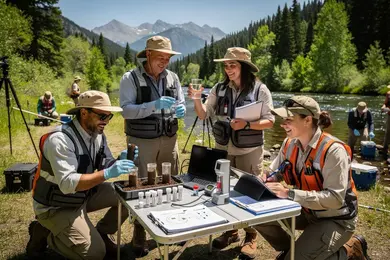
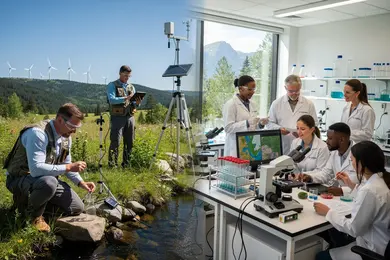
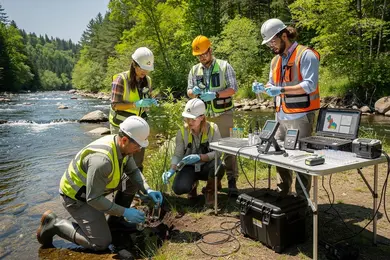
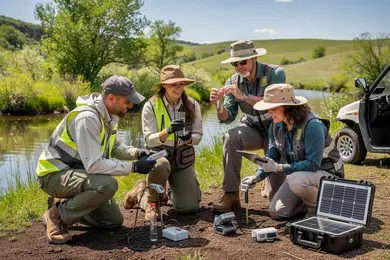
Master's-level practicums in environmental science serve as a controlled bridge between academic learning and professional practice, distinctively structured to ensure supervised, credit-bearing engagement rather than the more loosely arranged or self-sought placements typical of internships or field experiences. This distinction critically affects students' ability to translate classroom knowledge into practical skills recognized by employers. For example, a student enrolled in a master's degree in environmental science with field placement support who lacks an established network can rely on program-facilitated site matching, avoiding the uncertainty and delays endemic to self-arranged internships. Employers increasingly expect documented, supervised practice that adheres to program competencies, making placement support an operational advantage for both career changers and those constrained by geography or limited connections.
- Practicum Definition: Unlike internships, practicums are embedded in the academic curriculum with formal assessment, ensuring rigor and accountability through direct faculty and supervisor oversight.
- Distinguishing Features: Programs with practicum placement support actively coordinate student assignments to relevant environmental sectors such as resource management or pollution control, maintaining consistency and relevance in applied training.
- Placement Support: Dedicated coordinators and institutional partnerships reduce the logistical burden on students, which is particularly important for those outside major urban centers or without access to established professional networks.
- Significance for Students: Access to structured placement mechanisms is often a decisive factor for meeting accreditation requirements and gaining employer-recognized credentials, directly influencing job market competitiveness.
This article examines the elements that define effective practicum placement support within environmental science master's programs, offering critical insights for prospective students who must navigate these operational distinctions to make informed decisions aligned with their career and geographic circumstances.
Why Is Practicum Placement Support Critical in Environmental Science Master's Programs?
Robust practicum placement support is a decisive factor shaping how Environmental Science master's graduates perform in credentialing and early career stages. Without structured guidance in securing appropriate field sites, students risk prolonged program timelines and compromised skill development essential for employer confidence.
Graduate outcomes research and licensing board criteria underscore a programmatic necessity for centralized practicum coordination. Environmental Science certifications frequently require documented supervised hours that meet clearly prescribed learning objectives and supervisor qualifications. Professional bodies such as the National Association of Environmental Professionals (NAEP) establish standards demanding that practicum experiences reflect both technical rigor and meaningful site relevance.
Leaving practicum placement entirely to students can cause critical pitfalls, including delays that extend academic timelines and placements that mismatch a student's specialization or lack qualified supervision, potentially invalidating required practicum hours. In contrast, programs maintaining active partnerships with diverse site providers mitigate these risks by ensuring timely, relevant placements that uphold accreditation mandates and equip students with applicable skills.
- Licensing and Accreditation: Accredited programs align practicum components with standards set by key certifying bodies, validating student competence through documented and supervised practicum hours.
- Quality and Relevance: Centralized placement support matches students to environments that complement their focus areas and offer mentorship from field experts.
- Risk Mitigation: Institutional oversight avoids common hurdles like site shortages, unsuitable assignments, or supervisor inadequacies that jeopardize credentialing.
- Professional Outcomes: Employers expect evidence of guided, real-world exposure, which contributes directly to workforce readiness and technical proficiency.
- Accessibility and Equity: Programs with established networks facilitate equitable practicum access, especially for those in rural or underserved regions.
How Do Environmental Science Master's Programs Structure Their Practicum Components?
Effective practicum placement structure in environmental science master's programs hinges on balancing academic rigor with real-world adaptability, a crucial consideration for students managing work, family, or geographic constraints. The practicum not only consolidates applied skills but also serves as a critical evaluation point for employer readiness, making its design essential beyond mere credit accumulation.
- Timing: Practica are frequently scheduled in the final semester or year, allowing students to build foundational knowledge first; however, concurrent models running alongside core courses offer early hands-on exposure but require heightened time management skills.
- Credit Hours: Programs typically allocate between 3 and 6 credits for practicum work, sometimes combining it with capstone projects. Importantly, the number of credits does not guarantee supervision quality or depth of fieldwork, making structure and oversight equally relevant.
- Sequencing Models: Sequential practica spread over multiple semesters enable reflective skill development but extend program duration, which may deter those needing expedited completion. Intensive block placements provide immersive learning in condensed periods, though they challenge working professionals, while concurrent placements increase workload by integrating practica with coursework.
- Flexibility and Supervision: Successful programs accommodate varied schedules and assign qualified supervisors with direct environmental sector experience, addressing disruptions from placement changes or rural location barriers. This aspect directly affects the effectiveness of fieldwork and mentorship.
- Integration with Coursework: Programs that intertwine practicum objectives with academic content and capstone activities produce graduates whose applied knowledge aligns more closely with employer expectations and career trajectories.
Students evaluating a master's program should move beyond credit hour totals to scrutinize placement sequencing, supervision intensity, and scheduling flexibility. For those outside metropolitan hubs or transitioning fields, these factors are crucial for an enriching practicum experience. Moreover, rigorously structured practica with strong supervisor qualifications and relevant site diversity ensure practical competence, reflecting the realities of environmental science workforce demands, including those outlined in CACREP online counseling programs, which emphasize practicum placement structure in environmental science master's programs alongside credit and supervisory quality.
What Qualifications Do Students Need to Qualify for Environmental Science Practicum Placement Assistance?
Meeting practicum placement requirements in environmental science master's programs often hinges on more than academic performance; programs implement these standards to balance student readiness with the operational demands of real-world field sites. For example, a student aiming for placement at a government wildlife agency must demonstrate both factual knowledge and compliance with rigorous safety and legal protocols, reflecting how placement is as much about risk mitigation as skill validation.
- GPA Thresholds: Establishing a minimum GPA, commonly near 3.0 on a 4.0 scale, helps programs ensure candidates possess the analytical rigor necessary for complex environmental challenges and communicate competence to hosting organizations.
- Prerequisite Coursework: Completion of foundational courses such as ecology, statistics, environmental policy, and chemistry sets a baseline expertise, reducing training times on site and enhancing immediate practical contribution.
- Background Checks: Many field sites, particularly those involving community interaction or sensitive ecosystems, require criminal history clearance to uphold regulatory standards and safeguard vulnerable populations.
- Health Documentation: Verification of immunizations and health clearances aligns with occupational safety mandates, protecting both the student and field staff from transmissible diseases or hazardous exposures common in environmental work.
- Liability Insurance: Holding professional liability coverage shields institutions and students from legal consequences related to mishaps during field assignments, reflecting growing institutional risk awareness.
These requirements serve as gatekeepers not only to satisfy external regulations but also to streamline partnership dynamics with practicum sites, where delays or non-compliance can jeopardize placement availability and program reputation. Candidates can avoid costly postponements by confirming these criteria early, ideally before program enrollment. Securing a comprehensive timeline for eligibility milestones from prospective programs, including deadlines for background checks and immunization records, allows for strategic planning especially critical for students balancing concurrent work or family responsibilities.
One graduate recalled hesitating during rolling admissions when uncertain if their prior coursework met prerequisite standards. This created anxiety about missing key deadlines to submit health and background documentation, which ultimately delayed placement confirmation. Precautionary early inquiries and requesting explicit eligibility checklists in writing helped them regain control over the timeline and avoid last-minute scrambling in front of demanding supervisors at their field site.
Which Types of Practicum Sites Are Commonly Used in Environmental Science Master's Programs?
Practicum site selection in environmental science master's programs fundamentally shapes the practical skills, professional norms, and populations students engage with, ultimately influencing their career trajectory. Choosing placements without understanding these distinctions risks mismatched experiences that offer limited long-term value.
- Government Offices: Students here gain exposure to policy enforcement, regulatory frameworks, and interagency collaboration. Such placements emphasize formal compliance and stakeholder communication, preparing graduates for roles that involve navigating bureaucratic or legislative environments.
- Nonprofit Organizations: These sites focus on grassroots advocacy, community research, and education, often under resource constraints. Students develop adaptability and mission-driven teamwork, which align with careers prioritizing social and environmental justice.
- Corporate or Workplace Environments: Placements in corporate settings center on sustainability protocols, environmental risk management, and balancing ecological concerns with profitability. This experience is critical for those aiming at industry positions where environmental strategy intersects with business objectives.
- Community Agencies: Working directly with local populations, students address socio-environmental justice, public health, and outreach, cultivating interpersonal and cultural competencies essential for community-centered practices.
- Schools: Educational placements involve designing environmental curricula and public awareness campaigns, honing skills in teaching and communication that are not typically emphasized in other settings.
- Hospitals and Outpatient Clinics: Although less common, these placements expose students to environmental health impacts like pollution and occupational hazards, broadening interdisciplinary collaboration opportunities in emerging healthcare-focused environmental roles.
Because each site type embeds students in distinct professional cultures and skill sets, prospective learners should investigate how programs assign placements and whether they can influence site choice. Aligning practicum settings with career goals enhances practical relevance and employability, especially for those outside urban centers where site availability varies. Clarifying supervisor credentials, contingency support, and accreditation alignment further distinguishes programs that offer substantive field training from those with minimal practicum infrastructure.
How Do Environmental Science Programs Match Students With Appropriate Practicum Placements?
Programs in environmental science master's degrees vary widely in how they connect students with practicum sites, and these differences materially affect student outcomes and employability. Some programs fully manage placements, assigning students to sites based on institutional partnerships, minimizing student input but ensuring vetted experiences. Others adopt hybrid approaches where students select preferred sites from a curated list before final confirmation. The tension between administrative control and student agency here directly impacts placement fit, satisfaction, and career relevance, particularly for those navigating specialized fields or geographic constraints.
Key factors shaping practicum placement matching include:
- Geographic Proximity: Students outside urban centers often encounter fewer local opportunities, reducing placement options and sometimes forcing reliance on virtual practicums or programs with travel support. This geographic reality can restrict site diversity and affect experiential learning quality.
- Student Interests: Matching placements to a student's environmental science specialization can enhance relevance but narrows feasible sites. For example, students focused on wetland restoration may find fewer available supervisors than those in environmental policy, affecting employability prospects.
- Site Availability: The volume of active partnerships and pre-approved sites varies by program and region, influencing accessibility and placement diversity and thereby shaping the practical experiences students receive.
- Supervision Capacity: The pool of qualified mentors capable of guiding students is limited at many sites, which in turn caps the number of placements despite growing program enrollment and workforce demand.
- Accreditation Alignment: Site eligibility depends heavily on meeting accrediting bodies' standards, which protect academic rigor but limit permissible placement options.
Prospective environmental science students should interrogate programs on placement timelines-specifically how far in advance sites are confirmed-and inquire about contingency plans if preferred sites are unavailable. Understanding whether students can formally express site preferences before match finalization provides insight into program transparency and flexibility. These practical considerations separate programs with robust field placement infrastructure from those offering minimal support.
For career changers or those in rural areas, such clarity is vital in gauging how well a program accommodates diverse geographic and professional backgrounds within the environmental science practicum placement matching process. These decisions have long-term workforce implications for hiring into specialized roles.
Those comparing programs might also consider exploring related fields and credentialing routes, such as an MFT program, where structured practicum placement also influences career pathways.
What Is the Role of Field Supervisors and Faculty Liaisons in Environmental Science Practicum Programs?
Effective oversight in environmental science practicum programs hinges on distinct but complementary roles of field supervisors and faculty liaisons, which directly impact a student's applied learning and professional readiness. Unlike faculty liaisons who ensure academic rigor and program alignment, field supervisors focus on real-world skill development and adherence to industry practices. For example, a student working on a contaminated site relies on their field supervisor's seasoned expertise and relevant certification to navigate regulatory standards, while the faculty liaison ensures this experience meets curricular outcomes and intervenes if educational goals are unmet. This division underscores the tradeoff between practical immersion and academic accountability, which programs balance unevenly.
- Field Supervisors: Typically, these mentors possess relevant licensure or certifications alongside several years of applied experience in environmental sectors such as consulting or regulatory agencies. Their credibility must align with professional boards' standards to effectively oversee technical tasks and workplace compliance, ensuring students gain valuable, marketable competencies.
- Faculty Liaisons: As academic representatives, they maintain oversight by verifying that practicum activities align with coursework, often conducting site visits or virtual check-ins. Their role includes mediating conflicts, clarifying expectations, and safeguarding the student's educational integrity.
- Supervision Quality: Minimum requirements for supervisor qualifications and regular contact are critical variables influencing practicum success. Strong supervision correlates with smoother professional transitions and enhanced employability, emphasizing its strategic importance in program evaluation.
- Student Support: Prospective enrollees should inquire about how faculty liaisons stay connected during placements, the frequency of site monitoring, and established protocols for addressing supervision or placement challenges to avoid gaps in guidance.
A graduate reflected on their practicum experience during program selection: facing rolling admissions and uncertain timelines, they delayed finalizing a commitment until confirming the availability of qualified field supervisors aligned with their career goals. This cautious approach paid off when their liaison quickly arranged a site placement after admission, providing clarity and structured mentorship that proved essential once in the field. Such strategic patience in admission decisions can prevent mismatched placements and support clearer expectations throughout the practicum phase.
How Do Environmental Science Programs Support Students Who Face Challenges Securing a Practicum Site?
Environmental science master's students regularly face structural hurdles securing practicum placements, with consequences that ripple into their skill acquisition and employability. Geographic scarcity of approved sites outside major urban centers remains a persistent obstacle, especially for students in rural or dispersed regions. Moreover, demand pressures escalate as multiple programs compete for a limited number of vetted placements, often disenfranchising late applicants. Credentialing delays, including background checks and health clearances, further complicate onboarding timelines, risking gaps in hands-on training essential for workforce readiness. Programs that proactively maintain a regularly updated and diverse database of practicum sites-including governmental, nonprofit, and private sectors-mitigate geographic limitations and expand options. A dedicated practicum coordinator who manages early, centralized matching and sustains site partnerships is critical to balancing competitive demand and promoting equitable access. Importantly, documented contingency protocols address common mid-placement failures-such as funding cuts or organizational restructuring-that can abruptly terminate experiential learning. Open communication channels and tailored accommodations also support students facing personal hardships like employment conflicts or transportation issues, which otherwise threaten completion. Prospective enrollees concerned with placement accessibility-particularly those pursuing environmental science practicum placement support services in rural areas or with specialized career focuses-should rigorously inquire into these infrastructure facets before committing. Data shows that a significant share of students secure placements early in the admissions cycle, reinforcing the need for timely engagement with coordinators. For those evaluating cost-efficiency alongside practical support, exploring options through resources like the cheapest tuition online college listings can provide additional clarity without compromising placement quality.
- Geographic Scarcity: Robust programs maintain an expansive, regularly updated database of vetted sites including rural, governmental, non-profit, and private sectors to broaden options beyond common urban spots.
- Competitive Demand: A centralized practicum coordinator facilitates early, equitable matching processes and cultivates relationships with site supervisors to secure enough spots for all students.
- Credential Delays: Clear guidance and administrative support help students navigate complex verification steps promptly to prevent placement postponements.
- Mid-Placement Failures: Documented contingency protocols enable quick reassignment to alternative sites without compromising skill development or graduation timelines.
- Personal Hardships: Open communication channels with coordinators allow tailored solutions, such as flexible schedules or remote project options, supporting student retention.
What Accreditation Standards Govern Practicum Requirements in Environmental Science Master's Programs?
Accreditation standards serve as a critical benchmark for evaluating practicum requirements in environmental science master's programs, directly influencing the practical quality and professional relevance of field placements. For students-especially those in rural or geographically constrained areas-choosing a program without clear accreditation-aligned practicum criteria risks insufficient hands-on training, which can hinder eligibility for licensure or limit employer recognition post-graduation. Different accrediting bodies impose distinct expectations that shape how practicums are structured, supervised, and verified to ensure consistent, meaningful experiential learning.
- Regional Accrediting Bodies: Institutional accreditors like the Higher Learning Commission and Middle States Commission do not prescribe specific practicum hours but mandate that practicum components are coherent with program learning outcomes, properly supervised, and accountably managed. This ensures institutional responsibility for quality, which is essential for graduates who must confirm their training meets recognized standards when applying for jobs or advanced degrees.
- National Programmatic Accreditors: Entities such as the Society for Environmental Toxicology and Chemistry (SETAC) or the Council on Education for Public Health (CEPH) set more detailed requirements. They generally require minimum direct fieldwork hours-commonly between 100 and 200-and qualified supervisors aligned with practica goals. Their protocols for site approval help ensure exposure to diverse, professionally relevant environments, which can distinguish graduates in competitive job markets.
- Professional Standards Bodies: These bodies often focus on operational metrics, including student-to-supervisor ratios (frequently 8:1 or less) to guarantee close mentorship. They may also require contingency plans to address placement disruptions and ensure practicum activities match competencies needed for licensure or certification, directly impacting workforce readiness and regulatory compliance.
For prospective students seeking environmental science master's credentials that meet rigorous practicum placement standards, it is essential to review the specific requirements set by these accrediting organizations. Confirming in writing with admissions offices about a program's current accreditation and practicum guidelines ensures transparency beyond promotional claims. Those comparing programs will also benefit from understanding how practicum policies accommodate geographic or logistical constraints, especially for individuals outside major urban centers. Moreover, verifying accreditation compliance matters, as licensure boards, employers, and further academic programs routinely require proof that practicum experiences occurred under accredited standards.
Individuals transitioning into environmental science or formalizing their expertise should weigh these accreditation factors alongside their professional goals. For related perspectives on advancing credentials, consider resources such as an online masters degree in human resource management, which also emphasizes accreditation and practical training integration.
How Do Online and Hybrid Environmental Science Master's Programs Handle Practicum Placement Support?
Online and hybrid environmental science master's programs confront distinctive challenges in practicum placement due to serving students dispersed across multiple states and regulatory environments. Effective supervision requires locally credentialed professionals and site agreements tailored to specific jurisdictional standards, complicating what traditional in-person programs manage within a single locale. These complexities directly influence the practical readiness of graduates, as inadequate site matching can limit exposure to relevant field experiences valued by employers.
To navigate geographic and regulatory disparities, leading distance programs deploy varied strategies with inherent tradeoffs tied to student location and institutional resources:
- Nationally Networked Site Databases: These centralized repositories of pre-approved practicum locations provide broad placement options and scheduling flexibility but often fall short in rural or underserved regions and may not fully satisfy nuanced state-specific licensing requirements.
- State-Specific Placement Coordinators: Dedicated coordinators with in-depth local knowledge facilitate compliance and relationship building with supervisors, improving placement quality. However, this model's effectiveness depends on the availability of coordinators for all states in which students reside, potentially leaving coverage gaps.
- Partnerships With Multi-Site Organizations: Collaborations with entities operating across regions streamline consistent supervision standards and administrative processes but can constrain diversity of practicum experiences and exclude students outside partner areas.
- Student-Identified Site Approval Workflows: Empowering students to locate and propose sites adds placement flexibility but places significant administrative burden on students to secure approvals and verify credentials, which can delay completion or reduce site suitability.
- Student Distribution: Prospective students should request data on the program's successful practicum placements across states to assess its operational reach and institutional experience in managing dispersed cohorts.
- Rural and Underserved Area Support: It is critical to confirm what targeted assistance exists for students outside urban centers, given many employers report 10-15% higher hiring preference for graduates with diverse and well-supervised field exposures, which can be hindered by geographic isolation.
- Licensing and Credential Portability: Candidates must identify any state-specific licensing hurdles affecting practicum completion or degree recognition, as these factors significantly impact employability and long-term credential validity across jurisdictions.
Practicum placement support infrastructure in online and hybrid environmental science programs substantially shapes graduate outcomes and workforce integration. Recognizing these operational nuances enables informed program comparisons beyond generic admissions narratives.
What Graduates Say About Environmental Science Master's Programs With Practicum Placement Support
- Mordechai: "Balancing a full-time job and family commitments meant I had less than two years to complete my master's in environmental science, so I prioritized programs offering practicum placements over purely academic routes. The decision proved crucial when my practicum led to an internship with a sustainability nonprofit that actively values hands-on experience over licensure. While I'm still navigating how to leverage that for a permanent role, the portfolio I developed during the placement definitely made my applications stand out in a crowded job market."
- Casen: "I was making a career pivot from urban planning to environmental science and needed a program that could accelerate my entry into the workforce without breaking the bank. Choosing a master's with integrated practicum support allowed me to gain relevant experience and build connections, which directly resulted in a remote internship with an environmental consultancy. Although the salary growth seems somewhat capped without additional certifications, this practical experience opened doors that would have otherwise remained closed."
- Walker: "After completing my environmental science master's, the practicum placement was a double-edged sword-while it gave me invaluable fieldwork skills, it also highlighted how many employers prioritize certifications alongside academic credentials, especially for advanced roles. I had initially underestimated the workload required to balance the practicum with research, resulting in slower progress than anticipated. However, the experience forced me to rethink my career trajectory towards project management within environmental services rather than purely scientific roles."
Other Things You Should Know About Environmental Science Degrees
Students must inquire about how practicum placements are sourced, matched, and supervised, as these factors directly impact the quality and relevance of the hands-on experience. Specifically, ask whether the program has established partnerships with reputable organizations, how much autonomy students have in selecting sites, and the qualifications of onsite supervisors. Programs with transparent, well-structured placement systems and contingency plans for site failures typically provide smoother, more productive practicum experiences that better prepare students for employer expectations.
Public universities often have broader but less personalized placement networks due to larger cohorts, which can mean less tailored matching but more sheer opportunity volume. Private institutions may offer more individualized support and stronger ties with niche industry partners, but often for fewer students and sometimes with higher costs. Prospective students prioritizing a highly customized practicum experience should weigh how each sector's structural differences align with their professional goals and resource availability, including location-specific placement options.
Practicum requirements commonly range from 120 to 200 hours, but these figures vary by program and impact workload balance alongside other graduate-level demands. Programs with higher hour expectations may provide deeper immersion but require careful time management, particularly for working professionals or those balancing multiple commitments. Prospective students should consider how practicum hour requirements fit their personal schedules and whether the intensity correlates with meaningful, supervised experiential learning recognized by employers.
References
- Investigating the elements of supervision in library and information science practicums: a systematic literature review https://informationr.net/ir/24-3/rails/rails1813.html
- Master of Science in Environmental Protection - Adam Mickiewicz University, Poznań, Poland https://amu.edu.pl/en/admissions/master-degree-programs/master-of-science-in-environmental-protection
- View of Evaluating the Field Practicum Experience in Social Work Fieldwork Programs Using an Online Survey Approach: Student and Supervisor Responses https://ejournals.bib.uni-wuppertal.de/index.php/sws/article/view/544/1074
- Master of Science in Environmental Sciences and Policy https://www.ceu.edu/academics/degrees/ms-environmental-sciences-policy
- Top Research Programs to Apply For High School Environmental Studies https://pioneeracademics.com/news/top-environmental-studies-research-programs-for-high-school-students/
- Earth & Environment Graduate Opportunities | WSP https://www.wsp.com/en-gb/careers/graduates/earth-and-environment-graduates
- SEEDS Summer 2026 Internships | TREES DLA https://www.trees-dla.ac.uk/seeds-summer-2026-internships
- Judith Herb College of Arts, Social Sciences and Education https://www.utoledo.edu/jhc/teacher-education/field-experience/field-supervisors.html
- Master of Science in Environmental Practice | Royal Roads University https://www.royalroads.ca/programs/master-science-environmental-practice
- Environmental science internships are complementary to university education - Children & Nature Network https://research.childrenandnature.org/research/environmental-science-internships-are-complementary-to-university-education/